
In Monster Hunter Wilds, mastering the art of severing monster tails and breaking fangs is more than just a tactical move-it’s the key to unlocking rare materials and crippling your foes’ deadliest attacks. Whether wielding a longsword, dual blades, or a great sword, your sharp weapon is your best ally in slicing off tails, while blunt weapons like hammers excel at breaking fangs and claws. This guide will show you how to strategically target and harvest these vital parts to craft powerful gear and gain the upper hand in every hunt.
In this Monster Hunter Wilds guide, we’ll walk you through how to cut (or sever) monster tails and how to break their claws, fangs, and horns.
How to cut monster tails in Monster Hunter Wilds
To cut monster tails in Monster Hunter Wilds, you need to use a weapon with a sharp edge, such as a Great Sword, Long Sword, Dual Blades, or Sword & Shield, to deal consistent severing damage to the tail. Once enough sever damage is inflicted, the tail will detach after a powerful hit, allowing you to carve it for valuable materials. While blunt weapons like hammers are effective for breaking other parts, severing tails specifically requires slicing weapons or slicing ammo for bowguns. Severing tails not only grants rare crafting materials but can also weaken the monster by disabling some of its attacks, making hunts safer and more rewarding.
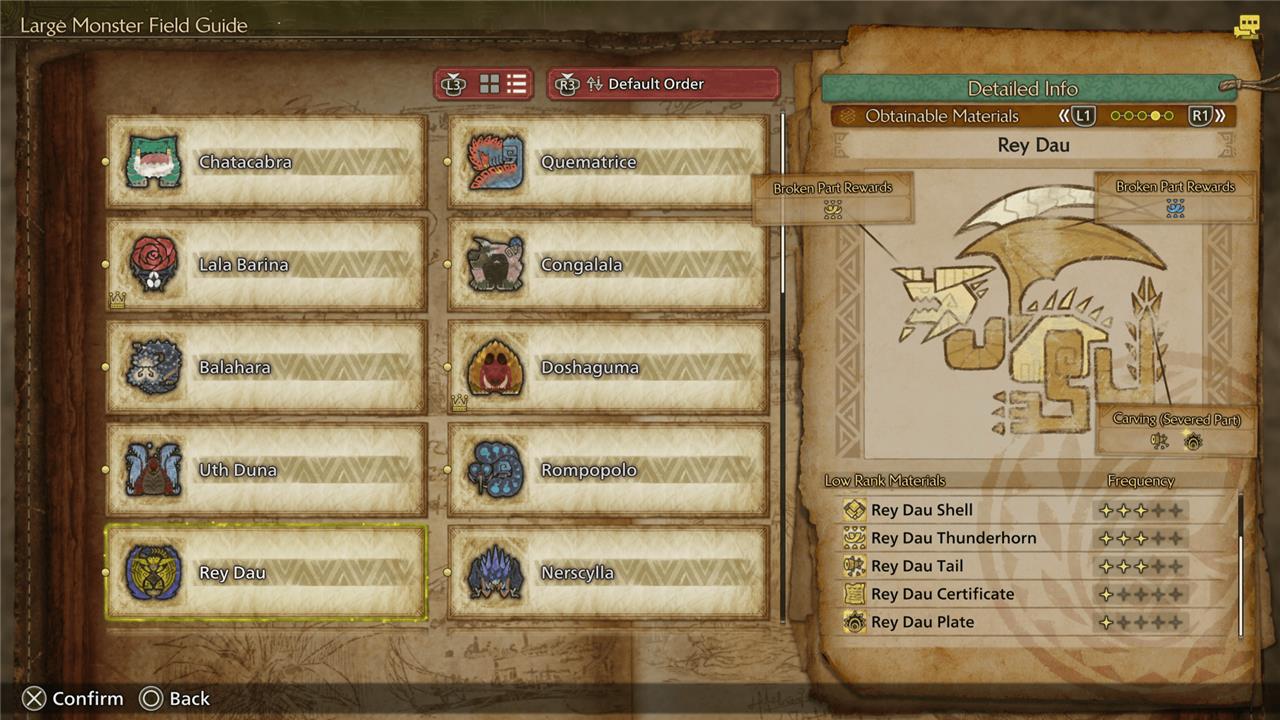
If you’re a hammer or hunting horn user, you may find yourself in need of some tail pieces to craft armor or weapon upgrades that you want. To get these, you’ll typically need to cut (or sever) a monster’s tail using a slicing weapon.
While your Palico can use their own slicing weapon to help you, you’re likely going to need to do it yourself or roll with fellow hunters who have slicing weapons like the long sword, dual blades, or great sword. If you usually run with a blunt weapon, consider keeping an upgraded severing weapon as your secondary weapon on your Seikret.
To sever a tail, you’ll basically need to attack it constantly. Once it takes enough severing damage, it’ll fall off when you land a big hit. This will create a separate carving spot on the ground where the dead tail is sitting. Grab it after you’ve killed the monster or made it run away to get your special tail item.
Some tails are breakable instead of being severable, and will give you their loot pieces when you deal enough damage with a blunt weapon like the hammer or hunting horn. You can check whether a monster’s tail is breakable, severable, or both by visiting the hunter journal entry on the monster you’re going after.
Cutting tails can have additional benefits in-combat as well, like removing a Rathian’s ability to poison you with tail attacks. Removing tail attacks from the equation can make certain monsters far less lethal, especially as you climb the hunter ranks.
How to break monster fangs, claws, and horns in Monster Hunter Wilds
To break monster fangs, claws, and horns in Monster Hunter Wilds, focus on dealing blunt damage to the monster’s head and forelimbs using weapons like the hammer or hunting horn, which excel at this task. Consistently striking these areas will accumulate damage until the parts break, sometimes causing valuable loot to drop directly into the arena. This not only yields rare materials but can also weaken the monster by disabling some of its abilities. For example, breaking claws or horns can reduce the monster’s offensive capabilities, making the hunt easier. If you usually use sharp weapons, consider carrying a blunt weapon as a secondary to efficiently break these parts. Additionally, some monsters’ parts, like Nerscylla’s claws, require attacking specific spots and positioning to break effectively. Using traps, mounting, or status effects can help keep the monster still to focus damage on these breakable parts.
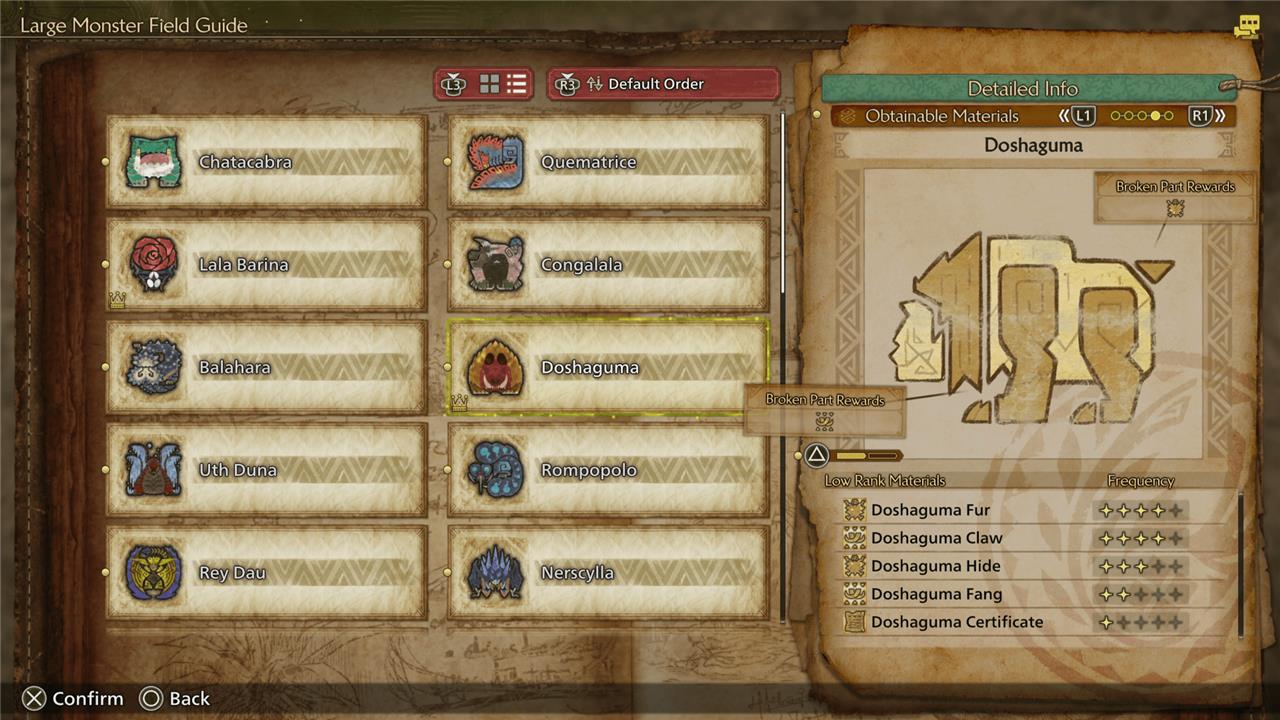
While building gear pieces from monsters, you may find that you’re missing fangs, claws, and horns. These items typically come from breaking the monster’s head and hands.
To do this effectively, you’ll need to inflict blunt damage to those areas, which weapons like the hammer and hunting horn excel at. If you typically use sharper weapons in Monster Hunter, consider bringing a hammer along with you as your secondary weapon in Wilds.
The more times you hit the head and hands with weapons like the hammer, the more you’ll build up damage on those areas of the monster. Eventually, you’ll cause the head or hands to break. Sometimes this will just net you bonus loot pieces at the end of the hunt, but other times it might cause a lootable part to fly off in the arena, so keep an eye out for glowing parts before they leave an area.
While you can use this method to break off horns or ridges and remove some monster’s attacks (or lessen their range), the real benefit of blunt weapons is causing a monster to stun. These big hits can disorient monsters, causing them to fall over for long periods of time, allowing you and your pals to get in a ton of damage with almost no threat of retaliation.
What are the most effective weapons for cutting monster tails in Wilds
The most effective weapons for cutting monster tails in Monster Hunter Wilds are those with sharp edges capable of dealing sever damage. Top choices include Great Sword, Long Sword, Dual Blades, Sword & Shield, Lance, Gunlance, Switch Axe, Charge Blade, and Insect Glaive, all of which excel at delivering continuous slashing attacks to sever tails efficiently. While Bowguns can also cut tails using Slicing Ammo, this method is less effective and requires ammo management, making melee slashing weapons the preferred option. The key is to focus attacks on the tail with these sharp weapons until enough sever damage is dealt to detach it.
Which weapon type in Wilds is best for consistently severing tails
The best weapon type in Monster Hunter Wilds for consistently severing tails is widely considered to be the Great Sword due to its high cutting damage, long reach, and strong part break multipliers, especially when combined with the Partbreaker skill. Its charged attacks can efficiently target tails, often severing them in just a few hits.
The Long Sword is also a top contender thanks to its speed and reach, allowing hunters to continuously hit tails, particularly those positioned higher up on monsters. Additionally, Lance offers solid tail-cutting capability by enabling precise pokes from behind the monster, making it easier to focus damage on the tail.
For ranged players, the Light Bowgun equipped with rapid slicing ammo is effective for tail severing, especially after trapping the monster to create openings.
While Dual Blades have high DPS and mobility, their shorter reach can make hitting tails consistently more challenging, though skilled players can still achieve good results. Other weapons like Switch Axe and Gunlance can also sever tails but may depend more on monster size and positioning.
Ultimately, the Great Sword stands out as the best all-around choice for tail severing due to its combination of damage, reach, and part break potential, followed closely by Long Sword and Lance for melee, and Light Bowgun for ranged hunters.
