
Pathfinder’s Lost Omens: Tian Xia World Guide plunges players into a sprawling, richly detailed continent inspired by Asian fantasy, unveiling over 20 distinct nations and kingdoms teeming with unique cultures, histories, and political intrigue. Crafted by a diverse team of over 40 authors, this 304-page tome offers a depth of worldbuilding rarely seen, packed with compelling lore, vibrant factions, and subtle plot hooks that breathe life into every corner of Tian Xia. Whether you’re a game master seeking immersive settings or a player eager for fresh character options, this guide is an indispensable gateway to adventure in a land where ancient dragons rule and myth intertwines with reality.
Last year’s controversy surrounding the Dungeons & DragonsOpen Gaming License not only damaged Wizards of the Coast’s relationship with its biggest fans, but also helped to turbocharge the sales of competing game systems. Chief among them was Paizo’s Pathfinder, which sold through Twitter in just a matter of weeks. Now the Washington state-based publisher is throwing some serious funding behind its marquee fantasy role-playing franchise. It’s next effort, Pathfinder Lost Omens: Tian Xia World Guide, boasts a team of more than 40 authors. AELGAMES sat down with senior designer James Case to learn more.
Tian Xia is a massive Asian-inspired continent in Pathfinder’s fictional world of Golarion, home to 26 distinct nations and kingdoms. To help bring them to life, Case said it was important to team up with writers who could speak to the Asian experience.

“Almost everyone on the book is Asian, or part Asian, or from the diaspora,” said Case, who is also of Asian descent. “I think a lot of the othering tropes in fantasy come from taking a very monolithic view of a culture, or a fantasy race, or a time period, and I think it’s clear looking at some of the work that we’ve been doing in [Pathfinder Second Edition] have really tried to set the viewpoint from within the nation itself, [and asking] how would the people describe themselves, rather than this sort of assumed view of coming in from outside.”
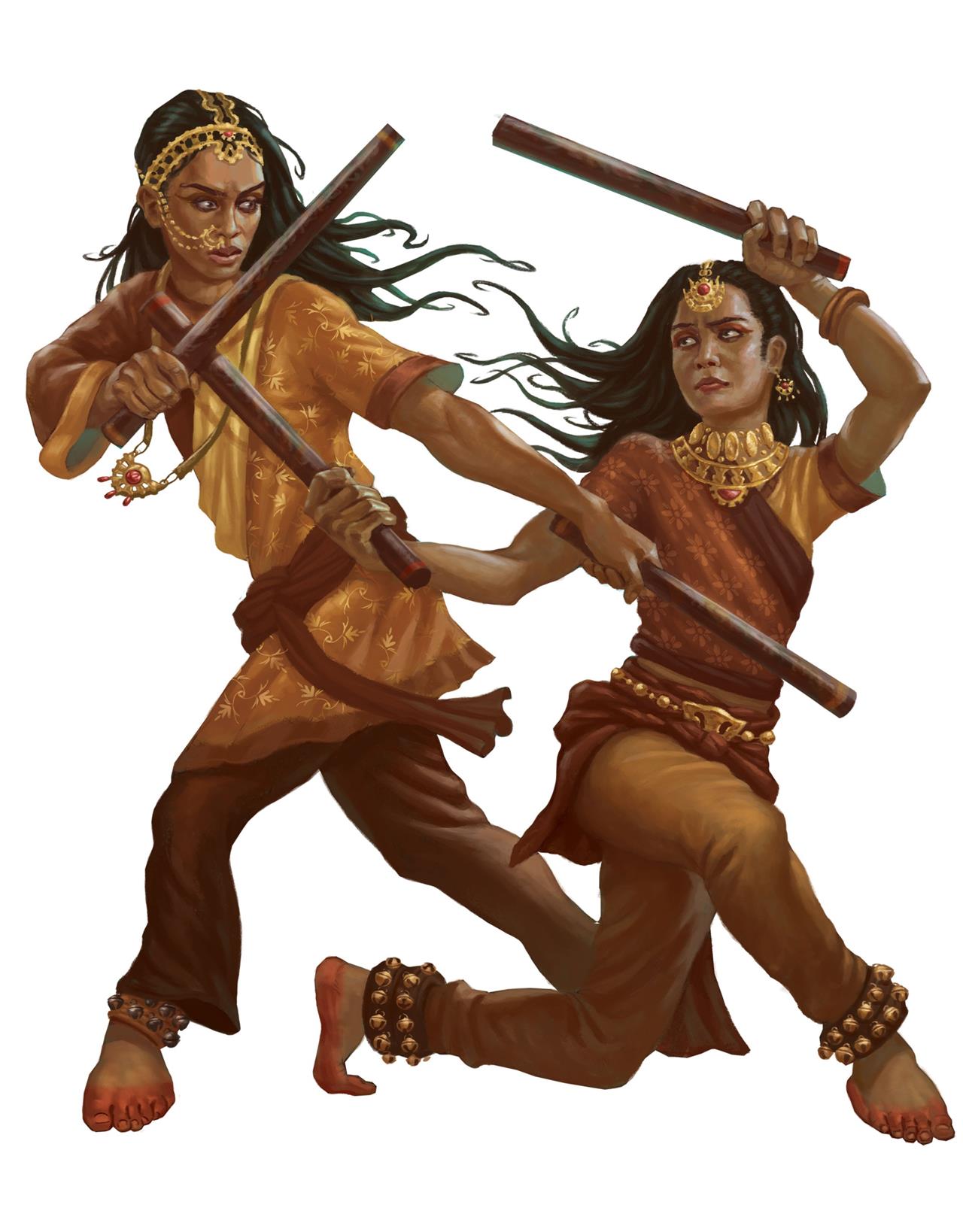
Case’s co-authors include the following: Eren Ahn, Jeremy Blum, Alyx Bui, Banana Chan, Connie Chang, Rick Chia, Hans Chun, Theta Chun, Hiromi Cota, Dana Ebert, Basheer Ghouse, John Godek III, Sen H.H.S., Joan Hong, Michelle Jones, Joshua Kim, Daniel Kwan, Dash Kwiatkowski, Jacky Leung, Jesse J. Leung, Monte Lin, Jessie “Aki” Lo, Luis Loza, Adam Ma, Liane Merciel, Ashley Moni, Kevin Thien Vu Long Nguyen, Andrew Quon, Danita Rambo, K Arsenault Rivera, Christopher Rondeau, Joaquin Kyle “Makapatag” Saavedra, Kienna Shaw, Philip Shen, Tan Shao Han, Mari Tokuda, Ruvaid Virk, Viditya Voleti, Grady Wang, Emma Yasui, and Jay Zhang.
That diversity of experience, Case said, paid dividends in unexpected ways all throughout the manuscript – which includes everything from new and refreshed regional deities, to a bestiary brimming with new monsters.
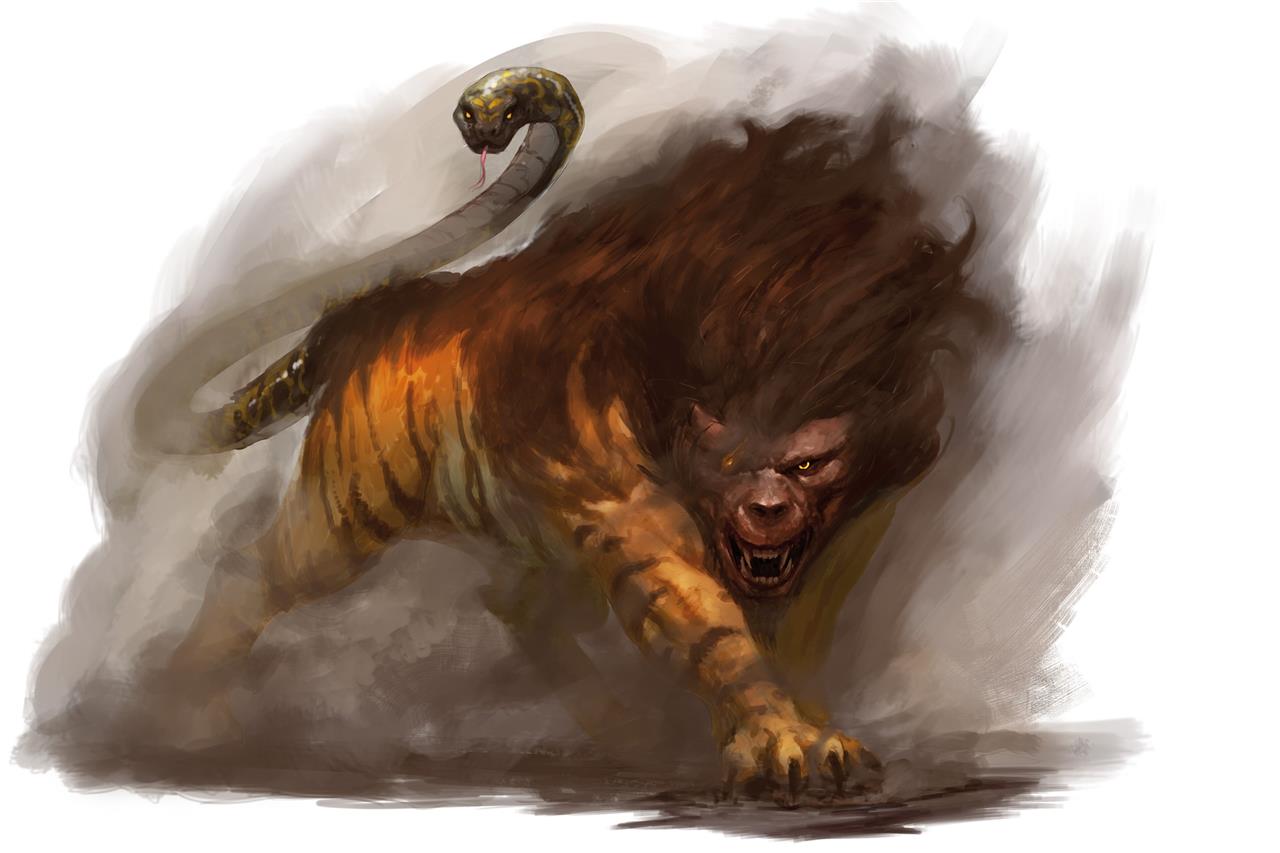
“We have [.] one author who was very experienced with Chinese traditional medicine,” Case said, “who gave us a look into how we might look at the medicine skill in the game, and how that might better align to sort of an Asian view of things. We have some people with archaeology degrees, we have some people who are based overseas and living [in Asia who] brought a lot of very nuanced cultural knowledge to the game. And of course, these are also people who are great fantasy writers and are happy to write about high fantasy conceits like monsters and deities and ghosts and all that.”
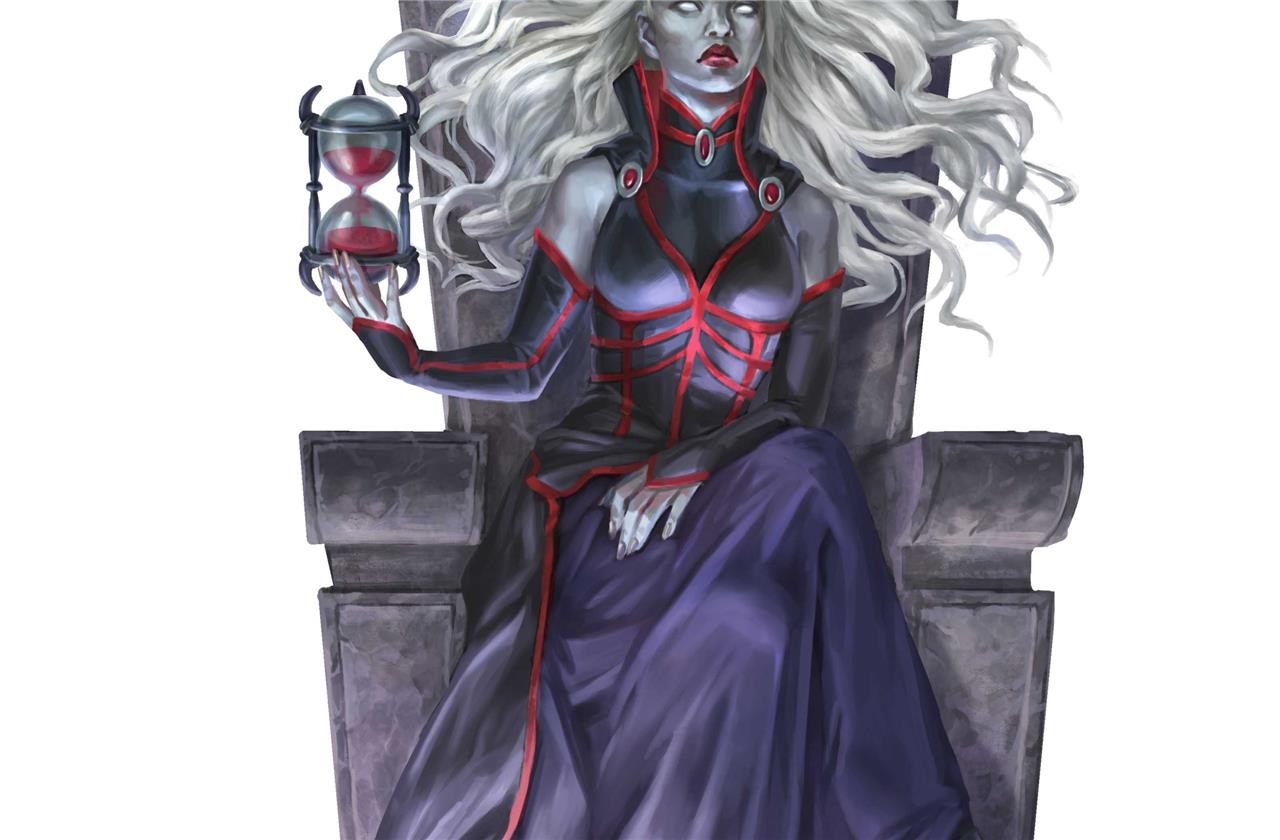
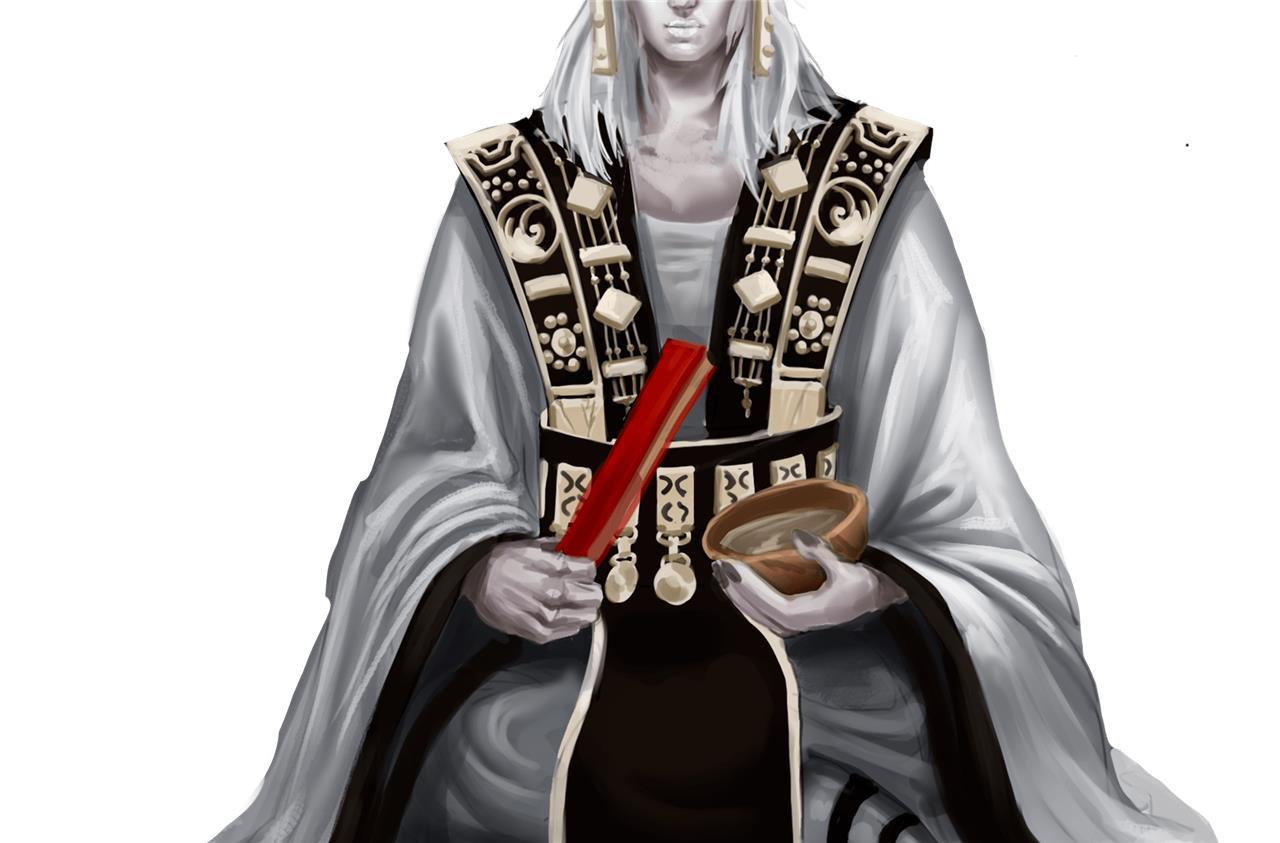
In addition to factually grounding each of the more than 20 nations depicted inside the 304-page book within the larger world of Golarion, the writing team also provided more intimate day-in-the-life narratives for its people.
“Rather than just taking kind of one view and saying that this is how all of Tian Xia sort of does this thing, we look at how it might be different from each nation,” Case added. “If you’re in the far north, where you’re in the desert versus the far south where it’s a rainforest, obviously some things are going to be a little different. We have this space here to dive into it with enough nuance that. We hope that by showing a wide variety of experiences and a wide variety of cultural touchstones, we’ll get [across] the sense that this is a very diverse area.”
The print edition of Pathfinder Lost Omens: Tian Xia World Guide runs $79.99 with pre-orders shipping beginning April 24. A PDF version, which sells for $29.99, will be available that same day. A related book, Pathfinder Lost Omens: Tian Xia Character Guide, will be available this summer.
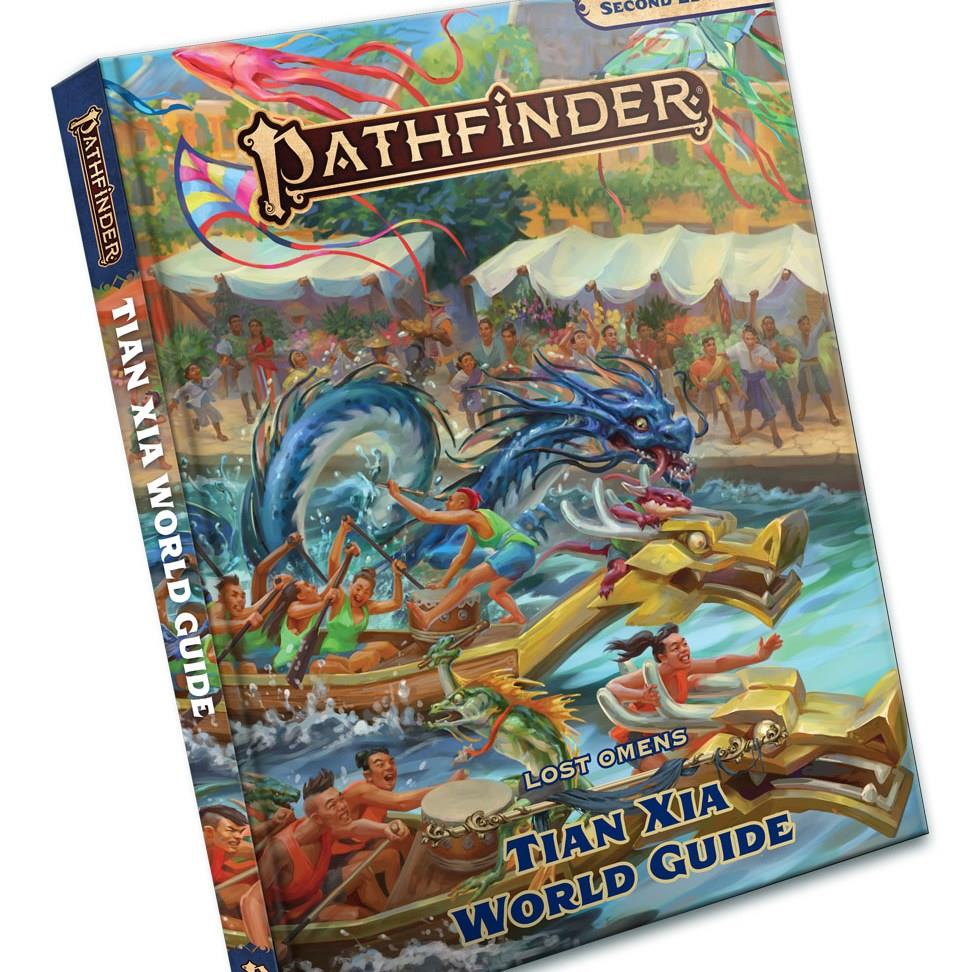
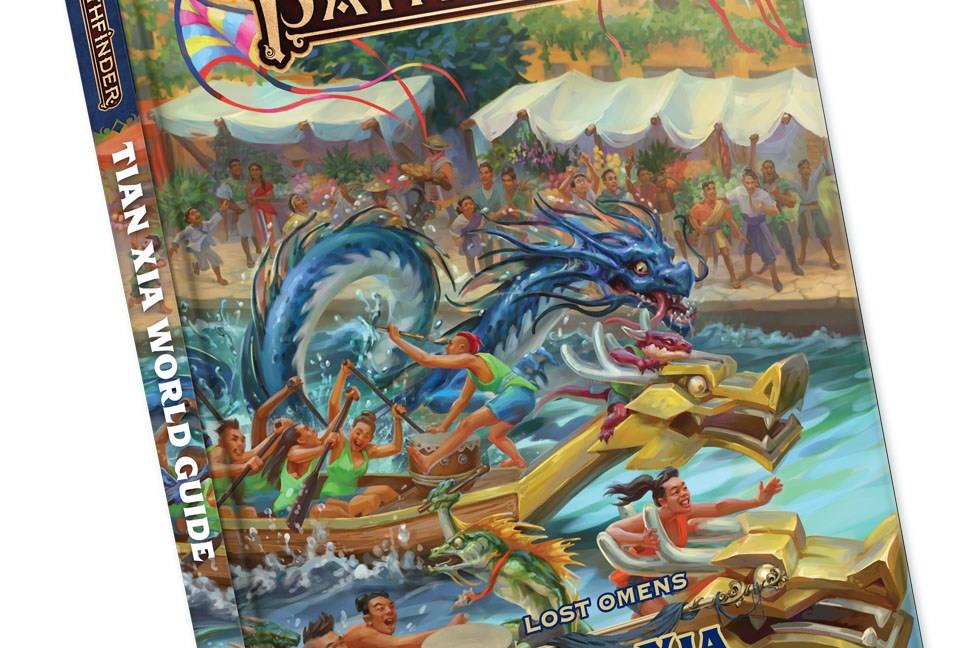
Pathfinder Lost Omens: Tian Xia World Guide
$30 $30 $80 at Paizo (physical)$30 at Paizo (digital)$75 at Amazon (physical)
What hidden talents and stories make Tian Xia’s cultures stand out
Tian Xia’s cultures stand out through their deep-rooted histories and rich, multifaceted stories that blend myth, ancestor veneration, and the supernatural, creating a world where heroes straddle the line between ghost and god and sages transcend mortality. The continent is shaped by ancient dragons whose legacies influence politics and society, sovereign dragons who rule with divine authority, and diverse factions like the pirate confederation the Ante and secretive Veil mages who guard dangerous knowledge. This tapestry of cultures is marked by syncretic religions and philosophies that adapt to local needs, reflecting a pragmatic and layered worldview. Each nation and people carry unique customs, yet share universal hopes and dreams, making Tian Xia a land where the mystical and the mundane intertwine in compelling ways.
What are some lesser-known cultural traditions unique to Tian Xia communities
Some lesser-known cultural traditions unique to Tian Xia communities include distinctive practices related to ancestor spirits and nature, where the souls of the dead linger and inspire less fear than in other regions, reflecting a deep connection with the spiritual world and nature spirits that protect the land. Among the various Tian ethnic groups, unique customs such as elaborate body modifications-piercings and bright geometric tattoos among the Tian-Sings, and expansive spirit-themed tattoo murals among the Tian-Mins-highlight personal and cultural identity in ways uncommon in many fantasy settings.
Additionally, Tian Xia’s cultural calendar and festivals draw inspiration from obscure and fading Asian traditions, such as the Sky-Repair Festival, which honors the goddess Nüwa repairing the sky and involves women leading family worship, a rare matriarchal ritual. Other unique festivals include the Filling the Granary Festival, commemorating a legendary act of kindness toward the starving, and the Tiankuang Festival, known as the “Girls’ Festival,” which blends religious history with seasonal customs like airing clothes and family reunions. These traditions emphasize a blend of mythology, seasonal cycles, and social values that enrich the cultural tapestry of Tian Xia beyond typical fantasy tropes.
