
In 2023, television delivered a stunning array of episodes that not only captivated audiences but redefined storytelling in the medium. From the intense family drama of Succession and the emotional depth of The Last of Us to the culinary chaos of The Bear and the inventive twists of Loki, this year’s standout episodes pushed boundaries and left viewers breathless. These are the moments that dominated cultural conversations, packed with unforgettable performances, sharp writing, and cinematic flair – the very best TV episodes of 2023 that you simply cannot miss.
Of course, what makes an episode a standout has a lot to do with the beholder – it could be because it’s particularly shocking or funny, monumental or contained, horrifying or titillating, vital to the plot or pure filler fun. The best episodes of television in 2023 run the gamut of genre and tone. But at the end of the day, the best episodes feel like something worth highlighting because of the particular delight of those chapters, the way each one feels representative – or even not particularly representative – of what the show does best.
Here are the best TV episodes of 2023.
[Ed. note: Some of these blurbs contain spoilers for the shows in question.]
Blue Eye Samurai season 1, episode 5, ’The Tale of the Ronin and the Bride’
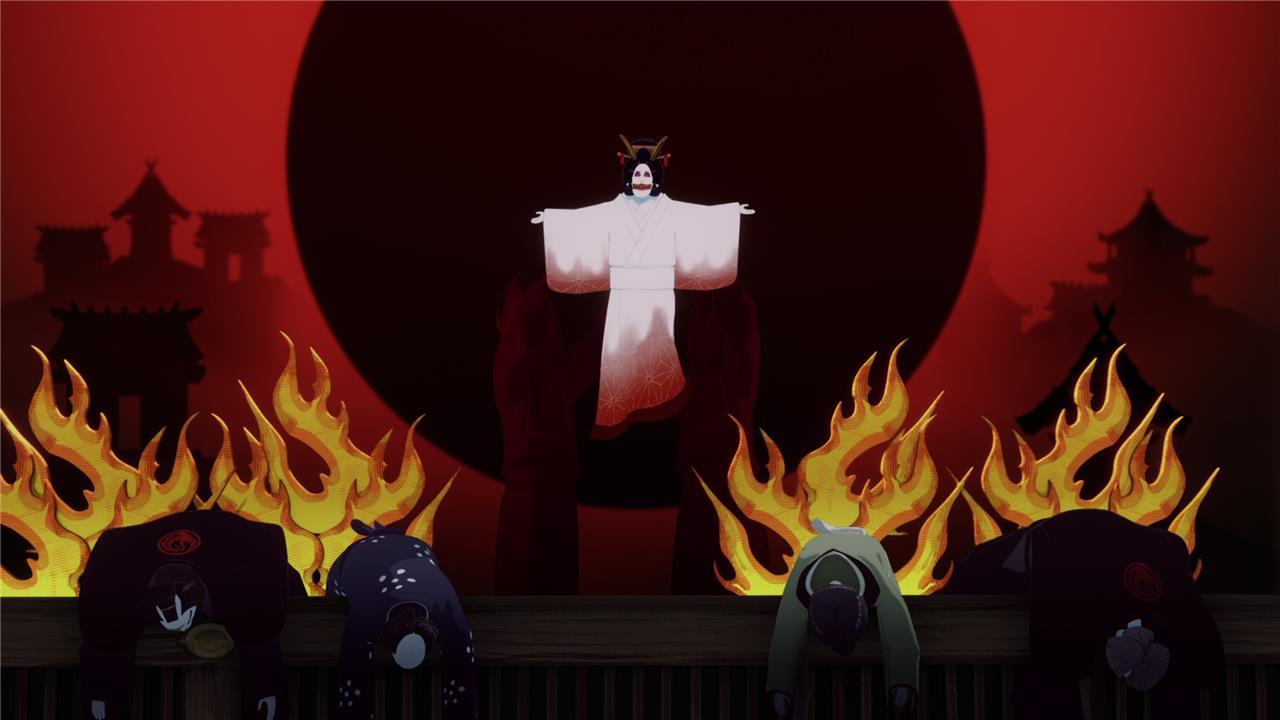
Episode 5 of Blue Eye Samurai, titled “The Tale of the Ronin and the Bride,” stands out as a masterful blend of action and storytelling, weaving together three timelines that reveal the depth of protagonist Mizu’s character. The episode opens with Mizu fiercely defending a brothel against assassins, a fight that triggers a poignant flashback to her youth, her arranged marriage to a disgraced samurai named Mikio, and the tragic betrayal that leads to her killing both Mikio and avenging her mother. The narrative also includes a flashforward involving Akemi, adding layers to the story’s emotional resonance. Praised for its cinematic quality and intense swordfights, this episode is considered by many critics as one of the best TV episodes of 2023, showcasing the series’ unique visual storytelling and complex character development.
Blue Eye Samurai can be found on Netflix.
Blue Eye Samurai starts off as a good show, but by the time the fifth episode ends, it turns into a phenomenal one. “The Tale of the Ronin and the Bride” weaves together three stories – a flashback, a folk tale told via bunraku puppets, and the current impossible fight that the titular warrior, Mizu, faces. It’s an incredible episode, and one that uses the medium of animation to its full effect. The flashback helps the audience understand Mizu’s actions in the present day, and the folk tale allegorically ties both of the other storylines together. Also, the fight scenes are sick. –Petrana Radulovic
Silo season 1, episode 3, ’Machines’
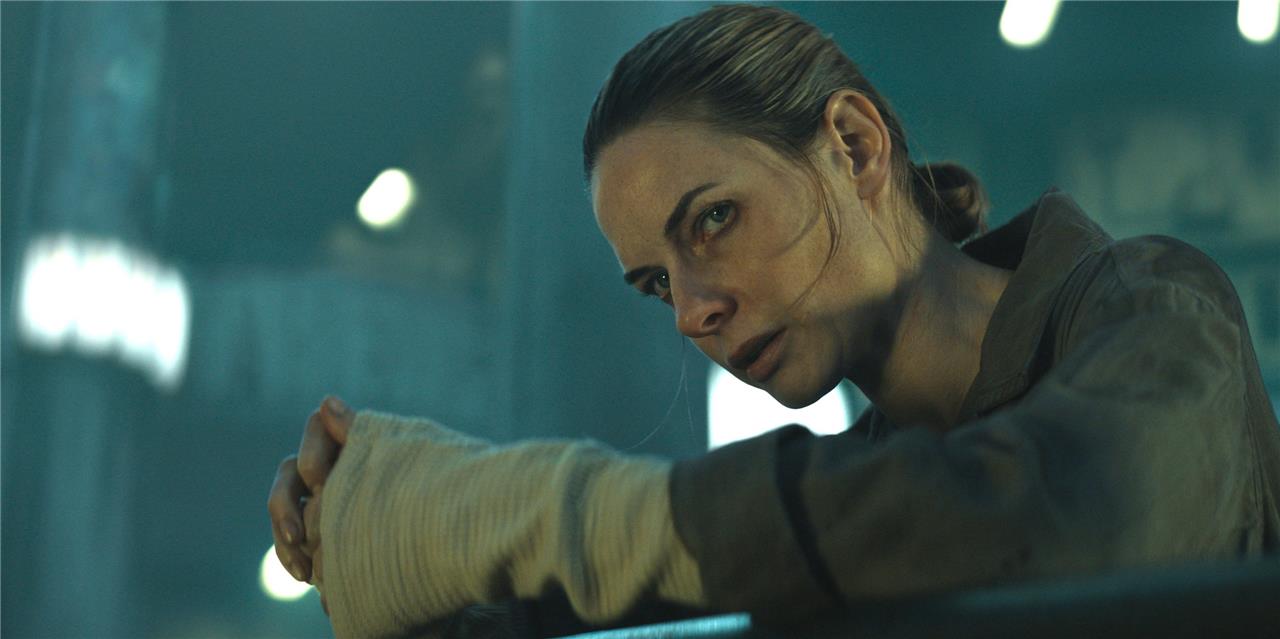
In “Silo” Season 1, Episode 3, titled “Machines,” the story intensifies as Mayor Ruth Jahns and Deputy Sam Marnes descend over 140 levels of the silo to meet Juliette Nichols, the chosen successor to Sheriff Holston. Mayor Jahns investigates Juliette’s background, even questioning her father, while Juliette negotiates to keep the silo’s malfunctioning generator running. Initially reluctant to accept the sheriff nomination due to the critical state of the generator, Juliette changes her mind after seeing Holston’s badge inscribed with “TRUTH.” The episode escalates as the team races against time to fix the generator, which cannot be safely shut down, threatening the entire silo with catastrophic steam pressure buildup. This episode deepens the mystery of the silo’s design and the true length of time its inhabitants have been confined.
Silo can be found on Apple TV Plus.
Silo proved its worth with “Machines,” the third episode of season 1. Where the first two chapters were pensive character studies, “Machines” is a full-on thriller. Certain powers that be want Juliette (Rebecca Ferguson) to take over as sheriff of the silo. She’s game, on one condition: She’s allowed to shut down the generator to make crucial repairs. No one has attempted such a task – because failure could result in everyone in the silo losing power for good. And then also dying.
The core part of “Machines” plays out as a lengthy sequence with the taut intensity of a Mission: Impossible film. But it’s more quietly a showcase of Juliette’s unflappable grit – her magnetic defiant streak that gives Silo its narrative engine – delivered via one of the fiercest lines of the show: “Everyone thinks their job in the silo is the most important,” Juliette says. “Mine actually is.” Talk about knowing your worth. –Ari Notis
Jury Duty season 1, episode 8, ’The Verdict’
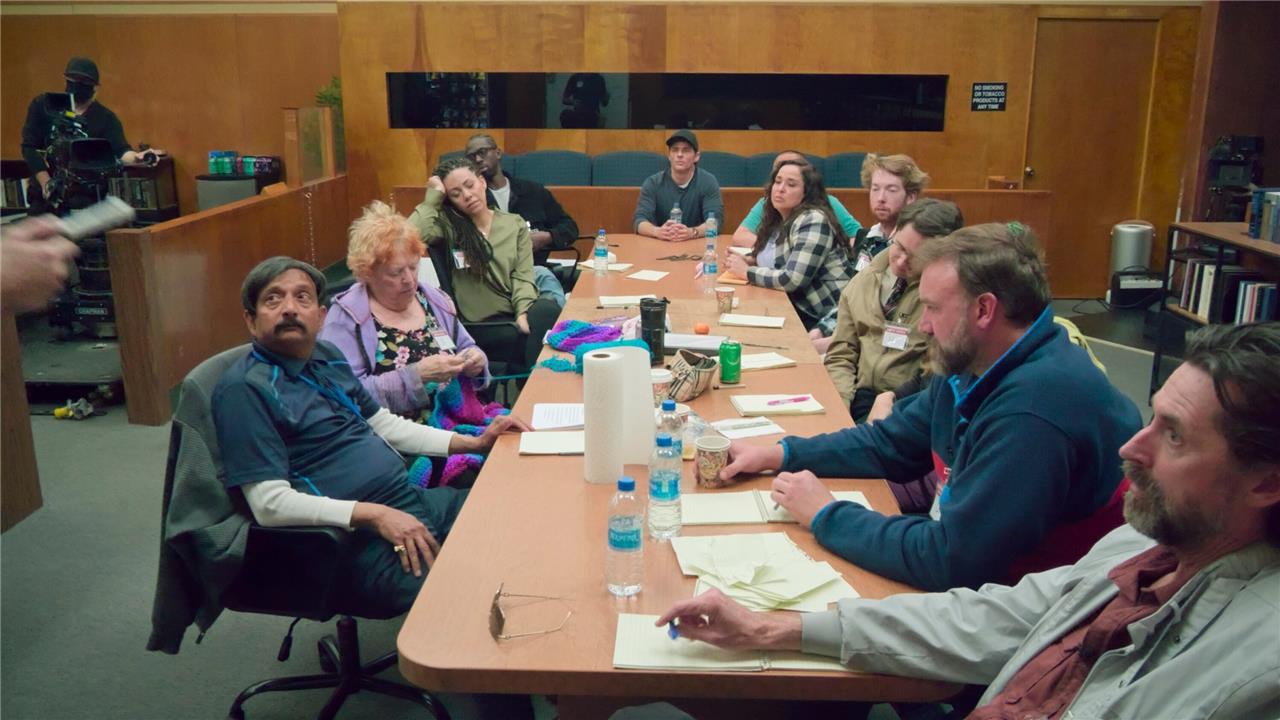
In “Jury Duty” Season 1, Episode 8, titled “The Verdict,” the series reaches its compelling finale as Ronald, the earnest foreperson, delivers the jury’s decision after weeks of deliberation. Unexpectedly, he discovers that another trial is concurrently taking place in the same court, with a separate verdict reached, adding a surprising twist to the conclusion. The episode highlights Ronald’s genuine compassion and intelligence, which have endeared him to both the cast and viewers. The behind-the-scenes revelations underscore the unique and heartfelt nature of the show, with Ronald ultimately receiving a $100,000 reward for his role, symbolizing the restoration of faith in humanity the series inspired. This finale cements “Jury Duty” as a distinctive mockumentary-style comedy that blends humor with a touching human story.
Jury Duty can be found on Freevee on Prime Video.
Magicians may frown upon anyone who reveals the secrets behind an illusion, but comedy writers aren’t so protective, especially when they’ve pulled off a banger. After towing mild-mannered juror Ronald Gladden through seven episodes of a hijinks-filled faux-trial, The Office veterans Lee Eisenberg and Gene Stupnitsky ended their hidden-camera sitcom Jury Duty with what amounts to the ultimate behind-the-scenes featurette. Making Jury Duty was a circus of production coordination, scenario building, and improvisation, all conducted from hidden corners of the courthouse. So while “The Verdict” still gave us a sweet coda for Ronald and fitting post-show reflection, it also deconstructed what amounted to a David Fincher-level operation pulled off on the fly. A stunning effort for a few chuckles. –Matt Patches
Succession season 4, episode 3, ’Connor’s Wedding’
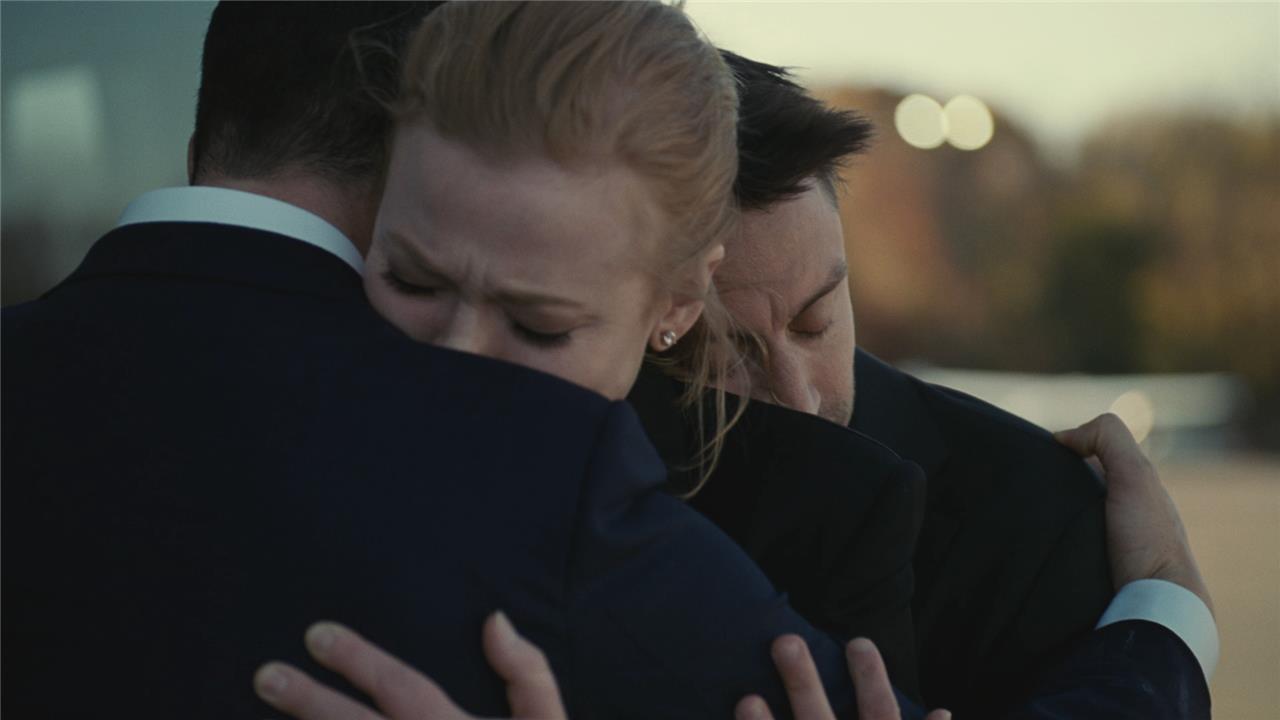
“Connor’s Wedding,” the third episode of Succession season 4, stands out as a masterful and emotionally charged installment that shifts the series’ trajectory with the off-screen death of Logan Roy. Set against the backdrop of Connor’s wedding aboard a yacht, the episode intricately explores the Roy siblings’ varied reactions as they come to terms with their father’s likely death, navigating grief, power struggles, and the looming battle for control of Waystar RoyCo. Praised unanimously by critics, it is lauded for its writing, direction, and performances, with the choice to depict Logan’s demise indirectly allowing a profound focus on the characters’ emotional and strategic responses. The episode culminates in a stark, intimate wedding ceremony amidst chaos, symbolizing the complex interplay of personal loss and corporate ambition that defines the series.
Succession can be found on Max.
This was the big one, the episode that Succession had been building to since its opening minutes: the one where Logan dies. Brian Cox’s Logan Roy was a force of nature in every scene he was (dominating) in, but watching the fallout of his death, and getting each of his children’s unique reactions to it, was devastating and felt like a worthy culmination of the four seasons of family drama that preceded it. “Connor’s Wedding” was a high mark for the series’ rocky final season, and the last moment where every part of the show felt like it was firing on all cylinders. –Austen Goslin
Scott Pilgrim Takes Off season 1, episode 5, ’Lights. Camera. Sparks?!’
In Scott Pilgrim Takes Off season 1, episode 5, “Lights. Camera. Sparks?!”, the series takes a clever meta turn by presenting a documentary-style look behind the scenes of the Toronto production of the fictional Scott Pilgrim movie. This episode stands out for its blend of drama and steamy romance, focusing on Ramona Flowers as she takes on a daring and demanding stunt double role for herself. It also highlights the unexpected and humorous relationship dynamics between characters like Wallace and Todd, adding depth to side characters and enriching the story beyond the original film and comics. The mockumentary format adds a fresh stylistic flair, making this episode a fan favorite for its humor, character development, and unique storytelling approach.

Scott Pilgrim Takes Off can be found on Netflix.
Scott Pilgrim Takes Off is a fantastic reimagining of the original Scott Pilgrim movie, Scott Pilgrim vs. the World (and a great backdoor sequel), and in no episode is its meta-commentary cleverness more evident than this one. During this faux-documentary episode about the disastrous making of the Scott Pilgrim movie, Takes Off deftly dodges back and forth between in-jokes about the film, and expansions of its own animated world. By the end of the episode, which includes Todd having a breakdown, Ramona fighting Wallace’s stunt doubles, and Envy Adams playing Ramona, the brilliant zaniness of Takes Off comes into perspective: This show can do basically anything it wants, and it will. –AG
The Bear season 2, episode 4, ’Honeydew’
The Bear season 2, episode 4, “Honeydew,” offers a refreshing shift in tone as Marcus embarks on a transformative culinary journey in Copenhagen. Under the mentorship of the experienced and patient chef Luca, played by Will Poulter, Marcus strives to master three unique desserts, pushing his skills and confidence in a serene, focused kitchen environment that contrasts with the chaotic energy of the Chicago restaurant. The episode beautifully captures the charm of Copenhagen while exploring themes of growth, mentorship, and the balance between personal challenges and professional aspirations. Meanwhile, back home, the team faces mounting pressures with Sugar’s pregnancy revelation and setbacks in the restaurant’s operations, adding emotional depth to the narrative. “Honeydew” received critical acclaim for its heartfelt performances, especially Poulter’s, and its nuanced directing by Ramy Youssef, making it a standout installment in the series.
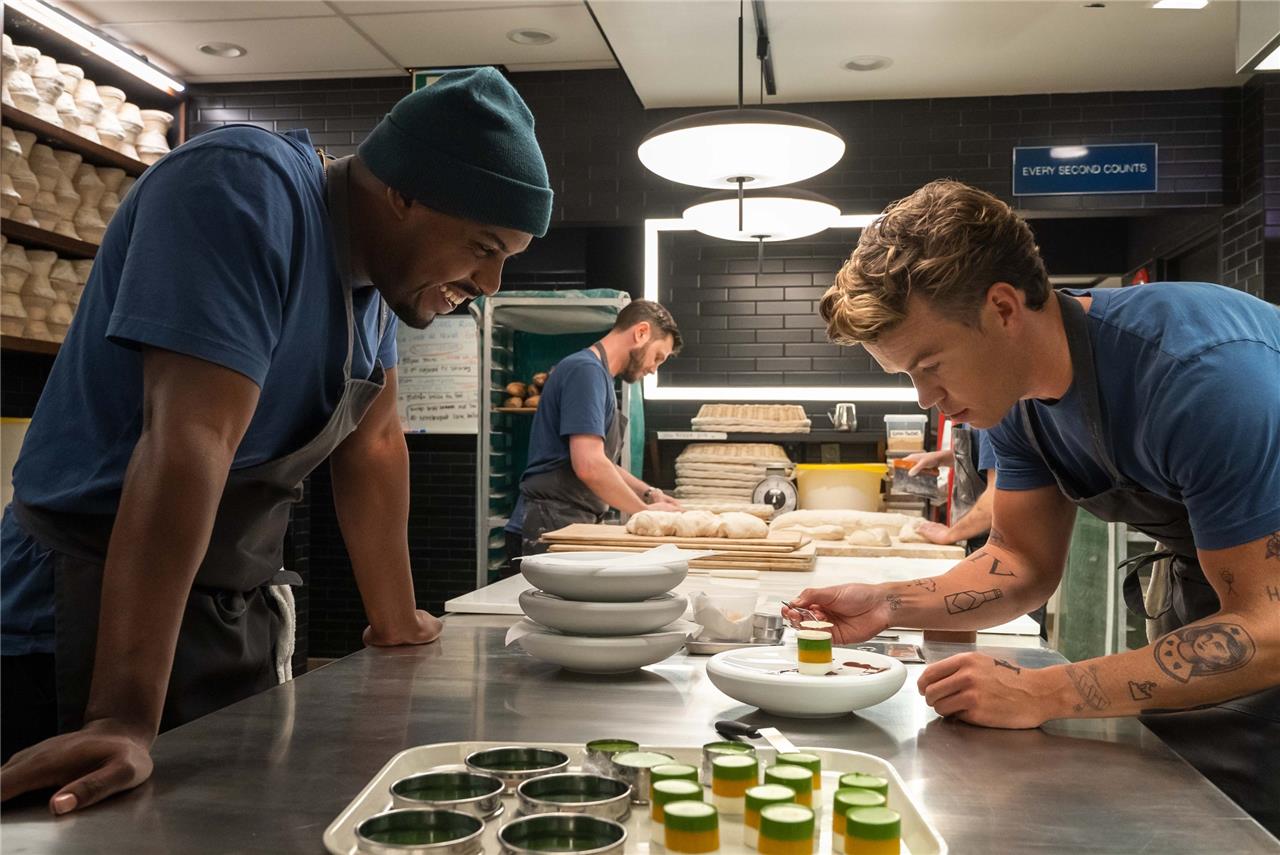
The Bear can be found on Hulu.
We’re all entitled to our favorite episodes of The Bear, but I have the softest spot for Marcus (Lionel Boyce), and thus I adored “Honeydew” both as a focal point for his character, and also as a mellow, melancholic meditation – smack dab in between episodes that were more confrontational.
This is a man who started his culinary career as a cook at McDonald’s, and who has only recently allowed himself to experiment. It is a beautiful thing to see him grow under the tutelage of an accomplished baker – and also fascinating to see Marcus in a room with someone who has ascended so high in the culinary world, only to hear that person admit they’re “not the best.”
It made me think hard about the value of art – how we choose to excel in the craft, whether by competitive spirit or an intrinsic love – and how hard it is to allow yourself the vulnerability to yearn when you’ve only really had the resources and headspace to survive. A TV writer friend of mine recently mentioned that he didn’t love the “random” end of the episode, where Marcus rescues a man on a bike trapped under a gate: What even happens to that man? We never meet him again. I totally disagreed – to me, this emotional beat underlined that caring is a fact of Marcus’ character. Kindness often gets buried in Carmy’s hectic kitchen, but Marcus keeps it alive. It’s a gift. –Nicole Clark
The Bear season 2, episode 7, ’Forks’
In “Forks,” the seventh episode of The Bear Season 2, Richie is sent to intern at Ever, a prestigious three-Michelin-starred restaurant, as preparation for reopening The Bear. Initially dreading the menial task of polishing forks, Richie undergoes a transformative journey, learning discipline, respect, and the intricate rhythms of a top-tier kitchen under the mentorship of Chef Terry, played by Olivia Colman. The episode highlights Richie’s personal growth and newfound appreciation for culinary excellence, culminating in a quiet, uplifting tone that contrasts with the season’s earlier intensity. Praised for its performances, writing, and direction, “Forks” was widely regarded as one of the best TV episodes of 2023 and earned multiple Emmy nominations.
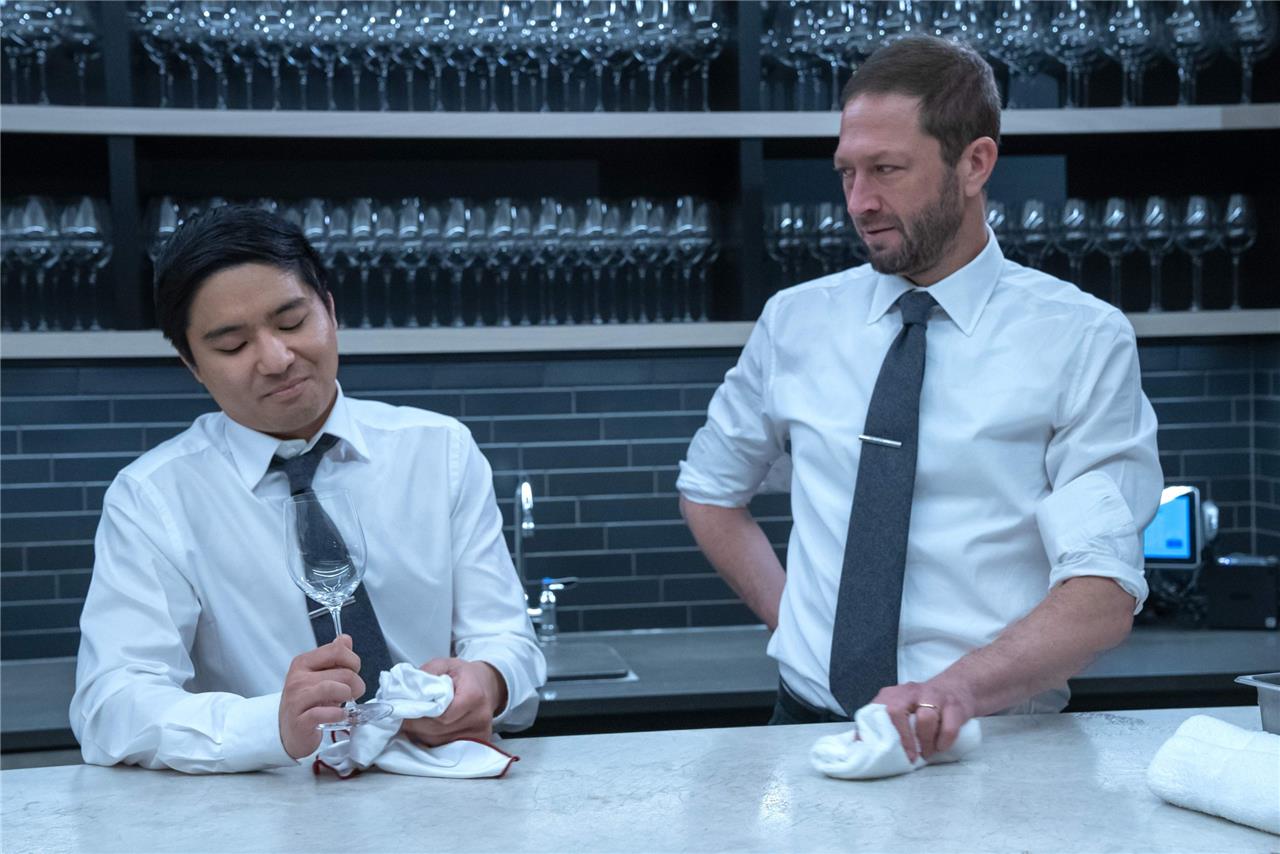
The Bear can be found on Hulu.
As soon as The Bear’s second season revealed that it was going to be following different characters in (more or less) every episode, Richie stuck out like a sore thumb. Just like he says to Carmy in the restaurant’s basement early in the season, it’s not really clear where he fits in to all this or what he’s even good at. Luckily, The Bear knew exactly what to do with him. Watching Richie slowly learn the ropes of fine dining at a prestigious restaurant and find the ways he loves helping people and making them happy was perfect. Everything, from the echoes of him taking care of Tiff earlier in the season, to his conversation with Chef Terry (Olivia Colman) at the end of “Forks,” to him running out and buying a deep dish pizza, felt exactly in line with the character while still pushing him forward and growing him. It’s clean, elegant, fun characterization, and the standout episode of a season that was full of great ones. –AG
Game Changer season 5, episode 9, ’Escape the Greenroom’
In “Game Changer” season 5, episode 9, titled “Escape the Greenroom,” contestants Brennan Lee Mulligan, Siobhan Thompson, and Lou Wilson face the challenge of figuring out how to escape the greenroom before time runs out. The episode showcases the show’s signature blend of improv comedy and unpredictable gameplay, with the players navigating the unknown rules and tasks under the guidance of host Sam Reich. This episode stands out for its manic energy and spontaneous humor, making it a memorable season finale that highlights the inventive and chaotic spirit of the series.
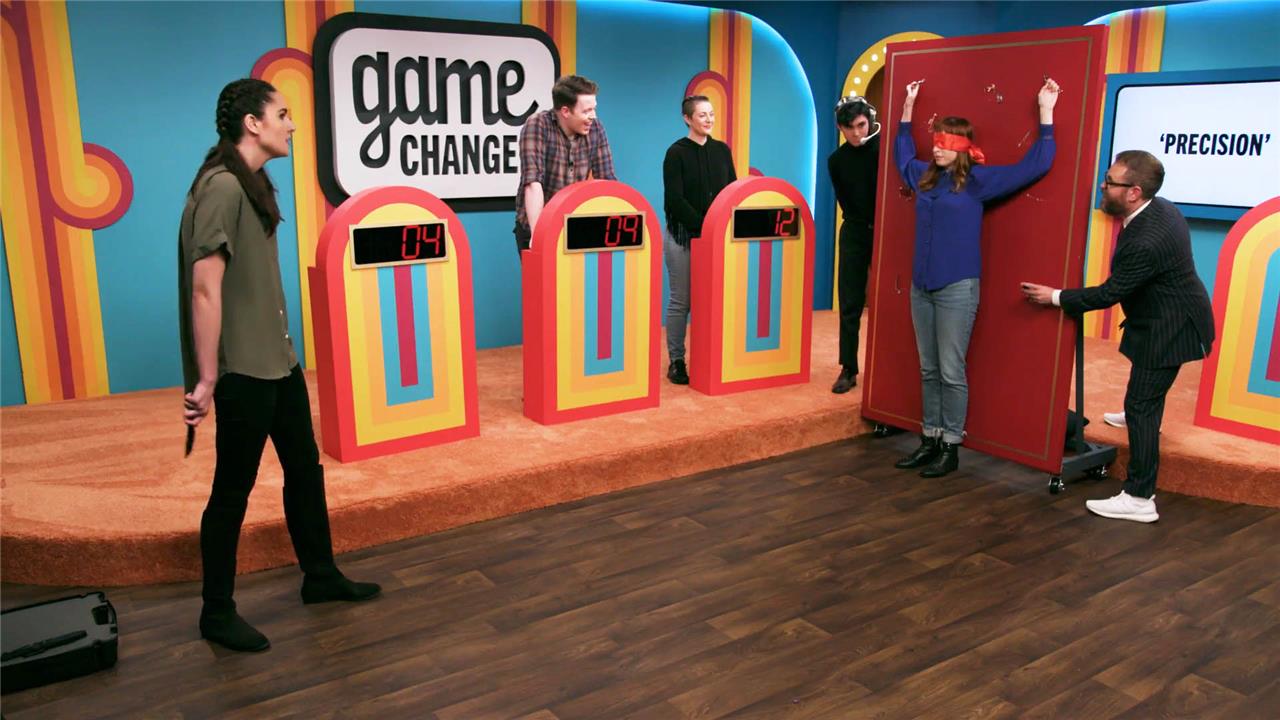
Game Changer can be found on Dropout.
In Game Changer, host/antagonist Sam Reich traps improv performers within their own instincts, and it doesn’t get better than when those performers are testing boundaries or pushing back on their circus ringleader. So “Escape the Green Room,” in which Sam literally traps three unaware Dropout performers in a room, is the apex of the form. Decorum dissolves immediately. Every breakaway object in the room is smashed in a frenzy (plus some that are not, actually, breakaway items). The filming crew is offered $20 to kick an RC car. It’s madness, it’s joy, it’s worth the Dropout subscription all on its own. –Susana Polo
Chucky season 3, episode 3, ’Jennifer’s Body’
The third episode of Chucky Season 3, titled “Jennifer’s Body,” stands out as one of the best in the series, expertly blending horror, dark comedy, and crucial exposition. It reveals how Chucky managed to infiltrate the White House and provides a gripping update on Tiffany’s fate as she faces trial for a murder spree, with Jennifer Tilly delivering a standout performance. The episode also explores the whereabouts of Caroline and features a mix of intense kills and character-driven moments, deepening the show’s mythology while maintaining its signature blend of gore and humor. This installment is praised for tying together key plot threads and elevating the season’s narrative stakes, making it a must-watch for fans of the series.
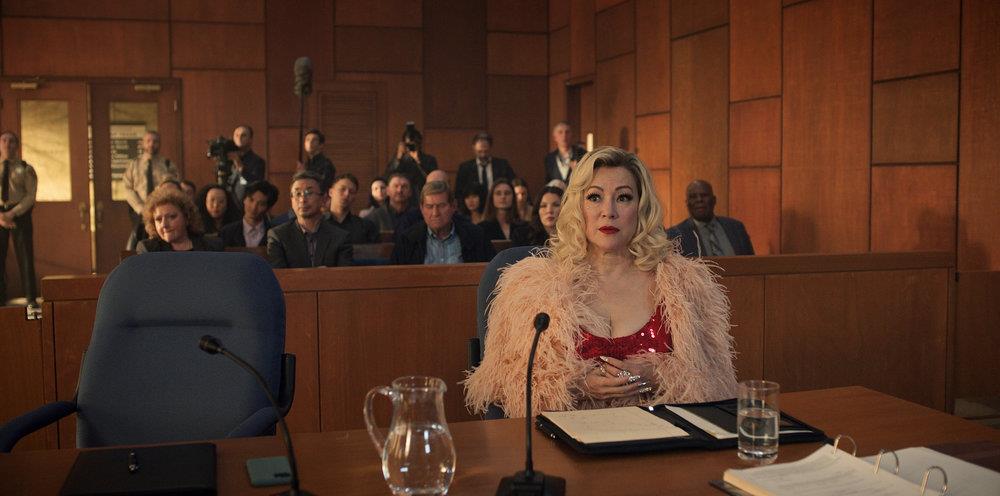
Chucky can be found on Peacock.
In this episode, Oscar-nominated actress Jennifer Tilly (who is actually possessed by Chucky’s ex-girlfriend Tiffany) is charged with 103 counts of murder. Tilly’s gonzo performance as “Jennifer Tilly” is one of the highlights of the show, and the focus on her in the trial allows her fully committed performance to shine. The episode also guest-stars Kenan Thompson, who gets a particularly gruesome death via umbrella. And Chucky, in his quest to find the most evil house in order to undo his infection with “Christian magic” after a season 2 exorcism (this show rules), settles on the White House. It’s a typical day for Chucky, but in typical Chucky fashion, it’s a blast. –Pete Volk
The Continental season 1, episode 3, ’Night 3: Theatre of Pain’
In “The Continental” season 1, episode 3, titled “Night 3: Theatre of Pain,” the series culminates in a high-stakes, action-packed finale where Winston Scott executes a bold revenge plan to seize control of the New York City crime operation. The episode showcases intense combat sequences and strategic moves as Winston and his allies confront their enemies within the Continental Hotel, transforming it from a rundown safe house into the iconic, upscale establishment known from the John Wick films. Despite some criticisms regarding plot coherence and character development, the episode delivers thrilling martial arts choreography and a dramatic conclusion to the season’s storyline.
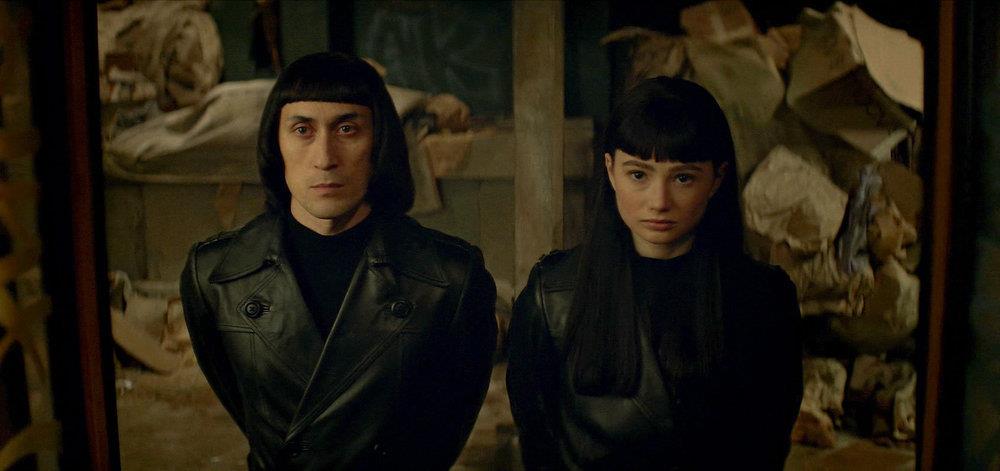
The Continental can be found on Peacock.
I was very skeptical entering the John Wick spinoff series The Continental; I wasn’t sure how much more detail that universe really needed. The first two installments were fun enough. But it was the third that really clicked for me – thanks to the strength of its great action sequences.
The show hired legendary action director Larnell Stovall to design the show’s action, and it really paid off, especially in the third episode. Pitting a contortionist (who played Gabriel in Malignant) against an MMA-trained actor was a stroke of genius, resulting in a rooftop confrontation that is among the best fights of the year. –PV
The Last of Us season 1, episode 3, ’Long, Long Time’
The third episode of The Last of Us season 1, titled “Long, Long Time,” is widely regarded as the standout installment of the series. It diverges from the main storyline to deliver a poignant, two-decade-spanning love story between Bill, a survivalist played by Nick Offerman, and Frank, portrayed by Murray Bartlett. Set in the post-apocalyptic town of Lincoln, Massachusetts, the episode explores themes of love, companionship, and hope amid desolation. Written by Craig Mazin and directed by Peter Hoar, it received critical acclaim for its heartfelt storytelling, Offerman and Bartlett’s performances, and direction, earning several awards including an Emmy for Offerman and a Directors Guild of America Award for Hoar. The episode also deepens the emotional journey of the main characters Joel and Ellie as they seek Bill’s help, making it a masterful blend of character development and narrative depth.
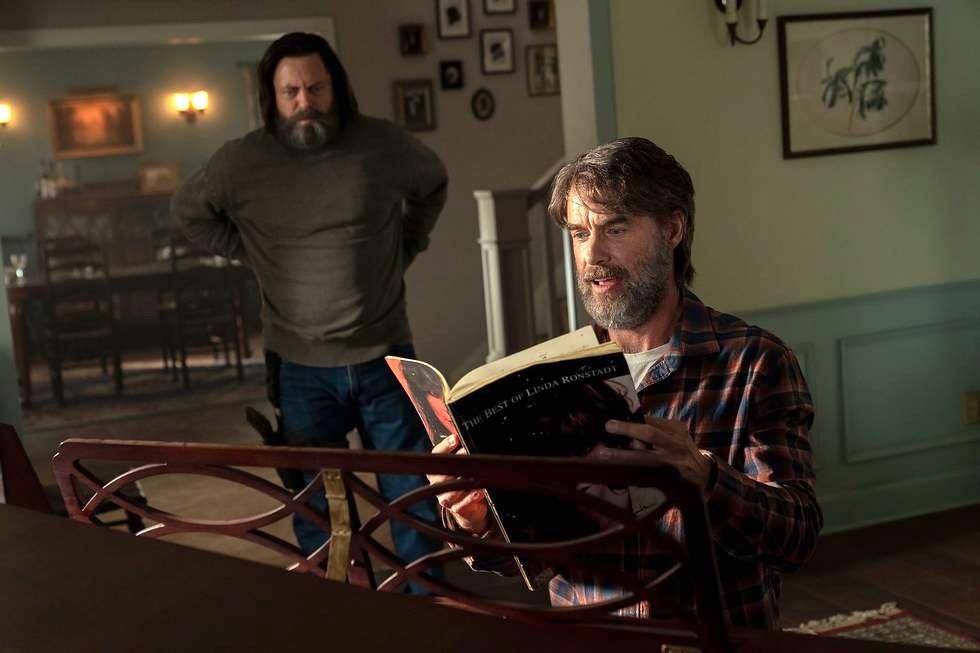
The Last of Us can be found on Max.
HBO’s The Last of Us largely follows the main beats of Naughty Dog’s 2013 hit video game. If you played and loved the game, you might think the show is a little redundant, and you might even be right. But episode 3 of the adaptation, “Long, Long Time,” has something special the game didn’t. Bill and Frank’s relationship was only implied, and we never actually got to meet Frank – it was sort of a combination of the “bury your gays” trope and fridging. In the show, Frank’s ending still isn’t happy, but we actually get to meet and know him, and cry for him, over the course of an episode. Even if you skip the rest of the series, be sure to watch episode 3 – it gives life to a brief, sad section of the game, enhanced by both Murray Bartlett’s and Nick Offerman’s performances as two men who fall in love at the end of the world. –Kallie Plagge
Star Trek: Strange New Worlds season 2, episode 2, ’Ad Astra Per Aspera’
“Ad Astra Per Aspera,” the second episode of Star Trek: Strange New Worlds season 2, stands out as a powerful courtroom drama that tackles themes of identity, prejudice, and justice within the Federation. The episode centers on Commander Una Chin-Riley’s trial after she reveals her Illyrian heritage, challenging Starfleet’s discriminatory policies against genetically modified individuals. Through compelling flashbacks and courtroom confrontations, it explores Una’s personal struggle and the broader societal implications of hiding one’s true self. Praised as one of the best modern Star Trek episodes, it resonates as a classic morality play that reflects real-world issues while embodying the franchise’s hopeful vision of progress and empathy. The episode is celebrated for its nuanced storytelling, strong performances, and its call for Starfleet-and viewers-to strive for a more inclusive future, echoing the franchise’s foundational ideals.

Star Trek: Strange New Worlds can be found on Paramount Plus.
Star Trek has a love affair with the legal drama, and it’s not wrong. A trial bookended The Next Generation, produced some of the franchise’s greatest triumphs, and, though it took decades, is even responsible for Strange New Worlds existing in the first place.
It was ambitious for SNW to take a swing at its own “Measure of a Man.” But “Ad Astra Per Aspera” doesn’t merely equal the brief; it improves on the classic Star Trek trope of putting personhood on trial by keeping the captain out of the courtroom and the focus on the aggrieved minority, not their magnanimous savior. –SP
Poker Face season 1, episode 9, ’Escape from Shit Mountain’
“Escape from Shit Mountain,” the ninth episode of Poker Face season 1, directed by Rian Johnson, delivers a tense, thrilling narrative as Charlie Cale finds herself stranded in a snowy Colorado mountain town after being hit by a reckless parolee, Trey Mendez (Joseph Gordon-Levitt). Trapped in a remote motel with Trey, his uneasy accomplice Jimmy, and a kleptomaniac named Morty, Charlie faces escalating danger and deception amid a blizzard. The episode stands out for its intense atmosphere, strong performances, and unexpected twists, including Charlie’s near-fatal encounters and the dark secrets surrounding a decade-old missing person case. Praised as one of the season’s best, it masterfully blends suspense and character drama in a confined setting, showcasing Johnson’s distinctive directorial style and elevating the series’ formula with shocking developments and gripping tension.
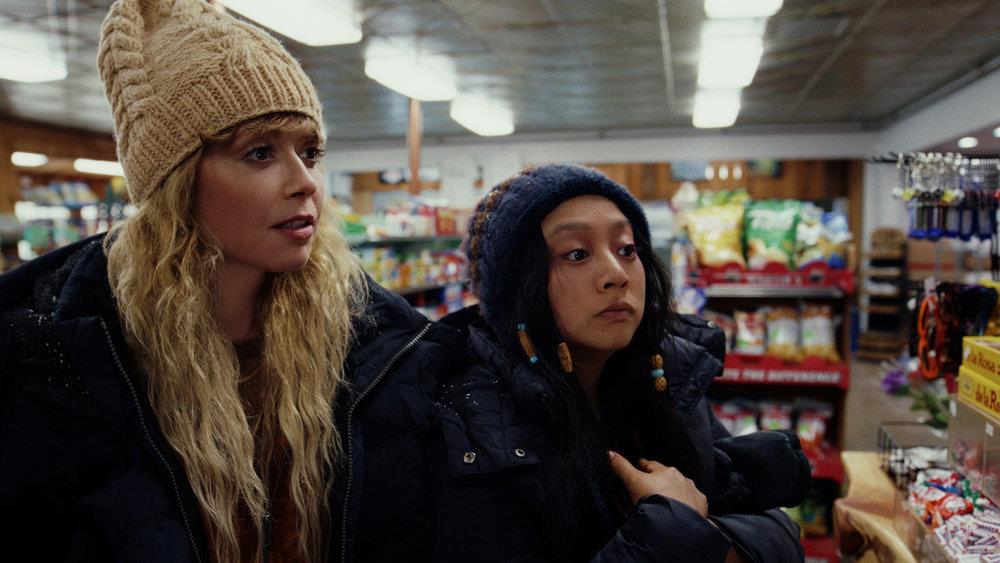
Poker Face can be found on Peacock.
Every episode of Rian Johnson’s Columbo-derived murder-procedural series is its own little micro-movie, often tapping into different crime-movie subgenres. “Escape from Shit Mountain” is the Very Bad Things pastiche, the kind of story where a selfish, reckless person makes one bad decision, then doubles down on it, necessitating a whole host of further bad decisions to keep that first one under wraps.
In this case, the first bad decision comes from Trey (constant Rian Johnson collaborator Joseph Gordon-Levitt), a rich, terminally bored man under house arrest in a fancy chalet. By this point in Poker Face, the show’s format was getting familiar, but this episode stretches stylistically, with a Blood Simple-esque neo-noir look and nervy montage editing, and structurally, with a story that downplays Charlie’s shamus role, and instead puts her into one mesmerizingly dangerous, unpredictable situation after another. It’s breakneck, breathless storytelling, with a terrific cameo fromEverything Everywhere All at Once’s Stephanie Hsu and the entire series’ most unnerving episode ending. –Tasha Robinson
How To with John Wilson season 3, episode 5, ’How to Watch Birds’
In Season 3, Episode 5 of “How To with John Wilson,” titled “How to Watch Birds,” John Wilson confronts the realization that he has been spending too much time indoors and decides to explore birdwatching. This new hobby opens up a surprising world of possibility, blending moments of genuine wonder with the show’s characteristic quirky and dubious claims. The episode captures Wilson’s unique observational style as he navigates the rituals of birding, reflecting on human connection and the unexpected insights that come from simply paying attention to the small details around us.

How to with John Wilson can be found on Max.
John Wilson’s wistful camera-rolling approach to life has made him a distinct voice in documentary storytelling – but even he was bound to get tired after landing the opportunity of a lifetime making his own show at HBO. Fans knew it was over the minute “How to Watch Birds” premiered; the guy who made his bones on capturing unfettered reality pulled the rug from under his audience’s feet, making them question everything, as they should. An F for Fake for the aging hipster demo, “How to Watch Birds” starts with a typical inquiry and ends with a car explosion. Even a show that could only exist with a filmmaker as curious as Wilson still needs a little of that fabricated push of modern TV-making to tell its stories, and Wilson lays it all out for his audience to see, which happens to involve a lot of simulated poop. –MP
Reservation Dogs season 3, episode 6, ’Frankfurter Sandwich’
In “Reservation Dogs” season 3, episode 6, titled “Frankfurter Sandwich,” Cheese undergoes a transformative journey as he is taken camping by the elders Bucky, Brownie, and Big to help him reconnect with life beyond his virtual reality escapism. The episode blends humor and heartfelt moments as Cheese learns about nature, community, and vulnerability. Through fishing, storytelling, and a poignant talking stick circle, the men share their regrets and losses, particularly about their friend Maximus, fostering a powerful male bonding experience. Cheese promises to stay connected and not drift away like Maximus, ending the episode with a sense of hope and communal strength as they watch the sunset together.

Reservation Dogs can be found on Hulu.
There are too many great episodes to choose from in Reservation Dogs’ excellent final season, my favorite show of the year. There’s the one where Bear meets long-lost community member Maximus in the desert. Or the heartbreaking episode about the Deer Lady’s childhood. Or the one about the elders as kids. Or the one where Elora meets her dad. The list goes on!
But my favorite is “Frankfurter Sandwich,” where Cheese, avoiding his friends, is sent out by his grandmother to hang out with the uncles. The group goes on a camping trip together, in a very sweet and funny episode that expands on the season’s interest in cross-generational relationships and what we can learn from each other. –PV
Hilda season 3, episode 8, ’The Fairy Isle’
Hilda season 3, episode 8, “The Fairy Isle,” serves as a powerful and emotional series finale where Hilda ventures into the mysterious fairy mound to find her father. Along the way, she uncovers deep family secrets and confronts the perilous truth behind the fairy world’s decline. The episode blends fantasy, adventure, and heartfelt moments, culminating in a rich narrative that ties together the series’ themes of family, sacrifice, and courage. With a runtime of over an hour, it delivers a cinematic experience praised for its storytelling and character development, leaving a lasting impact on fans of the show.
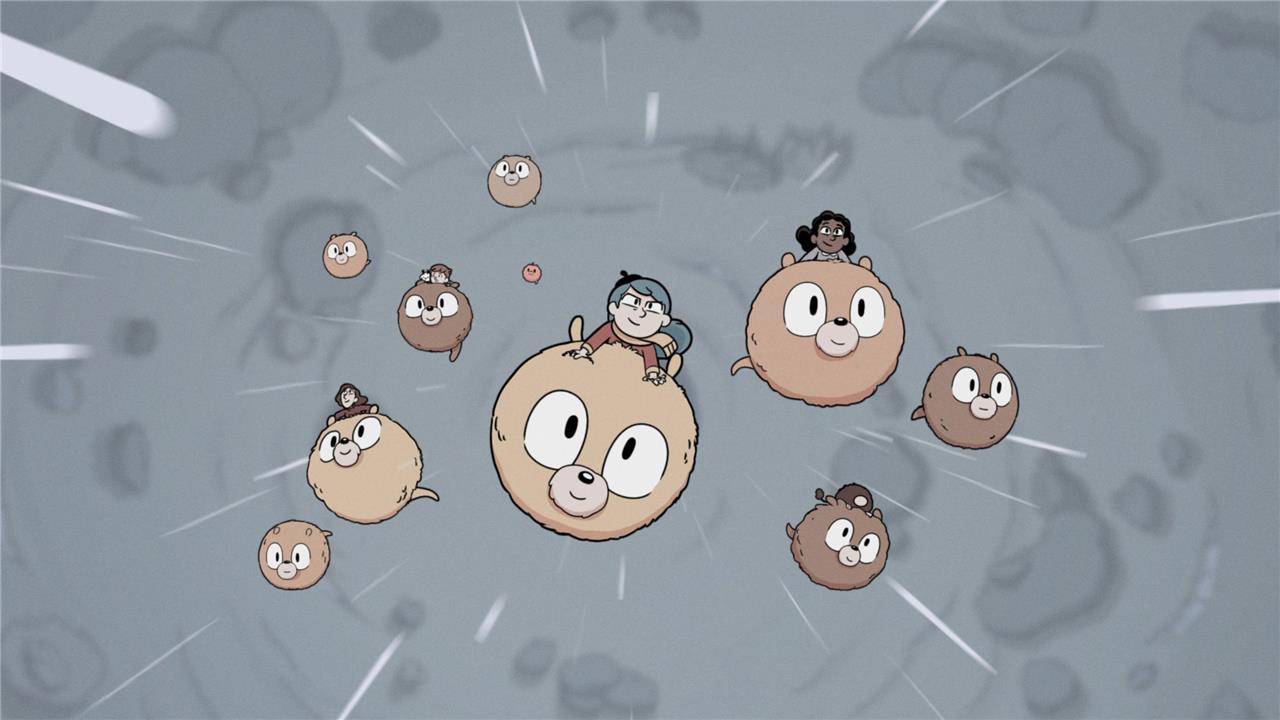
Hilda can be found on Netflix.
Hilda is one of those phenomenal animated children’s shows that also appeals to adult viewers. It stars the young, plucky Hilda (Bella Ramsey), who lives in Trolberg with her mom, and who has a penchant for exploring nature – and getting into trouble. But none of its themes are one-note. Sometimes Hilda wins and sometimes she loses, and that is the very joy of life itself.
The third season focuses on the deepest mystery of the show: who Hilda’s family is. The answer to where she really came from is beautifully revealed in the finale, in a heavy episode that gives meaning to everything that comes before it. And while it’s always sad when a favorite show comes to an end, I love the intentionality with which this finale was crafted – down to the cameos of characters from previous episodes, shown in a kind of ending montage, as if to signal, “Hilda may be over, but her adventures will go on.” It feels like graduating. –NC
Invincible season 2, episode 3, ’This Missive, This Machination’
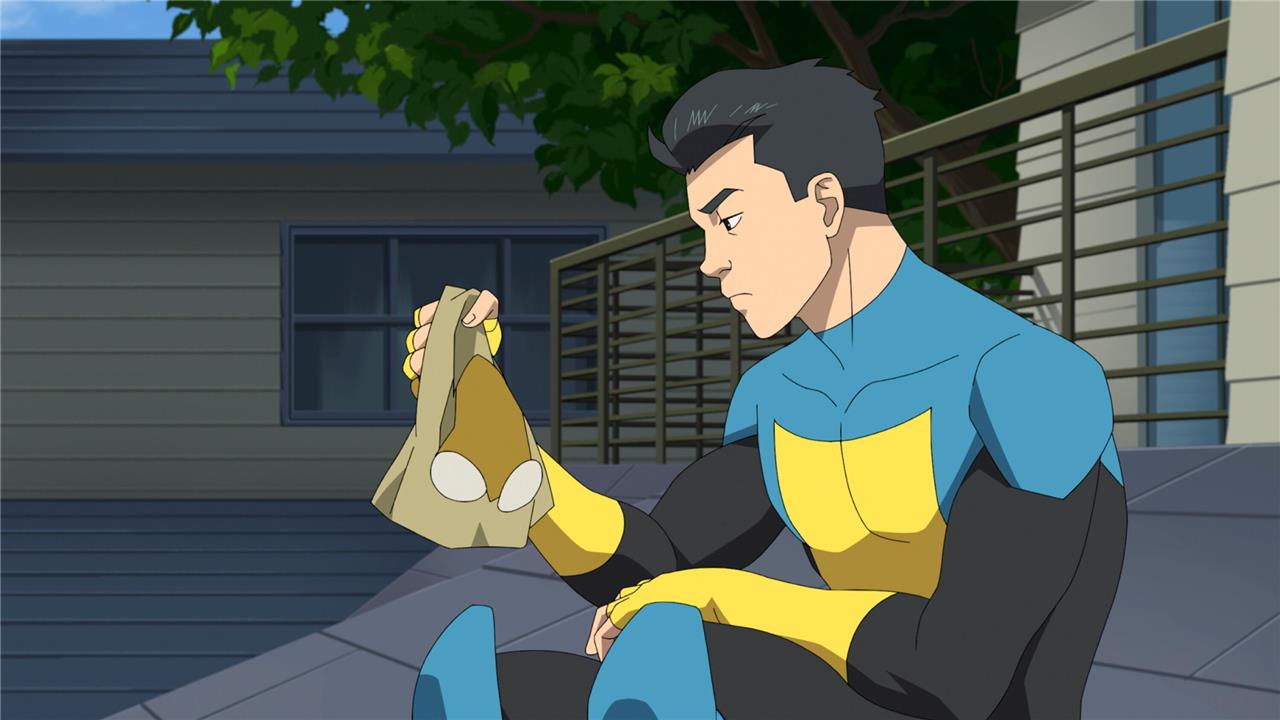
Invincible season 2, episode 3, “This Missive, This Machination,” marks a shift in tone as Mark Grayson begins his college life, balancing personal growth with superhero responsibilities. The episode also delves into Debbie’s emotional struggles through a superhero spouse support group, highlighting the lingering trauma from her husband’s actions. Meanwhile, Allen the Alien faces betrayal and a brutal attack within the Coalition of Planets, revealing a mole working against them. The episode culminates in a surprising reunion and a call to action when Mark is summoned to aid an alien race, blending intense character development with intergalactic intrigue.
Invincible can be found on Prime Video.
The third episode of Invincible’s second season has a lot going on. There’s a prologue about Allen the Alien, and a strong B-plot about Debbie attending a support group. A shape-shifting alien shows up disguised as the ridiculous comic book character Seance Dog, leading to some hilarious antics between Mark and his roommate.
But that’s all a bait and switch for its ultimate aim: a dramatic, surprising reunion between father and son. The ensuing conflict, which continues into the (also excellent) fourth episode, does not shy away from Mark’s anger toward his father, or his pain. But because this is Invincible, those feelings have to be balanced against a surprise threat, forcing an unlikely and emotional team-up.
The third episode is where Invincible’s second season really hit its stride. Now we just have to suffer the wait for part 2. -PV
The Other Two season 2, episode 6, ’Brooke, and We Are Not Joking, Goes to Space’
In “The Other Two” season 2, episode 6, titled “Brooke, and We Are Not Joking, Goes to Space,” Brooke, after a prolonged period of post-breakup wallowing, finds inspiration from Pat to seek a partner more aligned with her own level. Meanwhile, Cary is cast to voice a major studio’s first openly queer character, raising questions about whether the anticipation will match the eventual payoff. The episode explores themes of personal growth and career challenges with the show’s characteristic blend of humor and satire.

The Other Two can be found on Max.
Chris Kelly and Sarah Schneider’s Hollywood-skewering comedy hit so many highs this season as it vaulted from the deranged into the surreal, but nothing hit as hard as Cary Dubek (Drew Tarver) standing in a fabulous Billy Porter-ready dress watching as he’s the victim of a classic movie studio gay fakeout. While the title nods to Brooke’s date with a Jeff Bezos stand-in, it’s Cary landing the role of Globby, the “first openly queer character” in a Disney Animated film, that cracks all the show’s themes: big breaks, friend-group sacrifices, selling out your identity, and whether globs of green goo can have sex. Laced with sadness but packed with jokes, the half hour is exactly what The Other Two does so well and what will be sorely missed when nothing comes to take the now-concluded series’ place. –MP
Only Murders in the Building, season 3 episode 8, ’Sitzprobe’
Only Murders in the Building, season 3 episode 8, “Sitzprobe,” is a pivotal installment set entirely in the Gooseberry Theatre during the first live orchestral rehearsal of Oliver’s musical. The episode unravels key revelations, including Loretta’s secret past as the biological mother of Dickie Glenroy, shifting suspicions and deepening the murder mystery. The estranged trio reunites, working together to outsmart Detective Williams, who returns to lead the reopened investigation. Loretta dramatically confesses to killing Ben to protect Dickie, culminating in a tense and emotional climax that propels the season toward its finale. The episode expertly blends theatrical chaos with mounting suspense, showcasing strong performances and significant plot twists that heighten the stakes for the remaining episodes.

Only Murders in the Building can be found on Hulu.
This season of Only Murders in the Building was pretty light on the detective work and leaned more on the theater drama of it all. But the best episode made use of both these elements, seamlessly blending Charles (Steve Martin), Oliver (Martin Short), and Mabel (Selena Gomez) investigating the murder with the dry run of Death Rattle Dazzle. It culminates in Charles belting out his patter song – a completely infectious number that he infamously flubbed over and over again in previous episodes – while Oliver pulls off the sneakiest subterfuge yet. It’s everything the show does best, and I still can’t get “Which of the Pickwick Triplets Did It?” out of my head. –PR
Mrs. Davis season 1, episode 3, ’A Baby With Wings, a Sad Boy With Wings and a Great Helmet’
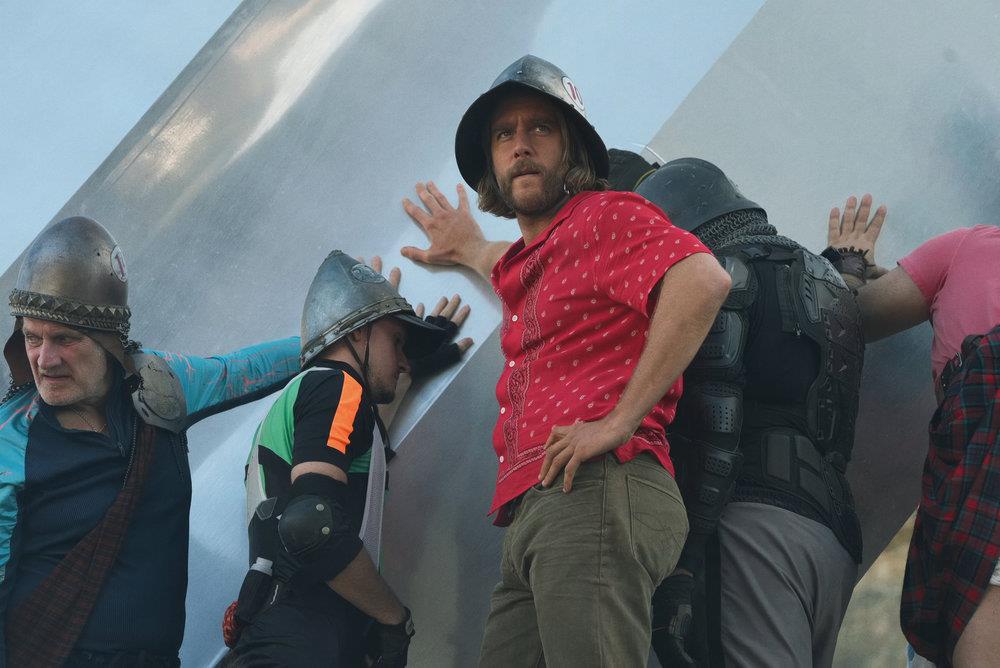
In “Mrs. Davis” season 1, episode 3, titled “A Baby With Wings, a Sad Boy With Wings and a Great Helmet,” the story delves deeper into Wiley’s past and his complex relationship with Simone (formerly Lizzie). On Wiley’s 25th birthday, he plans to reject his $712 million inheritance in favor of a modest sum to start a new life with Lizzie in Alaska, only to have his world shaken by a revelation from a cowboy named Bo. Meanwhile, Simone confronts her mother Celeste aboard a train, revealing family tensions and secrets. The episode culminates in Wiley entering the intense Excalibattle contest at a Scottish festival, donning a special pair of shoes gifted by Mrs. Davis, which symbolize a shift in his identity from cowboy to knight. The episode blends surreal moments, emotional backstory, and symbolic challenges, highlighting the show’s unique mix of sci-fi, mysticism, and personal drama.
Mrs. Davis can be found on Peacock.
Tara Hernandez and Damon Lindelof’s Mrs. Davis goes ridiculously far afield in its story, jumping from the Crusades to the modern-day Vatican to a desert island to a Vegas magic act to a modern-day nunnery. But episode 3 does the best job of defining the careful tone of that weirdness, as paranoid cowboy Wiley (Jake McDorman) completely derails the show’s central quest to participate in an absurd endurance contest known as “Excalibattle.” The episode leaps back and forth in time as Mrs. Davis so often does, filling in backstory on the complicated, fraught relationships that series protagonist Simone (Betty Gilpin) has with Wiley and others.
But the real joy of this episode is how hard it leans into Wiley’s spontaneous obsession with an event that’s both ridiculous and painfully mundane, and how convincingly it explores the lengths people will go to when they’re trying to erase past shames and live up to their own self-images. The whole episode seems to be laughing at Wiley, and at macho self-aggrandizing in general – and yet it’s sympathetic as well, both to his struggles with his past, and to his impulsive, desperate attempt to find a fix that helps him live with himself. –TR
The Devil’s Plan season 3, episode 3, ’Episode 3’
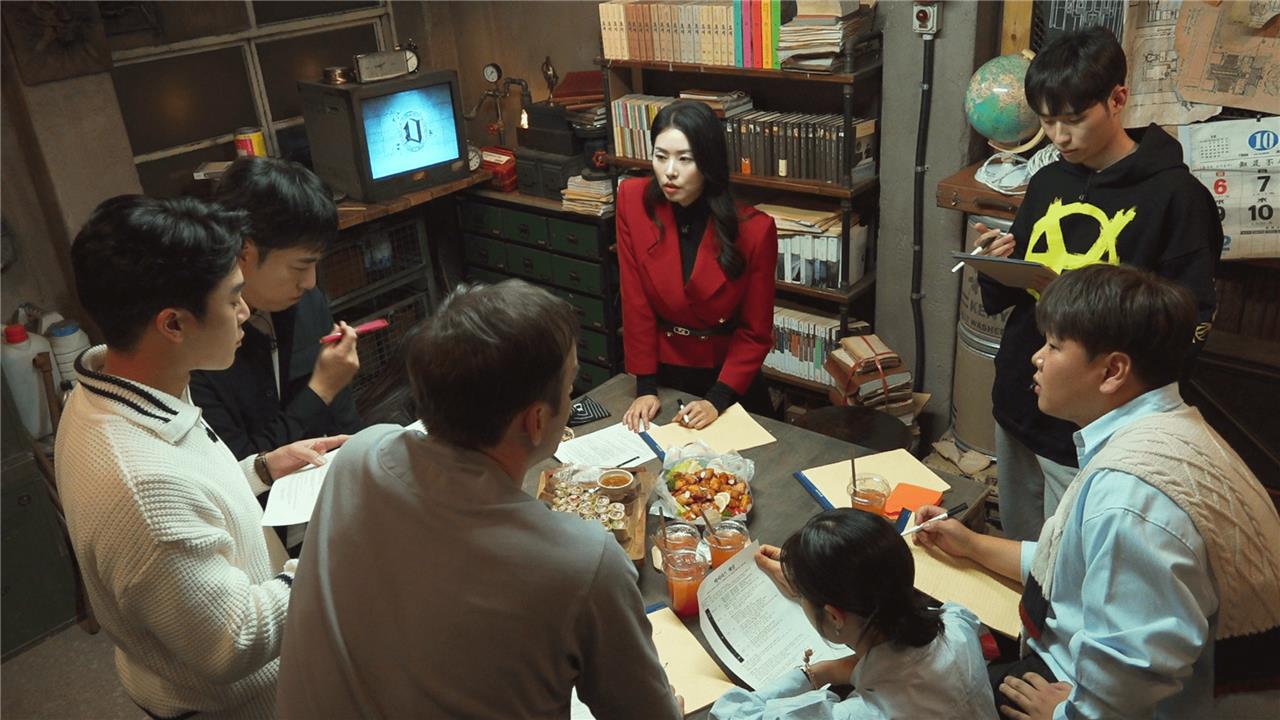
In the third episode of The Devil’s Plan season 3, the competition intensifies as alliances deepen and the stakes rise with the season’s first elimination looming. Contestants are pushed to form tighter bonds and strategic partnerships, knowing that trust can be both a weapon and a liability in this cerebral reality game. The episode’s main match tests not only individual intellect but also the ability to read-and outmaneuver-others, resulting in emotional confrontations and shifting loyalties. As the pressure mounts, one contestant’s exit leaves the group reeling, setting the stage for even more dramatic mind games ahead.
The Devil’s Plan can be found on Netflix.
Like any good competitive reality TV show, The Devil’s Plan was at its best when showcasing players forming alliances in order to gain strategic advantages and more gold pieces (the game’s internal currency). And while nearly every game in the season forced players to work together – there’s everything from a version of Mafia to a hidden object memory game – episode 3’s collective board game was a true highlight.
Groups immediately split into two factions, realizing they could create interlocking rules to screw each other over. One group formed a strategy for forcing their opponents backward; the other attempted to anticipate what that group was doing, and failed entirely. It was thrilling to watch the rigmarole of more than 10 people work together with limited resources while lying to each other’s faces. As in any great competitive reality TV show, the drama all played out in the game. –NC
Schmigadoon! season 2, episode 5, ’Famous as Hell’
In “Schmigadoon!” season 2, episode 5, titled “Famous as Hell,” Josh and Melissa embrace their newfound fame in Schmicago, with Melissa becoming a standout solo performer and Josh rising as the leader of the hippie tribe. Their success, however, causes tension with Topher and Jenny, who feel betrayed and force them out of their apartment. Taking refuge with Miss Codwell, Josh and Melissa uncover a sinister plot involving the orphans, revealing a dark twist beneath the glitz of their fame. The episode balances sharp humor, memorable musical numbers-especially Melissa’s powerful solo-and escalating suspense, setting the stage for a dramatic season finale.
Schmigadoon! can be found on Apple TV Plus.
Parodying ’60s and ’70s Broadway musicals like Chicago and Cabaret let Cinco Paul and Ken Daurio’s Schmigadoon get sharper, more confident, and more enjoyably weird in season 2 than it was in season 1, which channeled sunnier, earlier musicals from Brigadoon to The Music Man. Every episode in season 2 has at least one hilarious, irresistible earworm. But the whole thing comes together most clearly in episode 5, “Famous As Hell,” which finds more space for the supporting cast – particularly Alan Cumming and Kristin Chenoweth.
The title number is the highlight, as the central couple, Melissa (Cecily Strong) and Josh (Keegan-Michael Key), stranded in a magical musical realm, drop their objections to the place and start getting comfortable. Melissa earns a fervent fandom in a cabaret out of Cabaret, and Josh becomes the hero of a flower-child cult out of Godspell. Suddenly, a pretty silly show that’s approximately one-tenth about navigating life’s disappointments and nine-tenths about Broadway in-jokes finds a sharper focus. It becomes much more of a story about the temptations of escapism and easy answers – which Tituss Burgess underlines as as a fourth-wall-breaking singing narrator equally channeling Pippin’s narrator and Judas from Jesus Christ Superstar, and absolutely devouring armloads of scenery every time he appears. “It was a rhetorical questionnnnnnn!”-TR
Which 2023 TV episodes redefined storytelling and left viewers in awe
Several 2023 TV episodes redefined storytelling and left viewers in awe by pushing narrative and emotional boundaries:
-
The Bear (Season 2, Episode 7, “Forks”) stands out for its vivid portrayal of personal growth and redemption through the character Richie, delivering a quiet yet epic storytelling moment that resonates deeply with viewers.
-
Adolescence (2025), though slightly beyond 2023, is notable for its intense, hyper-focused narrative on toxic masculinity and social media’s impact on youth, anchored by a powerful performance from Stephen Graham.
-
The Madness (2025), a twisty political thriller, builds to a breathless finale that explores ideological divides with precision and emotional depth.
-
Lost (though originally aired earlier, its continued cultural impact and storytelling complexity remain influential, with its mystery box format and cinematic scale still leaving audiences in awe).
While not all strictly from 2023, these works exemplify the year’s trend toward immersive, emotionally charged, and socially relevant storytelling that captivated audiences and critics alike. For specific 2023 episodes, The Bear’s “Forks” is a prime example of redefining storytelling in recent television.
