
Apple TV+ is unleashing the MonsterVerse like never before with its upcoming live-action Godzilla series, a thrilling expansion that bridges the epic battles of the big screen with an intimate family saga and the shadowy secrets of Monarch. This groundbreaking show promises to be the missing link that deepens the MonsterVerse mythology, bringing Godzilla and other Titans into a new era of storytelling where humanity must reckon with monsters as a terrifying reality.
In the span of just four films (along with a few graphic novels and an underrated Netflix cartoon about King Kong), the “Monsterverse” has evolved quite a bit. What began as a pseudo-Spielbergian attempt at finally making a competent American Godzilla film quickly morphed into a more studio-driven extended universe. As such, the 2014 Godzilla stands in stark contrast against all that came after it; its atmospheric restraint was quickly replaced by a “dumping all the action figures out of the toy box” approach in later sequels.
Of course, this is the nature of most sequels in many genres, but it means that there’s little thematic connective tissue between the mood of Godzilla and Godzilla: King of the Monsters or Godzilla vs. Kong. The sequels obviously imply a familiarity with the monsters involved, so comfortable as they are with mining Godzilla’s Japanese mythology for its classic foes. But we never really see that in the universe of the films – how does a world become accustomed to multiple giant monsters roaming around all of a sudden? Luckily, the upcoming Apple TV Plus series, Monarch: Legacy of Monsters, is here to answer that question.
Or at least, you know, make it clear that we’re not all suddenly cool with joining Team Godzilla just because he happened to beat the hell out of some other monsters that one time.
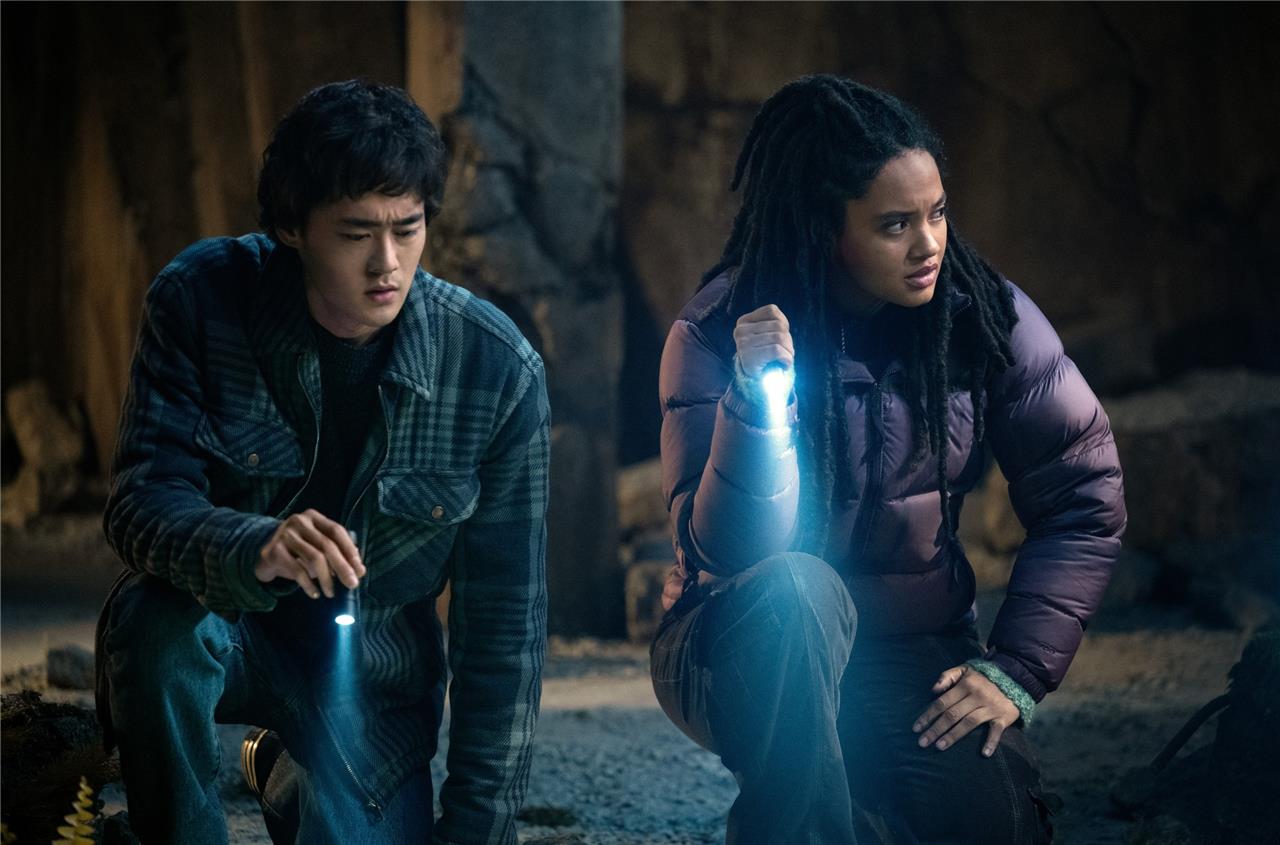
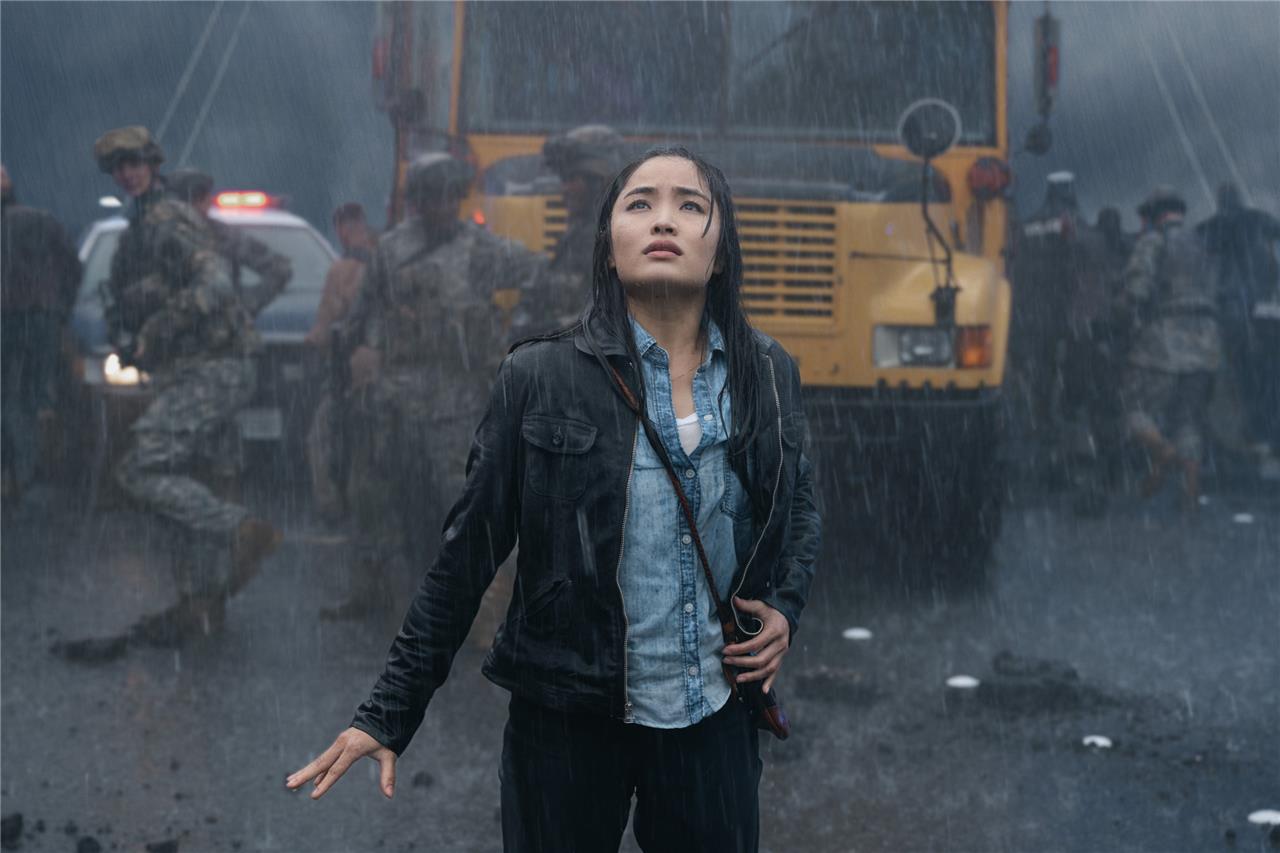
It’s in the aftermath of this San Francisco brawl in the 2014 film that we find survivor Cate Randa (Anna Sawai), a woman about to be swept up in Legacy of Monsters’ globe-trotting (and time-hopping) adventure. It’s one that puts focus on the humans that are forced to grasp for understanding in the wake of (what seems like) a monster apocalypse. And there’s a lot to learn: Through multiple generations of the secretive government organization Monarch and the families left in the dark by its shady activities, we watch a world discover kaiju and then, eventually, attempt to survive them. The food chain has been upended, and Legacy of Monsters is all about this new step into a post-human hierarchy.
Of course, Monsterverse devotees know that this is an area that the films haven’t really done much with. Aside from a handful of actors being allowed to chew scenery, like Bryan Cranston in the 2014 film or Brian Tyree Henry in Godzilla vs. Kong, humans have never really been the selling point for the Monsterverse. They’re mostly there to explain things, commentate on the action like it’s WrestleMania, or run. Even Ken Watanabe’s Dr. Serizawa, named after the most famous human character in the Japanese original, does little more than serve as a stoic kaiju whisperer.
Here, though, we get actual character intrigue and development – the best of this comes from the trio of Sawai’s Cate, Ren Watabe as Kentaro, and Kiersey Clemons as May. The time we spend with them uncovering the mysteries of Monarch (and their own families) is the backbone of the show. Everything they encounter, very appropriately, feels much bigger than them. Even the most confident among them, like Kurt Russell’s Lee Shaw – a character who has been around since Monarch’s early days and is aware of the skeletons in its closet – is still dwarfed by the scale of the discoveries. And while contained in a sci-fi plot, it’s pretty relatable to what one imagines an Earth-wide siege by kaiju to be.
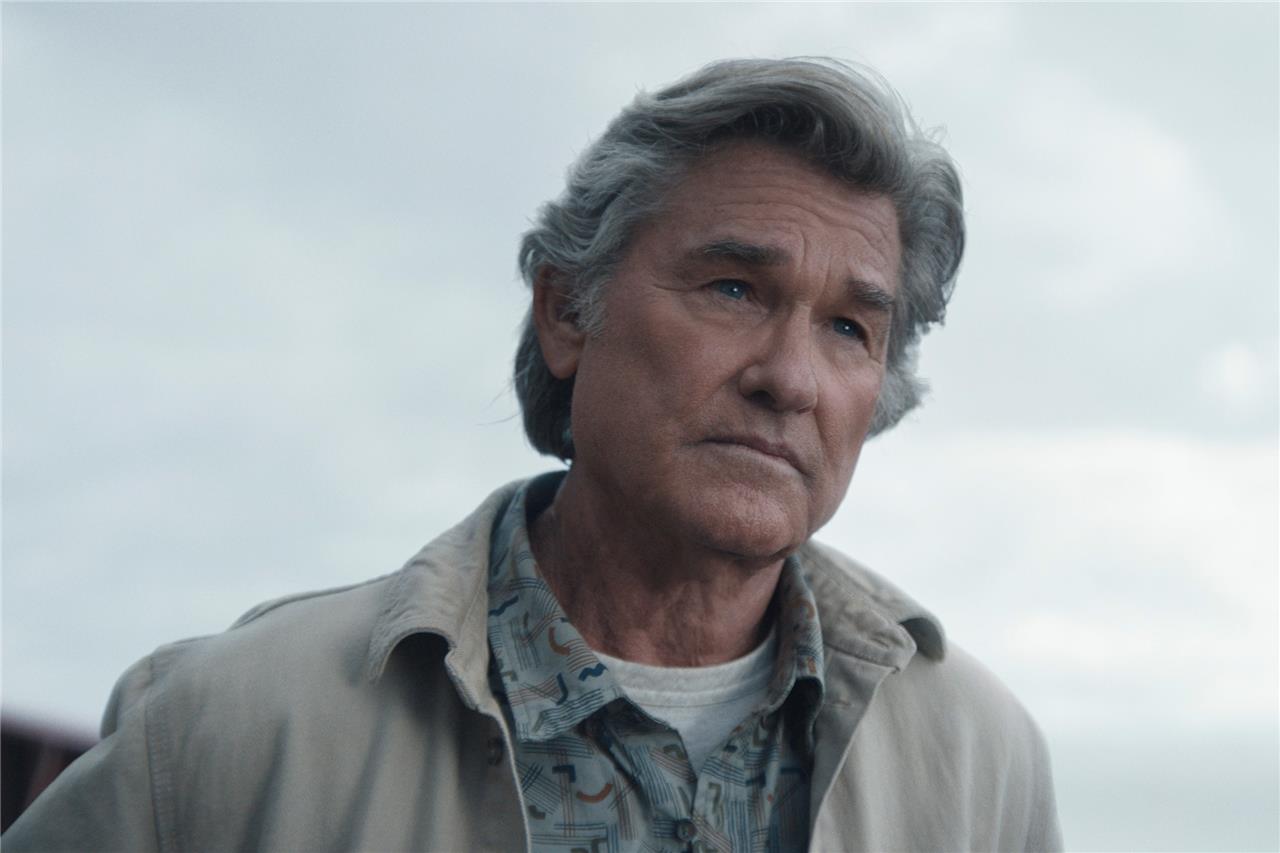
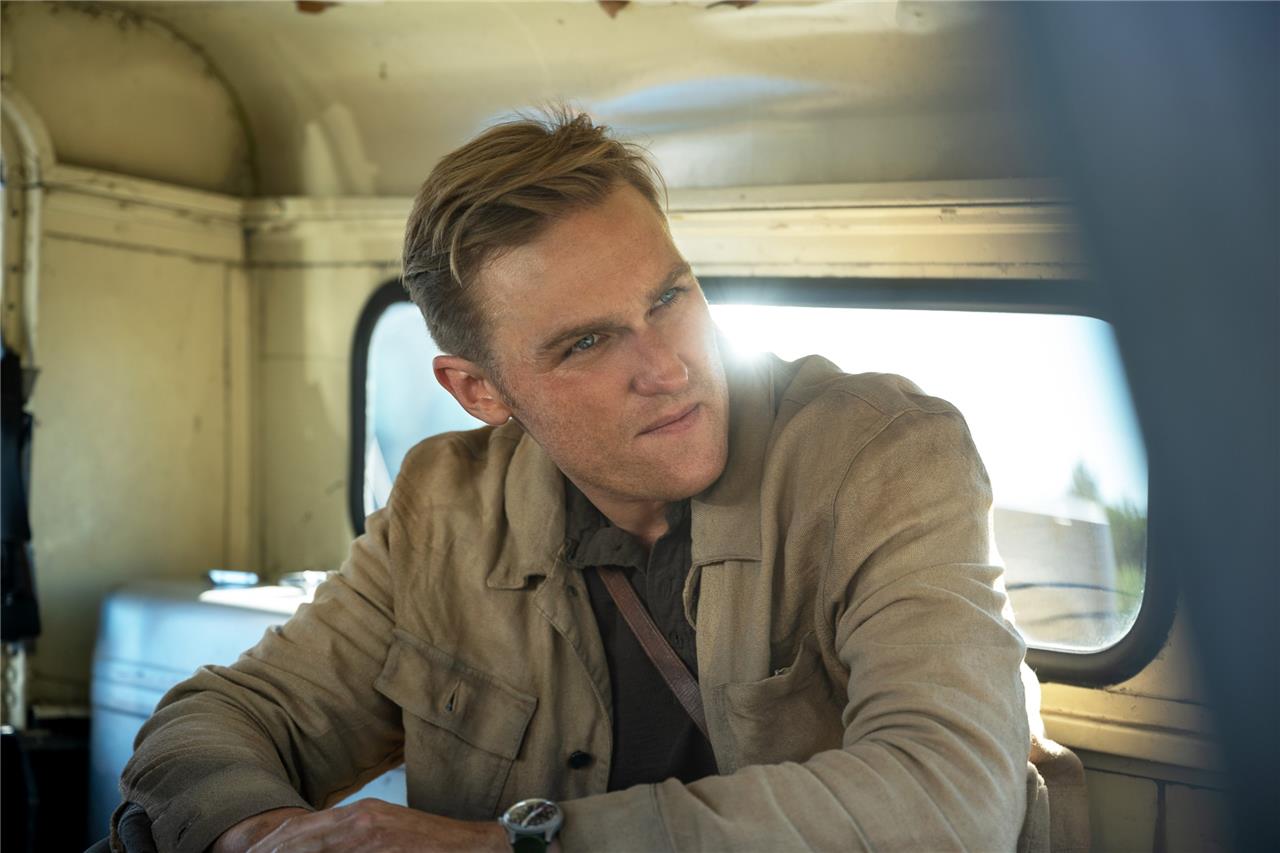
This makes a world of difference to this section of the Monsterverse. Set primarily in the present – but with glimpses into the past, allowing Kurt Russell and his own son Wyatt to play the same swaggering character – Monarch is chock full of set details that indicate an uncomfortable new status for mankind. Most prominent are the Godzilla contingency plan instructions and signs spread throughout Japan, urging people to, in the case of a monster attack, gather in locations like bunkers to weather the event. And to see people actually experience this and engage with the proper traumas that city-wide destruction would leave means that Monarch’s scenes of human interaction aren’t just filler on the way to the next screeching radioactive beast.
It’s handy, too, because those beasts (at least in the five episodes that Apple TV Plus has allowed us to screen early,) come sparingly. Like the 2014 film, they’re mostly glimpsed as a way to inspire astonishment. This includes another angle on the Godzilla bridge attack from the 2014 film, framing it as hundreds of terrified people trapped helplessly in the presence of an uncaring god rather than the playset-smashing scenes from later films. Monarch’s obsession with these “titans” will inevitably lead to a kind of balance between fear and appreciation, but the series makes it clear that we’re not quite there yet. These things are still the vessels by which mankind has a worldwide existential crisis.
The 2014 Godzilla film was by no means a masterpiece of characterization; its leading character essentially served as the cinematic equivalent of those “Look at how large a regular-sized human would seem standing next to a dinosaur” drawings. But by taking that film’s mood and its grasp of monsters as awe-inspiring – and sometimes horrifying – spectacle and blending it with a human component, we get a true link that the Monsterverse desperately needed. Godzilla might one day be king of the monsters, but in Monarch: Legacy of Monsters, mankind is far from ready to see him on the throne.
How does Apple’s Godzilla series bridge the gap in the MonsterVerse lore
Apple TV+’s Godzilla series, titled Monarch: Legacy of Monsters, bridges a crucial gap in the MonsterVerse lore by exploring events and characters that occur between the 2014 Godzilla film and Godzilla: King of the Monsters. The show is set partly in the 1950s and partly in modern times, revealing the military’s early encounters with Godzilla and introducing new Titans like the Ion Dragon, which Monarch encountered before knowing about Godzilla. It also addresses the aftermath of Godzilla’s battle with the MUTOs in San Francisco, a period previously unexplored in the films, and ties up loose ends left by the time skip between movies. This approach enriches the MonsterVerse mythology by filling in missing moments, expanding on Monarch’s operations, and deepening the connection between humans and Titans. The series thus acts as a vital narrative bridge that enhances the overall MonsterVerse timeline and sets the stage for future stories involving Godzilla and other Titans.
How does Monarch: Legacy of Monsters explain the aftermath of Godzilla’s battles
Monarch: Legacy of Monsters explains the aftermath of Godzilla’s battles by delving into the military’s failed 1954 attempt to kill Godzilla with a nuclear bomb, known as the Castle Bravo test. Contrary to earlier assumptions, the nuclear explosion did not provoke Godzilla to retaliate; instead, Godzilla either was knocked unconscious or chose to retreat quietly, leading humans to mistakenly believe he was killed. This event marked the beginning of Monarch’s government-funded Titan investigations, setting the stage for their ongoing efforts to monitor and manage Titan activity. The series also explores the consequences of Godzilla’s emergence in the South Pacific and the secretive operations Monarch undertakes to understand and contain the Titans, including the discovery of new threats and the complex dynamics between Titans and humans. Through this, the show fills in critical gaps about how the world reacts and adapts following Godzilla’s initial battles, deepening the MonsterVerse lore and setting up future conflicts.
