
When the ground pulses with a blue, cracked glow and the word “Volatile” flickers in the corner of your screen, danger is near-Deviljho, Monster Hunter Now’s most unpredictable predator, is on the prowl. But unlike any other beast, this ravenous invader only reveals itself by hijacking other monsters’ encounters in these volatile habitats, turning routine hunts into heart-pounding ambushes. Ready to uncover the secrets to tracking down this elusive menace and surviving its surprise invasions? Here’s how to find Deviljho in Monster Hunter Now’s volatile zones.
Following March 2024’s The Vernal Invader update, Monster Hunter Now can surprise players with a Deviljho encounter under specific circumstances. It cannot be found on the map by conventional means, and requires you to investigate Volatile habitats.
This guide explains how to find Deviljho in Monster Hunter Now, and the list of monsters it can invade.
How to find Volatile habitats in Monster Hunter Now
To find Volatile habitats in Monster Hunter Now, you need to look for areas on the map where the ground has a pulsing blue “cracked” effect and a “Volatile” label appears in the upper left corner of your screen. Any of the main habitats-forest, swamp, or desert-can become Volatile, but this status is not always immediately visible. Sometimes, a habitat may only display as Volatile when you get closer or as you reveal more of the map. If you notice that a region was Volatile earlier but the marker disappears, it can still spawn Volatile monsters, so it’s worth checking those areas throughout the day. Only players who have completed the preseason storyline (up to Chapter 13: Sunderer of the Skies) can access Volatile habitats and encounter Deviljho. Once inside a Volatile habitat, tap on large monsters to see if Deviljho invades, as it will only appear by replacing certain monsters during these special encounters.
To start your hunt against Deviljho, you need to explore a habitat that is ’Volatile’, which has a chance that certain monsters can become Deviljho encounters.
Before we begin, know that Volatile territories and Deviljho are only available to those who have completed the pre-season storyline, which starts with the Prologue and ends with Chapter 13: Sunderer of the Skies.
As you may know, the game world can be one of three habitats – forest, swamp, or desert – each with their own respective monster spawns and resources. Any of these habitats can also be ’Volatile’, as indicated by the ground pulsing with a blue ’cracked’ effect, as well as the label of ’Volatile’ in the upper left corner of the screen.
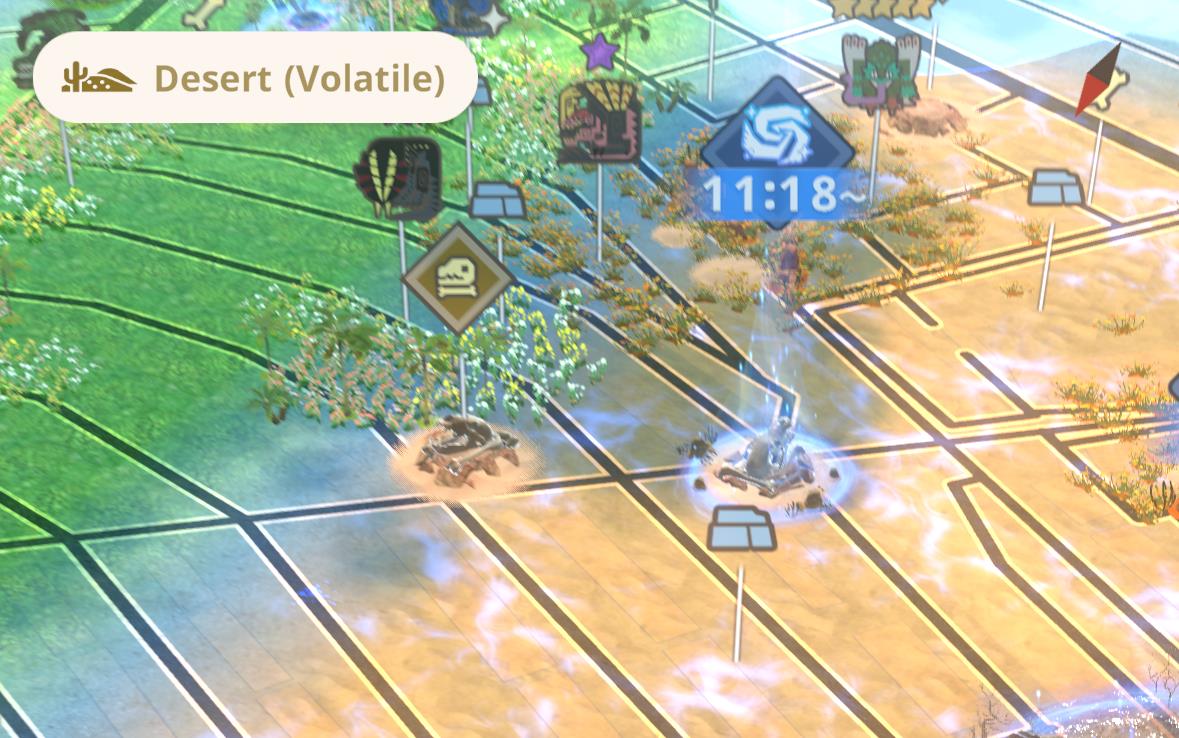
When exploring a Volatile habitat, there is a chance certain large monsters can be ’invaded’ by Deviljho, but only when you investigate them. In other words, these monsters will look like a regular encounter at first, and it’s only when you tap them that Deviljho will charge in and appear. (The list of monsters which Deviljho can invade are listed in the next section.)

Which monsters can Deviljho invade in Monster Hunter Now?
In Monster Hunter Now, Deviljho can invade only specific large monsters found within Volatile habitats. The monsters that Deviljho can replace during an invasion are Great Jagras, Kulu-Ya-Ku, and Pukei-Pukei, but only if these encounters are at least five-star difficulty. When you tap on one of these eligible monsters in a Volatile area, there is a chance Deviljho will suddenly appear, taking over the encounter. This mechanic is similar to how Ditto disguises itself in Pokémon Go, making Deviljho a hidden and unpredictable threat. The list of monsters Deviljho can invade may change in the future, but as of now, these three are the only confirmed targets.
In Monster Hunter Now only select large monsters within Volatile habitats can be invaded and become a Deviljho encounter. (It similar to how Ditto in Pokémon Go is ’hidden’ behind certain creatures.) These monsters are:
- Great Jagras
- Kulu-Ya-Ku
- Pukei-Pukei
The above need to be at least five star encounters, and can appear in any habitat that’s Volatile. Though the upper and lower number of Deviljho which can appear within a Volatile habitat is unknown, players have reported anywhere from two to five encounters per hour.
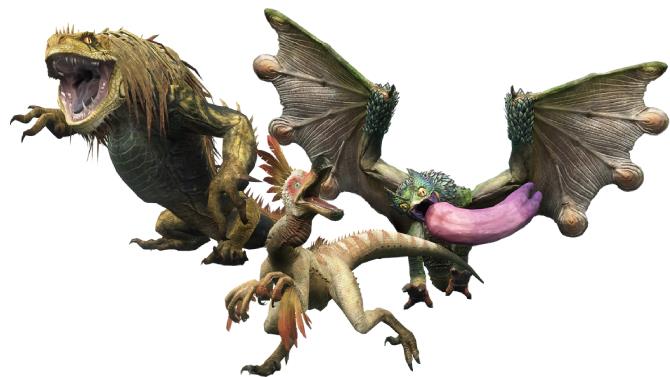
Note it’s possible the above list will change over time – perhaps as the large monster list rotates as part of future seasonal updates.
What else do you need to know about Deviljho invasions in Monster Hunter Now?
Deviljho invasions in Monster Hunter Now come with several unique mechanics and quirks that hunters should keep in mind. First, Deviljho only appears by invading certain large monsters-specifically Great Jagras, Kulu-Ya-Ku, and Pukei-Pukei-within Volatile habitats, and only if those monsters are at least five-star difficulty. The number of Deviljho invasions per Volatile area isn’t fixed, but players report encountering anywhere from two to five per hour. Once Deviljho invades, it will match the star level of the original monster, making high-rank encounters especially challenging. If you back out of the fight, Deviljho will remain on the map until the next large monster spawn refresh, allowing you to return later or mark it with a paintball for future hunting. The Volatile status of a habitat will disappear once all Deviljho have been found, and only reappear after a refresh. Finally, Deviljho drops unique rank six upgrade materials, so if you’re aiming to craft or upgrade its gear, you’ll need to specifically target high-rank Deviljho encounters.
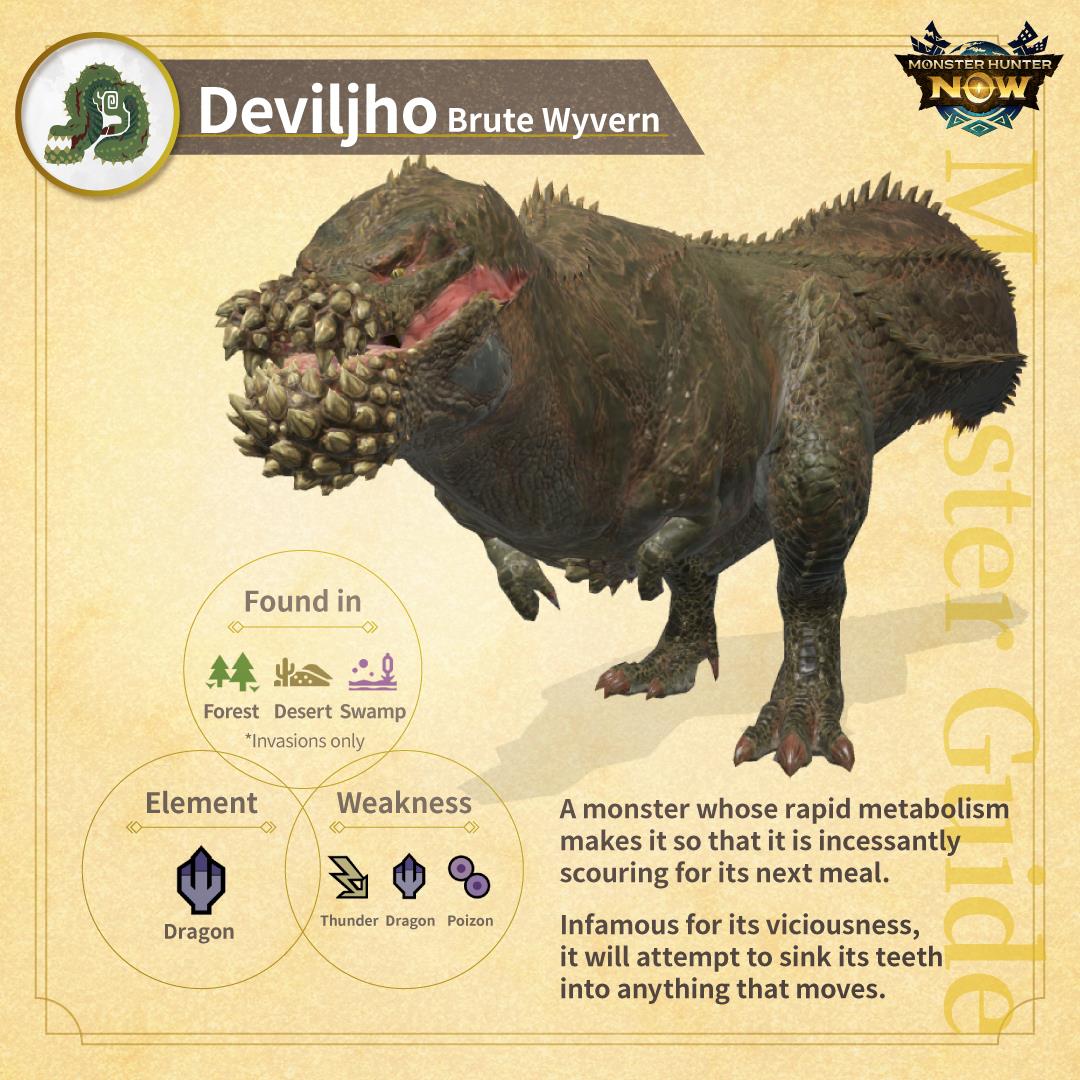
As well as the above essentials, here’s what else we know about how Deviljho invasions work:
- According to users on the Monster Hunter Now subreddit, a habitat can be Volatile for the entire day, but will only show as Volatile when Deviljho can actually appear. To complicate things further, an area can also initially not appear Volatile if the entire habitat has not ’loaded’ completely, but can then will ’activate’ as you walk further into it. There’s an upside of this: If you know the habitat was previously Volatile that day, you can then quickly tell if Deviljho is available or not (at least, until the large monster refresh, which outside of special events, is on the hour every hour). Also, know that once you have found all Deviljho within an area, the Volatile status will disappear until the next refresh.
- Deviljho will match the difficulty of the monster it invades, meaning if you encounter a six-star monster initially, the Deviljho will also be six-star difficulty.
- Once Deviljho has invaded, it will then appear on the map screen if you decide to back out of the encounter. It will then remain there until the next large monster spawn refresh.
- Your Palico can encounter Deviljho and mark it later with a blue paintball, and can also be marked manually with a pink paintball if you want to hunt it later.
- Unlike the vast majority of monsters, Deviljho has its own rank six upgrade material, meaning those investing in its armor or weapons will have to hunt down high-rank Deviljho specifically to keep upgrading them. Good luck!
- In the main games, there are three Deviljho subspecies; Savage, Aberrant, and Four Heavenly King. Though there is no indication these will come to Monster Hunter Now, the arrival of subspecies such as Black Diablos, Azure Rathalos, and Pink Rathian suggest it’s possible.
How can I tell if a habitat is truly volatile in Monster Hunter Now
To determine if a habitat is truly volatile in Monster Hunter Now, look for these clear indicators:
-
The ground will pulse with a blue, cracked effect.
-
The label “Volatile” will appear in the upper left corner of your screen, next to the habitat name.
However, the game’s display can be inconsistent. Sometimes, a region may not immediately show as volatile even if it actually is. This can happen if the area hasn’t fully loaded on your map or if you haven’t walked close enough to reveal all monster icons. As you explore further and more of the map loads, the volatile effect and label should activate if the habitat is volatile.
Additionally, a habitat can remain volatile for the entire day, spawning new invasions at each refresh, but the volatile marker may disappear once all Deviljho in that area have been found. Even if the volatile indicator vanishes, you may still encounter Deviljho if the area was previously volatile.
In summary:
-
Look for the blue pulsing ground and the “Volatile” label.
-
If you suspect a habitat is volatile but don’t see these signs, try exploring further or refreshing your map view.
-
The volatile status can be visually unreliable, so checking for invasions by tapping large monsters is sometimes necessary.
Why do volatile regions sometimes stop showing as volatile on the map
Volatile regions in Monster Hunter Now sometimes stop showing as volatile on the map due to the game’s unreliable display system. The volatile effect and label typically only appear when an Invasion monster icon (such as Deviljho) is visible on your map. If the part of the region containing the Invasion isn’t loaded or visible, the region may appear normal even though it is still volatile. Additionally, after the map initially displays a region as volatile, it can revert to looking normal-even if Invasion monsters are still present. This inconsistency can make it difficult to track volatile regions, but these regions actually remain volatile for at least 24 hours and continue to spawn invasions throughout the day, regardless of whether the volatile marker is currently visible on the map.
