
Dimension 20 shattered every conventional actual play rulebook to redefine what a Dungeons & Dragons show could be-blending razor-sharp comedy, deep character work, and inventive storytelling into a bite-sized, binge-worthy experience that’s as emotionally rich as it is hilarious. With Brennan Lee Mulligan’s masterful DMing and a cast of talented comedians, Dimension 20 transforms dice rolls into moments of theatrical magic, making it the best D&D show around for newcomers and veterans alike.
To say the world of tabletop actual play has exploded in the past 10 years would be an understatement – from Critical Role to The Adventure Zone to Dungeons & Daddies (to name a few), there’s no shortage of shows and podcasts out there for Dungeons & Dragons enthusiasts to get their role-playing fix. But among the countless brilliant actual play shows out there, there’s one that stands out due to its creative storytelling and welcome environment for players and listeners new to Dungeons & Dragons: Dropout’s Dimension 20, an actual play series unlike any other.
Having already produced a staggering 19 seasons (and with a newly announced 20th installment on the way), it’s almost impossible to believe Dimension 20 is only just turning 5 years old. Created by Brennan Lee Mulligan (who also serves as one of the show’s game masters), Dimension 20 was first envisioned as a long-form series that could serve as a flagship show on CollegeHumor’s then-new platform, Dropout. The concept? Combining improv comedy with Dungeons & Dragons – a deceptively simple idea that bridged what CollegeHumor was known for with Mulligan’s long-standing affinity for tabletop role-playing.
<
But while “comedians playing Dungeons & Dragons” hardly sounds groundbreaking, the resulting series was an electric, unpredictable, and thoroughly charming first outing: Fantasy High, sold as “John Hughes meets D&D,” a coming-of-age story about an unlikely gaggle of teenagers attending the fantastical Aguefort Adventuring Academy. Despite varying degrees of familiarity with the game among the “Intrepid Heroes” (Brian Murphy runs an actual play podcast of his own, while Ally Beardsley had no experience with D&D prior to their time on D20), the infectious chemistry and easygoing nature among the Dimension 20 cast made Fantasy High an instant classic.
Watching an episode of Dimension 20 feels less like streaming a TV series and more like sitting in on a tight-knit friend group’s favorite pastime. Yes, there’s a devoted effort toward story and character, but a cast full of comedians (especially those who have spent years working together) yields constant quote-worthy moments and memorable encounters. The Intrepid Heroes aren’t afraid to go for the joke, swing big and miss, or even tank their characters’ mechanical abilities if they think it’ll make for a stronger story – the chaotic arc Lou Wilson and Mulligan cook up for Fabian in season 2 of Fantasy High is a testament to just how far the D20 cast is willing to take a bit.
Gathering seasoned comedians to comprise the cast of a D&D actual play series makes for comedy gold, and it certainly helps the two-plus-hour episodes (a frequent barrier for many would-be actual play fans) fly by. But, as funny as the series is, it isn’t just Dimension 20’s sense of humor that makes it so beloved; it’s the consistently heartfelt, poignant storytelling that accompanies it. There’s incredible emotional depth to each new world of Dimension 20, as players and game masters collaboratively craft thoughtful, absorbing arcs tailored to each player and character. Storylines like Adaine’s complicated relationship with her sister Aelwyn, Ayda Aguefort’s journey with neurodivergency, and Riz reconciling with his father’s death hit on raw, relatable emotional truths that transcend the confines of D&D. But just as you’ve well and truly fallen in love with the characters of whatever world Mulligan and the Intrepid Heroes have cooked up for a season of Dimension 20, the season’s over and you’re whisked away to a new, different, but no less affecting world of unfamiliar characters played by familiar faces.
Dimension 20’s format allows the series to be constantly reinventing itself – spanning a vast variety of genres, styles, and tones. From the Game of Thrones– and Candyland-inspired tragedy of A Crown of Candy to a Regency romance in A Court of Fey and Flowers to a noir murder mystery in the most recent season, Mentopolis, Dimension 20’s seasons run the gamut, but are consistent in their ability to deliver across comedic, narrative, and emotional fronts. Especially in an actual play landscape so heavily dominated by high fantasy, Dimension 20’s willingness to play with genre is a breath of fresh air.
But a season (even one with a storyteller like Mulligan at the helm) is only as strong as its players. And so, Dimension 20 builds its casts from a vast pool of performers – CollegeHumor/Dropout regulars, certainly, but countless other actors, voice actors, comedians, and tabletop veterans have graced Dimension 20’s signature dome. For fans of other actual play shows, there are certainly familiar faces: Critical Role’s Matt Mercer and Marisha Ray (the former of whom was also the GM for a season, The Ravening War), Aabria Iyengar (who has GM’d multiple seasons), Erika Ishii, and The Adventure Zone’s McElroys, to name a few.
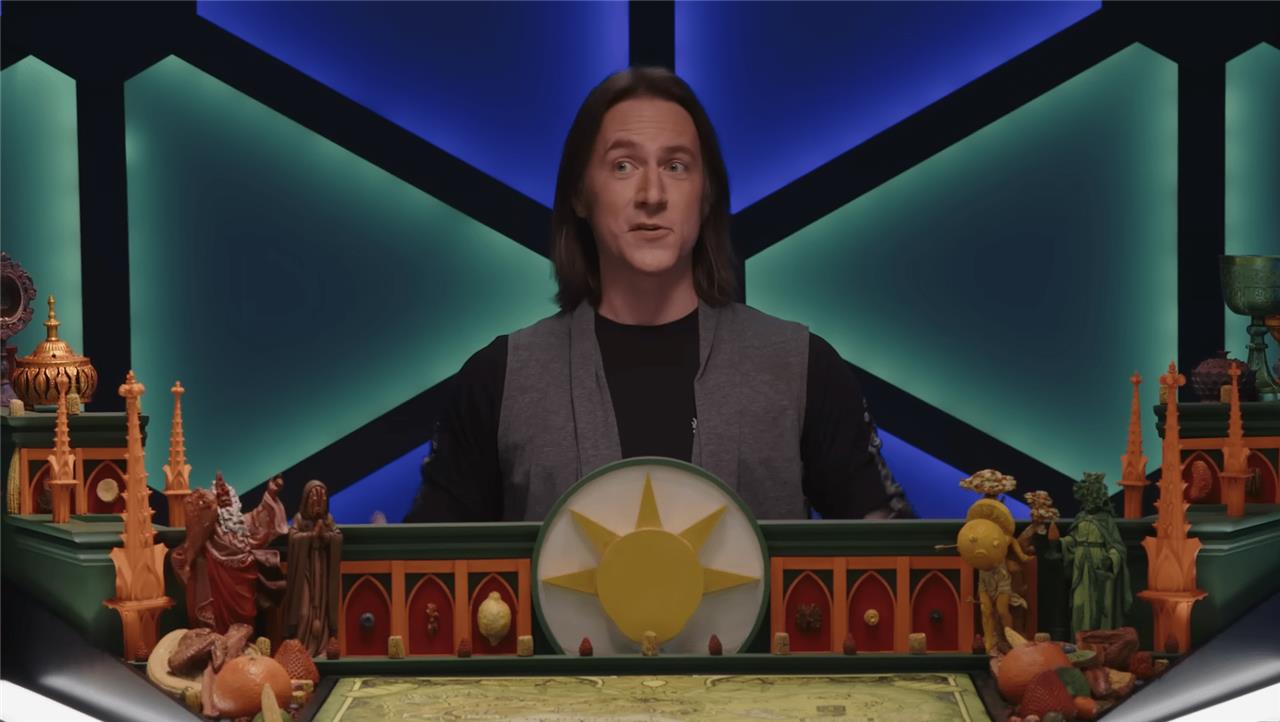
Like the way it plays with genre, Dimension20’s guests are varied and inspired. The show’s willingness to take a chance on players outside the world of D&D allows for new perspectives, voices, and play styles that could only come from someone completely new to the genre. Whether they’re YouTubers, drag queens, or stand-up comedians, players like Hank Green, Jujubee, and Ally Beardsley are fan favorites in large part because of their initial inexperience and the new energy they bring to the table.
Perhaps more than anything, though, Dimension 20 is easy to fall in love because of its inclusivity: The series is openly queer in a way D&D, at least as far as marketing materials go, often isn’t. And despite complex narratives and fully realized characters, the series is a perfect jumping-on point for someone just entering the world of Dungeons & Dragons. Yes, the gameplay can be complex, but the constant joke-cracking and the fact that plenty of players have entered the dome without playing any D&D before allows the series to welcome viewers who might otherwise be intimidated by the complexities of TTRPGs.
That sort of potent mix means that Dimension 20 has already cemented a lasting legacy in the world of actual play, even after only five years: 19 seasons, 15-plus unique worlds, dozens of players, and a devoted fan base so eager for more that the group is embarking on a tour across England and Ireland next year. A chameleon of storytelling, Dimension 20’s simple premise of improv comedians playing D&D opened the door for near-constant unpredictability – both from the players and the expansive worlds cooked up for them.
How did Dimension 20 break the traditional rules to become the top D&D show
Dimension 20 broke traditional actual play rules by combining an anthology-style format with a unique blend of comedy, emotional storytelling, and inventive role-playing, setting it apart from typical Dungeons & Dragons shows. Unlike many actual plays that follow a single campaign or cast, Dimension 20 offers standalone seasons with fresh stories and rotating casts, making it accessible and engaging for both newcomers and longtime fans.
The show places a strong emphasis on the theatrical and performative aspects of dice rolling, treating critical successes (natural 20s) as special, narrative-enhancing moments rather than just game mechanics, which deepens emotional investment and audience engagement. Brennan Lee Mulligan’s masterful Dungeon Mastering, combined with a talented cast and innovative set design inspired by dice shapes, creates a visually and narratively immersive experience that elevates the actual play genre beyond its usual boundaries. This mix of humor, character depth, and creative game presentation helped Dimension 20 become the best D&D show around.
How did Dimension 20 challenge typical actual play conventions to succeed
Dimension 20 challenged typical actual play conventions in several key ways to achieve its success. First, it adopted an anthology format with standalone seasons and rotating casts, making it more accessible and easier to consume than longer, continuous campaigns typical of shows like Critical Role, with episodes kept under 2.5 hours to maintain pacing and engagement.
Second, Brennan Lee Mulligan, the Game Master, elevates the role of dice rolls by staging them with extraordinary attention, turning each roll into a highly emotional and performative moment that fuses game mechanics with storytelling. He clarifies stakes and target numbers beforehand, allowing players and audiences to focus fully on the suspense of the roll, which deepens emotional investment and creates memorable, dramatic moments.
Third, Dimension 20 blends improv comedy and fantasy storytelling in a way that lowers audience defenses, making viewers more receptive to emotionally resonant narratives alongside humor. This synergy between comedy and role-playing creates a unique tone that distinguishes the show from others in the genre.
Finally, the show embraces unpredictability and chance as creative storytelling tools rather than obstacles, celebrating the agency that arises from randomness and collaborative meaning-making. This approach transforms dice outcomes into narrative opportunities, enhancing the performative and communal experience of the game.
Together, these innovations broke the mold of typical actual plays, making Dimension 20 a standout D&D show that combines entertainment, emotional depth, and theatricality.
