
Director’s cuts have long fascinated movie lovers, offering a glimpse into filmmakers’ true visions often hidden behind studio edits and time constraints. From Charlie Chaplin’s pioneering re-release of The Gold Rush to Francis Ford Coppola’s sprawling Apocalypse Now Redux, these alternate versions can transform a film’s narrative, tone, and legacy-sometimes for better, sometimes for worse. Dive into the history of director’s cuts through nine iconic examples that reveal how directors reclaim their stories and reshape cinematic history.
However, in a few very rare cases, a director gets the chance to return to one of their movies and alter it as they see fit, pushing aside studio notes and cutting together exactly the version they desire. This doesn’t always result in saving a masterpiece, or even improving a movie, but some lucky directors have taken the opportunity to save their own movie and reshape its cultural image.
While this may sound like a triumph of art over the cold arm of commerce, it’s important to remember that a director’s cut is, first and foremost, still a tool of marketing. In the best case scenarios, it’s a genuine improvement on a piece of art thanks to the vision of the director. But it can also be a substantially worse movie in some cases, or have barely any change at all. But no matter the result, a director’s cut is an attempt to get more people to watch a movie, even if it’s a good-faith attempt to realize the original director’s vision, whether in theaters or years later on home release.
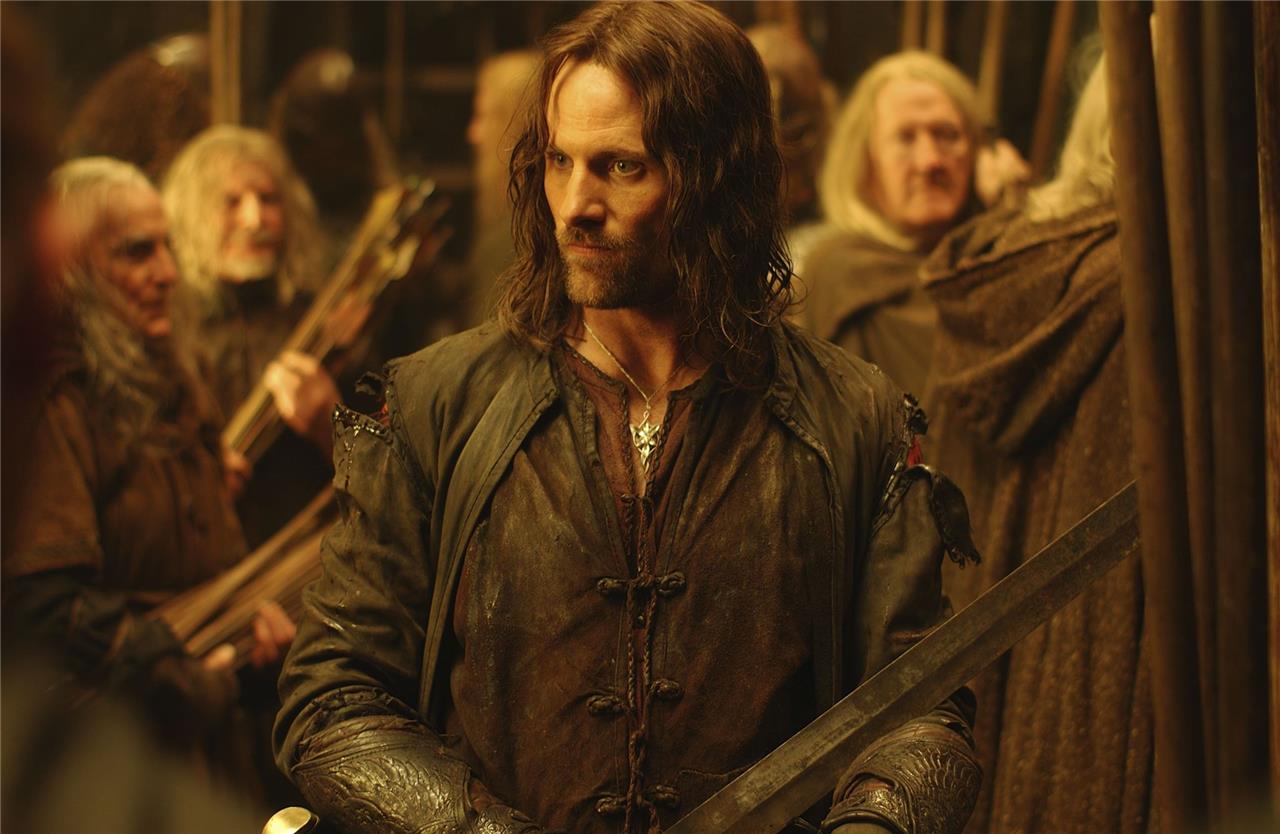
Similarly, there’s a real difference between a director’s cut of a movie and an extended cut or unrated version. Plenty of R-rated comedies in the 2000s were given unrated DVD releases that weren’t necessarily more truthful realizations of the director’s vision, but rather just included a few more vulgar jokes that likely got cut for good reason. Even more importantly, examples like the extended versions of Peter Jackson’s Lord of the Rings movies don’t fit the bill of “director’s cuts” because the definitive versions of those movies are the theatrical releases. The Extended Editions exist to let fans see more of the world, not to more clearly execute Jackson’s version of the story.
With all that in mind, here are nine great director’s cuts that are important to understanding the history of directors getting the chance to revisit their films.
Gold Rush goes from silent to talkie
Gold Rush goes from silent to talkie
Charlie Chaplin’s The Gold Rush stands as a landmark in director’s cut history, not just for its artistry but for its radical transformation from silent to sound. Originally released in 1925 as a silent film, Chaplin revisited his classic in 1942, creating a new version that replaced the original intertitles with his own spoken narration, added an orchestral score, and trimmed several scenes-including the film’s romantic finale-to better suit contemporary audiences. This bold reimagining bridged the gap between eras, allowing Chaplin to introduce his beloved Tramp character to a generation raised on talkies, and establishing a precedent for directors to reshape their work for new contexts and technologies.
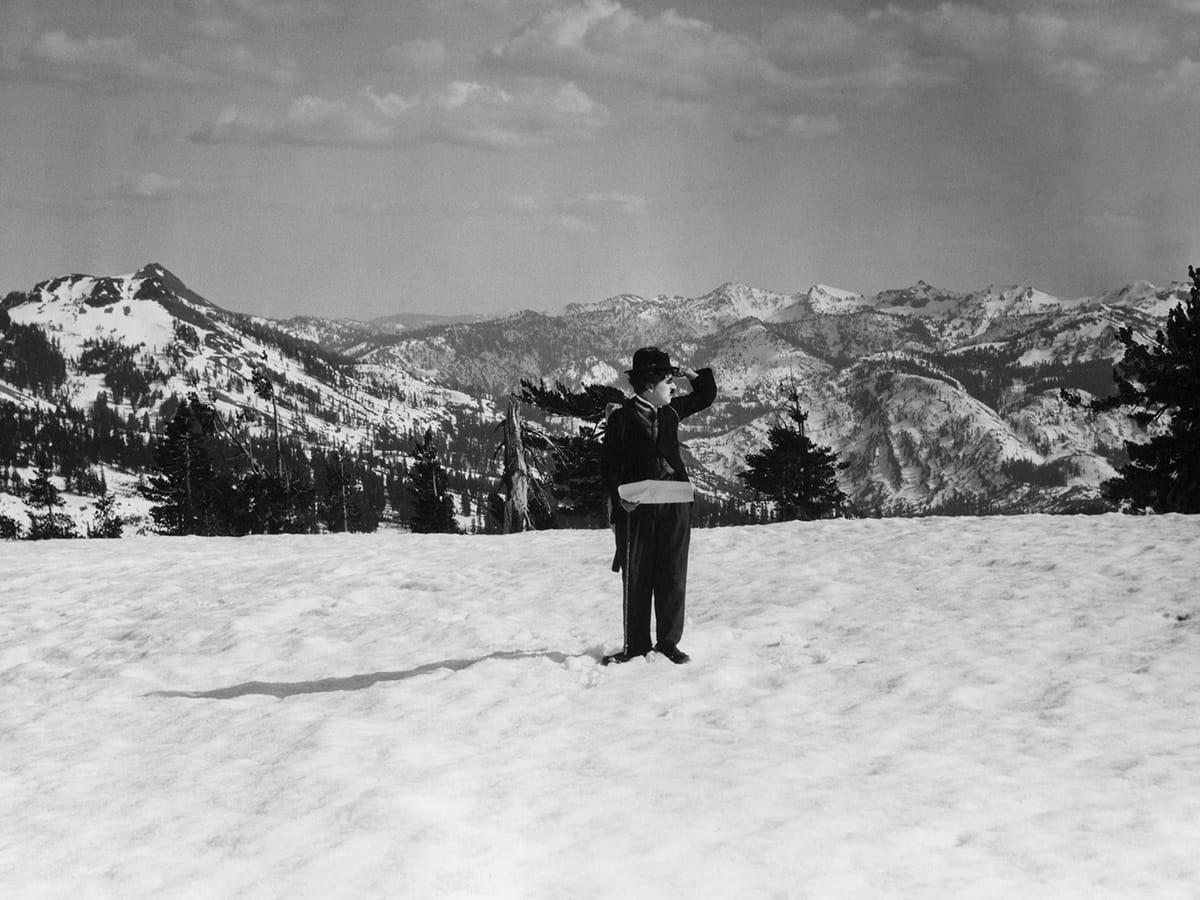
Among the first major director’s cuts ever released to the viewing public was Charlie Chaplin’s Gold Rush. Originally released in 1925 as a silent movie, Chaplin re-released the film in 1942 with a new musical score, narration he performed himself, and much tighter editing, which reduced the movie’s runtime significantly. The switch of this movie from a silent film to a talkie makes it not just one of the first known director’s cuts, but also one that saw some of the biggest changes from its original release. While there’s disagreement over which version of the movie is best, Chaplin and his contemporary theater-goers seemed to agree that the talkie version was definitive, letting the silent cut fall entirely out of circulation until it was restored and released on the movie’s Criterion Collection DVD.
While Chaplin’s attempt at re-releasing a new version of his movie took place in the 40s, the director’s cut trend didn’t really pick up steam until the 70s, but again, the trend was often difficult to distinguish from pure marketing to get viewers back into theaters. For instance, Chaplin himself re-released many re-cut versions of his movies in the 70s, but that was more to advertise them rather than to fundamentally change them, as it had been with Gold Rush.
Apocalypse Now adds a lot and gets a little worse
Apocalypse Now’s extended versions, particularly Redux and the Final Cut, add substantial new material, including the surreal French plantation scenes and more character moments that deepen the colonial context of the Vietnam War. However, these additions come at a cost: they disrupt the original film’s tight pacing and atmospheric intensity, making the extended cuts feel bloated and slower. While the Final Cut trims some of the excess from Redux and offers improved visual quality, many critics and fans agree that the original theatrical cut remains the leanest and most powerful version, preserving the film’s haunting mystique and narrative drive better than the longer editions.
The 70s were full of directors tinkering with their movies. George Lucas recut bits and pieces of his early films American Graffiti and THX 1138 when they were re-released after Star Wars’ massive success. Five years after its initial release in 1969, Sam Peckinpah added back in some of the more extreme content to The Wild Bunch that was originally cut to get it an R rating. The infamous Caligula, first released in 1979 amidst legal issues and protests and later released with a toned-down R-Rated version in 1981, had a more explicit Ultimate Cut that didn’t get a complete release until April 2024.
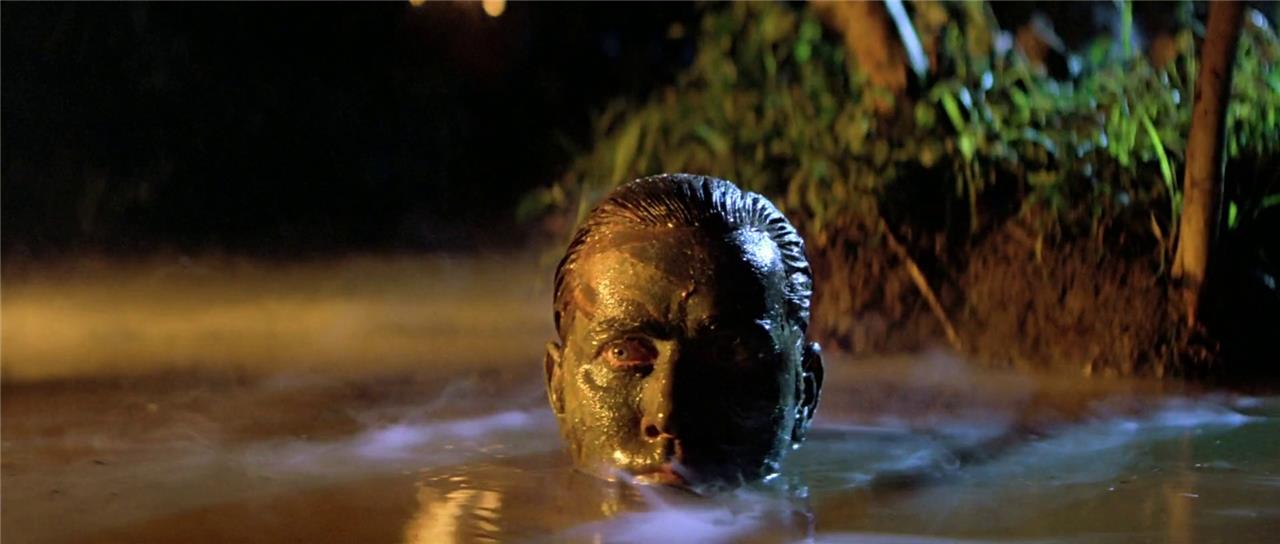
However, perhaps the biggest and most interesting example from the era is Francis Ford Coppola’s Apocalypse Now, which featured a director’s cut that didn’t get released until 2001.
In Apocalypse Now Redux, Coppola added over 40 minutes, including a lengthy segment where the soldiers visit a French plantation, a holdover from the time when Vietnam was known as French Indochina.
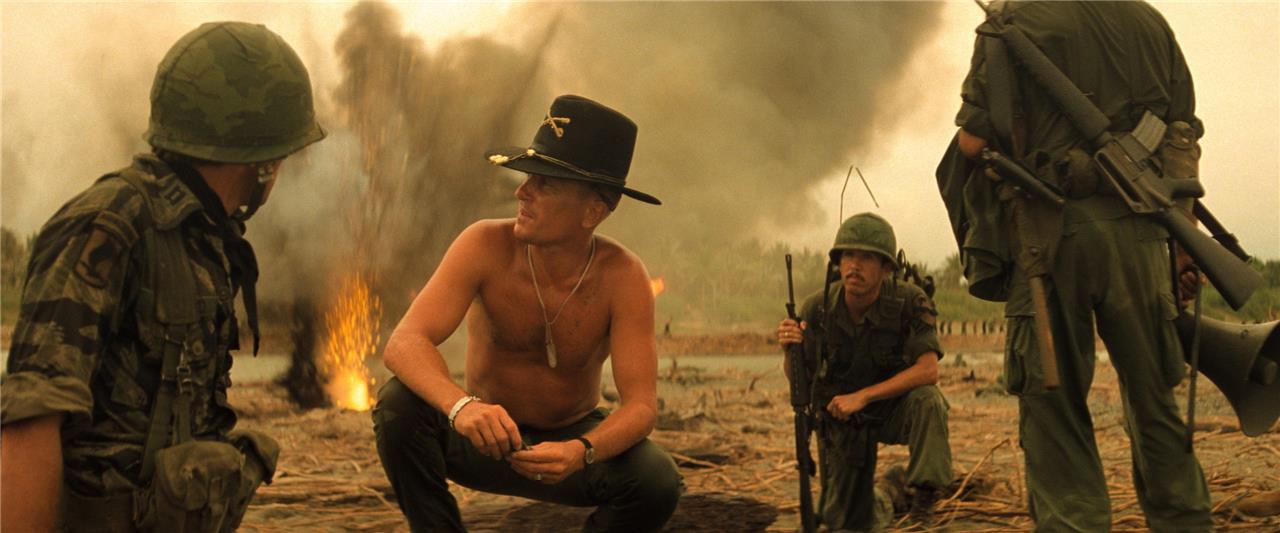
This section of the movie is absolutely fascinating, and enriches Coppola’s general thesis about the dangers of colonialism. But it also makes for a substantially worse movie. It’s longer, slower, and takes away from the primary narrative’s hunt for Colonel Kurtz in a way that muddles both his character arc and that of protagonist Captain Willard. Coppola returned to the movie again in 2019 for its 40th anniversary re-release with Apocalypse Now Final Cut. This version includes bits and pieces of the plantation sequence, while cutting about 20 minutes from the Redux. It’s still not quite as smooth as the original version, but it’s vastly superior to Redux, with much better pacing and fewer odd tangents.
This, like Gold Rush, marks a vastly different kind of director’s cut from some of the others on this list. It wasn’t created because the original version was incomplete, bad, or overly warped by studio pressure; it exists because Coppola wasn’t quite content with the masterpiece he made and wanted to tinker with it just a bit. And despite being released nearly three decades later, just like some of the other director’s cuts of the 70s, it provided a great reason for Coppola to put Apocalypse Now back in theaters.
Heaven’s Gate saves a piece of Hollywood history
Heaven’s Gate saves a piece of Hollywood history by reclaiming director Michael Cimino’s original vision after its disastrous 1980 theatrical release. Initially cut down from a 219-minute premiere version to a severely truncated 149-minute theatrical release that was critically panned and a financial failure, the film’s reputation suffered greatly. However, decades later, Cimino oversaw a digitally restored director’s cut using leftover footage, which premiered at the Venice Film Festival and was released by The Criterion Collection. This version restored much of the film’s intended scope and artistry, transforming it from a notorious flop into a critically acclaimed epic and preserving an important chapter in Hollywood’s auteur-driven filmmaking era.
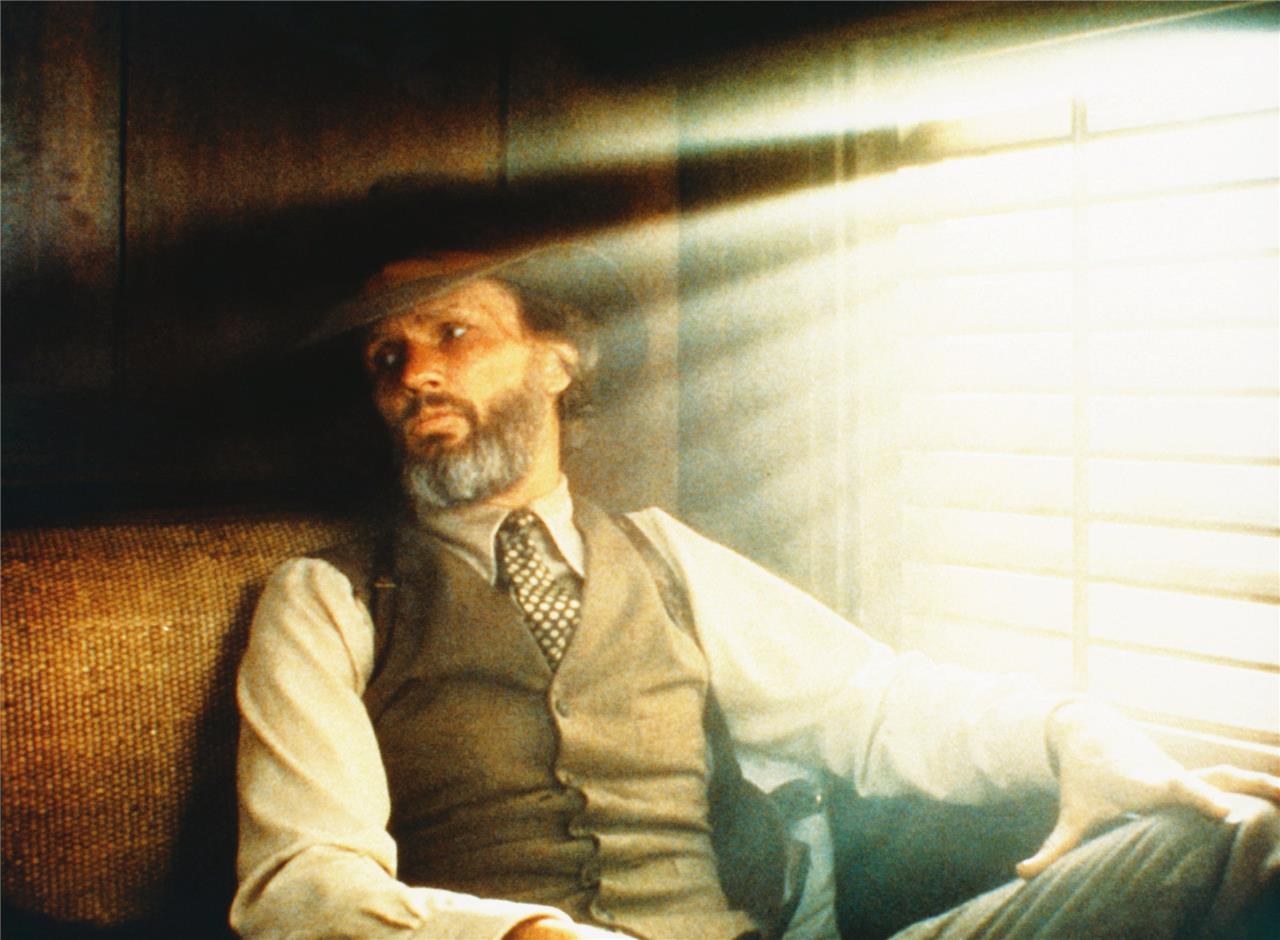
Originally released in 1980, Heaven’s Gate tells the story of a land dispute in rural Wyoming in the 1890s. The movie is a sweeping dramatic epic, and among the most ambitious late-period westerns ever attempted. It was also considered a massive boondoggle and a somewhat notorious failure.
Director Michael Cimino originally assembled a massive 325-minute version of the movie to screen for studio executives, then a 219-minute version for the movie’s official premiere. However, these versions were later literally chopped down (using the original negatives, meaning those cuts were lost forever) to just 149 minutes for the movie’s wide release. This version was panned immediately by critics and was a historic box office bomb, making just $3.5 million on its $44 million budget.
Where to watch these director’s cuts
You can watch various director’s cuts through multiple streaming platforms and digital purchase or rental services. For example, the 2024 film “Director’s Cut” is available for rent or purchase on Amazon Video and Apple TV, and can also be streamed on services like Amazon Prime Video, fuboTV, The Roku Channel, and Pluto TV. Some director’s cuts may also be found on free or ad-supported platforms such as Hoopla or Plex. Additionally, searching for specific director’s cuts on platforms like Yandex or JustWatch can help locate where these versions are available online. For classic and notable director’s cuts, physical media or specialty streaming services like The Criterion Collection may also offer definitive editions.
- Gold Rush: Both versions are available on Criterion Channel and Max
- Apocalypse Now: The original movie and Redux are rentable on Prime Video and YouTube. The Final Cut does is only available as a physical release
- Heaven’s Gate: MGM Plus
- Aliens: Both versions available on Max
- The Abyss: The original is available on Hulu, the director’s cut is available to rent on Prime Video.
- Blade Runner: The Final Cut is available to rent on Prime Video
- Kingdom of Heaven: Both versions are available on Prime Video
- Rob Zombie’s Halloween II: Available for purchase on Vudu
- Zack Snyder’s Justice League: Max
Cimino long insisted that the theatrical cut didn’t reflect his original vision for the movie, and in 2012, over 30 years after Heaven’s Gate’s theatrical debut, he oversaw the creation of a new cut of the movie from leftover footage and less-than-ideal takes. This digitally restored director’s cut, which premiered at the Venice Film Festival and was then released by The Criterion Collection, is the most definitive version of the movie, according to Cimino.
With its release, film history that was once thought lost was reassembled, making it a director’s cut that’s also an important part of film history. But while Heaven’s Gate is the most famous example of this, there are plenty more, like Orson Welles’ Touch of Evil, which was re-edited and re-shot once by the studio, then somewhat fixed via a 58-page document with Welles’ official instructions. Another example would be the original cut of Fritz Lang’s Metropolis, which was around three and a half hours when it premiered but shortened for its wide release. This longer version of the movie was thought to be lost for decades but has since been more or less restored from various prints of the movie.
Aliens and The Abyss define the line between extended edition and director’s cut
James Cameron’s Aliens and The Abyss exemplify how extended editions and director’s cuts can blur the lines between versions. For Aliens, the 1991 Special Edition added 17 minutes of footage, enriching character development and action, and is regarded by Cameron as the preferred version, though he never officially labeled it a “Director’s Cut”-he considered the theatrical release his true director’s cut, with the extended edition as a bonus for fans. In contrast, The Abyss’s Special Edition (also called Director’s Cut or Extended Version) released in 1993 restored Cameron’s original vision by completing visual effects like the massive tidal wave and adding scenes that deepen the story’s tone and context, making it a more serious and enriched film experience despite some dated effects. Together, these editions highlight Cameron’s approach to reclaiming his films’ narratives and visual ambitions beyond theatrical constraints.
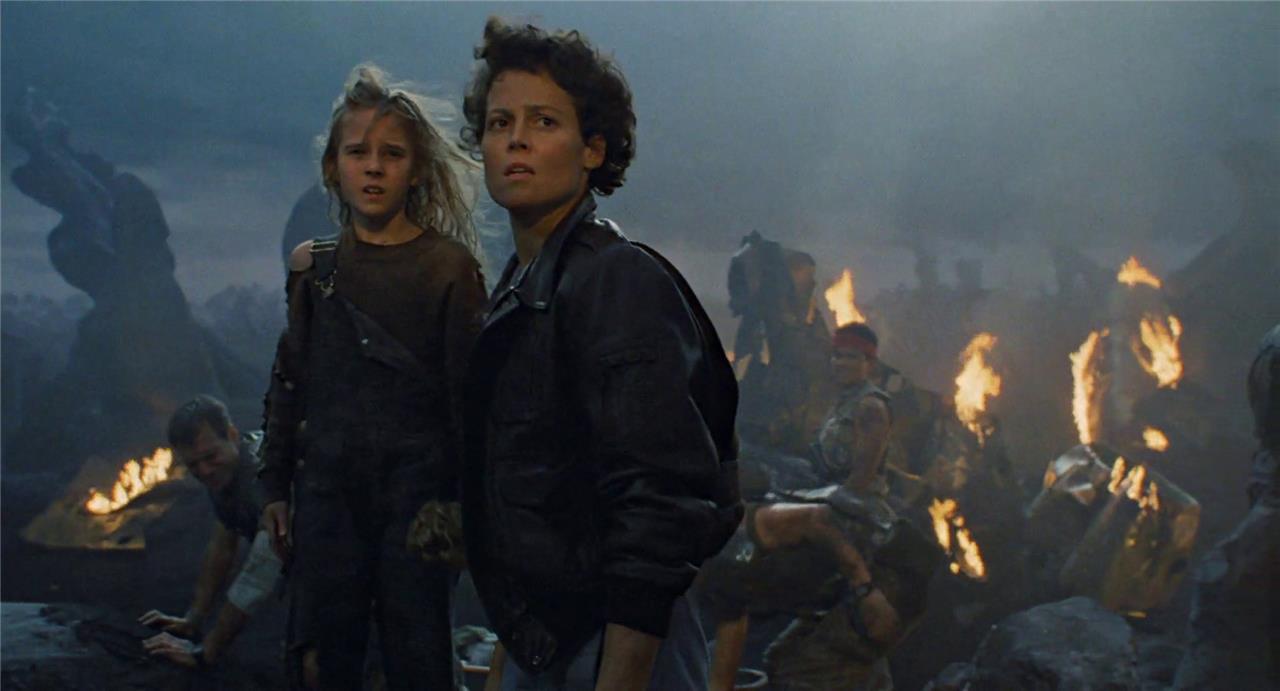
Earlier, I said there’s a difference between extended versions and director’s cuts, and that’s definitely true. But James Cameron’s work is sort of the missing link between the two, an unexplainable gray area that feels nearly impossible to classify. That’s why he gets his own little section on this list.
We can break Cameron’s Director’s Cuts into two essential categories. The first is best exemplified by his longer cut of Aliens. This version of the movie is much longer, and not nearly as well-paced, but does a much better job of fleshing out Ripley and the world of the series. There are few better examples of this than a brief scene early on, when Ripley is shown a photo of an old woman and told it’s her daughter. We learn that her daughter not only grew up, but died during the time Ripley was in cryo sleep.
It’s a subtle and small tragedy that builds in a reason for Ripley’s sudden commitment to saving Newt that goes well beyond the cliche of maternal instincts. This isn’t to say the theatrical version doesn’t work (it’s great!), but rather that Cameron’s original vision for the movie was more thoughtful and interesting than the one we ended up with. The downside is that this cut is also a whole lot slower and kills the perfectly paced tension of the theatrical version. There are a few more movies, like Terminator 2 and the Avatar: Extended Edition, that also fall into this almost-Extended edition category of cut.
The Abyss, Cameron’s cave-diving horror movie, however, is a significantly better movie in its “special edition” – which is really just the director’s cut. It fills in a few of the original’s strange, out-of-place plot issues and largely just leads to a better, more fleshed out, and much creepier movie. None of these Cameron examples necessarily feel like the result of substantial studio meddling, but moreso a result of Cameron’s consistent perfectionism as he continues to turn his films over in his head after he’s made them. He just happens to be the rare director in the position to make those changes when he sees fit.
Blade Runner gets cut, re-cut, and cut again
Blade Runner is one of the most famously re-cut films in Hollywood history, with at least five official versions and several unofficial ones released over the years. The original 1982 theatrical cut featured a studio-mandated voiceover by Harrison Ford and a “happy ending” that director Ridley Scott did not approve of. In 1992, Scott helped create the Director’s Cut, which removed the voiceover and happy ending and added a dream sequence hinting at Deckard’s true nature. Finally, in 2007, Scott released the Final Cut, a fully remastered and definitive version that incorporated further edits and restored scenes, representing his closest vision for the film. These multiple versions reflect both studio interference and Scott’s evolving artistic intentions, making Blade Runner a landmark example of a film being cut, re-cut, and cut again.
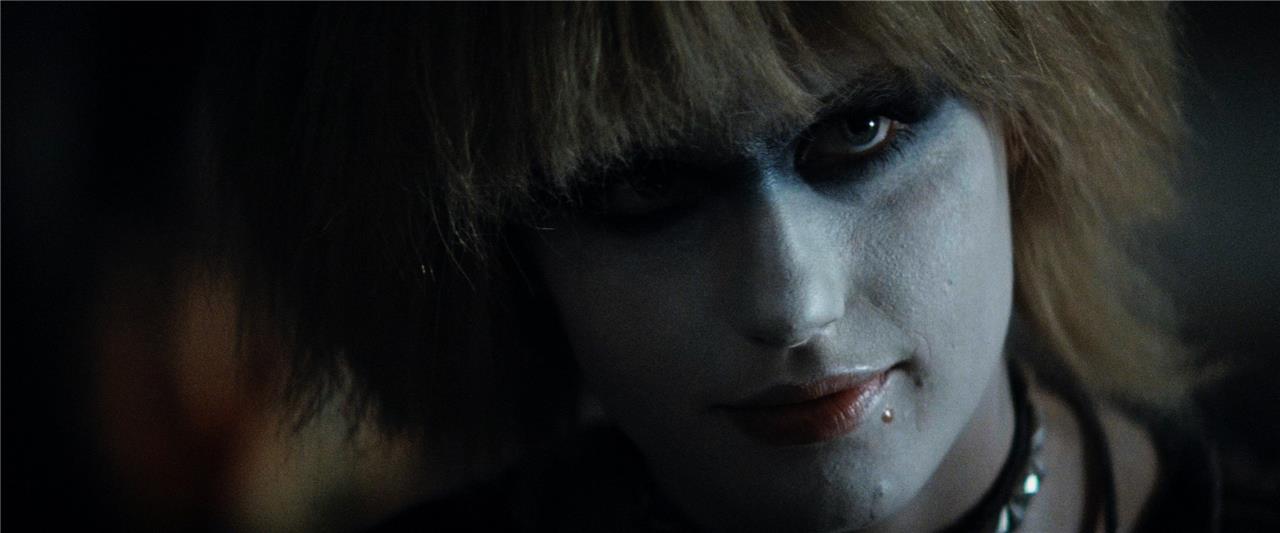
Among the most infamous recuts ever, Blade Runner has (at time of writing) five alternate versions available – in fact, there’s an entire, totally separate Wikipedia page dedicated to the different versions of Blade Runner.
In every version of the movie, Rick Deckard’s story as a specialized cop, a Blade Runner, tasked with hunting down runaway replicants – robots who look and seem almost human – is an absolute masterpiece. But that hasn’t stopped a litany of debates over which version of the movie is best.
There have been dozens of stories written about the differences in the various cuts, but what’s most important to know is that Blade Runner represents one of the most clear cut versions of a studio meddling in popular consciousness. Famously, the studio thought the movie was unclear, so they asked director Ridley Scott and star Harrison Ford to add voice over with Deckard essentially explaining the plot and his motivations to the audience. Ford recorded the lines, but assumed the studio would never actually use it. Unfortunately, he was wrong, and his flat narration ended up in the original U.S. theatrical release anyway, along with a happier ending than was originally intended.
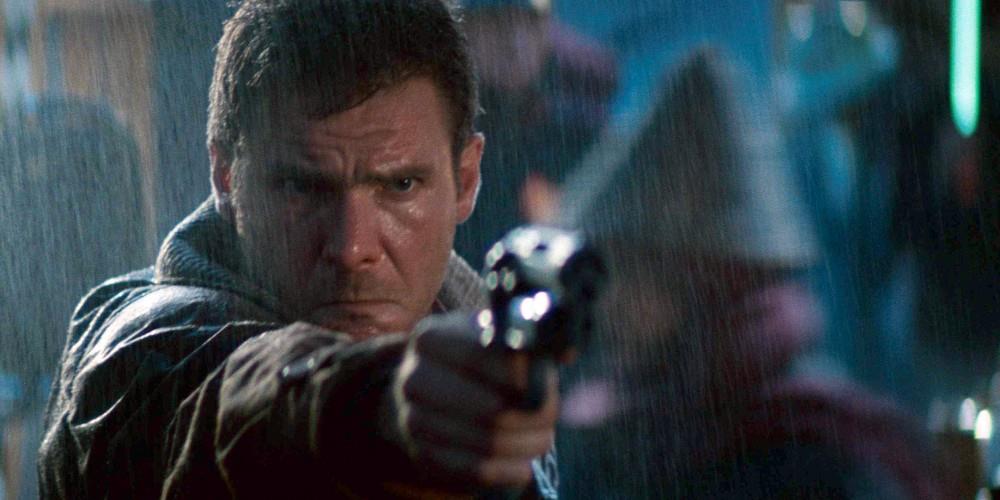
In 1992, a decade after the original release, Scott put together the Director’s Cut of the movie, which cut the narration and the happy ending and added a dream sequence. In 2007, he returned to the movie again to release The Final Cut, which remasters the Director’s Cut and adds in a few more action scenes that were in the International Cut of the movie upon release, but not the U.S. version.
While all of this is a fascinating experiment in revising a movie (which is truly great in any version), it’s also an interesting case of recutting a movie as a marketing tool. While it’s considered a classic now, Blade Runner was largely a disappointment in its original theatrical run. Since then, it’s become a staple on just about every home video format imaginable, thanks in large part to the consistent parade of new versions. Each new version necessitated new home releases, and there have been four or five versions of the “ultimate collection” just since the start of the DVD era.
Kingdom of Heaven rescues a mess
Ridley Scott’s Kingdom of Heaven initially suffered from heavy studio interference, resulting in a theatrical cut that was widely seen as incomplete and disjointed. The film was shortened by about 45 minutes at the studio’s insistence, which diluted its narrative and thematic depth. However, Scott’s director’s cut, released later, restored these missing scenes and added substantial character development and plot complexity, transforming the film into a richly textured historical epic. This extended version received critical acclaim for its improved storytelling, emotional resonance, and immersive world-building, effectively rescuing the film from its original mixed reception and establishing it as a definitive and compelling portrayal of the Crusades.
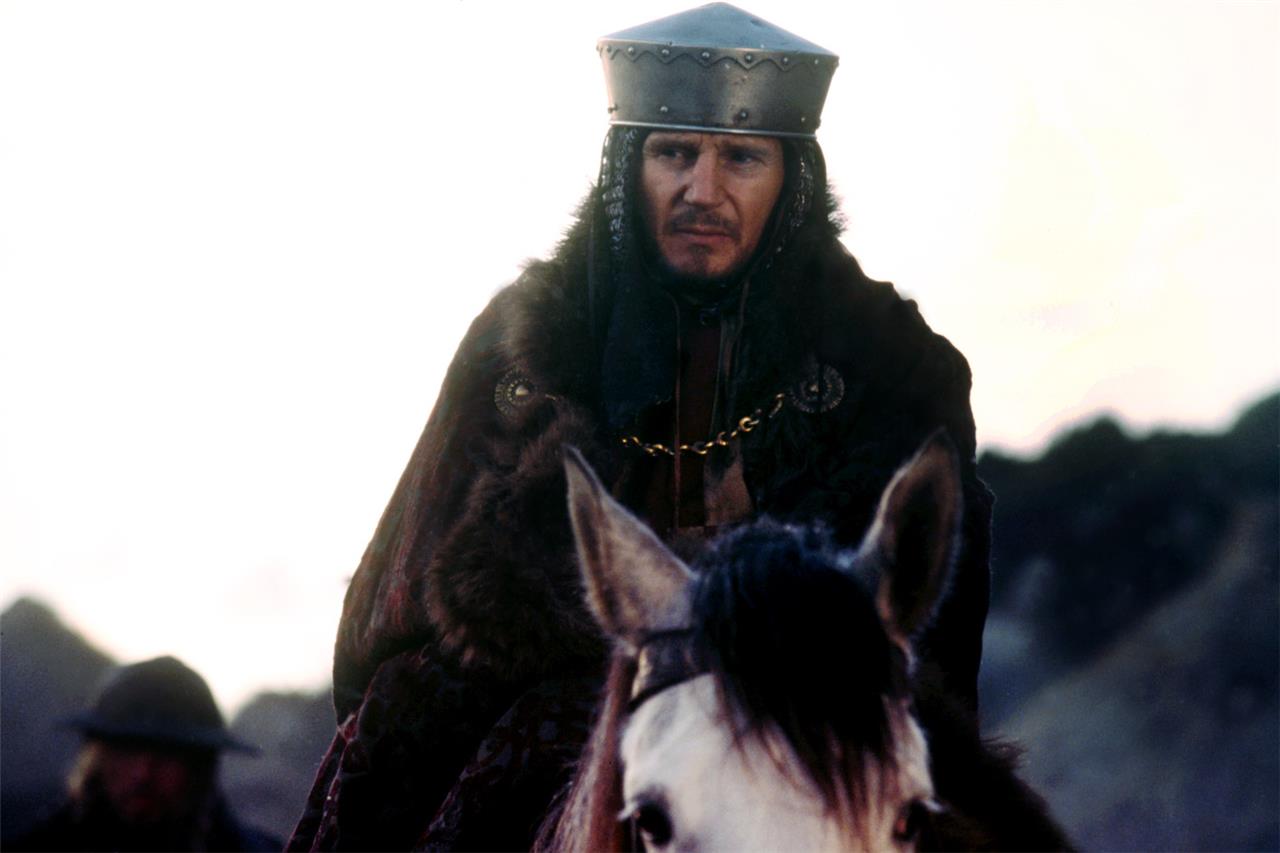
While Blade Runner is all about improving a masterpiece, Ridley Scott’s second entry on this list, the Kingdom of Heaven director’s cut, is more like a cinematic rescue mission.
It’s not that the original version is awful or unwatchable. Rather, it just feels incomplete. As you might expect from a fictionalized retelling of the Third Crusade (with an all-star cast that includes Orlando Bloom, Eva Green, Jeremy Irons, David Thewlis, Brendan Gleeson, and Liam Neeson), Kingdom of Heaven has a ridiculous amount going on, and the massive epic is nearly too ambitious for its own good . and that’s before the studio suggested cuts.
According to Scott, the studio forced him into bending to the notes he was given at test-screenings, and that he was asked to cut over 45 minutes from the movie. This simply leaves behind a movie full of holes.
Thankfully, just a few months after the original release, Scott was allowed to restore his 45 minutes to the movie, leading to a version that both improves on the action of the original, and leads to a far more complete movie.
It’s somewhat surprising that Fox allowed these kinds of changes so quickly after the original release of the movie, but it seems like a small acknowledgement from the studio of the history of director’s cuts more broadly, and an understanding that preserving the vision is important while the footage is still easily accessible.
And lest we think that Ridley Scott has gotten less into longer cuts of his movie, he’s still supposedly got a director’s cut of his latest movie Napoleon on the way to Apple TV sometime in the near future.
Rob Zombie’s Halloween II takes the movie from mediocre to masterpiece
Rob Zombie’s Halloween II transforms the film from a mediocre sequel into a compelling masterpiece through its director’s cut, which adds 14 minutes of crucial footage that deepens the story and characters. This version better asserts Laurie Strode as the true protagonist, portraying her fragile mental state and the psychological aftermath of surviving a massacre, which the theatrical cut dilutes. The director’s cut also enhances the film’s themes by expanding therapy scenes and Laurie’s strained relationships, making it a darker, more introspective character piece. Although some elements, like Michael Myers speaking, are controversial, the cut’s haunting ending-showing the deaths of Laurie, Michael, and Loomis-adds a tragic finality absent from the theatrical release. These changes elevate the film beyond a typical slasher sequel into a nuanced exploration of trauma and family legacy, marking it as a standout in Rob Zombie’s horror oeuvre.
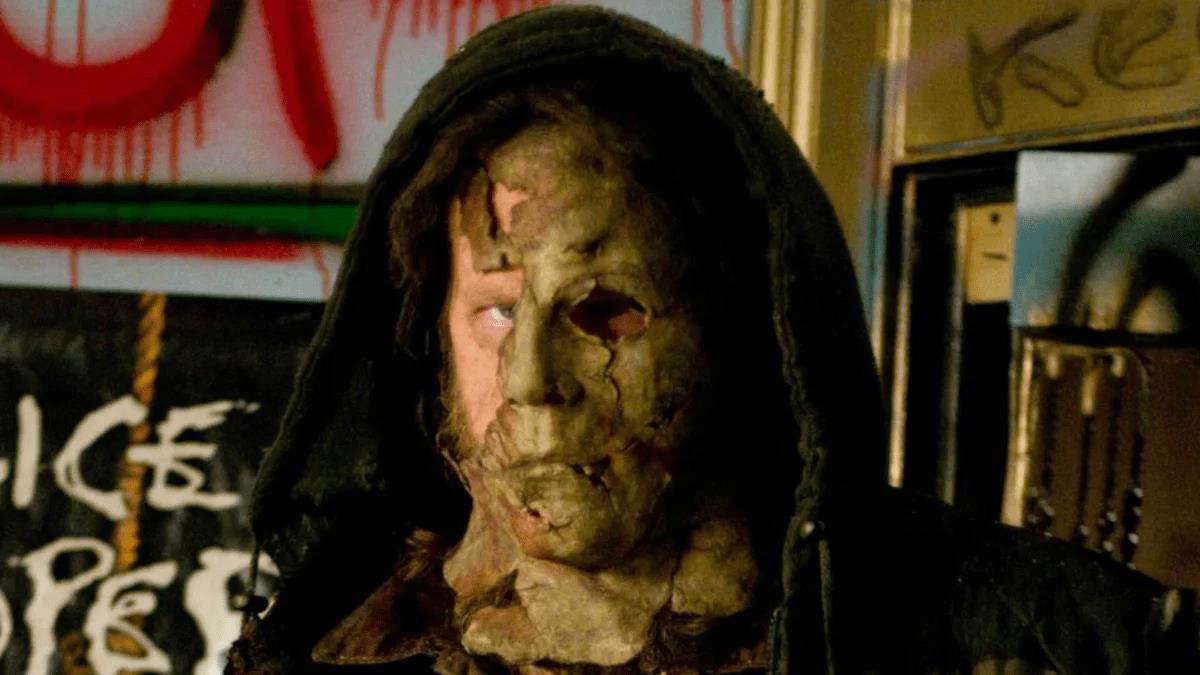
While the alternate releases of Rob Zombie’s two Halloween movies are technically referred to as “Unrated,” they’re much better thought of as Zombie’s director’s cuts.
The original releases, which were heavily overseen by then Miramax-head Harvey Weinstein, were dark, grimy, gore-soaked slashers that didn’t seem to have much on their mind at all. However, Zombie’s unrated version of the second movie, which was released as one of the home video editions, is a horrific exploration of what it means to survive a life-altering trauma. Scout Taylor-Compton’s portrayal of Laurie is heartbreaking and incredible, as she lashes out against everyone around her and continues to struggle with the knowledge that Michael Myers is still stalking her. Meanwhile, the original version loses so much of her pain and suffering outside of Michael hunting her. It turns her emotional devastation and trauma back into pure slasher fear.
Both of these movies, particularly the second one, are examples of the rare instances of a director’s cut changing the original movie entirely, in this case turning them from run-of-the-mill slasher remakes into some of the most interesting, painful, and touching horror movies ever made. Unrated cuts were everywhere on home video in the early 2000s, and while most of them didn’t add much, it was the perfect vehicle for Zombie to Trojan Horse his vision back into Halloween II.
The Snyder Cut of Zack Snyder’s Justice League
Zack Snyder’s Justice League, commonly known as the Snyder Cut, is the 2021 director’s cut of the 2017 superhero film Justice League. It represents Snyder’s original vision before he left the project due to a family tragedy, after which Joss Whedon completed the theatrical version with significant changes in tone and content. The Snyder Cut extends the film to about four hours, featuring reworked scenes, new visual effects, and additional footage that deepens character development and plot complexity. Released on HBO Max, it was completed with an additional $70 million budget and was widely regarded as an improvement over the 2017 release, fulfilling fans’ long-standing demand to see Snyder’s intended version.
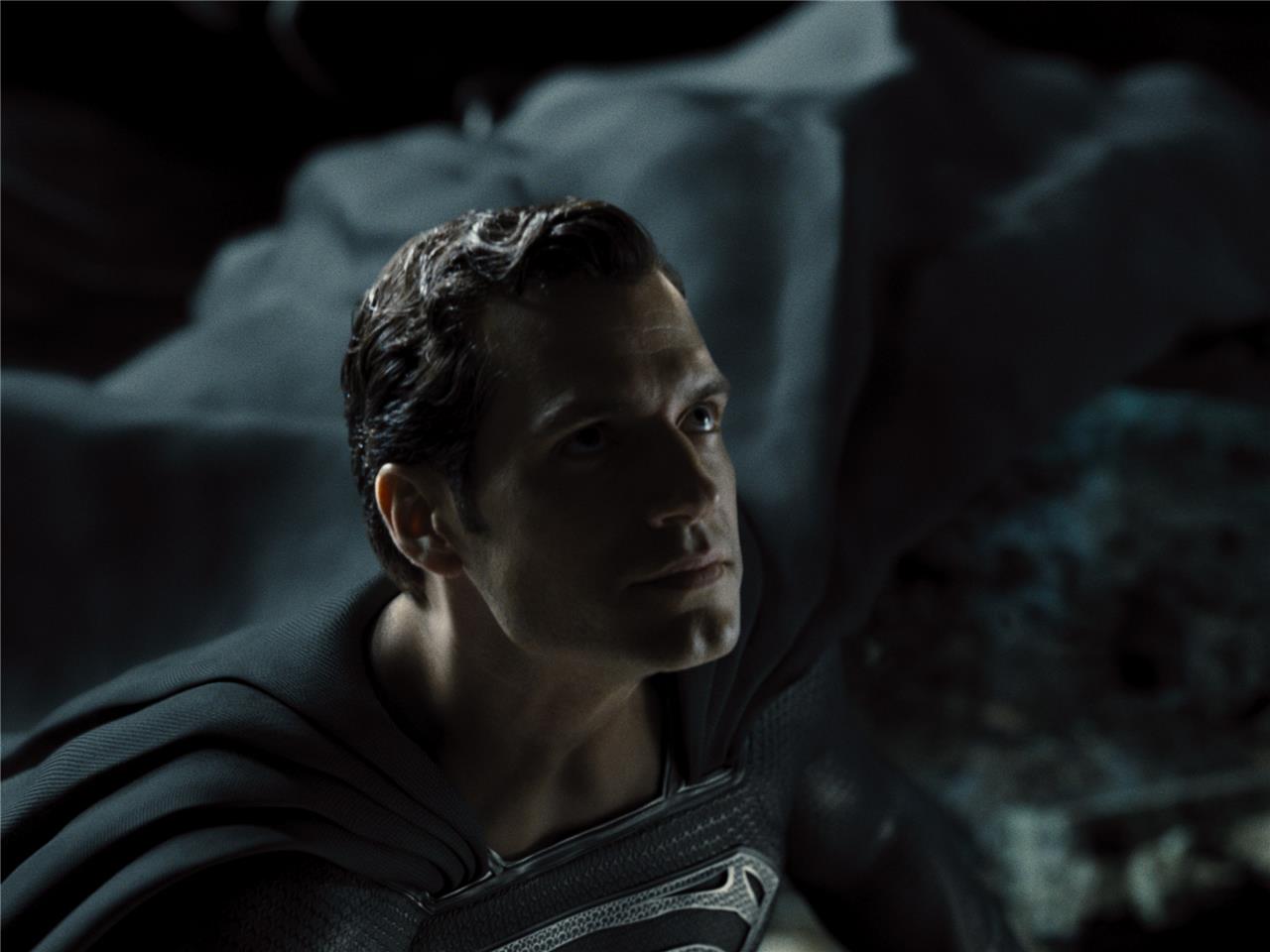
With the impending Netflix release of Part 1 of Zack Snyder’s Rebel Moon director’s cut, Snyder has, for better or worse, seemingly found the direct center of the line between director’s cuts as marketing and director’s cuts as legitimate artistic expression. Long before Rebel Moon came out, Snyder announced he’d be making two cuts of the movie: a shorter version with more family friendly action that would be rated PG-13, and his “director’s cut,” which would be rated R, with bloody action and more adult content. It’s not really clear that this is a director’s cut in the traditional sense, because he’s purposefully making two versions of the movie, but one thing’s for sure: this approach wouldn’t exist without the Snyder Cut.
The legacy of the “Snyder Cut,” Snyder’s unshot version of his Justice League movie, was a whole ordeal, but we’ll summarize as best we can. With studio pressure mounting after a disappointing box office return from Batman V Superman: Dawn of Justice, and the sudden and unexpected death of his daughter, Zack Snyder exited his Justice League movie somewhere in the middle of production, with Joss Whedon taking over instead.
Whedon’s version of the movie is unambiguously and uncontroversially awful. But shortly after release, Snyder started teasing bits and pieces of his original story for the movie, and the stars of it, including Henry Cavill and Jason Momoa, were getting on board with the hype. The idea of this hypothetical and mostly unfilmed movie eventually got enough people online excited that it started to be seen by some audiences as a nearly mythical masterpiece that was stolen from the people by studio executives.
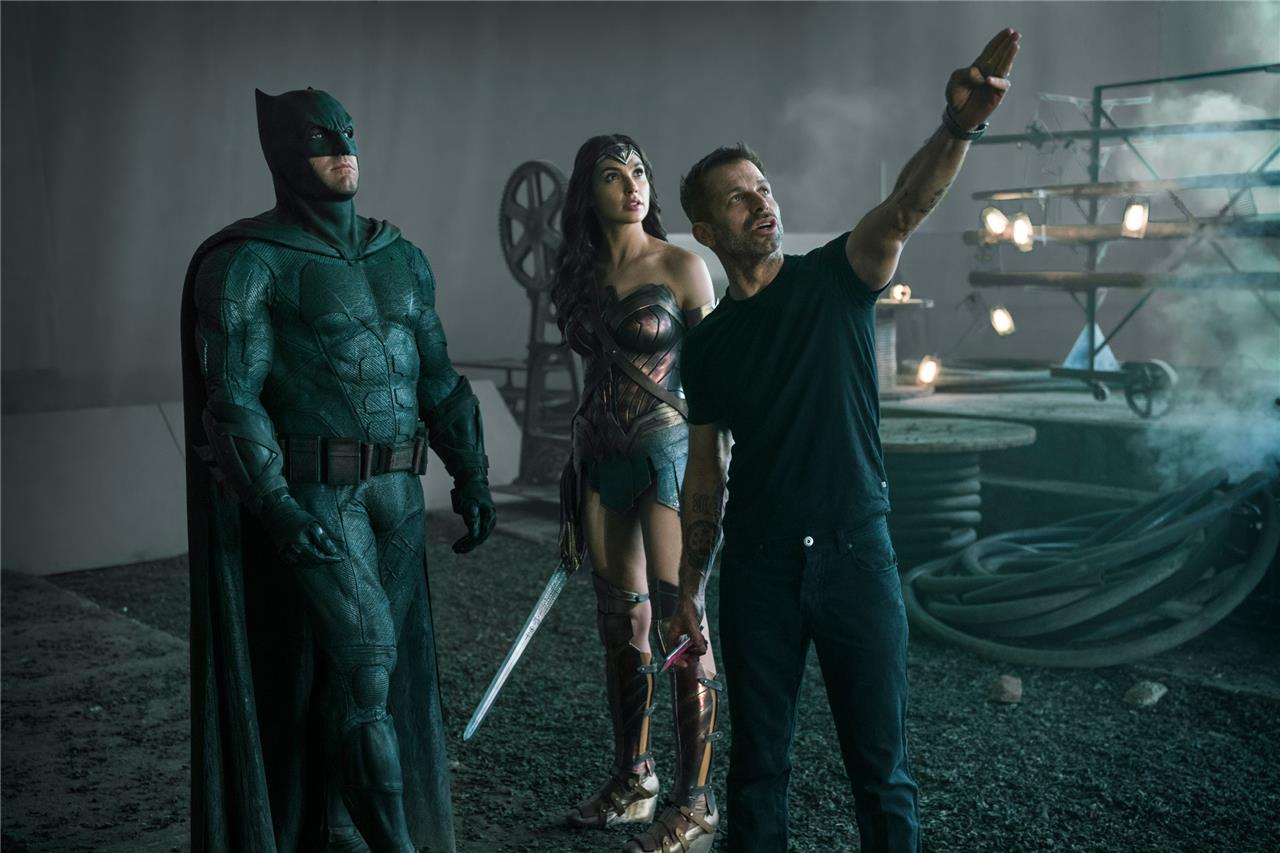
Skip forward several years, and those same Warner Bros. executives were suddenly in the position of needing to promote its new streaming service, HBO Max. To do this, it promised to fund Snyder’s original vision of Justice League, including substantial new shooting and CGI.
As much as this seemed like a massive boondoggle, and a movie with an impossible mountain of expectations to scale, Snyder’s version of Justice League is actually remarkably great. It delivers on many of the promises he made, fleshing out its cast, giving Cyborg (Ray Fisher) an excellent story as the main character – despite him being almost entirely cut out of Whedon’s version. It is a big, impressive, and complicated superhero story that’s odd and unlike any other superhero movie released before or since, like a limited event run of a graphic novel that you know will never be canon.
Unfortunately, the success of the Snyder Cut now feels a bit like a double-edged sword. It’s remarkable to have created so much excitement around a movie’s re-cut, but the idea of social media pressure resulting in a new version of a widely derided movie has given birth to half a dozen movements, including requests for a new cut of David Ayer’s Suicide Squad.
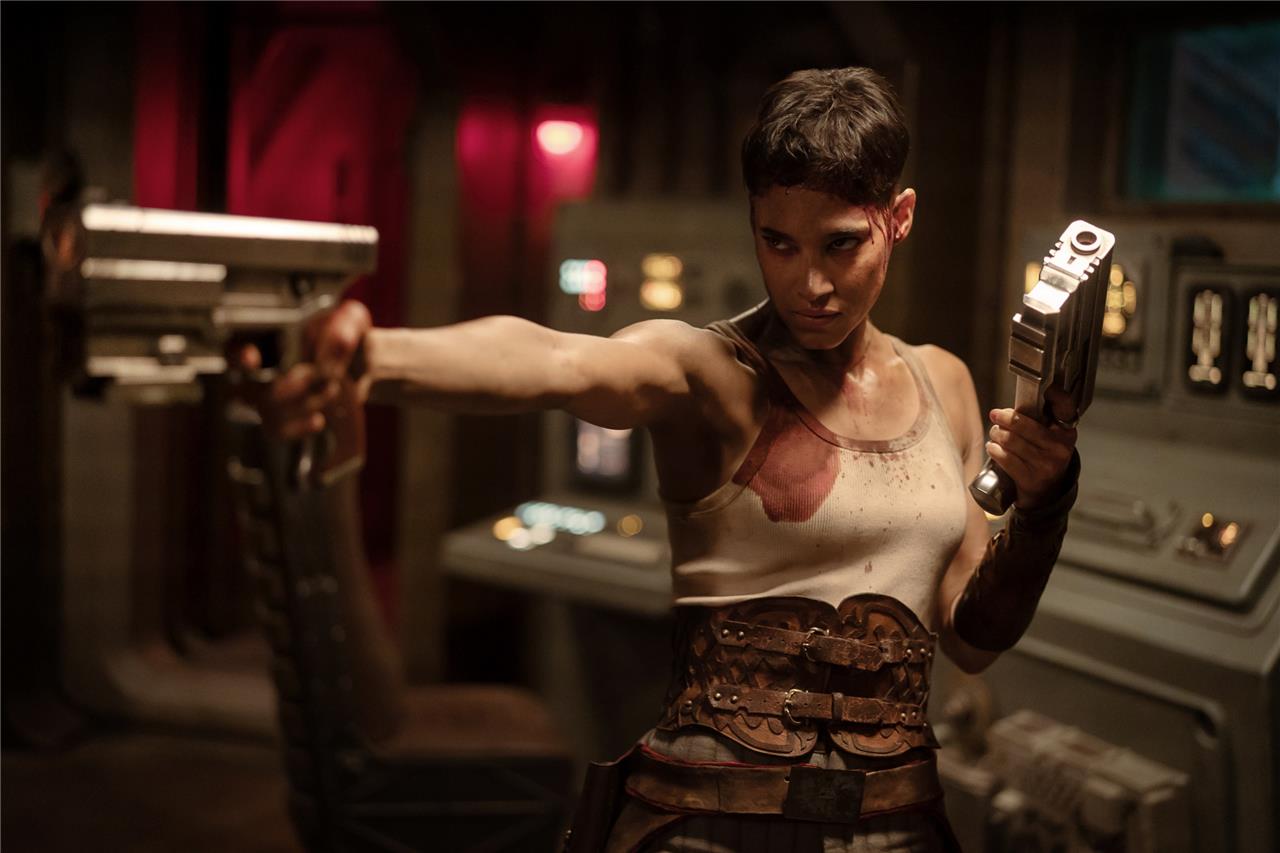
All of this leads us back to Snyder’s Rebel Moon, and the marketing stunt of its director’s cut. According to Snyder, the reason for releasing the shorter, more kid-friendly versions of the movie was mostly due to Netflix’s analytics, which suggest that sub-two hour movies do better with the platform’s audience. On the one hand, it’s nice that Netflix provided him the resources to fulfill his vision of the movie, despite the limitations of the platform’s analytics. On the other hand, it also feels like an attempt to artificially create a moment similar to the Snyder Cut, under entirely manufactured conditions.
In other words, Rebel Moon might be the logical end of the director’s cut as a marketing tool. It’s a response to a purposefully diluted movie, and entirely designed to fix the flaws that were baked-in from the get go. This is a depressing reality to consider, but director’s cuts have always been compromised, and that hasn’t stopped many of them from being excellent movies, vast improvements, or important historical artifacts. Maybe Snyder’s director’s cut of Rebel Moon will be worth something too.
How did director’s cuts reshape the storytelling of iconic films
Director’s cuts have reshaped the storytelling of iconic films by restoring directors’ original visions, often adding deeper layers of character development, thematic complexity, and narrative nuance that were trimmed or altered in theatrical releases due to studio pressures or runtime constraints. For example, Ridley Scott’s Blade Runner Director’s Cut removed the original’s voice-over narration and happy ending, introducing a more ambiguous and philosophically rich conclusion that enhanced the film’s mystique. Similarly, Peter Jackson’s extended editions of The Lord of the Rings trilogy provided a more immersive experience by expanding on lore and character arcs that theatrical cuts could not fully explore.
In some cases, director’s cuts have altered the pacing and structure significantly, sometimes to mixed results. Francis Ford Coppola’s Apocalypse Now Redux added over 40 minutes of footage, including a French plantation sequence that enriched the film’s themes of colonialism but also slowed the narrative and muddled key character arcs; his later Final Cut refined these changes to better balance depth with pacing. Ridley Scott’s Kingdom of Heaven director’s cut restored 45 minutes of footage cut by studios, filling narrative gaps and improving the film’s completeness and action sequences.
Overall, director’s cuts allow filmmakers to present their unfiltered artistic intentions, often transforming audience perceptions and critical reception by providing a more authentic, nuanced, and sometimes radically different storytelling experience than the original theatrical versions.
How do director’s cuts deepen the thematic layers of iconic films
Director’s cuts deepen the thematic layers of iconic films by restoring or adding scenes that explore underlying ideas, character motivations, and narrative complexities often trimmed in theatrical releases. By including additional footage, directors can emphasize themes more clearly and provide richer context, allowing audiences to engage with the film’s message on a deeper level. For instance, Ridley Scott’s Blade Runner Director’s Cut removes the original’s voice-over and adds ambiguity to the ending, enhancing its philosophical themes about identity and humanity. Similarly, Peter Jackson’s extended editions of The Lord of the Rings delve further into the lore and character arcs, reinforcing themes of friendship, sacrifice, and power.
Director’s cuts also allow filmmakers to use cinematic techniques-such as symbolism, motifs, lighting, and pacing-in a way that better conveys thematic intent. This unfiltered creative control results in a more immersive and nuanced experience, where themes resonate more profoundly through restored subplots and character development. Ultimately, director’s cuts offer a more authentic and comprehensive presentation of a film’s thematic core, enriching the audience’s understanding and emotional connection.
