
In a cinematic landscape crowded with hollow prequels, George Miller refused to let Furiosa become just another franchise cash-in. Instead, he meticulously crafted a character-driven epic-layered with revenge, survival, and world-building-that not only deepens the Mad Max mythos, but transforms Furiosa’s journey into an essential chapter of the saga, rich with inventive action, emotional stakes, and a bold expansion of the Wasteland’s lore.
The newest player in the ever-ongoing prequel IP landscape is Furiosa: A Mad Max Saga, which transports viewers back to George Miller’s Wasteland for the origin story of the titular young warrior, and her journey to becoming the fierce, fearsome Imperator we saw in Mad Max: Fury Road. The movie is a strange, successful journey through the Wasteland that earns its place as a necessary addition to the series – and to the small canon of Hollywood prequels that are worth your while. Let’s talk about why this prequel is valuable to fans, among so many that add little to nothing to a franchise.
Furiosa wasn’t written as an afterthought
George Miller never approached Furiosa as a mere add-on to capitalize on the success of Mad Max: Fury Road. In fact, the seeds for Furiosa’s story were planted during the very development of Fury Road itself, when Miller meticulously crafted detailed backstories for each character to give the actors a deeper understanding of their roles. Furiosa’s backstory was so compelling and fully realized that it evolved into its own screenplay, long before any studio pressure or commercial motives could influence the project. Miller has emphasized that he felt an instinctive, almost magnetic pull to tell Furiosa’s origin, describing it as a story that demanded to be told from deep within his creative process-not as a reaction to box office trends, but as an essential chapter in the Mad Max saga. This careful, years-long development ensured that Furiosa stands as a vital, thoughtfully constructed prequel, not a rushed or opportunistic cash grab.
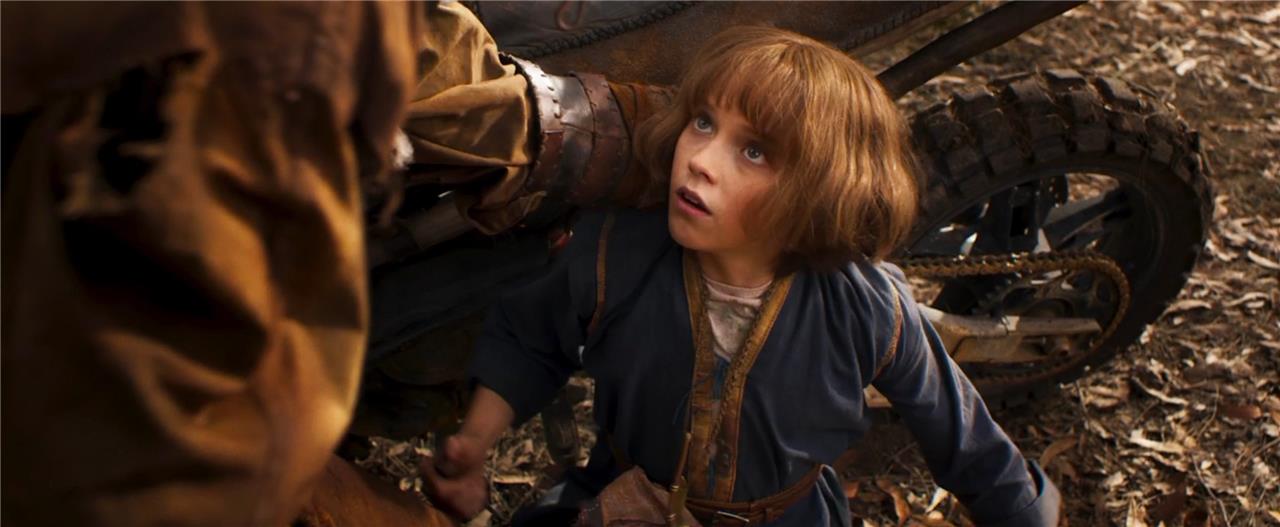
Something that immediately marks Furiosa out from its fellow prequels is the fact that the story and screenplay were written before Fury Road even came out. “This movie was written when we were preparing Fury Road,” Miller explained at an early screening of the film in Los Angeles. “We realized that because that’s a story that basically happens over three days and two nights, all the content, all the subtext, all the exposition has to be done on the run. So in order to tell it cohesively, we had to know everything that happened before, so we wrote the story of Furiosa.”
The screenplay that became the final film was shared with all the creative team who worked on Fury Road, setting up a continuity that most prequels lack, as well as an origin story that was decisively connected to the film that came before it. That’s a far cry from most modern prequels, which are usually late-stage cash grabs. Furiosa was always part of the Fury Road world, and we see that in the way the world seamlessly continues from one film to the next, and the way Furiosa is filled with characters and locations from Fury Road, like the Citadel and Immortan Joe (Lachy Hulme).
Its creative journey allowed it to evolve
The creative journey of Furiosa was marked by continual evolution, reflecting George Miller’s willingness to adapt and rethink his approach as the story developed. Originally conceived as a potential anime series, Furiosa’s narrative transformed into a live-action film, yet traces of its animated origins remain, such as the inclusion of specific visual motifs and storytelling techniques. This flexible development process allowed Miller to experiment with different formats and tones, ultimately crafting a saga that spans nearly two decades of the character’s life-distinct from the real-time intensity of Fury Road. By embracing new storytelling tools and formats, Miller ensured that Furiosa was not just a derivative prequel, but a vital, standalone chapter that deepened the Mad Max universe and resonated with audiences on its own terms.
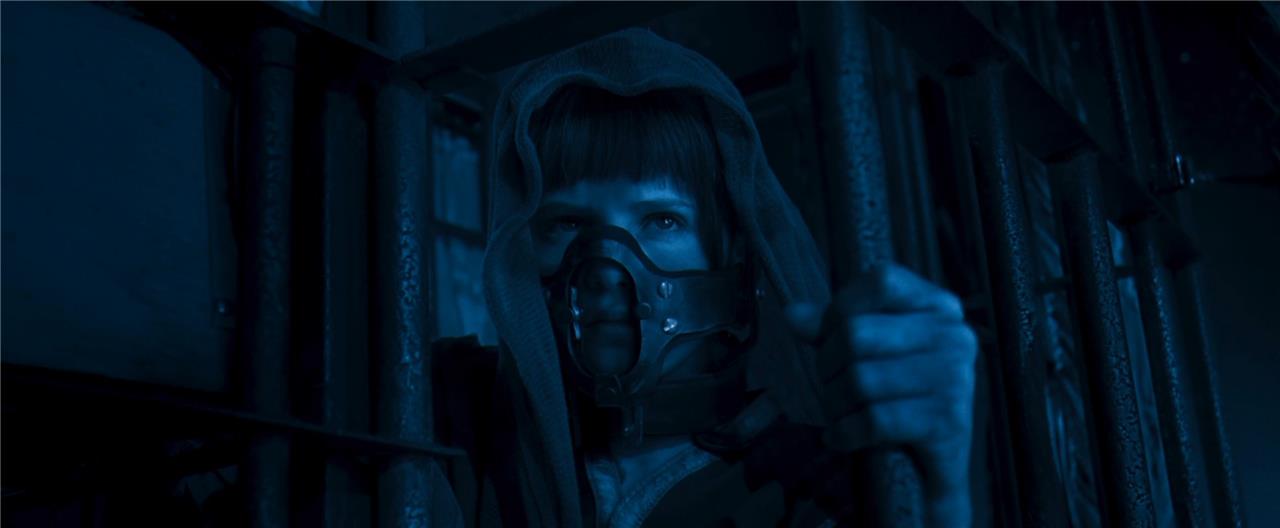
Furiosa’s origin didn’t move directly from behind the scenes of Fury Road to the new film we’re receiving this year. It was developed as a potential anime series, and the live-action movie still carries some detail from that version. It’s a great example of how the film has grown and shifted over the years, and how Miller is willing to envision his stories in different mediums.
It’s worth noting that alongside that original Furiosa screenplay, Miller also wrote one about Max’s life leading into the film. While that story might seem like the obvious one to turn into a prequel, at the LA screening he revealed it instead became a novella called The Wasteland, whereas his origin about Furiosa became a full screenplay with concept art. That creative journey’s current final result is highly efficient about what Miller and co-writer Nico Lathouris choose to show us, focusing on major emotional turning points in Furiosa’s life without dwelling too long on any one moment.
Furiosa is a character whose backstory is actually important
Furiosa is a character whose backstory is actually important because it fundamentally shapes her motivations and the emotional weight of both Furiosa: A Mad Max Saga and Fury Road. Rather than serving as a generic action hero, Furiosa’s journey from a child of the Green Place, through abduction and trauma at the hands of Dementus and Immortan Joe, to her eventual rise as a formidable leader, gives her actions deep personal stakes. Her quest for revenge against Dementus and her longing to return home are not just narrative devices-they are the driving forces behind her choices, resilience, and need for redemption. By exploring her formative years, the prequel adds meaningful layers to her character, transforming her from a mysterious sidekick into a protagonist whose pain, determination, and moral compass are essential to the Mad Max universe. This rich backstory ensures that Furiosa’s actions in Fury Road are not only understandable but inevitable, making the prequel feel necessary rather than like a cash-in on a popular franchise.
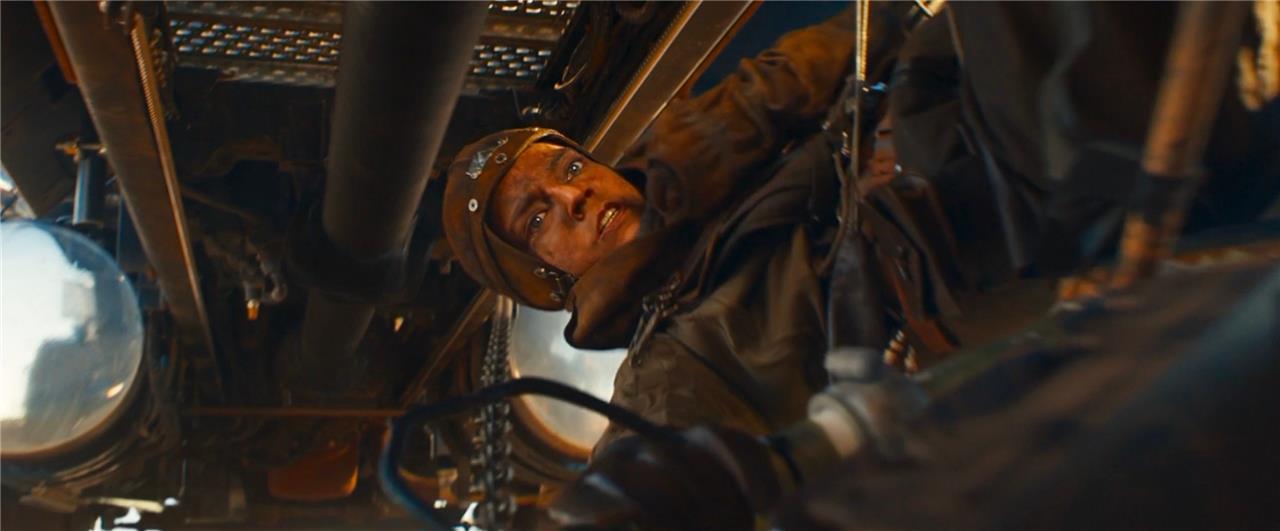
Charlize Theron’s performance as Furiosa was so game-changing that it reframed a decades-old franchise, revitalizing it and putting a story about a heroic woman and her quest for vengeance and justice at its center. Because we only got to spend three days with her rampaging across the Wasteland in Fury Road, plenty of viewers wanted more. While we’d already met Max in his three previous films, there were no other tales of Furiosa to revisit, which singles out the film as something different from, say, Solo: A Star Wars Story, a prequel where we already knew a lot about the main character when he was young, thanks to the original Star Wars trilogy.
Furiosa also doesn’t sweeten the character or soften her edges – unlike, for instance, Paul King’s prequel Wonka, which erases all the danger and strangeness that are part and parcel with a character who’s willing to torture children to teach them moral lessons. That film recast Willy Wonka & the Chocolate Factory’s infinitely creepy chocolatier as a sweet, charming, whimsical fellow who would be lost in the original text of Roald Dahl’s often horrifying kids’ books.
Furiosa, on the other hand, isn’t aimed at kids. Its R rating and its brutal approach puts its lead through the paces, allowing her to be full of rage, fury, and violence in a way women in action cinema often aren’t afforded.
The choice to recast rather than de-age
George Miller’s decision to recast Furiosa with Anya Taylor-Joy instead of using digital de-aging on Charlize Theron was driven by both artistic and technical considerations. Initially, Miller considered de-aging Theron, as recent films like The Irishman and Gemini Man had experimented with this technology. However, after observing these attempts, he concluded that digital de-aging remains unconvincing for an entire film, often distracting audiences with its limitations rather than immersing them in the story. Miller explained that the technology still suffers from the “uncanny valley” effect, where the results are close to lifelike but not quite there, pulling viewers out of the narrative. Instead, he opted for Taylor-Joy, whose own qualities-such as her determination, mystique, and physical precision-mirrored what Theron brought to the role, allowing the character to feel authentic and vital without technological distraction. This choice not only preserved the emotional impact of Furiosa’s journey but also reinforced Miller’s commitment to storytelling over spectacle.
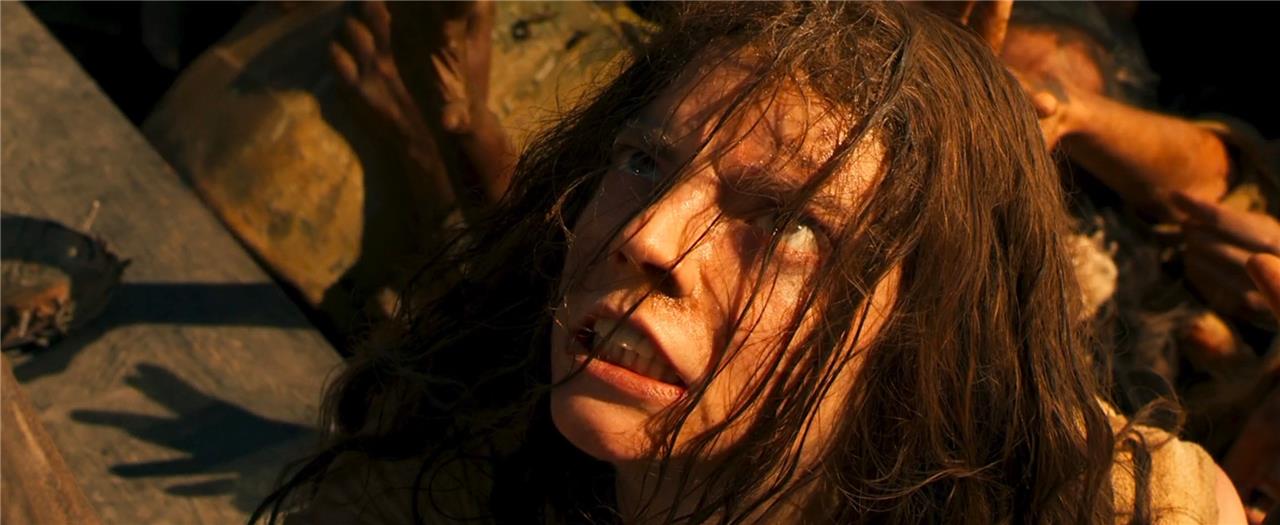
With Hollywood’s increased reliance on VFX to alter actors’ appearances, it’s surprisingly refreshing to see Miller rely on great casting to depict Furiosa’s early years. Like River Phoenix in Indiana Jones and the Last Crusade, Alyla Browne remakes an iconic role in a convincing, memorable way, delivering fantastic scenes full of emotion.
It’s even more impressive considering Furiosa’s notoriously sparse dialogue, with growls, grunts, and expressions telling more of Furiosa’s story than her words do. Miller pays strong attention to continuity here, with Browne as child Furiosa and Anya Taylor-Joy as young adult Furiosa clearly on the same page when it comes to how to depict the title character. The result is a seamless transition for the character from stage to stage of life, keeping the suspension of disbelief fully intact as Miller immerses us in Mad Max’s wild world.
Miller has referenced films like The Irishman andGemini Man as the reasons he chose not to cast Theron in the role and use VFX on her face. Both of those films’ use of de-aging arguably distract from the story at hand, and the choice to cast Taylor-Joy keeps Furiosa from falling into the same trap. There are no surface distractions from the central story, which is lucky, as it’s stuffed with action set-pieces, unusual characters, and an emotional engine it’s not afraid to rev.
The widened world adds to the original, instead of dampening its impact
George Miller’s Furiosa: A Mad Max Saga stands apart from typical prequels by enriching the Mad Max universe rather than simply recycling its predecessor’s formula. Unlike many franchise extensions that dilute the original’s legacy, Furiosa expands the world in meaningful ways-introducing new layers to the Citadel, deepening the mythos of Immortan Joe, and tracing Furiosa’s transformation from abducted child to hardened warrior. These creative choices ensure that the prequel’s broader scope and emotional depth enhance the impact of Fury Road, making the original film’s story even more resonant and its world more immersive.
For the subtitle:
The widened world adds to the original, instead of dampening its impact.
Paragraph:
By widening the world of Mad Max-exploring new characters, locations, and backstories-George Miller ensures that Furiosa doesn’t overshadow or weaken the legacy of Fury Road, but rather amplifies its emotional and narrative power. The prequel’s broader canvas allows audiences to revisit familiar settings and figures with fresh context, making the original’s triumphs and tragedies even more compelling. Rather than feeling like a cash grab, Furiosa stands as an essential expansion that deepens the mythos and enhances the impact of the original film.
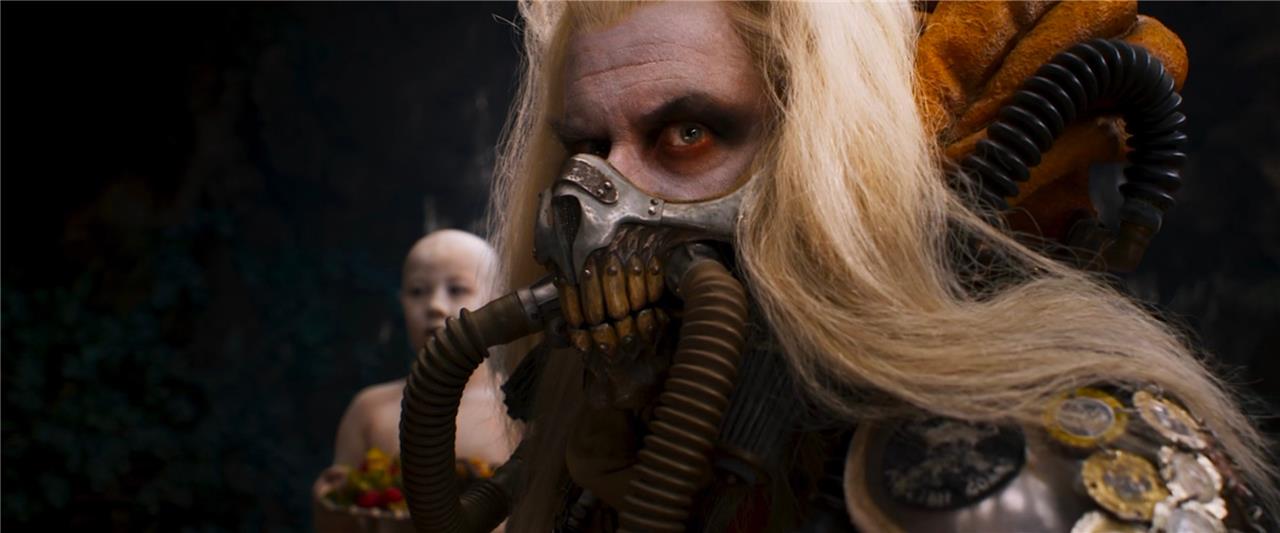
Lackluster prequels often leave fans wondering, Did these new details really add anything worthwhile to this world? – cough, midi-chlorians, cough. But Furiosa’s brutal backstory doesn’t suffer from this predicament. Instead of defanging or overexploring Mad Max’s Wasteland, Furiosa expands on the long-running lore that provides intriguing new insights into different corners of the world.
Miller’s 1979 series launcher Mad Max was a tight slice of the lore and world he was introducing, and each film that came after it slightly widened that slice of the post-apocalyptic pie. In Fury Road, he expanded the world with a new set of characters and a new villain, Immortan Joe, but still kept the efficient scope of just a single wild journey over three days. With Furiosa, Miller widens the lens on the entire world over multiple years, showcasing the fragmented origins of the Wasteland and teasing just how the world ended up like this. We’re also introduced to multiple new characters and factions without any overexplanation, and they all feel like they could be ripe to explore further.
There’s an added contextual weight here, too, with future viewings of Fury Road permanently changed by the events of Furiosa. Glimpsing the idyllic utopia of Furiosa’s youth provides a bright spot of hope in an otherwise bleak landscape. And better understanding the Citadel’s high-stakes “guzzolene” runs gives us a unique look at both the culture and business of the terrifying desert community. Furiosa leaves us with a more holistic impression of life in the Wasteland and of Mad Max’s reality.
As Hollywood battles to understand and predict what its audience wants in 2024, perhaps it can learn something from Furiosa. While it could be hard for some IP-based adaptations to go as wildly off-road as Miller does with the fifth entry in his Road Warrior franchise, they’d benefit from at least adopting some of his courage. If other prequel-makers dared to step out of the boxes they’re often squashed into – maybe introduce new characters, new eras, even a new tone to their movies, anything to make those movies matter – then “prequel” would stop being such a dispiriting word for fans of unique, innovative movies.
How will the new movie Karate Kid: Legends fit into the larger franchise story?
Karate Kid: Legends is set to be an exciting new chapter in the iconic Karate Kid franchise, connecting multiple elements from previous films while also charting its own path. Here’s how the new movie fits into the larger franchise story:
Timeline Placement
Karate Kid: Legends is confirmed to take place after the events of the Cobra Kai TV series. This positioning allows the movie to build on the character development and storylines established in Cobra Kai while also giving it the freedom to explore new territory.
Connecting Different Eras
The film brings together key figures from different eras of the franchise:
-
Ralph Macchio reprises his role as Daniel LaRusso from the original Karate Kid films and Cobra Kai series.
-
Jackie Chan returns as Mr. Han from the 2010 Karate Kid remake.
This unique combination creates an intriguing blend of the original franchise and the remake, effectively unifying them into a single continuity.
New Protagonist and Setting
While honoring the past, Karate Kid: Legends introduces fresh elements:
-
The story focuses on a new teen protagonist, a Chinese teenager who moves to the East Coast of the United States.
-
Ben Wang takes on the lead role, with the character expected to train under the guidance of tough yet wise mentors.
Franchise Evolution
The movie represents a significant evolution in the Karate Kid saga:
-
It’s the sixth installment in the franchise, following the original trilogy, The Next Karate Kid, and the 2010 remake.
-
The film aims to create its own “ecosystem” within the larger Karate Kid universe, as described by Ralph Macchio.
Connection to Cobra Kai
While Karate Kid: Legends is set after Cobra Kai, it’s important to note that the movie will not directly tie into the series. This approach allows the film to stand on its own while still benefiting from the character development that occurred in the show, particularly for Daniel LaRusso.
Expanding the Martial Arts Styles
The movie presents an opportunity to showcase different martial arts styles:
-
Daniel LaRusso’s Miyagi-Do karate
-
Mr. Han’s kung fu techniques
This combination of styles could lead to interesting training sequences and potentially epic sparring moments between the two senseis.
By blending elements from various parts of the franchise, introducing new characters, and building on the foundation laid by Cobra Kai, Karate Kid: Legends aims to both honor the legacy of the series and push it in exciting new directions.
Will Jackie Chan’s character have a significant role in the new movie
Jackie Chan’s character, Mr. Han, will have a significant role in Karate Kid: Legends. He returns as a central mentor figure, teaming up with Ralph Macchio’s Daniel LaRusso to guide the new protagonist, Li Fong, a kung fu prodigy facing challenges in a New York karate competition. The film places Mr. Han and Daniel LaRusso in key teaching roles, blending their distinct martial arts philosophies and styles to help Li succeed. Their partnership is a major focus of the story, with Mr. Han’s mentorship and martial arts expertise driving much of the narrative and training sequences. Additionally, Chan himself has expressed enthusiasm for performing authentic martial arts and stunts in the film, further underscoring his character’s active and important presence.
