
Should you dive into the haunting world of Hellblade 1 before embarking on the epic journey of Hellblade 2? With the sequel continuing Senua’s story almost immediately after the first game, experiencing the original is highly recommended to fully grasp her character and the narrative depth that shapes this gripping saga. From immersive storytelling to evolving gameplay, playing Hellblade 1 first enriches your adventure through the stunning and brutal landscapes of Hellblade 2 on PC and Xbox.
Should you play Hellblade 1 before playing Hellblade 2?
Playing Hellblade 1 before Hellblade 2 is not strictly necessary, as the sequel provides a summary of the first game’s story. However, it is highly recommended to play Hellblade 1 first to fully appreciate the character development of Senua and the emotional depth of her journey, especially her struggles with mental health, which are central to the narrative. Experiencing the first game offers a more intimate understanding of Senua’s darkness and evolution, enriching the overall experience of Hellblade 2. Many players find that knowing the background from Hellblade 1 enhances their connection to the sequel’s story and character progression.
The short answer is: You don’t have to play Hellblade 1 before playing Hellblade 2.
There’s a handy (skippable) recap movie when you start a new game of Senua’s Saga: Hellblade 2. What’s more, the events of the Senua’s Sacrifice are more backdrop than foundational to the events of Senua’s Saga – they’re good to know and they flesh out the world, but they’re not strictly necessary.
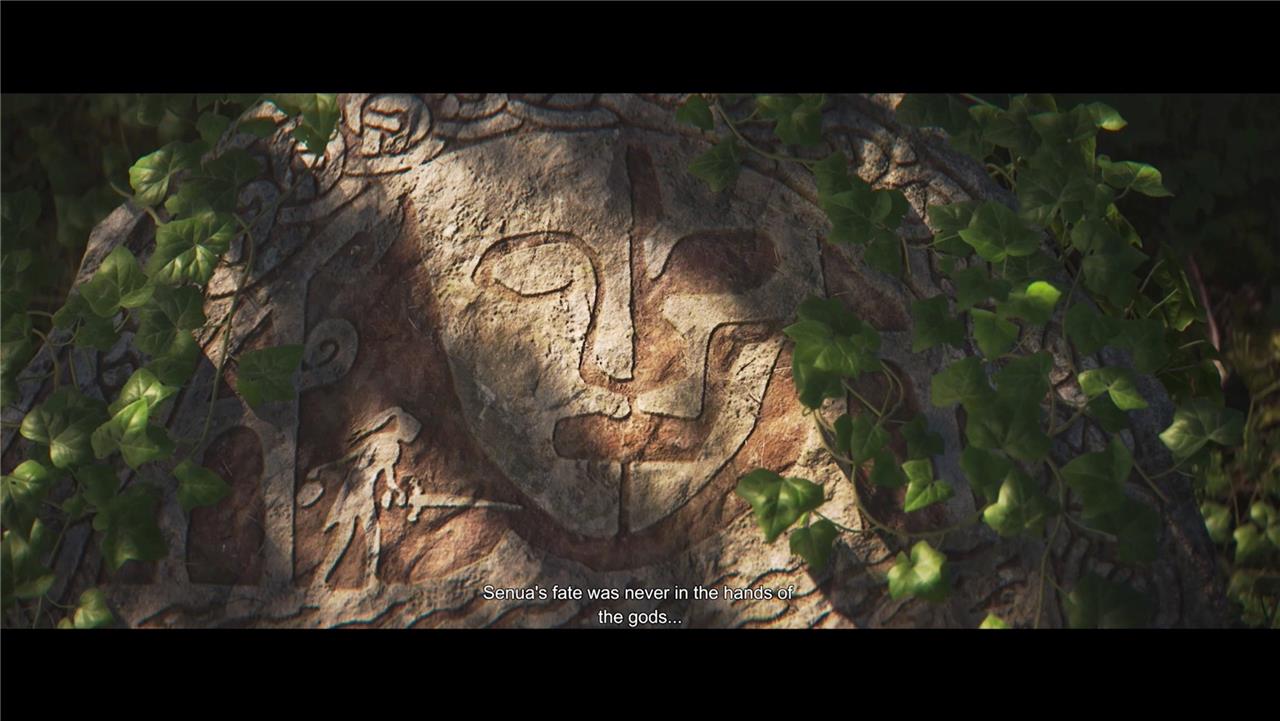
Regardless, when you start a new game, you’ll get a five-minute video with carved megalith visuals that covers all of the events of Hellblade 1. It’s thorough enough to get you up to speed for Hellblade 2 without too many questions.
If you missed anything in the video, though, here’s the crash course to get you ready for Senua’s Saga: Hellblade 2: Senua hears voices (the Furies). Her mother heard voices too. Senua’s father was a bad man and killed her mother because he thought the voices were evil. Senua fell in love, but it didn’t go well. People died. Senua continued to hear voices, and now had another voice in her head – her father’s (The Darkness and, later, the Shadow). Senua went to Hel(l) to retrieve her lost love and kill a god. She was half-successful, finally learning to accept loss as part of life (but still stabbing a god). She learned to live with the voices as a part of her.
That last part is why the voices you’ll hear throughout Hellblade 2 are kind of neither encouraging or discouraging – they’ve taken on a role more as observers or commenters (or a Greek chorus) than as antagonists.
Do I need to play Hellblade 1 to fully understand Hellblade 2’s story
You do not strictly need to play Hellblade 1 to understand Hellblade 2’s story, as the sequel includes a concise, skippable recap video summarizing the key events of the first game. However, playing Hellblade: Senua’s Sacrifice is highly recommended because the series is deeply narrative-driven, and the first game provides critical insight into Senua’s character, her mental health struggles, and the traumatic events that shape her journey. Experiencing the original game enriches the emotional impact and appreciation of Hellblade 2, as it continues almost immediately after the first game’s conclusion and builds on Senua’s evolution.
How much of Senua’s backstory is explained in the recap of Hellblade 1
The recap of Hellblade 1 explains a significant portion of Senua’s backstory, covering her origins as a Pict warrior from Orkney, her family background including her mother Galena and father Zynbel, and the trauma that led to her psychosis. It details how her mother was burned at the stake by her father, which deeply affected Senua’s mental state, and how she fell in love with Dillion, whose death and sacrifice by Viking raiders set her on the quest to Helheim. The recap also touches on her self-imposed exile, her friendship with Druth, and the symbolic nature of the Darkness representing her father’s abuse. However, much of the story is revealed through nonlinear hallucinations in the game, so while the recap covers key events and themes, the full emotional and psychological depth is best experienced by playing the original game.
