
Drawing deeply from the eerie atmosphere and psychological dread of early-2000s horror classics like Silent Hill, solo developer Nathan Hamley has crafted Hollowbody-a tech noir survival horror experience that reimagines the genre for a new generation. Set in a hauntingly abandoned British city, Hollowbody blends nostalgic fixed-camera gameplay with fresh sci-fi elements, inviting players to uncover unsettling secrets in a world both familiar and disturbingly alien. This indie passion project is not just a homage but a bold evolution, born from Hamley’s journey through narrative-driven horror and his desire to evoke that haunting sense of discovery and dread that defined his inspirations.
There’s a lot of exciting games slated to be released this fall, including the upcoming current-gen remasters and remakes of survival horror favorites Dead Rising and Silent Hill 2. For my money, though, I’m less excited for the standard AAA tentpole releases and more intrigued by the comparatively smaller, but no less ambitious, indie passion projects carving their own unique niche in this fall season. Case in point: Hollowbody, the latest sci-fi survival horror game from U.K.-based developer Nathan Hamley.
Inspired by early-2000s horror titles such as Kuon, Haunting Ground, Rule of Rose, and, yes, the Silent Hill series, Hollowbody thrusts players into the role of Mica, a black-market trafficker in the future who embarks on a personal mission into an abandoned zone of a city that’s been walled off due to a mysterious crisis in order to rescue her partner, who was last seen there and never returned. She gets more than she bargained for, however, as her hovership malfunctions and crashes inside the exclusion zone, marooning her in a dilapidated neighborhood that’s rife with more than just its fair share of ill-begotten horrors.
“I’ve always had a love for traditional survival horror games, the older stuff like Silent Hill, Kuon, and Project Zero,” Hamley told AELGAMES over email. “I grew up playing a lot of graphic adventure games and that eventually broadened to other puzzle and narrative driven games. [.] There’s a connection with these genres I think a lot of people overlook.”
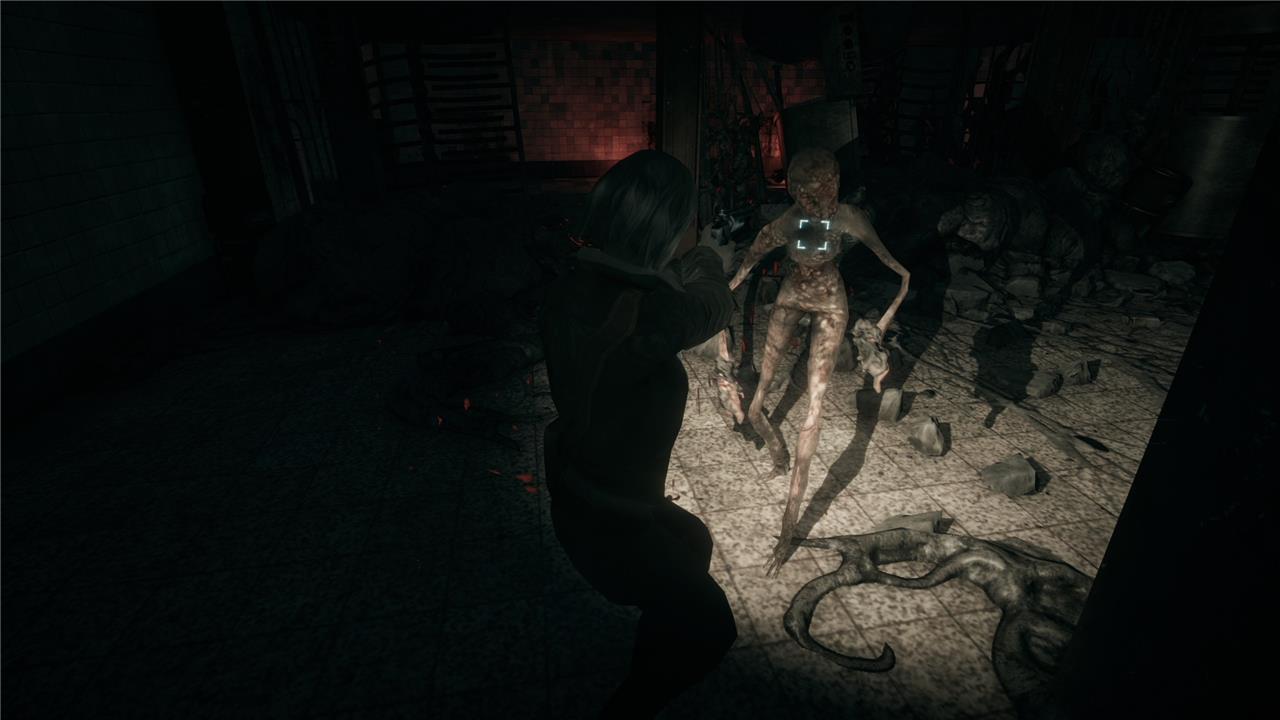
For Hamley, Hollowbody represents the culmination of everything he’s learned as a game developer up until now, with his previous titles being Guard Duty, a sci-fi fantasy graphic adventure game inspired by classic LucasArts games, and Chasing Static, a first-person horror game with audio-driven game mechanics inspired by electromagnetic voice phenomena.
“When I finally launched [Guard Duty] I was looking at other titles that I found inspired and decided to make something inspired by Silent Hill, but with its own identity to stand out,” Hamley says. “Being completely new to 3D game development at the time, I soon discovered that making a third person game was hard, and landed on a compromise of sorts – a psychological horror ’walking simulator’ with puzzles. That game would end up being Chasing Static. So I guess you could call Chasing Static a proto-Hollowbody of sorts. It’s all been part of my personal development as an indie, doing this full time I have to learn on the job and by the time I had finished development on Chasing Static I felt confident enough to revisit the idea of doing something closer to a traditional survival horror, third person perspective ’n all.”
After six months of initial prototyping, Hamley was able to crowdfund the development of Hollowbody through a successful Kickstarter campaign in 2022, blowing past his initial goal of £15,000 (approx. $16,675). Since then, Hamley has been head-down on the game, drawing on the inspiration of his genre forebears and his own personal background to create an experience that is both new and surprising, yet intimately in conversation with the design philosophy of past horror classics.
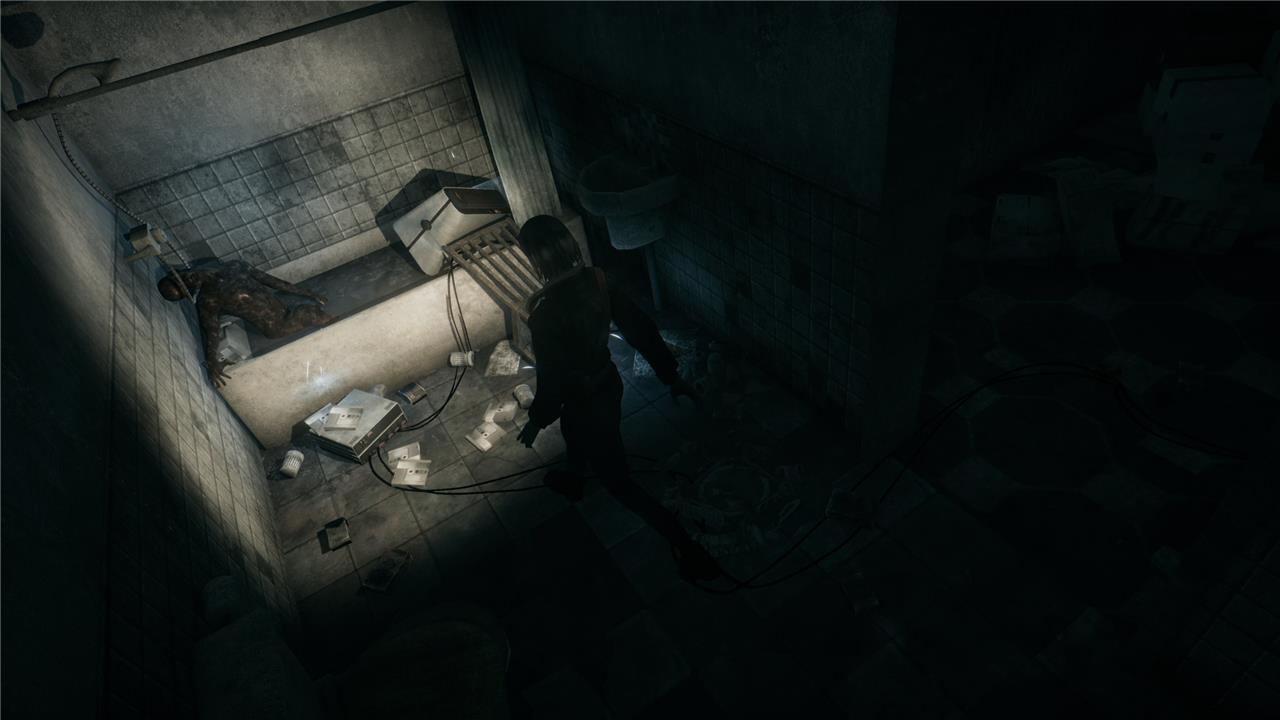
“I think the aspects of horror that appeal to me are the uncanny, the unknown and the idea of what lurks just out of view,” Hamley says. “I absolutely love slow burn horror, Hereditary is one of my all time favorites, and I’m a big fan of dark, atmospheric films like Beyond the Black Rainbow, Under the Skin, and The Witch. A lot of these films don’t necessarily classify themselves as horror, but feature the aspects of horror that I enjoy. What’s interesting is I would say Silent Hill also falls into this category, a lot of the monsters in the series aren’t particularly gory, but lean more into the uncanny and leave an impression that’s hard to shake, you’re left wondering how these monsters came to be and it’s hard to comprehend exactly what you’re looking at.”
Hamley’s appreciation for the more uncanny, unclassifiable elements of horror is apparent in the design of Hollowbody’s environments, with its derelict apartment buildings overrun with an unexplained corrosion of biomechanical pustules and inhuman rot, swallowing metal and spilling out into the cracked asphalt of abandoned streets. The game’s fixed camera angles only amplify the eeriness of these spaces, framing otherwise innocuous rooms and passageways from perspectives that feel haunting if not tragic, seemingly foreshadowing even greater challenges and horrors still to come.
Response to Hollowbody has already been effusive. Hamley released a demo for the game on Steam earlier this year, causing players and critics to characterize the game as an independent alternative to Bloober Team’s forthcoming Silent Hill 2 remake, which features several controversial revisions to the 2001 game’s mechanics, alongside its obligatory graphical improvements. For Hamley, though, the development of Hollowbody is less about competing with contemporary trends as it is creating an experience purely from the heart.
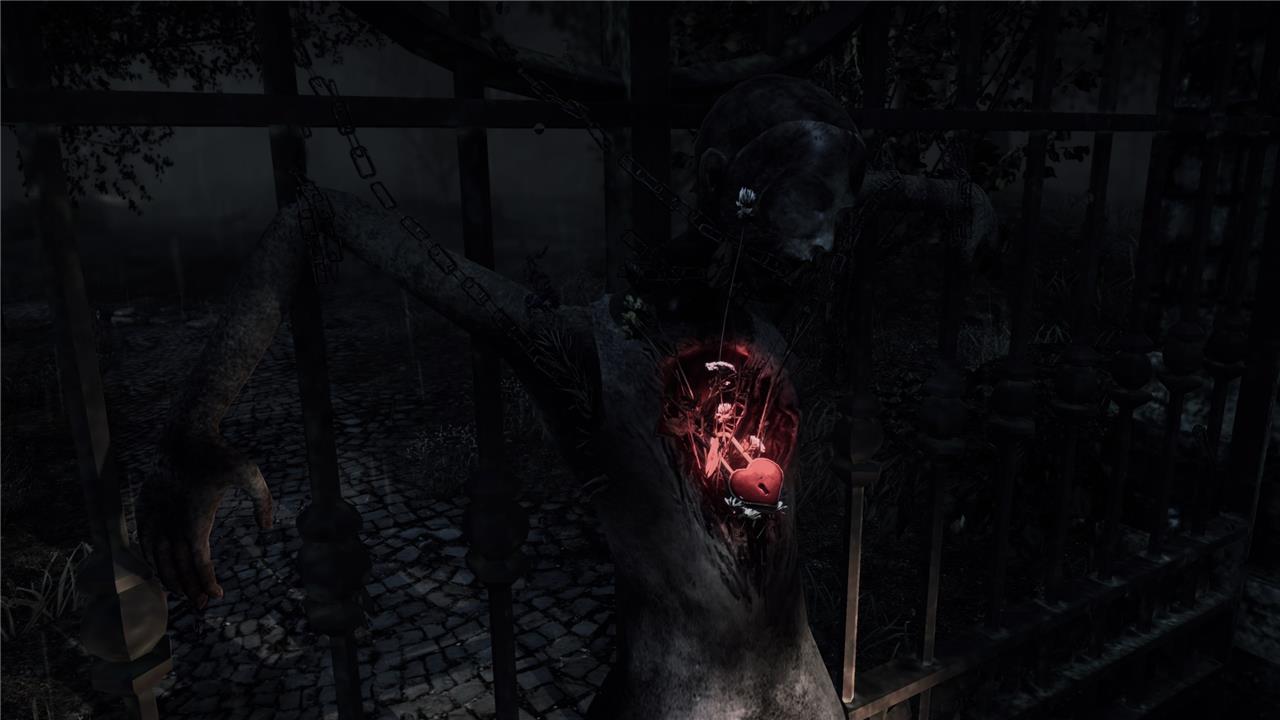
“I couldn’t say exactly what it is about Hollowbody that seems to have resonated so well with its audience, but I’m a strong believer of making something that you yourself are passionate about and would want to play if you saw it was available,” Hamley says. “I’d wager part of this comes across in the end product. There’s a distinct lack of survival horror games that closely follow the design ethos used by so many of the early 2000s titles, [and] I wanted to remedy that.”
After more than three years in development, Hollowbody is set to be released on PC later in September. When we asked Hamley what he was most excited for players to experience when they get hands-on time with the game, his answer was as humble as his expectations: “I went into this wanting to make a game that feels new but familiar to anyone who has played its inspirations, kind of like going back to your hometown after 20 years away. So I guess that’s it, I hope I’ve cobbled together enough of the DNA of those games to make something new that people who dig that stuff will enjoy.”
How does Hollowbody reimagine Silent Hill’s legacy for modern horror fans
Hollowbody reimagines Silent Hill’s legacy for modern horror fans by blending the classic survival horror elements of the early 2000s with a fresh sci-fi cyberpunk setting in a dystopian, quarantined British city. It retains the atmospheric exploration, fixed-camera perspectives, and psychological dread reminiscent of Silent Hill 2, including eerie environments, unsettling monsters, and puzzle-solving gameplay, while introducing a narrative conscious of sociopolitical themes like bioterrorism and urban decay. The game’s protagonist, Mica, embarks on a personal quest through a hauntingly abandoned town, evoking the tragic and somber tone Silent Hill fans cherish, but with a distinct futuristic twist and minimalistic, unsettling soundtrack that sets it apart. This combination creates a nostalgic yet novel experience, honoring the Silent Hill spirit without merely replicating it, offering a new generation a deeply immersive horror adventure that feels both familiar and innovative.
In what ways does Hollowbody update Silent Hill’s psychological horror for today’s players
Hollowbody updates Silent Hill’s psychological horror for today’s players by situating its dread within a near-future cyberpunk England, specifically a quarantined, decayed city called Brandon that feels like a bleak urban mausoleum, amplifying themes of isolation and societal collapse. Unlike many modern horror games, it emphasizes stealth over combat, forcing players to rely on cunning and evasion rather than brute force, which heightens vulnerability and tension. The game’s design deliberately includes many empty, non-mechanical spaces-rooms with no useful items, just scenes of past horror-creating a pervasive sense of loneliness and indifference from the game world itself, which deepens the psychological unease and the feeling that the world is not designed to accommodate or protect the player.
Hollowbody also incorporates dynamic AI that adapts to player behavior, making enemy encounters unpredictable and demanding strategic thinking, which sustains a constant atmosphere of dread. The narrative explores themes of loss, despair, and the consequences of unchecked technological advancement, immersing players emotionally in a story that resonates on a personal and societal level. Its visual style combines pixel art with dynamic lighting and weather effects, paired with an evocative soundtrack that uses subtle audio cues to enhance immersion and tension. The fixed-camera angles, clunky combat, surreal puzzles, and save mechanics like mysterious phone calls with Silent Hill’s signature fade-to-red effect pay homage to classic survival horror while recontextualizing these elements in a fresh, grim setting.
Together, these design choices create a psychological horror experience that respects Silent Hill’s legacy but intensifies feelings of helplessness, alienation, and existential dread in a way that resonates with contemporary players accustomed to more nuanced storytelling and immersive atmospheres.
