
Ascendancy in Path of Exile 2 isn’t just about raw power-it’s about survival, strategy, and risk. The Trial of the Sekhemas throws you into a gauntlet of deadly rooms, each packed with traps, monsters, and escalating curses, where a single mistake can strip away your Honour and end your run. Can you outwit the labyrinth, defeat its fearsome bosses, and claim the rewards that will shape your endgame destiny? Here’s everything you need to know about unlocking, conquering, and profiting from every challenge the Trial of the Sekhemas has to offer.
Here’s how to unlock the Trial of the Sekhemas in Path of Exile 2, what you can expect inside, and its rewards.
Update (April 7): The steps to unlock the Ascent to Power quest has changed with April 2025’s “Dawn of the Hunt” update, so we’ve updated the guide to reflect the changes.
How to unlock Trial of the Sekhemas in POE2
To unlock the Trial of the Sekhemas in Path of Exile 2, you must first progress to Act 2 and locate the Traitor’s Passage area. Inside, you’ll face Balbala the Traitor, a challenging boss hidden behind a sealed door marked by runic glyphs and lore pillars. Defeating Balbala rewards you with Balbala’s Barya, a special quest item essential for accessing the trial. After obtaining the Barya, return to the Ardura Caravan, interact with the Desert Map, and travel to the Trial of the Sekhemas location. There, you’ll use Balbala’s Barya at the Relic Altar to initiate your first run. If you fail the trial, you can obtain another Barya from Balbala to try again until you succeed during the quest. For future attempts or higher-level trials, you’ll need Djinn Barya coins, which drop randomly throughout the game.
To unlock the Trial of the Sekhemas, you must open The Halani Gates and defeat Balbala, the Traitor in the Traitor’s Passage in Act 2. Once defeated, they’ll drop Balbala’s Barya coin, which will be used as the key to enter the trial.
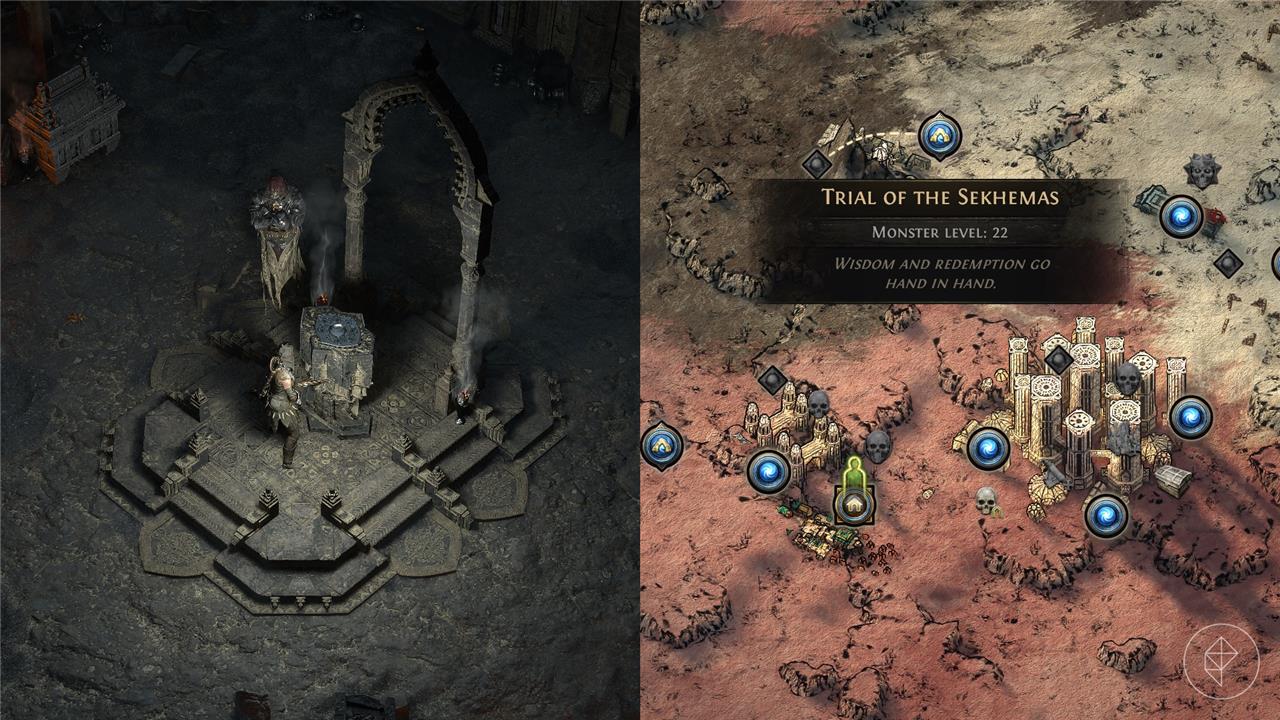
Return to the Ardura Caravan and use the Desert Map to travel to the Trial of the Sekhemas at the top of the map. Head inside to find Balbala waiting for you to start the trial.
All Trial of the Sekhemas challenges
The Trial of the Sekhemas in Path of Exile 2 presents players with a series of escalating challenges as they progress through a gauntlet of up to four floors, each filled with unique rooms featuring a variety of objectives such as surviving waves of enemies, navigating treacherous traps, completing timed tasks, and defeating formidable bosses. Each room may offer beneficial boons or impose harsh afflictions, and the trial’s unique Honour mechanic-a separate health pool that does not regenerate normally-forces players to carefully manage their resources and avoid unnecessary damage. Successfully completing these challenges is essential for unlocking Ascendancy points and other valuable rewards, making the Trial of the Sekhemas a crucial step in character progression and endgame power.
The Trial of the Sekhemas is a gauntlet where you must complete seven challenges in a row only to face off against Rattlecage, the Earthbreaker in the eighth and final room. The Trial of Sekhemas is at level 22, so the monsters you’ll face off against will be the same level. However, you can take on this challenge at any point, so you can be extremely overleveled and overgeared if you’d like to have an easier time.
Prior to starting the trial, there are a few things you should know:
- Relics – After you speak with Balbala, she’ll give you a relic, an item making your time in the trial a bit easier by providing you with a buff. Place the relic into the Relic Altar after you’ve inserted Balbala’s Barya coin. These relics can provide you with a multitude of buffs like increasing your total honour, maximum life, or the total amount of sacred water you gain from fountains.
- Honour – Honour acts as a unique life total that is used for the entirety of the trial. Any time you get hit or take damage, you’ll lose honour depending on how much damage was taken. If your honour reaches zero, you will fail and have to start over. To prevent your honour from reaching zero, you’ll need to choose a room that rewards you with honour.
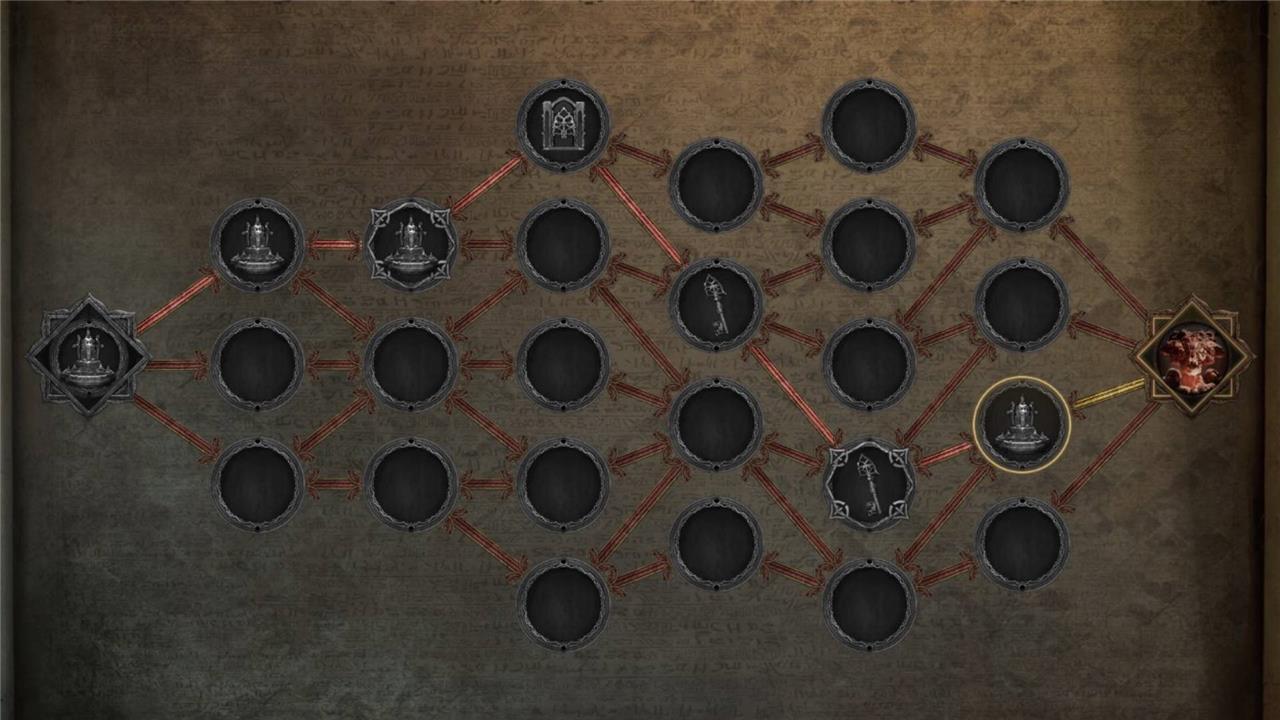
- Trial map – After you complete the first room and each subsequent room, you’ll encounter the trial map. The trial map allows you to select what challenge, reward, and modifier will await you in the next room. If you’re trying to have the easiest time, avoid the rooms that afflict you with curses. If you’re trying to receive the most rewards, try to enter the rooms that award you with keys.
- Death – If you die or run out of honour, your trial will end, but you can still try again at no cost. Interact with Balbala and ask to try again. However, this will only apply to Balbala’s Barya coin. If you use a Djinn Barya coin, the trial will be over once you fail, and you’ll not be allowed re-entry.
To start the Trial of Sekhemas, you’ll need to place Balbala’s Barya coin inside of the altar along with any relics of your choosing. Complete the challenge in the first room to find the trial map, which will allow you to choose between one of five trials:
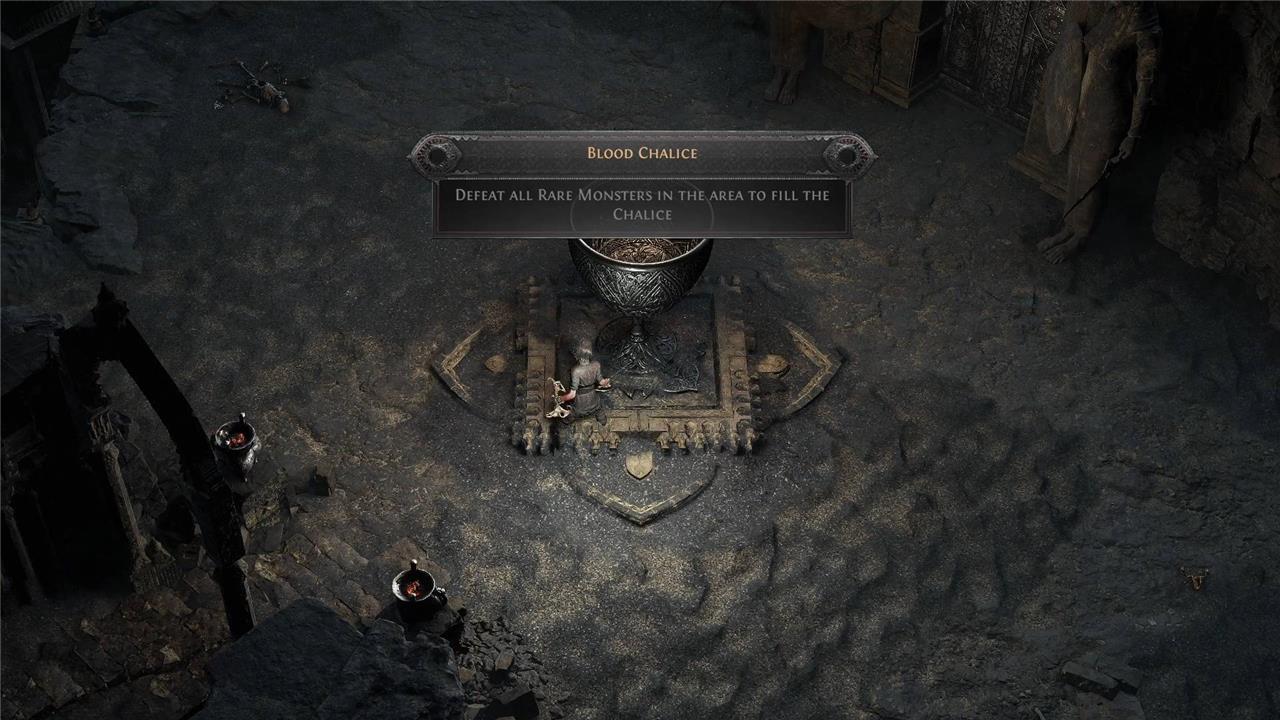
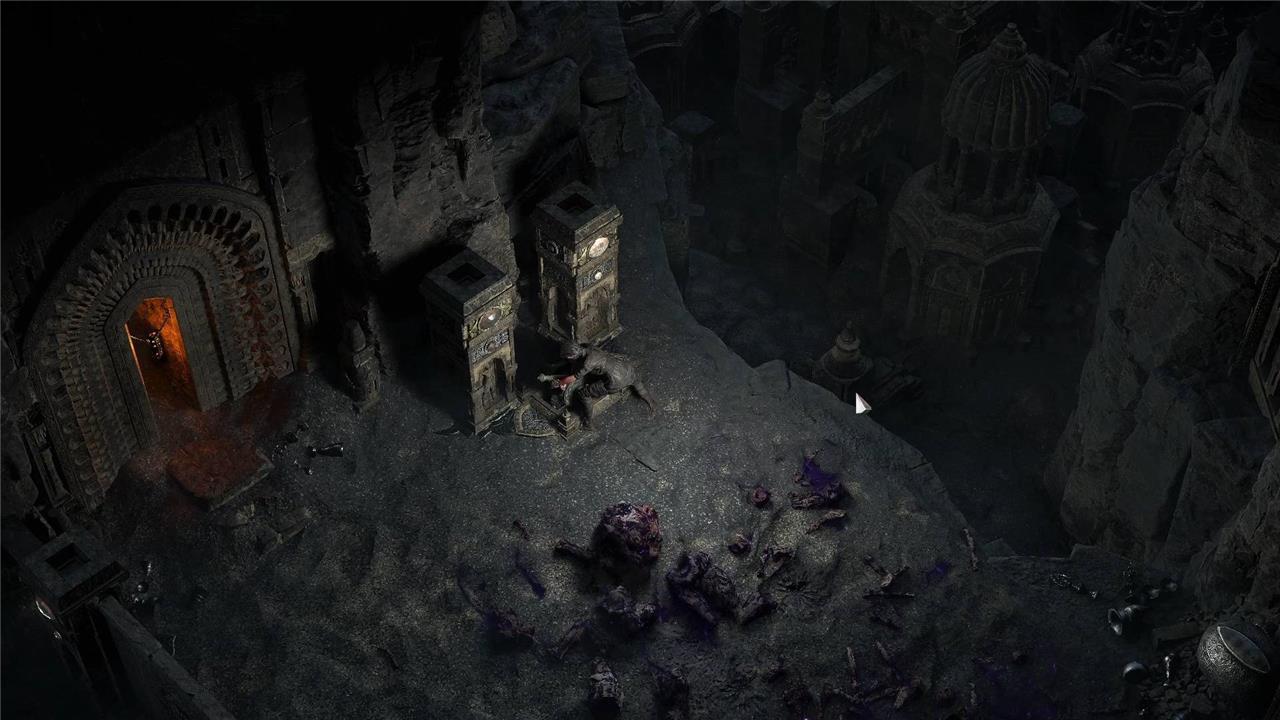
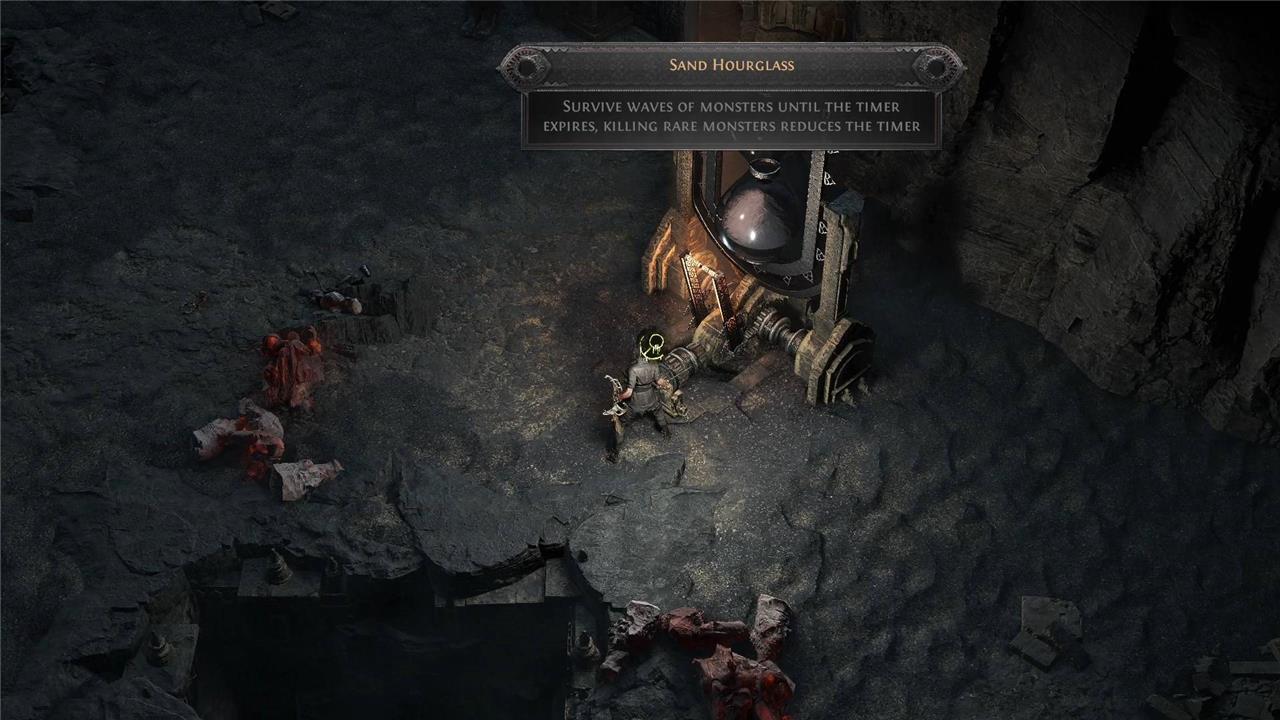
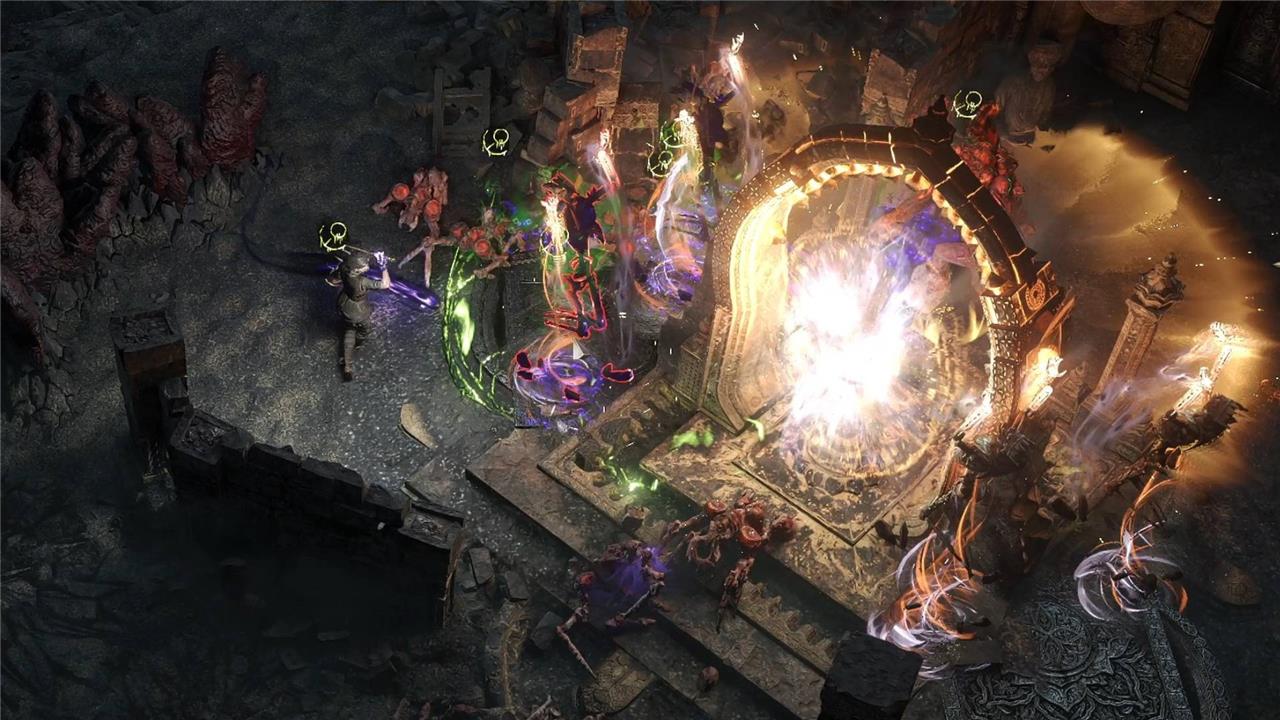
- Chalice Trial – Defeat all rare monsters to fill up the chalice and progress to the next room.
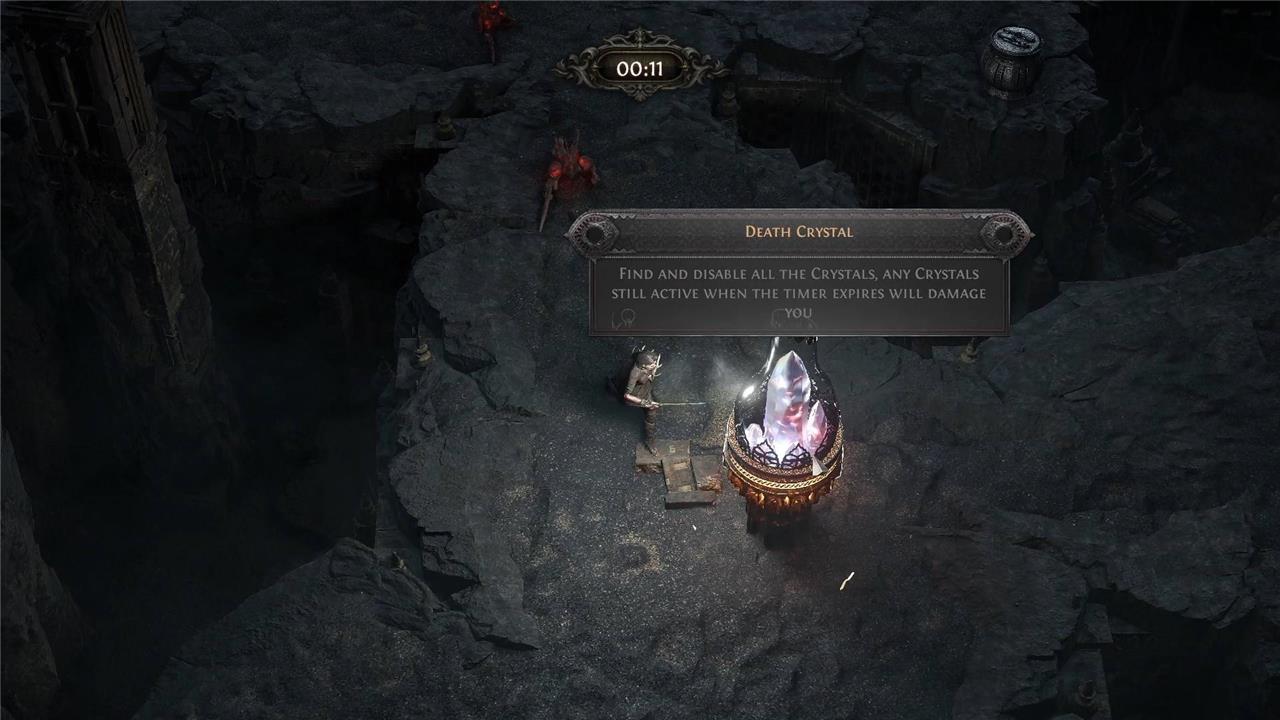
- Escape Trial – Disable every Death Crystal in the room. After you disable on crystal, a line will shoot out in the direction of the next crystal, so follow the line to easily progress to the next room.
- Gauntlet Trial – Find and interact with levers hidden around the room while avoiding traps and enemies lurking about. After you interact with one lever, gates will open and close forcing you to find a new route to the exit, so keep your eyes peeled for any open gates!
- Hourglass Trial -Activate the hourglass and survive until the time runs out to succeed. If you kill a rare monster the time will go down, but your main focus here is to survive.
- Ritual Trial – Shut down every portal by defeating the lich summoners on the sides of the portal. There are a few variants of this room where the portals can be huddled together near the center of the room or scattered around the edges. Focus on the casters as enemies that appear from the portals will instantly perish once the portals close.
If you’re having a hard time with the Trial of the Sekhemas, the best tip I can give you for these trials is to stick to the trial’s objective. Go for the objective and avoid doing anything unnecessary that could lower your honour.
How to beat Rattlecage, the Earthbreaker
Rattlecage, the Earthbreaker, is the final boss of the Trial of the Sekhemas and presents a significant challenge due to his slow but devastating attacks and the unique Honor system of the trial. The fight always begins with Rattlecage’s signature three-part explosion attack, each blast growing in size-when you see him glowing red and crouching, immediately create as much distance as possible to avoid massive Honor loss. Throughout the battle, Rattlecage unleashes a variety of area attacks, including ground slams that leave lingering magma and shockwaves, as well as unpredictable raining magma and lava cracks that restrict movement. The key to victory is patience and mobility: keep moving, avoid standing in hazardous zones, and use ranged attacks if possible to stay out of his reach. For melee characters, try to stay behind Rattlecage after dodging his attacks, as this is the safest position to deal damage. Additionally, prepare for the fight by equipping Relics that boost your Maximum Honor and Honor resistance, as maintaining high Honor is crucial-if it drops to zero, you fail the trial regardless of your health. With careful dodging, strategic positioning, and proper preparation, you can overcome Rattlecage and claim your rewards.
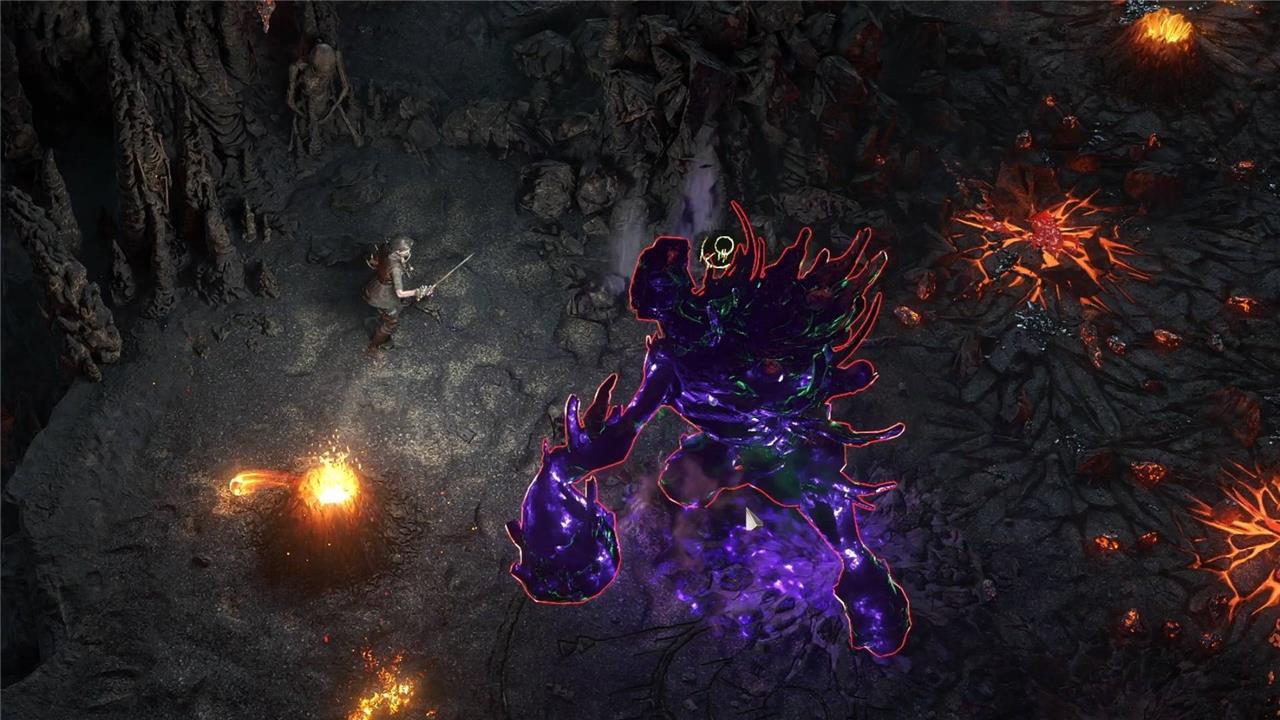
Rattlecage, the Earthbreaker is a giant rock golem that emerges from a rock cluster in the center of the room when you get close. Here are the moves to look out for:
- Rattlecage slams the ground creating a large shockwave around their fists. This attack has a somewhat slow wind up animation and there will be an audio cue from Balbala telling you to watch out, so make sure you can hear her!
- Rattlecage hits the ground, creating mini volcanoes and fissures in the ground. Avoid standing around the volcanoes as they’ll spew out rocks that will chip away at your honour.
- Pockets of wind will appear on the floor indicating that a stalactite will drop in the area, so make sure to move away!
Ranged users can use the rock cluster that Rattlecage emerged from to avoid their attacks for a majority of the fight. Melee users will have to keep a keen eye on Rattlecage’s animations and pull Rattlecage away from the volcanoes and landing zones to keep your honour level high.
Trial of the Sekhemas rewards
Completing the Trial of the Sekhemas in Path of Exile 2 offers a variety of valuable rewards. After defeating the final boss, players gain access to a rewards room featuring ten chests: four bronze, four silver, and two gold caches. Each chest type offers different loot, including class items, relics, gold, armor pieces, and more, with the contents randomized each run. The specific caches-such as Hoarder, Armour, Arcanist’s, and Mysterious-allow players to target certain reward types by spending the appropriate keys collected during the trial. For first-time completions, players also earn two Ascendancy points to invest in their class trees, providing a significant power boost. As players progress through higher-level trials and defeat pinnacle bosses, they can obtain unique jewels, powerful relics that enhance future runs, and exclusive endgame items.
Once you’ve defeated Rattlecage, the Earthbreaker, you will enter a new room full of chests and altars.

If you’ve racked up a hefty amount of keys, you can open chests of the corresponding key. Bronze keys can only open bronze chests, silver keys and silver chests, and gold keys and gold chests. There are four bronze and silver chests and two gold chests, with each chest having a different reward. The chests will be random every time you complete a trial, but they can specialize in anything from class items, relics, gold, and armor pieces. If you have leftover sacred waters, you can either purchase items from Balbala or exchange them at the Keth Forge for more keys.
The biggest reward for completing the trial has to be from the Altar of Ascendancy. Interact with the altar to choose your Ascendancy class, which will give you an additional skill tree full of power abilities.
What secrets do the Trials of Sekhemas hold for unlocking ultimate rewards in Path of Exile 2
Secrets to Unlocking Ultimate Rewards in the Trials of Sekhemas
The Trials of Sekhemas in Path of Exile 2 are designed as multi-layered, high-stakes gauntlets that hold the keys to some of the game’s most powerful rewards. Here’s what makes them essential for ultimate progression:
Ascendancy Unlocks and Progression
-
Completing the Trials is the only way to unlock your Ascendancy subclass, granting you new skills and significant power boosts.
-
Each floor completed grants ascendancy points, with a total of 8 available after all 4 floors are conquered.
Relics and the Relic Altar
-
Before starting a trial, you can place Relics in the Relic Altar. These items grant unique buffs or effects, making each run more manageable or more lucrative.
-
Completing longer runs unlocks additional slots in the Relic Altar, allowing for further customization and power.
Honour System
-
Honour acts as a secondary health bar unique to the trial. Every hit you take reduces Honour, and if it reaches zero, the run ends immediately.
-
You cannot restore Honour with flasks; instead, you must rely on skillful dodging, Relics, and Sacred Water, a special resource that can be spent on boons or healing during the trial.
Djinn’s Barya and Replayability
-
To enter, you need a special coin called Djinn’s Barya, earned by defeating Balbala the Traitor in Act 2.
-
Higher-level Baryas, which can be traded, unlock additional and more challenging floors with increased rewards. These coins retain progress, boons, and afflictions, letting you skip earlier floors if desired.
Room-by-Room Rewards and Strategy
-
Each floor consists of 7-8 rooms, each with unique challenges, hazards, and enemies.
-
Successfully clearing rooms grants keys for treasure chests and other valuable loot.
-
Players can choose their path through the trial, selecting rooms that offer the best risk/reward trade-offs.
Endgame Pinnacle Bosses and Unique Loot
-
Every floor ends with a boss fight, with the fourth floor featuring Zarokh, the Temporal-a pinnacle boss with exclusive drops.
-
Defeating these bosses can yield unique items, including powerful gear like Temporalis.
Trade and Economy
-
Djinn’s Barya coins, especially those with completed floors, can be traded between players, adding an economic layer to the trials.
In summary:
The Trials of Sekhemas are not just a test of combat prowess but also of strategic planning and risk management. Mastering Relic usage, optimizing your Honour, and progressing through increasingly difficult floors unlock powerful ascendancy classes, unique loot, and the highest rewards Path of Exile 2 has to offer.
What hidden mechanics in Sekhemas trials unlock the most powerful rewards
Hidden Mechanics for Unlocking the Most Powerful Rewards in Sekhemas Trials
The Trials of Sekhemas in Path of Exile 2 feature several hidden or easily overlooked mechanics that can dramatically increase your chances of securing the most powerful rewards:
-
Relic Altar Expansion: Completing a two-floor run before attempting a three-floor run unlocks additional slots in the Relic Altar, letting you equip more relics for stronger buffs and greater reward potential in subsequent runs. Strategically expanding your Relic Altar is key to maximizing your power.
-
Sacred Water Management: Sacred Water is a special currency found only within the trial. It can be spent at merchants during the run for boons and relics, or converted into extra treasure keys at the end. Efficiently managing Sacred Water-buying relics before converting leftovers into keys-ensures you don’t miss out on rare loot.
-
Treasure Key Optimization: Throughout the trial, you collect bronze, silver, and gold treasure keys. These open chests at the end, with higher-tier keys unlocking more valuable loot. Focusing on rooms and strategies that yield better keys increases your chances of opening chests containing exclusive rewards like Time-Lost Jewels.
-
Room Selection and Special Rooms: Some rooms, like the Fickle Blessing of the Winds, are extremely rare and provide multiple benefits at once-removing afflictions, restoring Honour, and granting a random boon. Prioritizing these rooms when they appear can swing a run in your favor.
-
Pledge to Kochai and Boon/Affliction Tradeoffs: Special shrines allow you to exchange boons for afflictions or vice versa, or to randomize your modifiers. These tradeoffs can be run-defining, enabling powerful synergies or risk/reward plays that lead to greater rewards if managed well.
-
Endgame Conversion: At the trial’s conclusion, any remaining Sacred Water can be spent on relics or converted into more treasure keys for the final vault. Speaking to Balbala first to buy relics before using the Keth Forge to convert leftover Sacred Water into keys ensures maximum value from your run.
-
Exclusive Rewards: The only place to obtain Time-Lost Jewels-unique items that modify passive skill nodes in powerful ways-is within these trials. These jewels can be further crafted for custom effects, making them highly sought-after for endgame builds.
In summary:
Unlocking the most powerful rewards in the Trials of Sekhemas hinges on expanding your relic capacity, skillfully managing Sacred Water and treasure keys, prioritizing rare and beneficial rooms, and exploiting tradeoff mechanics for boons and afflictions. Mastery of these hidden systems is essential for maximizing loot and unlocking the exclusive, game-changing Time-Lost Jewels.
