
In a world where genuine connections often feel fleeting, sports fandom has been my unexpected bridge-transforming casual acquaintances into lasting friendships and turning awkward silences into effortless conversations. Discover how cheering for a team can unlock the superpower of small talk and deepen bonds beyond the game.
But getting into sports can be an intimidating proposition! Not all of them are easy to appreciate without knowing the lore – arcane rules, rivalries, and stakes. This stuff can be hard to learn unless it’s packaged in a way that appeals to you.
Always a Tentpole Sports Fan (The Olympics! The World Cup! Super Bowl Sunday!), I had never devoted myself to a specific sport until 2022, when a friend cruelly recommended I watch Netflix’s Formula One docuseries Drive to Survive.
I laughed it off. “Car racing is boring,” I believe were my exact words.
“But Simone,” my friend said, “it’s just like sports anime.”
Stupidly, my fate was sealed. Because Drive to Survive does package the extremely technical, often actually boring sport of Formula One like a sports anime. It gave me the impetus to go from being a casual Netflix watcher to someone who regularly wakes up at 6 a.m. to watch Free Practice.
Not every sports fan needs to develop a hyperfixation like I did. But if you want to become a sports fan in 2024, here are some ways to approach the intimidating world of sports.
What interests you?
Sports fandom has a unique way of connecting people, turning casual acquaintances into close friends through shared passion and excitement. It sparks conversations that might never have happened otherwise, giving even the most introverted individuals the confidence to engage in small talk. Whether cheering for a favorite team or debating a game’s outcome, this common interest creates bonds that transcend everyday interactions, enriching social lives in unexpected and meaningful ways.
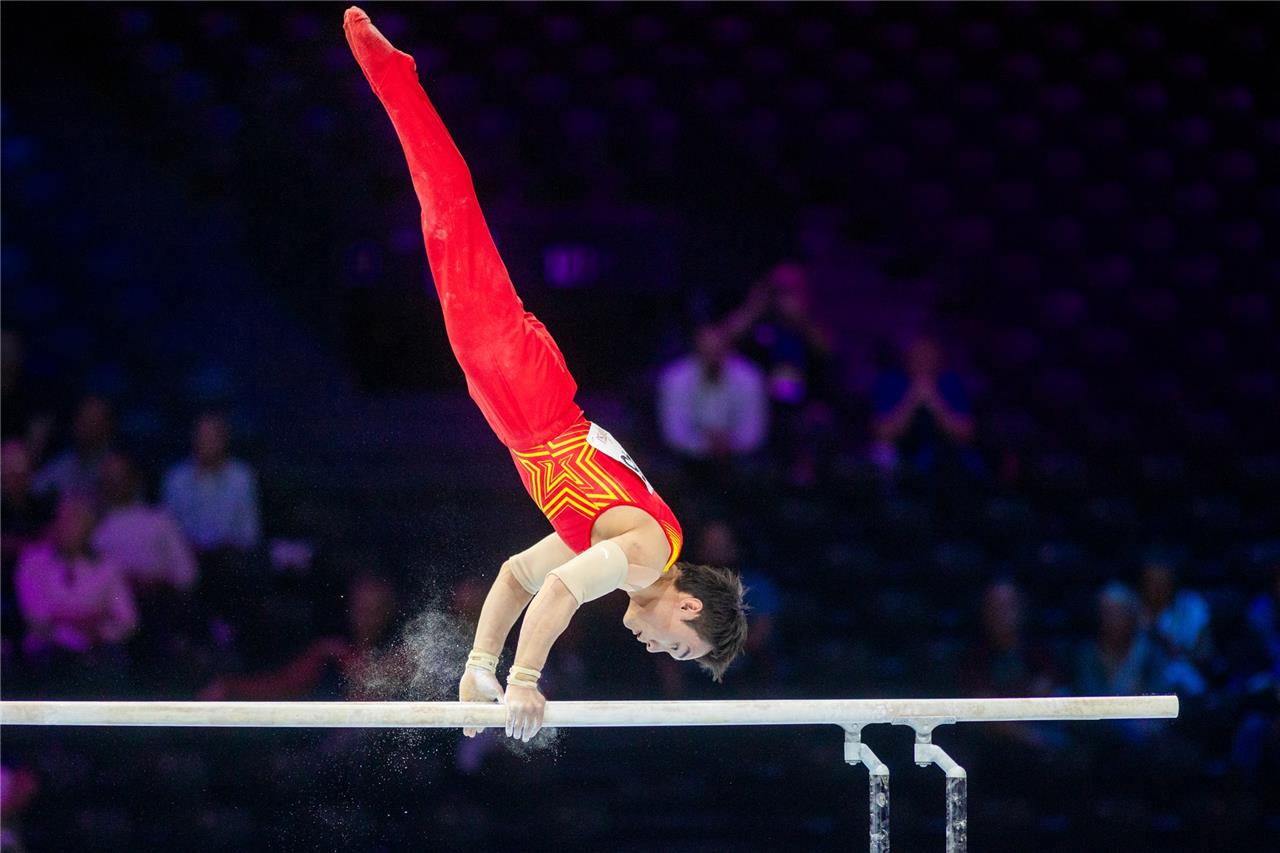
Despite never watching sports regularly, I spent a lot of hours in college watching sports anime. When you sit down to watch Haikyu!!, Big Windup!, or Kuroko’s Basketball, it doesn’t really matter if you know anything about volleyball, baseball, or basketball. These are human-interest stories about underdogs with big dreams.
That’s the draw I needed to start learning the intricacies of Formula One, and it’s what Drive to Survive provides.
Instead of a parade of candy-colored cars covered in oil company logos, Drive to Survive introduces first-time viewers to the athletes who drive them. The stakes are clear: Here are 20 men who have devoted their entire lives to pursuing an unforgiving sport in which they drive fragile mechs at 200 mph. Sometimes their mechs catch on fire for seemingly no reason. They’ve either known and competed against each other since childhood – or they’re driving against the very athletes that they grew up idolizing.
This is drama! There is a narrative, there are high stakes! These are the elements of the sport that got me through the 2023 Formula One season, in which a single driver won 19 of the 22 races.
The Drive to Survive strategy is being repeated across sports media – to varying degrees of success. The same production company that produced DTS, Box to Box Films, has made similar series on tennis and golf players. (The latter series, Full Swing, was made in collaboration with Vox Media Studios.) The 2023 Netflix series Quarterback explores the seasons of three NFL quarterbacks.
On the other side of the Atlantic, Welcome to Wrexham and Sunderland ’Til I Die both follow the struggles of smaller U.K. football teams, and emphasize not just the sport but how important these teams can be to their local communities.
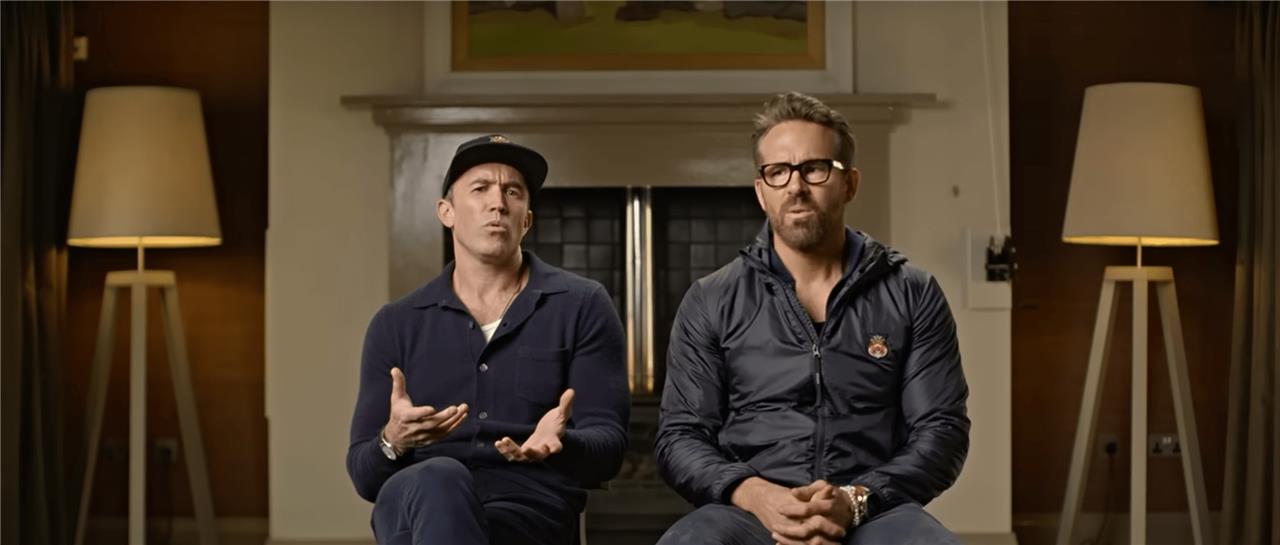
And then there are individual projects. Marc Márquez: All In is a Prime Video series about the titular (and divisive) Moto GP racer. Márquez attempted to mount a comeback to win his ninth title in the 2022 season, after suffering a truly staggering series of injuries and an even more staggering series of operations, which finally involved rebreaking his arm and rotating it back into position. Márquez is the kind of athlete that makes you believe in demigods. His skill, determination, and pain tolerance set him apart from us mortals, and serve as a reminder of what makes some sports so electric. Professional athletes can make something fun (a game!) feel like a matter of life or death.
A large part of these series’ appeal is their behind-the-scenes access: locker room temper tantrums, intimate family moments, and career anxiety. On-field audio in Quarterback captures every yelled play (and the cringe-inducing crunch of bodies colliding). Moments like these pass in a blink in real life, but on TV we can linger in the athletes’ point of view with our hearts in our throats.
Series like these are overdramatized, yes, but any of them could be your gateway to the weird world of sports. Professional athletes are people – but they’re people who have often, from a young age, devoted their lives and bodies to one purpose with a single-mindedness akin to that of medieval saints. Fascinating!
Oops, you’re boring now
Sure! Here’s a short paragraph for the subtitle “Oops, you’re boring now” for the article titled Sports fandom deepened my friendships and gave me the superpower of small talk:
At some point, I realized that my intense passion for sports, once a vibrant source of connection, had turned into a conversational dead-end for many. When every chat circles back to scores, stats, and game-day rituals, friends who don’t share the same enthusiasm start to tune out. It’s a humbling reminder that even the most exciting interests can become dull if we don’t balance them with broader topics-and that mastering the art of small talk means knowing when to switch gears.
If you want, I can help integrate this paragraph into the article or adjust the tone!
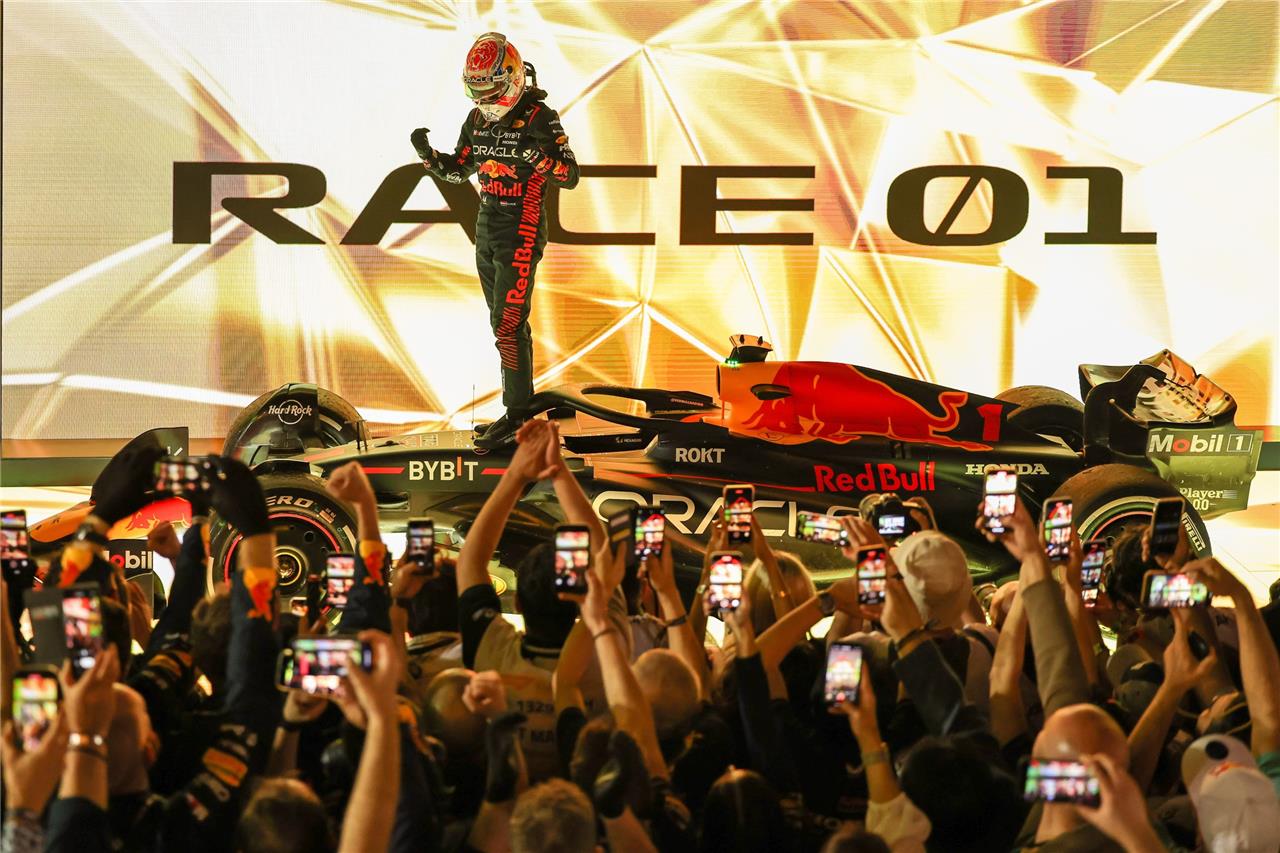
Once you’ve become attached to one or more of the odd characters that populate a sport, it’s too late. You’ve already been tricked into learning something about how the sport works, and maybe even developing opinions on how it plays out.
After watching a mere handful of episodes of Drive to Survive’s first season, I had strong opinions on himbo Aussie driver Daniel Ricciardo leaving the Red Bull team. Were those opinions several years out of date, given that the series aired in 2019 and I was watching it in 2022? Absolutely. Would my feelings on the matter become more nuanced with time, as I started watching the sport regularly? Of course.
But at the beginning, that didn’t matter as much. One of the great pleasures of watching sports is pitting your own ego against the experts who play, and against the cruel vagaries of fate. What would have happened if someone hadn’t switched teams? If they hadn’t put those tires on the car? If they had called a different play? You’re learning the ins and outs of the sport, hopefully without it feeling like you’re reading a book of rules.
From the outside, I had no idea that watching Formula One would be so fun for me. But after being sucked in with promises of reality TV-level drama, I became fascinated by the intricacies of the sport. F1 is a sport where the rulebook is always open to creative interpretation. It’s a sport where the world’s best engineers build cars and then spend a year trying to figure out why the car they built is behaving the way it does. Weather can have catastrophic effects on a race, some tracks favor certain cars over others, and everyone is basically trying to play 200 mph chess during a race to figure out when to pit.
I learned about Formula One in the same way I learned French after moving to the country at 15: I don’t remember it happening. The same thing happened to friends that I introduced to the sport. I lured them in with photos of handsome race car drivers, and suddenly they were texting me about tire compounds and pit strategy. The community around me grew – and so did my enjoyment of the sport.
Sports are the friends we made along the way
Sports fandom has a unique way of bringing people together, turning casual acquaintances into close friends through shared passion and excitement. It creates common ground where conversations flow easily, even with strangers, giving us the superpower of small talk. Through cheering, debating, and celebrating victories, sports become more than just games-they become the bonds that enrich our social lives and deepen our connections.
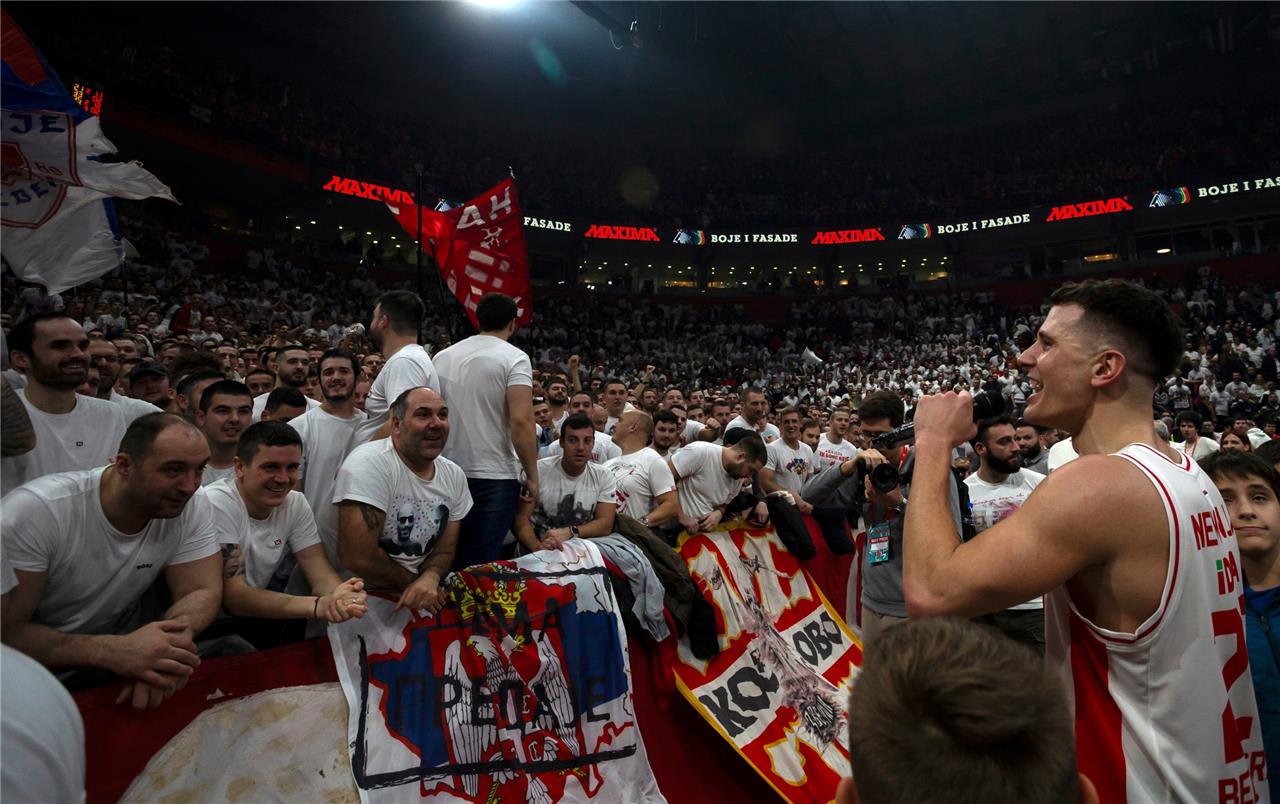
My entry into Formula One coincided with my return to the microblogging platform Tumblr. It also introduced me to an entirely new group of online friends. Some of them have followed the sport since they were children. Some of them are even newer than me. But we’re all united in our passion for watching the sport, and engaging in the community that’s built up around it.
I’m also part of a Discord server that began as a group of fans sharing images and chatting about drivers. Along the way, a friend server started hosting regular streams of past races. Together, we explored Formula One history – like the 1996 Monaco Grand Prix, where only three cars finished the race.
The connections I’ve made through sports aren’t limited to online friends. This year, I joined my colleagues in AELGAMES’s fantasy football league (AELGAMES Hell in the Cell 2023). I knew only two things about football:
- I had been utterly destroyed in AELGAMES’s 2022 fantasy football league, and
- I have a friend who loves the Pittsburgh Steelers, and when she pays for things with her Steelers-branded debit card, sometimes cashiers will laugh at her, or grimace comically. This is because the Steelers are very bad.
Anyway, I enlisted my brother’s help drafting my team. We’ve never been frequent texters, but now that I’m following football (because I love winning), we’re texting multiple times a week about player trades or game scores. When the Seahawks lose I commiserate with him. When he tells me that he wants the 49ers to lose, I remind him that that’s anti-feminist because women (me) have quite a few 49ers on our fantasy team. I don’t make the rules.
When I went back home for Christmas vacation, we were able to chat easily about football. Not so much because I know a ton about football (I really don’t), but because I know the right questions to ask and because I care about his interest in it. I think it’s brought us closer, and certainly given us an excuse to talk to each other more often, which is sometimes all you need.
A beautiful routine
Engaging with sports fandom created a beautiful routine that brought rhythm and joy to my daily life. Whether it was watching games, discussing plays, or celebrating victories, these moments became cherished rituals that deepened my connections with friends. This shared passion transformed casual encounters into meaningful conversations, giving me the confidence and ease to navigate small talk effortlessly.
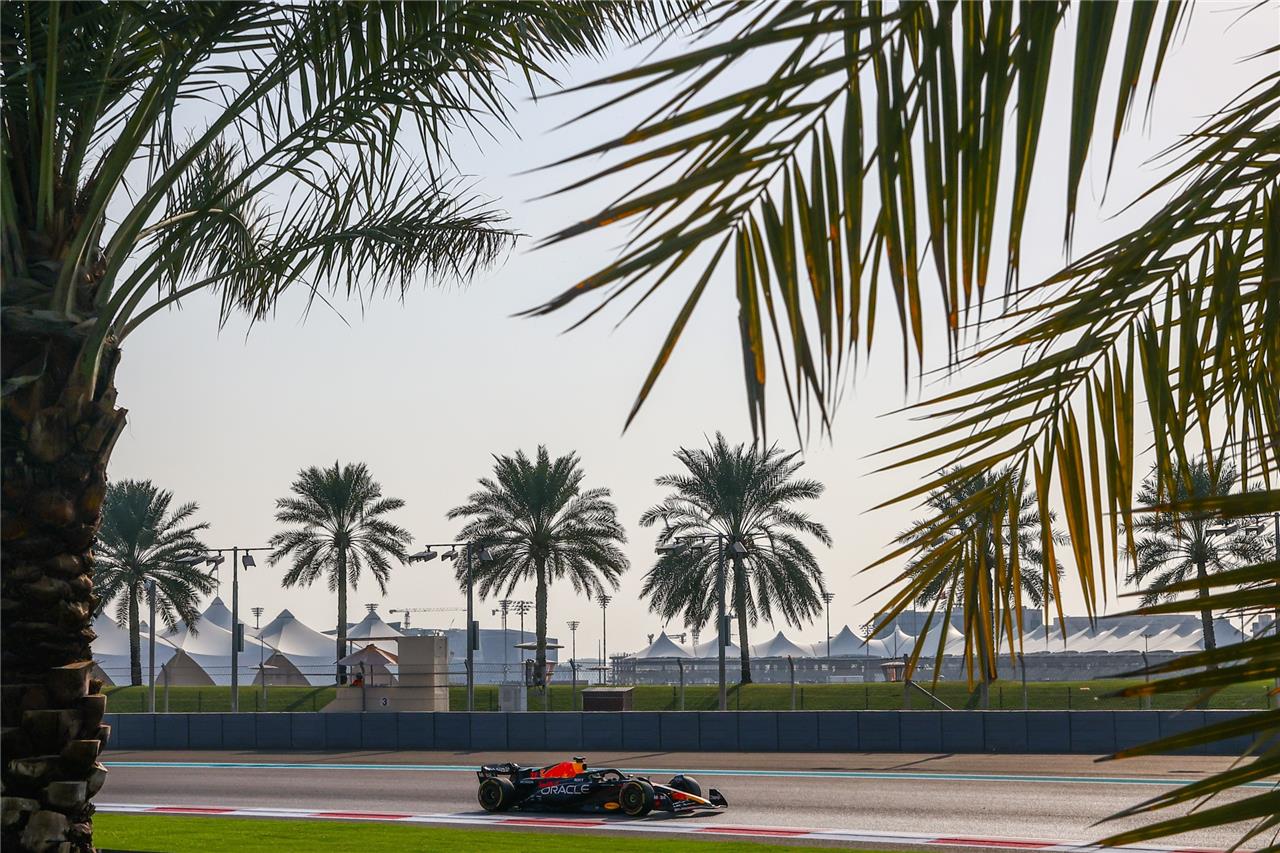
One of my favorite parts of following Formula One has been the routine of each race weekend. An F1 weekend takes place over the course of three days, and the schedule typically looks the same. On Fridays, there are two practice sessions. On Saturdays, there is another practice session and qualifying for the race. And on Sunday they hold the race itself.
Depending on where in the world the race is held, my weekend could look very different. But in general, it means getting up at 6 a.m. on Friday morning to watch Free Practice 1, and then falling into a blissful hour of stolen sleep before putting Free Practice 2 on in the background while I work. These are usually less intensive sessions, where the teams are testing different tire compounds and car setups. The results are rarely conclusive indications of how the race will go. But they build my anticipation for the events to come, and teach me about the track as well as the strategies different teams might be considering.
Qualifying on Saturday is invariably either exhilarating or a crushing disappointment. By the time the race happens on Sunday, the weekend has become a pleasant hum of sports and anticipation, each event a stepping stone toward the big event.
This might sound stressful, and sure, sometimes it can be, especially with races in more challenging (to me) time zones. But I love the routine of it all: waking up to watch the sport I love, talking to my friends after, and mulling over the excitement or devastation in the days that follow.
It was a peculiar alchemy that turned me into a Formula One fan. But having a sport to follow – and participating in the community around it – has brought me so much joy in the last two years. I’ve made new friendships and strengthened old ones. Once you find a door into a sport that interests you, you too can find a whole new world to explore.
How did my passion for sports turn strangers into lifelong friends
How My Passion for Sports Turned Strangers into Lifelong Friends
Passion for sports is more than just cheering from the sidelines-it’s a powerful social glue. For me, it started as a simple shared interest, but quickly evolved into a vibrant community where strangers became teammates in conversation and camaraderie. Whether celebrating victories or commiserating losses, the emotional highs and lows created a unique bond that transcended backgrounds and differences. Through game-day rituals, spirited debates, and collective enthusiasm, my love for sports opened doors to friendships that have lasted far beyond the final whistle.
What specific sports moments helped me connect with others deeply
Specific Sports Moments That Helped Me Connect with Others Deeply
Certain unforgettable sports moments became the catalysts for deeper connections in my life:
-
The Underdog Victory
Witnessing a team defy the odds and clinch a surprising win sparked spontaneous celebrations with strangers, instantly turning them into friends united by shared joy. -
Heartbreaking Losses
Experiencing a tough defeat together created a unique sense of empathy and solidarity, allowing us to comfort and support one another beyond the game. -
Live Game Day Experiences
Attending games in person, surrounded by passionate fans, fostered a sense of belonging and opened doors for conversations that lasted long after the final buzzer. -
Iconic Plays and Historic Moments
Reliving legendary plays or record-breaking feats became common ground for storytelling and bonding, deepening relationships through shared memories. -
Pre- and Post-Game Rituals
From tailgating to post-match analysis, these rituals offered relaxed environments to connect, laugh, and build friendships over time.
These moments transformed sports from mere entertainment into powerful social experiences that enriched my relationships and expanded my social circle.
