
Step into the vibrant and ever-evolving world of indie gaming in 2025, where small studios and solo creators are pushing boundaries with innovative gameplay, captivating stories, and stunning artistry. From the haunting depths of Dredge to the epic JRPG-inspired adventure of Clair Obscur: Expedition 33, this year’s best indie games offer something for every kind of player-whether you crave intense action, thoughtful puzzles, or heartfelt narratives. Ready to discover your next favorite game? Here’s our curated guide to the standout indie experiences of 2025 so far.
Nearly 19,000 games were released on Steam in 2024. That’s a number that’s been only growing annually since 2019, making it impossible to play everything that’s been released – not to mention the many new games every year that aren’t released on Steam, either. While big, expensive games from massive publishers like Activision or Ubisoft tend to get the majority of media attention, some of the best video games independently released in a given year risk flying under the radar.
Here at AELGAMES, plenty of our full-time jobs revolve entirely around video games, but it’s impossible even then to keep up with everything. But we’re making room every day to seek out indie games across all genres – weird, wonderful takes on first-person shooters, wacky reinventions of card games, and dark, creepy typing games included. We’re defining indie games as made by an independent studio untethered from a major publisher. Some of the games here may have financial backing or support from a big-name publisher, but are technically independent.
It’s still early in the year, but indies have been off to a great start. There are job simulators, survival horror games, Soulslikes, holes to dig, and maybe just the best new game of the year – you name it, and there’s probably a new indie game out there for you.
Here are all the indie games we’ve liked and written about this year.
-

May 5
Matt Patches
The Unpacking team packed Tempopo full of puzzles and bops
The Unpacking team’s latest release, Tempopo, blends captivating puzzles with infectious rhythms to create a unique gaming experience. Players guide adorable blobby creatures called Tempopo through intricate platform puzzles by placing directional and action commands, all moving in sync with a toe-tapping musical beat. The game balances charm and challenge as the number of Tempopo and puzzle complexity grows, offering both a relaxing Adventure Mode and a more demanding Puzzle Mode. Every level is thoughtfully crafted with vibrant visuals and an engaging soundtrack, making Tempopo a satisfying blend of puzzling and rhythm that showcases the team’s signature polish and creativity.
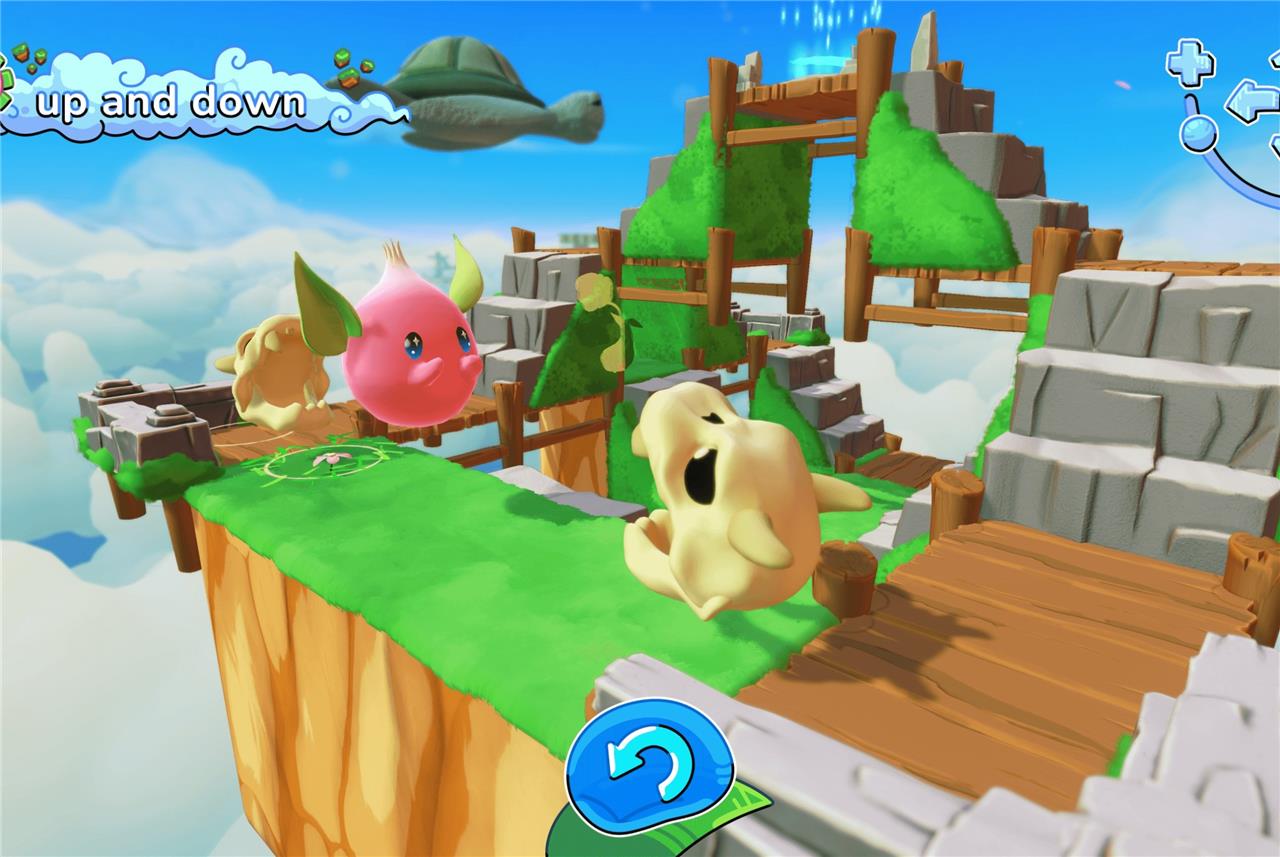
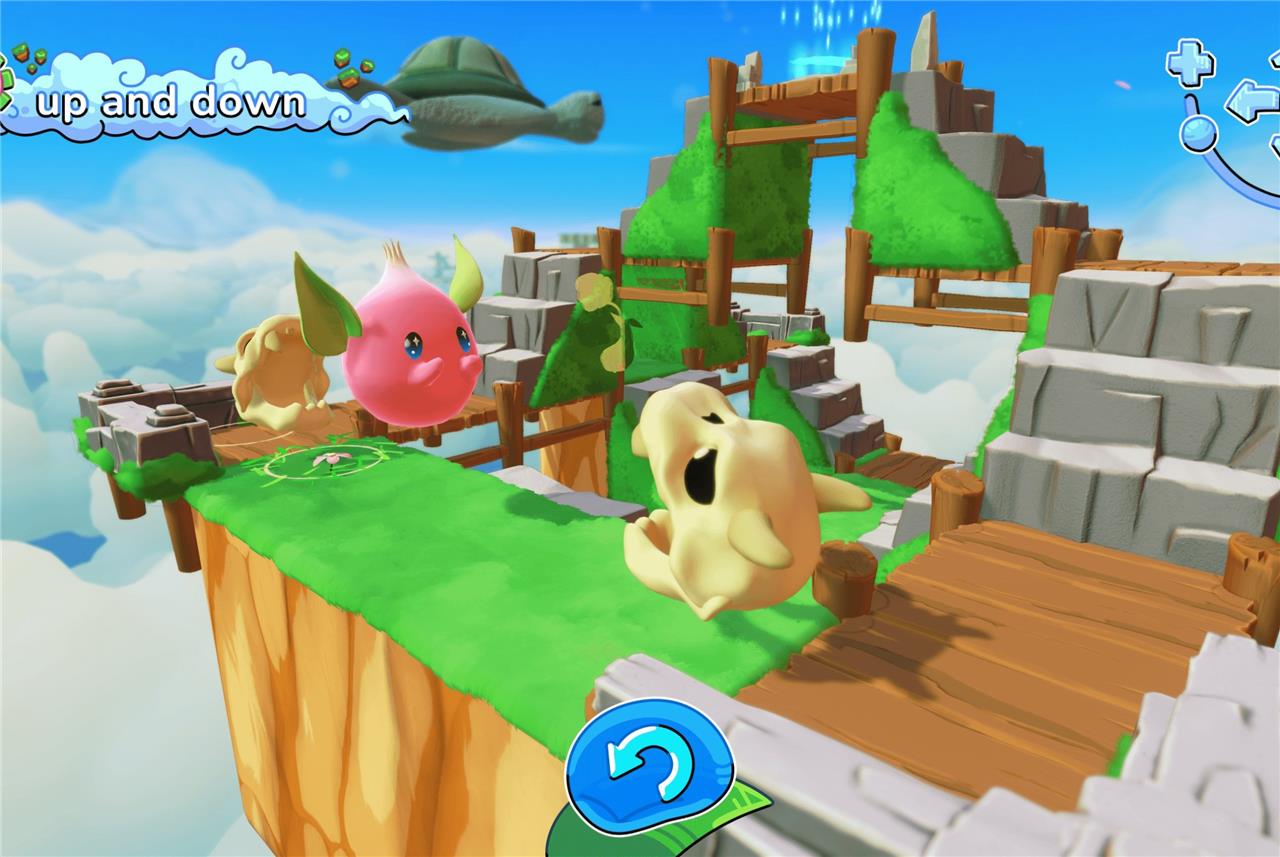
Are you stressed? I am a little stressed. Woo. things are a little stressful.
But when life serves me a week where I feel like I’m on The Pitt, the last thing I personally want to do is vibe. Which means I rarely turn to cozy games for cozy comfort; in times of chaos, I require a challenge to offset the challenges of life. Most of the genre often feels too sleepy.
Read Article >
-

May 5
Maddy Myers
Citizen Sleeper is also a solo board game now – and it’s free
Citizen Sleeper has expanded beyond the digital realm with the release of Spindlejack, a solo tabletop board game set in its evocative sci-fi universe. To celebrate the series’ third anniversary, developer Jump Over the Age made Spindlejack available as a free print-and-play download, allowing fans to take on the role of a space courier traversing the bustling Far Spindle station. The game captures the decision-making and storytelling elements that define Citizen Sleeper, requiring just a handful of dice and a pencil for players to navigate zero-g challenges, deliver packages, and eke out a living-all from home, at no cost.
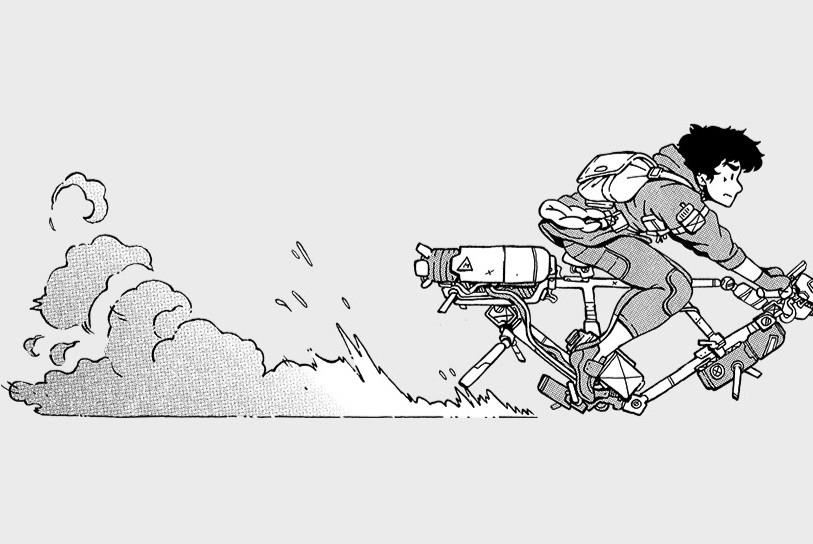
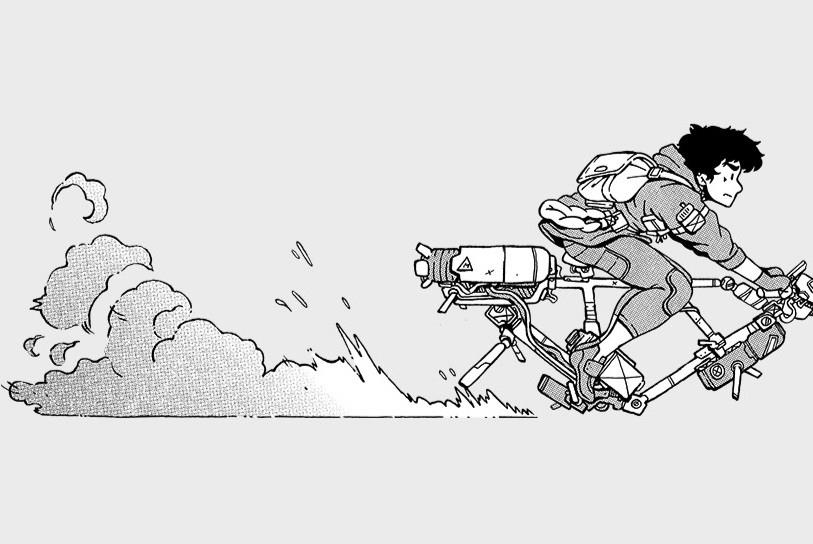
Citizen Sleeper and Citizen Sleeper 2 already have the feel of a tabletop role-playing game, or maybe just a really good book with some choose-your-own-adventure elements. Now, series maker Jump Over the Age has made it official: Citizen Sleeper has a solo board game version, downloadable for free on itch.io.
Called Citizen Sleeper: Spindlejack, the game requires 10 six-sided dice to play, plus a pencil and eraser. The game’s itch.io page includes two documents for players to download and print out; the first is a pamphlet with the game’s rules, and the second document includes a map and a playsheet.
Read Article >
-

Apr 21
Cass Marshall
Look Outside is an instant classic that balances body horror with compassion
Look Outside stands out as a modern indie classic by weaving together disturbing body horror and heartfelt moments of empathy in a way rarely seen in video games. The game’s core premise-avoiding the urge to glance at a world-altering cosmic force outside your apartment-gives rise to a series of grotesque yet deeply human mutations among the cast, from skin erupting in teeth to bodies transformed in surreal, unnerving ways. What sets Look Outside apart is its persistent invitation to see the person within the monster. Across its story, players are offered meaningful choices: confront misshapen figures with violence or engage compassionately, discovering that even the most frightening forms hunger for understanding or connection. This constant tension between horror and humanity, underscored by the chance to resolve encounters peacefully and empathize with both allies and adversaries, elevates Look Outside into a rare breed of horror game-one that unsettles even as it reminds players of the enduring importance of compassion, no matter how monstrous the world becomes.
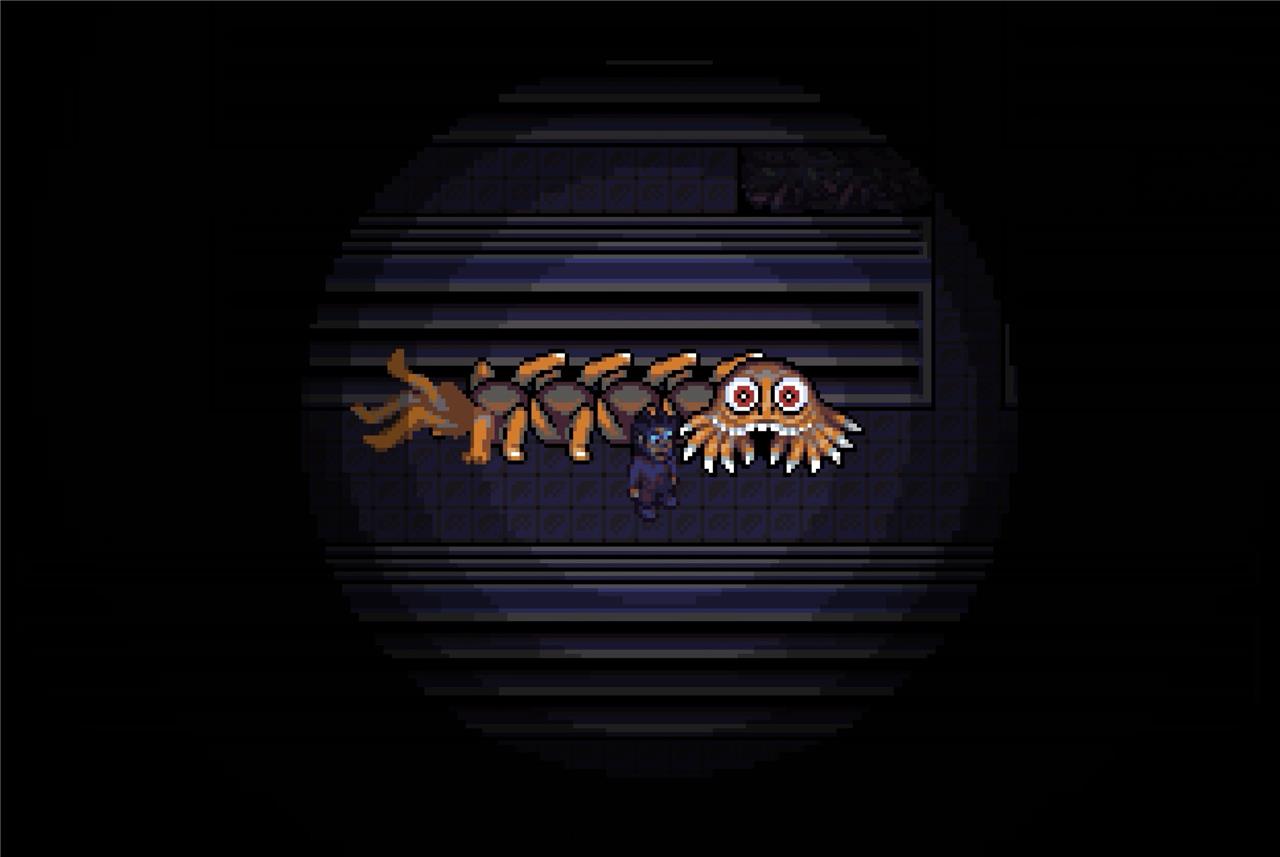
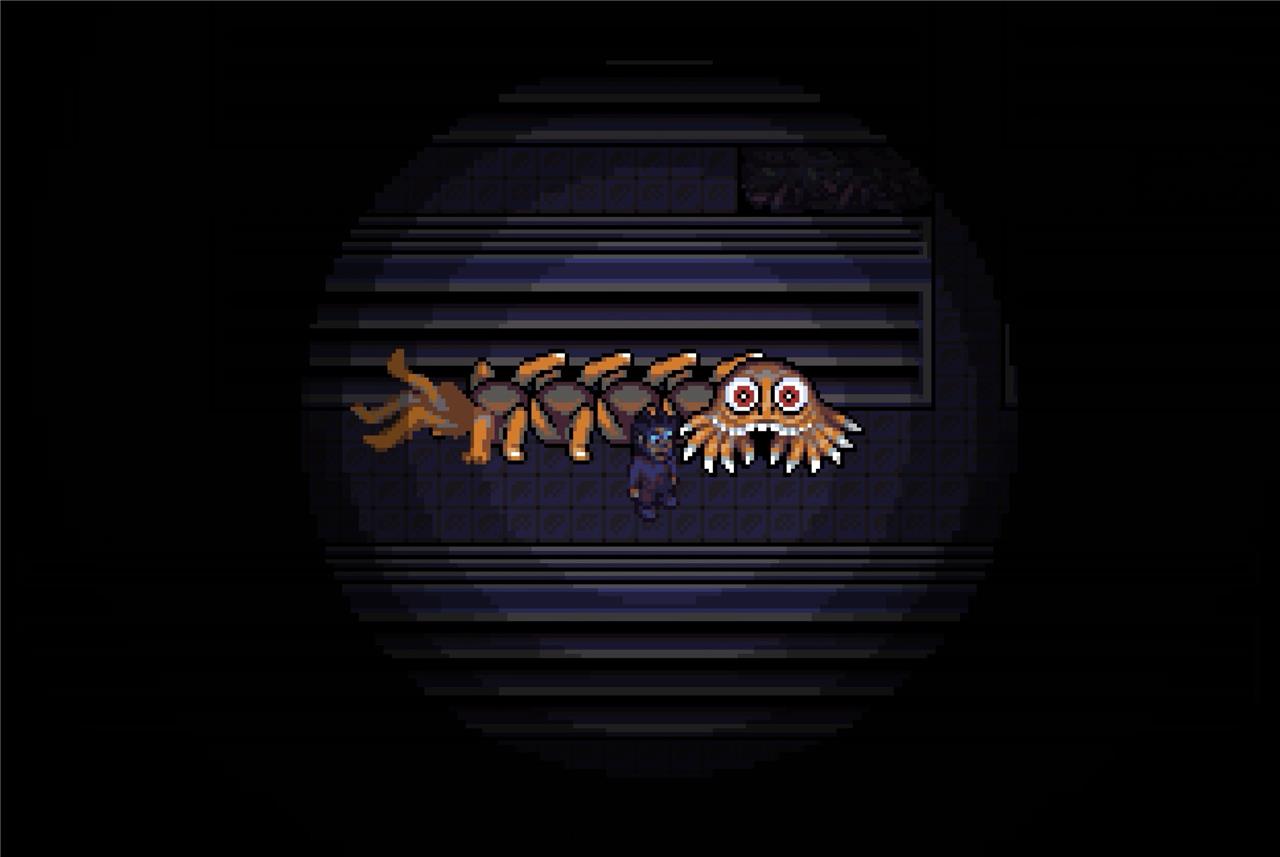
Look Outside is a horror game with teeth – quite literally: They’re bursting through my neighbors’ skin and gnashing on anything that gets too close. Look Outside was originally released on March 21, and the game has since consistently floated to the top of my social media feeds as people marvel about the scares this story has in store.
In Look Outside, I play as Sam, a normal dude who’s between jobs and behind on rent. Those concerns quickly become irrelevant as a cosmic entity known as The Visitor passes Earth, corrupting and twisting everyone who looks at it. There’s only one solution: Don’t look outside. No, it doesn’t matter how much the silvery glow of the moon beckons to you, nor how sweetly your neighbor croons. Don’t look outside. Don’t look at photographs, don’t look at reflections, do not try to gaze upon The Visitor.
Read Article >
-

Apr 18
Chris Plante
Promise Mascot Agency is a video game sitcom
Promise Mascot Agency delivers the energy of a sitcom filtered through the world of video games, blending oddball humor, eccentric characters, and slice-of-life chaos into an interactive comedy. Players control Michi, a disgraced yakuza lieutenant exiled to manage a run-down mascot agency, where daily mishaps and wild personalities drive much of the game’s story and laughs. Each mission plays out like an episodic misadventure-with unpredictable mascot sidekicks, absurd business blunders, and a town full of quirky, memorable faces-making the game as much about the jokes and relationships as the jobs you complete. Its playful writing, comedic scenarios, and ensemble cast give Promise Mascot Agency the unmistakable feel of a sitcom set in the heart of a mysterious, mascot-filled town.
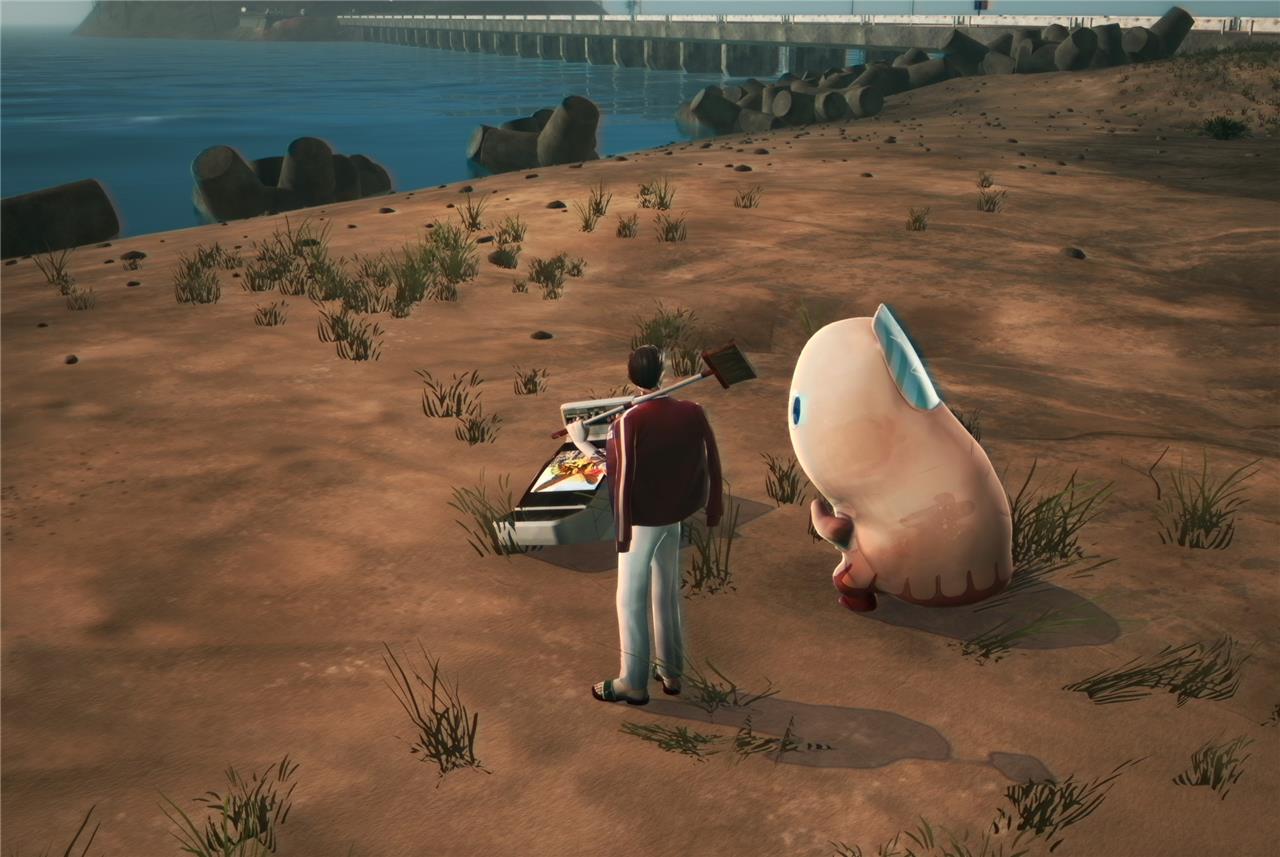
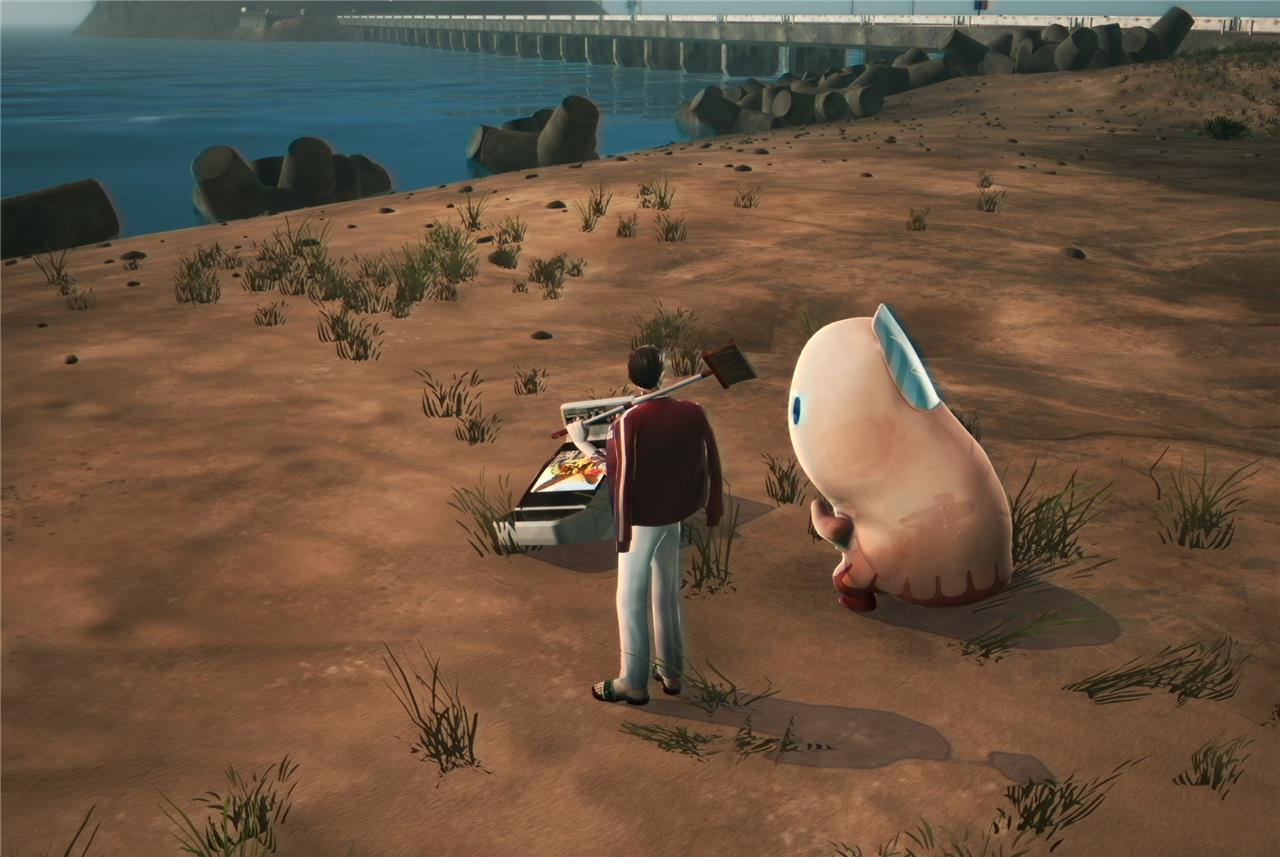
I enjoyed the critical darling of the moment, Blue Prince, as much as the next elder millennial video game critic. But after weeks of filling countless notebook pages with indecipherable notes – at one point even seeing puzzle solutions in my dreams – I began to crave a game that would carry the bulk of the mental load. As if the Great Gamer God had heard my prayers, Promise Mascot Agency appeared on Steam.
You fill the geta of Michi, aka The Janitor, a yakuza fixer who owes a big debt after a money handoff goes wrong. To make good, Michi agrees to move to a neglected town in rural Japan, where he must revive a flagging mascot agency – and restore the community – before an anti-yakuza curse kills him.
Read Article >
-

Apr 17
Nicole Carpenter
Spirit Swap: Lofi Beats to Match-3 To is my comfort puzzle game
Spirit Swap: Lofi Beats to Match-3 To is a vibrant indie game that blends match-3 puzzle mechanics with a soothing lo-fi soundtrack and a rich visual novel dating sim experience. Players step into the role of Samar, a witch tasked with keeping spirits in check through engaging horizontal swapping gameplay reminiscent of classic Panel de Pon or Puzzle League titles. The game shines with its colorful cast of queer and witchy characters, story-driven interactions, and strategic use of spells that alter the puzzle board. It offers multiple modes including story, endless, and versus, making it both a relaxing and delightfully challenging comfort puzzle game that appeals to fans of both narrative and match-3 puzzles.
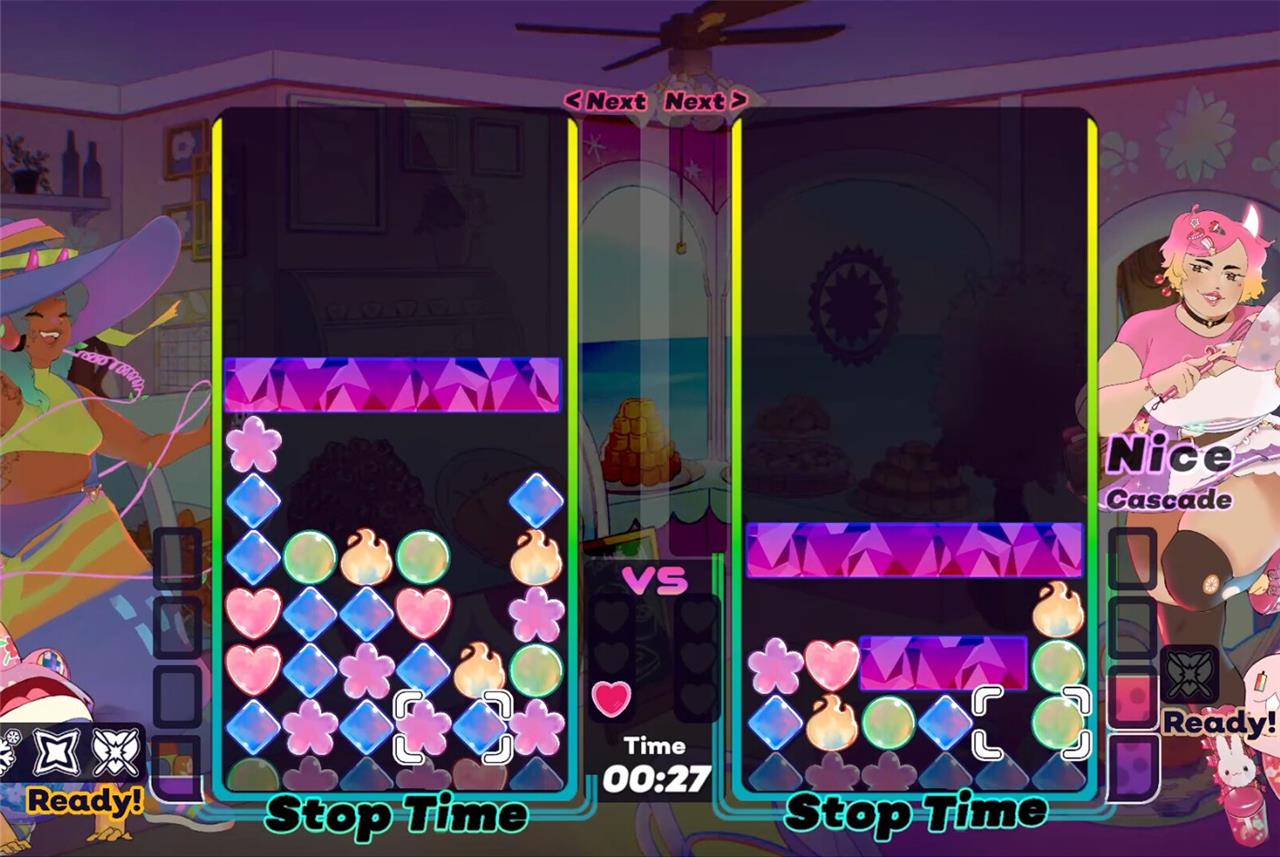
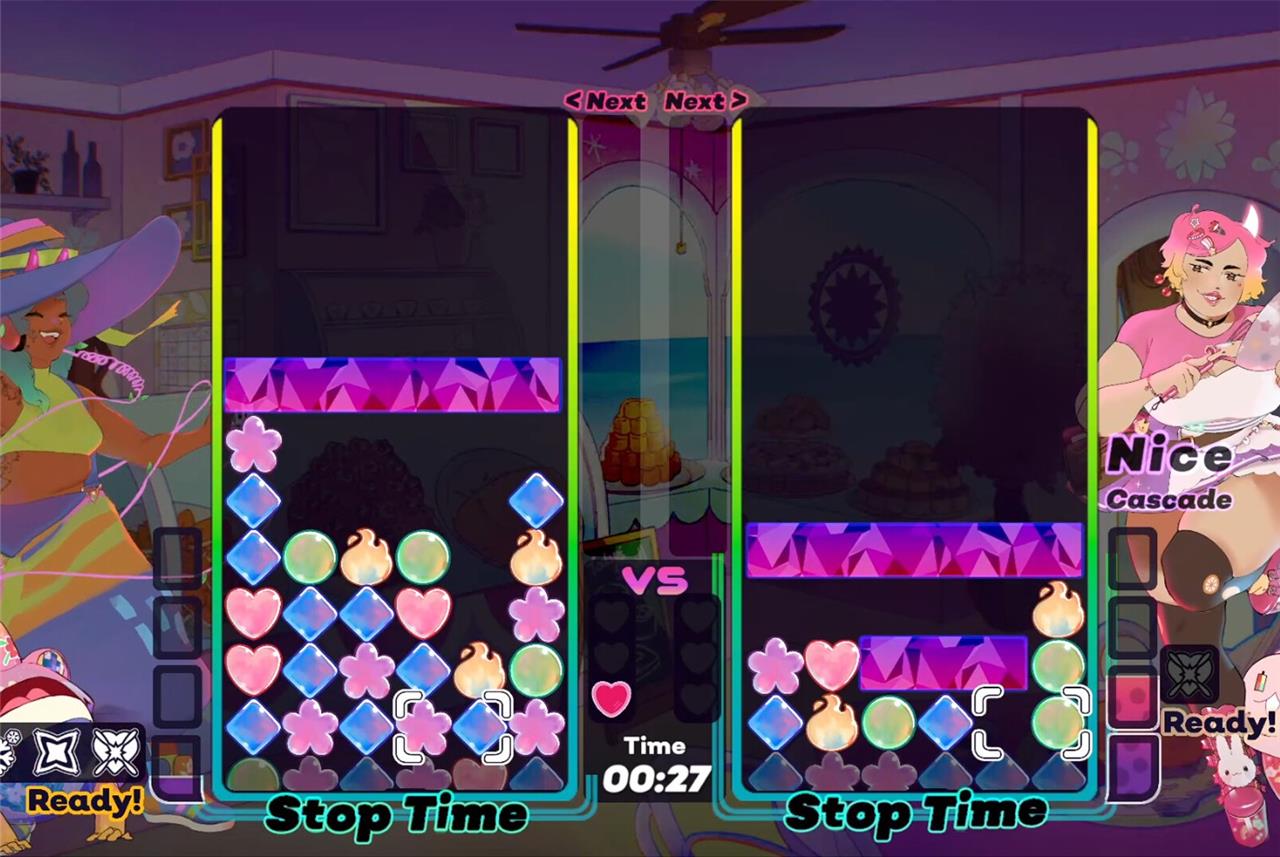
With Spirit Swap: Lofi Beats to Match-3 To, worker-owned studio Soft Not Weak takes the match-3 puzzle genre and builds out a visual novel and dating simulator on top of it, then ties it all together with a killer lo-fi soundtrack. Each of these parts, independently, are lovely, but pulled together, Spirit Swap has became my comfort puzzle game, updating a well-trod genre into something that’s much more than just a time-killer.
Playing as Samar, the spirit-swapping witch, you’ll mingle around town as a group of friends prepares for a highly-anticipated concert from everyone’s favorite band. Meanwhile, spirits are everywhere, and it’s match-3 gameplay that rids ’em from the world. You’ll run from house to business to flirting with friends as you pull the narrative together, making decisions on what to do and who to date. Most of these sequences end with a match-3 session, which is given more depth as you unlock abilities granted by the other characters; the main gameplay requires you to line up spirits into patterns to poof them away, but the abilities, for instance, allow for new patterns or different disruptions. Like any good match-3 game, Spirit Swap is endlessly replayable; the random elements make it so you’re never quite sure how it’ll go. Though the lo-fi beats make Spirit Swap undeniably chill, the match-3 elements can get quite chaotic and exciting.
Read Article >
-

Apr 8
Cass Marshall
Why REPO has topped Steam charts and Twitch feeds since launch
REPO has topped Steam charts and dominated Twitch feeds since its launch due to its unique blend of cooperative multiplayer horror and physics-based gameplay. Players must work together to transport valuable objects through tense environments filled with terrifying creatures, all while managing tricky, exaggerated physics controls that create both suspense and hilarious moments. Its proximity voice chat adds to the immersive teamwork experience, making communication essential and engaging. Additionally, the game’s viral spread through popular streamers and social media clips, combined with its mix of lighthearted goofiness and genuine scares, has driven widespread attention and positive reception, securing its place as a standout indie hit in 2025.
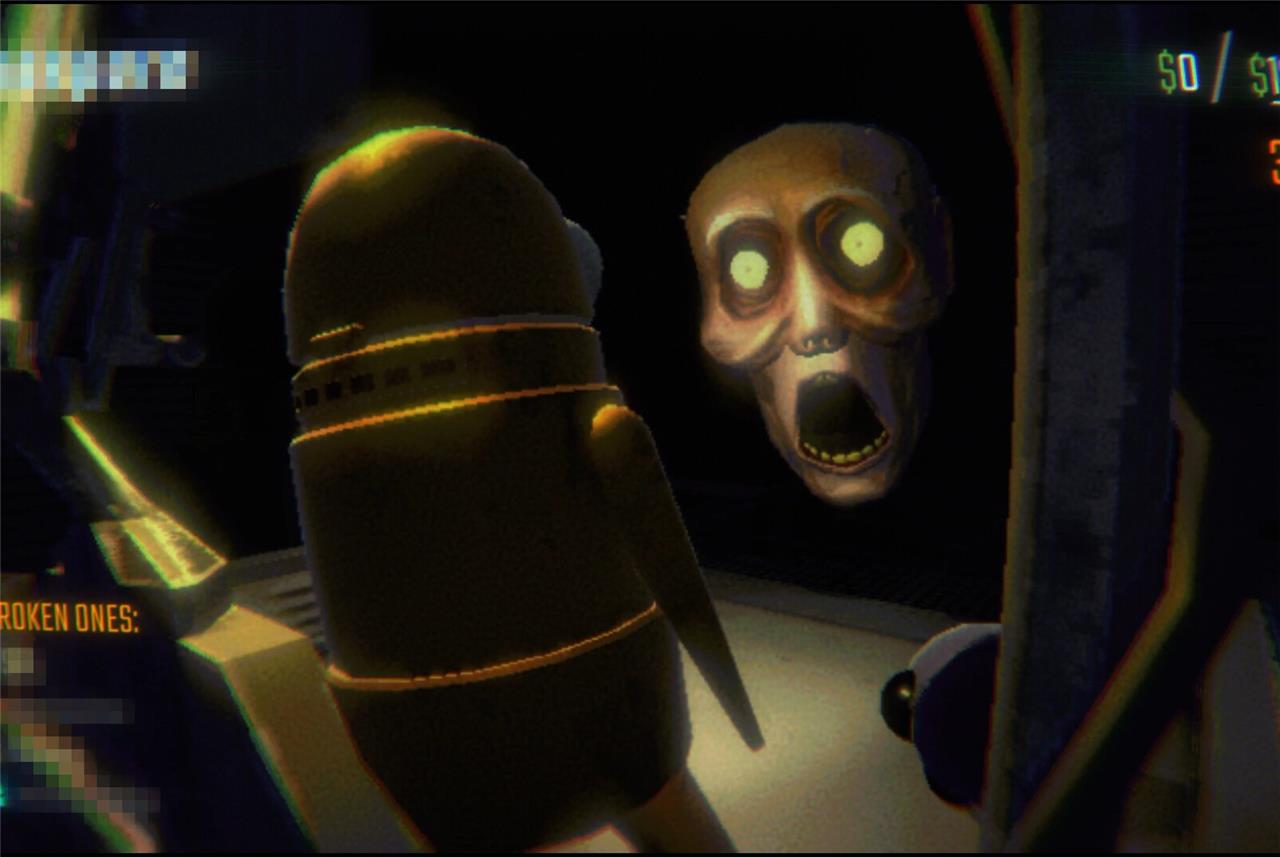
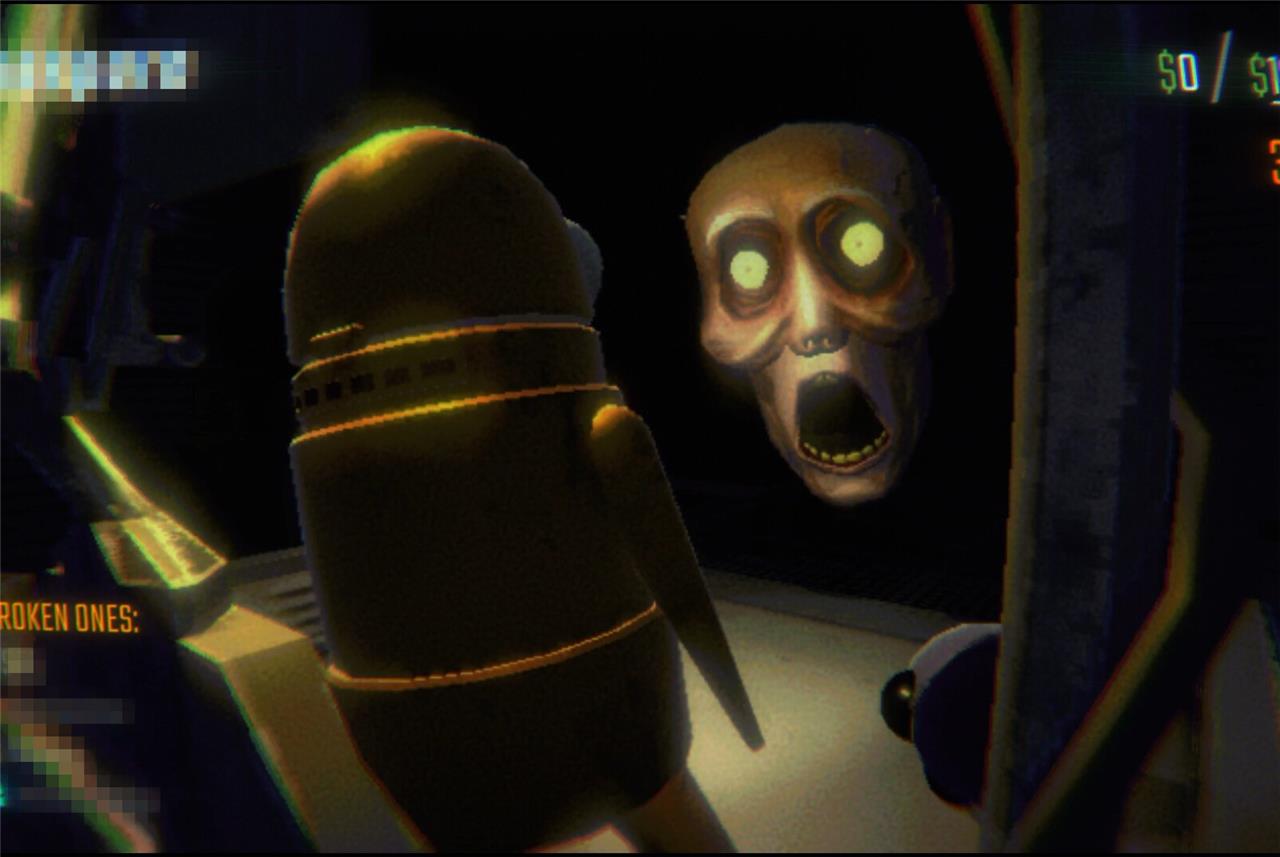
At first, the Steam page for REPO was an off-putting sight; the game’s key art has only just recently been updated to move away from a macabre-looking emoji leering at the viewer with gnarled teeth and hollowed-out eyes leaking tears. But it only takes a couple of rounds to understand why this game has taken off with streamers and multiplayer groups. REPO snatches the core concept of Lethal Company, the viral 2024 co-op hit, and then adds a few fun complications. While much of REPO feels familiar, the game feels like proof that even just a few small changes to a great formula can radically change the player experience and create something fun and novel.
Developer Semiwork is a small studio based in Sweden, and the most immediately obvious change was the swap of the iconic workers of Lethal Company with little bean robot guys. This is a massive change to the experience, and it’s hard to explain just how funny it is to perish to some terrible fate, switch into the game’s observer mode, and watch your buddies wobble around with their big googly eyes.
Read Article >
-

Apr 7
Jay Castello
Blue Prince is a mystery-packed mansion that will crank open your mind
Blue Prince is an innovative indie puzzle-adventure game set in the sprawling, ever-changing Mt. Holly Estate. Players must navigate a procedurally generated mansion filled with layers of intricate puzzles, hidden secrets, and mysterious lore, all while racing against time to find the elusive Room 46 before the mansion resets. Its unique room-drafting mechanic, combined with roguelike elements and a captivating narrative, makes Blue Prince a compelling mental challenge that constantly cranks open your mind, rewarding exploration, strategy, and curiosity. Critically acclaimed for its design and storytelling, it stands out as one of the best indie games of 2025.
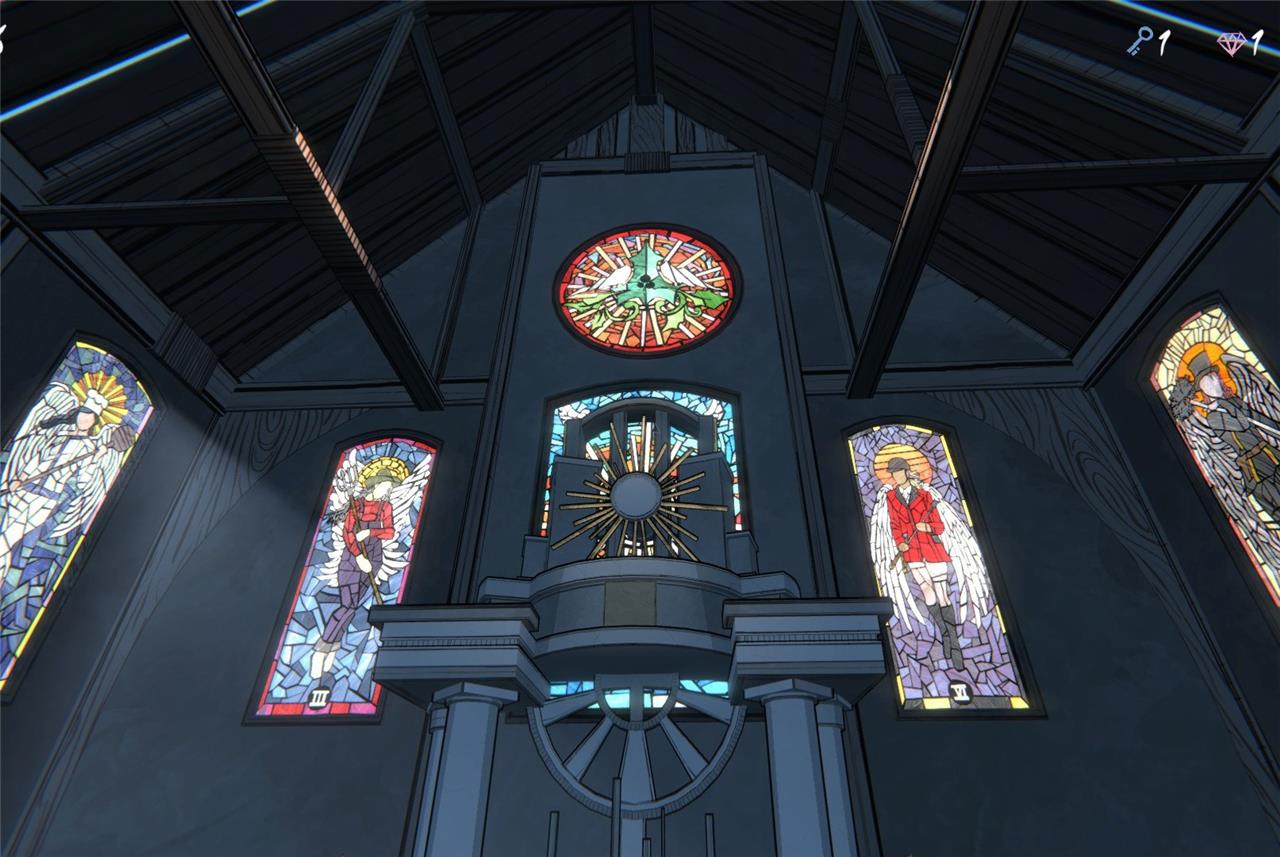
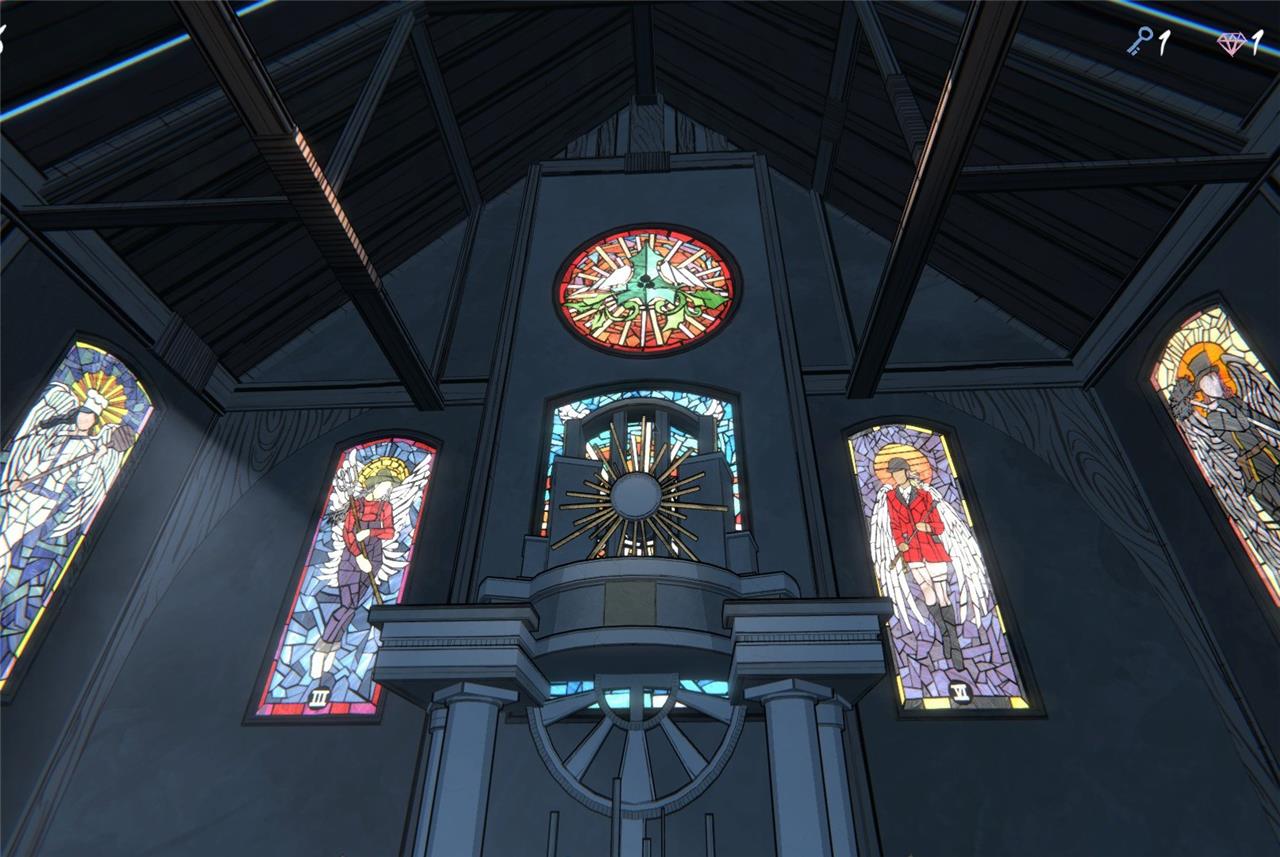
The house at Mt. Holly has 45 rooms. But the placement of each of those rooms is up to you – and it resets every day. You’ve been left the house and its estate as an inheritance, but only if you can find the mysterious 46th room.
In this way, Blue Prince blends its puzzles with both deck-building and roguelite elements. When you open the entrance hall door at the start of every morning, you’ll be given a choice of three rooms that might lie beyond it. Each of them has a fixed number and orientation of doors, limiting your path through the house, and each room has its own small bonus – or, in some cases, a drawback.
Read Article >
-

Apr 4
Cass Marshall
I’ve been ensnared into the wild life of a drug dealer in Schedule 1
“I’ve been ensnared into the wild life of a drug dealer in Schedule 1 offers a gripping, bird’s eye view of running a player-managed drug operation within a dangerous and volatile world. This indie game stands out for its unique premise and immersive gameplay that pulls players into a high-stakes environment filled with risk and strategy, illuminating the gritty realities behind illicit trade through an engaging, interactive experience.”
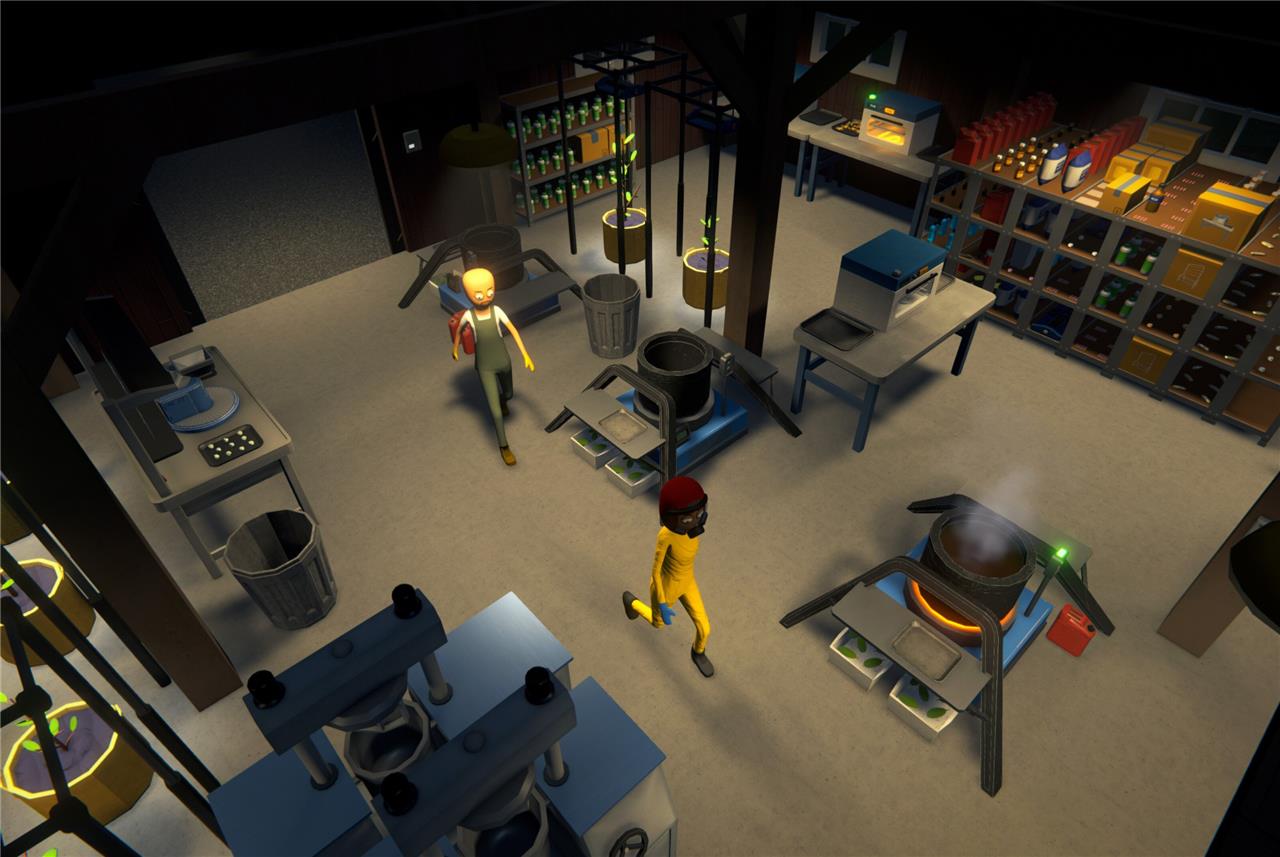
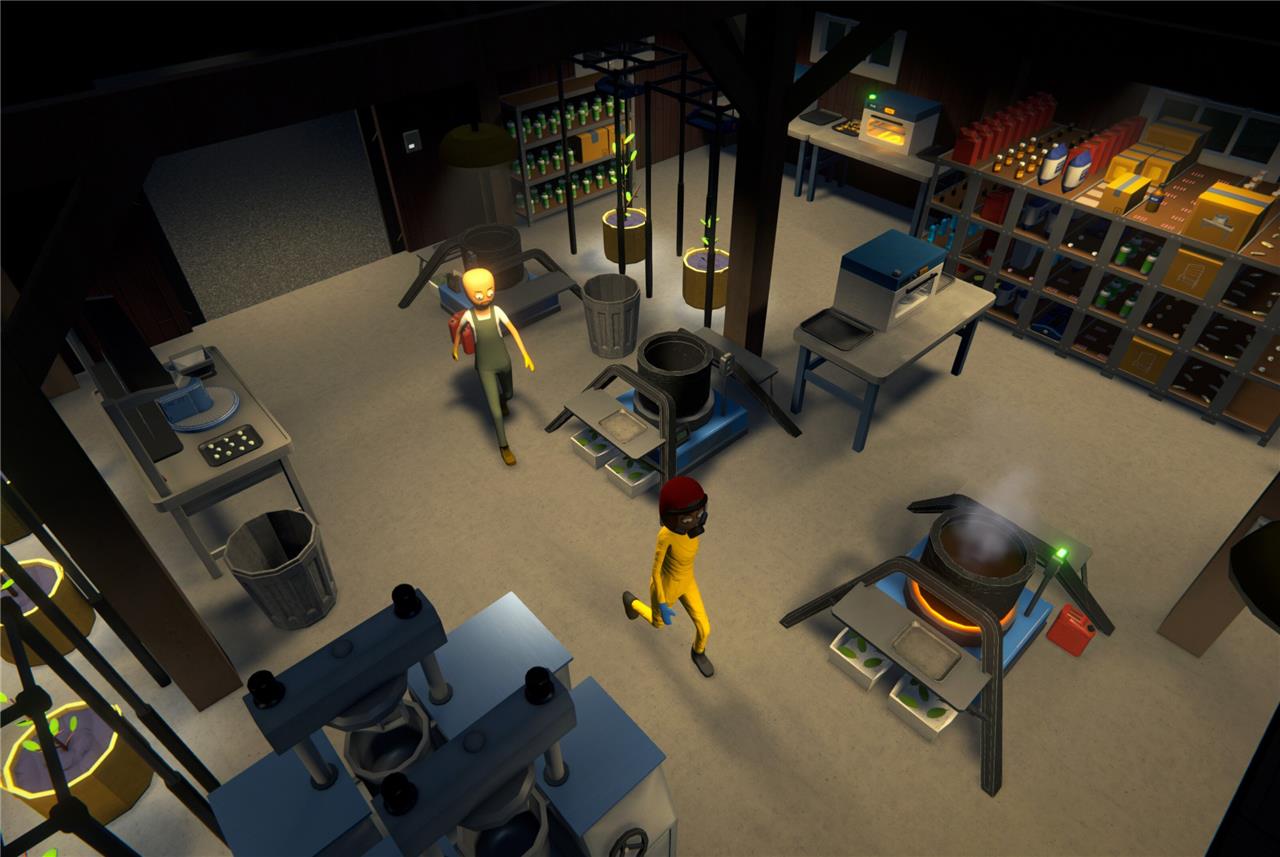
There’s something wrong with this town; it’s immediately apparent as soon as I arrive. I’ve recently fled my humble desert hometown after my uncle was raided by the cops and his criminal enterprise was seized. I’m working on rebuilding the empire here in the sleepy town of Hyland Point, but there are a few problems to deal with. First of all, I need to learn the ropes of how to grow weed, cook meth, and maintain a customer base. Secondly, a rival criminal organization firebombed my RV. Finally, the cops remain a constant hassle. That’s just life in Schedule 1, a surprisingly expansive drug dealing simulator with some wacky twists, all created by a solo developer.
Schedule 1 has risen through the Steam ranks and maintains popularity because it has a really satisfying core gameplay loop. Much like Palworld, the first big surprise hit of 2024, Schedule 1 liberally borrows from other simulator games and different genres. I can play single-player, in which case I handle every element of the operation: growing, packaging, selling, expanding. Or I can rope in up to three friends and we can each handle part of the business.
Read Article >
-

Apr 1
Toussaint Egan
Cruelty Squad creator’s latest is a nightmare cop sim where social media is a drug and you pilot a mech with chicken legs
Psycho Patrol R, the latest indie from Cruelty Squad creator Ville Kallio (Consumer Softproducts), is a chaotic cop sim that fuses tactical shooting and open-world mecha action in a dystopian future Europe. Players assume the role of a “V-Stalker” pilot-armed with a chicken-legged mech-tasked with suppressing psychohazards, investigating surreal crimes, and navigating a society where social media functions as a literal narcotic. The gameplay blends unnerving violence, wild aesthetics, and freeform detective work, all saturated in the biting satire and unhinged style that defined Cruelty Squad, now amplified by mech-borne mayhem and grotesque new technology.
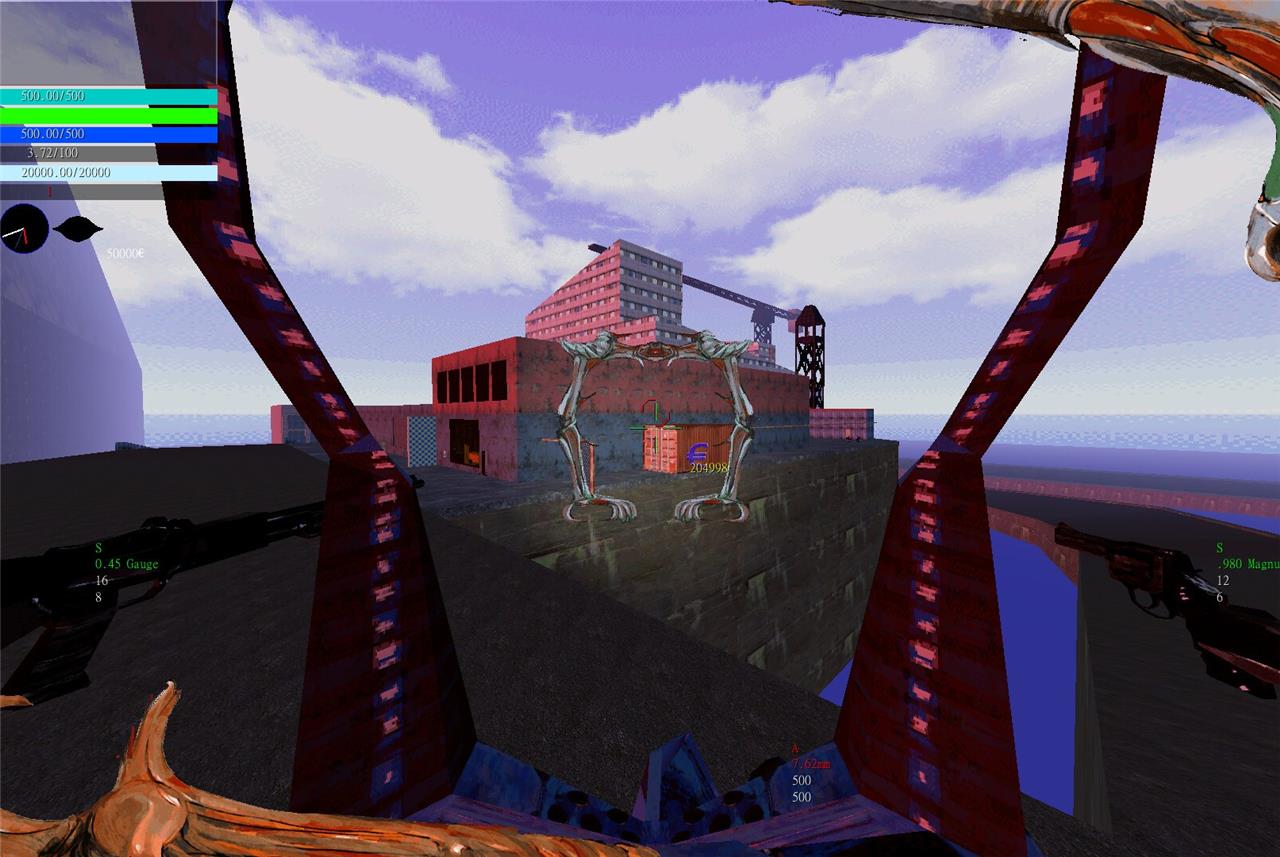
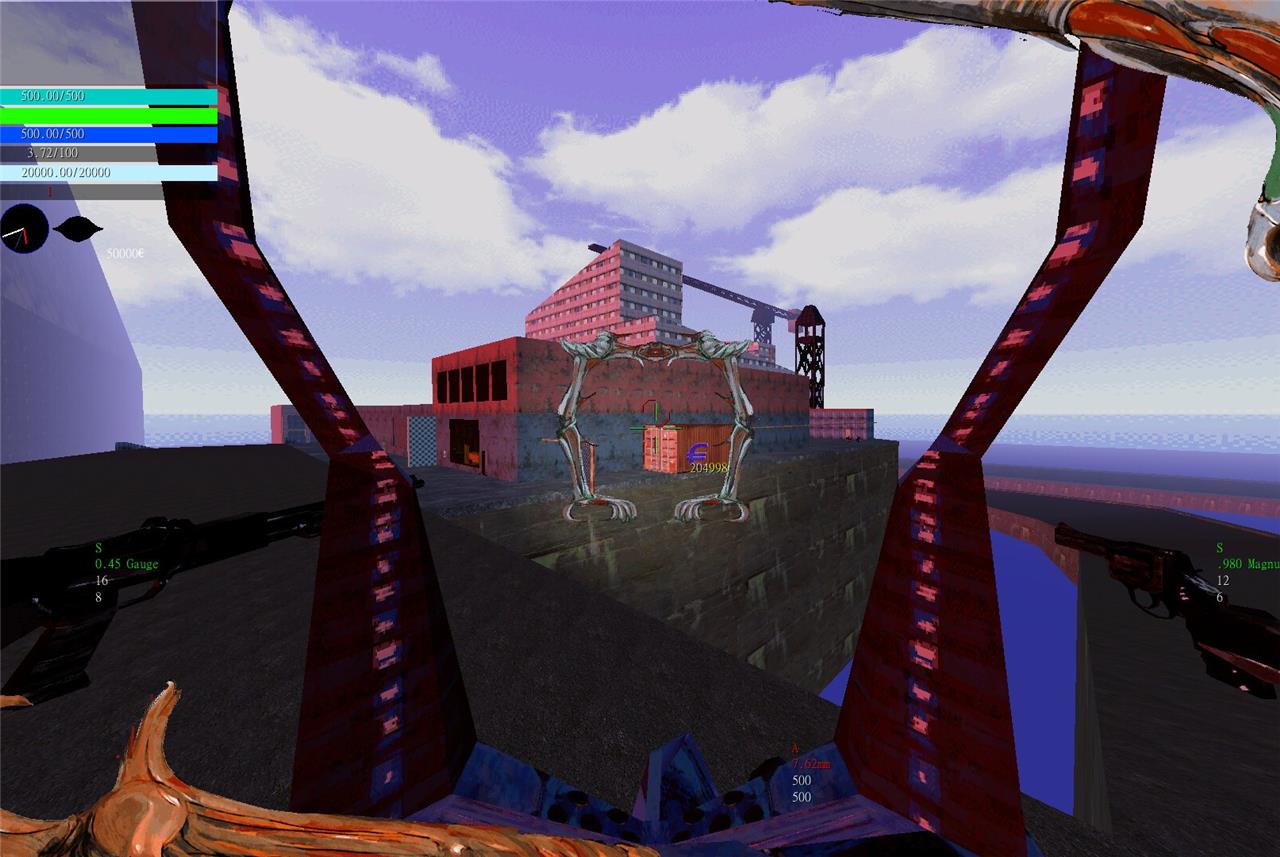
In Psycho Patrol R, social media is a lot like cocaine. While doomscrolling isn’t technically illegal in the game’s universe, it is punishable by lethal force when done in excess.
The latest from Consumer Softproducts, the independent studio run by Finnish multimedia artist-designer Ville Kallio, Psycho Patrol R is a cyberpunk immersive sim shooter made up of extremes. Extreme violence, extreme aesthetics, extreme gameplay variety and open-world potential. Given all its moving parts, the fact that it coheres as well as it does feels exhilarating once you take the time to attune yourself to its quirks and peculiar rhythms. And while, as of this writing, the early access build of the game is currently unfinished, the moment-to-moment experience is already something to behold.
Read Article >
-

Mar 28
Grayson Morley
Terry’s Other Games answers the question: ’What if UFO 50, but nonfiction?’
Terry’s Other Games offers a unique experience as a collection of experimental indie games developed over many years by Terry Cavanagh, known for titles like Dicey Dungeons and VVVVVV. Unlike UFO 50, which is a curated anthology of 50 distinct retro-inspired games, Terry’s Other Games presents a more personal, nonfictional glimpse into an indie developer’s creative journey, featuring a mix of polished games, prototypes, jokes, and unfinished projects. This compilation acts like a designer’s notebook, blending substantial titles with smaller, messier experiments that reveal the real creative process behind game development. It’s a fascinating, authentic exploration of game making, answering the question: “What if UFO 50 but nonfiction?” by showcasing actual creative trials and ideas from a seasoned indie developer.
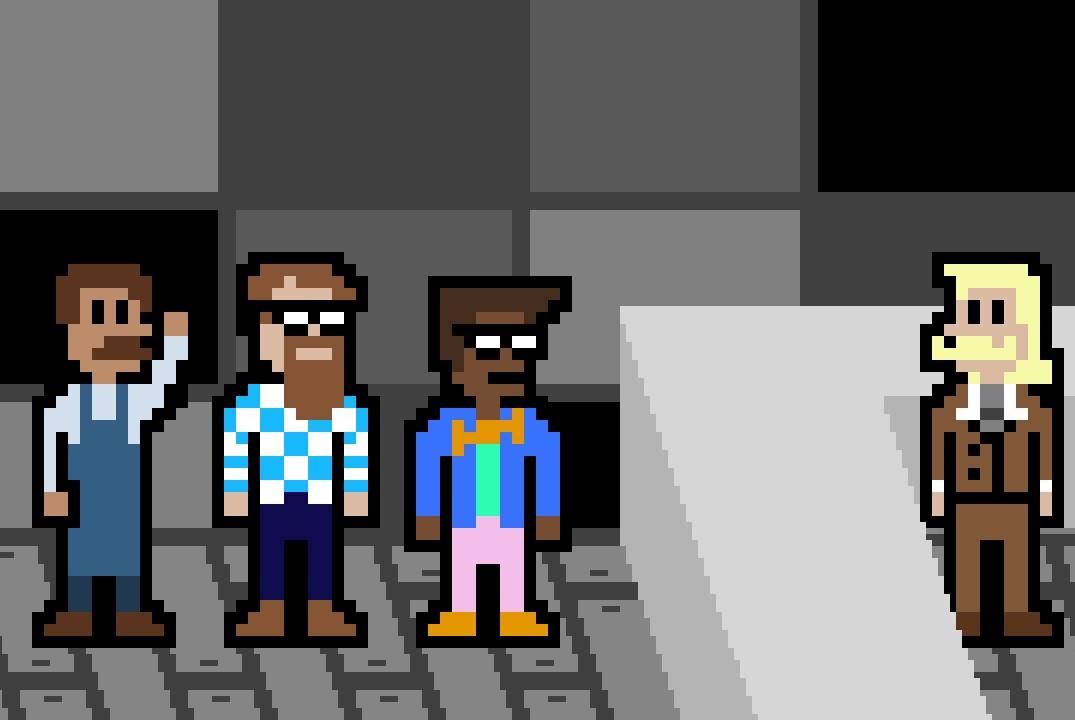
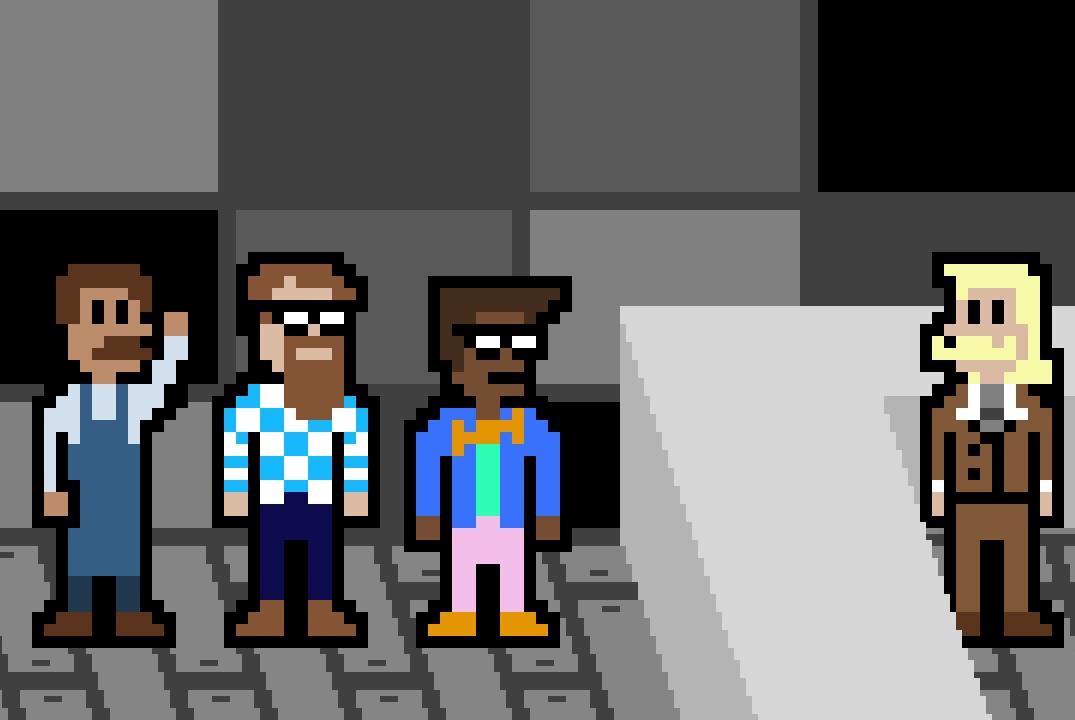
The game you most associate with Terry Cavanagh probably depends on your age. For me, it’s Super Hexagon. Why? Mostly because it came out my last year in college and provided an excellent alternative to working on the things I was supposed to be working on. To this day, I can’t think of the game without imagining my college library, because that’s largely where I played it as a “break” from studying that often went longer than the studying itself.
Perhaps you’re more familiar with Dicey Dungeons, though. Or, for the real connoisseurs, the nigh unpronounceable VVVVVV. If you haven’t played any of these three Cavanagh games yet, I have good news for you: Your reading journey has come to an end. You should play at least one, if not all three, of those great games. Then, perhaps, Terry’s Other Games will be for you. Depending on your taste in annotated bibliographies.
Read Article >
-

Mar 13
Toussaint Egan
The Forever Winter is my kind of ’forever’ game
The Forever Winter delivers exactly the kind of ’forever’ experience I crave: tense, squad-based survival set in a desolate war-torn wasteland, where every run is unpredictable and demanding. Its fusion of hardcore tactical co-op and ever-present PvEvE threats means you’re constantly forced to adapt-scavenging the ruins for supplies, outwitting cunning AI factions, and extracting with your life intact. The world’s bleak, frozen labyrinth has real staying power, rewarding careful teamwork and quick-thinking with harrowing stories and hard-won victories; it’s the endlessly replayable type of challenge that keeps calling me back, always promising one more tense, unforgettable sortie.
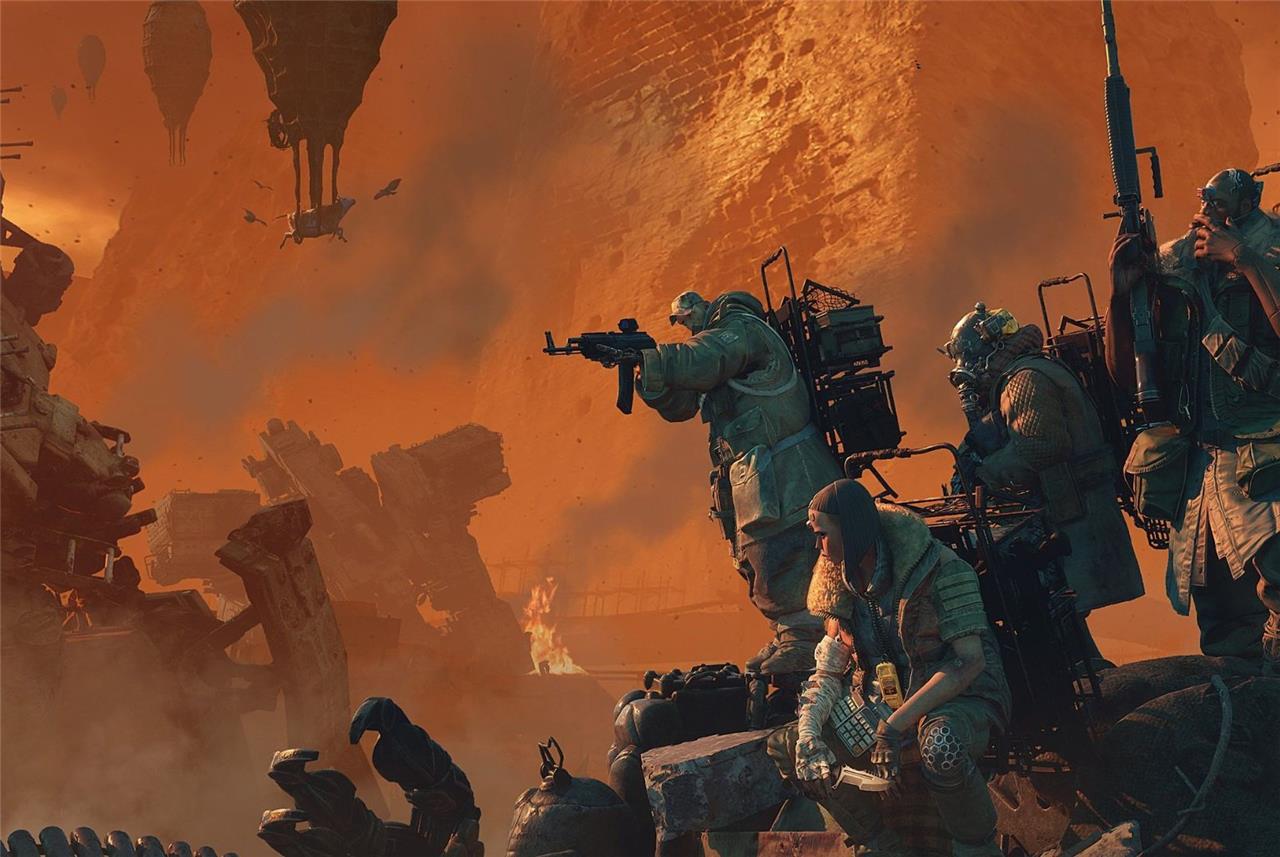
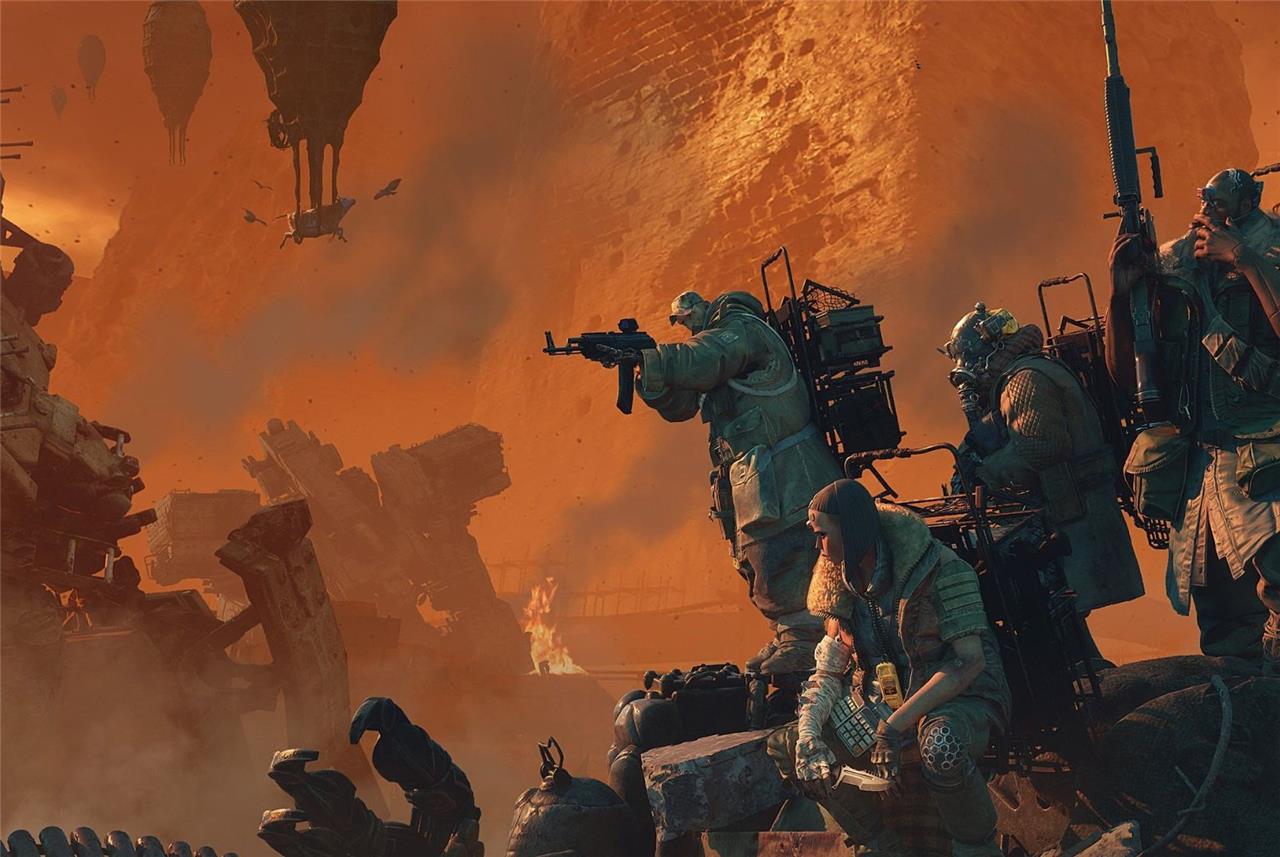
I have played nearly 200 hours of The Forever Winter since its early access launch in September of last year. Seldom a week has passed, let alone a day, where I have not at one point logged on for a play session or two, barring vacations, holidays, and the like.
Despite this, I’ve refrained from writing about it because it was not yet in a state where I could write a qualified impression. That is, until now. With the launch of the game’s most recent quality-of-life update, I feel now more than at any point in the past six months that my faith in The Forever Winter was well placed.
Read Article >
-

Mar 12
Cass Marshall
Expelled! is the most fun you can have being accused of attempted murder
Expelled! offers an exhilarating experience as you navigate the tense, high-stakes day of Verity Amersham, a student falsely accused of attempted murder at a 1920s boarding school. With its dynamic narrative clockwork, moral complexity, and a living school world full of secrets, every choice and interaction feels urgent and impactful. The game mixes clever time management, branching storylines, and wickedly fun opportunities to lie, sneak, and manipulate as you strive to clear your name in the most entertaining and immersive way possible. It’s a thrilling and witty visual novel adventure that turns the dire accusation of attempted murder into an engaging, replayable game of strategy and suspense.
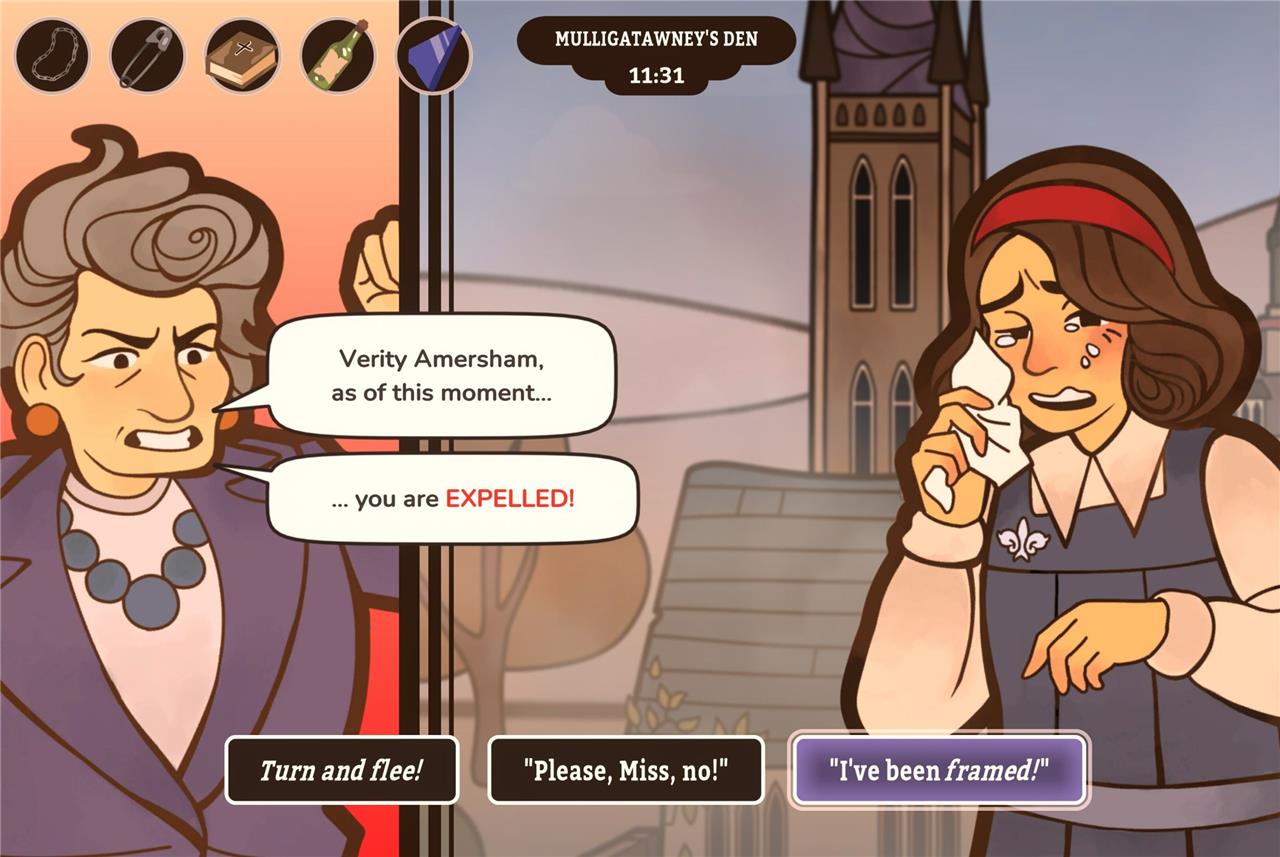
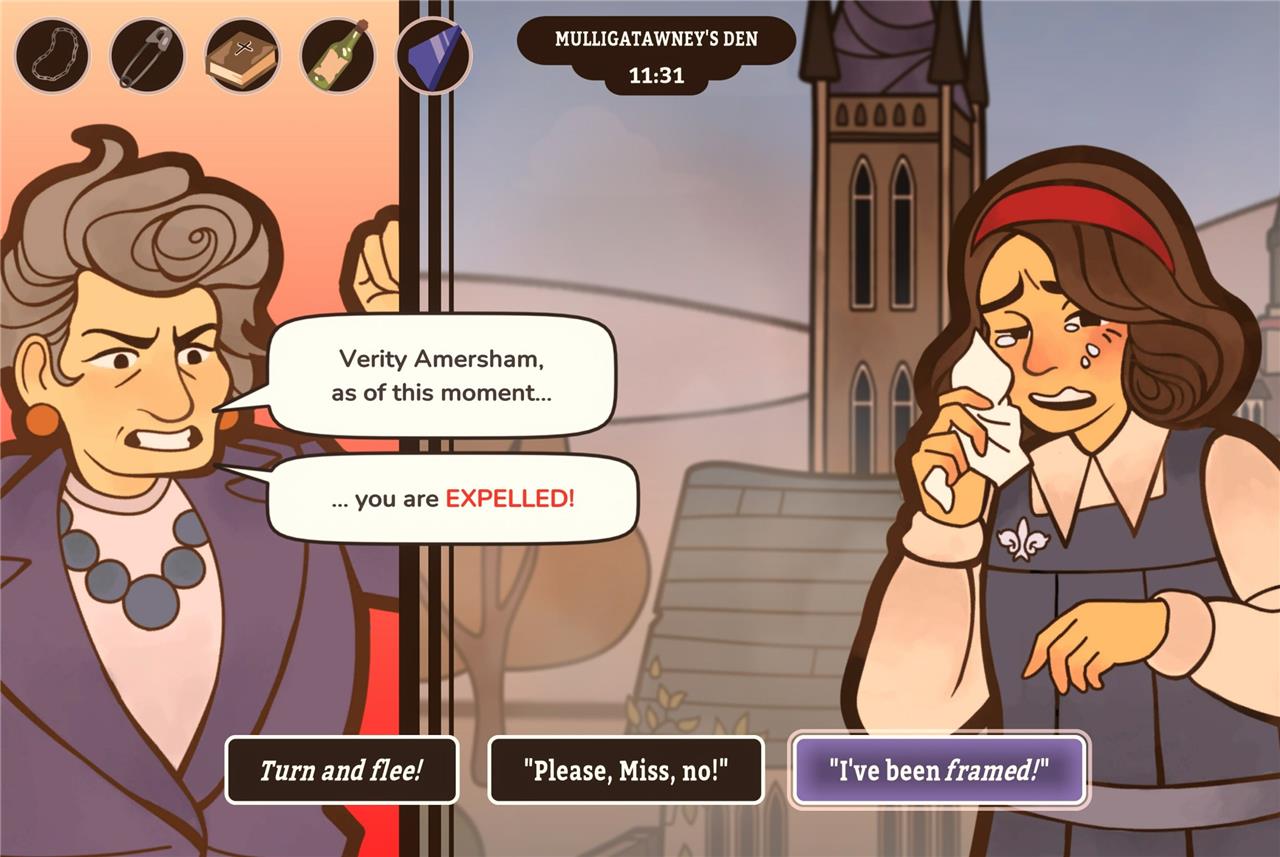
My first run in Expelled! was a completely miserable affair for our poor protagonist, Verity Amersham, a scholarship student at Miss Mulligatawney’s School for Promising Girls. The entire playthrough took just a few minutes; I was escorted to Miss Mulligatawney’s office, dressed down, and booted out. This was just my first attempt, and I soon found myself starting the events of the morning over and over again, completely invested in discovering the secrets of the school, my fellow students, and the events of the murder.
Expelled! is a follow-up to Overboard!, a visual novel about murdering your husband and getting away with it. Overboard! is based around moving between the rooms on a ship and interacting with the other patrons aboard on a strict schedule, eliminating evidence as to your guilt or winning allies to vouch for your moral character. Expelled! follows the same format around the academy, but with a new morality mechanic: Certain choices offer evil points, and reaching lower morality ranks opens up new, hurtful options in scenes.
Read Article >
-

Mar 10
Simone de Rochefort
Finally, I can pretend I’m on my phone
One of the most delightful aspects of some 2025 indie games is how they allow you to casually immerse yourself in their worlds, almost like pretending you’re on your phone. These games offer engaging yet relaxed gameplay that fits perfectly into those moments when you want a quick escape without the intensity of a full gaming session. Whether it’s managing simple tasks, exploring charming environments, or engaging in light puzzle-solving, these indie gems provide a perfect blend of fun and convenience, making it easy to lose yourself in the experience while still feeling like you’re just scrolling through your phone.
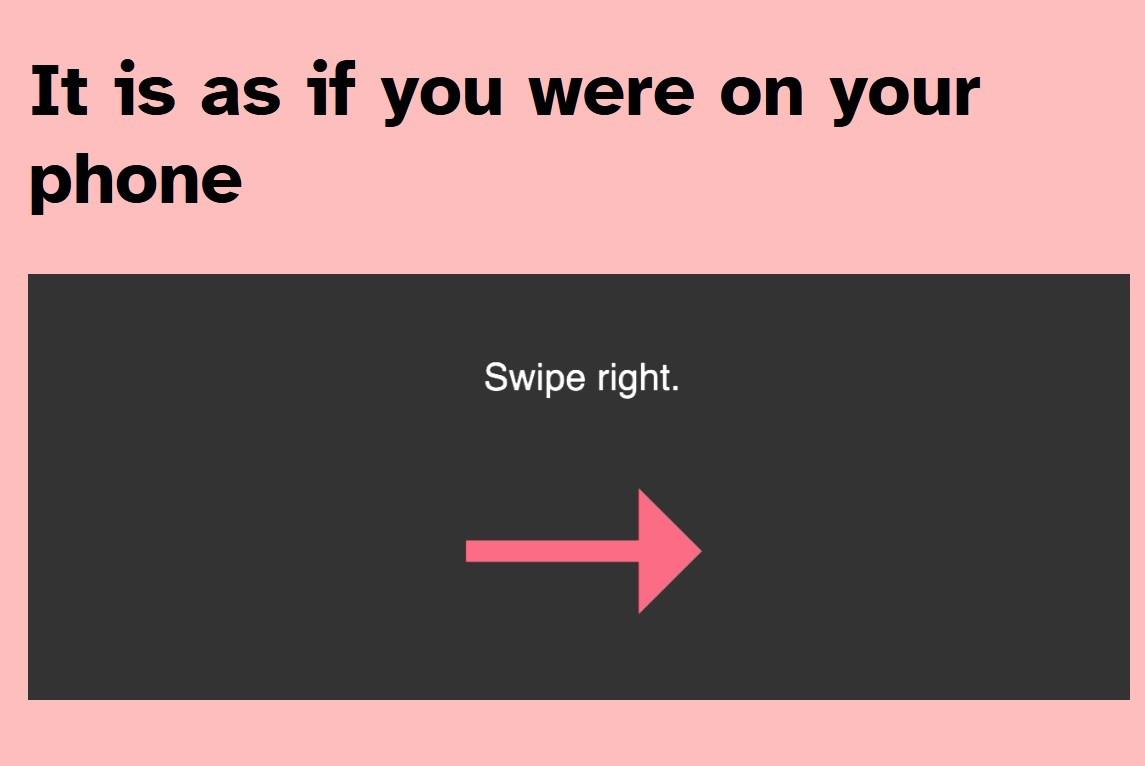
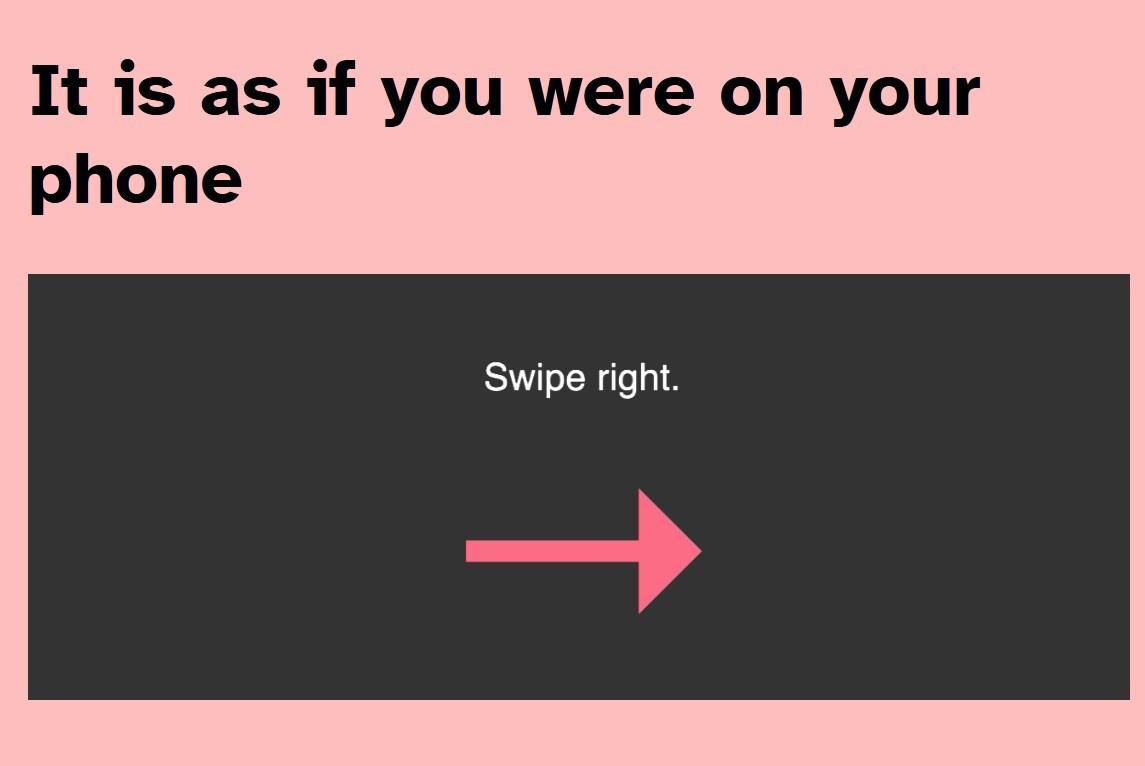
I know I’m not the only person who finds themself reflexively opening and closing apps, like perusing digital window displays to feel as if I’m doing something.
A new game from developer Pippin Barr playfully highlights how meaningless our relationships with phones can be. It’s called It’s As If You Were On Your Phone, and you can play it, on your phone, right now.
Read Article >
-

Mar 10
Michael McWhertor
This slimy Soulslike isn’t the cute Dark Souls alternative I hoped it would be
This so-called slimy Soulslike, despite its playful façade, falls short of providing the charming or approachable alternative to Dark Souls that fans may be seeking. While its premise and visual style suggest a more whimsical take on the genre, the actual experience is bogged down by uninspired execution and a lack of polish, leaving little of the inviting charm or clever design that could have set it apart. Instead, what remains is a game that borrows some of the difficult, deliberate combat and atmospheric elements of its inspirations but fails to recapture their sense of discovery, warmth, or immersion, making it a missed opportunity for a genuinely accessible Soulslike.
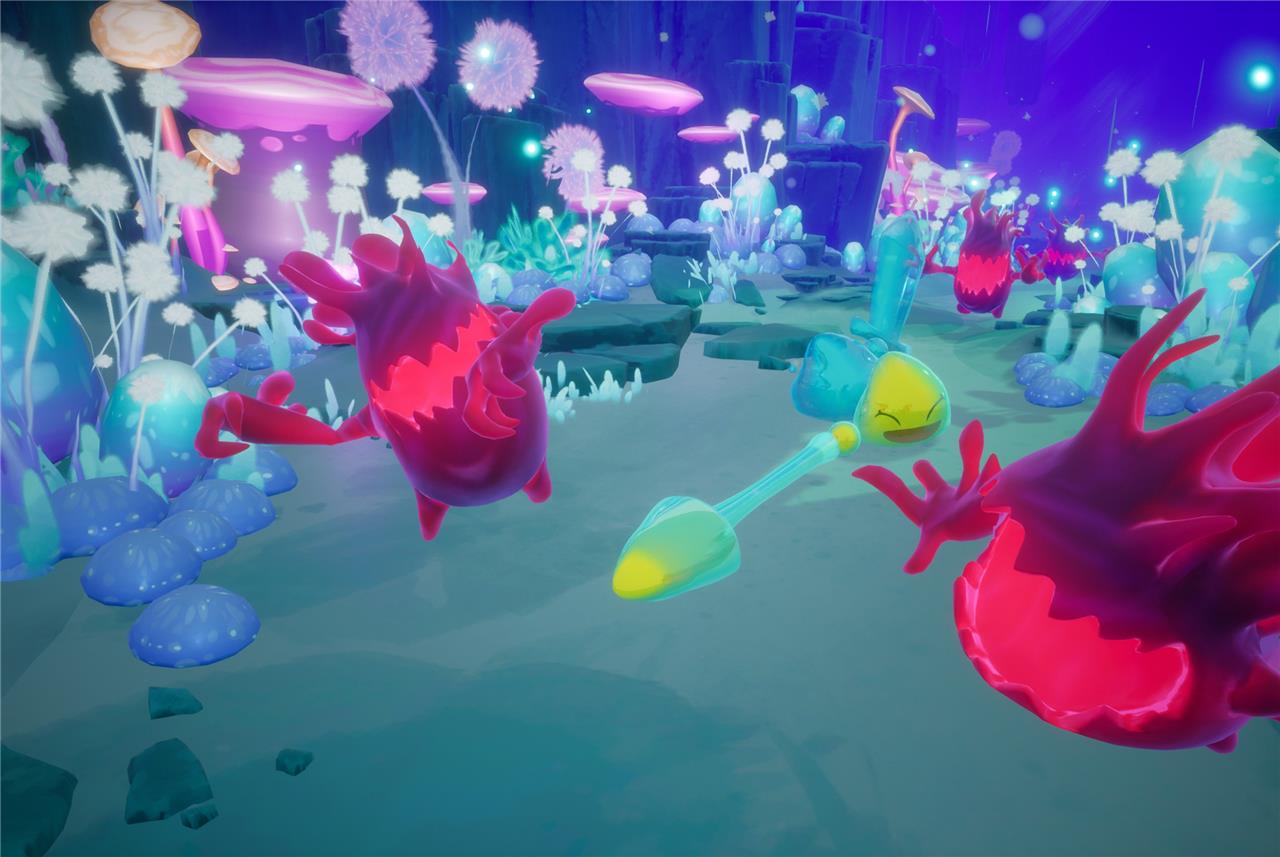
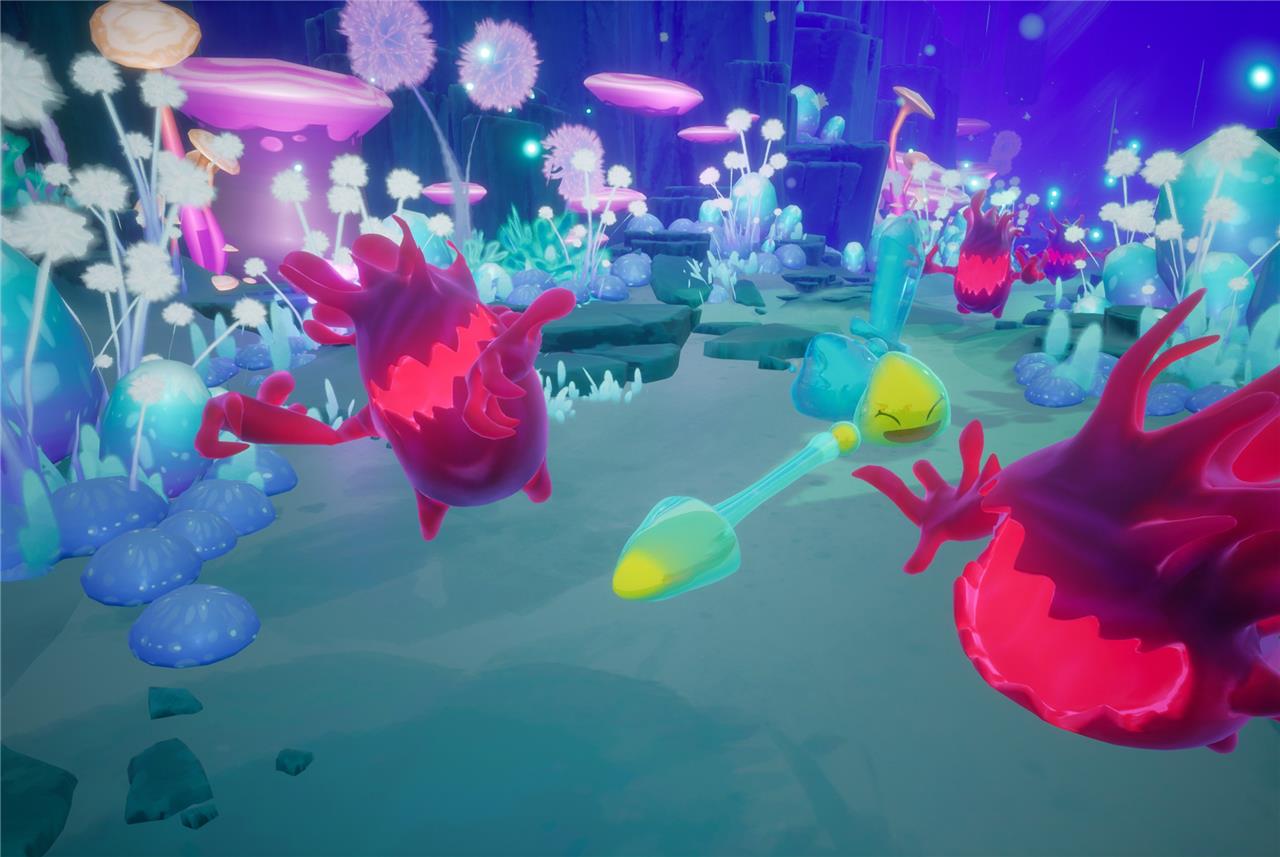
Pitched as a cute, approachable “Souls-lite,” Slime Heroes combines two of my favorite things in video games: adorable slimes and Dark Souls-style gameplay. Despite some good ideas, Slime Heroes’ recipe doesn’t quite work. Yes, it’s cute, but it also feels frustrating, clumsy, and unfinished.
Slime Heroes casts the player as a colorful, customizable blob who fights way above its weight class in an attempt to save a fantasy world from a spreading corruption. Played from a top-down isometric perspective, my slime has a variety of attacks at its disposal: a light attack, a heavy attack, and a jumping smash attack that adorably transforms my slime into a smashing fist or an anvil. I quickly earned spell-like skills that let me throw projectiles or summon a whirlwind that sucks in my enemies.
Read Article >
-

Mar 10
Nicole Carpenter
Wanderstop is so much more than just brewing tea – but that part’s good, too
Wanderstop is much more than a simple tea-brewing sim. While the ritual of growing ingredients and carefully crafting each cup of tea is central to the gameplay, the heart of the game lies in its deep narrative about healing, burnout, and personal growth. Players step into the shoes of Alta, a former warrior who has traded the battlefield for a magical tea shop in a forest, using this quiet life to reflect on her past and find a new purpose. The game balances relaxing shop management with introspective storytelling and quirky characters, creating an experience that feels cozy but also thoughtfully explores themes of exhaustion and change. So, the tea-making is enjoyable, but it’s the emotional journey that truly sets Wanderstop apart in the indie game scene of 2025.
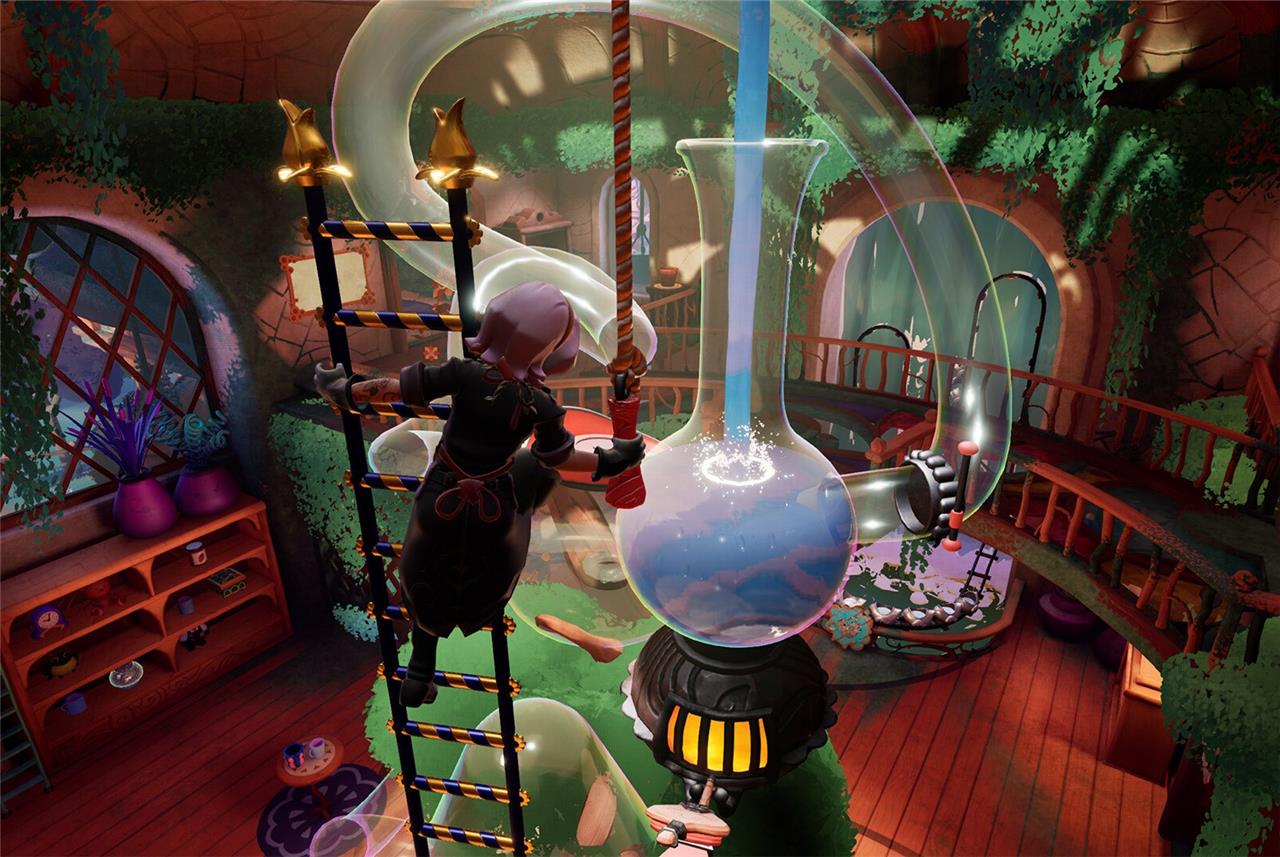
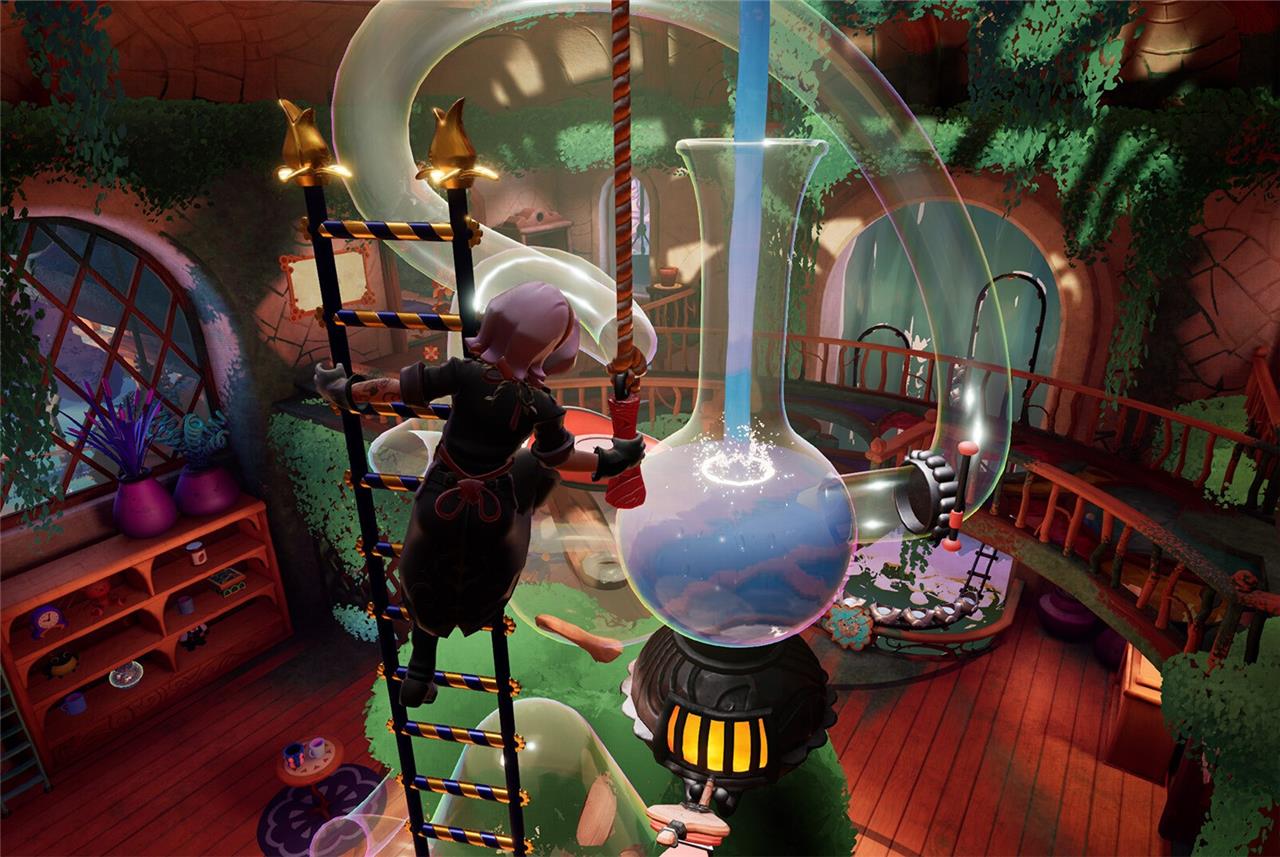
A few years ago, a sound bite went viral on TikTok: “Darling, I’ve told you several times before, I have no dream job. I do not dream of labor.” As writer Caitlyn Clark put it in Jacobin at the time, it’s no surprise that the statement resonated with people: a “tighter labor market,” Clark wrote, put increased pressure on workers over the past several years. It’s an increased strain that’s put more and more money in the pockets of the richest among us, yet it hasn’t created better workplaces or a better world for the rest of us. And I’ve been thinking about this phrase – “I do not dream of labor” – as I play developer Ivy Road’s Wanderstop. Though the foot on protagonist Alta’s neck is not one of a corporation, but of an individual drive to succeed at all costs – certainly influenced by culture at large – she is ultimately worn down so severely that she can no longer continue. She’s forced to rest, to engage in a less laborious life. But her new life does, indeed, involve labor.
Wanderstop begins with prolific and successful fighter Alta failing. It’s her first major failure – something she vowed would never happen to her. She had gone to a forest in search of a woman who can train her up, bring her back to her peak form, but the journey didn’t go as planned. Where she lands, instead, is a tea shop. The affable tea shop owner, Boro, plucked her from the forest after she collapsed, no longer able to wield her sword. She doesn’t want to stay, but she also can’t leave: Every time she tries, she collapses. She can’t hold her sword. And so, she does stay. People start to trickle into the tea shop and its surrounding clearing, so she makes them tea.
Read Article >
-

Mar 8
Michael McWhertor
Sorry We’re Closed is a stylish, sexy survival horror surprise
Sorry We’re Closed is a stylish and surprising survival horror indie game that blends nostalgic elements of classics like Silent Hill with the vibrant style and emotional depth found in games like Persona and Paradise Killer. It stands out with its unique low-poly aesthetic, colorful character designs, and an atmospheric world where angels, demons, and a curse intertwine. The game combines puzzle-solving, resource management, and first-person heart-targeting combat to create a fresh and engaging experience. Beyond scares, it explores themes of love, loss, and anxiety through an intriguing story and multi-layered interactions, making it both a sexy and cerebral horror adventure worth playing in 2025.
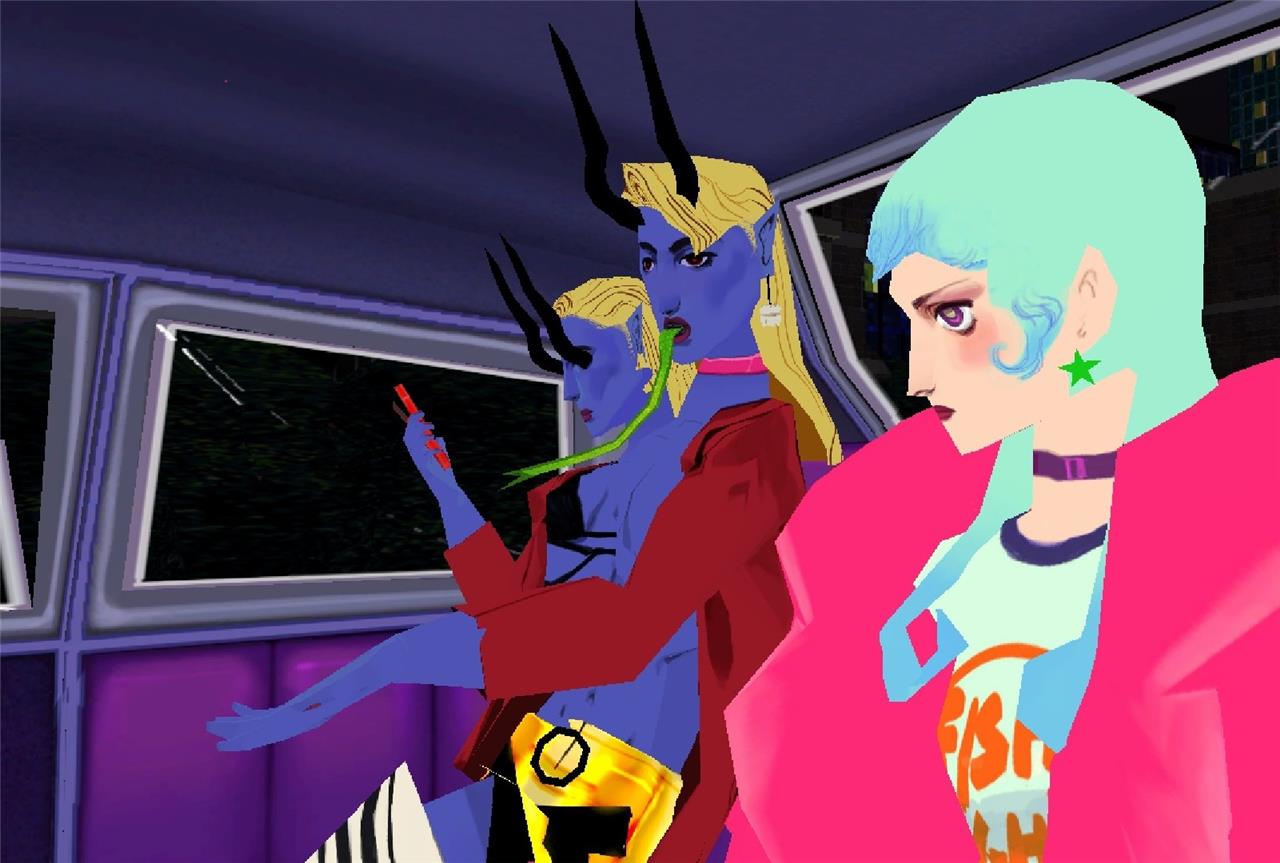
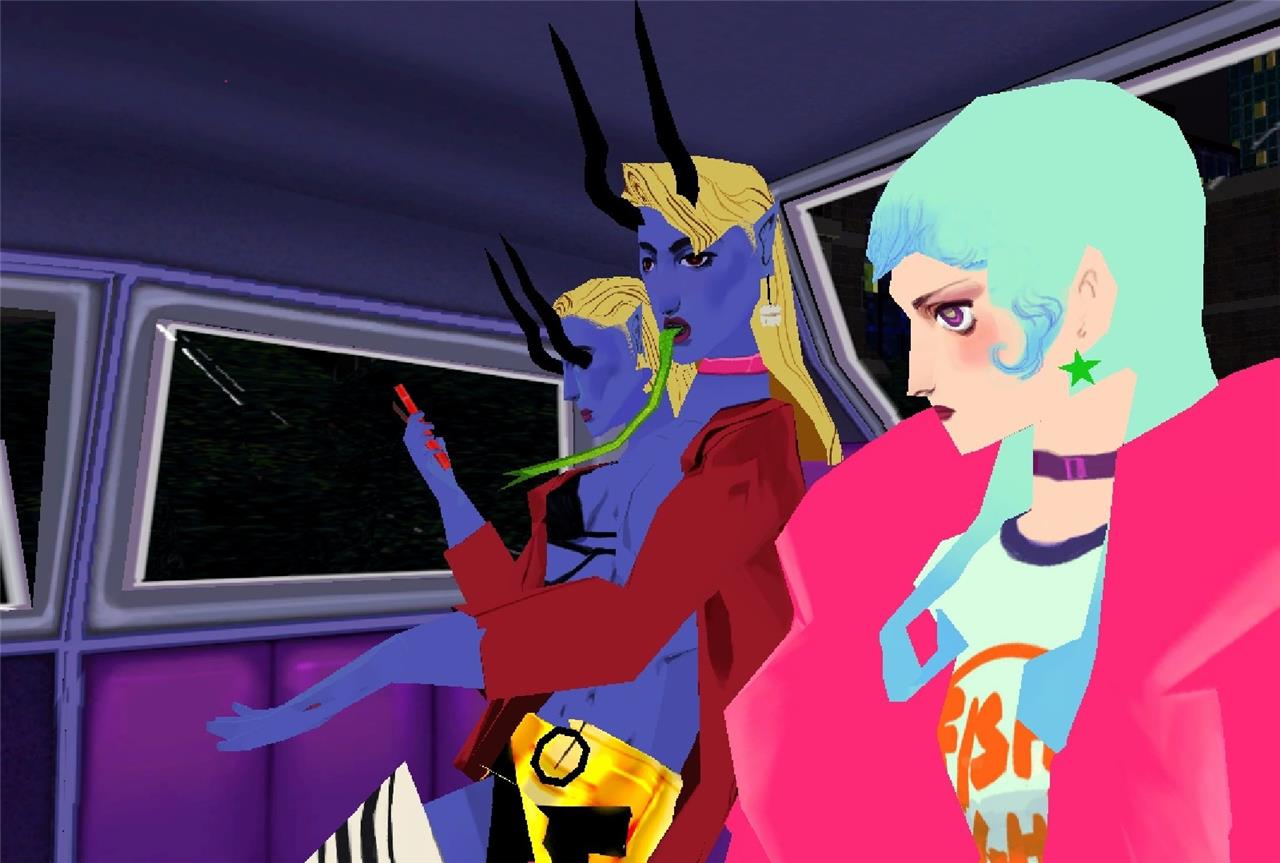
I had no idea what I was getting into when I jumped into the world of Sorry We’re Closed, a narrative-driven survival horror adventure that pairs the grime and decay of Silent Hill with the stylish, sexed-up demons of Persona games. But the artists behind Sorry We’re Closed have managed to remix some of my favorite gaming memories into something unique and surprising.
That even includes pairing Resident Evil-style tank controls and fixed camera angles with arcade light-gun shooters. Somehow all of these disparate gameplay influences come together in a nearly magical way.
Read Article >
-

Mar 7
Cass Marshall
Knights in Tight Spaces is a fantastic follow-up to a deck-building delight
Knights in Tight Spaces is a fantastic follow-up to the deck-building delight Fights in Tight Spaces, evolving its core mechanics into a rich tactical roguelike set in a magical medieval world. It retains the rewarding and satisfying combat loop while introducing a party system, diverse character archetypes, and an expanded narrative scope filled with fantasy intrigue. The game’s strategic depth, stylish presentation, and challenging yet fair gameplay make each victory feel earned, providing a fresh yet familiar experience that builds confidently on its predecessor’s foundation.
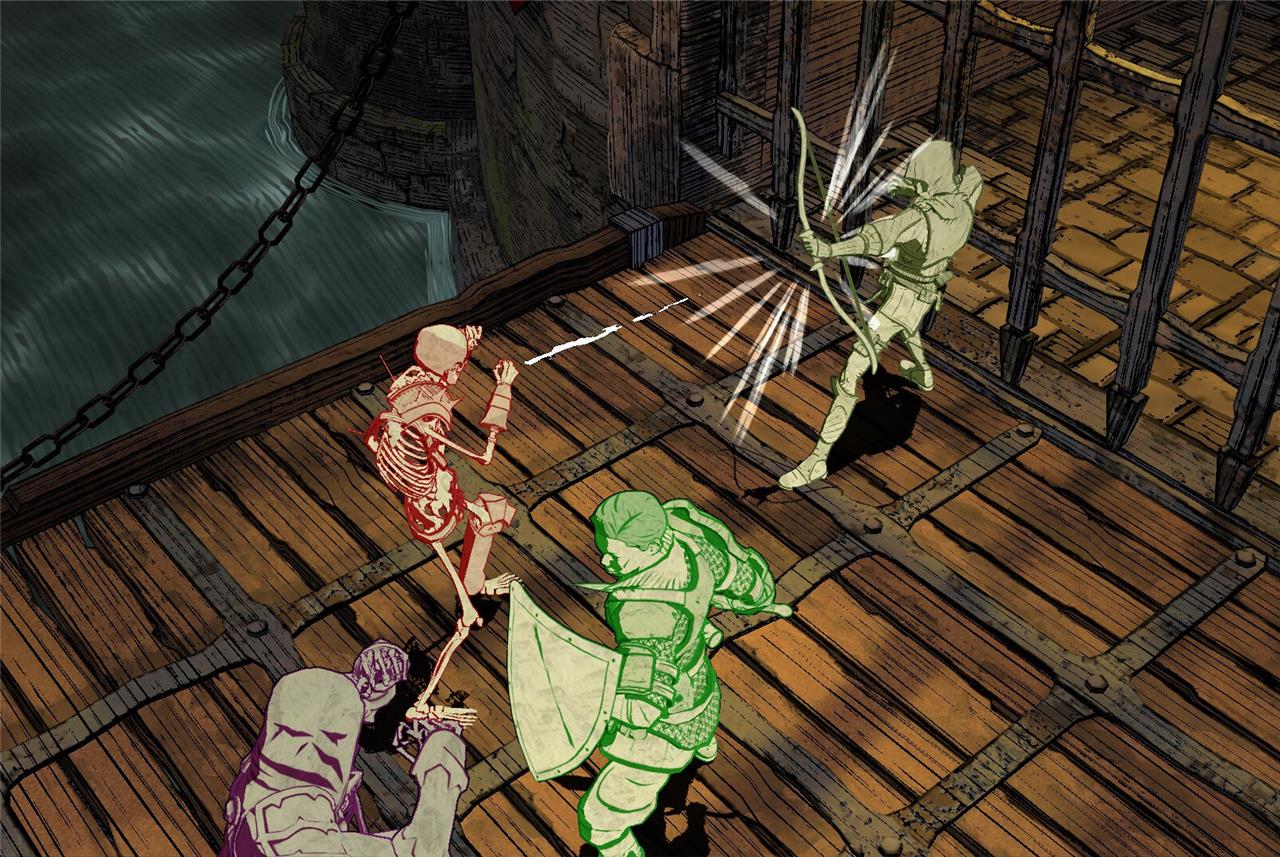
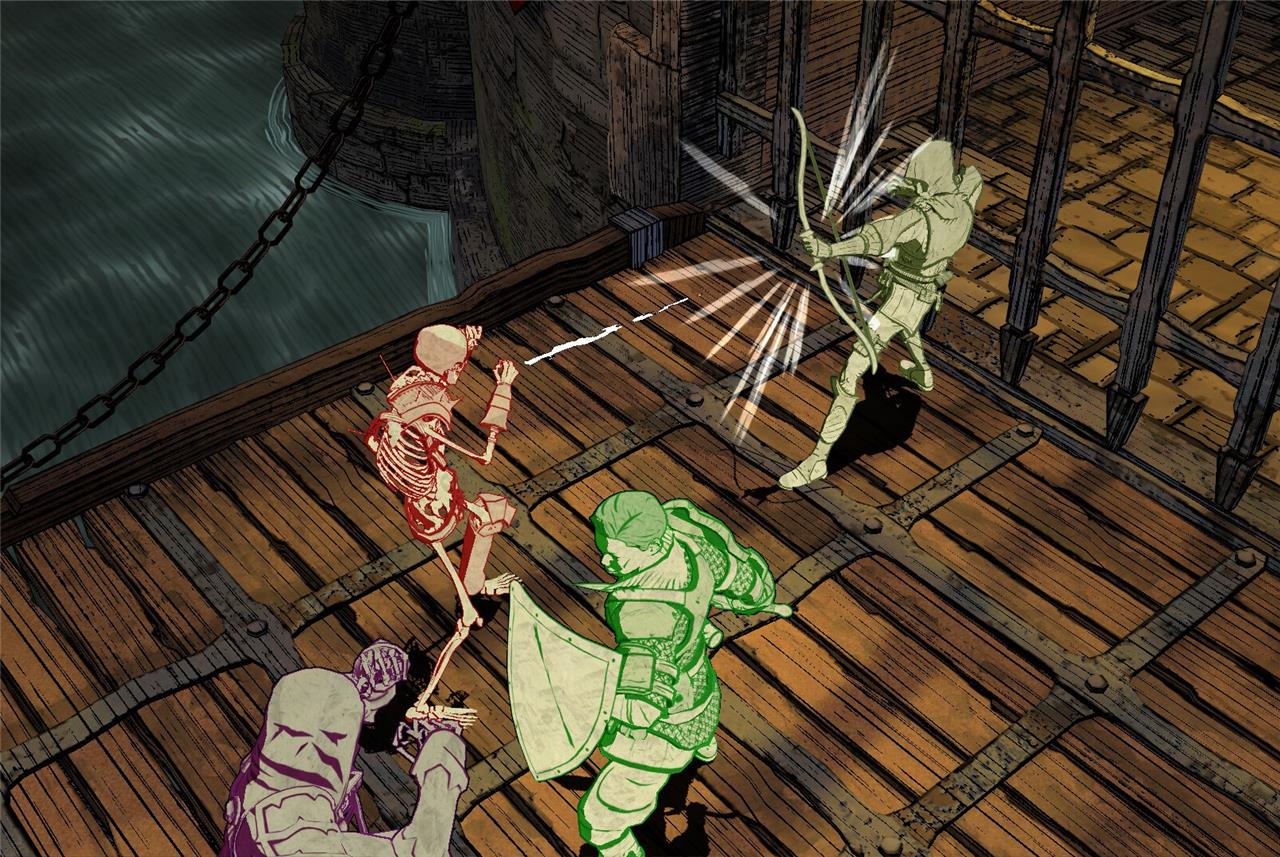
Knights in Tight Spaces is a roguelike deck builder with deep strategy, lots to unlock and explore, and a whole lot of style. The game is a successor to the 2021 title Fights in Tight Spaces, but while the original game was a modern spy thriller with a tightly focused combat loop, Knights in Tight Spaces sprawls out onto a much broader canvas, telling an epic tale of brawlers, wizards, necromancy, medieval conspiracies, and frantic hand-to-hand combat.
This is a sequel at its best: Knights has all the stuff I loved about Fights, but the developers at Ground Shatter seem far more confident in using the tools in their arsenal. Each battle takes place on a tight grid, and I have to carefully position my party, avoid dangers, pick up the occasional chest of loot, and ponder upon my strategy.
Read Article >
-

Mar 7
Oli Welsh
Atomfall mixes STALKER, Doctor Who, and Children of Men into a very British nuclear disaster
Atomfall artfully blends the atmospheric tension of STALKER, the enigmatic and time-bending elements of Doctor Who, and the dystopian mood of Children of Men into a uniquely British narrative centered around a nuclear disaster. Set in a quarantined Northern England following a fictionalized Windscale nuclear accident, the game captures a moody mix of Cold War paranoia, folklore, and survival, offering a compact yet dense exploration of a society unraveling in the shadow of catastrophe. This fusion creates a fresh take on post-apocalyptic storytelling infused with distinctly British cultural and narrative sensibilities.
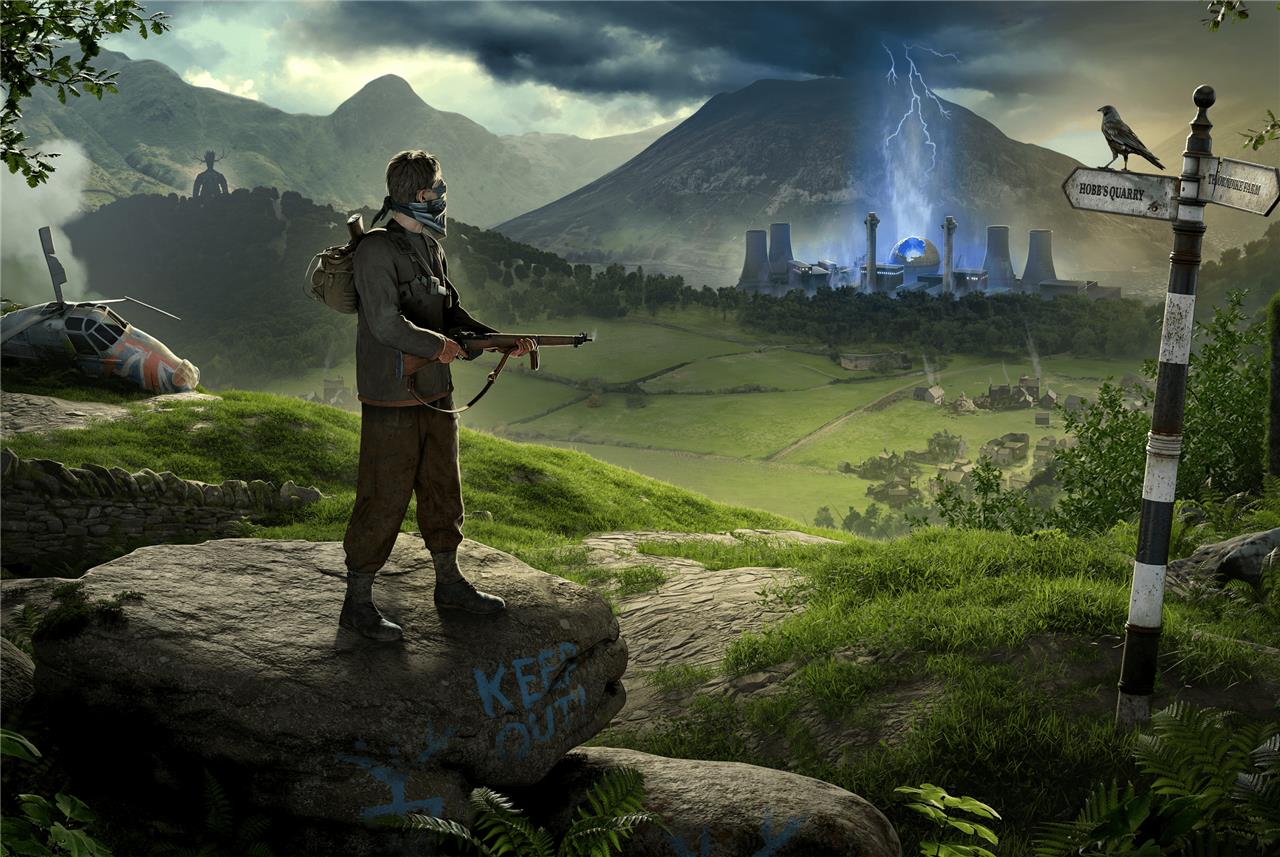
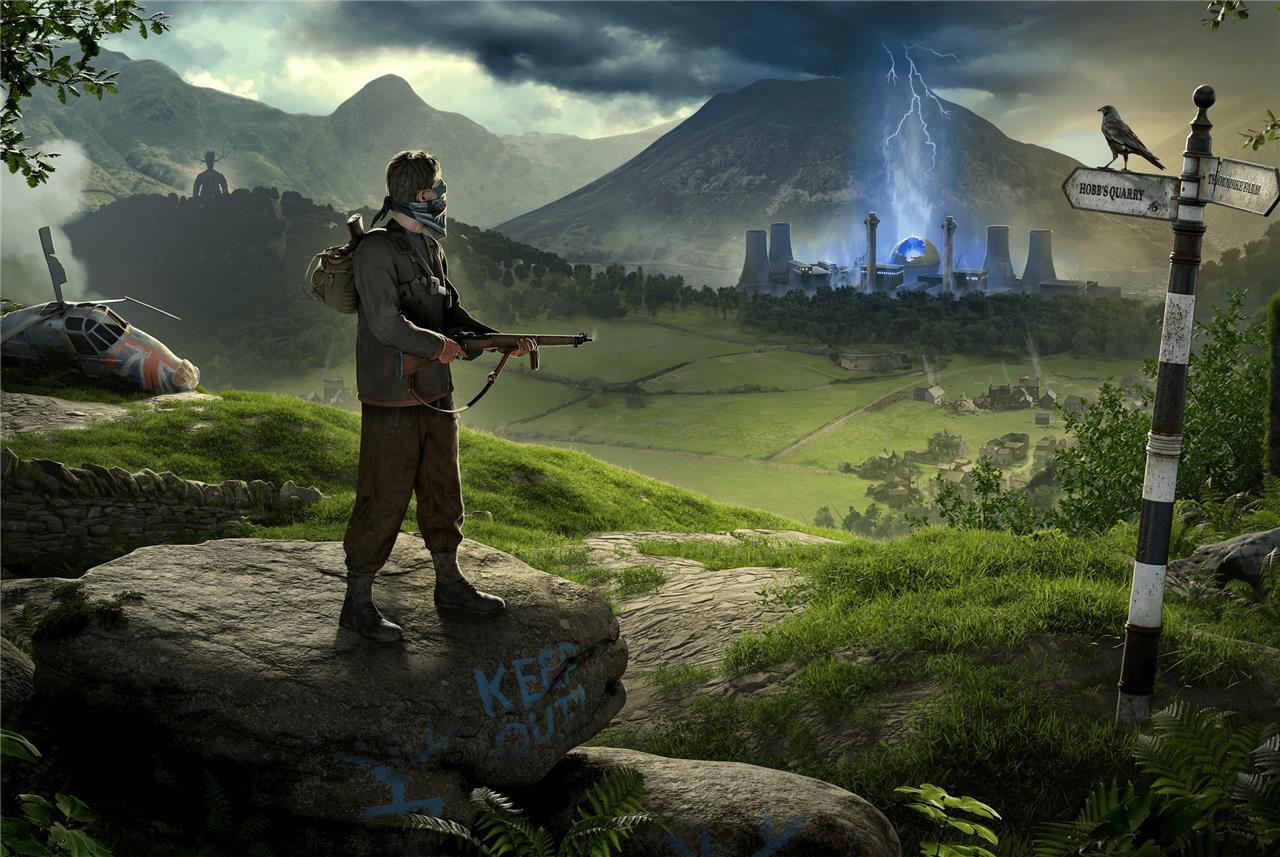
Atomfall, the new game from Sniper Elite developer (and 2000 AD owner) Rebellion, is set in the Lake District in northwestern England in an imagined version of the 1960s. It’s a world of stark mountains, creepy moorland, homely village pubs, and eccentric country folk. It’s also a quarantine zone where clanking, retrofuturistic mechs patrol a militarized town after a disaster at a local nuclear plant. Nearby, the remote forest is overrun by a lawless faction of druidic cultists. In other words, it’s Fallout, U.K. style.
Rebellion, always a cheerfully unpretentious studio, is happy to own up to this influence – among many others. According to head of design Ben Fisher, a soft-spoken Scot, the initial idea for Atomfall came from Jason Kingsley, who co-founded Rebellion with his brother Chris in 1992 and who is still its CEO. Kingsley – a history nut with a popular YouTube channel about medieval life, where he’s often found in full plate armor on horseback – wondered what it would look like to combine a popular strand of gaming with a dark footnote in postwar British history: a fire that ravaged the Windscale nuclear plant, situated on the edge of the Lake District National Park, in 1957.
Read Article >
-

Mar 6
Toussaint Egan
Surveillance capitalism collides with white-collar crime in this narrative strategy sim
In this narrative strategy sim, players experience a sharp collision between surveillance capitalism and white-collar crime, exploring themes of data exploitation, corporate manipulation, and ethical ambiguity. The game delves into how powerful entities use intrusive surveillance technologies and opaque financial schemes to maintain control and amass wealth, challenging players to navigate the complex interplay of digital capitalism and criminal behavior. This indie title stands out for its thought-provoking approach to contemporary socio-economic issues through immersive gameplay and storytelling.
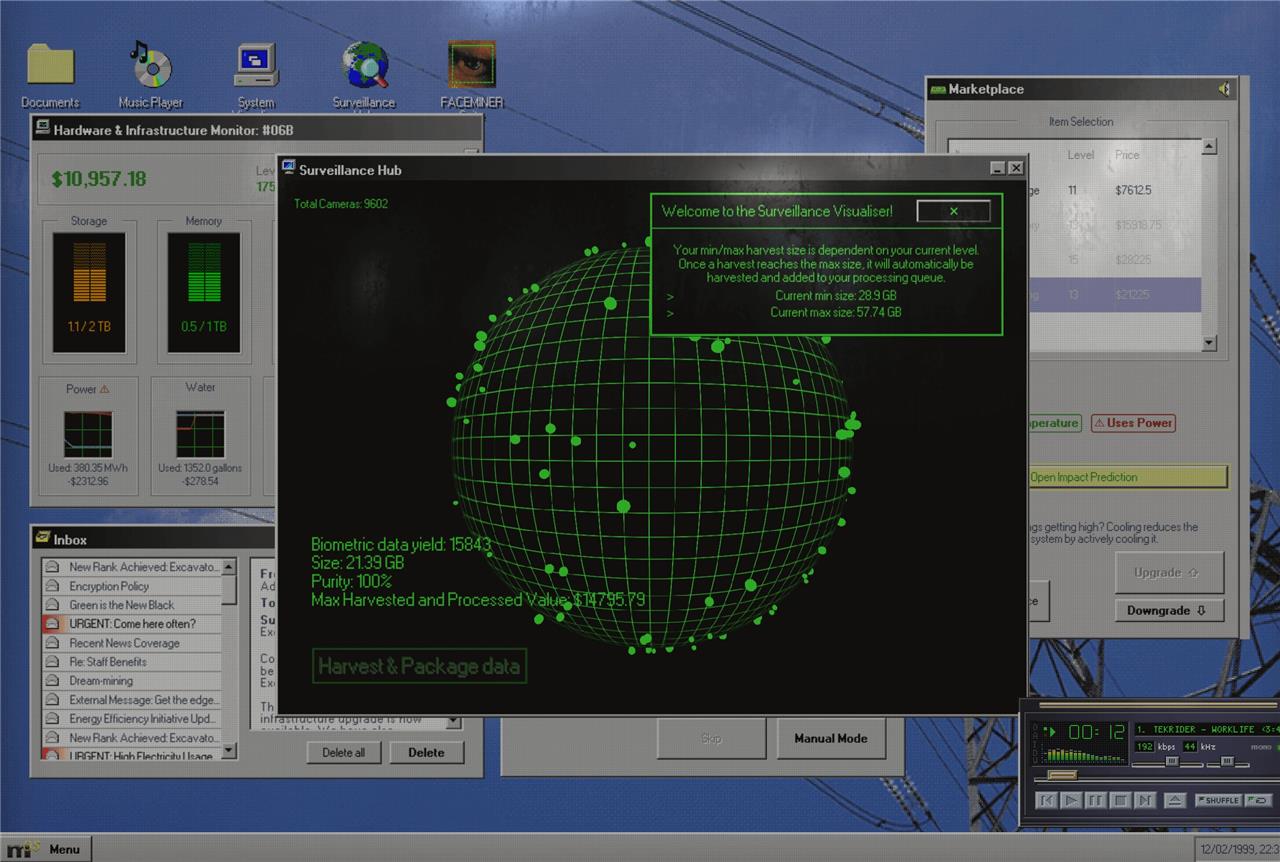
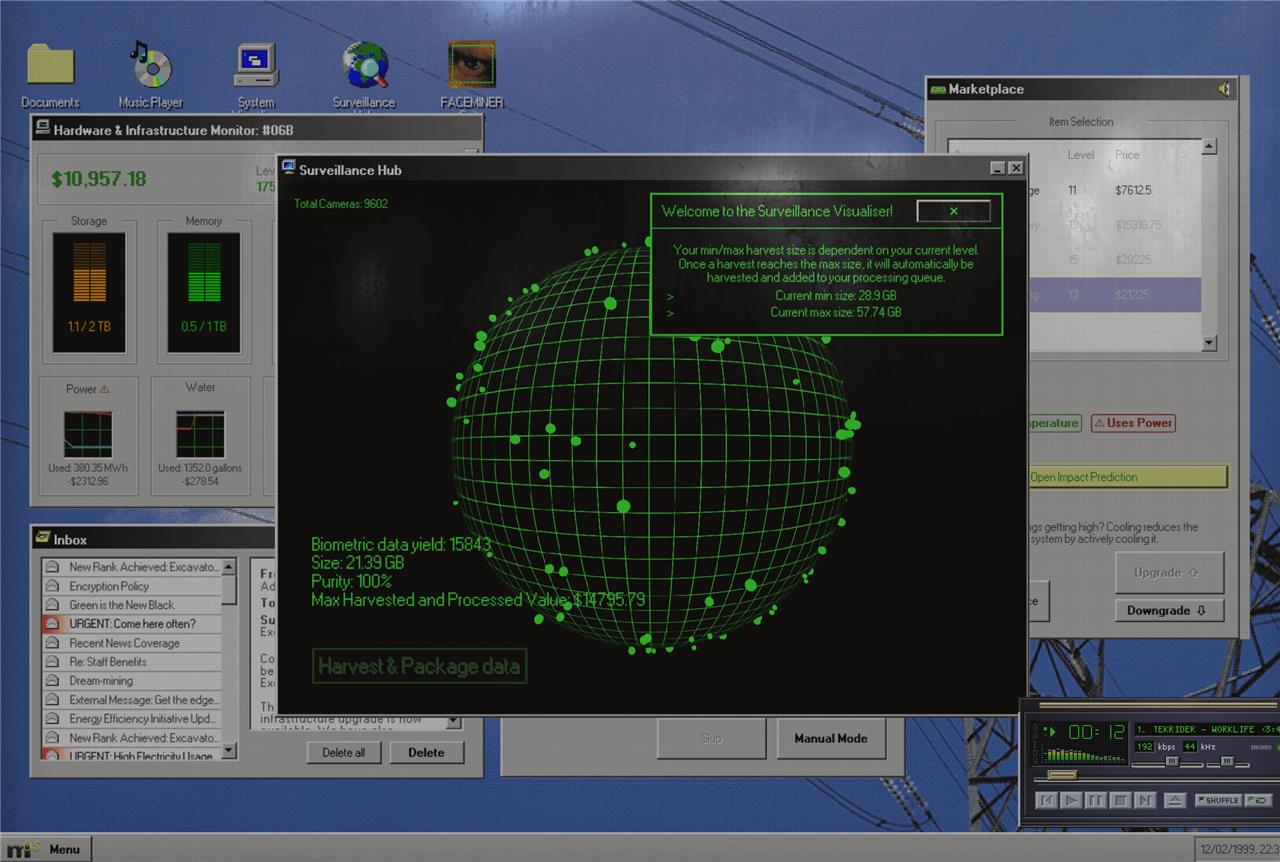
How much is your data worth? Do any digging and it’s not long before what at first seems a simple, straightforward question explodes into a pointillist web of factors well beyond the scope of common knowledge. The answer, however complex, can be made simple: It all depends on who wants to pay for it, and ultimately what it is meant to be used for.
Faceminer, an experimental narrative-driven management sim, implicates players in the high-stakes, high-reward world of mass data harvesting, having them pore over a seemingly endless swath of faces in the pursuit of nigh-unimaginable wealth. But just how much is wealth worth in a world on fire?
Read Article >
-

Mar 3
Petrana Radulovic
The best horror visual novel dating sim combo out there just got a massive update
The best horror visual novel dating sim combo of 2025 recently received a major update, enhancing its already unique blend of eerie atmosphere and romantic storytelling. This game, praised for intertwining eldritch horror elements with surprisingly heartfelt character relationships, allows players to navigate unsettling rituals while building bonds with otherworldly beings. The update brings new content and refined gameplay, deepening the immersion and emotional impact that made it stand out in the indie scene. Fans of both horror and dating sims will find this combination compelling and fresh, solidifying its place as a top indie title this year.
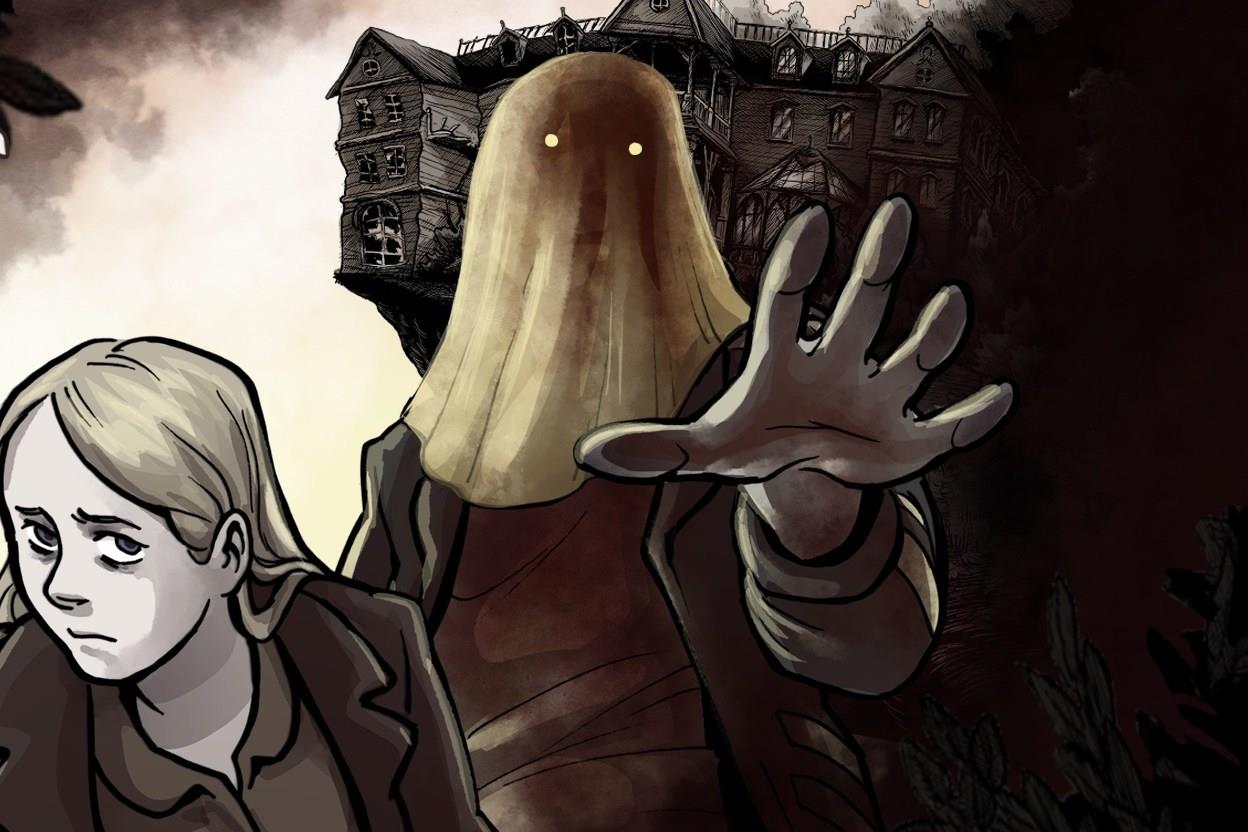
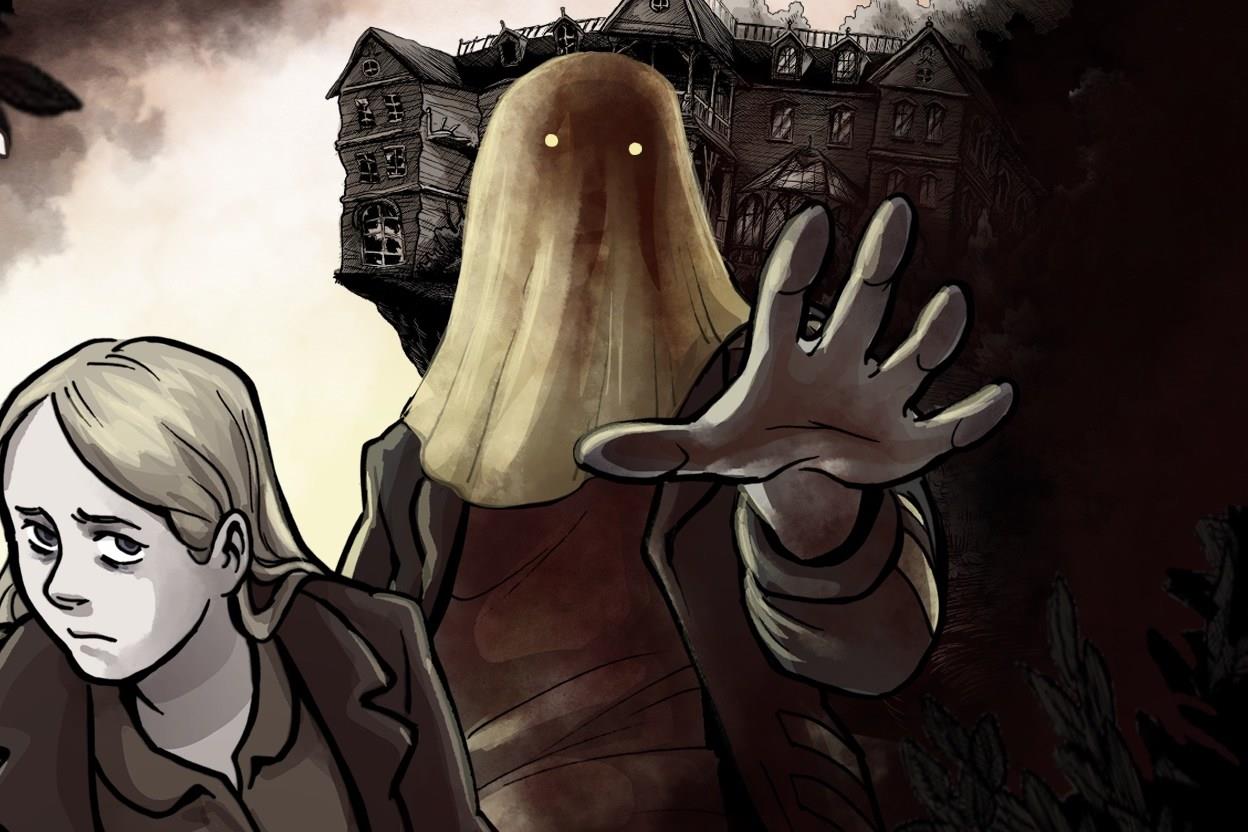
I picked up Scarlet Hollow, an early-access visual novel from Black Tabby Games, sometime last summer and I haven’t been able to stop thinking about it since.
Scarlet Hollow kicks off with your player-character visiting a long-lost cousin named Tabitha in a small, nearly rundown North Carolina town (which is called. you guessed it! Scarlet Hollow). It’s already a morbid affair since you’re in town for a funeral, but each day brings a new, increasingly disturbing supernatural event, with a masked figure watching you from the shadows.
Read Article >
-

Feb 28
Zoë Hannah
In this post-apocalyptic farming sim, you must grow crops to survive
In this post-apocalyptic farming sim, survival hinges on your ability to cultivate crops amidst a devastated world. Players must carefully manage scarce resources and adapt to harsh environmental challenges to grow their food and sustain life. The game blends the quiet, methodical pace of farming with the urgency of a world rebuilding from ruin, offering a unique and immersive experience in the farming simulation genre.
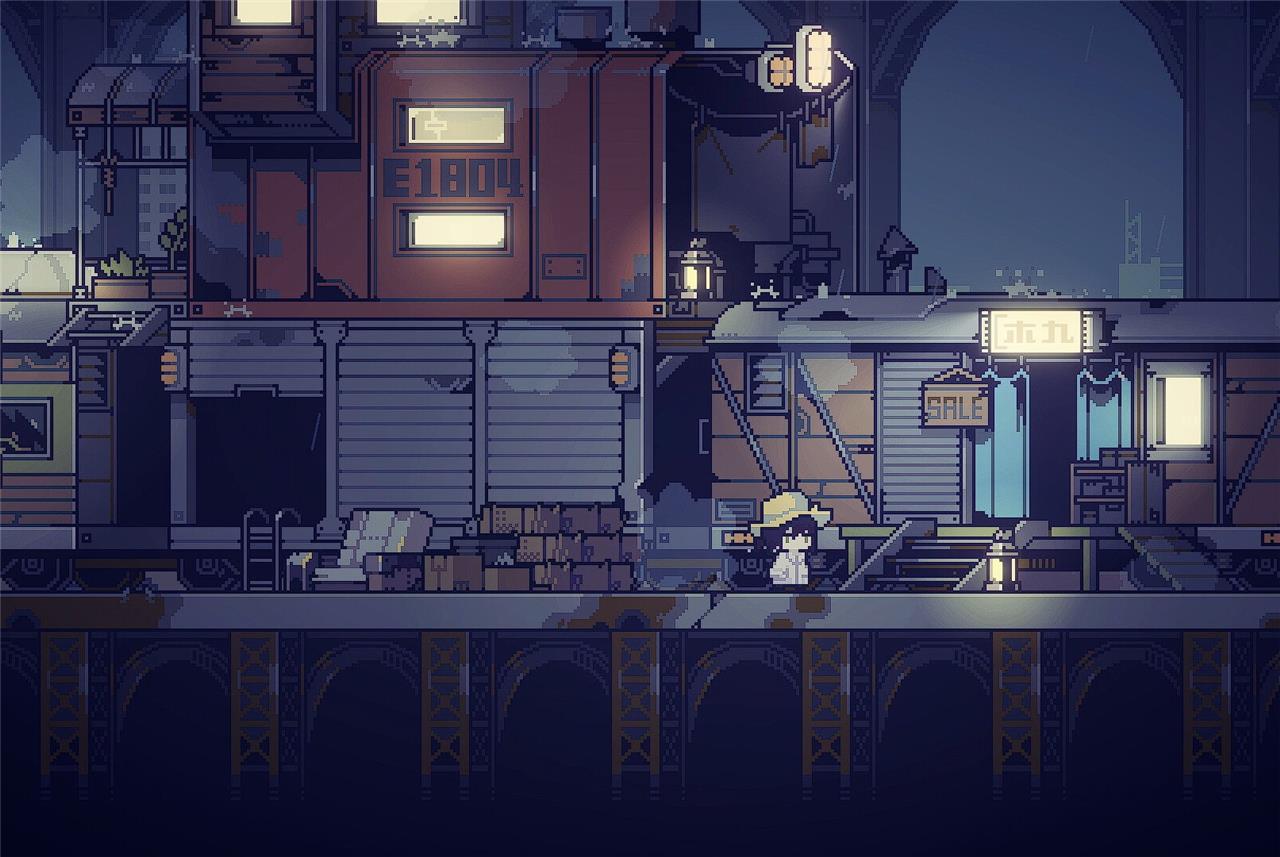
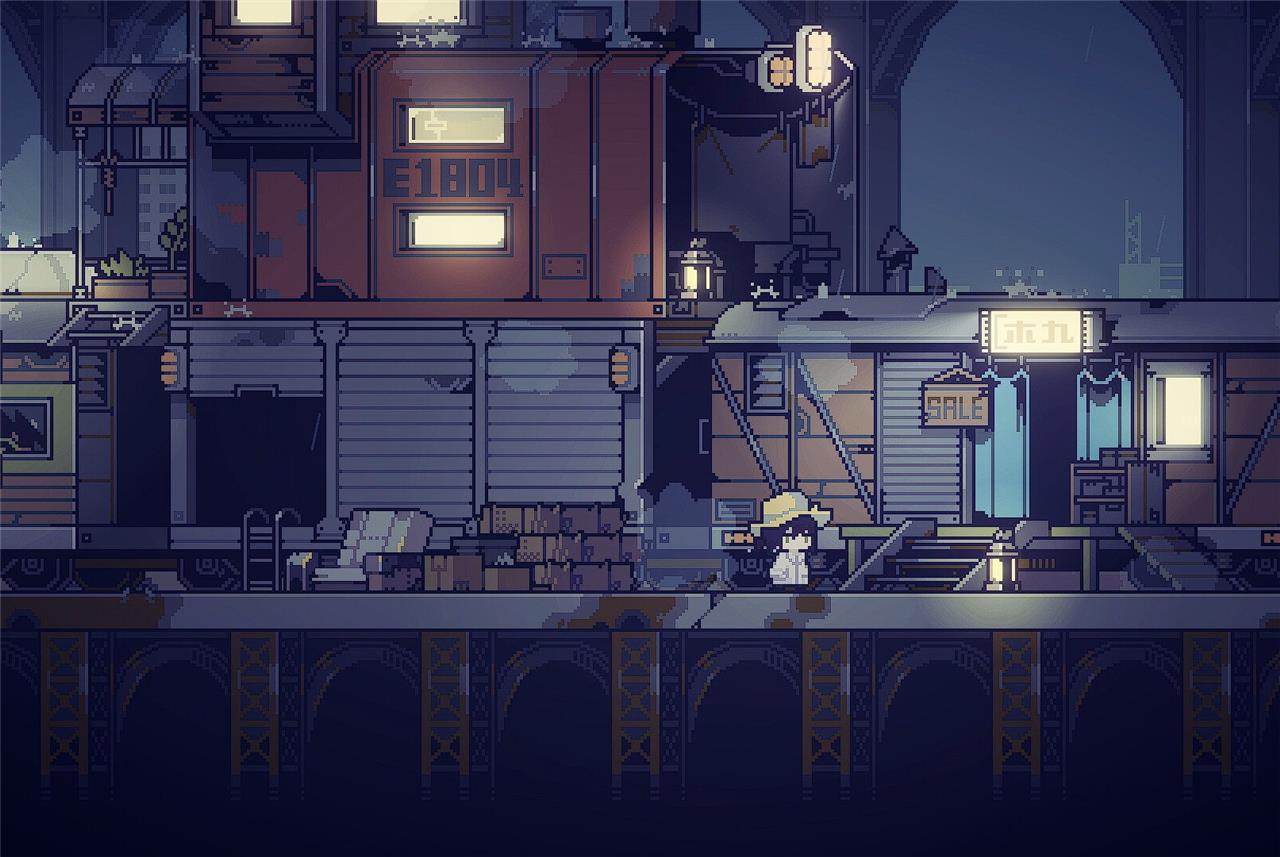
It’s not all about living up to grandpa’s legacy in this farming simulator. In fact, grandpa’s probably long gone, because in this post-apocalyptic farming sim, your neighbors are the folks who live in the trailers and shipping containers near your tent. This is Doloc Town, a community that’s grown out of necessity during life after the end of the world. Here, your crops are your contribution to the town’s survival – some residents cook, some catch fish, some build new infrastructure. You farm crops and become the town’s source of food, delivered by your drone, of course.
The free demo for Doloc Town, developed by RedSaw Games Studio, is available to play through Steam Next Fest from Feb. 24 to March 3. In the demo, you learn the mechanics of the farming sim with a refreshing sense of trust in the player’s knowledge of the genre – the gameplay is self-explanatory and typical, but the setting and story make it a fresh addition to the genre. There’s a cast of neighbors to meet, all of whom hint at the town’s troubled past surviving a falling society and standing up to an authoritarian regime of some sort. I haven’t quite figured out the plot, but that’s not a bad thing; I just want to play more Doloc Town.
Read Article >
-

Feb 28
Cass Marshall
I had a blast in Neighbors: Suburban Warfare, a chaotic and colorful PVP game
Neighbors: Suburban Warfare is a chaotic and colorful team-based PvP game set in the seemingly idyllic 1950s-inspired suburb of Heartsville. Players pick from eight quirky neighbors, each with unique abilities, and engage in frantic battles to defend their own house while trying to destroy essential objects like TVs and beds in their opponents’ homes. The gameplay is a wild mix of slapstick humor and inventive mechanics, using everyday household items-such as frying pans, rolling pins, and even weaponized bird poop-to wage wacky combat. With multiple game modes, base-building elements, and a vibrant aesthetic, the game offers nonstop suburban mayhem and endless fun as players build defenses, set traps, and launch absurd attacks in a frenetic fight for neighborhood supremacy.
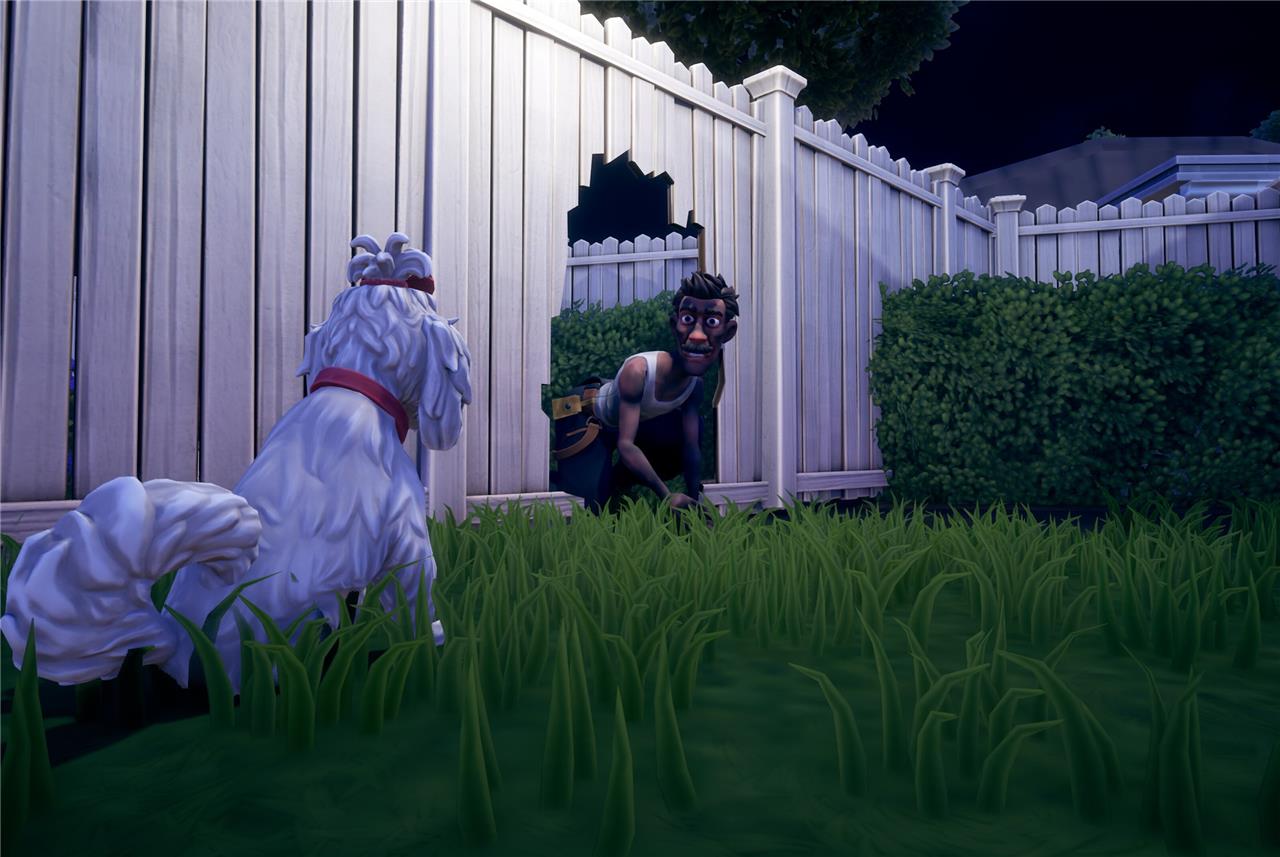
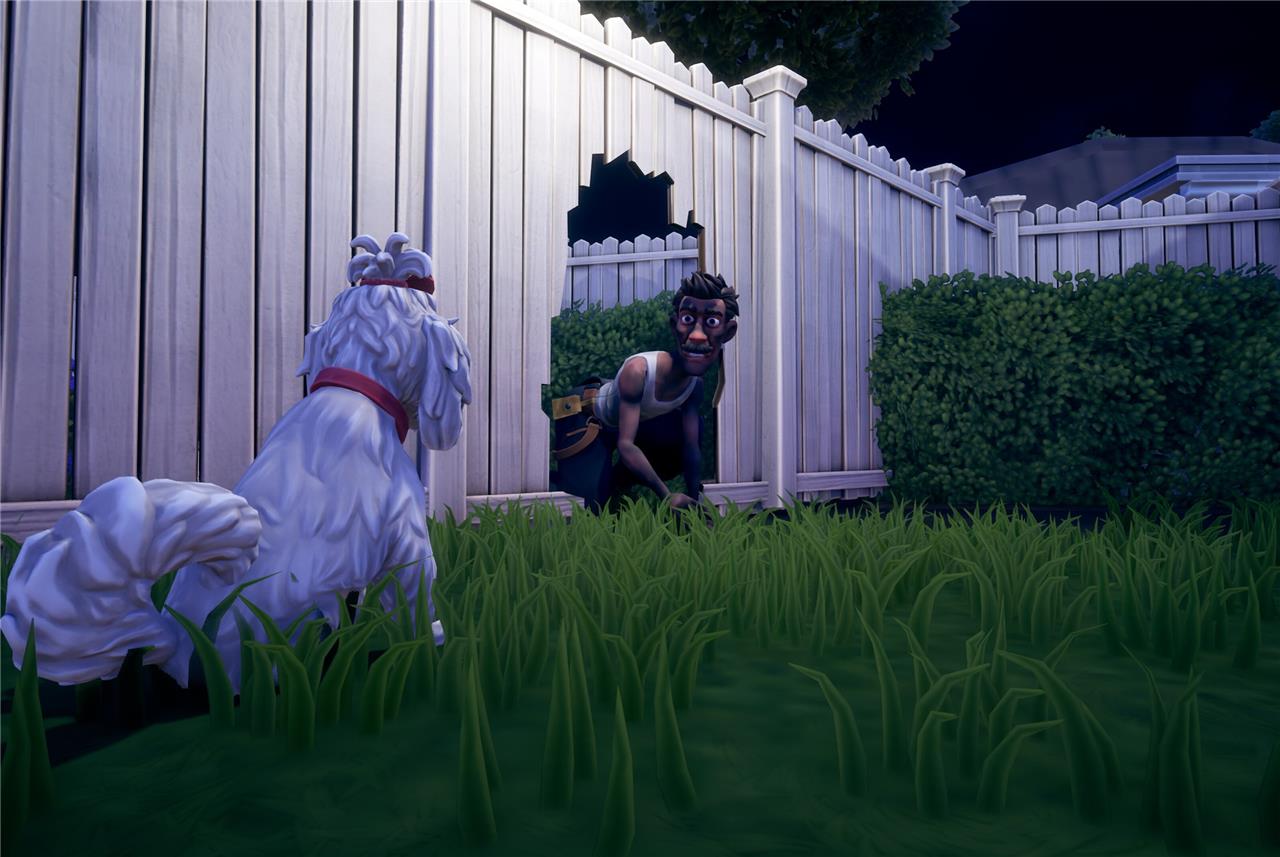
Growing up in the suburbs outside of Toronto, I quickly learned how serious a matter like an overgrown lawn or late night tunes can become. There’s nothing more terrifying than the shadow of an active homeowners association. An upcoming multiplayer game takes that threat a step further, pitting two crews of suburbanites against each other and adding a heavy dose of Looney Tunes-style cartoon violence. Neighbors: Suburban Warfare is like Rainbow Six Siege, but with the tacticool military edges filed off.
I sat down with developer Invisible Walls for a couple of rounds of, well, suburban warfare. Each team has a house to defend, with a television, toilet, bed, and oven. In order to win, you must destroy the other team’s objectives while defending your own. Of course, this is easier said than done. Your team can barricade windows, set up traps, or simply pummel enemies into unconsciousness to defend their turf.
Read Article >
-

Feb 28
Oli Welsh
What’s more fun than crawling dungeons? Designing them first
Few things are more satisfying to gamers than tackling the hazards and surprises of a good dungeon crawl, but an even deeper thrill awaits those who craft the challenges themselves. Several standout indie games this year have let players step into the designer’s shoes-piecing together labyrinthine corridors, fiendish traps, and unique encounters for others to explore. These dungeon-building adventures merge creativity with cunning, rewarding you not just for your strategic mind in combat, but for your inventiveness in world-making-a trend that continues to energize the indie scene in 2025.
Into the Restless Ruins is a roguelike deckbuilder in which. no, wait, come back!
I get it, it can be hard to overcome your cynicism when faced with the conjunction of “roguelike” and “deckbuilder”, the two most pervasive buzzwords in indie gaming – especially in the wake of such perfect expressions of the form as Slay the Spire and Balatro. And it’s true that Into the Restless Ruins, which is currently available to play as a Steam Next Fest demo, isn’t trying too hard to differentiate itself with its pixel art and its dungeon-crawling premise. But it has one new idea, and it’s a really good one.
Read Article >
-

Feb 27
Oli Welsh
Mindwave builds thrillingly on a Nintendo masterpiece
Mindwave electrifies the indie scene by taking clear inspiration from Nintendo’s classic WarioWare formula and transforming it into something truly its own. Built around rapid-fire microgames that escalate in intensity, Mindwave doesn’t just pay homage; it reinvents the genre with clever narrative framing, personalized challenges involving branching conversations, and a strikingly original visual style. Critics have praised how it “builds a tribute to the great GBA game up into something new,” delivering a fresh and exhilarating experience for both Nintendo fans and newcomers alike.
I’ve said it before: Nintendo’s WarioWare, Inc.: Mega Microgames! for Game Boy Advance is one of the all-time greats. The 2003 minigame compilation is an absurdist deconstruction of gaming itself, and an irreverent, scattershot creation that stands as perhaps the most punk-rock thing Nintendo has ever done. But while the masterpiece prefigured everything from the 2000s casual gaming boom to the coming mobile gaming revolution, it’s seldom been imitated, except by its own (still going) series of sequels. Until now.
Mindwave, a (very successfully) Kickstarter-funded game by HoloHammer, is an explicit tribute to the first WarioWare, from its overall anarchic presentation down to the coarsely digitized sound of the “yeah!” sample that greets a successfully completed microgame. It’s also doing its own thing.
Read Article >
-

Feb 27
Pete Volk
The Executive’s spoonerisms bring silly joy to a fun movie-studio sim
The Executive delights players with clever, often laugh-out-loud spoonerisms that thread a layer of playful absurdity through its deeply strategic movie studio sim. By jumbling celebrity names and film titles in silly, unexpected ways, the game sidesteps licensing issues while flooding your production meetings with giggle-worthy puns. This quirky wordplay, pairing perfectly with a robust business management core, creates an atmosphere where every deal and Oscar campaign is as likely to amuse as to challenge, making The Executive a uniquely fun standout among this year’s indie offerings.


There’s a long history of games using. let’s say creative solutions to get around licensing problems. This is especially true in sports games: Baseball video games long had to figure out alternatives to superstar Barry Bonds, who famously refused to license his name and likeness for games. (It’s the same for football games and coach Bill Belichick.) College sports games stopped entirely because they were sued after using players’ likenesses while substituting in fake names. (The situation is different now.) The Pro Cycling Manager franchise slightly alters the names of cyclists it doesn’t have the rights to – Remco Evenepoel becomes Remi Edendoel, Julian Alaphilippe becomes Jules Alaphilipi, etc.
But there’s a new game out there with a delightfully silly approach to this problem: spoonerisms.
Read Article >
More Stories
Most Popular
The first half of 2025 has already seen an impressive lineup of indie games capturing players’ attention. Popular titles like “Discounty,” which offers a unique take on capitalism and community, and action-packed adventures such as “Slime Heroes” have quickly gained a following. Story-driven games like “Wanderstop” and “Camp Sunshine” combine narrative depth with immersive gameplay, while inventive titles like “Music Power Up” and “Blue Prince” showcase artistic creativity and innovative mechanics. Additionally, fan favorites from previous years like “Dead Static Drive” continue to generate excitement, making 2025 a standout year for indie game enthusiasts. These games represent a diverse range of genres and styles, highlighting the vibrant creativity within the indie gaming scene so far this year.
- Final Destination: Bloodlines directors say IMAX viewers will get a version no one else will ever see
- The Pokémon Fossil Museum is coming to the US, you’re gonna want to get tickets
- Nintendo’s redesign of Diddy Kong is so much better
- Minecraft finally adds saddles as a crafting item, and it’s only been 15 years
- Disco Emperor Palpatine is here
Which indie game of 2025 surprises me the most so far
The indie game that seems to surprise players the most in 2025 so far is Tears of the Moon, a free prequel RPG made with FromSoftware’s 25-year-old game-making toolset. It has been praised as a top game of the year, offering a challenging and satisfying dungeon-crawling experience that has pleasantly caught many off guard. Additionally, Ruffy and the Riverside stands out for its inventive “swap” mechanic that lets players copy and paste textures to solve puzzles in a vibrant, hand-drawn 3D platformer world, drawing attention for its creativity and fun gameplay. These titles exemplify the innovative spirit that makes 2025’s indie scene so exciting.
What makes FlyKnight stand out among 2025 indie games
FlyKnight stands out among 2025 indie games for its unique concept and polished execution as a first-person co-op Soulslike where you play as a fly knight battling through dungeons to lift a witch’s curse. Its blend of old-school graphics, fast-paced and engaging combat, and quality-of-life improvements like visible loot and convenient checkpoints make it highly enjoyable. Beyond combat, it offers activities like fishing, secret discoveries, and character customization, enriching the gameplay experience. Originally a game jam project, its evolution into a full game with a compelling story, cooperative multiplayer, and replayability at an affordable price has earned it strong praise and a dedicated following.
