
If you’re ready to dive into the chilling and captivating world of Stephen King but don’t know where to start, this guide is your perfect map. From the haunting debut Carrie to the psychological terror of Misery and the supernatural dread of Pet Sematary, discover the essential reads that will grip you from page one and introduce you to the master of horror storytelling. Whether you prefer standalone thrillers or are curious about King’s sprawling universes, these picks will help you unlock the magic and menace of his legendary works.
A lot of horror fans discover Stephen King on their own, pretty early in their lives, if only because it seems like he’s always in the news over one release, adaptation, event or another. Take the most recent batch of King-related screen projects, for instance. Oz Perkins’ goofy, gory short-story adaptationThe Monkey is in theaters as of this writing. Midnight Mass creator Mike Flanagan is working on an adaptation of King’s Dark Tower books, and has another movie adaptation, The Life of Chuck, coming to theaters in June. Scott Pilgrim vs. the World director Edgar Wright has his own King adaptation, The Running Man, coming in November. King himself has a new novel, Never Flinch, coming in May, and a children’s picture book with Where the Wild Things Are author Maurice Sendak set for release in September. And at any given moment, there are at least half a dozen new movies or TV shows based on King’s work in development somewhere.
This level of cultural saturation can be intimidating when it comes to taking a first step with a creator – and so can King’s massive back catalog of work, which at this point includes more than 60 novels and more than 125 short stories over the past 50-plus years. But for King fans, that library isn’t intimidating – it’s exciting, once you start reading him and realize There’s a whole library of books out there that are this immersive, expressive, and hypnotic. Here’s how to join the tribe.
Where should you start reading Stephen King?
When starting to read Stephen King, it’s best to begin with some of his standalone novels that offer tight, impactful stories without overwhelming length. Recommended entry points include The Shining, Pet Sematary, and Misery, which showcase King’s mastery of horror and suspense in a concise format. For those interested in short stories, collections like Night Shift or Skeleton Crew provide a great introduction to his style with varied and compelling tales. While popular epics like The Stand and It are highly acclaimed, they are lengthy and may be better saved for after you’re familiar with King’s writing. Beginning with shorter works or early novels like Carrie can help new readers ease into his vast and interconnected universe before tackling his more complex series or longer books.
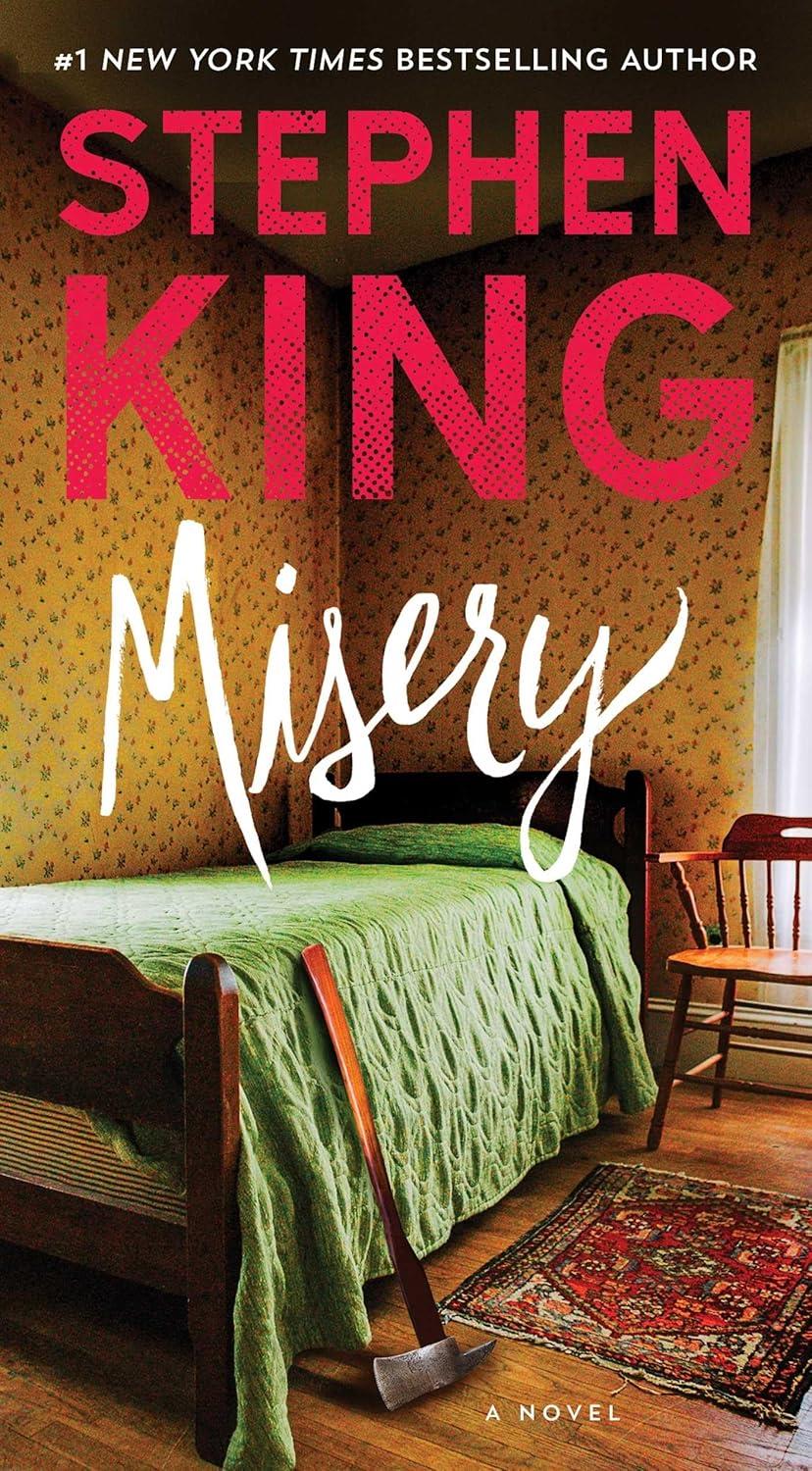
There are a lot of potential jumping-on points for King’s work, depending on whether your horror-hyphenate tastes lean more toward fantasy, crime drama, modern-day thriller, supernatural terror, or a specific, familiar horror trope, like ghosts, vampires, or werewolves. But if you really want the purest King experience, you’ll get it in the neatest, most efficient package with Misery, his 1987 novel about a popular writer who falls into the hands of his self-proclaimed “biggest fan,” who demands he revive her favorite character and write her a new installment of her favorite series – on pain of worse things than death.
King has always put a lot of himself into his work. A lot of his protagonists are writers or other creative types, a lot of them struggle with addiction as he famously did early in his career, and a lot of them live in his home state of Maine. When he was hit by a van and nearly killed in 1999, he wrote the event into several of his stories, even showing up as a character himself late in his Dark Tower books, where his characters intervene to save his life.
And yet Misery still comes across as his most directly personal work, because it’s so clearly about a writer struggling with what made him famous and what he’d rather be known for, with the disjunction between what he wants and what his fans want, and with the existential writers’ problem of having to be creative on demand for a judgmental audience, or lose everything. Putting his protagonist, novelist Paul Sheldon, at the mercy of mentally ill fan Annie Wilkes lets King explore the feeling of writing, from the first genesis of an idea to the development process to the sensation of completion, and it’s easy to imagine him writing much of the book directly from his own experience.
That dynamic keeps Misery insightful and engaging, and lets it feel like a real window into King’s head. But what makes it such a breathless, streamlined read is the fact that it’s demonstrably set in the real world. There are no world-spanning fantasy settings to establish, no suspension of disbelief to overcome around boogeymen and monsters and magic. Annie Wilkes isn’t scary because she has supernatural powers, she’s scary because she has simple, real-world power over Paul, and because she’s a classic entitled, toxic fan.
Misery was written before the internet-era phenomenon of noisy, demanding, eternally angry fandoms dominating online discussions, but Annie is still a recognizable and fairly believable type, particularly in her conviction that her tastes are sacrosanct and no one else’s opinions matter. Add in the addition of absolute control over Paul’s life, no barriers about what she’s willing to do to him, and Misery is an efficient encapsulation of a writer’s nightmare. Its twists are surprising and authentically frightening.
King is known for his narrative sprawl and large, carefully realized casts in doorstop books like IT or The Stand, but Misery focuses tightly on two characters locked in mortal combat, with nothing but a typewriter and a shared story as a barrier between them. It’s the most pared-down version of King in thriller mode.
Stephen King’s Misery
$13$1932% off $13 $13 at Amazon$18 at Bookshop.org$17 at Barnes & Noble
Next steps
Once you’ve chosen your first Stephen King book, the journey doesn’t have to stop there. Consider exploring his works by publication order to watch his style evolve, or dive into specific genres and themes that interest you, from classic horror to coming-of-age tales and even fantasy epics like The Dark Tower series. Many readers also enjoy picking up his acclaimed novellas or nonfiction, such as On Writing, for a different perspective on his craft. No matter your approach, King’s vast and varied bibliography ensures there’s always a new story waiting to surprise you-so keep reading, and let your curiosity guide your next steps into his universe.
If you like Misery, there are a lot of different directions to go from there. If you’re a short-story fan, I’ve always held that Skeleton Crew, the collection featuring some of King’s all-time greatest shorter works (including “The Mist,” which ends very differently from Frank Darabont’s movie version) is an efficient introduction to his range: It includes science fiction, a few poems, some creature stories, some “people are scarier than monsters” stories, and my personal favorite King story, the endlessly nasty “Survivor Type,” about a man stranded on a tiny, barren island with nothing to eat but. himself. And he makes a pretty good go of it.
If you’re just into King for the horror aspect, The Shining tops most ranked lists of his scariest books – and once again, it’s strikingly different from the best-known movie adaptation, directed by Stanley Kubrick. (Which King often reminds audiences of when trashing Kubrick’s movie – though King’s “approved” TV adaptation is a horrendous mess that undermines everything that works in the book.) As a novel, The Shining is a master class in dread and foreshadowing, a steady pileup of threatening events that turn a family’s retreat to a snowed-in hotel for the winter into an exercise in slow-burn horror, right up to the explosive ending.
If, on the other hand, you want to see more of King’s range through his novels, he’s jumped genres often in his career, and his bibliography is full of distinctive one-off projects that make him particularly enjoyable to explore. The Eyes of the Dragon is pure dark fantasy, set in a world of castles, kingdoms, and dragons. The Stand is an epic exercise in reshaping our familiar world into a place where stark, symbolic good-versus-evil battles can take place: It starts as one of his more grounded, real-world novels, until a pandemic sweeps across the globe and remakes it in a new form. He’s done memorable takes on the time-travel story (11/22/63), the creepy shop that sells people whatever they want but exacts a terrible price (Needful Things), and of course, the “monster that turns into whatever you fear most” trope (IT).
<
One of his sleekest and most absorbing recent novels, The Outsider, is also a contender on his “scariest” list, and it’s much more of a police procedural than a classic horror novel, even though it is built around an impossible monster out of folklore. And while The Outsider stands on its own extremely well, anyone who enjoys that cops-and-monsters mode can explore the rest of the series around it, centering on neuroatypical amateur (and eventually professional) sleuth Holly Gibney. (Wicked star Cynthia Erivo plays her in Max’s adaptation of The Outsider, which is both one of the more faithful King-to-screen adaptations, and one of the more thoughtful and well-realized ones.)
Finally, if you polled 20 King fans about their favorite of his works, you’d probably get at least a dozen answers, especially if you took his most famous, most discussed books off the table. My personal favorite – the only one I routinely pick up and reread on a lark – is The Long Walk, originally published in 1979 under the pseudonym Richard Bachman, during an era when King was experimenting to see whether his writing could still find an audience without his famous name attached.
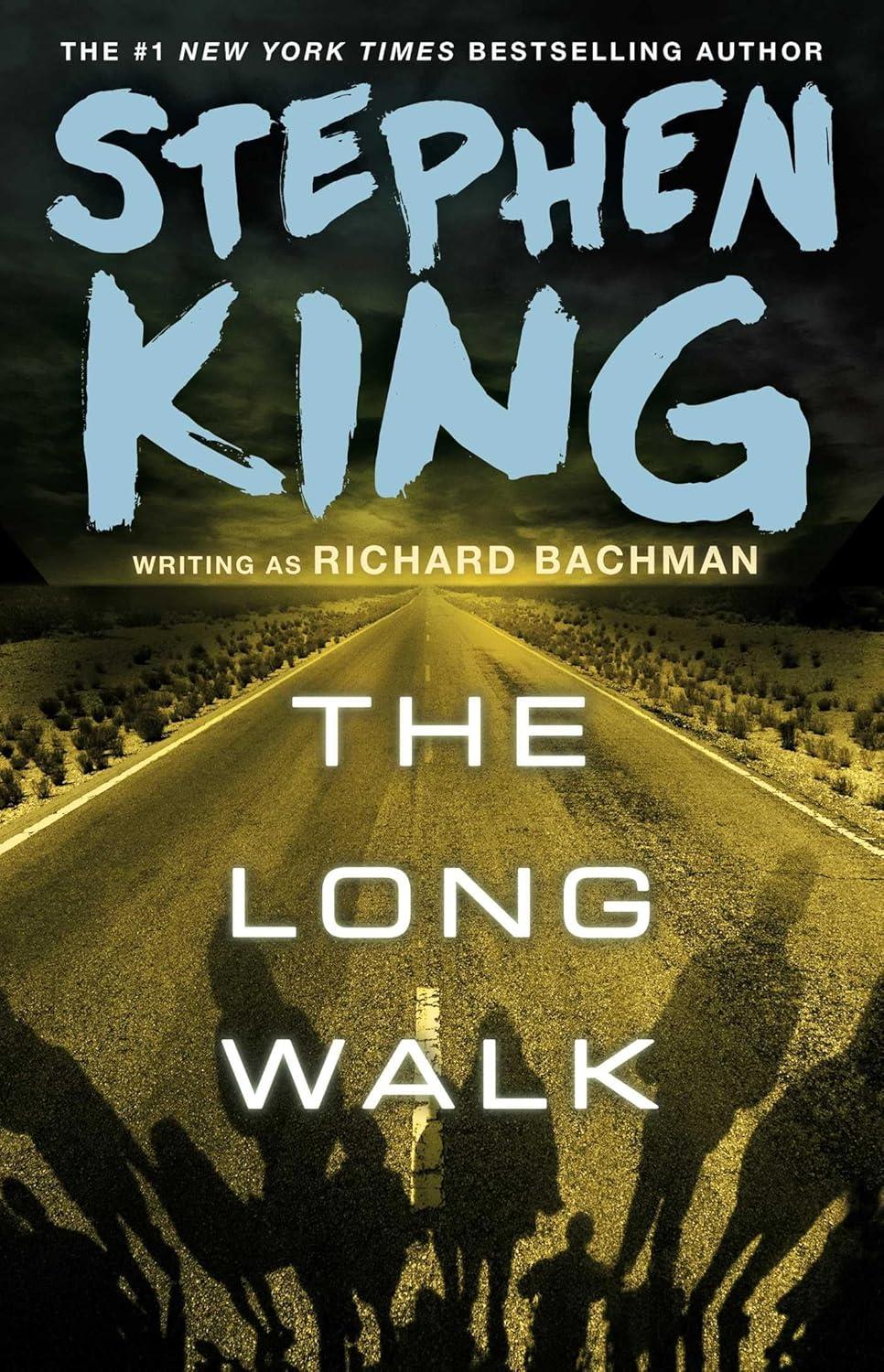
The Long Walk is another horror story without even a hint of the supernatural, a dystopian-future tale about an annual contest where a hundred teenagers set off walking together, accompanied by a cordon of soldiers who shoot anyone who drops below a certain speed. The final survivor gets to ask for anything he wants.
Long before Suzanne Collins’ The Hunger Games turned dystopian futures and teen survival contests into an international trend, The Long Walk zoomed in on the mindset involved in this kind of fatal contest – why young men would volunteer for it, and what the experience would be like. It’s another efficient, well-described exercise in doom, dread, and inevitability, a propulsive and immersive experience in falling into the head of someone going through a terrifying and inescapable experience.
But that’s something all of King’s best books share – a strong sense of perspective and a close attention to small, realistic detail. It’s easy to get swept up in his stories because they simultaneously move so fast and make space for convincing, close world-building and character-building. If you’re just getting started with him now, you have a fun time ahead of you. King has often described how readily and completely he falls into writing, and how the world falls away in the process. Reading his best work is often exactly like that as well.
Which Stephen King book is the best starting point for horror newcomers
For newcomers to Stephen King’s horror, The Shining is widely regarded as the best starting point. It masterfully blends psychological suspense with supernatural horror, telling the story of Jack Torrance and his family isolated in the haunted Overlook Hotel, where dark forces and madness take hold. The novel is more terrifying than its famous film adaptation and showcases King’s peak storytelling ability, making it an excellent introduction to his style and themes.
Why is *The Shining* considered the best Stephen King book for horror newcomers
The Shining is considered the best Stephen King book for horror newcomers because it expertly combines psychological suspense with supernatural horror, creating a deeply immersive and terrifying experience that is both relatable and chilling. The story focuses on Jack Torrance, a flawed but sympathetic character battling addiction and personal demons, which grounds the horror in human nature as much as in supernatural forces. The setting of the isolated, haunted Overlook Hotel adds a claustrophobic atmosphere that intensifies the suspense and fear, making it a masterclass in horror storytelling. Additionally, the novel explores themes of family, addiction, and fear with rich character development, making it accessible and emotionally engaging for new readers. Its reputation as a “final exam on horror” and its influence on modern haunted house tales further cement its status as an ideal entry point into King’s work.
