
A new chapter in the Avatar saga is unfolding with Avatar: Seven Havens, where the legacy of Korra casts a long shadow. Set in a world shattered by a catastrophic event, a young Earthbender discovers she is the new Avatar-but unlike her predecessors, she is seen not as a savior, but as humanity’s destroyer. Hunted by enemies from both the human and spirit realms, she and her long-lost twin must unravel their mysterious origins and protect the last bastions of civilization. This dark twist on the Avatar mythos challenges everything fans thought they knew, as Korra’s controversial decisions continue to ripple through the world.
Avatar: Seven Havens is set in a world shattered by a devastating cataclysm. A young Earthbender discovers she’s the new Avatar after Korra – but in this dangerous era, that title marks her as humanity’s destroyer, not its savior. Hunted by both human and spirit enemies, she and her long-lost twin must uncover their mysterious origins and save the Seven Havens before civilization’s last strongholds collapse.
The show isn’t expected to come out till next year, so that’s the extent of what we know for now. But because we’re totally normal about the Avatar world here, we’re going to read into every single word of this three-sentence synopsis.
The new Avatar is dealing with the ramifications of a “devastating cataclysm” and battling “spirit enemies.” Considering that the open portals to the spirit world was one of the big lingering threads from The Legend of Korra, I believe that something with the spirit world has gone very wrong.
Wait, remind me what happened at the end of The Legend of Korra?
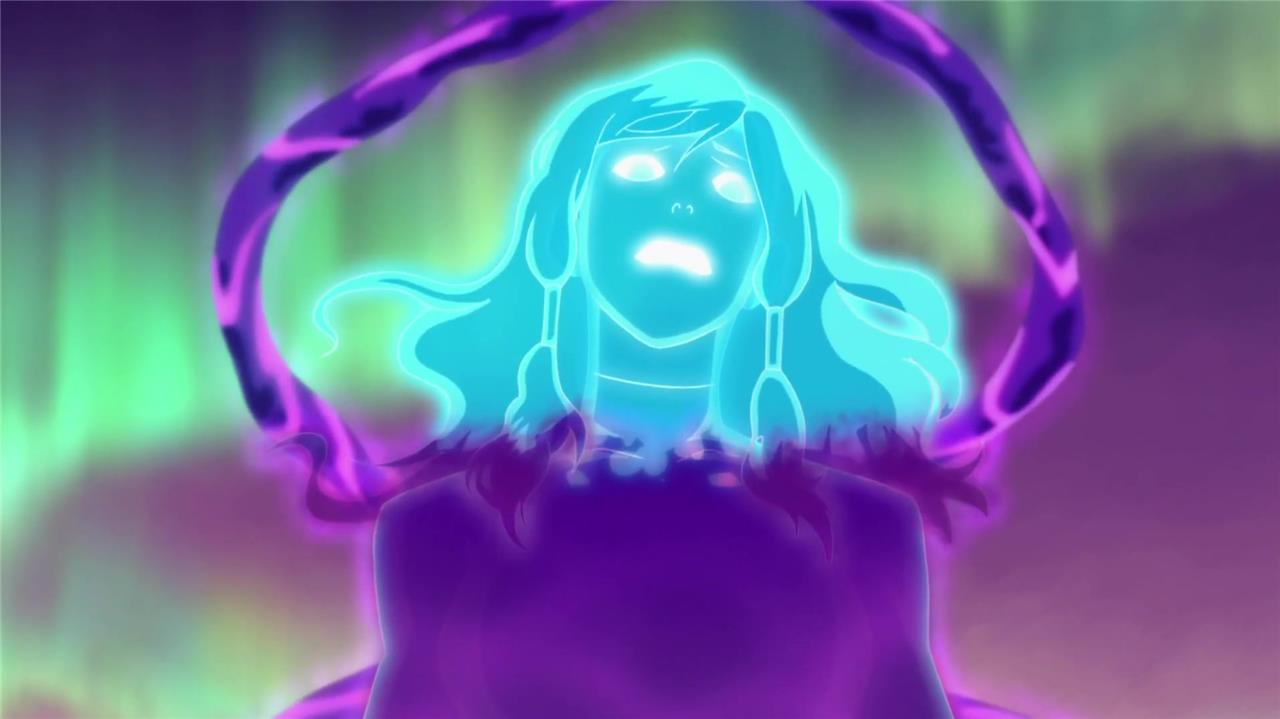
At the end of The Legend of Korra, Korra defeats Kuvira, who had been attacking Republic City with a giant mecha. During their final confrontation, Korra steps in to protect Kuvira from a powerful spirit gun blast, triggering the Avatar State and creating a new portal to the Spirit World in the city. Korra and Kuvira enter the Spirit World, where Korra understands Kuvira’s motivations and convinces her to surrender, ending the conflict. Following this, Prince Wu dissolves the Earth Kingdom’s monarchy, moving toward a republic, and the series concludes with Korra and Asami deciding to explore the Spirit World together, implying the start of their romantic relationship.
The second season of Korra was all about big spirit battles, as Northern Water Tribe chief Unalaq tried to release Vaatu, the spirit of darkness and chaos, and reopen the portals to the spirit world. While Korra thwarted his plans to fuse with Vaatu, she did decide to keep the spirit portals open, which allowed spirits and humans to freely move between worlds for the first time.
The biggest ramification of Unalaq’s whole “bring the spirit world back” campaign was a bunch of people – including extremist Zaheer – getting airbending powers. And Zaheer’s mission against the Avatar meant that Korra had a bit more of a direct problem to deal with than the longer-term effects of opening the spirit portals back up.
But the synopsis for Seven Havens could mean that something big happened with the spirit world that no one could have predicted. And the challenge will be even juicier for this new Avatar, because she won’t have the connection to the spirits of the past Avatars (well, except for Korra, probably). In the battle with Unalaq, Raava, the spirit of light and peace that resides in all Avatars, was temporarily destroyed. When she came back and re-fused with Korra, the Avatar cycle was restarted – but all connection to the previous Avatars was lost.
So, did Korra fuck up?
Korra’s journey as the Avatar was marked by significant mistakes that shaped her story and the world around her. Among her most notable errors were opening a new spirit portal under Unalaq’s influence, which unleashed dark spirits and disrupted the balance between worlds, and losing her connection to past Avatars, which weakened the guidance available to future Avatars. She also faced criticism for selectively restoring bending abilities, rushing into battles unprepared, and personal missteps like disobeying mentors and complicated relationships. However, these flaws also humanized her character, reflecting the immense challenges of her role as the Avatar in a complex, evolving world. Ultimately, Korra’s mistakes set the stage for the new Avatar’s story, highlighting the ongoing struggle to maintain balance in a changing era.
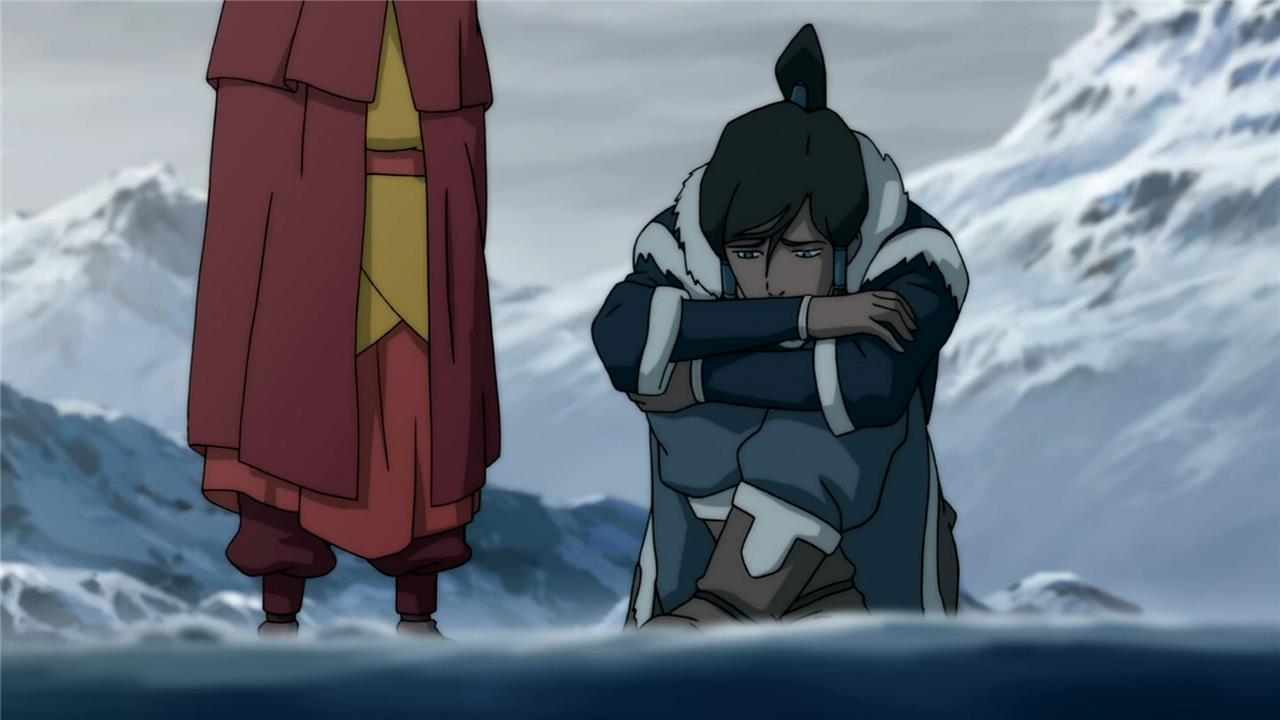
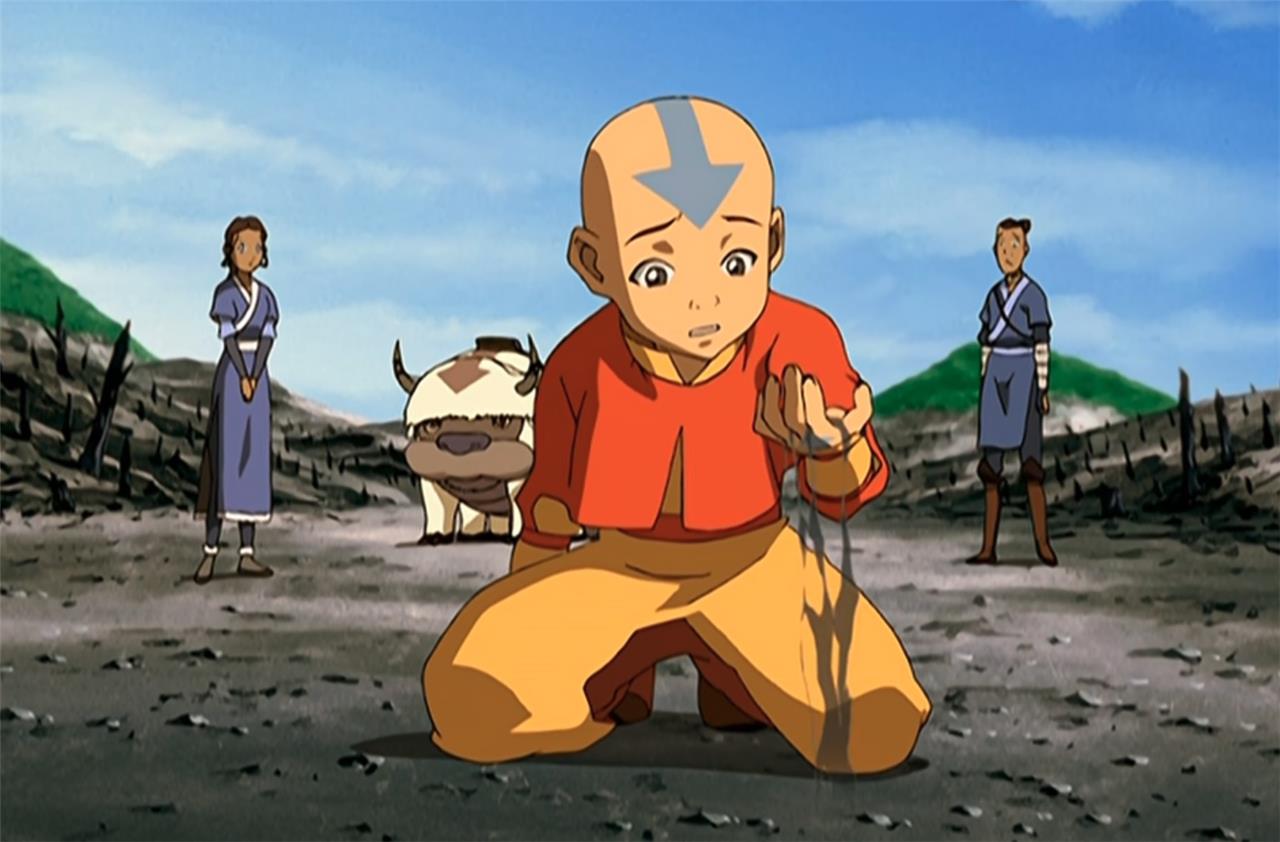
Maybe she did! Here’s the thing: Every single Avatar fucked something up. Yes, even Aang! After all, even though he stopped the Hundred Year War and helped rebuild, he neglected the spirit world, which in turn kicked off Unalaq’s whole “release Vaatu” schtick (which, in turn, led to the Water Tribe civil war). So if you really want to get technical, it was Aang who fucked up, but if you wanna get even more technical, it was Roku who fucked up before that by failing to stop Sozin, and if you wanna-
That’s exactly what makes the world of Avatar so rich. Everything has a cause and effect, and what was a good decision in the moment might have unintended consequences some decades later. As it turns out, being the human embodiment of light and peace, the bridge between worlds, and the keeper of balance is not an easy job, or one that you can really prepare your successor for.
Because of the nature of Avatar stories (the old one has to die before a new one arrives!), we get to see the world at different points in time – and if everything is totally hunky-dory because the previous Avatar was so perfect, then there’s no story! The rapidly expanding technological aspects of Korra’s world were a sharp contrast to Aang’s. It makes total sense that non-benders, who were particularly shafted in the Hundred Year War, would be investing in technology that would keep them safe and put them on equal playing fields with benders.
When it comes to Seven Havens, unless Korra died at a prematurely young age, the new show probably takes place at least in the real-world equivalent of the ’80s. (Korra’s technological equivalents put the show in the 1920s; Korra ends the show at age 18; if she lived to her mid-60s, like Aang did, that would put her death around the 1970s; I’m adding at least 12 years to that, since the new Avatar is probably at least Aang’s age, if not older. But there’s a ton of caveats here because Korra could’ve lived way longer and we don’t know how old the new Avatar is at the start of the show – ANYWAY). The last time we saw Korra, she and Asami were taking a much-needed break in the spirit world, leaving behind a human world now permanently merged with the spirit one. It’s possible that life when they got back wasn’t as hunky-dory as it appeared to be, and people didn’t acclimate as well as Korra hoped they would.
Regardless: The phrases “dangerous era” and “civilization’s last strongholds” indicate that it’s probably not all leg warmers and Walkmans; there appears to be a post-apocalyptic edge to this new era, less retro-future idealism and more Mad Max wasteland. And I, for one, am super excited to see what that means. I trust creators Michael Dante DiMartino and Bryan Konietzko to take the story in the most interesting direction possible. They haven’t steered us wrong yet.
How does the new Avatar series redefine the hero’s journey after Korra
The new Avatar series redefines the hero’s journey by presenting a world drastically altered by Korra’s legacy, where the next Avatar must navigate a post-apocalyptic landscape without the spiritual guidance of past Avatars. Unlike Aang’s era of hopeful pacifism or Korra’s struggle to balance tradition and change, this new Avatar faces the fallout of Korra’s actions-particularly the loss of connection to past lives-which leaves her isolated with only Korra’s experience to rely on. This marks a profound shift: the Avatar is no longer universally seen as a hero but as a figure blamed for catastrophe, forcing the new protagonist to forge a path in a world where the Avatar cycle itself has been fundamentally reset.
Korra’s journey served as a rebirth of the Avatar cycle, reopening the spirit portals and altering the Avatar’s role as a bridge between humans and spirits. The next Avatar must contend with the consequences of these upheavals, shouldering the burden of restoring balance amid chaos without the ancestral wisdom that once shaped the Avatar’s path. This creates a darker, more complex hero’s journey that challenges traditional expectations of the Avatar as a savior and instead explores themes of redemption, legacy, and survival in a fractured world.
How does the loss of past lives change the new Avatar’s hero’s journey
The loss of past lives profoundly changes the new Avatar’s hero’s journey by stripping away the accumulated wisdom, guidance, and spiritual support that previous Avatars relied on. Unlike Aang, who could consult multiple past lives for advice and perspective, the new Avatar can only access Korra’s experience, making her path far more isolated and challenging. This severance means the new Avatar must navigate complex spiritual and worldly challenges without the broad historical insight that once shaped the Avatar’s decisions, forcing her to develop her own understanding and strength independently.
This loss represents not just a practical handicap but a fundamental shift in the nature of the Avatar’s role. The connection to past lives traditionally provided a well-rounded perspective and spiritual mentorship, which helped Avatars balance their powers and responsibilities. Without it, the new Avatar faces a hero’s journey that emphasizes self-reliance, internal growth, and the forging of a new legacy amid uncertainty and adversity.
There remains potential within the story for the new Avatar to restore this connection through spiritual means such as meditation, spiritbending, or rediscovering suppressed memories within Raava, the spirit of the Avatar. Such a quest would add layers of complexity to the hero’s journey, blending internal spiritual struggle with external challenges and redefining what it means to be the Avatar in a changed world.
