
From high school mysteries to supernatural battles and tactical heists, the Persona series has evolved into a sprawling universe with 21 games and spinoffs across multiple platforms. Whether you’re a fan of turn-based RPGs, rhythm games, or strategic combat, this definitive ranking guides you through every Persona title-from the original 1996 classic to the latest tactical spin-offs-highlighting the best experiences for players on Nintendo, PlayStation, Xbox, and PC. Dive in and discover where each game stands in this beloved franchise’s legacy.
Over the years, especially with the release of Persona 3, the games adopted a calendar-based schedule focused on social outings and activities after the last classroom bell rings each day. It makes for a novel way of experiencing stories that are anywhere from the 60-hour mark to over 100 as you create bonds with characters, strengthening your combat abilities and feeding into your visits to dungeons.
With multiple re-releases, remasters, and spinoffs that run the gamut of genres, ranking them isn’t easy. First of all, doing so leads to the painful realization that some of these games are no longer available to purchase, unless you have older consoles at hand or the willingness to spend hundreds of dollars above MSRP on physical copies. If anything, the list below provides a history lesson on the versatility of the concept behind Persona, and everything that the series has left behind since its conception.
21. Revelations: Persona
Revelations: Persona, released in 1996, is the original game that launched the Persona series, a spin-off from the Shin Megami Tensei franchise. It follows a group of high school students who gain the power of Personas after a supernatural incident and must battle demons attacking their town. The game introduced core elements such as dungeon crawling, turn-based combat using Personas, and the Velvet Room, setting the foundation for the series’ blend of modern urban settings with supernatural themes. Its story branches into two routes involving a reality-altering machine and explores themes of inner darkness and self-discovery, making it a cult classic and the starting point for one of the most popular RPG franchises.
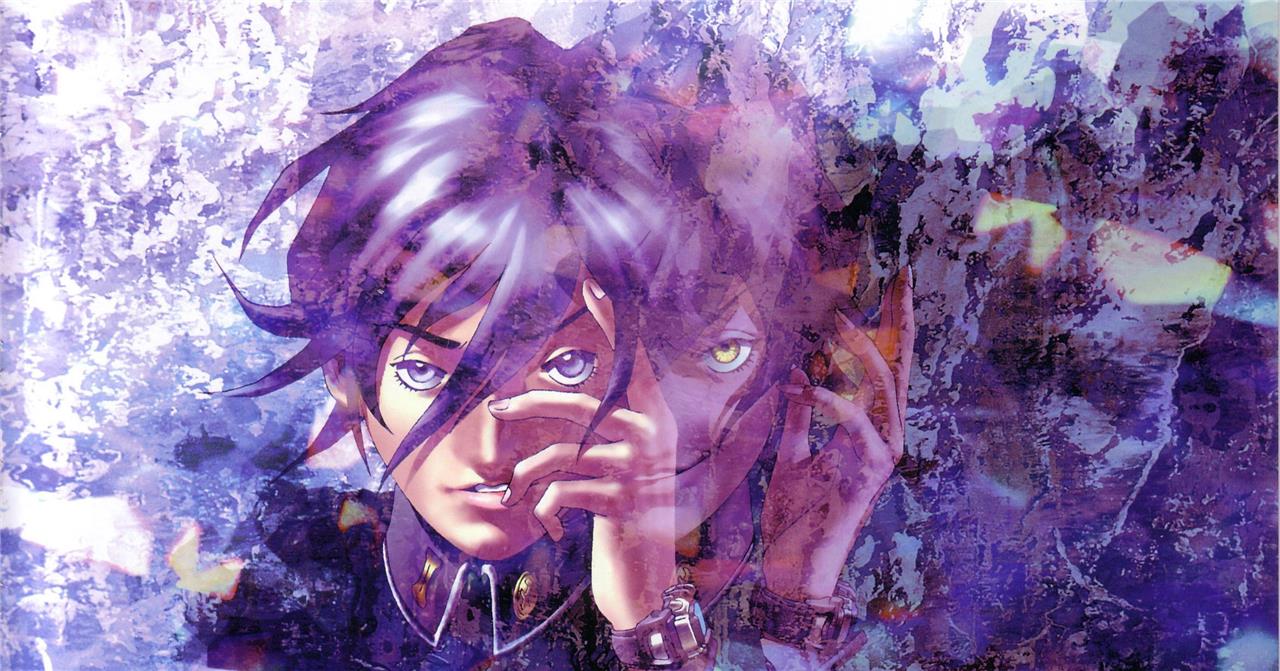
Where to play: Your best bet is a PlayStation Classic, which comes pre-downloaded with it
The ground zero for the series we know today. Revelations: Persona was released in Japan and North America for PlayStation 1 in 1996. It provides an obtuse but equally interesting early look at the concept of high schoolers fighting demons after departing from the Shin Megami Tensei mainline. Just keep in mind that it’s a time capsule in every sense. If random encounters and a confusing map aren’t enough to deter you, the characters’ baffling race-swapping and odd translation of the Western release might.
20. Shin Megami Tensei: Persona
Shin Megami Tensei: Persona, originally released in 1996 as Revelations: Persona, is the foundational entry of the Persona series, a spin-off from Atlus’ Megami Tensei franchise. The game introduced core elements such as a group of high school students wielding Personas-manifestations of their inner selves-to battle supernatural forces in the town of Mikage-cho. It combined dungeon-crawling RPG mechanics with a modern-day setting and psychological themes, laying the groundwork for the series’ signature blend of social simulation and mythological storytelling. This title set the stage for the franchise’s evolution into one of the most popular and critically acclaimed RPG series worldwide.
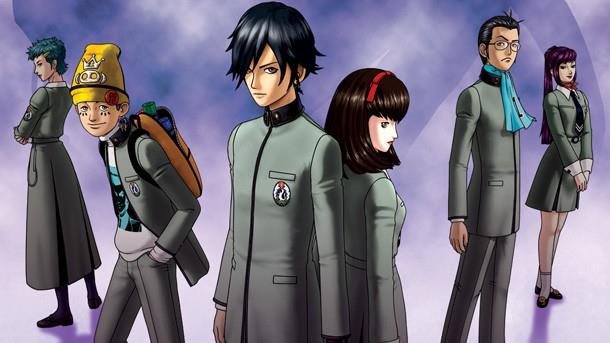
Where to play: Unavailable as of July 2, 2021, except from secondhand sellers
While it retains the original’s retro feel, Shin Megami Tensei: Persona revitalizes the first game for the PlayStation Portable in multiple aspects. It includes a better English translation, an easier overworld map to navigate, faster movement while exploring dungeons, and more quality-of-life improvements. Most importantly, it has the Snow Queen quest, a sizable storyline that’s missing in Revelations, and anime cutscenes. The soundtrack is different, too, and more on par with the latter games.
19. Persona 5: Dancing in Starlight
Persona 5: Dancing in Starlight is a stylish rhythm game spin-off featuring 26 musical tracks from Persona 5, set after the main game’s story in a dream-like scenario where the Phantom Thieves showcase their dance skills. The game replaces a traditional story mode with Social and Dancing modes, allowing players to deepen relationships with characters through social scenes unlocked by playing songs and customizing dancers with various outfits and accessories. Its gameplay is accessible yet challenging, using a six-button system with neat UI improvements, and it supports PlayStation VR. While praised for its presentation and jazzy remixes, the game is noted for having a limited soundtrack and lacking a substantial story, making it best suited for fans of the Persona series who enjoy rhythm games.

Where to play: PlayStation 4 and PlayStation Vita
Released in 2018, Persona 5: Dancing in Starlight is a rhythm game spinoff built on the same foundation as Persona 3: Dancing in Moonlight. The biggest difference, and flaw, is its original track list. It suffers from the fact that it came out before most of the new soundtracks, lacking a greater and richer variety across the board. Sure, there are DLCs you can buy, including songs from the anime, Persona 5: The Animation, as well as Persona 4 Arena Ultimax and Persona Q. But they also work in Persona 3: Dancing in Moonlight, which is a much more rounded package.
18. Persona Q2: New Cinema Labyrinth
Persona Q2: New Cinema Labyrinth is a 2018 dungeon crawler RPG for the Nintendo 3DS that serves as a sequel to Persona Q: Shadow of the Labyrinth, featuring characters from Persona 3, 4, and 5. The game blends first-person dungeon crawling with Persona’s turn-based combat, set within movie-themed labyrinths that parody Hollywood films. It offers a large roster of 28 playable characters, a variety of side quests, and a strategic combat system emphasizing elemental weaknesses and team boosts. While the story centers on the characters trapped in a cinema world, the gameplay shines with its challenging dungeons, map-drawing mechanics, and a rich soundtrack, making it especially appealing to dedicated Persona fans and dungeon crawler enthusiasts.
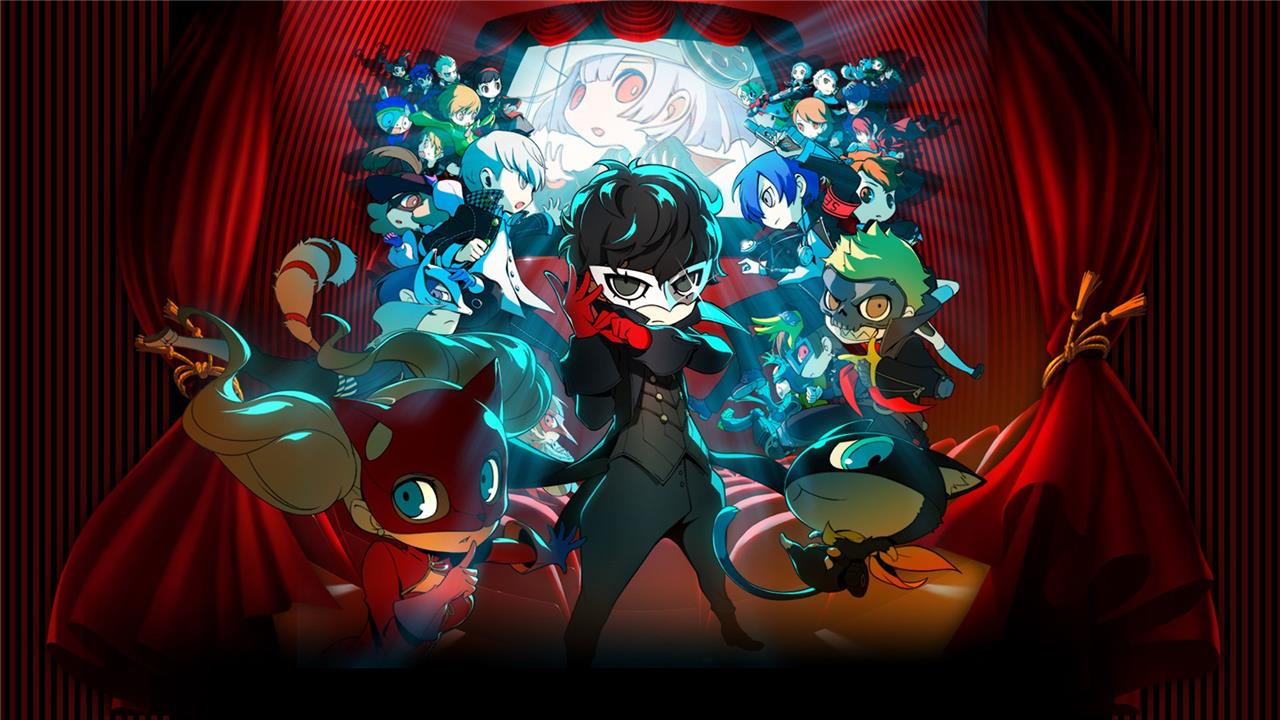
Where to play: Unavailable as of March 31, 2023, except from secondhand resellers
If you ever wondered what would happen if the casts of Persona 3 Portable, Persona 4, and Persona 5 all got together in a haunted movie theater, well, that’s Persona Q2: New Cinema Labyrinth in a nutshell. The 2018 release takes the foundation of Q and improves it in the gameplay sense. But it also lacks novelty, and the fan service of the first is further aggravated by having yet another crew in an already crowded setting, leading to less room for meaningful interactions.
17. Persona Q: Shadow of the Labyrinth
Persona Q: Shadow of the Labyrinth is a 2014 crossover RPG for the Nintendo 3DS that combines characters from Persona 3 and Persona 4 in a first-person dungeon-crawling adventure inspired by the Etrian Odyssey series. Players explore maze-like labyrinths set in a replica of Persona 4’s Yasogami High School, battling Shadows with turn-based combat using Personas and managing both main and sub-Personas for strategic depth. The game emphasizes mapping out dungeons manually, solving puzzles, and avoiding powerful FOE enemies, while featuring a lighthearted story focused on recovering lost memories of two new characters, Zen and Rei. Though praised for its engaging dungeon design and fanservice, it is noted for difficulty spikes and repetitive elements, making it a unique but challenging entry primarily for fans of the series.

Where to play: Unavailable as of March 31, 2023, except from secondhand resellers
The first entry in the series to be developed for a Nintendo console, Persona Q: Shadow of the Labyrinth, released on 3DS in 2014, is a mashup developed by the Persona and Etrian Odyssey teams, introduced as a first-person dungeon crawler. The casts of Persona 3 and Persona 4 join forces in a chibi-style depiction, alongside a few new characters. It’s a different yet intriguing crossover that provides more depth for those who loved exploring dungeons in the original games.
16. Persona 4 Arena
Persona 4 Arena is a 2D fighting game that features 13 characters from Persona 4 and Persona 3, blending fast-paced combat with Persona summoning mechanics. Players engage in battles using light and heavy attacks, special moves, and Persona-assisted attacks, with strategic elements like status ailments and an SP gauge for powerful techniques. The game offers multiple modes including a story-driven visual novel mode, training, challenge, arcade, score attack, and both local and online multiplayer. It serves as a story sequel to the events of Persona 4 and Persona 3, expanding the narrative while delivering deep, accessible fighting gameplay.

Where to play: Xbox consoles via backward compatibility with the 360 version, available for purchase digitally until July
The spinoff era of the Persona series kicked off with a fighting game. Sure, why not? Persona 4 Arena, released in 2012, sees Persona 4’s protagonist returning to Inaba after the events of the story. After some events unfold, both the original cast and some characters from Persona 3 all end up involved in a fighting tournament P-1 Grand Prix. It’s as wacky as it is exhilarating. But there’s a better way to experience it.
15. Persona 4 Arena Ultimax
Persona 4 Arena Ultimax is a 2013 fighting game developed by Arc System Works and P-Studio, serving as a direct sequel and closure to Persona 4 Arena. It features characters from Persona 3 and Persona 4 battling in fast-paced matches using unique movesets and Persona abilities, with new mechanics like the S-Hold system and Shadow Types that offer high-risk, high-reward playstyles. The story, set shortly after Persona 4 Arena, follows the Investigation Team and Shadow Operatives confronting a supernatural threat in Inaba, told through visual novel segments. Praised for its refined gameplay, balanced roster, and expanded content, Ultimax remains a stylish and approachable fighter with RPG elements, available on multiple platforms including PlayStation 4, Nintendo Switch, and PC.
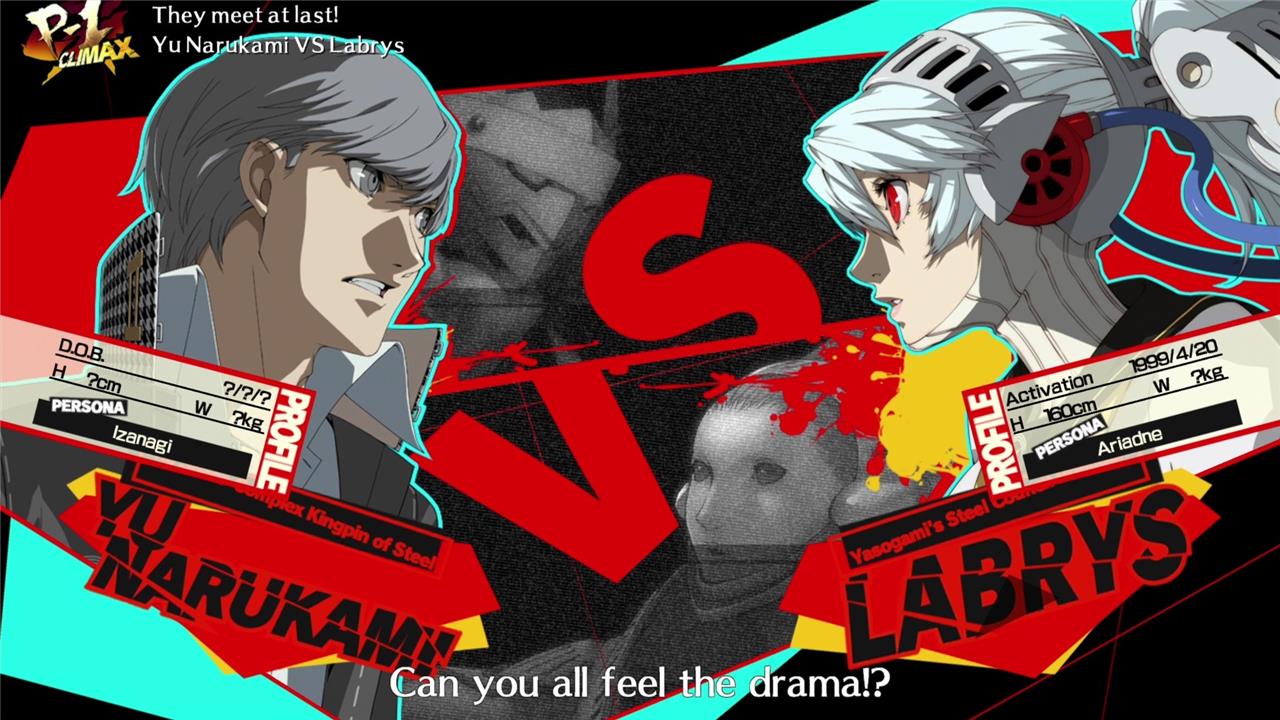
Where to play:PlayStation 4, Nintendo Switch, and PC for the re-release, or Xbox 360 if you own the console, as it’s not backward compatible with later platforms
Persona 4 Arena Ultimax was released on consoles in 2014, serving as a direct sequel to Arena. It has a bigger roster of characters, bringing even more folks from the Persona 3 cast, a robust set of mechanics (such as charging up attacks and being able to choose Shadow types, among others), and a story told in a visual novel style. Keep in mind that the story from Arena is included in the PS4, Switch, and PC versions, and it was originally available as DLC for the PlayStation 3 and Xbox 360 versions.
14. Persona 4: Dancing All Night
Persona 4: Dancing All Night is a 2015 rhythm game spin-off developed by P-Studio and published by Atlus for PlayStation Vita, later ported to PlayStation 4. It features the cast of Persona 4 dancing to a soundtrack of original and rearranged songs from the series. The game is divided into Story mode, where players follow a narrative involving a mysterious “Mayonaka Stage” and dance battles against Shadows, and Free Dance mode, which allows players to perform unlocked songs at various difficulty levels. Gameplay involves pressing buttons in time with music, using analog sticks and face buttons, with mechanics like Fever Mode and Bond Fever adding depth. Players can earn in-game currency to unlock costumes, accessories, and gameplay modifiers. The game was praised for its addictive rhythm gameplay, engaging story, and strong soundtrack, making it a standout spin-off in the Persona franchise.

Where to play:PlayStation Vita and PlayStation 4, the latter only available with the Endless Night Collection bundle
Considering how prevalent music is in every Persona entry, a rhythm game was bound to happen sooner rather than later. In 2015, Persona 4: Dancing All Night kicked off the first of three entries, including both original tracks and some excellent remixes that continue to be in my daily rotation to this day. The story isn’t as memorable, but you need to complete it to unlock the highest difficulty option. Still, if you want an excuse to see the cast again or just love rhythm games, this is a great starting point.
13. Persona 5 Tactica
Persona 5 Tactica is a 2023 tactical role-playing game spin-off from the Persona series, developed by Atlus. It places the Phantom Thieves in an alternate war-torn world where they ally with the Rebel Corps to fight against oppressive forces called the Legionnaires. The game features grid-based navigation and turn-based combat, incorporating classic Persona mechanics like Persona summoning, fusion, and elemental affinities. Players control a three-character squad, utilizing positioning, cover, and combo attacks such as the “Triple Threat” to strategically defeat enemies. The gameplay is praised for its depth and tactical complexity, blending familiar Persona elements with fresh strategy RPG conventions. It was released on multiple platforms including Nintendo Switch, PlayStation, Windows, and Xbox in November 2023.

Where to play:Nintendo Switch, PlayStation 4, PlayStation 5, Windows PC, Xbox One, and Xbox Series X, as well as on Game Pass
Just when we thought Atlus was running out of genres for its spinoffs, Persona 5 Tactica comes along as a fusion with tactics-style gameplay. The 2023 release is similar to the XCOM series in nature, but like Strikers, does a decent job of capitalizing on the existing toolsets of the mainline games. Its story carries some mixed messages, and it could use fewer levels to go through, as the enemy variety gets repetitive toward the end. But it’s a bold mashup worth checking out.
12. Persona 4
Persona 4, set in the rural Japanese town of Inaba, follows a high school student who moves there for a year and becomes embroiled in investigating a series of mysterious murders linked to a supernatural “TV World.” The game uniquely blends traditional RPG dungeon crawling with daily life simulation, where players manage time between exploring dungeons and building relationships known as Social Links. The protagonist wields multiple Personas, mythological avatars that evolve through combat and fusion, to battle Shadows in the TV World. Persona 4 Golden, an enhanced version, adds new story content, characters, and activities, deepening the experience of this critically acclaimed murder mystery RPG known for its engaging characters and atmospheric setting.

Where to play: PlayStation 3
Very few people know about the perils of spending too much time in front of the TV as do the townsfolk in Inaba. Persona 4 is centered around the Midnight Channel – an urban legend that claims if you stare at your TV on a rainy night, your soulmate will supposedly appear on the screen. This, as expected, has terrible results, with the TV World being the core of a series of tragic murders in an otherwise peaceful town. Persona 4 is a big leap from Persona 3 in terms of gameplay. Unless you’re a nostalgic person, though, there’s a better version available.
11. Persona 3
Persona 3, revitalized as Persona 3 Reload, is a landmark JRPG that blends traditional turn-based combat with rich social simulation elements. The game follows a group of high school students confronting death and the supernatural, set against the backdrop of the mysterious Tartarus dungeon. Reload introduces a revamped combat system inspired by Persona 5, allowing direct control over all party members, a new “Shift” mechanic for chaining attacks, and powerful “Theurgy” skills unique to each teammate. Social links are fully voiced and expanded with new side stories and activities like cooking and gardening, deepening character development. Tartarus exploration is enhanced with dynamic weather and seasonal changes, miniboss encounters, and improved fast travel, making each dungeon run more engaging. These updates modernize the classic experience while preserving its emotional and strategic depth, making Persona 3 Reload a compelling entry point for newcomers and longtime fans alike.
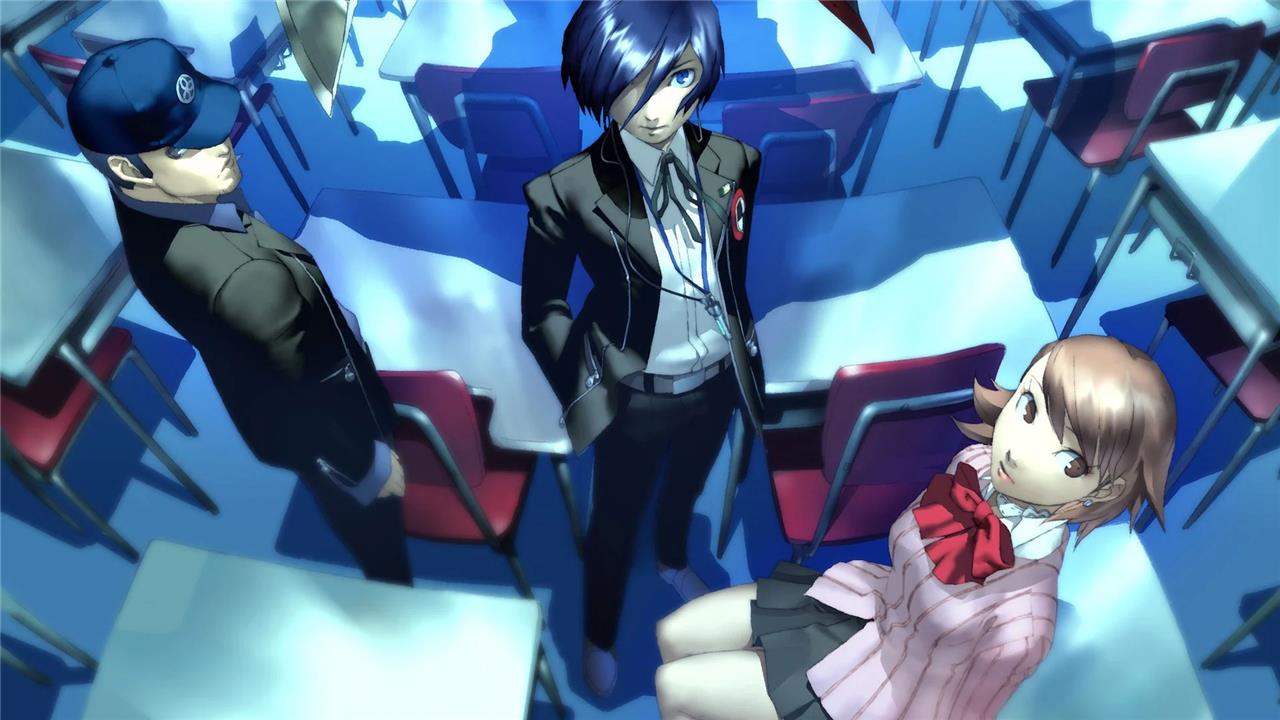
Where to play: Unavailable, except from secondhand resellers
The first introduction to the Specialized Extracurricular Execution Squad (SEES) took place in 2008 with the release of the original Persona 3. Persona 3 took the first step to establishing the modern Persona formula, introducing the calendar-based structure and an early look at the combat that newer fans have grown used to. It also has arguably the best pitch for a plot, with the 25th hour of the day summoning a gloomy moon up in the sky and Shadows on the streets for those unlucky enough to experience the horrors.
10. Persona 5
Persona 5, released in 2016, is a critically acclaimed role-playing game set in modern-day Tokyo, where players follow a high school student codenamed Joker who leads the Phantom Thieves of Hearts, a group using supernatural powers to change the corrupt hearts of adults through the Metaverse, a realm reflecting human subconscious desires. The game uniquely blends daily life simulation-attending school, working part-time jobs, and building social relationships known as Confidants-with turn-based dungeon crawling and strategic combat involving Personas, manifestations of characters’ inner psyches. Its compelling story, stylish art, and deep gameplay mechanics have made it a standout entry in the Persona series, spawning expanded versions like Persona 5 Royal and spin-offs such as Persona 5 Strikers and Persona 5 Tactica.
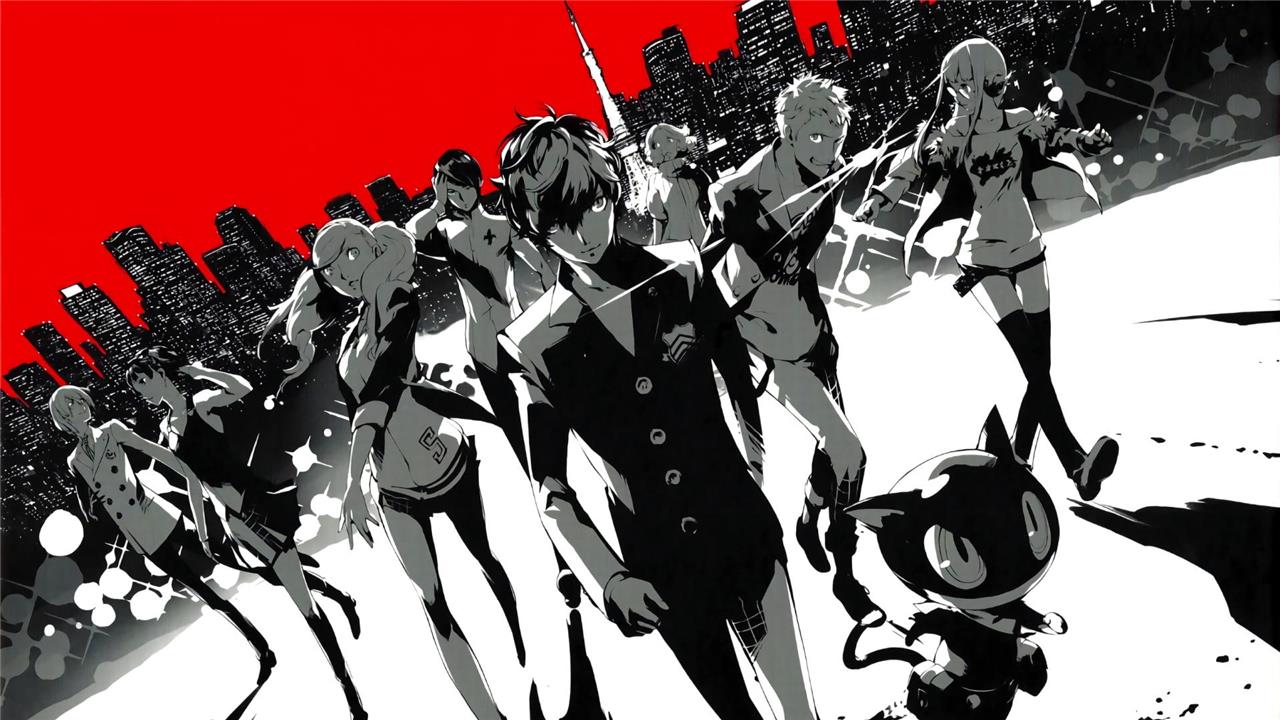
Where to play: PlayStation 3 and PlayStation 4
What else is there to say about Persona 5 at this point? The blueprint for what we know as a modern Persona game was released in 2017 in the U.S. It’s a slick experience that takes elements from past entries and refines them in a bold and stylish package. The Phantom Thieves stole everyone’s hearts, while also creating the foundation for the gameplay style, and look, of subsequent entries. The only reason it’s not higher on the list is because, put simply, the original is quite outdated in comparison to its definitive edition.
9. Persona 3: Dancing in Moonlight
9. Persona 3: Dancing in Moonlight
Persona 3: Dancing in Moonlight spins the beloved cast of SEES into a vibrant rhythm game set within the mysterious Velvet Room. Instead of battling Shadows, players master a six-button system to dance through 25 energetic tracks, featuring both original and remixed music from Persona 3. While it lacks a traditional story mode, the game offers Social interactions where players deepen bonds with characters and unlock costumes, accessories, and new scenes by meeting gameplay challenges. Fever Time segments let characters pair up for unique choreography, and the accessible mechanics-with multiple difficulty levels and assist options-make it enjoyable for both rhythm game newcomers and veterans. Though lighter on narrative compared to other Persona spin-offs, Dancing in Moonlight stands out for its stylish presentation, customization, and the sheer joy of seeing Persona 3’s cast let loose on the dance floor.
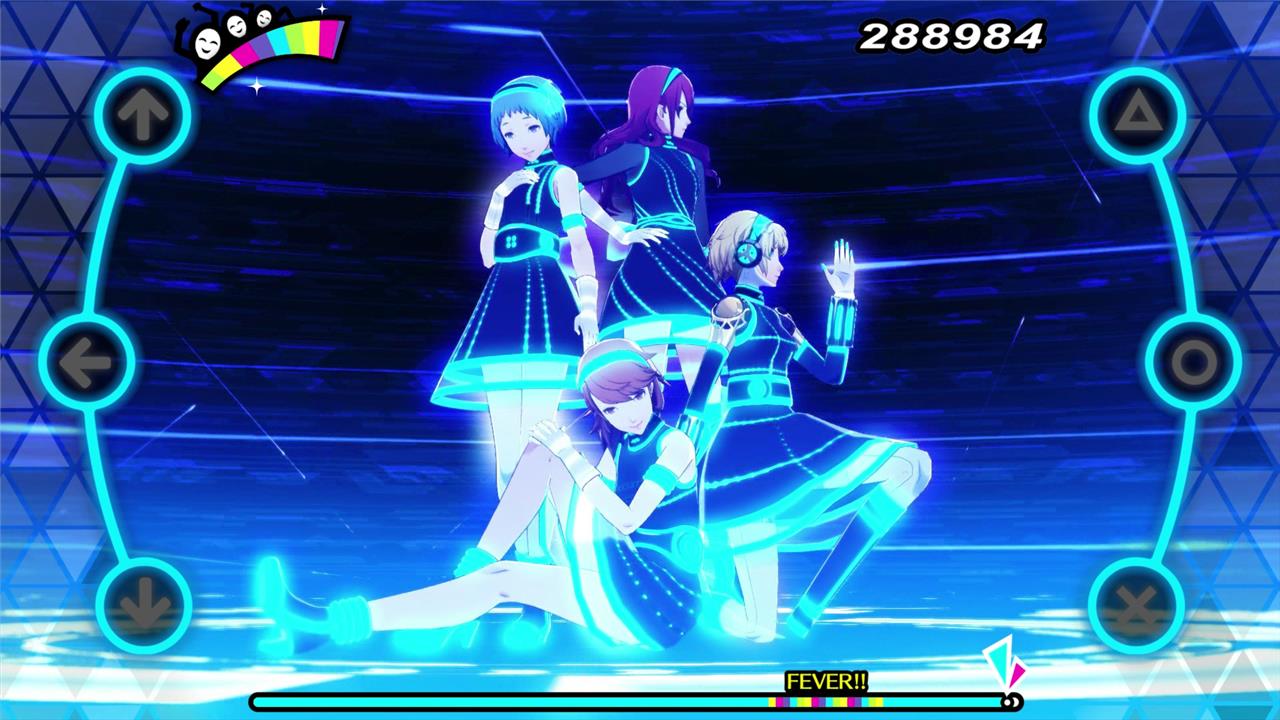
Where to play: PlayStation 4 and PlayStation Vita
The best out of the three rhythm games in the series. 2018’s Persona 3: Dancing in Moonlight reminds us that the Persona 3 soundtrack continues to be unmatched, and it does so with an array of remixes that only strengthen the ambiance and feel of the originals. It’s punchy, stylish, and exhilarating to play and replay until you get a full combo in every song.
8. Persona 5 Strikers
Persona 5 Strikers is a unique sequel and spinoff to Persona 5 that blends the series’ signature style with real-time action combat inspired by Koei Tecmo’s Dynasty Warriors series. Unlike the traditional turn-based battles of Persona 5, Strikers features fast-paced hack-and-slash gameplay combined with tactical Persona skill usage, allowing players to pause combat to select abilities. The game continues the story of the Phantom Thieves just months after the original, offering a mix of stealth, puzzle-solving, and dungeon exploration reminiscent of Persona 5 but with a fresh, action-oriented approach. It supports a party of four characters with Joker as the constant member and emphasizes exploiting enemy weaknesses to trigger powerful All-Out Attacks. Despite its departure from classic Persona gameplay, Strikers retains the charm and narrative depth of the series, making it a memorable and engaging experience for fans and newcomers alike.

Where to play:PlayStation 4, Nintendo Switch, and PC
A spinoff in nature and a story sequel to Persona 5, 2021’s Persona 5 Strikers has the Phantom Thieves reuniting once more for a road trip. It’s also a musou game akin to Dynasty Warriors, Hyrule Warriors: Age of Calamity, and so on. It’s a rendition of Persona 5 on a smaller scale, but the combat offers a surprising amount of depth, capitalizing on the use of Personas in a hack-and-slash fashion.
7. Persona 3 Reload
Persona 3 Reload is a faithful reimagining of the genre-defining RPG, blending traditional role-playing and social simulation with modernized aesthetics, gameplay mechanics, and quality-of-life improvements inspired by later entries like Persona 5. It features a complete graphical overhaul, refined user interface, and enhanced social simulation elements such as expanded dorm activities that boost social stats and combat buffs. The battle system is revamped with new commands, the ability to control party members directly, and strategic additions like the “Shift” mechanic, improving combat flow and depth. The game retains its emotional and gripping narrative about confronting the mysterious Dark Hour, enriched with new scenes, character interactions, and voiceovers, making it the definitive version of Persona 3 for both newcomers and longtime fans.
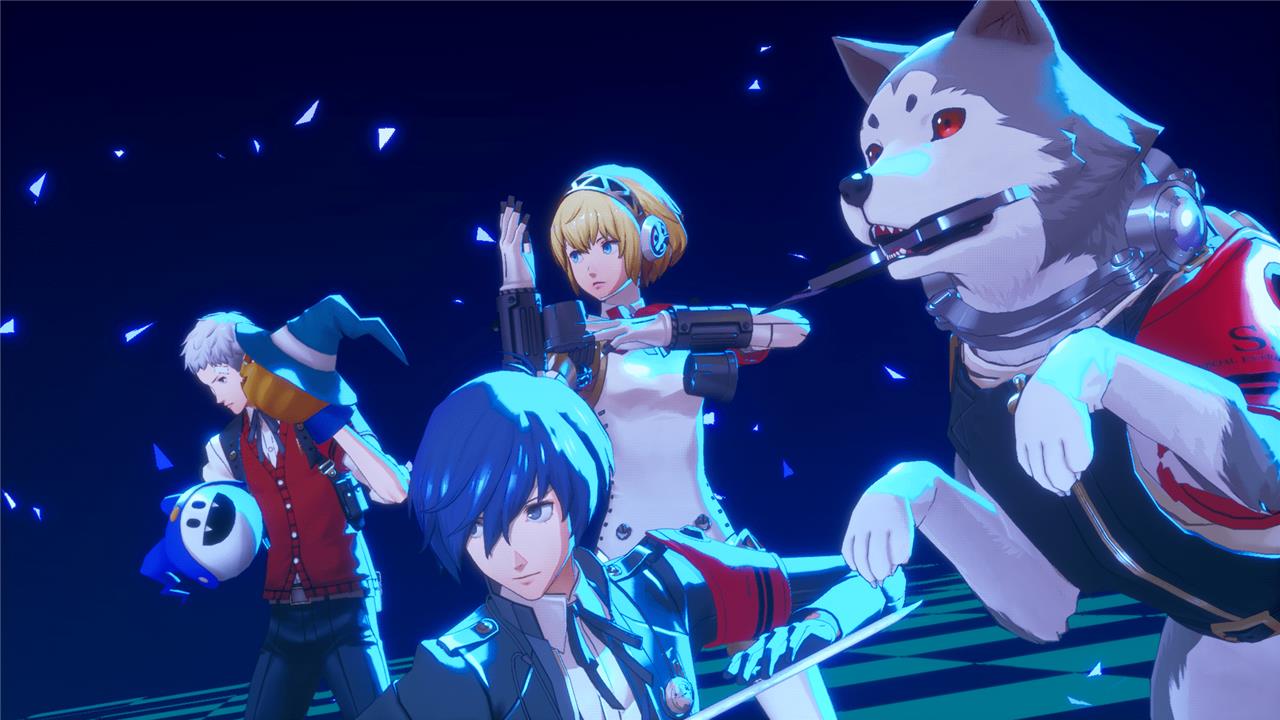
Where to play:PlayStation 4, PlayStation 5, Windows PC, and Xbox Series X, as well as on Game Pass
From its conception, it was clear that Persona 3 Reload wasn’t aiming to be the definitive version, with the absence of both The Answer epilogue from FES and the female protagonist route from Portable. It also borrows from Persona 5 Royal quite extensively, refining its presentation and adding plethora of quality-of-life updates. In essence, the 2024 release is a retelling of the original Persona 3 story in the style of Persona 5.
It makes for an approachable entry, with some welcoming additions, like extra activities to partake in after school and tweaks to its combat. But if you’re curious about the original renditions, especially to experience firsthand the main appeals of Persona 3 that didn’t make it into the remake, you’ll have some choices to make.
6. Persona 2: Eternal Punishment
Persona 2: Eternal Punishment, released in 2000 for the PlayStation, is a direct sequel to Persona 2: Innocent Sin and continues the story in the fictional city of Sumaru. Players follow reporter Maya Amano as she investigates the mysterious Joker Curse, gaining the ability to summon Personas to battle demons in a refined turn-based combat system featuring Fusion Spells and an improved Rumor system that influences events in the game world. The game is noted for its challenging gameplay, deeper narrative, and well-developed characters, offering a satisfying conclusion to the Persona 2 duology. Its enhancements over Innocent Sin, including faster battle modes and more strategic negotiation mechanics, have earned it praise as a must-play for Persona fans and RPG enthusiasts alike.

Where to play: PlayStation 3 and PlayStation Vita
The second entry in the duology, Persona 2: Eternal Punishment saw an official release for PlayStation 1 in 2000. So, yes, it did come out before Persona 2: Innocent Sin was ported. Combat remains largely the same, although with some refinements and a higher difficulty. Its strength is in the way it acts as a direct sequel to the story with multiple returning characters, as well as being the first Persona game to feature a female protagonist in Maya Amano. The PlayStation Portable version wasn’t officially localized, but there’s a fan translation out there.
5. Persona 2: Innocent Sin
Persona 2: Innocent Sin, released in 1999 for the PlayStation and later remade for the PSP, is the second entry in the Persona series and acts as a direct sequel to the original Persona. Set in the fictional Sumaru City, the game follows high school students led by protagonist Tatsuya Suou as they confront a mysterious villain called Joker, whose reality-warping rumors spread chaos throughout the city. The gameplay blends traditional turn-based battles using Personas with a unique Rumor system, where spreading rumors can alter the game world and influence events in the players’ favor. The game retains core mechanics from the original Persona but introduces improvements like a third-person exploration perspective and a more integrated Persona fusion system. Despite its initially limited Western release, the PSP remake brought the game to a broader audience, earning praise for its compelling story and innovative gameplay elements, though some found the remake’s aging mechanics less polished compared to newer entries in the series.

Where to play: PlayStation Vita
Originally released in Japan for PlayStation 1, Persona 2: Innocent Sin didn’t arrive in North America and Europe until 2011. On the outside, it’ll be remembered as an RPG that featured Adolf Hitler, which is reportedly part of the reason why it took so long to receive a port overseas.
The story is definitely one of its highlights, featuring a wild plot with a strong cast that carries a vastly different tone than the one from future crews. Sure, the dated combat might be hard to stomach, but it’s worth the trip down memory lane to witness how different the series was.
It also features a possible romance between two male characters – which hasn’t yet been replicated in the franchise – and has overall stronger queer representation than the rest of the series.
4. Persona 3 FES
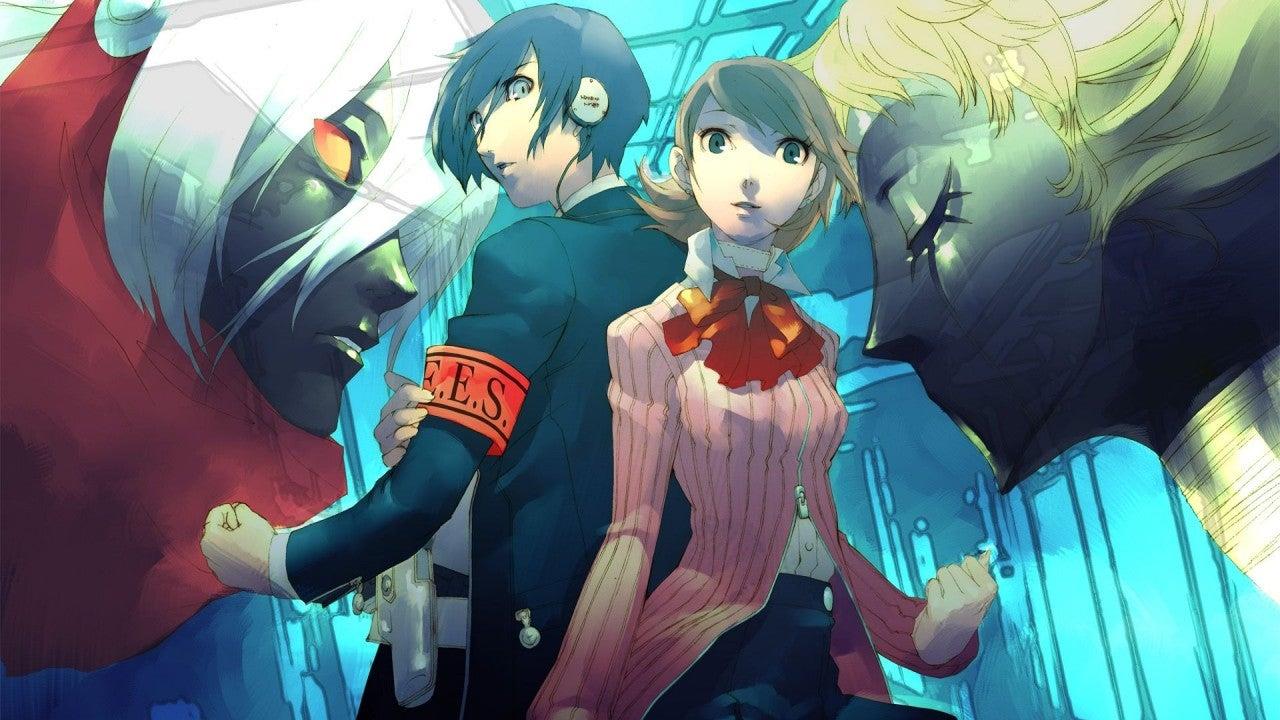
Persona 3 FES is an expanded version of the original Persona 3 that introduces several new features and content enhancements. It adds new Personas, side quests, equipment, and a weapon fusion system that allows players to create stronger gear. The most significant addition is “The Answer,” a new epilogue story mode that continues the narrative from the original ending, focusing on the character Aigis and offering about 30 hours of additional gameplay. FES also includes new social links, a harder difficulty mode, and secret videos that deepen character development, making it a more complete and challenging experience for fans of the original game.
Where to play: PlayStation 3
Persona 3 FES is a substantial revision of the original. It polishes up the combat, adds an array of new quests and interactions (like being able to take SEES’ canine member, Koromaru out for a walk, which is important), and tweaks mechanics like the Naganaki Shrine.
Most notable is The Answer, which includes both a new dungeon to plunge into and an epilogue for the story. As it stands, Persona 3 FES represents the complete story, which makes it an easy recommendation. Its biggest flaws are in the lack of quality-of-life updates that Persona 3 Portable brought to the table, and most notably, the lack of a female protagonist to pick. Student Kotone Shiomi has her own dialogue options and even Social Links to pursue, allowing you to get to know the male members of SEES closely. Sure, Persona 3 Reload aims to offer the latter with new social outings involving the cast at large. But it’s a day-and-night difference compared to what Portable offers. In contrast, FES has a better presentation, allowing you to control your character and see the world in close detail.
3. Persona 4 Golden
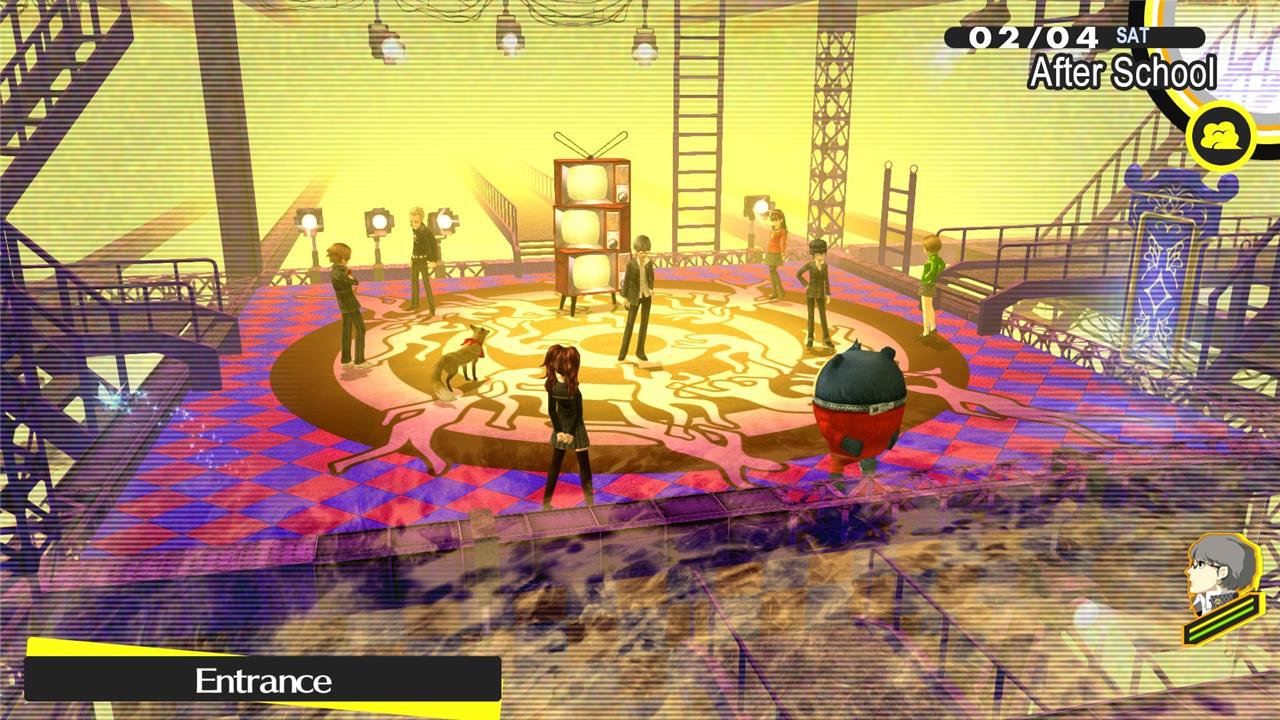
Persona 4 Golden is widely regarded as the definitive version of Persona 4, enhancing the original with expanded story content, rebalanced gameplay mechanics, and numerous quality-of-life improvements. It features a unique “Shuffle Time” mini-game after battles, revamped social link interactions, and new activities like an improved fishing minigame. The game combines a compelling murder mystery narrative with turn-based combat and social simulation elements, set in a small-town atmosphere that feels both bright and engaging despite its darker themes. Its portability on the PS Vita and later releases on modern platforms helped cement its status as a must-play JRPG with deep tactical combat and rich character development.
Where to play:Nintendo Switch, PlayStation 4, PlayStation Vita, Windows PC, Xbox One, and Xbox Series X
In 2012, Persona 4 Golden introduced itself as one of the main reasons to get a PlayStation Vita. It first parted ways with its exclusivity in 2020 with a PC port, and has since been remastered for current platforms. It has multiple additions across the board, from Social Links to activities, quests, story events, and plenty of quality-of-life changes. It also introduces Marie, a new character that gives you access to a new dungeon and epilogue, in a similar fashion to Persona 3 FES. As such, if you want to know the true ending of the story, this is the version to play through.
Golden also provides a curious glimpse of some of the mechanics that would later be adopted by Persona 5. Dungeons, for example, are still similar to the ones in Persona 3 in terms of structure, going through floors one by one until you defeat a final boss. But they’re more thematically tailored to characters and story events, in a way that was capitalized on with Palaces in Persona 5.
2. Persona 3 Portable
Persona 3 Portable is a unique iteration of the Persona 3 series that introduced several key enhancements and features. Unlike the original, it allows players to control the entire party during battles, adding a strategic layer to combat. It also offers the option to play as a female protagonist for the first time in the series, complete with different social links, a new Orpheus design, and a revamped soundtrack. The game adopts a visual novel style with static location screens rather than fully 3D environments. Quality-of-life improvements such as more flexible save points, fast travel, and better menu navigation make the experience smoother. Additionally, the fatigue system from the original is modified, making it less punishing for teammates after dungeon exploration. These changes, along with a vivid art style and well-done voice acting, make Persona 3 Portable a distinctive and accessible entry in the Persona franchise.

Where to play:Nintendo Switch, PlayStation 4, PlayStation Vita, Windows PC, Xbox One, and Xbox Series X
Persona 3 Portable was originally released on PSP in 2009 in Japan and a year later in North America. Thankfully, it has since been ported with a lite remaster to current platforms. It adds a few more quality-of-life updates to a version known for them – mainly, the ability to manually control your party members in combat. This isn’t just a “Goofy can’t heal me for shit” scenario like in Kingdom Hearts. It’s crucial for a game where using the right skills at the right time to exploit weaknesses is an integral part of enemy encounters.
In contrast with FES, it gets tricky. Portable doesn’t have The Answer, which means that the story is incomplete. It’s also a heavily toned-down version in terms of presentation, feeling more akin to a visual novel as you hover over points of interest in static scenarios as a floating cursor, rather than manually moving your character to talk to people. Yet FES doesn’t have a playable female protagonist with her own Social Links and dialogue options. And your party members rarely heal you.
If you have a preference for FES even with its shortcomings, it’s understandable. But the quality-of-life changes and new protagonist, alongside easier access, make Portable the go-to version for now.
1. Persona 5 Royal
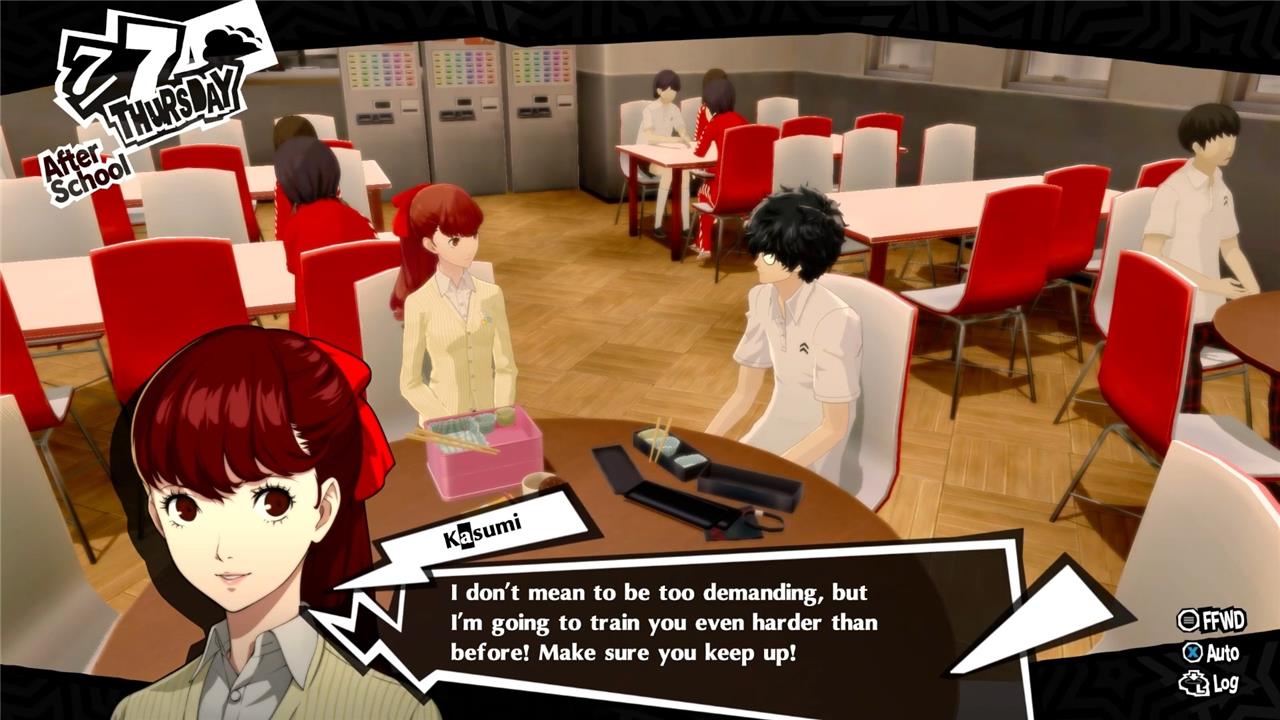
Persona 5 Royal is the definitive edition of the critically acclaimed Persona 5, released in 2020 across multiple platforms including Nintendo Switch, PC, PlayStation, and Xbox. It enhances the original game with a wealth of new content, including additional story sections, characters, and gameplay features that seamlessly integrate and elevate the narrative. The combat system is refined with new mechanics like the expanded Baton Pass and Showtime attacks, making battles more strategic and visually engaging. Royal also introduces new Personas, improved difficulty modes, and a richer soundtrack, solidifying its status as one of the best JRPGs available and a must-play for fans of the series.
Where to play: Nintendo Switch, PlayStation 4, PlayStation 5, Windows PC, and Xbox Series X
Persona 5 Royal, the definitive version released in the U.S. in 2020, represents the series in its maximum expression. It polishes up combat with an array of welcoming new mechanics, adds more activities to partake in, and most importantly, expands the story to provide the ultimate closure. The new characters and confidants serve as a great complement, banding together toward the end to kick off a new third semester, serving as a hefty epilogue to the original with an enchanting and bittersweet send-off to the Phantom Thieves.
Royal, for better or worse, is the utmost representation of Persona games. It carries over issues of sexism and homophobia, despite attempting to address past mistakes, that the series has been reckoning with for decades now.
It has also become part of what Twitter now considers “the Persona 5 subseries,” which may not come as a surprise. The style and presentation have been a clear inspiration for the likes of Soul Hackers 2, Shin Megami Tensei 5, and Persona 3 Reload. Looking into the future, it’s clear that the influence continues to make itself apparent, with Metaphor: ReFantazio as an upcoming example. Sure, the studio behind it is led by game director Katsura Hashino, who’s been involved with the series since the beginning up until Persona 5. But P-Studio’s jump into the mainstream can be seen everywhere.
Which Persona game ranks highest in the ultimate list and why
The highest-ranked Persona game in the ultimate list is Persona 5 Royal. It is widely praised for its polished gameplay, stylish presentation, and engaging story, making it the definitive Persona experience and an excellent entry point for new players. The game refines its predecessor’s story, combat, and characters into one of the greatest RPGs ever, combining fast, strategic combat with a compelling narrative about a group of students leading double lives as Phantom Thieves fighting corruption. Its unforgettable soundtrack, stunning visuals, and rich world full of activities contribute to its top position. The quality-of-life improvements and accessibility further cement its status as the best in the series according to multiple fan and critic rankings.
Why is Persona 5 Royal often considered the top in rankings
Persona 5 Royal is often considered the top-ranked Persona game due to its polished gameplay, engaging and stylish presentation, and significant quality-of-life improvements that make it accessible to both newcomers and veterans. Its meticulously crafted dungeons feature intricate puzzles and narrative elements, offering a more immersive exploration experience compared to earlier titles with simpler dungeon designs. The combat system builds on previous entries by adding new attack types (Psi, Nuclear, Gun) and the strategic Baton Pass mechanic, which allows players to manipulate turn order and exploit enemy weaknesses, creating dynamic and strategic battles. Additionally, the game’s story tackles contemporary themes of societal injustice with a compelling narrative and memorable characters, further enhancing its appeal. These factors combined make Persona 5 Royal a standout entry and a favorite in many “best of” Persona lists.
