
From the timeless dungeons of Hyrule to the boundless skies of the Kingdom, The Legend of Zelda series has redefined adventure for over three decades. Each game is a portal to a world of mystery, magic, and heroism, with titles ranging from the classic 2D masterpiece “A Link to the Past” to the groundbreaking open-world epic “Tears of the Kingdom.” Join us as we rank every Zelda game, exploring the evolution of a franchise that continually raises the bar for fantasy gaming and captivates generations of players with its unforgettable quests and innovations.
Created by the great Shigeru Miyamoto in the 1980s as an expression of his childhood love of exploring without a map, Zelda has always held a revered position in gaming culture, although it never quite enjoyed popular success to match – not, that is, until its unlikely rebirth in 2017, thanks to the runaway success of the Nintendo Switch and the revolutionary design of Breath of the Wild.
The series’ strong traditions are balanced by an ingrained habit of hitting the reset button. Across 16 mainline entries, only a small handful (Majora’s Mask, Phantom Hourglass, Tears of the Kingdom) are true sequels, and even these delight in reinvention. The Zelda timeline is more a tangle of rumor and myth than an established canon, and its lore is constantly rewritten.
<
Ranking these brilliant, shapeshifting games is, in some ways, an absurd task. They’re all great (well, perhaps all but one); the top seven or so are masterpieces that could be arranged in just about any order. But it’s an interesting exercise in exploring a series of games that exist in a unique, echoing conversation with each other. In putting this ranking together, we paid at least as much attention to how fun the games are to play now as to their historical import.
A few points of order: Though they’re technically part of the main Zelda canon, we have excluded the multiplayer games Four Swords, Four Swords Adventures, and Tri Force Heroes. They’re difficult to play as their makers intended now, and honestly feel more like spinoffs (though Four Swords Adventures, in particular, absolutely rules). Oracle of Seasons and Oracle of Ages, which were released as a pair, Pokémon-style, are counted as a single entry. And actual spinoffs like Link’s Crossbow Training or Freshly-Picked Tingle’s Rosy Rupeeland are salso excluded. The Zelda series is gloriously weird – but maybe not that weird.
17. Zelda 2: The Adventure of Link
Zelda II: The Adventure of Link stands out in the series as a bold departure from the original’s top-down action-adventure style, blending side-scrolling platforming with RPG elements like experience points and magic spells. Set years after the first game, Link embarks on a quest to awaken a sleeping Princess Zelda by restoring six crystals to their palaces and ultimately claiming the Triforce of Courage. The game is notable for its challenging combat system, strategic use of shields, and a life-based continue system, making it one of the most difficult entries in the franchise. While it introduced enduring series staples such as metered magic and NPC interactions, its linear design and unique gameplay mechanics have made it a divisive but influential title, appreciated for its ambition and scale despite its departure from traditional Zelda formula.

Original release: 1987, on NES
Where to play now: Nintendo Switch Online
If the original The Legend of Zelda is the series at its most youthful, exuberant, and promising, Zelda 2: The Adventure of Link represents the games’ awkward teen years. Fittingly, the Link we play in Zelda 2 is 16 years old, fumbling his way through new gameplay territory, as Nintendo explores the lite role-playing mechanics from a side-scrolling perspective. Spread across overworld segments of dangerous exploration and equally harrowing side-scrolling dungeon crawling, Zelda 2 is a more challenging, more obtuse style of adventure.
Long considered the black sheep of the Legend of Zelda games, The Adventure of Link was a harder, clumsier experiment for Nintendo. It was envisioned as an action game infused with role-playing game stats, and the end result feels like Nintendo’s designers copying others’ work (e.g., Dragon Quest, Kung-Fu Master) instead of flexing the company’s trademark originality. Zelda 2 is not a failed experiment, however. Nintendo clearly learned the right lessons from it, as well as influencing other games, including Castlevania 2: Simon’s Quest, Faxanadu, and Shovel Knight. Even the worst Zelda games have their importance. -Michael McWhertor
16. Phantom Hourglass
The Legend of Zelda: Phantom Hourglass is a 2007 action-adventure game for the Nintendo DS, serving as a direct sequel to The Wind Waker. It follows Link’s quest to rescue his friend Tetra from the antagonist Bellum, aided by Captain Linebeck and the S.S. Linebeck. The game features cel-shaded 3D graphics and innovative touchscreen controls that redefine the Zelda experience for handheld play. Players navigate between islands by sailing and explore dungeons like the central Temple of the Ocean King, which introduces a unique curse mechanic requiring stealth and strategy. Phantom Hourglass was critically acclaimed for its engaging controls, world design, and graphics, earning multiple awards and selling over 4 million copies worldwide. Its blend of classic Zelda gameplay with new mechanics and multiplayer modes makes it a standout title in the series’ handheld lineup.

Original release: 2007, on Nintendo DS
Where to play now: Unavailable – track down a used copy
The Legend of Zelda: Phantom Hourglass represents a somewhat awkward era of Zelda. As a direct sequel to The Wind Waker, it had big shoes to fill, and wore them a little clumsily. Phantom Hourglass was the first mainline Zelda game to be released on the Nintendo DS family of handhelds and the first Zelda game to take advantage of the console’s touch controls. Overall, the controls fit in nicely with the Zelda formula and allow players to scribble on dungeon maps and tap to fight. However, the game suffers from uneven pacing while traveling on your customizable steamboat ship, or revisiting the Temple of the Ocean King, a dungeon that requires you to come back to it multiple times. Still, I’ll remember it for its willingness to try new gameplay and test the Zelda waters. -Ana Diaz
15. Echoes of Wisdom
Echoes of Wisdom reinvents the classic top-down Zelda formula by placing players in the role of Princess Zelda, armed not with sword and shield but with the magical Tri-Rod to summon “echoes”-copies of items and enemies that can be used creatively in both combat and puzzle-solving. This inventive mechanic encourages experimentation and offers multiple ways to tackle dungeons and bosses, making each playthrough unique. The game balances nostalgia with fresh ideas, featuring classic-style dungeons, clever puzzles, and a richly detailed world filled with secrets and collectibles. Despite minor performance quirks, Echoes of Wisdom stands out as a thoughtful and engaging entry that honors the series’ legacy while pushing it forward, earning high praise for its creativity, pacing, and memorable final boss fight.

Original release: 2024, on Nintendo Switch
Where to play now: Nintendo Switch
Princess Zelda’s first official starring role in the series that bears her name is one of the most inventive, but also one of the most frustrating, Zelda games. Nintendo worked with external developer Grezzo to make it, and Grezzo used the gorgeous, diorama-like engine it built for its 2019 Link’s Awakening remake. An original attempt to build a Mario Maker-style creative game didn’t pan out; what remains of that project is Zelda’s unique power to copy and replicate enemies and objects. Echoes of Wisdom tries to retrofit the player freedom of Breath of the Wild and Tears of the Kingdom into an old-school, top-down Zelda template. It doesn’t quite work: The interface is fiddly, and the design shies away from its potential for puzzling and strategy. But despite it all, it’s still a proper Zelda game – and a properly fascinating one. -Oli Welsh
14. Twilight Princess
The Legend of Zelda: Twilight Princess stands out as a darker, more mature entry in the series, featuring a vast world and a compelling story where Link must save Hyrule from being engulfed by the Twilight Realm. Players experience a unique gameplay twist as Link transforms into a wolf, guided by the enigmatic Midna, who aids him in restoring light to the kingdom and ultimately confronting the evil forces of Zant and Ganondorf. The game combines classic Zelda mechanics with new elements like motion controls on the Wii, intricate dungeons, and memorable boss battles, culminating in an epic finale that tests the player’s skills. Despite some pacing issues in the latter half, Twilight Princess is praised for its immersive world, strategic combat, and emotional narrative, making it a beloved title among fans and critics alike.

Original release: 2006, on GameCube and Wii
Where to play now: Unavailable – track down a used copy of Twilight Princess HD for Wii U
Link spends a pretty big chunk of time in wolf form in Twilight Princess, which you’d think would be a selling point (because he looks so darn cute), but it’s actually pretty weird. After all, Link can’t do all of the best parts of being Link when he’s a wolf: throwing a boomerang, say, or twirling his sword around in a circle while shouting “Hiyah!” Twilight Princess also introduces Midna, a helper character in the vein of Navi, but a lot more condescending. I find Midna’s snarky comments to be deeply satisfying, and the conclusion of her arc at the game’s end feels more fulfilling than most of Princess Zelda’s arcs. The Legend of Zelda series does not always allow its female side characters to have much to do, but by the end of Twilight Princess, it’s actually more Midna’s story than anyone else’s. -Maddy Myers
13. Oracle of Ages / Oracle of Seasons
The Legend of Zelda: Oracle of Ages and Oracle of Seasons are two interconnected Game Boy Color titles that blend classic Zelda gameplay with unique thematic twists. Oracle of Seasons focuses on action, sending Link to Holodrum to rescue Din, the Oracle of Seasons, using the Rod of Seasons to manipulate the environment by changing the seasons. In contrast, Oracle of Ages emphasizes puzzle-solving, with Link traveling through time in Labrynna to save Nayru, the Oracle of Ages, using the Harp of Ages to shift between past and present. Both games feature exploration, dungeon crawling, and item upgrades, and can be linked to unlock an extended story involving Twinrova and Ganon. While Seasons offers straightforward action and a simpler plot, Ages presents a deeper narrative with time-travel mechanics, making the two games complementary experiences that together enrich the Zelda series.
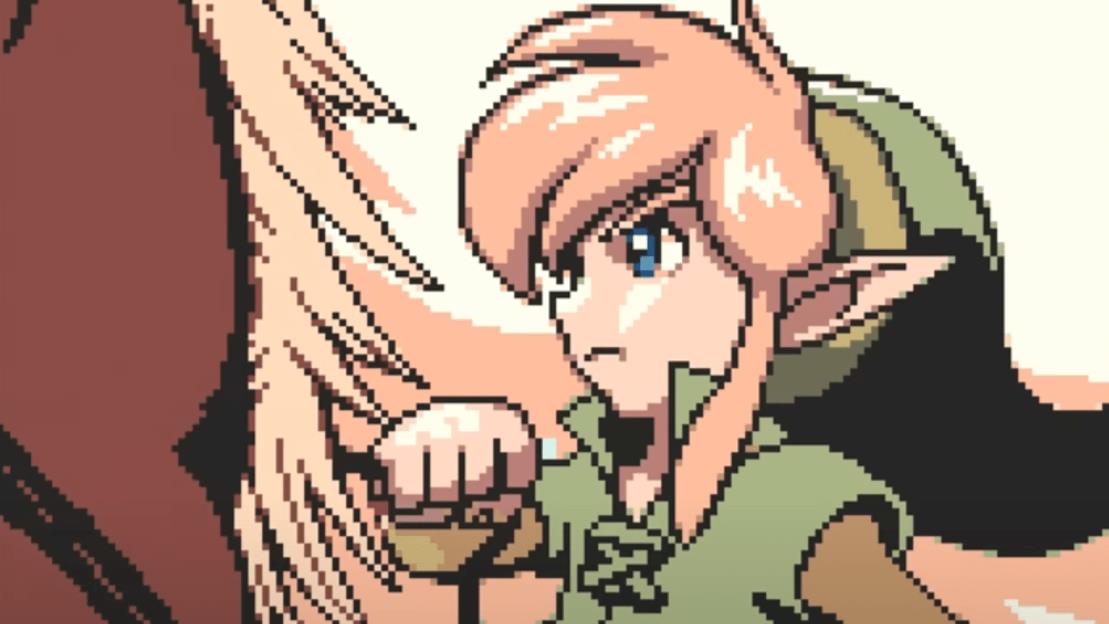
Original release: 2001, on Game Boy Color
Where to play now: Nintendo Switch Online
In 2001, Nintendo lent the proverbial Zelda keys to Capcom. As it turns out, Capcom didn’t need them: It kicked down the door to one of gaming’s most hallowed series and made itself right at home. Billed as a double feature focused on time- and season-based puzzles, respectively, Oracle of Ages and Oracle of Seasons are tight and sophisticated enough to have emerged from the offices of Nintendo itself. (Series creator Shigeru Miyamoto had big-picture production input, to be fair.)
Ages’ time-traveling puzzles are among the finest in the 2D Zelda pantheon, and Seasons’ more action-oriented approach makes it a fresh entry in the otherwise “left-brained” franchise. Director Hidemaro Fujibayashi would go on to direct a handful of later Zelda games (The Minish Cap, Skyward Sword, and – checks notes – Breath of the Wild and Tears of the Kingdom among them), but as far as “classic” Zelda goes, few entries capture the series on a grand scale like Capcom’s dark horse two-parter. -Mike Mahardy
12. Spirit Tracks
The Legend of Zelda: Spirit Tracks, released in 2009 for the Nintendo DS, is set a century after The Wind Waker and Phantom Hourglass in the land of New Hyrule. The game features Link as a newly graduated train engineer who, alongside Princess Zelda-whose spirit is separated from her body-must restore the Spirit Tracks to prevent the resurrection of the Demon King Malladus. Unique to this entry is the use of a train for overworld travel, incorporating new gameplay mechanics such as controlling the train and defending it from attacks. Zelda plays a more active role than in previous titles, possessing Phantom Guardians to assist in puzzles and combat. The game blends stylus-based controls with inventive puzzles and a narrative that emphasizes cooperation between Link and Zelda, earning praise for its story and gameplay innovations despite some control frustrations.
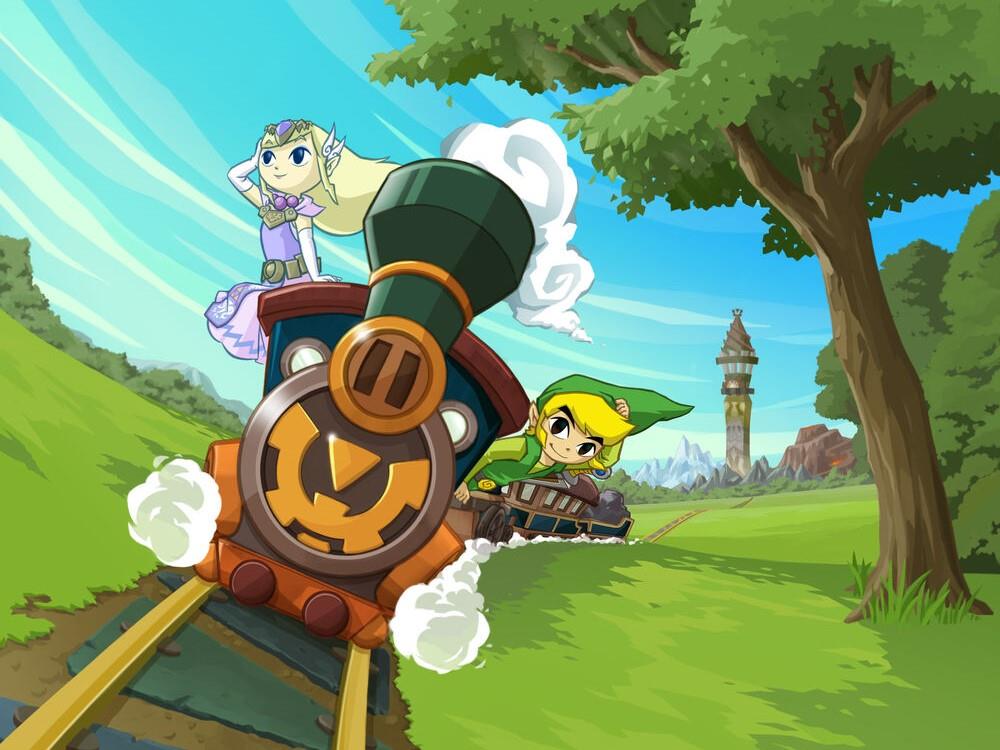
Original release: 2009, on Nintendo DS
Where to play now: Unavailable – track down a used copy
As follow-ups in this endlessly changeable series go, Spirit Tracks has one of the most straightforward, cut-and-paste premises: it’s Phantom Hourglass but with a train instead of a boat. Like its immediate predecessor, it leans hard on stylus control, course-plotting map traversal, and a style of adventure that’s breezily approachable until it suddenly isn’t, in the grim, stealthy, piecemeal ascent of its central tower dungeon.
If Spirit Tracks ultimately surpasses Phantom Hourglass, it’s because of its sheer, ebullient charm. The appeal of its steam-train playset is irresistable, and this is also the only game in the series in which Link and Zelda – the latter admittedly in ghost form – get to hang out for the whole thing. Zelda even gets to be semi-playable, by possessing clanking suits of armor, while the pair have an adorable, innocent chemistry. Choo choo! -OW
11. The Legend of Zelda
The Legend of Zelda series is a landmark in gaming history, known for its blend of puzzles, action-adventure, and exploration that has evolved with each installment. From the pioneering top-down gameplay of the original games to the expansive open worlds of recent titles like Breath of the Wild and Tears of the Kingdom, the series continuously reinvents itself while maintaining core elements such as intricate dungeons, memorable characters, and innovative mechanics. Each game offers a unique experience, whether it’s the classic dual-world design of A Link to the Past or the immersive storytelling and vast landscapes of modern entries. The franchise’s ability to balance nostalgia with fresh ideas has cemented its status as one of the greatest and most beloved in gaming.

Original release: 1986, on NES
Where to play now: Nintendo Switch Online
It’s the rare game that impresses me more with each passing year. But as trends come and go, genres flourish and stagnate, and open worlds continue to distance themselves from their late-2010s growing pains, The Legend of Zelda continually grows in my estimation. It’s opaque by today’s standards, replete as it is with hidden doorways and labyrinthine shifts from one screen to another. And given the choice, it’s fairly far down the list of “fun” Zelda games. But it stands as a progenitor of most of today’s best games, open-world or otherwise, and it took Nintendo 31 years to circle back to its elegant conceit of a sprawling, mysterious world worth exploring in Breath of the Wild. -M. Mahardy
10. Skyward Sword
The Legend of Zelda: Skyward Sword serves as the origin story for the entire Zelda series, setting the stage for the iconic Master Sword and the eternal conflict with the Demon King Demise. Set in the floating island of Skyloft, Link embarks on a quest to rescue Zelda, who is kidnapped and taken to the mysterious surface world below the clouds. The game blends a heartfelt narrative with memorable characters like the earnest Link, the humanized Zelda, and the comically endearing Groose. Its gameplay features motion-controlled swordplay, exploration across diverse regions, and puzzle-solving dungeons, though its linear structure and reused hub areas received mixed reactions. Despite some repetitiveness, Skyward Sword is praised for its story depth, charming world, and the way it enriches the Zelda lore, making it a standout entry in the franchise.
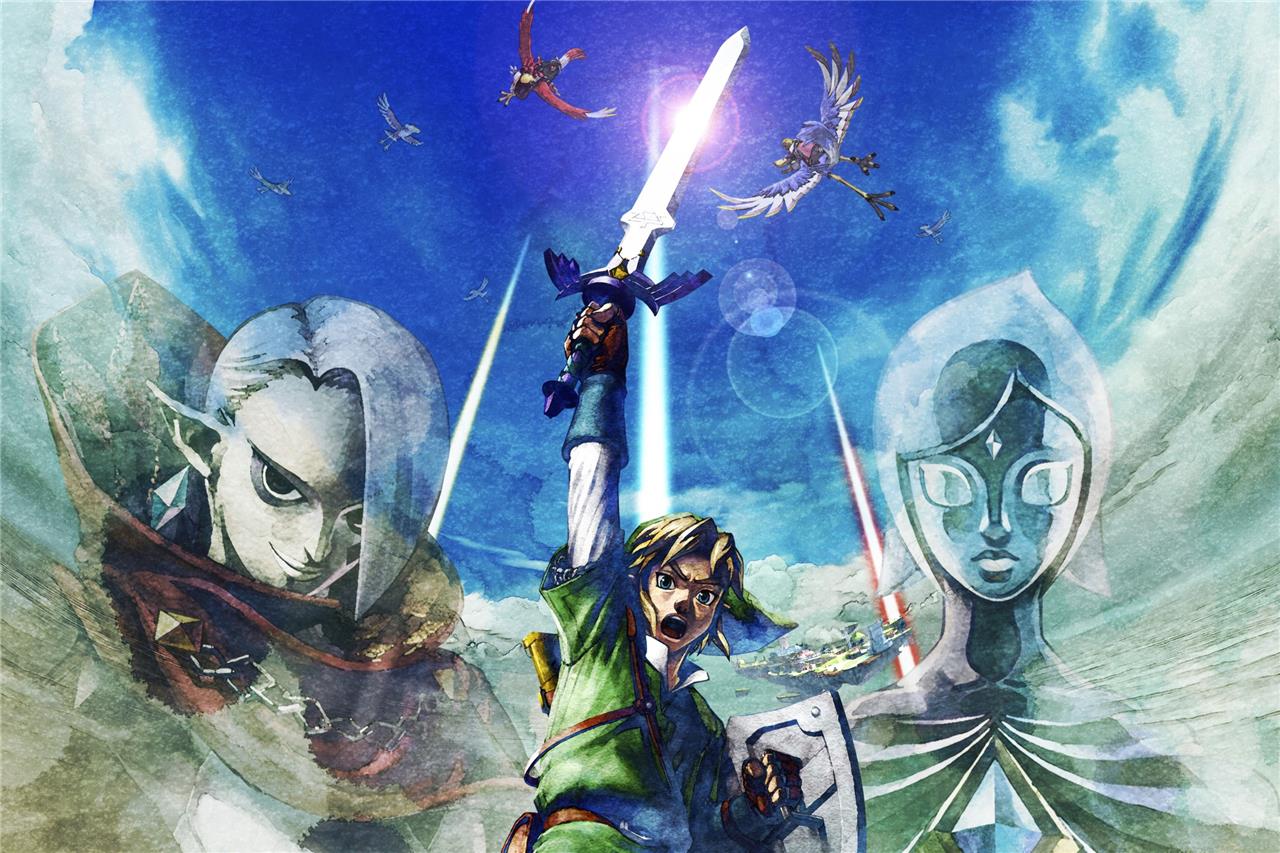
Original release: 2011, on Nintendo Wii
Where to play now: Skyward Sword HD on Nintendo Switch
It’s time to reclaim perhaps the most consistently underrated game in the Legend of Zelda series. There are reasons Skyward Sword’s reputation has suffered. First, its original motion controls, while well implemented, are just not how anyone wants to play an epic adventure like this. Second, it has a ridiculously overwrought climax worthy of a Hideo Kojima game. Third, it arrived at just the point when the Zelda games’ Ocarina of Time-inspired design was starting to show its age.
Skyward Sword ended up being a swan song for that era of Zelda – but what a swan song. It’s a dense and satisfying game, expertly designed, with intricate, cleverly conceived dungeons that rank alongside the very best in the series’ history. And it also has a soaring, romantic spirit. Skyward Sword is perhaps the purest expression of Zelda’s high-fantasy aesthetic – and the only time the series fully owned up to being a love story. -OW
9. A Link Between Worlds
The Legend of Zelda: A Link Between Worlds stands out as a brilliant successor to A Link to the Past, set many years later in the familiar kingdom of Hyrule and its dark counterpart, Lorule. The game innovates with Link’s new ability to merge into walls as a painting, opening up fresh puzzle-solving and exploration mechanics. Its story deepens the Zelda lore by exploring the tragic history of Lorule, a kingdom that destroyed its Triforce to end conflict, only to fall into decay. Players journey through both worlds to rescue the Seven Sages, confront the villain Yuga, and ultimately restore balance by uniting the two realms. This blend of nostalgia, inventive gameplay, and a compelling narrative about parallel worlds makes A Link Between Worlds a standout entry in the series.
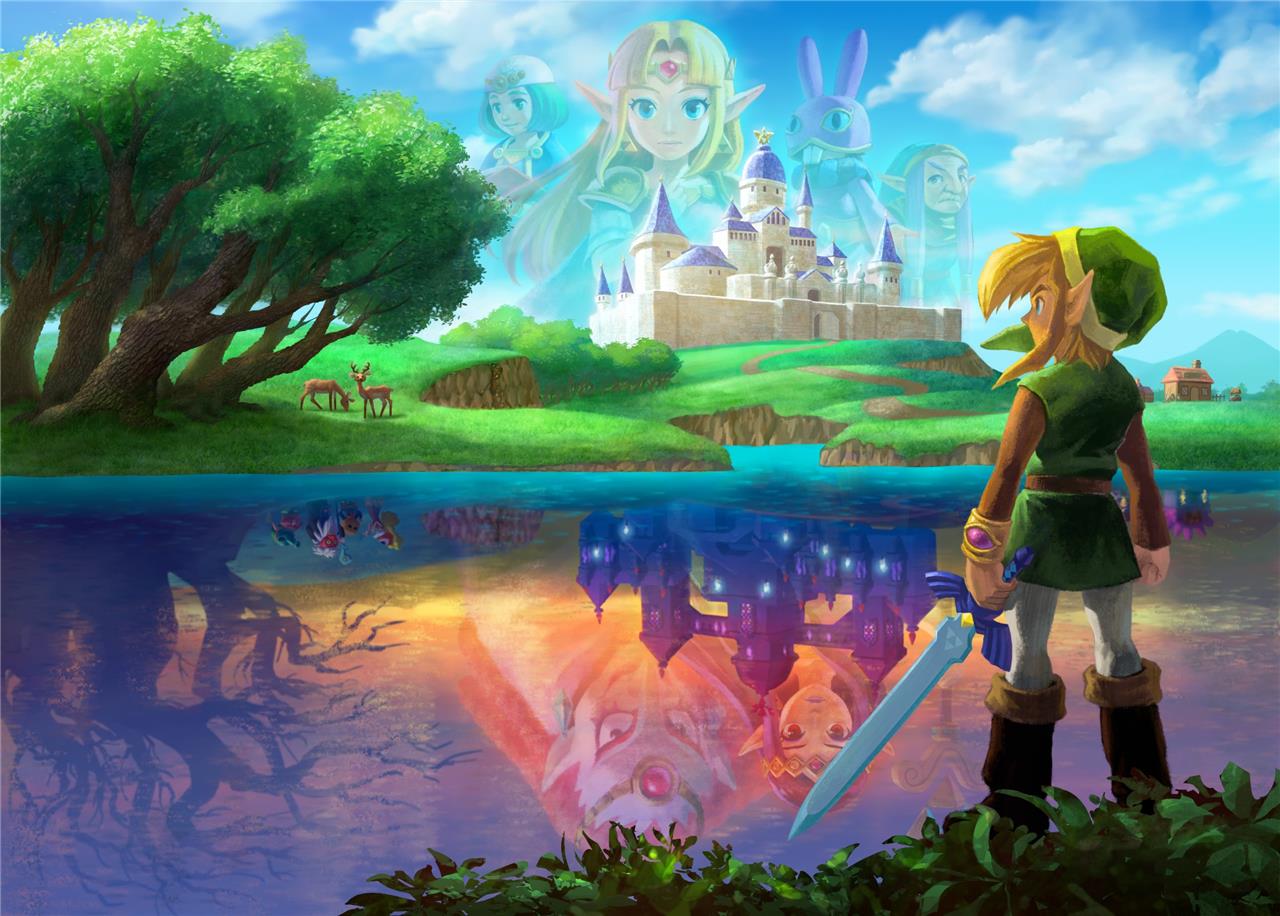
Original release: 2013, on Nintendo 3DS
Where to play now: Boxed 3DS edition is still in print
I always found A Link Between Worlds to be a special game because of the way it iterates on the classic Zelda theme of traversing parallel worlds. Instead of using a mirror to flip between worlds, this game allows Link to transform into a 2D painting, in which form he can walk along walls and into the glittering crevices of Hyrule and its counterpart, Lorule.
For me, Lorule is one of the more interesting versions of Zelda’s classic Dark World. It isn’t just a barren wasteland filled with monsters; it’s also the home of kind and heroic people who want a better way of life. The game plays well, with perhaps the best-integrated touch controls in a Zelda game. On top of all that, it features an unconventional weapon rental system that allows you to explore wherever you want early on. The game’s title nods to the revered A Link to the Past, and it certainly doesn’t fail to live up to its namesake. -AD
8. The Minish Cap
The Legend of Zelda: The Minish Cap, released in 2004 for the Game Boy Advance, is a beloved entry in the series that serves as a prequel to Four Swords, exploring the origins of the Four Sword and the villain Vaati. The game introduces a unique mechanic where Link acquires a magical talking cap named Ezlo, allowing him to shrink to the size of the tiny Minish people, opening up new ways to explore Hyrule and solve puzzles. Featuring classic top-down Zelda gameplay with fresh elements like the ability to fuse Kinstones and new items such as the Mole Mitts and Gust Jar, The Minish Cap offers a rich adventure filled with dungeons, boss battles, and an engaging story about restoring peace by defeating Vaati and saving Princess Zelda. Praised for its inventive design and nostalgic charm, it remains a standout title on the Game Boy Advance and was honored as the 2005 Game Boy Advance Game of the Year by GameSpot.
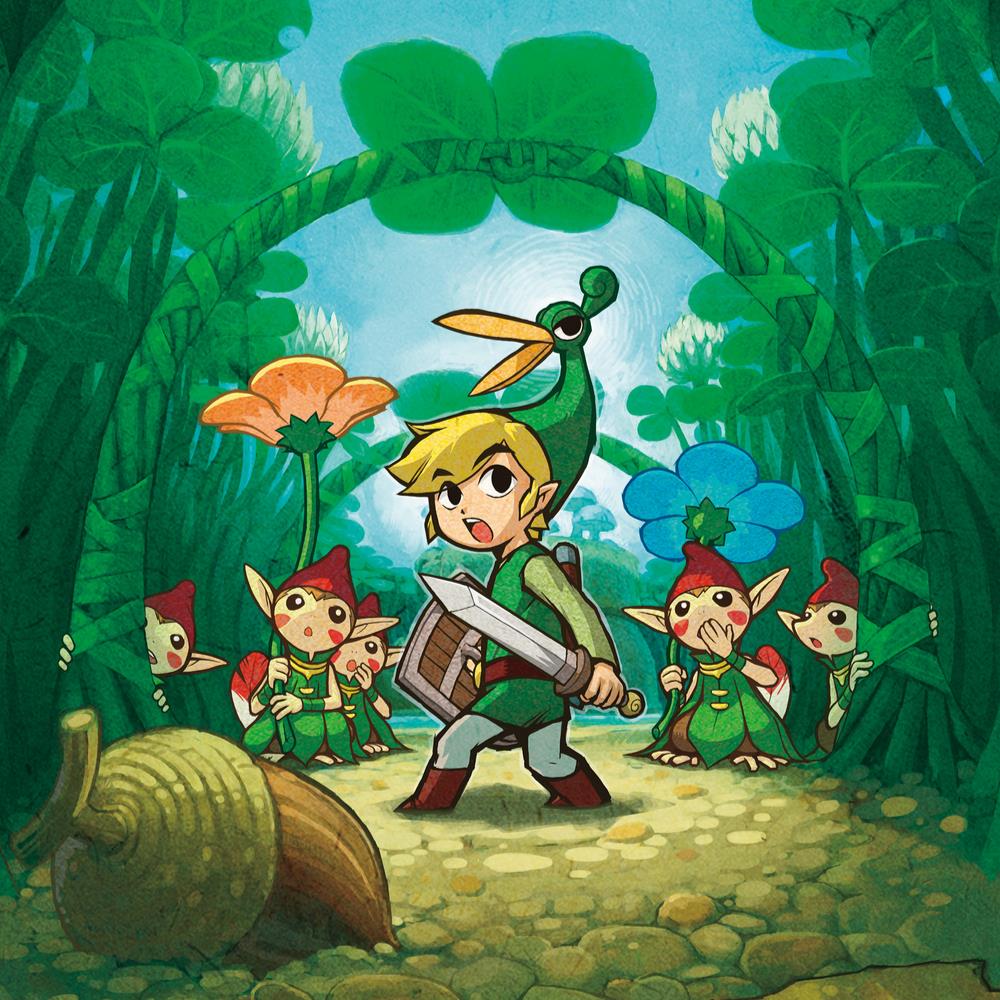
Original release: 2004, on Game Boy Advance
Where to play now: Nintendo Switch Online Expansion Pack
The Minish Cap is a hidden gem of the Zelda series. Developed by Capcom, this Zelda game follows Link after he meets a talking hat named Ezlo that grants him the power to shrink to the size of a pea. Exploring as a tiny hero literally changes our perspective on Hyrule and allows the developers to conjure up a sensorial and vivid world where you’ll fight Vaati and dodge the deathly plop of raindrops.
Similarly to The Wind Waker, The Minish Cap leans into a cartoony charm; you’ll meet zany sword instructors and talk to cows chewing cud. This game also contains one of the Legend of Zelda’s goofiest items, a magical cane that turns objects upside down. Combine these charms with some great dungeon design, and you have the makings of a fantastic Zelda game. It might not usually be counted among the Zelda greats, but The Minish Cap finds its brilliance in the tiny details. -AD
7. Link’s Awakening
The Legend of Zelda: Link’s Awakening is a beloved action-adventure game originally released in 1993 for the Game Boy and later remade for the Nintendo Switch in 2019. Unlike most Zelda titles, it is set entirely on the mysterious Koholint Island, where Link is stranded after a shipwreck. The game focuses on exploration, puzzle-solving, and dungeon crawling as Link seeks eight musical instruments to awaken the Wind Fish, the island’s guardian, to escape. Known for its unique setting outside Hyrule and absence of Princess Zelda and the Triforce, Link’s Awakening features charming characters, including Marin, and incorporates playful cameos from other Nintendo franchises. Its blend of classic Zelda gameplay with inventive elements like side-scrolling sections and a trading minigame has earned it critical acclaim and a lasting legacy among fans.

Original release: 1993, on Game Boy
Where to play now: Choose between its 1998 DX form for Game Boy Color on Nintendo Switch Online or the modernized 2019 Nintendo Switch remake
This was the first-ever Zelda game I played, so all of the references to other games flew over my head, as well as the very obvious signposting about how the story would end. I felt confused, as so many players do, about why the name “Zelda” was in the title (I did think maybe the owl was named Zelda). And yet – although I experienced the classic Zelda tropes and mechanics in the dreamlike setting of Koholint Island, rather than in the larger and more defined kingdom of Hyrule – their magic captivated me completely. Like many others on this list, Link’s Awakening is a weird Zelda game, and it’s proof that being weird and silly is just as much a part of the patchwork of “being a Zelda game” as environmental puzzles or a magic sword wielded by an eternally reincarnating hero. -M. Myers
6. The Wind Waker
The Legend of Zelda: The Wind Waker stands out in the series for its vibrant cel-shaded art style and expansive oceanic world, where sailing plays a central role. Released for the GameCube in 2002-2003, it follows Link as he navigates a vast sea dotted with islands, using the magical Wind Waker baton to control the wind and aid his journey. The game combines classic Zelda gameplay with new mechanics like sailing and a dynamic camera, delivering a rich adventure filled with memorable characters, dungeons, and a surprisingly deep story. Despite initial mixed reactions to its cartoonish visuals, The Wind Waker has grown in appreciation for its unique charm, compelling narrative, and the freeing sensation of exploration it offers, making it a beloved entry in the franchise.
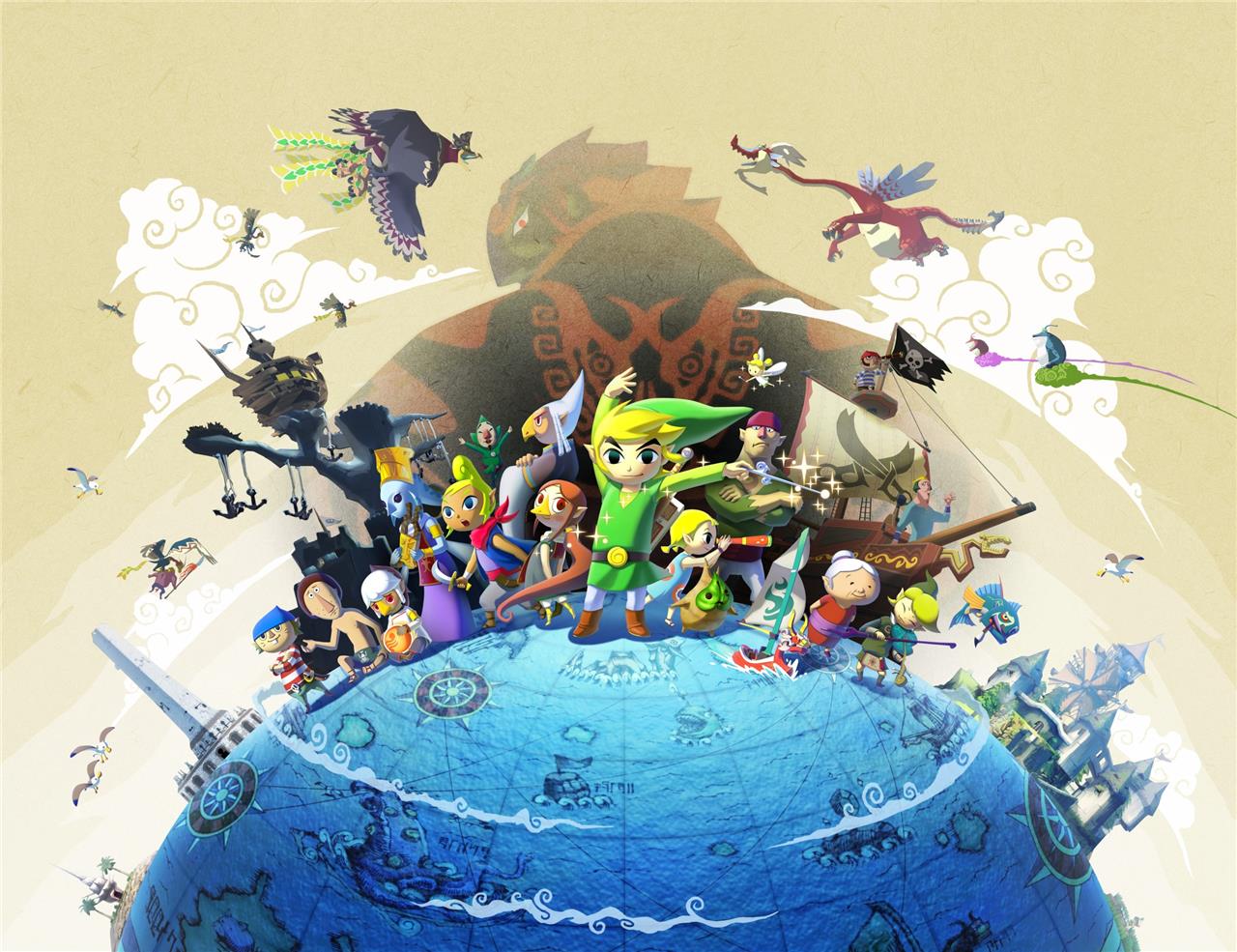
Original release: 2002, on GameCube
Where to play now: Unavailable – track down a used copy of The Wind Waker HD for Wii U
The Wind Waker oozes a charm and sense of character that distinguishes it from other Zelda games and makes it a series great. It dared to take the Legend of Zelda in a bold new visual direction with its wonderfully expressive, cartoony graphics, and introduced one of my favorite Zelda casts. Tetra is an inspired take on the role of Zelda: an adventurous and capable pirate captain who helps Link along his journey. This Link, too, is one of my favorite Links, with his comic book expressions and bumbling antics.
The game moved me emotionally in ways that no other Zelda game has, and I still think about Link’s big send-off, as he waves his tiny arms goodbye to his granny. All this, and it’s thoroughly enjoyable to play. Flourishes like the adaptive soundtrack that plays stringed instruments as Link hits his enemies only add to its zippy combat. This game – from its snot-nosed kids to its timeless art style – is endlessly endearing. To me, its ingredients make for the perfect elixir of a Zelda game. -AD
5. Ocarina of Time
The Legend of Zelda: Ocarina of Time revolutionized the series and 3D adventure gaming with its innovative gameplay and storytelling. Players control Link, a young hero chosen to stop the evil Gerudo King Ganondorf from seizing power in Hyrule. The game’s narrative involves time travel, as Link journeys between his childhood and adulthood to awaken the Seven Sages and thwart Ganondorf’s dark ambitions. Featuring iconic elements like the Ocarina of Time, the Master Sword, and the guidance of the fairy Navi, the game blends exploration, puzzle-solving, and combat across a richly detailed world. Praised for its complex story, immersive atmosphere, and groundbreaking mechanics, Ocarina of Time remains a definitive and beloved entry in the Zelda franchise.

Original release: 1998, on Nintendo 64
Where to play now: Choose between the original version on Nintendo Switch Online Expansion Pack, or the Ocarina of Time 3D remaster on 3DS (boxed edition still in print)
Just as Twilight Princess is secretly Midna’s game, Ocarina of Time is secretly Zelda’s game – or perhaps it belongs to Sheik. It may not be the best Zelda game by modern standards, but Ocarina of Time set a benchmark by which all subsequent entries have been measured, particularly when it comes to storytelling and world-building. It offers up the illusion of an open-world Hyrule, planting the seeds for a garden that would bloom in Breath of the Wild. And it’s the game with a time-travel story that splintered the entire series into disparate arcs – perhaps the most important linchpin in the greater Ganondorf saga. And it still holds up after all these years. Too bad its best version is relegated to the Nintendo 3DS – at least, for now. -M. Myers
4. Breath of the Wild
The Legend of Zelda: Breath of the Wild revolutionized the series with its vast open world and nonlinear gameplay. After awakening from a 100-year slumber, Link explores a ruined Hyrule, regaining memories and freeing the spirits of fallen Champions by purging the Divine Beasts of corruption. The game emphasizes exploration, survival, and experimentation, with a physics-based “chemistry engine” that allows for creative problem-solving and dynamic interactions. Players can climb, glide, cook, and craft to survive, while engaging in a deeply immersive story that culminates in a battle against Calamity Ganon to save Princess Zelda and restore peace to Hyrule. Breath of the Wild’s innovative design and expansive world have made it a landmark title in the Zelda franchise and gaming as a whole.
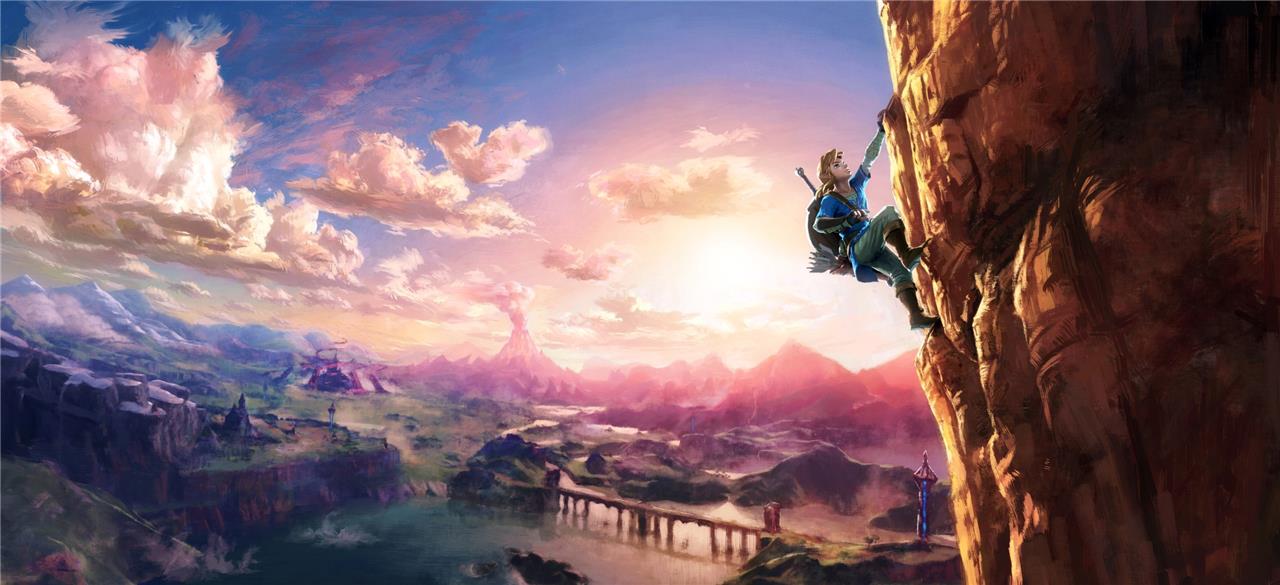
Original release: 2017, on Nintendo Switch and Wii U
Where to play now: Nintendo Switch
Breath of the Wild represents the most consequential overhaul the Zelda series has had since it moved into 3D with Ocarina of Time; in fact, it might be the most consequential ever, bravely scrapping most of the design hallmarks of a revered game series. Nintendo was seeking to modernize Zelda, but also to cut through 30 years of accumulated tradition, all the way back to the untamed adventure of the very first game.
It hardly needs to be said what a success it was: Breath of the Wild catapulted the Zelda series to a new level of popularity and challenged the assumptions of a lot of open-world and role-playing game design in a way that the rest of the industry is still digesting. It’s a dynamic, organic, thrillingly pure adventure, and the only reason it doesn’t top this list is because of what followed. -OW
3. A Link to the Past
The Legend of Zelda: A Link to the Past is a landmark entry in the series, released for the Super Nintendo Entertainment System in 1991. It follows Link as he embarks on a quest to rescue Princess Zelda and the descendants of the Seven Sages from the evil wizard Agahnim and the demon king Ganon. The game introduced iconic elements such as the Master Sword and the concept of parallel worlds, with Link traveling between the Light World and the Dark World to save Hyrule. Praised for its engaging story, intricate dungeons, and innovative gameplay, A Link to the Past remains a quintessential Zelda experience, celebrated for its rich world, memorable music, and lasting influence on the series.

Original release: 1991, on SNES
Where to play now: Nintendo Switch Online
Writing entries for this ranked list has me thinking about just what it is that makes a Zelda game great, and I think it’s the moment of realization. A Link to the Past serves up delicious moments of realization over and over and over again. You figure out that a cracked wall can be blown open to reveal a hidden passageway – oooh! You get a brand-new tool and you realize exactly how you need to use it – aha! You suddenly figure out the trick to a boss fight – take that! And then you realize that you have not even come close – not even close – to seeing all of the discoveries on offer here. A Link to the Past delivers on the pure dopamine rush of discovery, forcing a grin onto your face at every new revelation. It just feels good. -M. Myers
2. Majora’s Mask
The Legend of Zelda: Majora’s Mask stands out in the series for its darker tone, surreal art direction, and complex time-loop gameplay. Set in the eerie land of Termina, Link must stop the moon from crashing into the world within three days, using masks that grant him unique abilities and transformations. The game explores themes of growing up, loneliness, and forgiveness, with a narrative focused less on the hero and more on the diverse characters Link encounters. Its innovative design, mature storytelling, and haunting atmosphere have earned it a lasting legacy as one of the most unique and critically acclaimed entries in the Zelda franchise.
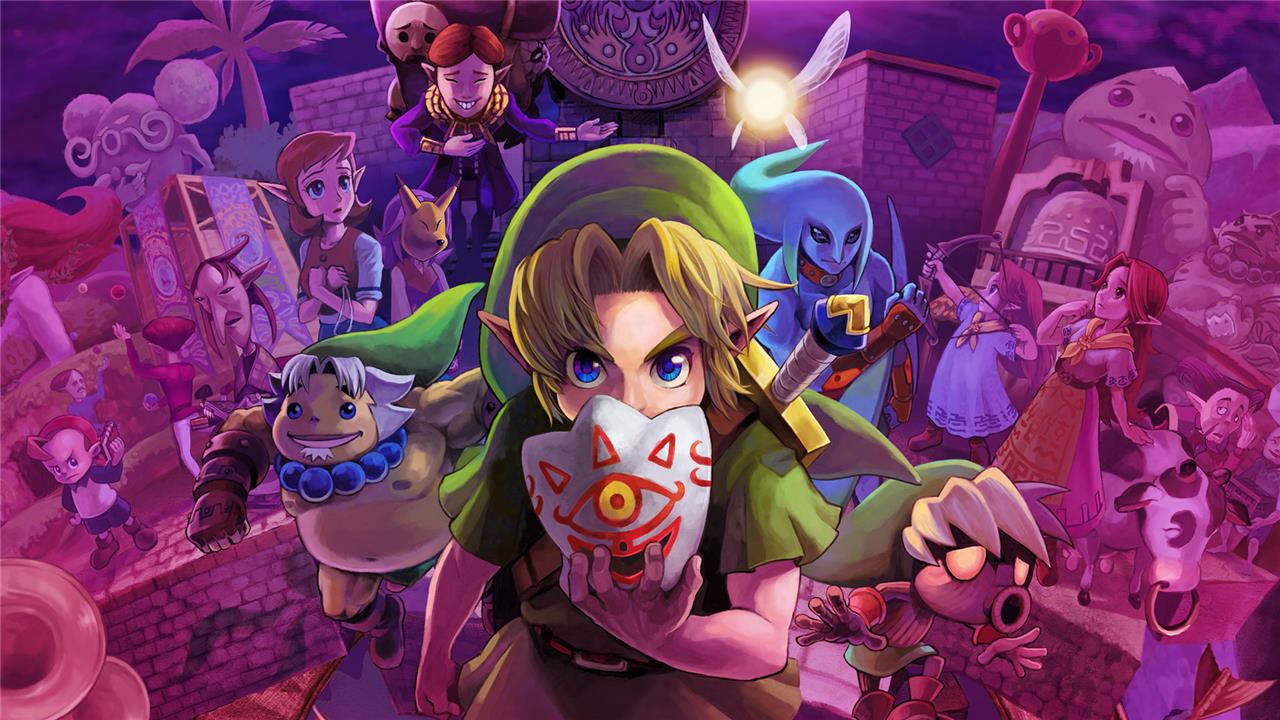
Original release: 2000, on Nintendo 64
Where to play now: Choose between the original version on Nintendo Switch Online Expansion Pack, or the Majora’s Mask 3D remaster on 3DS (boxed edition still in print)
As we’re talking about a series so centered on music, allow me a metaphor: Whereas Ocarina of Time’s time travel was classical in its approach (elegant, balletic, and nimble), Majora’s Mask’s time loop was more reminiscent of jazz: fractured, messy, and challenging, but revelatory all the same. Arriving two decades before the time-loop craze comprising Outer Wilds, Deathloop, and 12 Minutes, Majora’s Mask puts Link in a three-day cycle that unwinds and respools in a strange dream world replete with characters contemplating the impending apocalypse. Compared to most games in the series, Majora largely revolves around side quests, which are largely predicated on the collection of masks. Said quests reset themselves every time Link travels back to the dawn of the first day, (hopefully) armed with the necessary knowledge to bolster his collection and save a life or two in the process.
Majora was the feverish answer to a confounding question: “How do we follow the resounding success of Ocarina of Time and also bridge the gap between the Nintendo 64 and the GameCube?” No one could have predicted the answer: a melancholy, tick-tock ballet of thwarted dreams and desperate lives in the face of the apocalypse, the most intimate and personal Zelda has ever been. It remains the strangest and darkest entry in the series, and I doubt we’ll ever see anything like it again. -M. Mahardy
1. Tears of the Kingdom
The Legend of Zelda: Tears of the Kingdom, released in 2023 for the Nintendo Switch, is a critically acclaimed action-adventure game that builds upon the open-world foundation of its predecessor, Breath of the Wild. Players control Link as he embarks on a quest to find Princess Zelda and stop Ganondorf from destroying Hyrule. The game introduces new environments, including floating Sky Islands and an underground area called the Depths, along with innovative gameplay mechanics involving devices that aid combat, exploration, and vehicle construction. The story deepens the Zelda lore, featuring ancient conflicts, the shattering and eventual restoration of the Master Sword, and Zelda’s transformation into a Light Dragon. With its expansive world, engaging narrative, and fresh mechanics, Tears of the Kingdom has become one of the best-selling games on the Switch, praised for its scale and storytelling despite minor technical issues.

Original release: 2023, on Nintendo Switch
Where to play now: Nintendo Switch
Every Zelda game has built upon the foundations of the games before it, with even the characters in its world acknowledging the myths of yore. No one believes more in the concept of predicting the future based on the past than the developers of Zelda – as well as Princess Zelda herself, who opens Tears of the Kingdom by guiding Link through a series of historical underground murals.
And yet even Princess Zelda in her wisdom couldn’t possibly have predicted how incredible and miraculous her story would become. Tears of the Kingdom is a reflection of this continued promise: You may imagine you understand – based on the history of Zelda games – how ambitious and creative and world-warping a Zelda game could be. And yet that very world will still surprise you. Tears of the Kingdom still surprises me. It’s a gift that I can’t believe we all got.-M. Myers
What makes Tears of the Kingdom the most legendary Zelda game yet
Tears of the Kingdom stands as the most legendary Zelda game yet due to its unprecedented ambition, blending a vast, open world with innovative mechanics that emphasize creativity and player experimentation. It builds on the foundation of Breath of the Wild with refined gameplay, introducing new abilities like “Recall,” “Ascend,” and “Fuse,” which allow for inventive puzzle-solving and vehicle-building, making the experience uniquely expansive and engaging. The game’s narrative is widely praised for its emotional depth and compelling storytelling, with Princess Zelda playing a more prominent and nuanced role, delivering a story that resonates deeply with longtime fans and newcomers alike. Additionally, the game expands exploration beyond the ground to floating islands in the sky and underground depths, enriching the world of Hyrule with new dimensions and mysteries to uncover. This combination of refined gameplay, rich story, and expansive world design cements Tears of the Kingdom as a masterpiece in the Zelda franchise.
How does Tears of the Kingdom innovate gameplay and story
The Legend of Zelda: Tears of the Kingdom innovates gameplay primarily through its new abilities like Ultrahand, Fuse, Ascend, and Recall, which empower players to manipulate objects, build custom vehicles, and solve puzzles in creative, unprecedented ways. This transforms exploration from mere discovery into an act of invention, allowing each player to reshape the world uniquely and experiment with countless solutions, from crafting flying machines to inventive climbing aids. The game’s open world is expanded vertically with floating islands and underground areas, adding new layers to exploration and interaction.
Narratively, Tears of the Kingdom deepens the story by incorporating transformative character arcs-such as Zelda becoming an ancient Light Dragon and Link temporarily losing an arm-infusing the tale with emotional weight and sacrifice. The story unfolds through regional allies, traditional-style dungeons, and meaningful side quests that enrich the world and character development, making the narrative more pronounced and integrated with gameplay progression. Players’ choices in quest order and approach personalize their journey, enhancing immersion and connection with the game world. Together, these innovations elevate Tears of the Kingdom into a storytelling and gameplay experience that redefines player agency and creativity within the Zelda franchise.
