
Rez Dogs went out like it lived: on top, with a poignant finale that balanced grief and joy while celebrating the strength of community. The series closed its three-season run by honoring the bonds that tie the Indigenous reservation together, centering on the burial of a beloved elder and the characters’ choices about their futures-whether to stay or leave-reflecting growth, resilience, and the enduring spirit of the rez.
After some thought, Hokti uses snacks Willie Jack brought her to respond. She takes a bag of chips and places it in the middle of the table, using it to stand in for the elder. The rest of the assorted snacks on the table surrounding the bag of chips become the people he was close to – Willie Jack, Willie Jack’s parents, Hokti herself, and many others in the fictional community of Okern, Oklahoma.
As she speaks, she takes a group of chips out of the bag, and places one on each of the surrounding snacks, reflecting the elder’s impact on the people in his community.
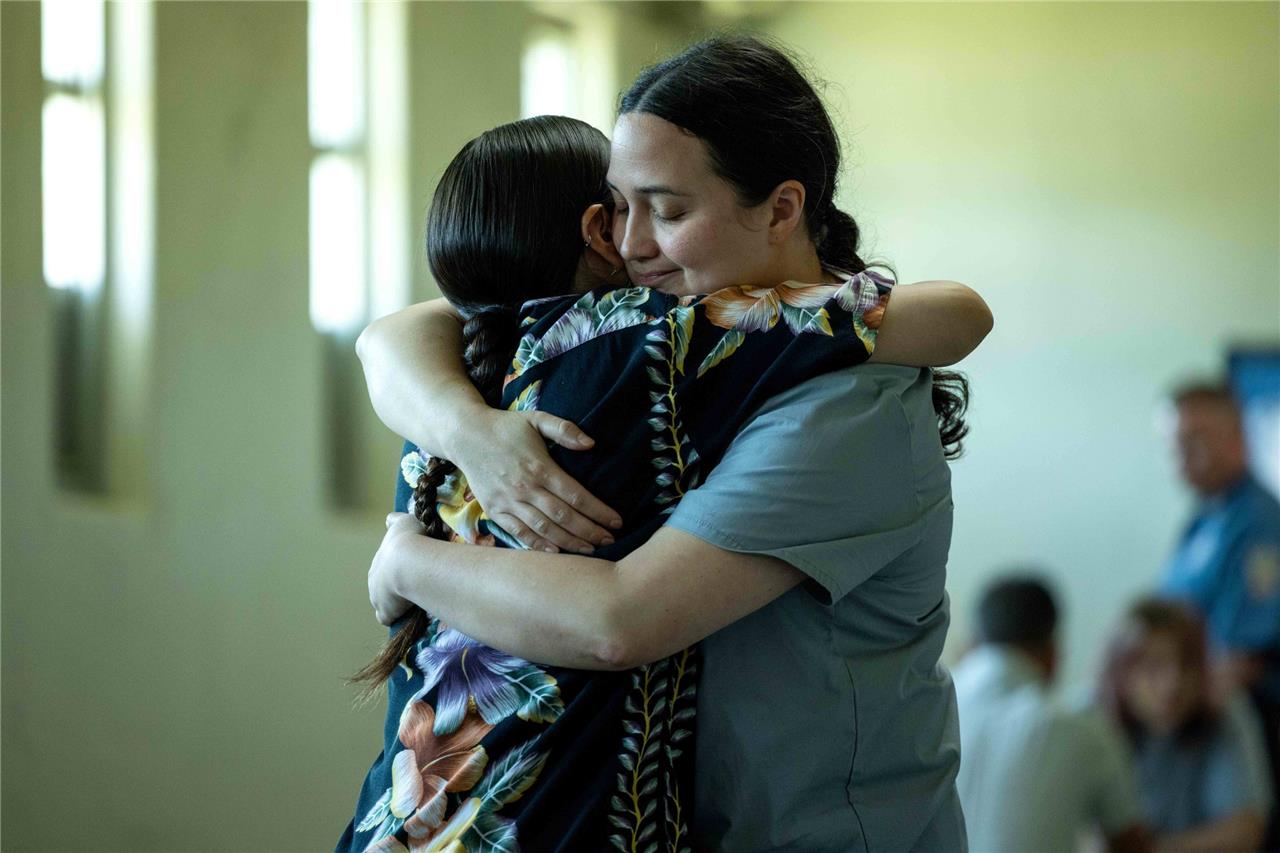
“Say that he spent time with each of these people, a good moment. Let’s even say that he spoke to them about some things. Say he gave them teachings,” Hokti says. “Now, each one of these people – they carry that with them. Now, imagine all the people that are close to you. Your friends. Now, they all carry you with them, so, in turn, they carry [the elder] with them, too. And all this – that’s how community works. It’s sprawling. It spreads. What do you think they came for when they tried to get rid of us? Our community. You break that, then you break the individual.
“[He] isn’t gone,” Hokti says. “He’s right here, between you and me.”
The show is bookended by the loss of loved ones, losses that require healing. In between, the Rez Dogs went through a lot: chip truck heists, hospital breakouts, dangerous road trips, encounters with mythical creatures, and more. But at the end of it, Reservation Dogs was always about community.
<
Sterlin Harjo’s teen dramedy about four Indigenous teenagers in Oklahoma, with all Indigenous writers and directors, meant so much to so many people. It imparted valuable lessons about friendship and community, told stories equally moving and hilarious, and combined a new generation of exemplary Indigenous actors with legends like Gary Farmer, Wes Studi, and Graham Greene. The third season in particular was strongly focused on those intergenerational connections. As the kids grow up and start to decide what they want to do with their lives (and where they want to do it), they naturally find themselves drawn closer to the elders in their community. Rez Dogs depicts this both through direct connection – like the bond Willie Jack mourns here, or Bear (D’Pharaoh Woon-A-Tai) meeting a lost elder in the middle of nowhere – and structurally, in flashback episodes that show the stories of Okern’s elders from their youth (and draw direct comparisons between the two groups of kids across time).
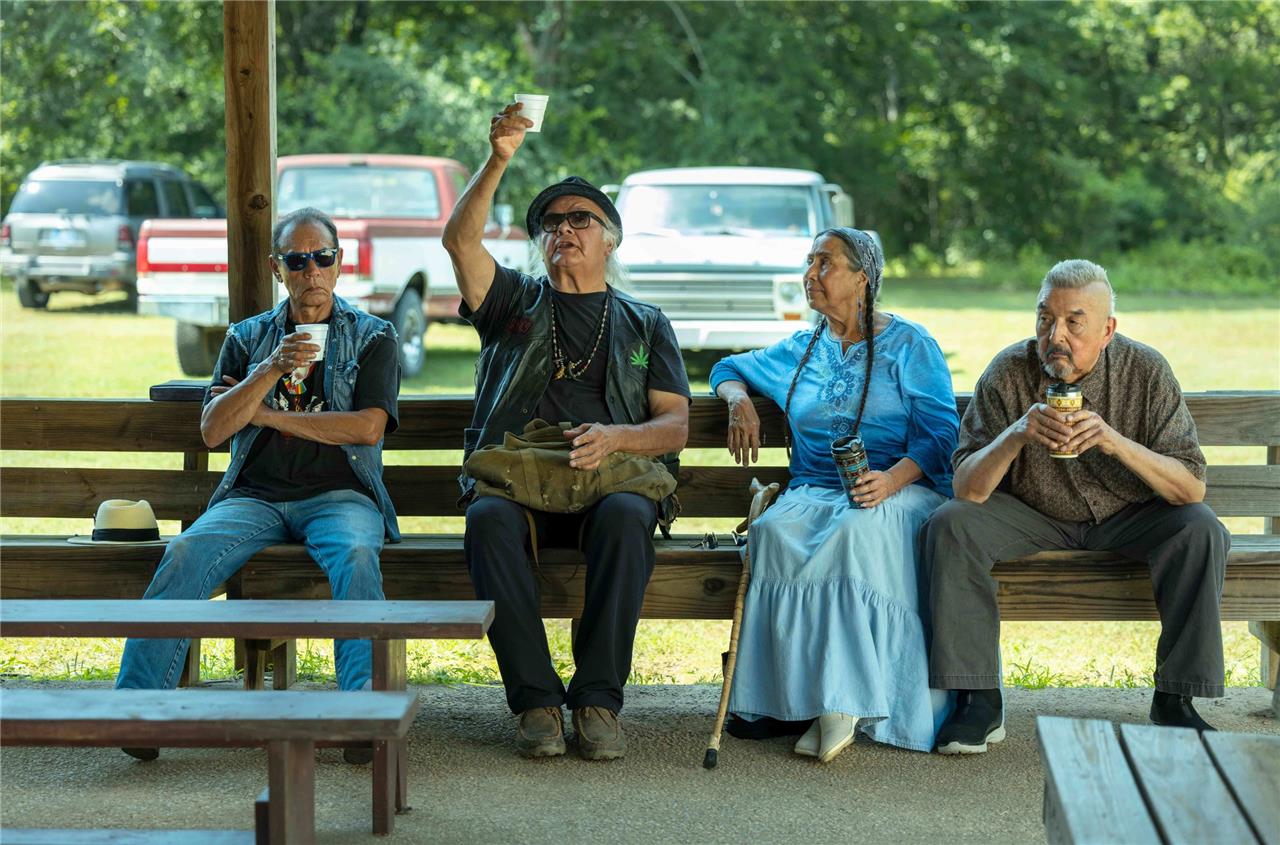
Sure, these parallels allowed the show to comment on grief, aging, and the passage of time. But above all else, Rez Dogs told fun, meaningful stories, with lots of laughs and some of the most lovable, fully drawn characters on TV. The core group of Rez Dogs – Willie Jack, Bear, Elora Danan (Devery Jacobs, Marvel’s Echo) and Cheese (Lane Factor, The Fabelmans) – are among the most lovable group of misfits to have ever graced TV, and their growth into the adults they will become is an absolute delight. That’s especially true of Bear, who started the show as a somewhat self-obsessed, self-appointed leader of the group. By the end, he realizes what he needs to be, even more than a leader: a friend, a member of a tight-knit community.
Rez Dogs was adept at so many different modes, going from “Cheese goes camping with the elders” (a personal favorite) one week to “Rita is visited by the spirit of her long-dead friend” the next, and never once missing a beat. Grand, mythical tales? Check. The aunties going absolutely buck-wild at a conference? Check. A hospital breakout? Check and check. Anything you could want from a TV show, Rez Dogs had it.
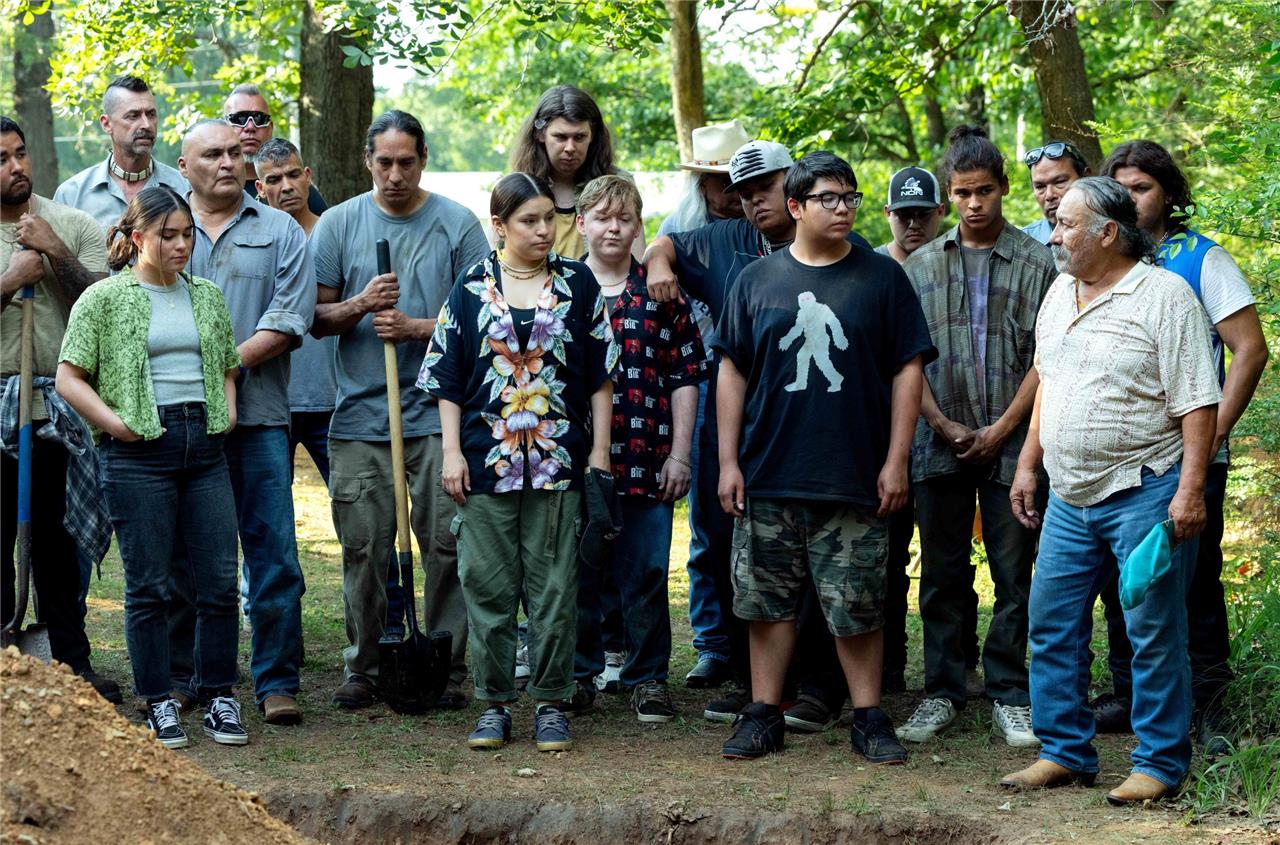
That all came together in the exceptional finale, a funeral episode that brought almost all of the sprawling cast back together. Elders have reunited after decades apart, the kids have put aside their petty squabbles, and members of the community who have long since moved away return for one last celebration. The best show out there culminated with a beautiful display of cross-generational connection. The teachings, tenderness, and joy the show spread to its audience will live on well past the show’s finale, like all great art. And that’s forever.
How did Rez Dogs’ finale redefine the meaning of community and growth
The finale of Reservation Dogs redefined community and growth by showing that both concepts extend beyond physical proximity and traditional boundaries. The episode, centered on the funeral of a beloved elder, brought the entire community together-across generations and backgrounds-to grieve, celebrate, and support one another, illustrating that community is a living, evolving force that persists even as individuals come and go.
Growth was depicted not just as personal advancement, but as a collective journey. Each main character made a distinct choice about their future-some stayed to care for loved ones, others left for new opportunities-but all remained intrinsically connected to the rez and its people. The show emphasized that the wisdom and love of elders are passed down, keeping the community alive through memory, tradition, and shared responsibility. As Hokti explains to Willie Jack, “The thing about community is, you gotta take care of it. You have to play your part. By listening to elders and passing on their wisdom to the next generation, we keep going”.
Ultimately, the finale affirmed that true community is not limited by geography or circumstance. It is defined by mutual care, the sharing of stories and knowledge, and the willingness to let go of fears in order to embrace growth-both as individuals and as a collective.
How does the finale show that community care extends beyond the living
The finale of Reservation Dogs demonstrates that community care extends beyond the living by centering its story on the funeral of a beloved elder, an event that unites the entire community in acts of remembrance, ritual, and collective support. Through the burial and the honoring of the elder’s memory, the show highlights how caring for one another includes tending to the spiritual, emotional, and cultural needs of both the living and the deceased. This care is evident in the way traditions are upheld, stories are shared, and wisdom is passed down, ensuring that the influence and teachings of those who have passed continue to shape and nurture the community.
Such acts reflect a broader understanding of community care, as seen in holistic end-of-life practices, where support is not only about physical needs but also about honoring the wishes, values, and legacies of individuals, providing comfort and meaning to those left behind. By weaving these elements into its narrative, the finale affirms that true community care is an ongoing responsibility-one that bridges generations and persists even after death, sustaining the bonds that define the community itself.
