
Ready to rediscover the magic of reading but don’t know where to start? Whether you’ve drifted away from books or never quite found your groove, this guide will unlock simple, enjoyable ways to dive into reading as an adult-connecting your interests, exploring new formats, and tapping into today’s vibrant book culture to make reading a rewarding part of your life again.
It’s no secret that the AELGAMES staff loves to read. We’re genre agnostic, with tastes spanning categories such as mystery, science fiction and fantasy, literary fiction, romance, and even nonfiction, and we love manga and comics, too. But we’re also sympathetic to how hard it is to find time to do it. By the time the workday is over, you might be too exhausted to consume words on the page – or maybe you’re a parent, working hard to take care of yourself and your family. It also can be difficult to focus, with endless emails, texts, and social media notifications taking up brain space or needing immediate attention.
But there are so many different ways to add reading into your life. There’s this perception of reading as an activity that you need to dedicate discrete time and space to – that it’s uninterrupted and relaxing. Maybe that’s an accessible option for you, which is wonderful, but maybe it’s simply become difficult to focus for long stretches. Maybe you try to read before bed but keep falling asleep. Or maybe you’re busy as hell and wonder, How could I even find time to start a book, much less finish it?
We’re here to help. Some of the regular readers on the AELGAMES staff have shared our stories of how we’ve found time to read in the past year. We all had wildly different answers, which is to say, there are many different ways to add it to your life. We hope these ideas can serve you in your reading journey.
Start your day with a good book
Start your day with a good book to set a positive and stimulating tone for the hours ahead. Reading in the morning can sharpen your mind, improve focus, and enhance your cognitive functions, helping you tackle daily tasks with greater clarity and efficiency. It also provides a peaceful moment to reduce stress and cultivate a sense of calm before the day’s challenges begin. By making reading a morning habit, you not only expand your vocabulary and comprehension but also nurture your brain’s connectivity and problem-solving skills, making it a powerful and enriching way to begin each day.
Working from home is the best thing that’s happened to my reading habits. When I stopped going into the office in 2020, I suddenly had an extra hour in the morning where my commute used to be. Instead of taking this as an opportunity to sleep in, I kept the time of my morning alarm the same, giving myself a bonus hour each morning to fill however I wanted. I tried a variety of things, including yoga and long walks with my dog, but nothing set a better tone for my day than using that time to read.
Starting my mornings this way helps me relax and feel more grounded before signing on to work
To this day, once I finish getting ready for work, I make myself a cup of coffee, curl up with my cats and a cozy blanket, and read for anywhere from 30 to 60 minutes. Starting my mornings this way helps me relax and feel more grounded before signing on to work, and the joy I still get from this routine nearly four years later is more than worth losing that bonus hour of sleep. –Sadie Gennis
Try a dedicated reading device
If you’re looking to immerse yourself in reading, trying a dedicated reading device can make a significant difference. Devices like the Amazon Kindle Paperwhite or the Kobo Libra Color offer high-resolution E Ink displays that mimic the look of paper, reducing eye strain and glare even in bright sunlight. They provide weeks of battery life, lightweight designs for comfortable long sessions, and seamless access to vast libraries, including public library collections. Some models even feature waterproofing, adjustable warm lighting, and note-taking capabilities, enhancing your reading experience beyond what a phone or tablet can offer. Choosing a dedicated e-reader helps you focus on reading without the distractions of other apps, making it easier to build and maintain a reading habit as an adult.
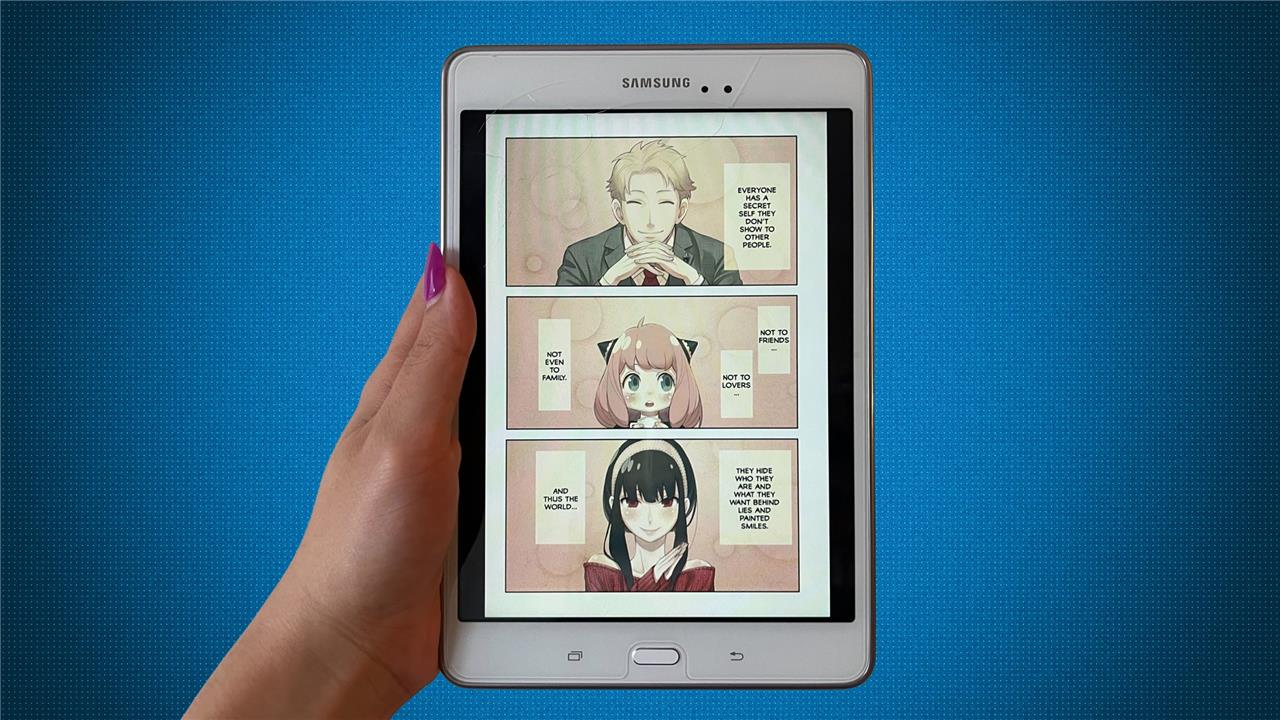
I’ve probably written about this enough already, but I got back into reading by reading manga on my tablet using the Shonen Jump app.
I think it’s really easy to get all high and mighty about what is and isn’t worth reading, but comics are great. Reading manga before bed has become a treasured part of my evening routine, and genuinely feels like me time. My tablet doesn’t have any messaging or social media apps, so I’m not interrupted while reading and I get a nice break from the internet. It’s like a little oasis of my own every night.
All you need is a shitty tablet, or even a phone if you’re OK with squinting, and you can read acclaimed stories with stunning art. Besides, reading a novel seems a lot more doable after breezing through a thousand chapters of One Piece. –Ana Diaz
Try something that was once forbidden
If you’ve never explored genres or topics that once felt off-limits-whether due to personal biases, societal norms, or simply unfamiliarity-now is the perfect time to break those barriers. Trying something that was once forbidden can open up new worlds of imagination and insight, reigniting your passion for reading. From controversial classics to bold new voices, embracing the unexpected can transform your reading journey into an exciting adventure.
Other folks have already shared variations of the golden rule for finding pleasure in reading: “Stop assigning yourself homework.” Now let’s go a step further. Try stuff that you explicitly weren’t allowed to read in school. Books are sick, and I don’t mean cool; I mean depraved.
In high school, I, like so many millennial teenagers, had my Chuck Palahniuk period. Giggle all you want, but reading novels like Survivor and Choke felt like gaining access behind the beaded curtain. You can go highbrow with Graham Greene’s Brighton Rock, the tale of a pier-loitering teenage sociopath. Or you can opt for a legend of the airport bookstore, like Anne Rice. You’ve heard of Interview with the Vampire, but if you haven’t read it, trust me, you’re in for some grade-A filth. –Chris Plante
’Having fun isn’t hard when you have a library card’
Getting into reading as an adult can be an enjoyable and rewarding experience, especially when you have access to a wealth of resources through your local library. With a library card, you unlock a world of books, audiobooks, and digital media that cater to all interests and reading levels. This makes it easier and more affordable to explore new genres, discover captivating stories, and develop a lasting reading habit without the pressure of purchasing every book. Embracing the library’s offerings is a simple step toward making reading a fun and integral part of your daily life.
In 2023, I read more books than I had in the previous three years combined. My favorite animated aardvark knew what he was about. Moving to a place with a library less than a 10-minute walk away has been a game changer. I’d previously used apps like Libby and Overdrive, but there’s just something about waltzing into a library without knowing exactly what you’re looking for and letting the stacks whisper to you. Last year, I discovered a bunch of new favorites and also became a certified romance reader, all because I took a chance on a library book.
But while the library definitely solved my “access to books without committing to buying something that you may not like and it will take up space on your bookshelf and haunt you for years to come” problem, there’s also another hurdle to address. Even with library access, you still have to find the time to read – which can be hard, with a million shows and movies on streaming, a ton of games in my backlog to play, and other hobbies that I could be spending time on.
Last year, though, I made it a point to get off social media. It actually wasn’t that hard, considering that Twitter kinda set itself on fire and TikTok was making me so enraged that I just deleted the app. I started to use that time to read instead. It especially works for in-between moments – waiting for my pasta water to boil, or grabbing a snack and not wanting to commit to watching a television show. As much as I love to just spend hours poring over a book, that’s not the only way to read. I can get the same fix in bite-sized chunks, the same quick hit I used to get from Twitter or TikTok. It’s just as entertaining (dare I say. even more so?), without the negative side effects of doomscrolling! –Petrana Radulovic
Mix it up with an old classic or a new co-reader
Mixing it up with an old classic or a new co-reader can refresh your reading experience and keep your interest alive. Revisiting timeless classics offers a chance to connect with enduring stories and themes, while exploring new authors or formats like audiobooks can introduce fresh perspectives and convenience. Having a variety of books on hand, including different genres and formats, ensures you always have something appealing to dive into, helping to maintain a consistent reading habit. Additionally, joining reading challenges or sharing books with a co-reader can add motivation and enjoyment to your reading journey.
A lot of things have helped me pull out of periodic reading slumps – taking recommendations from friends, tracking down old favorite authors to see what they’ve been up to, getting into ebooks and instant downloads from libraries via Libby and Hoopla, reading a lot of Book Riot for sales and recommendations. But two comparatively offbeat things spiced up my reading more than usual last year, and I’d recommend giving both of them a try.
Go back to some old favorites – I mean really old favorites. Susana Polo’s 2023 piece on Disney’s animated movie One Hundred and One Dalmatians reminded me of a writer I haven’t thought about in decades: Bill Peet, the movie’s writer and storyboarder, and the author of a huge pile of weird, wild picture books I read in childhood. Armed with nostalgia, I hit the library and reread a bunch of those picture books – none of them were challenging or enlightening reading, obviously, but the memories they called up were a lot of fun, and they reconnected me with a different era of my connection to books. And then I got to recommend them to, and buy some of them for, my friends with young kids.
Touching base with things I read and loved in childhood let me think more about what I like to read today
Similarly, a stray memory late last year took me back to Island of the Blue Dolphins, a favorite classic from my early reading years. It only took an hour or so to reread, and it brought back a lot of memories – and sent me off looking for more contemporary books about Native islanders, ones up to today’s standards instead of the standards of when it was written. Touching base with things I read and loved in childhood let me think more about what I like to read today, and why – and helped me think about some of the messages I internalized from books as a kid, which has been worth thinking and talking about with friends.
Read to someone else, or have someone read to you. Revisiting childhood picture books reminded me of the times I’ve read books to kids, and made me want to spend more time doing that. But we don’t put enough value on adults reading to each other. Inspired by a friend of mine who says he and his wife take turns reading A Christmas Carol to each other every holiday season, I started asking my husband to read out loud to me on long car trips. It’s a surprisingly pleasant social activity, with all the enjoyment of a good audiobook combined with the connection factor of focusing us both on the same story and making it an active process instead of a passive one.
This is a good one to try for evenings at home with a significant other or family member. Most of us who don’t have kids in the immediate family have probably gotten out of the habit of reading out loud, but it can be a really satisfying way to enjoy and engage with a story – and with someone else who’s interested in reading more, too! –Tasha Robinson
Listening is also reading
Listening to audiobooks or podcasts is a fantastic way to engage with stories and ideas, especially for busy adults. It allows you to absorb content while commuting, exercising, or doing chores, turning otherwise idle moments into enriching reading experiences. By training your mind to follow narratives and absorb information through listening, you develop skills similar to traditional reading, making it an accessible and enjoyable entry point into the world of books.

Reading has always been one of my favorite pastimes, to the extent that it’s a hobby I identify with on the level of who I am as a person. But as I’ve balanced more and more responsibilities in my life, I’ve had to get more creative with how I keep reading. For the past few years, I’ve found it harder to find uninterrupted reading time – which has atrophied the muscle of being able to focus, even, with a book. I kept assuming that I’d ease back into it, but I never did. I’d sit with a book and find myself hopelessly distracted just a few pages in.
Instead, I’ve gotten really into audiobooks, which I can listen to while going on a daily walk, doing the laundry, or washing the dishes. It motivates me to actually get the chores done – I want to know what’s happening next – but it helps settle my fidgety nature, too. I’ve also started reading essay collections while my partner plays single-player video games. We both love gaming and reading, so if either of us hits an exhaustion point, we’ll simply trade: I’ll play the section he’s stuck in, and he’ll make his way through an essay in the collection. It’s a fun way of sharing media together that’s typically consumed individually. And it’s made the whole thing way more social. -Nicole Clark
Don’t forget – there are other kinds of reading out there
Reading as an adult doesn’t have to be limited to just books. There are countless other forms of reading that can be just as enjoyable and enriching, from magazines and graphic novels to blogs, articles, and even interactive storytelling apps. Exploring these different formats can keep your reading experience fresh and engaging, helping you discover new interests and stay motivated on your journey to becoming a more avid reader.
You want to read more books? Sorry, can’t help you there; I start way more of them than I finish, and haven’t read them regularly since college.
Would it be nice if I read more books? Sure, and maybe I’ll check out some of the suggestions from my co-workers above. But my wife and I are about to have our first child, so I don’t know that I’ll have the time or the inclination to make it through book-length works anytime soon.
What I do read a ton of, though, is journalism. I was a news junkie long before I started working in the media, but I’d say that it comprises something like 90% of what I read these days – and that’s everything from bullet-point news bites to magazine-length features. I’m not just talking about reporting here; I also mean analysis, explainers, movie/TV/game criticism, personal essays, interviews, and data journalism. I’ve always been a Twitter, and reading journalism is the main way that I learn and stay informed about the world and what’s happening in it.
Twitter used to be my primary curation tool here – I currently have nearly 180 tabs open across three Chrome windows, and the vast majority of them function as bookmarks: They’re tweets of stories that I intended to read at some point. It’s not the best strategy for actually reading more journalism, as you can see, but I do make attempts to chip away at that backlog every so often.
Curious why so many adults struggle to pick up reading again
Many adults struggle to pick up reading again due to a combination of modern life pressures and changes in habits. Common reasons include stress, which makes it difficult to focus on reading, and the overwhelming presence of distractions like TV and digital entertainment that are easier to consume after a long day. For many, reading drops low on the list of priorities as jobs, family, and daily responsibilities take over, leaving little dedicated time or energy for books.
Additionally, some adults lost the habit after finishing school, either because they were never truly engaged with reading or because the routine of reading for pleasure was replaced by other activities. Negative experiences with disappointing books or feeling pressured to read what others recommend, rather than what genuinely interests them, can also break reading habits and make it harder to return.
Ultimately, the struggle is less about ability and more about competing demands on attention, time, and motivation in adulthood.
How does stress prevent adults from focusing on reading again
Stress prevents adults from focusing on reading by disrupting the brain’s ability to concentrate and process information. When someone is stressed, the body’s “fight or flight” response diverts resources away from the prefrontal cortex-the part of the brain responsible for deep-thinking tasks like reading-making it much harder to absorb and retain what’s on the page. Chronic stress impairs attention control, leading to increased distractibility, slower responses, and reduced accuracy in tasks that require sustained focus, such as reading.
Stress can also trigger anxious or intrusive thoughts that compete with the mental resources needed for reading, causing readers to lose their place, reread passages, or give up altogether. Additionally, heightened anxiety or trauma can make it difficult to immerse oneself in a book’s narrative, as the mind remains hyper-vigilant and unsettled, unable to relax into the story.
In summary, stress impairs both the cognitive and emotional conditions necessary for focused, enjoyable reading, making it a common barrier for adults trying to reestablish a reading habit.
