
“Star Wars: Visions” season 2 shatters expectations with a burst of artistry and imagination, proving that the galaxy far, far away can thrive in countless forms beyond lightsabers and legacy.
The tales of Star Wars: Visions are familiar, recalling the tragedy and pulp fantasies of George Lucas’ long-running franchise. And yet this animated series makes Star Wars feel new, both through the angles its episodes take on these archetypal stories, and perhaps more importantly, through the diversity of its visual palette, from the many animation houses that produced the individual Visions shorts. Season 2 continues to eschew the saga of the Skywalkers and the Palpatines, in favor of smaller episodes reinterpreting the Star Wars universe. But it also has new looks. Visions is no longer just an anime anthology: It’s become so much bigger.
“We always saw Visions as really having the potential to be a broader canvas,” producer James Waugh tells AELGAMES. The anthology setup, as he sees it, is the perfect “framework that allowed for the best creators in their craft and their mediums to explore and celebrate Star Wars in new ways.” That’s exactly what season 2 commits to, by pulling in a mixture of animation styles and production houses from all over the world.
As with season 1 of Visions, the individual directors and studios naturally superimpose their own histories and house style on Star Wars. A lot of the best moments of Visions’ second season draw heavily on those distinctive viewpoints, which connect in a kind of communion, over common themes of lost and rediscovered family, homes colonized or reclaimed, across different cultures, both on-screen and off-.
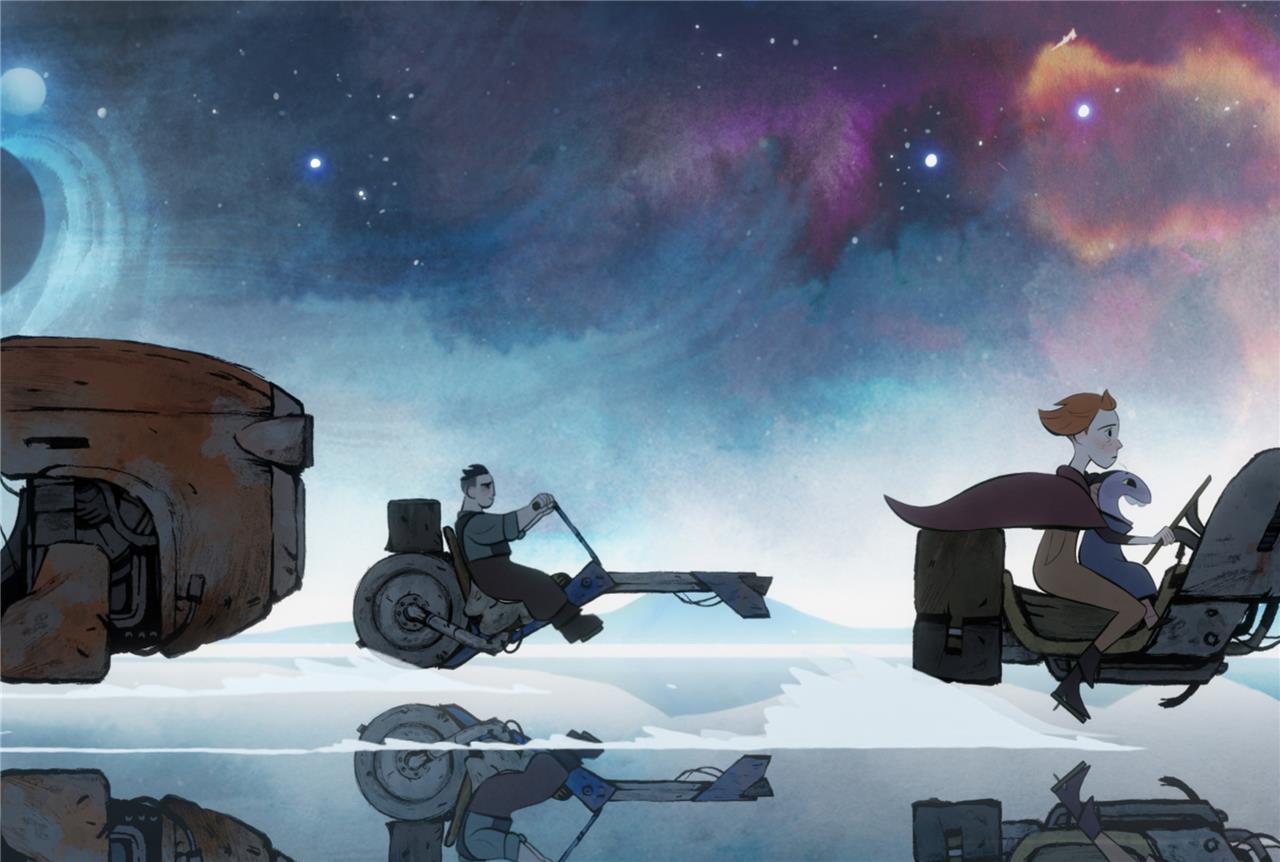
Each of these new windows on the world offers another interpretation of Star Wars myth, giving season 2 of Visions an even more exciting reach than season 1. Waugh says that he realized with Visions‘ first season that these were stories “you could really only get from filmmakers that were from Japan, that had unique perspectives on the world, but also cultural influences, religious influences, historical touchpoints or reference points.” That led to the mission of season 2, looking to “expand what Visions can be with this volume, and see what new voices we can bring in.”
Folding in all these cultural backgrounds, with creators pulling from their own historical encounters with fascism, makes this a more politically charged season. A lot of the artists’ first stops are inspired by the idea of imperial occupation, spinning out of the consequences of resistance or plights for freedom. “Screecher’s Reach,” “The Bandits of Golak,” “In the Stars,” and “The Spy Dancer” all imagine different corners of the universe under the Imperial thumb. Each of these shorts finds a different and compelling tack in depicting the ways people might escape that oppression – sometimes based in folklore, sometimes in real-world parallels.
Take the haunting evocation of Irish folklore in the Cartoon Saloon-produced “Screecher’s Reach,” directed by Paul Young. Through expressive animation, it twists a familiar heroic test of courage into something more sinister and upsetting. Gabriel Osorio’s “In The Stars” is another highlight that shows how Visions is broadening its canvas. Produced by the Chilean studio PunkRobot in stop-motion-styled 3D digital animation, it has a tangibility that feels important, taking pointed influence from Chilean history of colonialism and oppression as it depicts the surviving daughters of a tribe hunted to extinction.
Removed from the context of the Skywalker Saga, Visions takes the opportunity to simply tell lower-stakes stories in the Star Wars mold, which feels like a fresh approach – maybe all the more so after the mythology-heavy season 3 of The Mandalorian. Just as in the previous season, some fans are interested in the stories that the constant momentum of the franchise’s other works don’t allow. How do people live in this galaxy when it isn’t at war, or its people aren’t focused on resisting tyrants?
Where season 1 answered that question in “Tatooine Rhapsody,” this season has Aardman Studios’ “I Am Your Mother,” with something rarely explored in the Star Wars franchise: a mother/daughter tale. Following a pilot cadet hiding her upcoming family day from her boisterous mother, director Magdalena Osinska plays much of her story for laughs, through a series of visual gags and callbacks to both Star Wars history and Aardman Studios’. (Many viewers have already pointed out the appearance of the skiing robot from Aardman’s 1989 Wallace and Gromit short A Grand Day Out.)
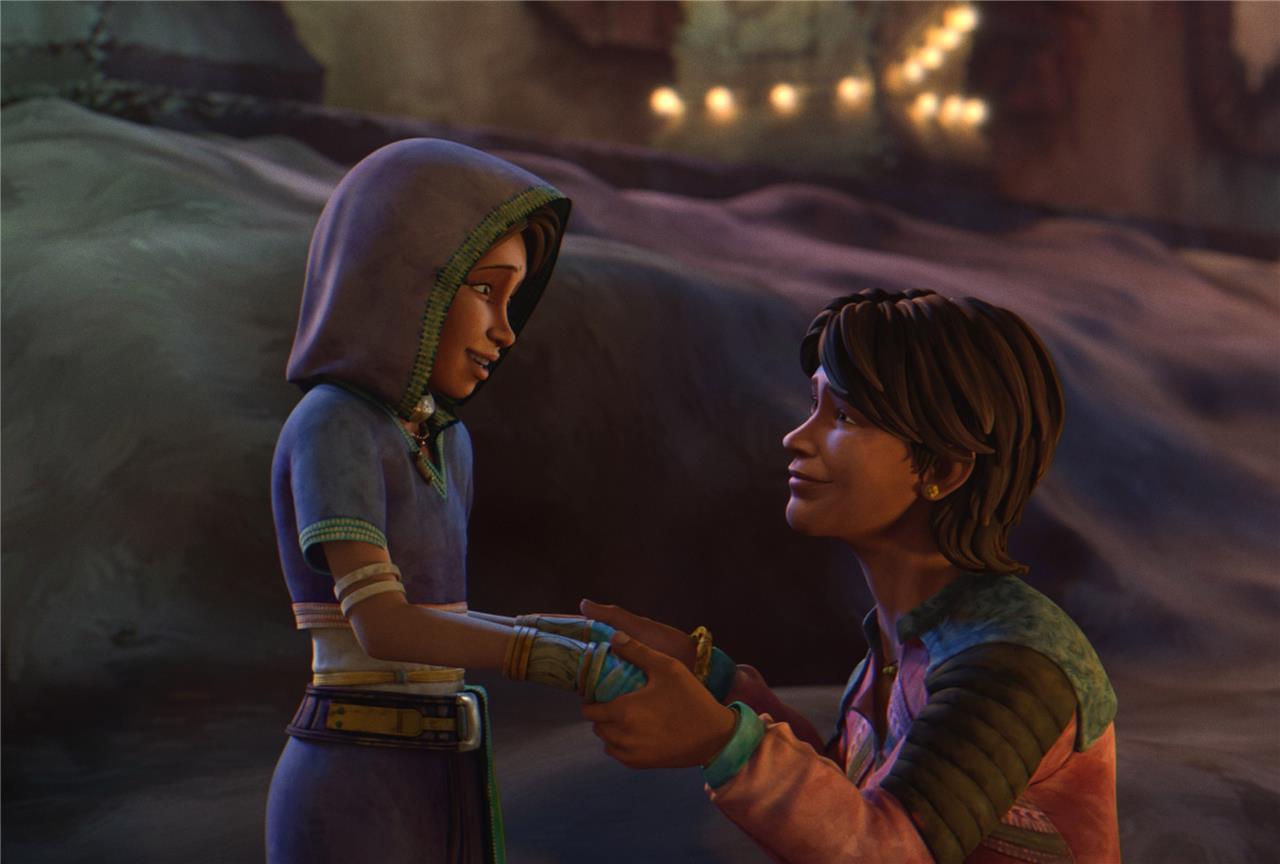
The winsome Aardman stop-motion animation sits comfortably next to work like Cape Town studio Triggerfish’s “Aau’s Song” – another stop-motion work, but of such great scale and natural beauty that I started getting mixed up on whether this one was made like PunkRobot’s season 2 short “In the Stars,” which is gorgeous stop-motion-styled 3D digital animation. It isn’t, and the felt puppets in “Aau’s Song” absorb the episode’s vivid lighting in a wondrously hazy glow, as it tells the story of Aau, a child gifted with a magic song.
As someone who spent a large portion of their childhood growing up in South Africa, hearing the accents reflected here and seeing the episode’s Cape Town-inspired people and vistas (with perhaps a little bit of Peru in there too) was an uplifting experience, crystalizing what is so incredibly striking about Star Wars: Visions‘ global approach. While the franchise has always taken bits and pieces of inspiration from different cultures in its fiction, it has rarely done so from the point of view of those people.
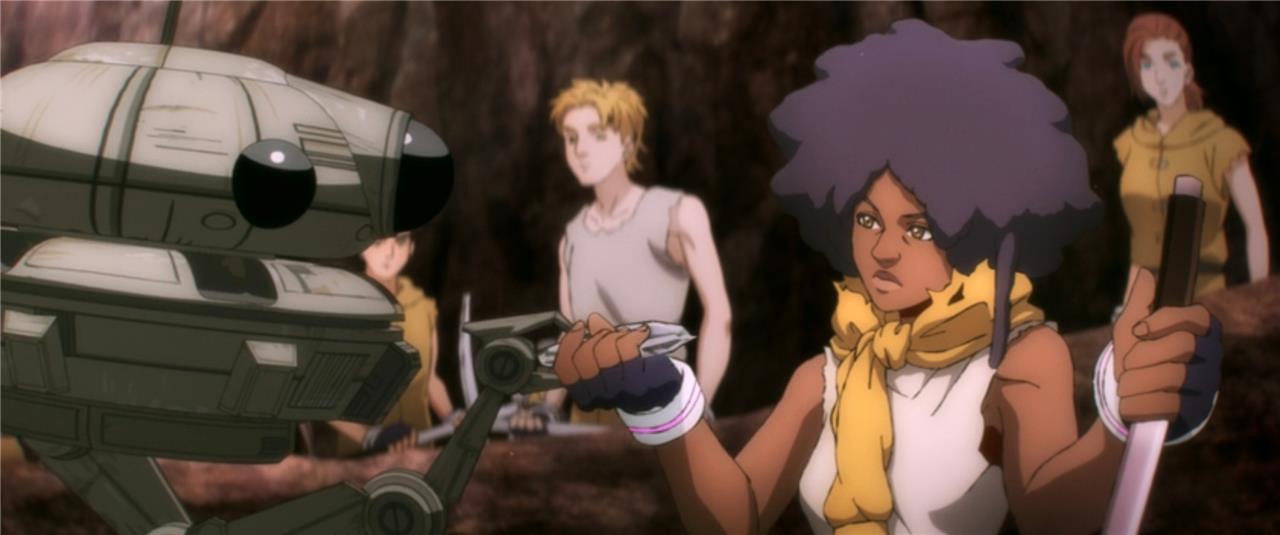
Those real-world inspirations in Visions season 2 lend the show a feeling of urgency the franchise has felt deprived of, perhaps excepting Andor. That sense of variance at the core of the series is reminiscent of what made the franchise feel so exciting, back when George Lucas seemed to be able to jump between fantasy genres and hard sci-fi, all in one scene. Visions‘ many different appearances feels traditional and forward-thinking all at once, in terms of how it evolves the franchise’s iconography and its thematic interests, while preserving what makes this universe so compelling.
All of those angles may leave fans wanting more – almost any of these episodes on their own could expand into a compelling feature film. But perhaps that’s why Visions is so enthralling. This series creates stories with an ephemeral beauty, stories that don’t outstay their welcome or diminish their (sometimes incredibly haunting) impact. Without needing to continue these stories, creators can land on a thrillingly bleak conclusion and leave room for the next snapshot of Star Wars.
As to where the show goes from here, who knows. (Waugh doesn’t rule out revisiting the approach of season 1: “Not to say that we won’t do any more anime – we love anime.”) That ability to truly take Star Wars to any medium, to any interpretation from any country, is what makes Visions‘ expansive approach feel so special. It’s like the franchise is finally capable of anything.
Plot summary of I Am Your Mother episode
“I Am Your Mother” is a short, comedic episode from Star Wars: Visions Season 2 that follows a young pilot cadet named Anni who is mortified when her over-affectionate mother, Ma, shows up unexpectedly at her space-flight academy.
Main plot
Anni is trying to prove herself as a serious pilot and impress her peers, but her mother keeps acting clingy and embarrassing her with hugs, snacks, and overly enthusiastic support. When the academy announces a chaotic, high-stakes “family race” where cadets must team up with a relative, Anni is forced to partner with Ma, much to her dismay.
Race and character growth
During the race, Ma’s unorthodox piloting style and emotional support gradually help Anni loosen up, think creatively, and work as a team rather than trying to do everything alone. By the end, Anni realizes that her mother’s love and quirks are strengths, not weaknesses, and the two finish the race with a much closer, more appreciative relation
Who are the voice actors in I Am Your Mother
The main voice actors in the Star Wars: Visions episode “I Am Your Mother” are:
-
Charithra Chandran as Annisoukaline “Anni” Kalfus (the young cadet pilot).
-
Maxine Peake as Kalina Kalfus (Anni’s mother).
-
Daisy Haggard as Dorota Van Reeple.
-
Bebe Cave as Julan Van Reeple.
-
Denis Lawson as Wedge Antilles (reprising his classic Star Wars role).
These actors provide all the primary voices for the short’s comedic, family-driven storyline.
