
Every battle in Honkai: Star Rail runs on a mix of chance and strategy, from the pull of a rare character to the turn-based clashes decided by clever timing. Understanding its terms and mechanics can mean the difference between a quick defeat and a flawless victory.
Below, we list out all the terms and mechanics, explaining them for the modern gacha player to get up to speed.
Account information
Account information tracks your player profile in Honkai: Star Rail, including UID, server region, account creation date, and linked platforms like HoYoLAB or email. It displays progress stats such as days played, total pulls, achievement count, and Trailblaze Level. Use this section to verify details before transfers or support tickets, and bind accounts to secure data across devices. Gacha records here log every warp banner draw with timestamps and results for review.
- Trailblaze level: Your account level. As you rank up, you can claim rewards from Pom Pom and increase your Equilibrium Level.
- Equilibrium Level: The difficulty level of your game. You need to increase this to power up your characters further.
- Trailblaze Power: Your stamina. You can only complete certain gameplay elements if you spend this. It caps out at 180. It takes six minutes to regain one Trailblaze Power and 18 hours to refill all 180.
Characters and equipment
Characters in Honkai: Star Rail fall into Paths like Destruction or Nihility, which define their combat roles, and Elements such as Fire or Quantum, which determine damage types and interactions. Each pulls from Light Cones that boost stats or grant passives, equips Relics for core attributes like ATK or CRIT Rate across six slots, and uses Planar Ornaments for set bonuses tied to team synergy. Traces upgrade skills, talents, and basic attacks through materials and relics, while Eidolons from duplicate pulls add powerful enhancements.
- Paths: Character types, classifying them into defensive, healing, AoE, etc. roles. There are seven classifications and each use different Light Cones.
- Light Cones: Weapons. These are the primary pieces of equipment your characters use. You can pull for them in the gacha or you can farm some lower-rarity ones from various fights.
- Traces: Character skill levels. Increase the damage output from your characters by using simple materials to upgrade these.
- Relics: Sub-equips, similar to Genshin Impact artifacts. They have set bonuses and roll random substats.
- Eidolon: When you pull duplicates of the same characters, you can upgrade their stats and skills by increasing their eidolon.
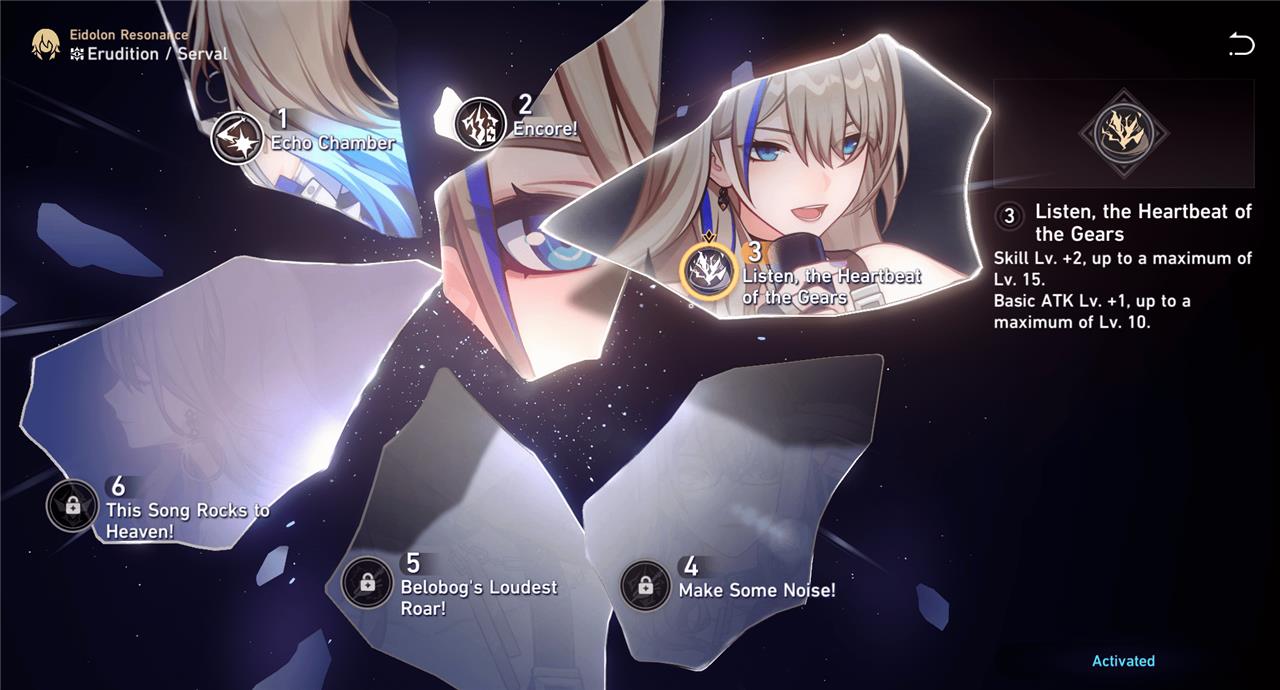
- Talent: A passive ability that can buff the character, cause them to make follow-up attacks, etc.
- Skill: An ability that requires skill points to use.
- Ultimate: A powerful ability that requires a full ultimate gauge to use.
- Technique: An ability that is used outside of combat to supplement an incoming fight.
Dailies and weeklies
Dailies and weeklies in Honkai: Star Rail are routine tasks that reward players with resources for consistent play. Daily missions typically offer Stellar Jade, credits, and materials for character growth, while weekly activities include assignments like the Simulated Universe and Echo of War, which give rarer items and higher-level gear. Completing these regularly helps players maintain steady progress without heavy grinding, ensuring they make the most of limited-time opportunities each cycle.
- Nameless Honor: The battle pass. You can rank it up to level 50 for free by doing daily and weekly tasks, but you can expand upon the rewards by paying money.
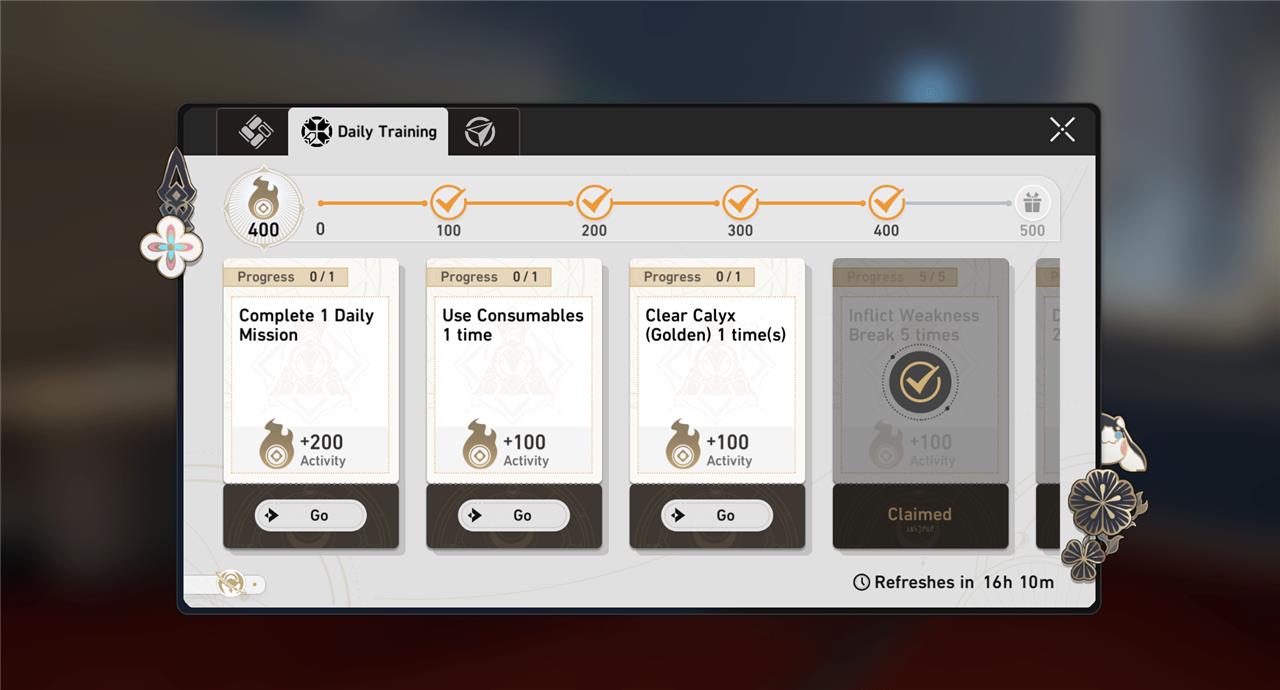
- Daily Training: A set of five tasks you can do to earn “activity.” For each 100 activity you earn, you get a handful of Stellar Jade.
- Assignments: Send off characters to get you different materials. The longer you send them away, the more materials they’ll bring back. The characters you send away can still be used in battle.
- Synthesize: Create healing food and combine small materials into bigger materials using this simple crafting system.
- Simulated Universe: A roguelite combat mode where you travel to different “worlds” and take different paths to fight enemies and earn buffs that are only active in this mode. It’s very similar to Honkai Impact 3rd‘s Elysium Realm, though on a simpler scale. There are rewards that reset every week.
- Forgotten Hall: A combat mode where you have to clear enemies within a number of turns to earn rewards. It’s similar to Genshin Impact‘s Spiral Abyss.
Gacha and currency
Gacha in Honkai: Star Rail is the system through which players obtain new characters and Light Cones by spending premium currencies. The main resources are Stellar Jade, which can be earned through gameplay or purchases, and Star Rail Passes and Special Passes, which are used for standard and limited banners respectively. Pulls are typically performed in sets of one or ten, with pity systems guaranteeing high-rarity rewards after a set number of attempts. Managing these currencies wisely is a key part of progressing and building strong teams.
- Stellar Jade: The main premium currency you earn from opening chests, completing quests, etc.
- Star Rail Special Pass: The currency you use to roll on the event gacha banner. These cost 160 Stellar Jade each.
- Star Rail Pass: The currency you use to roll on the standard gacha banner. These cost 160 Stellar Jade each.
- Undying Starlight: Currency you get for getting four-stars or higher via gacha. You can spend this on more passes, four-star characters, or five-star light cones.
- Undying Embers: Currency you get for getting three-stars via gacha. You can spend this on more passes and upgrade materials.
- Oneiric Shards: Premium currency you can only buy with real money. You can convert this to Stellar Jade at a 1:1 rate or use it to buy special bundles.
- Credits: The common currency used to upgrade characters, buy items from NPC shops, etc.
Farming materials and equipment
Farming materials and equipment are used to strengthen characters, weapons, and relics through upgrades and synthesis. Players gather these items from Calyx stages, Echo of War bosses, and daily assignments. Each material corresponds to specific character paths or combat types, so choosing the right farming location saves resources and time. Crafting and exchanging materials through the Omni-Synthesizer also help fill gaps when rare drops are scarce, keeping progression smooth across different team compositions.
- Calyx (Golden): Farming stages for character and Light Cone EXP materials, as well as Credits. Costs 10 Trailblaze Power to run.
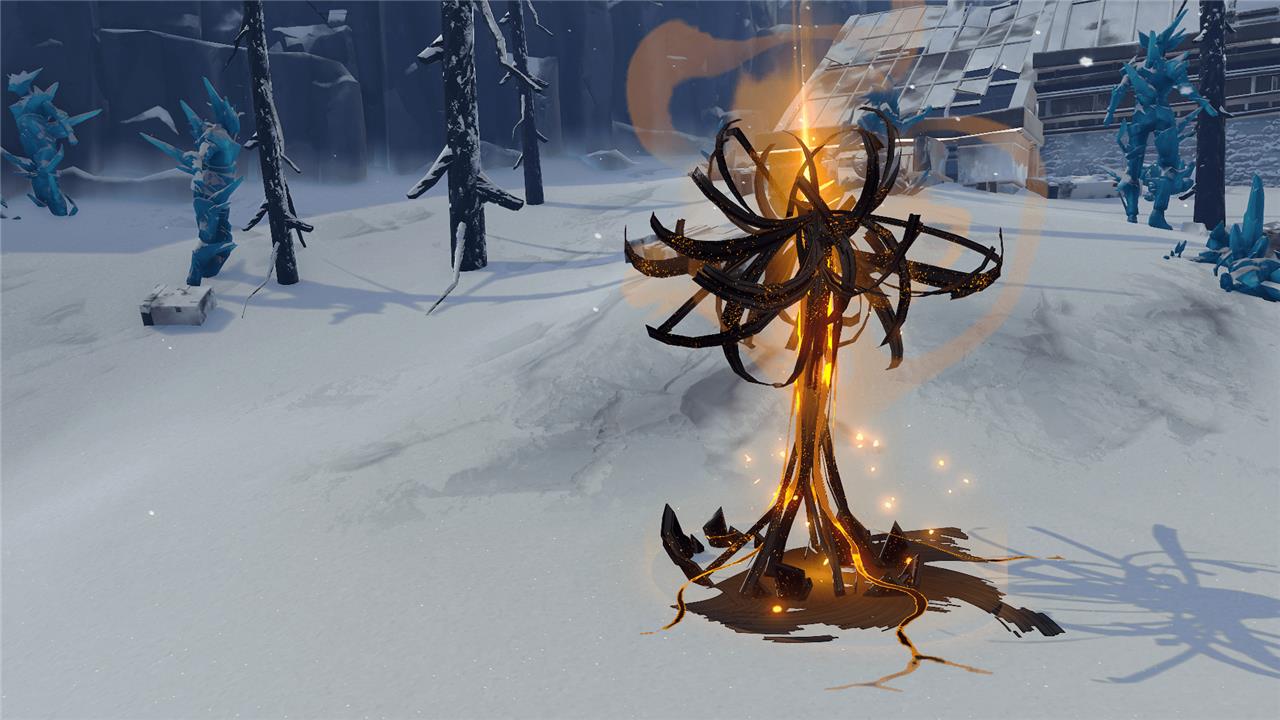
- Calyx (Crimson): Farming stages for Trace and Light Cone ascension material. Costs 10 Trailblaze Power to run.
- Stagnant Shadow: Small-scale boss enemies that drop character ascension material. Costs 30 Trailblaze Power to run.
- Cavern of Corrosion: Farming stages for Relics. Costs 40 Trailblaze Power to run.
- Echo of War: Bigger, weekly bosses that drop four-star weapons and Trace materials. Costs 30 Trailblaze Power to run and you can only do these three times per week.
How do Paths and Elements work in combat
Paths and Elements define character roles and combat interactions in Honkai: Star Rail’s turn-based battles. Paths determine a character’s kit focus (like DPS or support), while Elements target enemy weaknesses to enable Breaks for bonus effects.
Paths Explained
Paths classify characters into seven roles tied to their abilities:
-
Destruction: All-round DPS with self-damage or Break focus, hitting single/multiple targets.
-
Hunt: Single-target specialists, often speeding up actions or using follow-ups.
-
Erudition: AoE damage dealers, great for crowds with follow-up attacks.
-
Harmony: Buffers that boost team stats or speed.
-
Nihility: Debuffers applying DoT or weakening foes.
-
Preservation: Shields/tanks protecting allies.
-
Abundance: Healers restoring HP and cleansing.
Build teams with Path variety for balanced roles, like Hunt DPS + Harmony buffer + Preservation sustain.
Elements Explained
Seven Elements reduce enemy Toughness (white bar under HP), shown by icons above it:
| Element | Break Effect |
|---|---|
| Physical | Bleed (DoT Physical damage) |
| Fire | Burn (DoT Fire damage) |
| Ice | Freeze (delays actions) |
| Lightning | Shock (DoT Lightning) |
| Wind | Wind Shear (DoT Wind) |
| Quantum | Entanglement (DoT Quantum, delays) |
| Imaginary | Imprisonment (Attack speed drop, delays) |
Depleting Toughness triggers Weakness Break: enemies take extra damage (all sources amplified), can’t act immediately, and gain the Element’s debuff until their next turn. Match team Elements to enemy weaknesses for efficient clears.
What are the best team comps for different Paths
Paths and Elements shape optimal team comps in Honkai: Star Rail by balancing damage output, utility, and enemy weakness exploitation. Effective teams typically feature 1 main DPS (from Paths like Hunt or Destruction), 1-2 supports (Harmony/Nihility), and 1 sustain (Preservation/Abundance), with Elements matched to foes.
Destruction DPS Teams
Destruction characters excel as versatile main or sub-DPS with self-sustain or Break focus.
| Variant | Team Comp | Why It Works |
|---|---|---|
| F2P | Blade, Dan Heng, Asta, Lynx | Blade drains HP for big hits; Asta speeds/buffs, Lynx heals . |
| Premium | Blade, Sunday, Tribbie, Hyacine | Sunday advances turns; Tribbie debuffs for Blade’s multi-hits . |
Hunt DPS Teams
Single-target hypercarries that shred bosses with buffs and speed.
| Variant | Team Comp | Why It Works |
|---|---|---|
| F2P | Archer, Trailblazer (Ice), Hanya, Lynx | Hanya generates SP; Ice TBreak boosts Archer’s ATK focus . |
| Premium | Archer, Sparkle, Cipher, Gallagher | Sparkle SP/turn advance; Gallagher cheap heals . |
Erudition DPS Teams
AoE specialists for mob clears via follow-ups.
| Variant | Team Comp | Why It Works |
|---|---|---|
| F2P | Himeko, Asta, Trailblazer (Fire), Natasha | Asta energy/SP; Fire TBreak procs Himeko’s AoE . |
| Premium | Himeko, Topaz, Ruan Mei, Aventurine | Ruan Mei Break buffs; Topaz follow-ups amplify . |
Harmony Support Teams
Buffers enabling hypercarries; pair with any DPS.
-
Core: Sparkle/Ruan Mei (SP, DMG+, Break) + Sunday/Robin (ATK/CRIT, advances) + DPS + Sustain.
-
Example: Saber (Hunt), Sunday, Robin, Huohuo-maximizes Saber’s single-target with buffs/heals.
Nihility Debuff Teams
DoT/DEF shred for sustained damage.
| Variant | Team Comp | Why It Works |
|---|---|---|
| F2P | Xueyi, Asta, Trailblazer (Imaginary), Lynx | Asta speeds DoT ticks; Imaginary TBreak . |
| Premium | Xueyi, Sparkle, Silver Wolf, Fu Xuan | Wolf weaknesses; Sparkle amps Quantum DoT . |
Preservation/Abundance Sustain Teams
Protect/heal slots; flexible for any DPS core (e.g., Fu Xuan/Aventurine shields, Lynx/Natasha heals). Prioritize Path synergy over strict formulas-test in Simulated Universe.
