
Alan Wake 2 plunges players into a chilling survival horror experience that stretches well beyond its predecessor, promising over 20 hours of gripping gameplay. Whether you’re racing through the main story or hunting every collectible in the shadowy corners of Bright Falls, this sequel delivers a haunting journey that can extend up to 30 hours or more for completionists and those diving into New Game Plus modes. Prepare to lose yourself in a narrative that intertwines two characters’ fates, with a playtime that offers both depth and dread across PC, PlayStation 5, and Xbox Series X/S.
Our Alan Wake 2 game length guide discusses how long it takes to beat Alan Wake 2, including how many hours you’ll spend if you just focus on the main story objectives, and how many hours you’ll spend if you complete every puzzle and find every collectibles. We enumerate the available chapters, with short blurbs on what you can expect from each arc.
[Ed. note: This guide includes light spoilers for Alan Wake 2.]
How long is Alan Wake 2 – story length
Alan Wake 2’s story length typically takes around 19 hours to complete if you focus mainly on the main objectives. For players aiming to explore all aspects of the game and achieve 100% completion, the playtime extends to about 31½ hours. Standard playthroughs generally range between 20 to 24 hours, while completionists can expect to spend up to 30 hours or more. The game features two main playable characters with intersecting narratives, adding depth and length to the story experience. Additionally, Remedy plans to release expansions and a New Game+ mode that will further extend the game’s content and playtime.
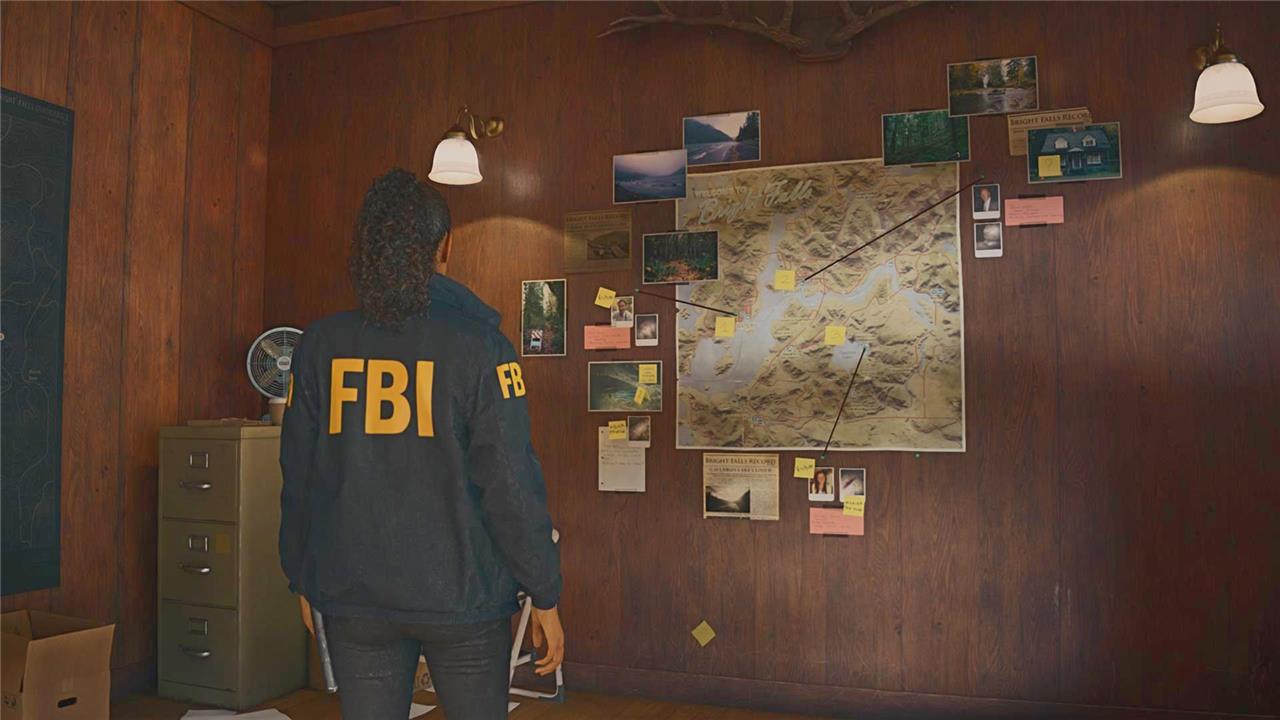
If you focus solely on the key objectives in Alan Wake 2, you can beat the game in roughly 18 to 20 hours. To be clear, though, Alan Wake 2 features two fully playable protagonists, each with their own arc.
Saga’s arc takes place in Washington, in locations you’ll be familiar with if you played the first game, such as Bright Falls and Cauldron Lake. Her investigation leads you to collect evidence, decipher clues, and profile persons of interest. Alan’s arc, meanwhile, is all about trying to escape the Dark Place, which resembles a neo-noir New York City (Neo York, perhaps?), complete with crime detective themes. These two arcs also overlap, as we explain in the chapter list section.
How long is Alan Wake 2 – 100% completion length
Alan Wake 2 takes approximately 19 hours to complete when focusing solely on the main story. For players aiming for 100% completion, which includes finding all collectibles such as cult stashes, lunchboxes, and Words of Power, the playtime extends to around 31½ hours. This completionist run allows players to fully experience both playable characters’ story arcs and explore all aspects of the game world. Overall, the length varies depending on playstyle, but a thorough playthrough will typically range between 25 to 31½ hours.
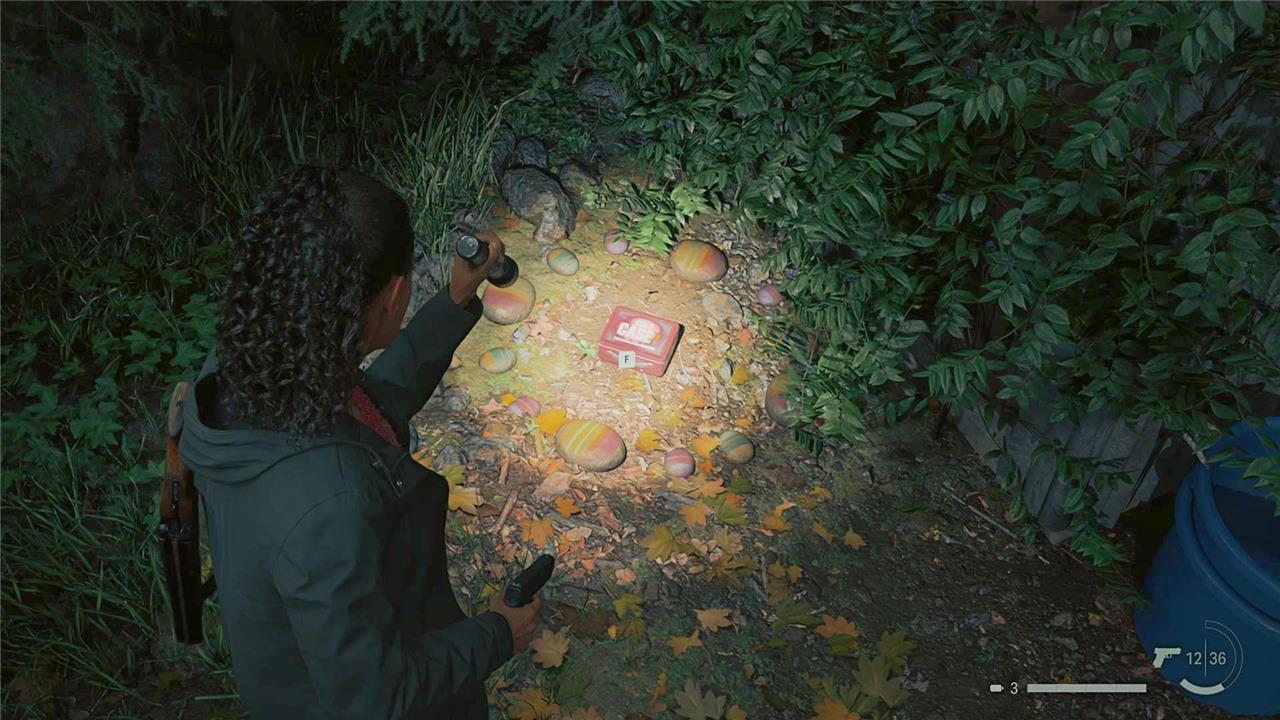
Alan Wake 2 features a ton of collectibles and puzzles. A 100% completion run of Alan Wake 2 will take you around 25 to 30 hours. You’ll discover different collectible types whether you’re playing as Saga or Alan. Here are some examples:
- Alex Casey Lunchboxes (Saga) – Areas that lead to a lunchbox are marked with colorful decorations. The lunchboxes yield weapon upgrade materials.
- Cult Stashes (Saga) – These crates contain a lot of goodies, but you need to check for clues and solve math puzzles.
- Nursery Rhymes/Dolls (Saga) – The clues come from the lines in a rhyme and you have to place dolls in correct spots based on those clues.
- Manuscript Pages (Saga) – Alan reads these to Saga by way of a voiceover. Some are also integral to progression.
- Echoes (Alan) – As Alan, you have to merge light and shadow orbs, unlocking a scene that plays in the background.
- Words of Power (Alan) – Shining your flashlight at walls might reveal arrows that point to these glyphs, which grant perk points.
Alan Wake 2 full chapter list
Alan Wake 2 features a total of 19 chapters, split evenly between two main characters: Alan Wake and FBI agent Saga Anderson. Saga’s chapters are titled “Return” and take place primarily in Bright Falls, while Alan’s chapters are named “Initiation” and unfold in the eerie alternate dimension known as The Dark Place. Players start with Saga’s perspective and gradually switch between the two characters, experiencing intertwined storylines that deepen the game’s suspense and narrative complexity. This chapter structure offers a balanced and immersive experience, with each character’s missions contributing uniquely to the overall story.
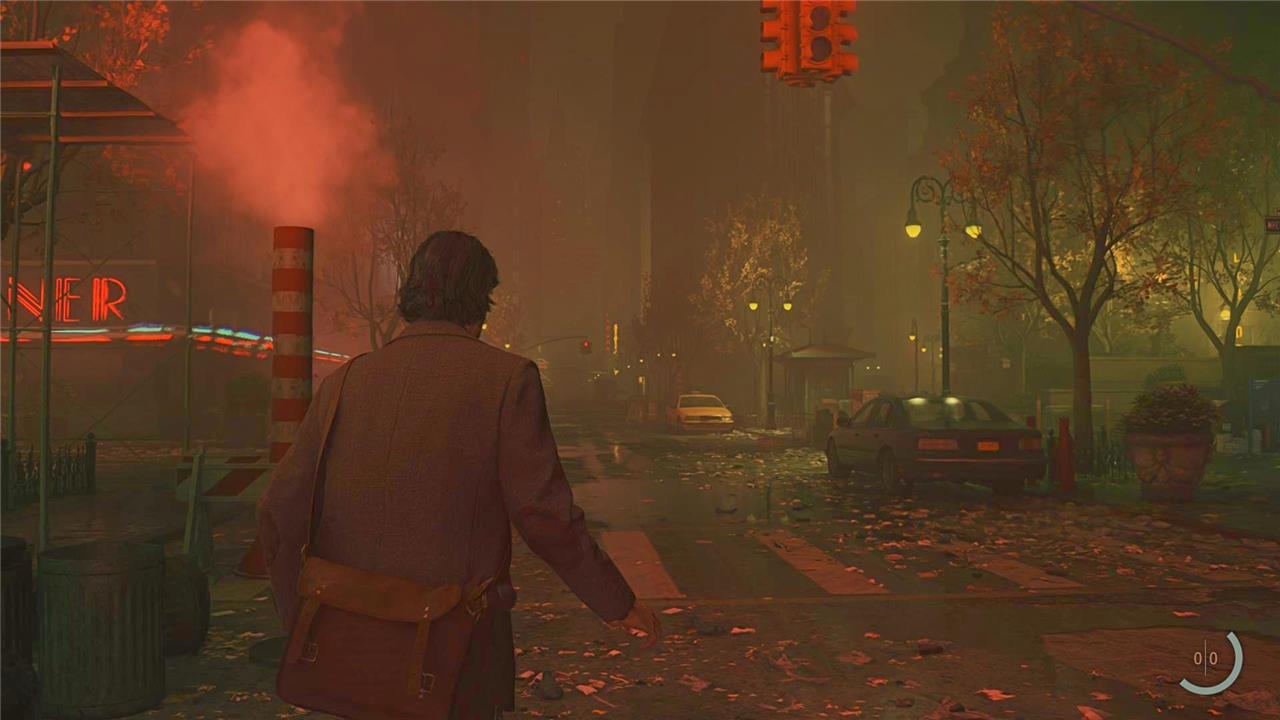
Alan Wake 2 includes a mechanic that allows you to switch between Saga and Alan at certain points. Doing so allows you to experience the other character’s chapters, perhaps as a change of pace or scenery. You could also choose to switch back to the previous character if you want to continue their arc. As such, the story itself is not completely linear.
Likewise, some of these segments are certainly lengthier than others, since you’d have to explore entire areas. Others, meanwhile, are fairly short, as you only have to go to a location to check out some objects or cutscenes. The game starts with a prologue, and is divided among Return chapters and Initiation chapters.
Return chapters:
- The Cult
- Invitation
- Local Girl
- No Chance
- Old Gods
- Scratch
- Summoning
- Deerfest
- Come Home
Initiation chapters:
- Late Night
- Casey
- Haunting
- We Sing
- Room 665
- Return
- Masks
- Zane’s Film
- Gone
What about the movie movie “Until Dawn” excites horror fans?
The “Until Dawn” movie excites horror fans for several reasons:
-
Fresh Story and Characters: The film features an entirely new cast of characters and a fresh storyline, offering a unique cinematic experience while staying true to the spirit of the original game.
-
Love Letter to Horror: The movie is a love letter to horror, honoring the spirit of the game with fresh characters and victims in a brand new story loaded with twists.
-
Multiple Horror Sub-Genres: The film pays tribute to various forms of teen horror, blending elements reminiscent of Cabin in the Woods and Groundhog Day, exploring a wide array of horror sub-genres, including zombies, found footage, monstrous beings, and ghosts. The movie combines a slasher movie with a supernatural monster movie.
-
Incorporation of Gameplay Elements: A thrilling element of game play will factor into the movie. The characters don’t only face the threat of death but also receive ominous premonitions regarding their possible destinies, along with opportunities to retry and outsmart the masked villains.
-
Homage to the Game: The movie intends to honor the original game’s essence while presenting an entirely new narrative and characters. The director, David F. Sandberg, is a fan of the game and has selected elements that are the most important to the fans and paid homage to it in the right way.
-
Peter Stormare: Peter Stormare reprises his role as Dr. Hill from the game. The trailer features Peter Stormare, who embodies the classic horror trope of a cryptic gas station attendant, warning the teenagers against venturing into the woods.
-
Villains: The villains in the trailer are familiar and resemble a specific character from the game. The presence of the wendigo, the main villain of the games, makes a direct reference to Hannah.
How does the movie “Until Dawn” compare to the original game
The movie “Until Dawn” diverges significantly from the original game in several key areas:
Story and Structure
-
New Narrative: The film introduces a completely new story, focusing on Clover and her search for her missing sister Melanie, rather than the game’s plot about a group of friends returning to a lodge after a tragedy involving the twin sisters, Hannah and Beth.
-
Time Loop Mechanic: The movie features a supernatural time loop that resets each night, forcing characters to relive events and try different survival strategies. This is a major departure from the game’s branching “Butterfly Effect” system, where player choices directly determine who lives or dies, and there are multiple possible endings.
-
Linear vs. Interactive: The game is interactive, giving players agency to influence the outcome, whereas the movie is linear, with a fixed storyline and no audience participation.
Characters
-
Entirely New Cast: The film features a new set of characters, with none of the main protagonists from the game returning-except for Peter Stormare, who reprises his role as Dr. Hill in a supporting capacity.
-
Focus on a Single Protagonist: While the game splits its narrative among eight playable characters, the movie centers primarily on Clover, offering less character development for the supporting cast.
Setting and Tone
-
Different Locations: The game is set in a snowy, isolated mountain lodge, while the film takes place in the remote, rain-soaked Glore Valley, with the house existing in a supernatural bubble.
-
Darker, More Serious Tone: The film adopts a darker, more emotionally intense approach, focusing on grief and trauma, whereas the game balances horror with moments of levity and genre-savvy humor.
Horror Elements
-
Expanded Threats: The movie introduces a broader range of supernatural threats, whereas the game mainly focuses on the wendigo as the primary antagonist.
-
Absence of Player Choice: The film cannot replicate the game’s core appeal-player-driven consequences and branching outcomes-making the horror experience less personalized and more conventional.
Summary Table
| Aspect | Game | Movie |
|---|---|---|
| Story | Butterfly Effect, multiple endings, ensemble | Time loop, linear, new protagonist (Clover) |
| Characters | Original cast (e.g., Sam, Josh, Mike, etc.) | Entirely new cast, only Dr. Hill returns |
| Setting | Snowy mountain lodge | Haunted house in Glore Valley, supernatural bubble |
| Tone | Mix of horror, humor, and suspense | Darker, more serious, focus on grief |
| Interactivity | Player choice, branching paths | Linear narrative, no audience agency |
| Horror Elements | Wendigo, psychological horror | Multiple supernatural threats, time loop |
In summary, while the “Until Dawn” movie pays homage to the game’s atmosphere and some of its lore, it ultimately stands apart as a distinct horror experience, sacrificing interactivity and ensemble storytelling for a new narrative and a cinematic, time-loop twist.
