
Each retelling of A Christmas Carol gives the Ghost of Christmas Yet to Come its own brand of terror-some glide from the shadows in silence, others loom like death itself. Here’s how the most chilling versions stack up, from mildly eerie to nightmare fuel.
You probably all know the story of Charles Dickens’ endlessly adapted 1843 holiday story A Christmas Carol, even if you’ve never read it. Tight-fisted, mean old miser Ebenezer Scrooge falls asleep on Christmas Eve and is visited by three spirits: the Ghost of Christmas Past, a man in a sleeping cap; the Ghost of Christmas Present, a rotund, jolly fellow; and the Ghost of Christmas Yet to Come, a harrowing, silent specter of death. These three ghosts convince our miserly man to change his ways, but the third one does the heavy lifting, showing Scrooge how soon he’ll be dead and buried, while nobody mourns his passing.
In the text, Dickens describes the ghost as “shrouded in a deep black garment, which concealed its head, its face, its form, and left nothing of it visible save one outstretched hand.” This leaves a lot of leeway for adaptations to interpret, and A Christmas Carol is one of the most-adapted works of fiction of all time.
So in the holiday spirit, I decided to watch every film version and evaluate them on one single criteria: How scary do they make the Ghost of Christmas Yet to Come? Don your sleeping cap and come with us on a journey into holiday horror.
60. A Sesame Street Christmas Carol (2006)
This special turns Dickens’ classic into a Muppet-style lesson on kindness and sharing, with Oscar the Grouch taking Scrooge’s place. The Ghost of Christmas Yet to Come appears as a silent, shadowy trashcan lid spirit, guiding Oscar through grim visions of a festive-free future. Its blank stare and garbage-can aura manage to feel oddly creepy amid the bright colors and cheerful songs, giving kids a gentle but spooky taste of redemption.
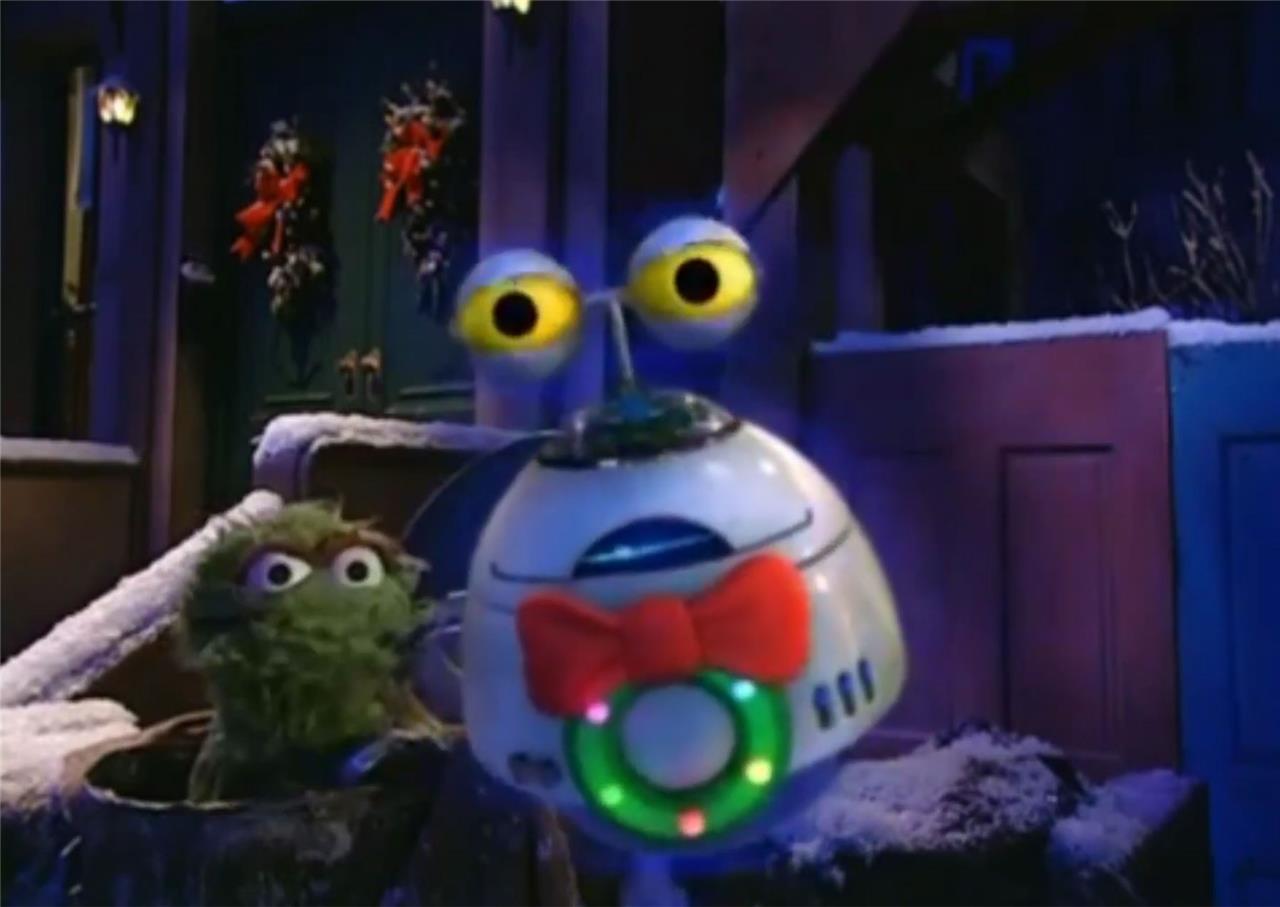
If you were going into this one expecting to be spooked, I don’t know what to tell you. Oscar the Grouch as Scrooge contends with a CGI floating robot with googly eyes as the Ghost of Christmas Future. We get it, you don’t want to terrify the preschoolers, but there’s a reason it’s lowest on the list.
59. A Christmas Carol (1954)
The 1954 adaptation cloaks its Ghost of Christmas Yet to Come in a hooded black robe that drifts silently through foggy London streets, its faceless form towering over Scrooge with skeletal hands outstretched. This silent specter points wordlessly to grim visions of the miser’s lonely death and neglected grave, its eerie stillness amplifying the dread. Michael Hordern’s portrayal heightens the figure’s menace, making it a chilling harbinger that lingers in memory.
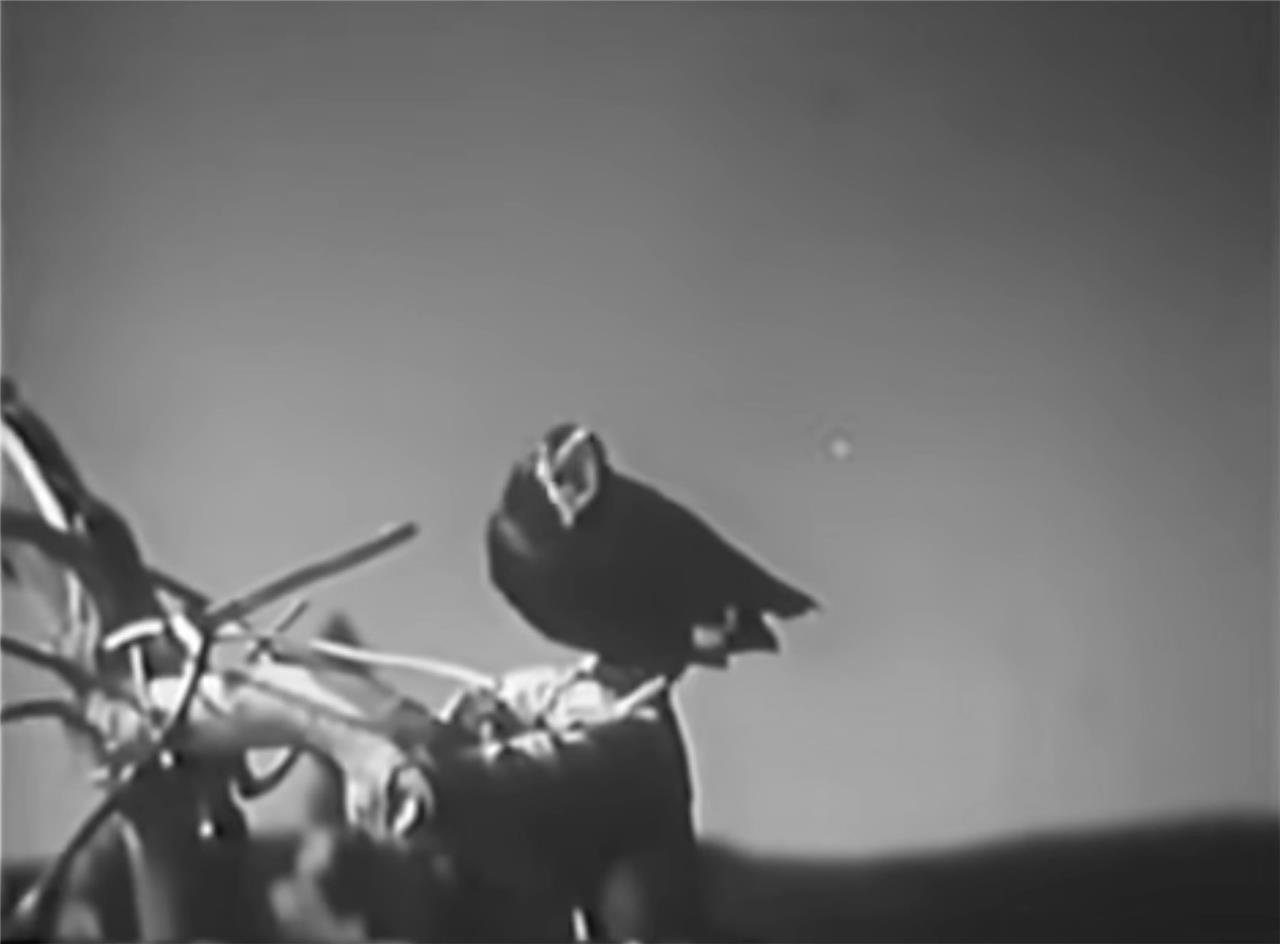
Fredric March stars as Scrooge in this, the first color televised version of the tale. Unfortunately, the only surviving version is a black and white kinescope. In a strange choice, the Ghost of Christmas Yet to Come doesn’t appear in human form at all. Instead, a myna bird caws Scrooge to the graveyard, where he finds not only his grave, but also Tiny Tim’s.
58. Christmas Cupid (2010)
Hollywood’s take on Dickens gets a glossy spin in Christmas Cupid, where Christina Milian’s PR agent is haunted by the ghost of her recently deceased client – a party girl demanding posthumous redemption. Instead of a cloaked specter of doom, this “Ghost of Christmas Yet to Come” takes the form of a glamorous, meddling spirit armed with sass and sequins. The future shown here is less about graveyards and more about emotional reckoning, but the idea of facing one’s shallow legacy gives it an eerie resonance beneath the sparkle.
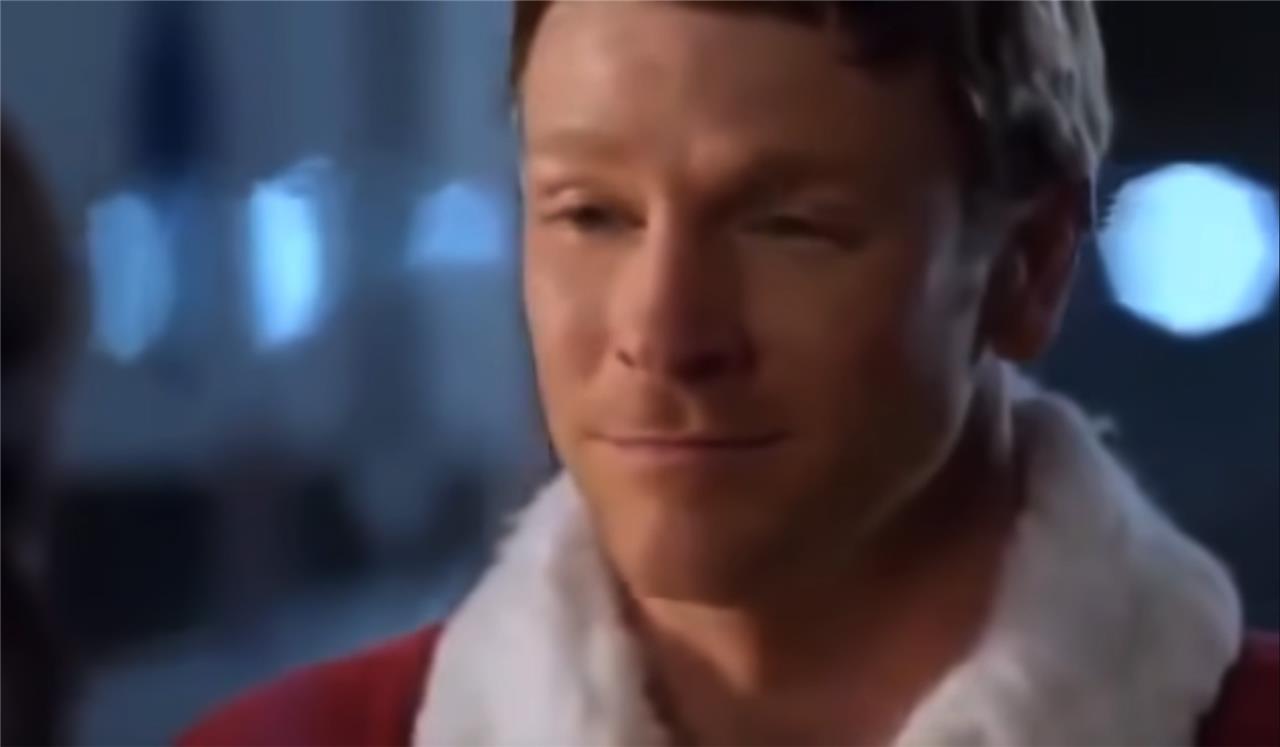
Christina Milian is the Scrooge figure in this ABC Family holiday comedy, and the three ghosts are her ex-boyfriends. Depending on your relationship history, this might seem scarier than it is. The third ghost is her boss, who she is also dating, dressed up like Santa Claus. He tells her that in the terrible future to come, they get married, then divorced. Bummer. Fortunately, as part of amending her wicked ways after the ghostly visitation, she dumps him.
57. Ghosts of Girlfriends Past (2009)
Matthew McConaughey’s character learns a glossy, rom-com version of Scrooge’s lesson as he’s visited by ghosts representing his romantic past, present, and future. The film swaps candlelit dread for designer suits and soft lighting, but its final spirit still carries a chill-forcing him to face a lonely, loveless future shaped by his own choices. It may trade Victorian gloom for playboy charm, yet the warning at its heart remains as sharp as Dickens intended.
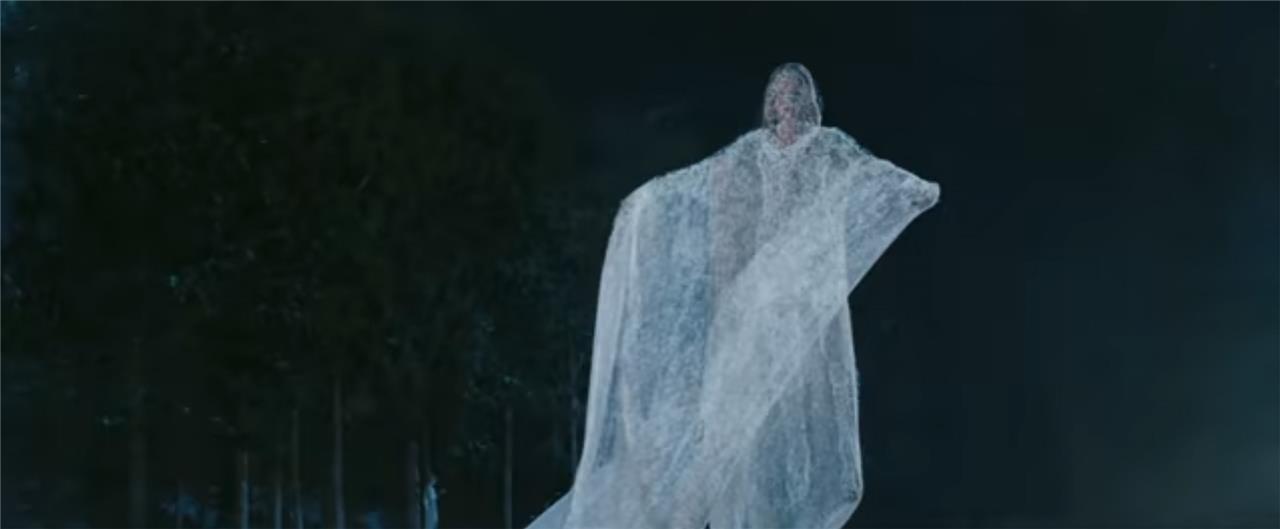
It’s a stretch, but this Matthew McConaughey rom-com is based on the Dickens story, so it counts. The “Ghost of Girlfriends Future” that shows McConaughey’s womanizer protagonist Connor Mead the error of his ways is played by stunning Russian model Olga Maliouk, dressed in white rather than the traditional black cloak.
56. Rich Little’s Christmas Carol (1978)
Rich Little’s one-man version of A Christmas Carol turns the Ghost of Christmas Yet to Come into a bizarre mix of parody and eeriness. Portrayed through one of Little’s many celebrity impressions, the spirit loses its traditional menace but gains an uncanny quality-death delivered with a smile. The result is more unsettling than the film intends: a future that feels hollow, as if humor itself has been drained of warmth.
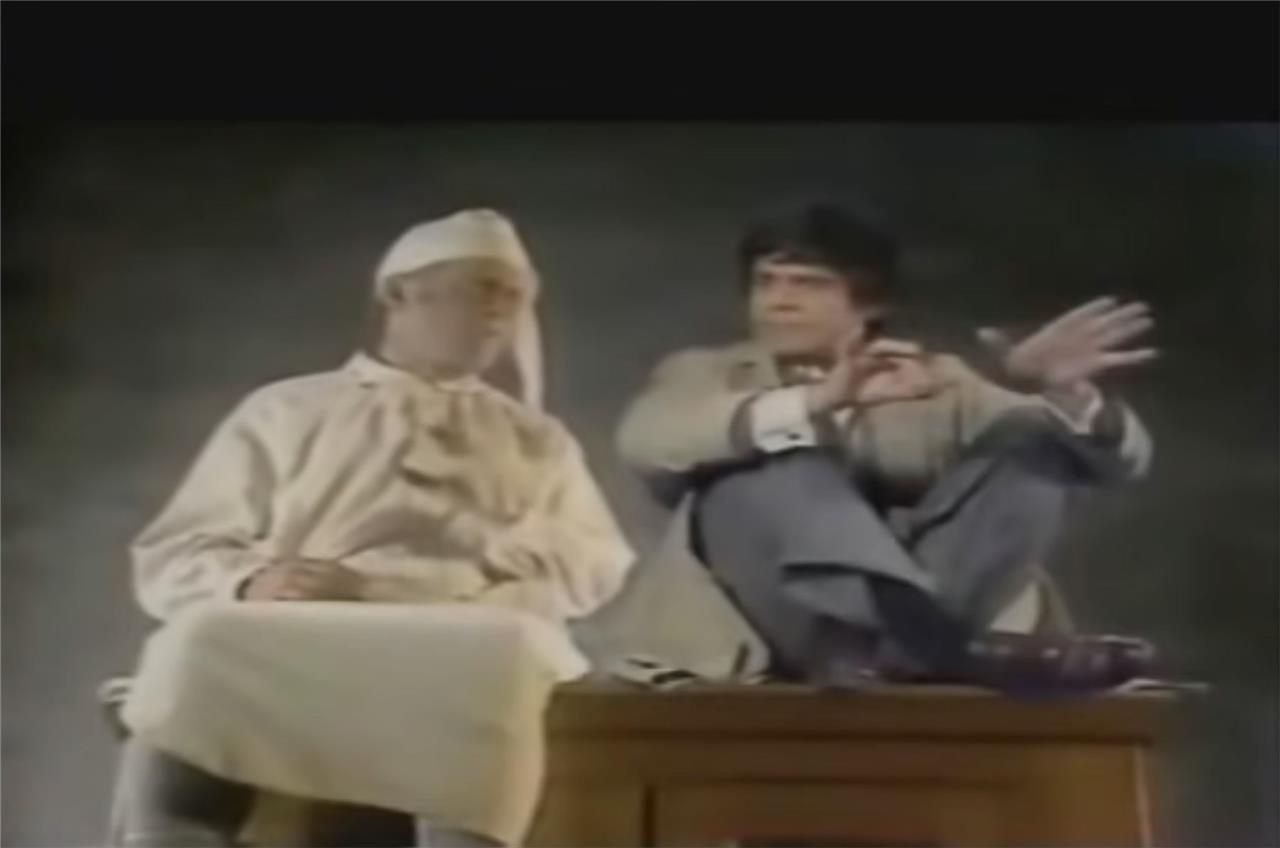
It’s almost impossible to explain how popular comedic impersonator Rich Little was in the 1970s, but “HBO gave him a Christmas special in which he played every single role of A Christmas Carol as a different celebrity character” might do it. Scrooge is Rich Little as W.C. Fields, and the Ghost of Christmas Future is Little playing Peter Sellers as the Pink Panther movies’ Inspector Clouseau. So not scary, but extremely weird.
55. The Smurfs: A Christmas Carol (2011)
This adaptation turns Dickens’s ghostly moral tale into something both playful and oddly eerie. The Smurfs’ version of the Ghost of Christmas Yet to Come trades menace for cartoonish gloom, but there’s still a chill in the air as Grouchy Smurf faces visions of a lonely future. Though softened for younger viewers, the shadowy figure and silent warnings carry enough weight to make its point-sometimes the smallest blue creature can feel a genuine shiver of dread.
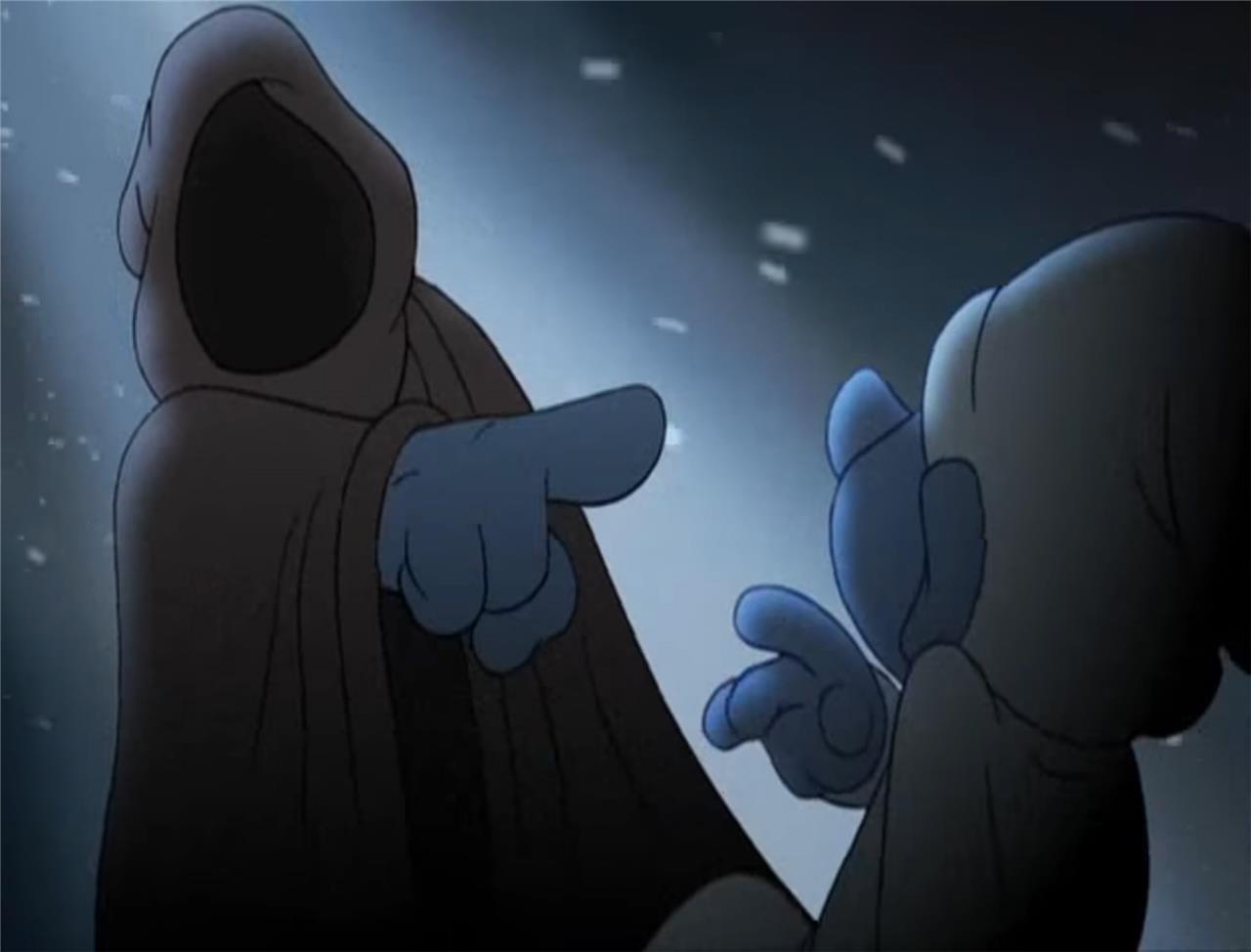
The real revelation here is that Grouchy Smurf (the Scrooge of the story) acts like a dick all the time because Papa Smurf gives him a hat every year for Christmas. The ghost is Hefty Smurf. Not scary unless you have a phobia of gym bros.
54. My Dad Is Scrooge (2014)
This modern twist on Dickens turns the Ghost of Christmas Yet to Come into a grinning hologram projected by a greedy tech magnate. It’s flashy, hollow, and more unsettling than ghostly because it shows how artificial warmth can mask real coldness. The future it reveals isn’t filled with cobwebs or tombstones, but with screens and silence-an emptiness far scarier than any Victorian specter.
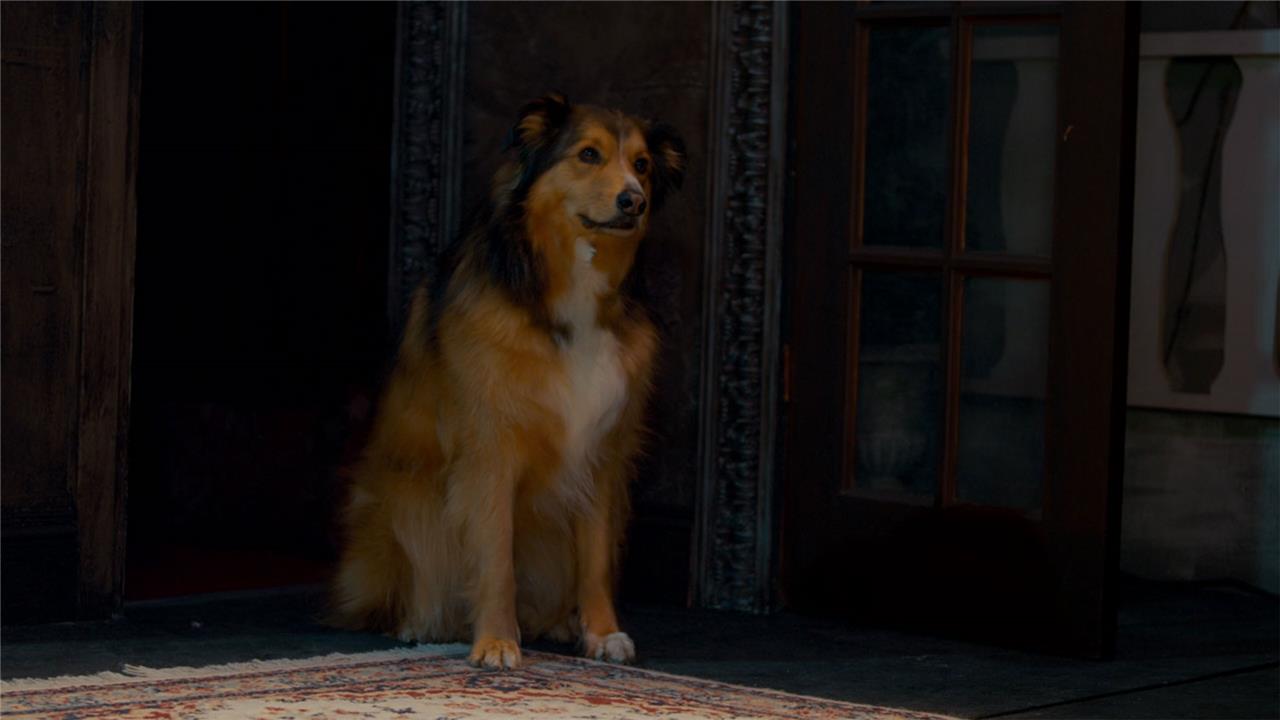
This is probably the only Christmas Carol where Scrooge gets headbutted by a llama. Our miser here is a farmer named EB, who is taught the magic of the season by a trio of talking animals. The third one is a dog that hypnotizes EB. This thing is so cheap and weird that when the animals talk, it’s sometimes just their lips moving over a still photograph. The dog doesn’t even dress up!
53. A Christmas Carol: The Musical (2004)
Kelsey Grammer’s version of the Ghost of Christmas Yet to Come keeps its menace despite the musical’s lighter tone. Cloaked in shadow and accompanied by eerie choral music, this spirit moves silently, blending theatrical grandeur with genuine dread. Its slow gestures and imposing form make every scene pulse with unease, reminding viewers that Scrooge’s reckoning is near, even within a story filled with songs and bright staging.
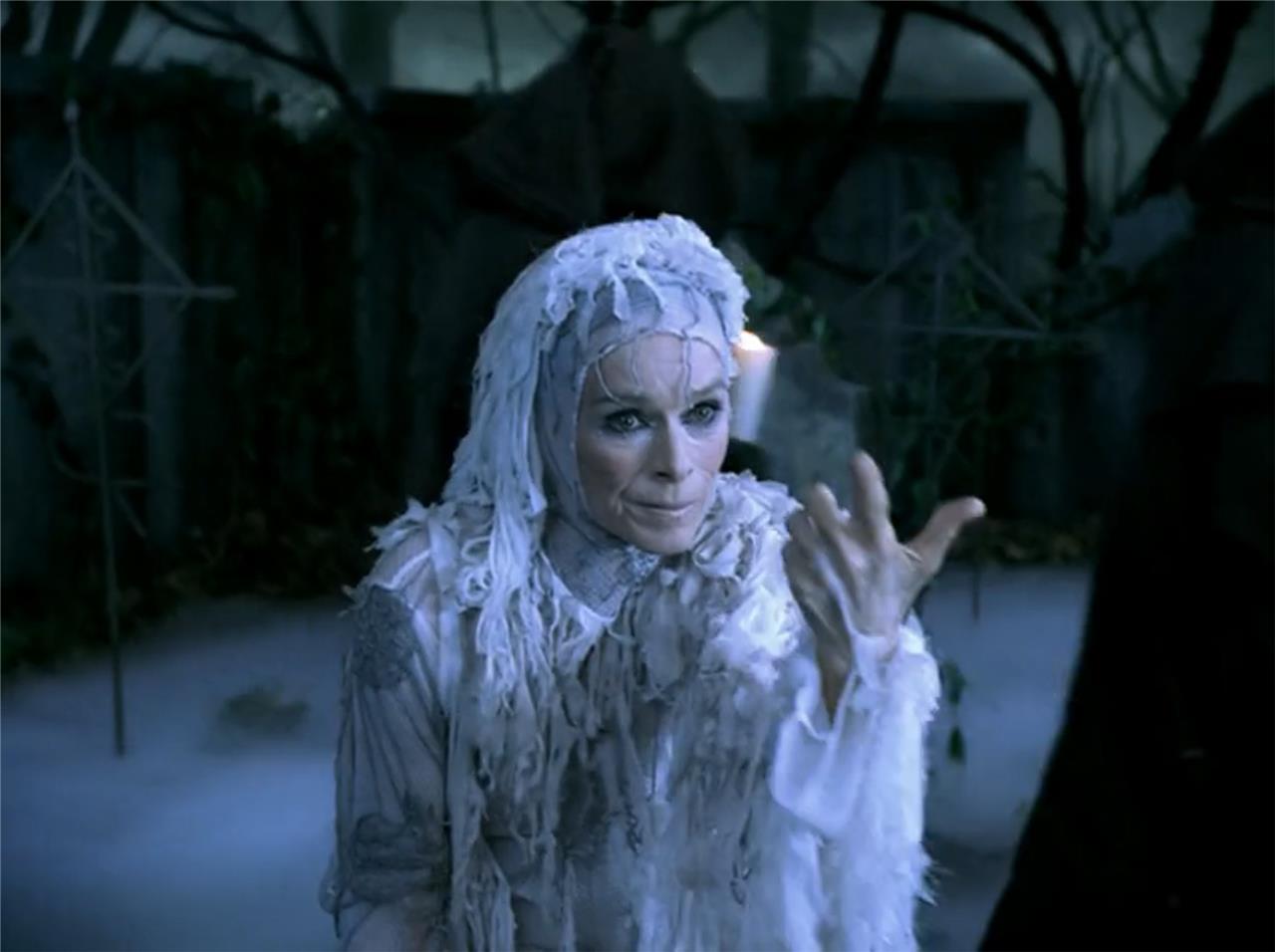
This is a tough watch for numerous reasons, especially if you’re not a fan of Broadway musicals. Kelsey Grammer plays Scrooge, and he’s confronted by a white-clad Ghost of Christmas Yet to Come played by Geraldine Chaplin (Charlie Chaplin’s daughter, most recently seen in Netflix’s The Crown). The costuming is pretty dire – she looks like she’s covered in damp toilet paper.
52. Chasing Christmas (2005)
Teri Hatcher and James Denton’s holiday comedy turns a simple small-town Christmas into something more unsettling than sweet. Their frantic attempts to escape a snowed-in community twist the cheer into mild chaos, with moments that feel like a festive fever dream. The “ghosts” here aren’t spirits but the lingering pressures of perfection and regret, giving this light film an oddly haunting undercurrent beneath its tinsel-covered surface.
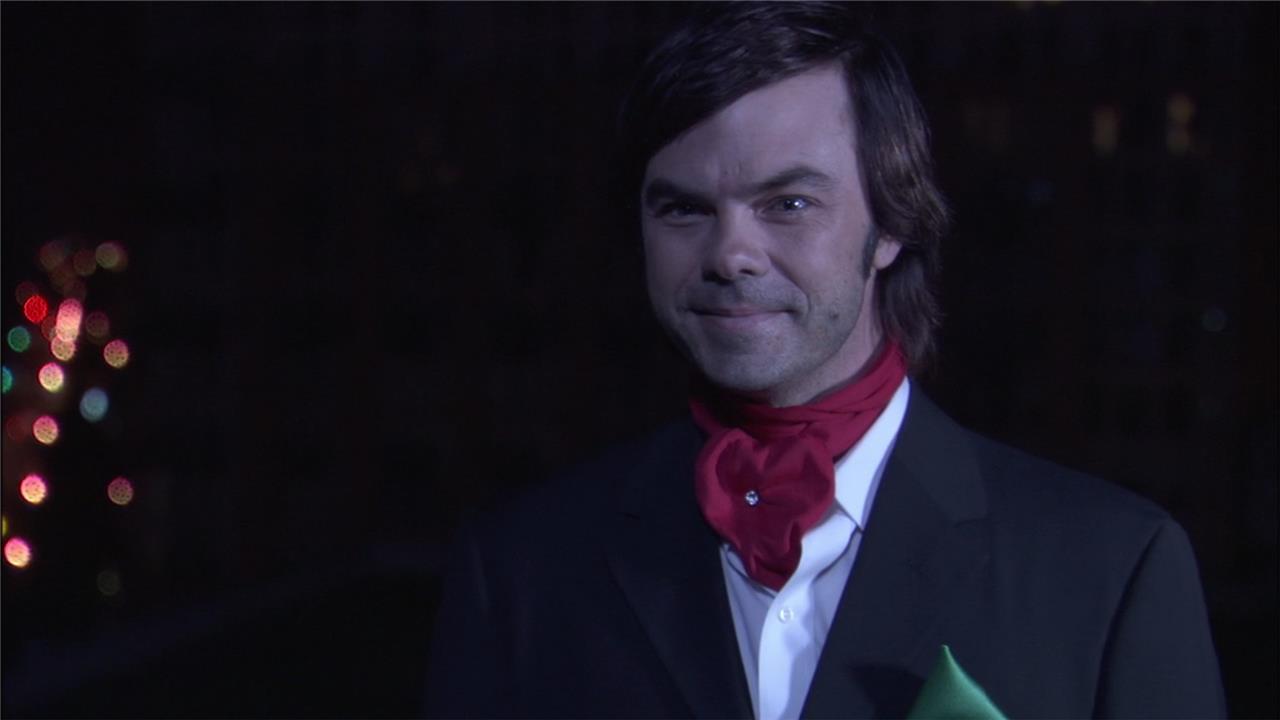
Tom Arnold has tremendous divorced energy as the Scrooge figure in this mediocre comedy, where the Ghost of Christmas Past goes AWOL and leads him and the Ghost of Christmas Present through a series of scenes. Scrooge and the second spirit eventually make out, and there are a lot of cartoon sound effects. Yet to Come only shows up at the movie’s climax, and is just a sleazy-looking Euro guy in an ascot.
51. Bah, Humduck! A Looney Tunes Christmas (2006)
Daffy Duck’s turn as the greedy Scrooge of the Looney Tunes world gives the Ghost of Christmas Yet to Come a surprisingly dark twist. The silent, looming duck spirit that appears to him is shrouded in black and far more menacing than the cartoon’s usual antics suggest. Its glowing eyes and wordless presence make it a genuinely unsettling figure, standing out amid the slapstick chaos as a shadowy reminder that not every warning from beyond comes with a punchline.
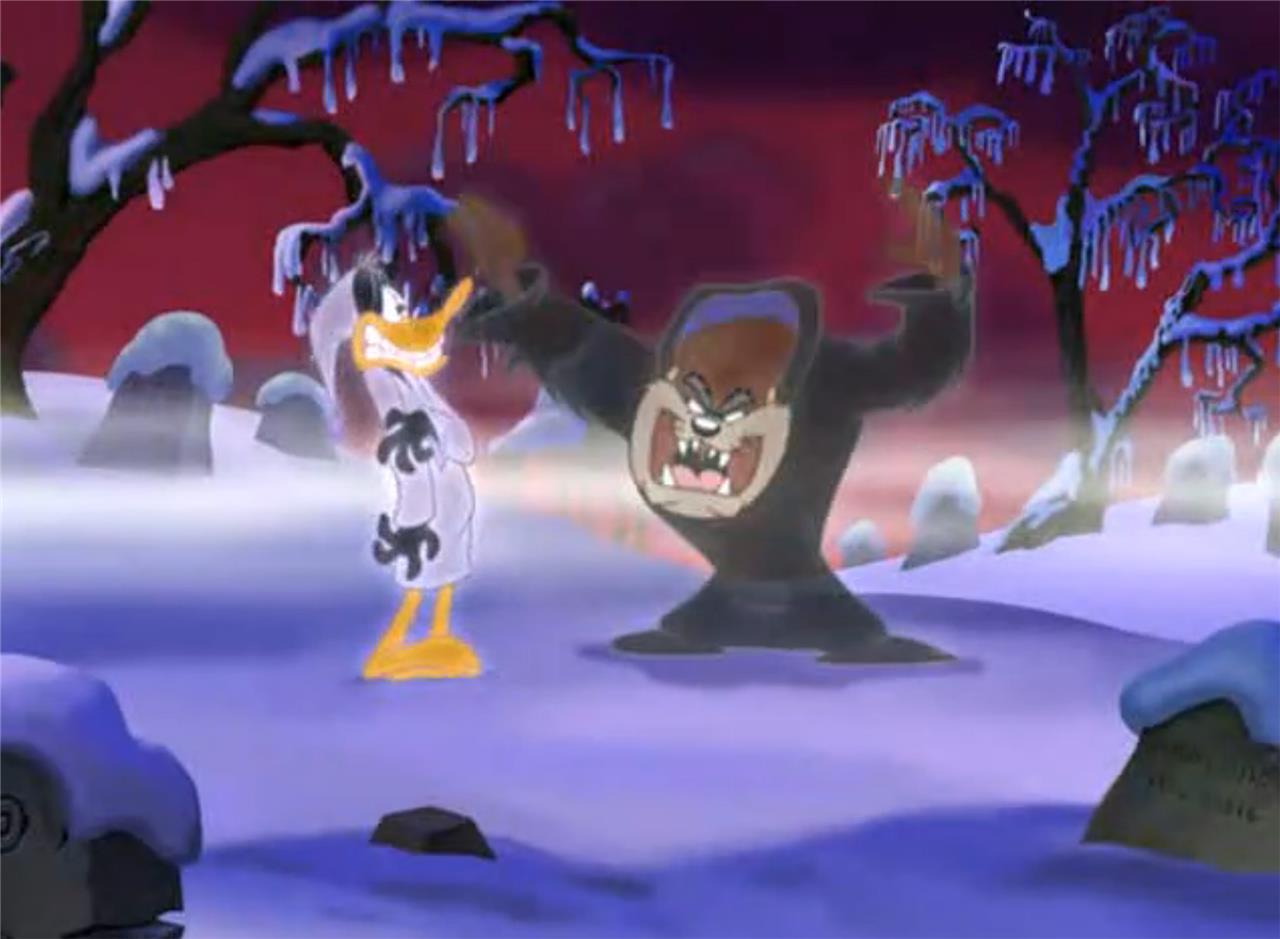
Here, the ghost is the Tasmanian Devil. He starts out the scene in the typical black shroud, but doffs it a minute or so later to engage in the usual Warner Bros. schtick.
50. Carry on Christmas (1969)
A bawdy parody of Dickens’s classic, Carry on Christmas turns the spirit of festive redemption into gleeful chaos. The Ghost of Christmas Yet to Come is less a grim specter than a comedic send-up, complete with slapstick scares and cheeky innuendo. Its weirdness lies in how it spoofs mortality with laughter, replacing dread with farce while still nodding to the original tale’s cautionary edge.
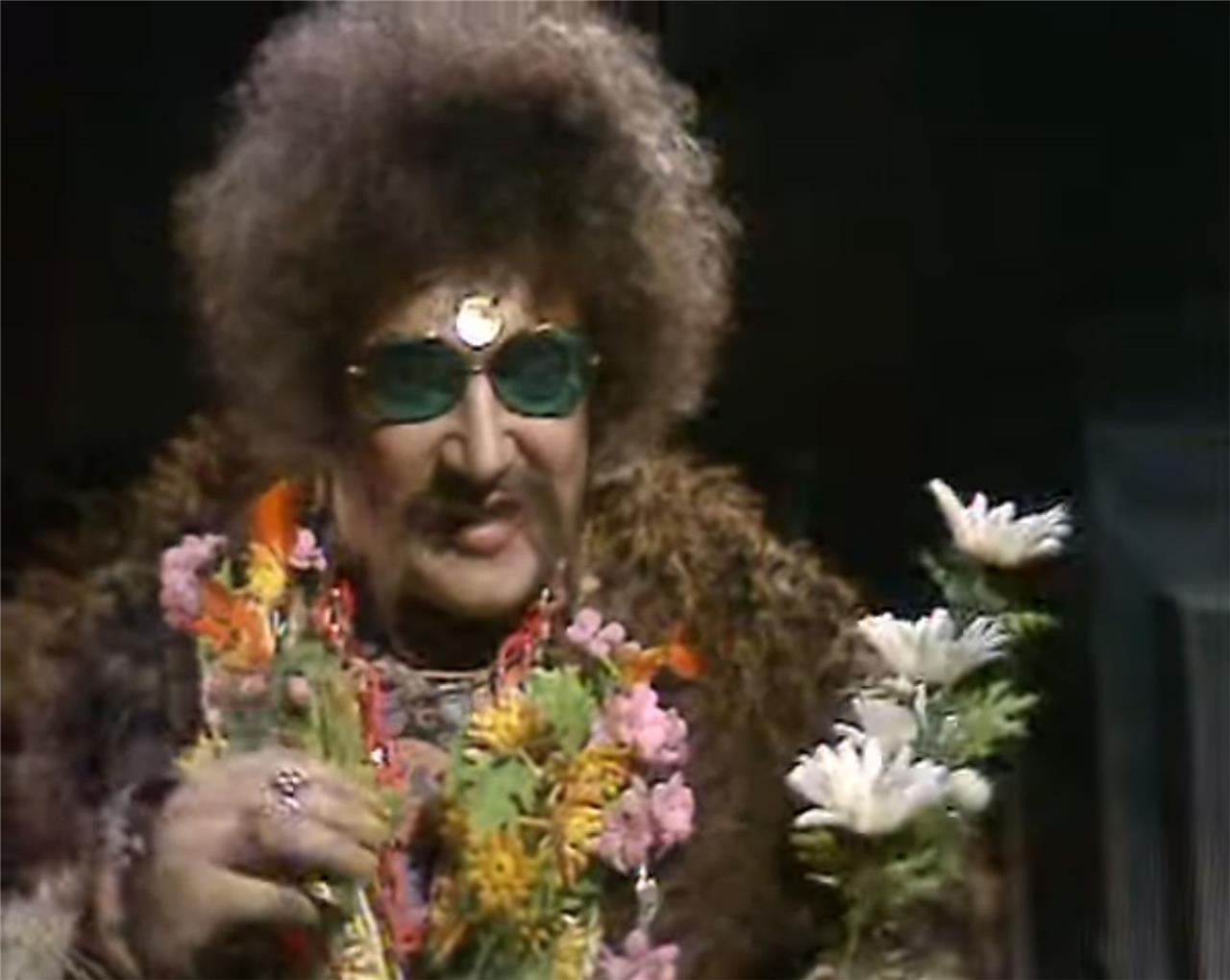
The long-running British slapstick film series tackled Dickens for a Christmas special at the end of the swinging ’60s, but the Ghost of Christmas Future is just actor Bernard Bresslaw playing an incredibly broad hippie impersonation. Oh, and Frankenstein and Dracula are also in this, for unexplained reasons.
49. It’s Christmas, Carol! (2012)
Carrie Fisher’s Ghost of Christmas Past haunts the story with witty charm, but it’s the Ghost of Christmas Yet to Come that truly unsettles. Cloaked in darkness and silent as snowfall, this spirit shows Carol the grim consequences of her choices through eerie visions of loneliness and regret. The film balances sentimentality with genuine eeriness, making this ghostly encounter one of the most haunting reinterpretations of Dickens’s classic warning.
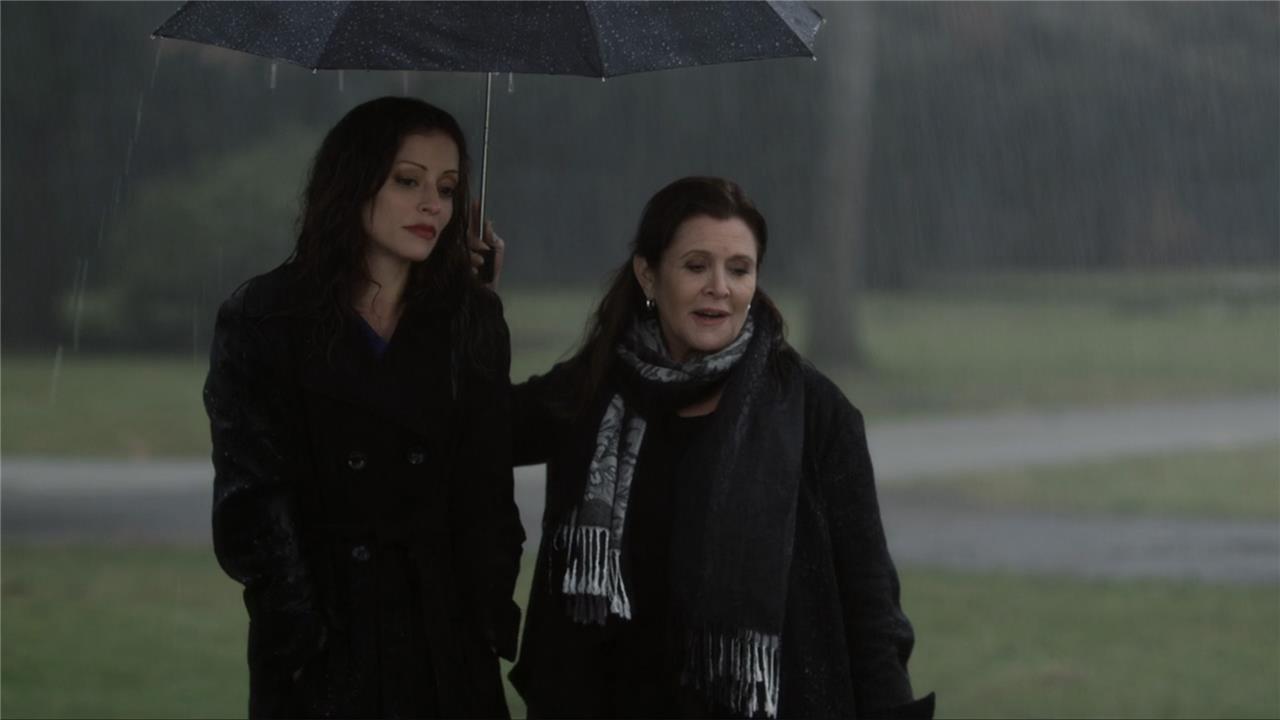
Carrie Fisher plays all three ghosts (and the Marley role to boot) in this Hallmark Channel take on A Christmas Carol set in the modern age. Emmanuelle Vaugier is the Scrooge figure, transformed into a hard-charging CEO with no time for Christmas. Not scary.
48. A Christmas Carol (2015)
This 2015 adaptation gives the Ghost of Christmas Yet to Come a chilling, almost mechanical presence, cloaked in darkness and silence. The figure doesn’t rely on special effects or jump scares but instead radiates quiet menace through its slow movements and looming shadow. Its appearance feels more like death itself visiting, a grim reminder of the fate that awaits Scrooge should he fail to change.
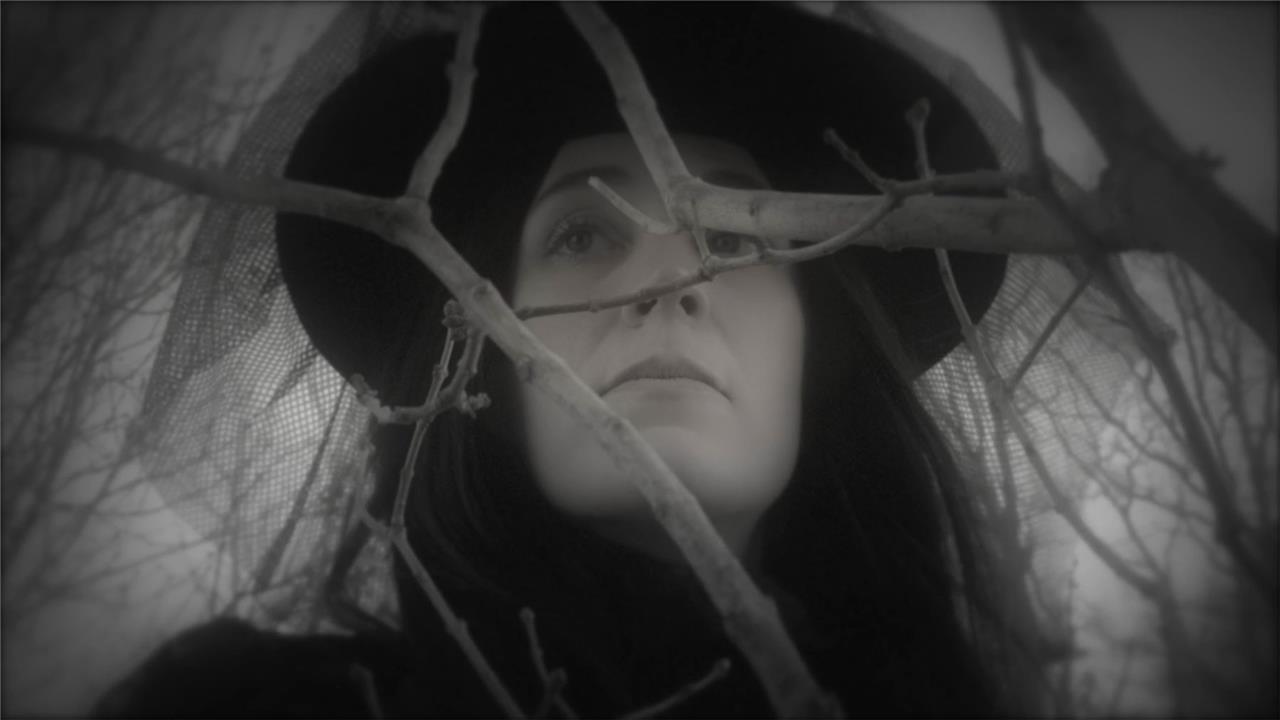
This extremely cheap-looking Canadian musical production of the story was a labor of love (director Anthony D.P. Mann also plays Scrooge), for what that’s worth. The Spirit of Christmas Yet to Come talks and sings in this rendition. She’s just a lady with a white face in a big black hat. The whole thing has a community theater vibe.
47. Brer Rabbit’s Christmas Carol (1992)
Brer Rabbit’s version of the Dickens tale takes a surprisingly lighthearted turn, yet the Ghost of Christmas Yet to Come still manages to unsettle. Cloaked and silent, this figure looms over the animated world with a shadow far darker than its playful woodland setting suggests. Its eerie stillness contrasts sharply with the cartoon’s warmth, giving younger viewers a chill they might not expect from a story starring talking animals.
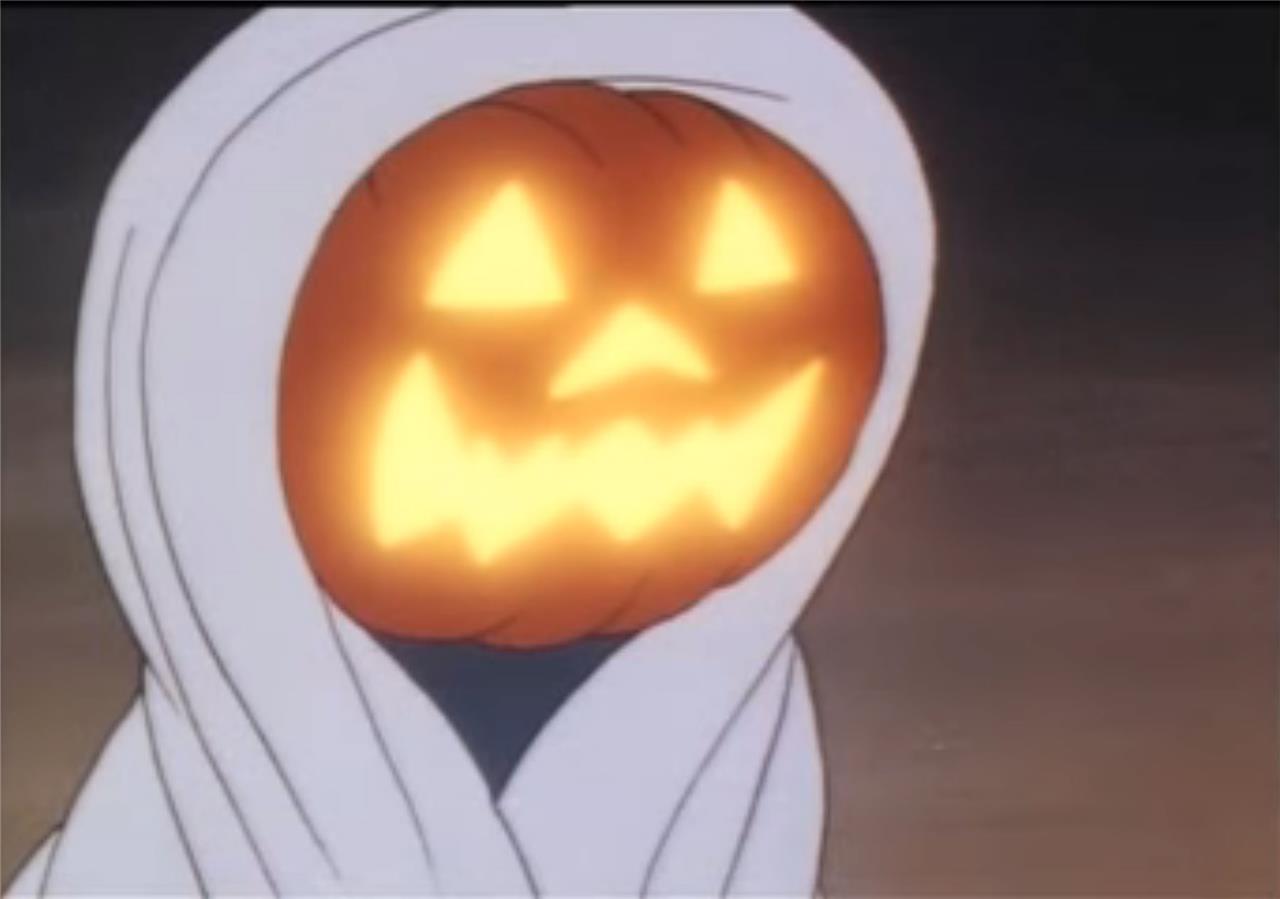
The early ’90s were such a dire time for animation. This made-for-TV special – not produced by Disney, and with no connection to Disney’s Song of the South – is an ordeal to watch, and all the ghosts are just Brer Rabbit messing with Brer Fox through the use of household props and woodland actors. So the Ghost of Christmas Yet to Come here is just a sheet on a mop with a jack-o’-lantern on top.
46. An American Christmas Carol (1979)
Set during the Great Depression, this adaptation replaces Dickens’s London with small-town America, giving the Ghost of Christmas Yet to Come a grim, silent presence that reflects the era’s despair. The spirit’s shadowy figure and the stark imagery of poverty and loss make its warning feel especially haunting, turning the familiar story into a chilling moral about greed and redemption amid national hardship.
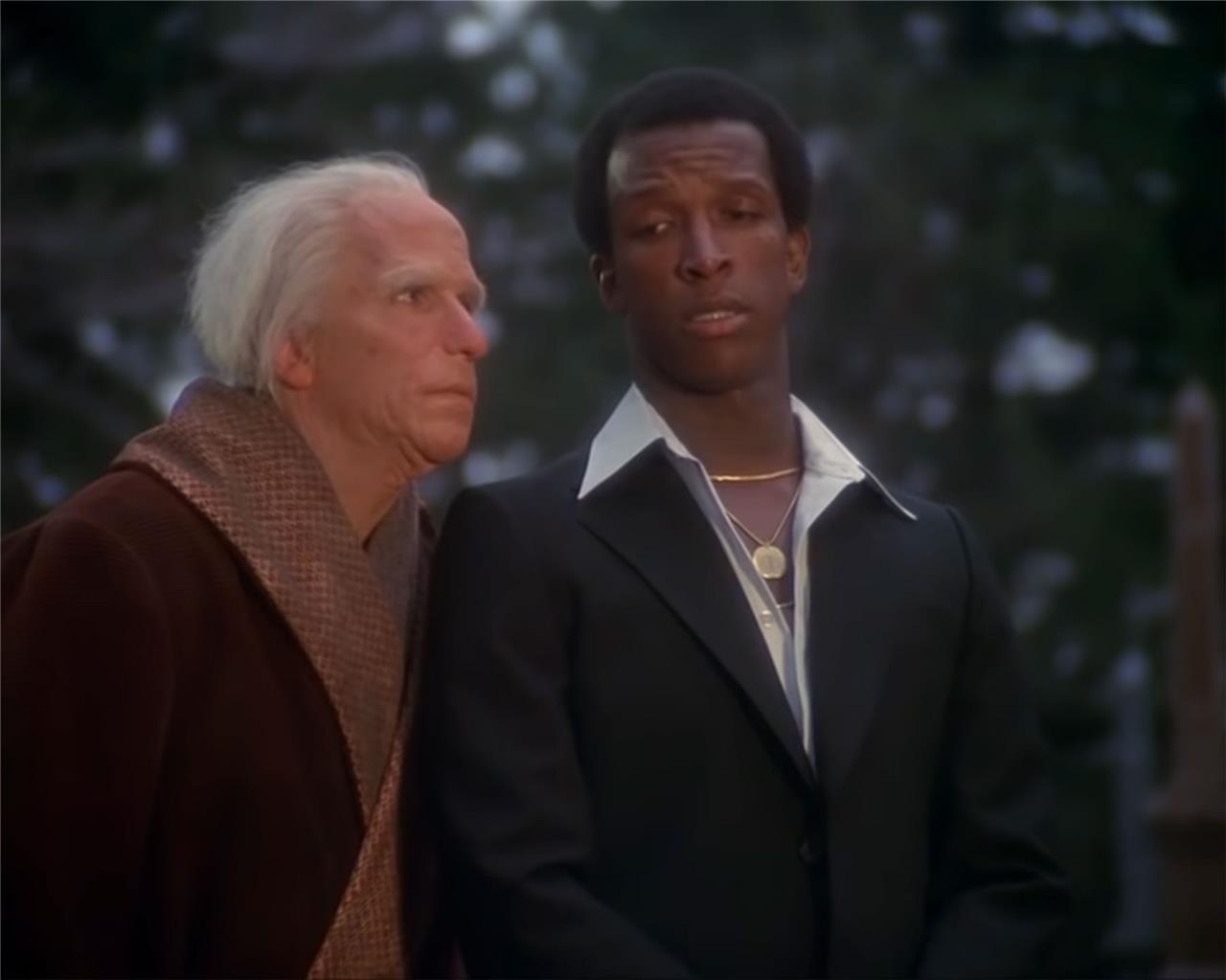
Henry Winkler – the Fonz himself – dons old-age makeup to portray Benedict Slade in this adaptation moved to Depression-era New England. The spirit who shows him the misery that awaits him after death is played with soulfulness by Dorian Harewood – the fill-in voice of Shredder from the Ninja Turtles cartoons!
45. A Christmas Carol (1969)
This animated version turns the Ghost of Christmas Yet to Come into a silent, shadowy figure whose stillness is more disturbing than any dramatic flair. Its faceless presence looms over Scrooge with an eerie calm, making each gesture feel final and absolute. The stylized animation enhances the ghost’s menace, giving the future it reveals a cold, dreamlike quality that lingers long after the story ends.
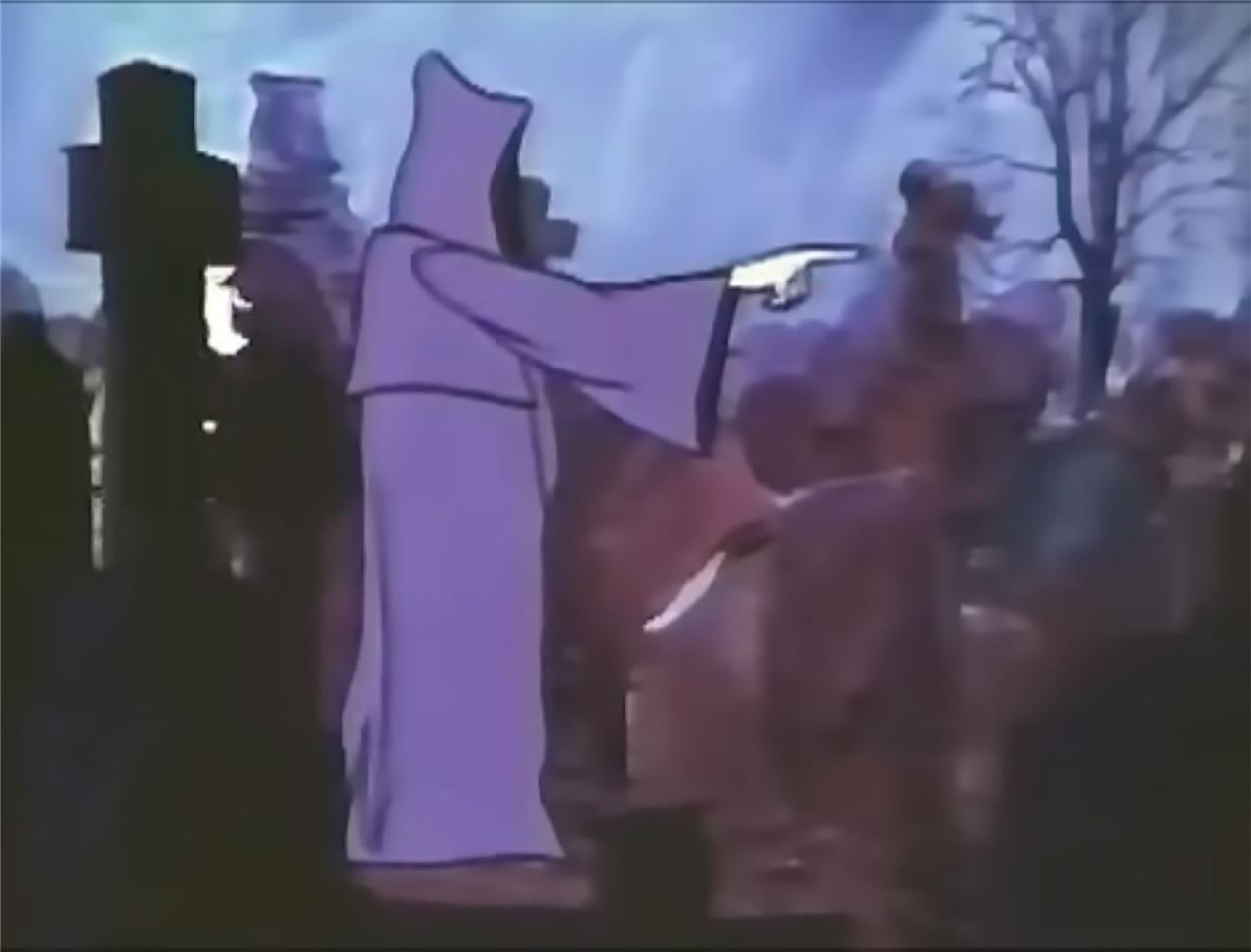
From a series of Australian animated adaptations called Famous Classic Tales, this is a pretty standard take on the story, complete with a third ghost that could pass for an unimaginative Scooby-Doo villain.
44. A Christmas Carol (2000)
Patrick Stewart’s 2000 version gives the Ghost of Christmas Yet to Come a chilling stillness that makes it stand out from flashier adaptations. Cloaked in perfect shadow, the spirit never speaks, yet its silent authority leaves Scrooge-and the audience-with a heavy feeling of dread. The absence of movement or emotion turns every gesture into something ominous, making this ghost one of the most unsettling portrayals on screen.
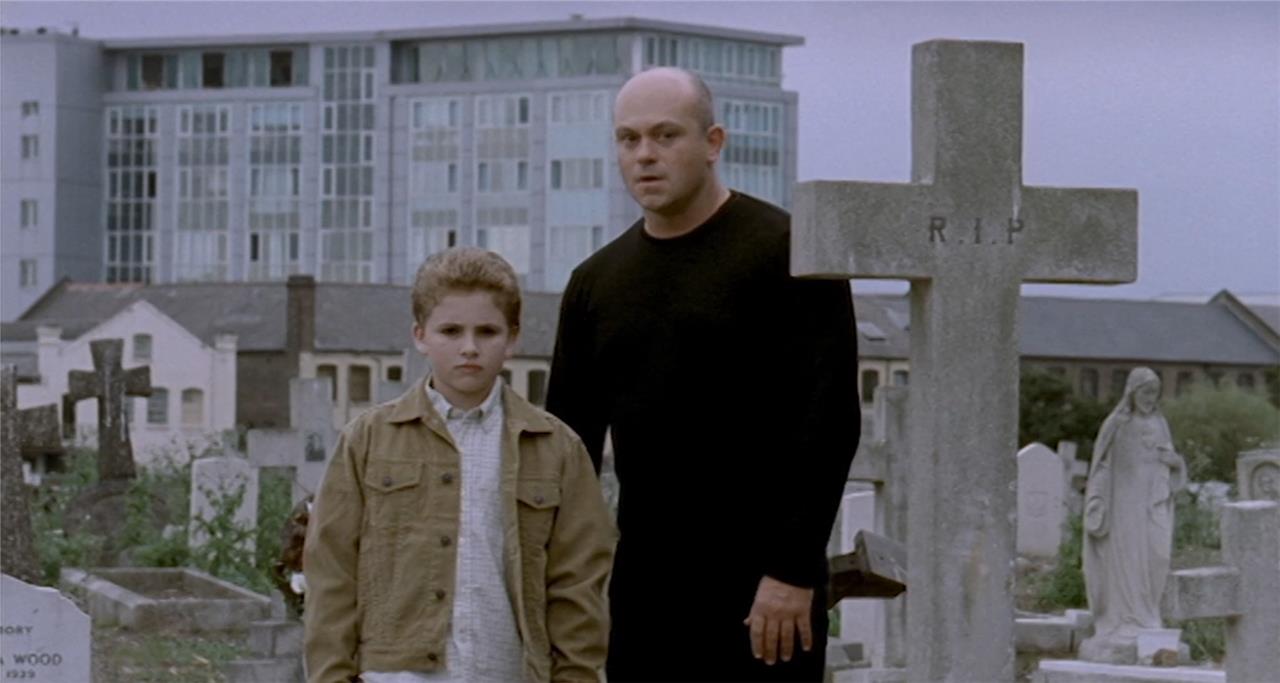
This odd British TV adaptation moves the action to the present day, with Ross Kemp playing Scrooge as a council-estate loan shark despised by his clients and community. The third spirit that visits him on Christmas Eve is an eerily silent young boy who shows him the bad end that awaits, and in the film’s coda, we learn that the kid was his yet-to-be-born child. In theory this could be scary, but it’s executed so clumsily that it’s more laughable than chilling.
43. Skinflint: A Country Christmas Carol (1979)
Walter Matthau’s Scrooge in this oddball TV musical is so miserly he’s renamed “Skinflint,” trading Victorian London for small-town America. The Ghost of Christmas Yet to Come drifts in with the eerie calm of a Midwestern snowstorm, silent but sharp as frostbite. His presence feels colder because it cuts through the film’s otherwise bright country cheer, leaving the steel edge of mortality gleaming under twinkling lights.
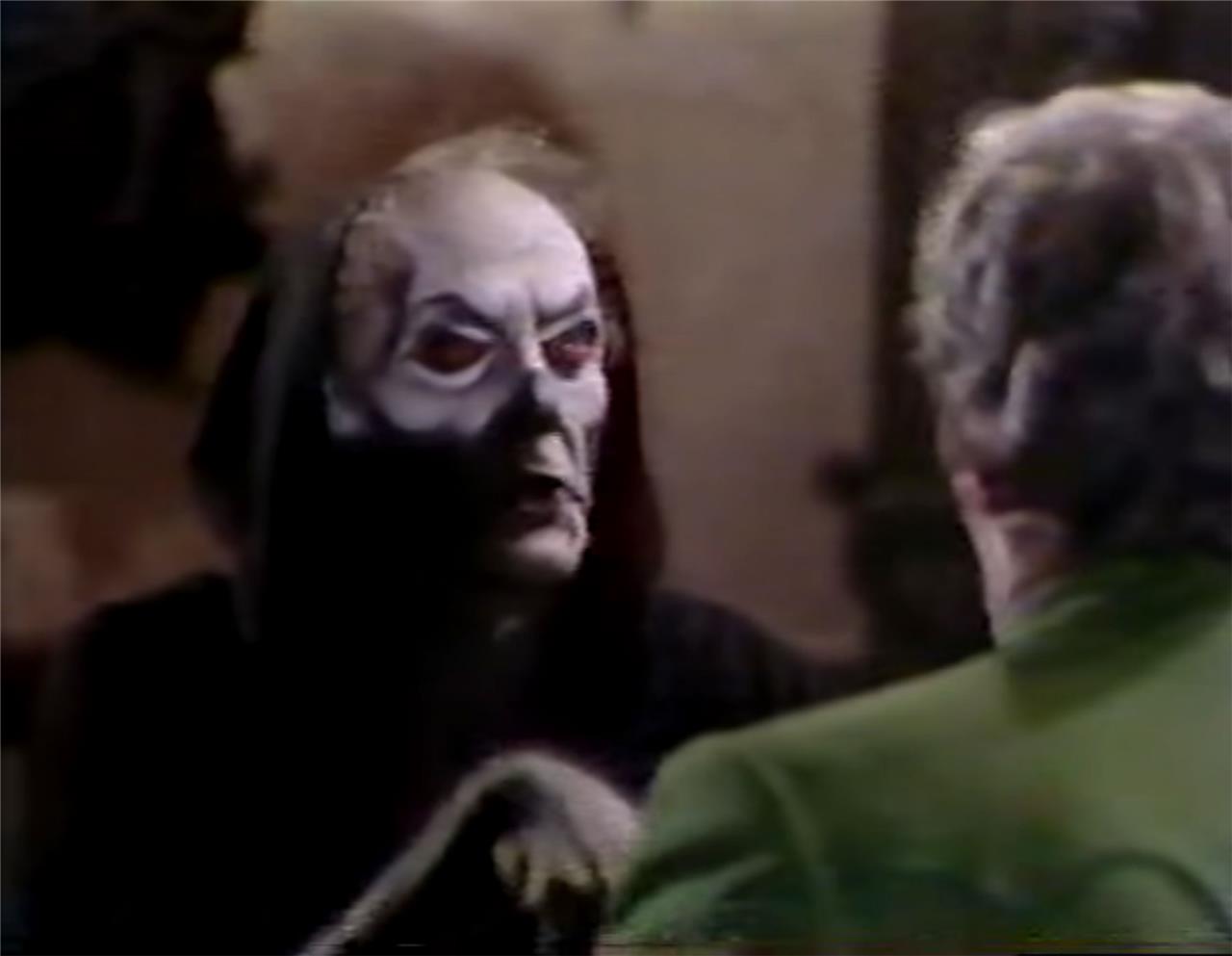
David Bond plays the Ghost of Christmas Yet to Come in this honky-tonk musical adaptation of the Dickens story, with Gremlins‘ Hoyt Axton in the Scrooge role. This was only aired once, during the late-’70s peak of Grand Ole Opry country music. Bond eschews the hood in favor of what looks like dollar-store Dracula makeup and some deeply weird hand gestures.
42. A Christmas Carol (1910)
This 1910 silent adaptation turns the Ghost of Christmas Yet to Come into a shadowy figure that moves with unsettling grace, more suggestion than substance. The lack of sound amplifies the dread, making each gesture feel final and fated. Its primitive special effects give the specter an uncanny quality-like a nightmare just barely taking form on the screen.
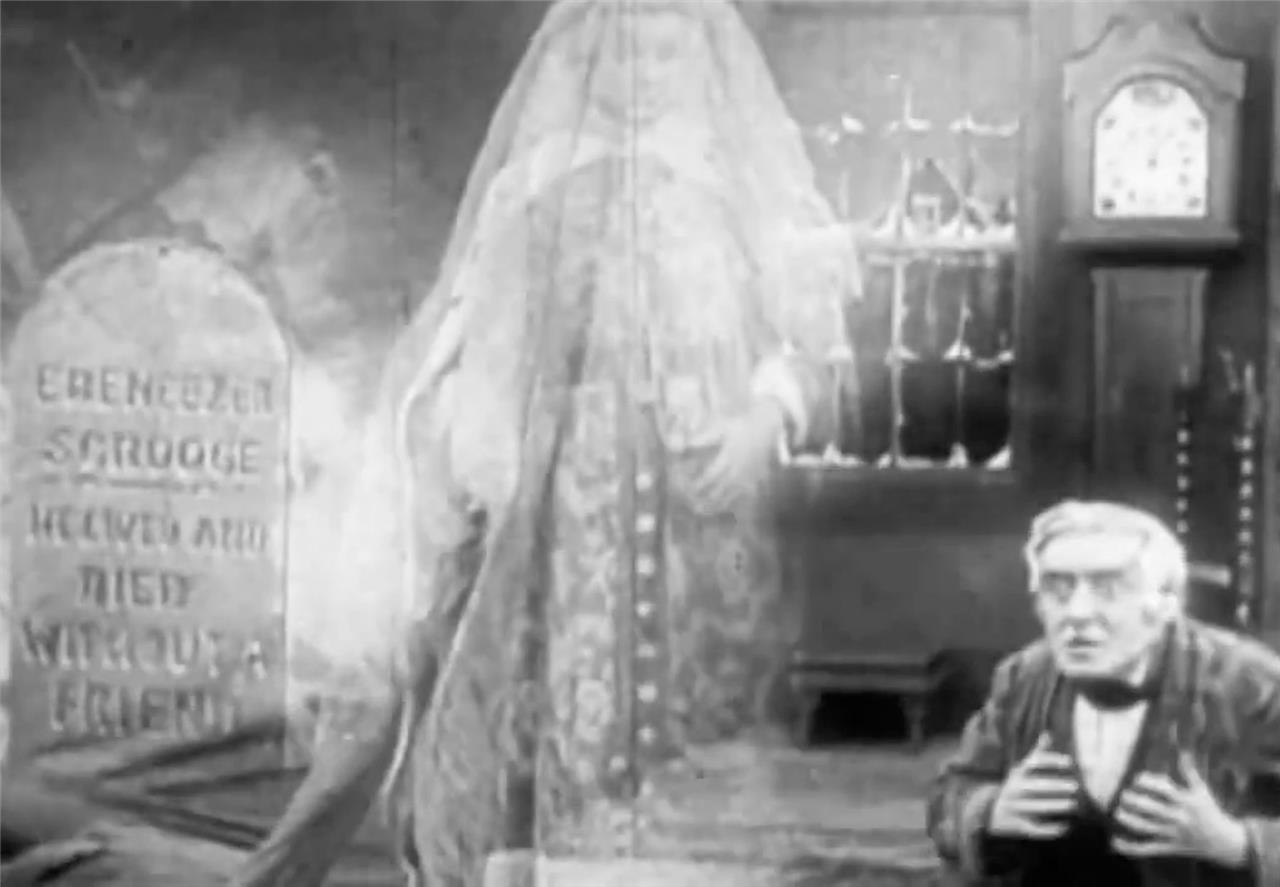
The oldest surviving film version of Dickens’ tale (except for the 1906 one, which didn’t have the three ghosts) is a 13-minute silent speedrun of the whole tale. The ghosts aren’t terribly scary, and as far as I can tell, the gimmick for the Ghost of Christmas Yet to Come is “big lady.”
41. A Flintstones Christmas Carol (1994)
Fred Flintstone’s turn as Scrooge begins as playful holiday fun, but the story’s final act surprises with genuine chills. The Ghost of Christmas Yet to Come appears in a stone-age parody of Victorian gloom, cloaked and silent, showing Fred his lonely grave. The contrast between the cartoon’s bright prehistoric setting and the ghost’s cold shadow gives this version a strangely haunting mood, more unsettling than you’d expect from Bedrock.
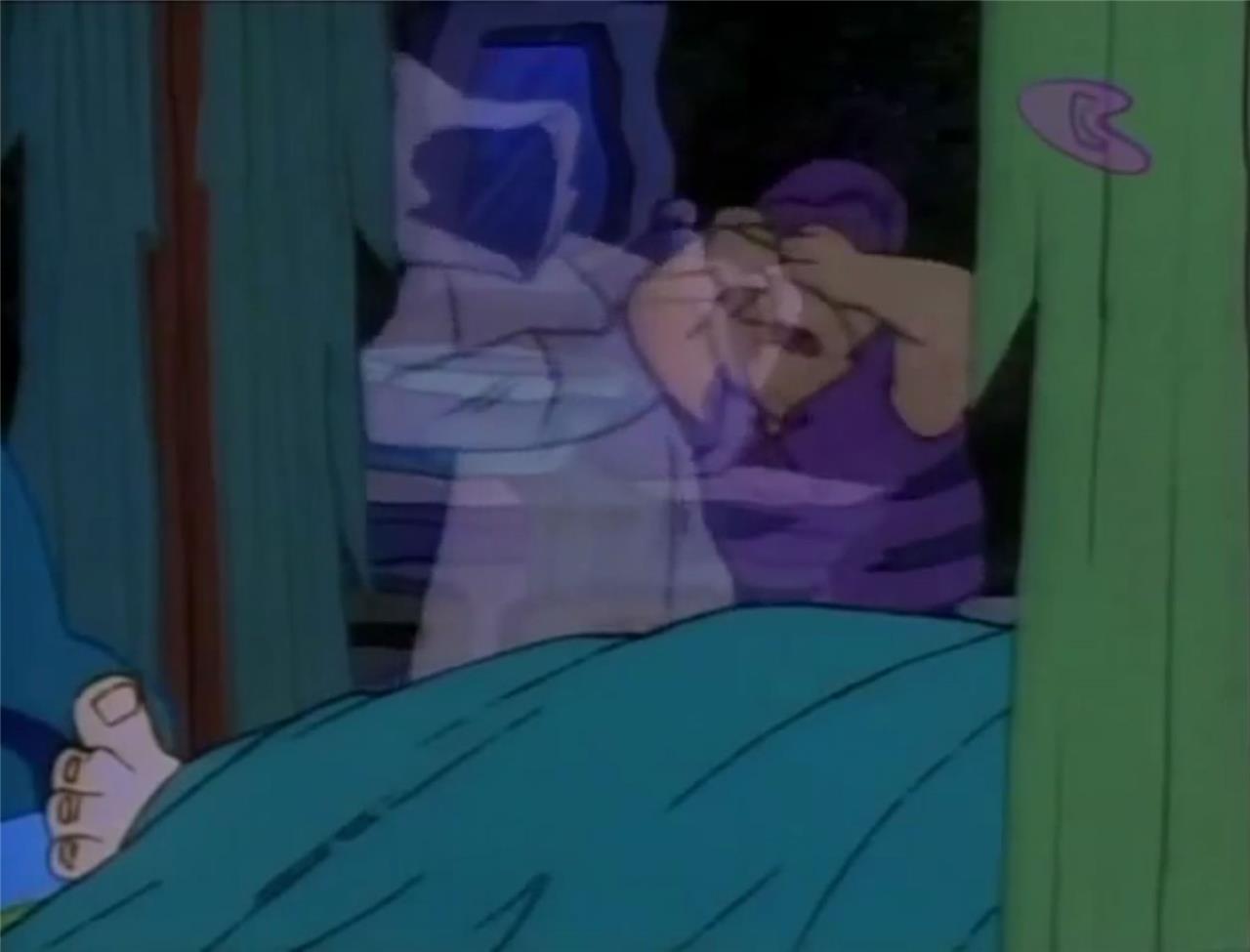
This 70-minute animated take, featuring the usual Flintstones characters, depicts the ghost as a pretty generic hooded featureless figure. The one notable thing about this movie is that it actually shows Fred Flintstone’s corpse – or at least his massive, pale-white big toe sticking out from under a sheet.
40. The Stingiest Man in Town (1978)
This musical version of A Christmas Carol aired on television with Walter Matthau voicing Scrooge, and it presents the Ghost of Christmas Yet to Come as a silent, shrouded shadow with glowing eyes. The figure’s stillness makes it especially unsettling, a stark contrast to the story’s more expressive spirits. Its quiet menace carries the grim certainty of fate, giving the scene a chill that lingers long after the final song fades.
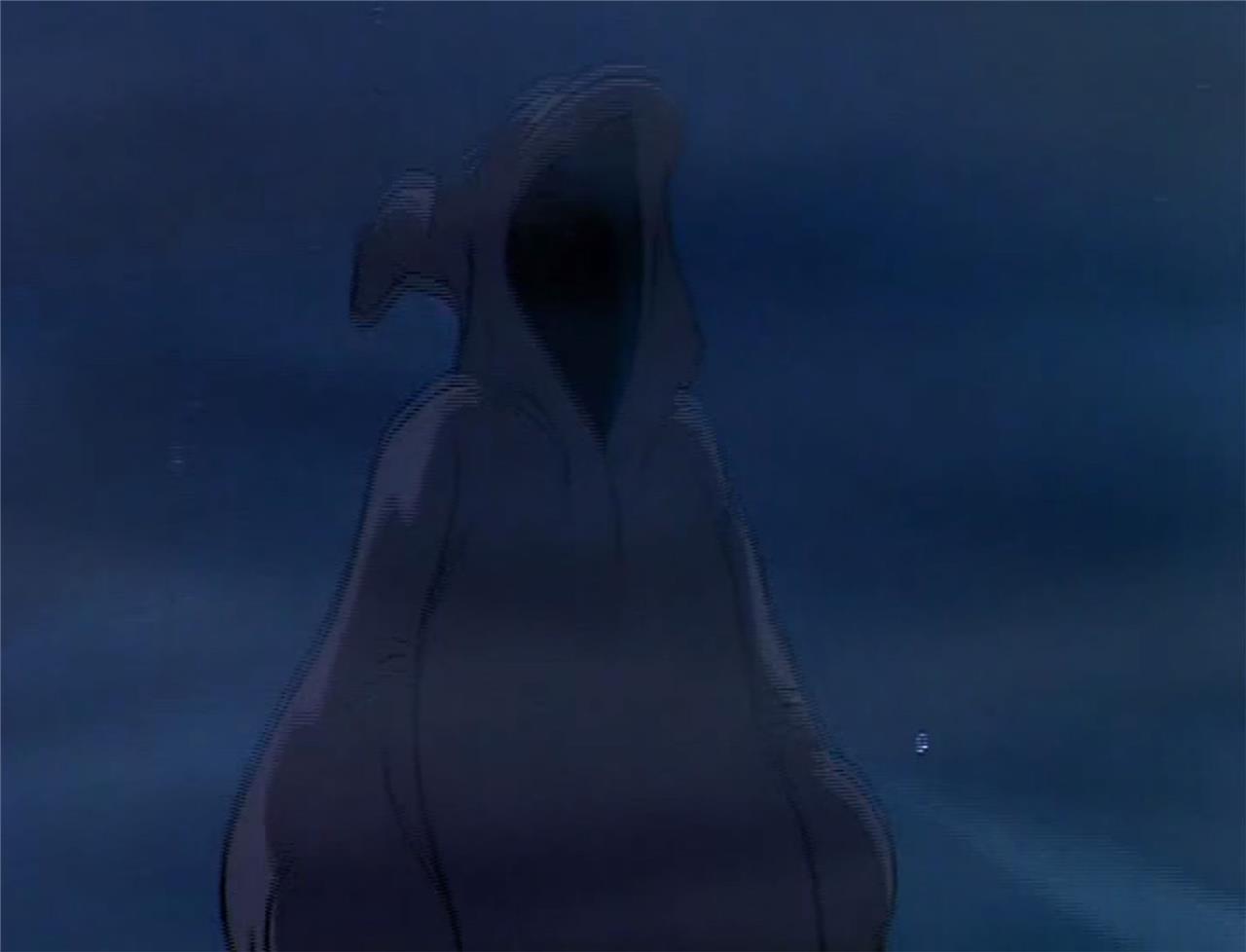
A low-effort Rankin-Bass animated musical version of the classic story, with a hooded figure pointing a bony white arm at Scrooge’s tombstone. Perfectly competent, but nothing to write home about.
39. A Carol Christmas (2003)
Modernizing Dickens’s tale into a TV movie, A Carol Christmas trades the foggy London streets for a glossy talk-show set. Tori Spelling plays Carol Cartman, a self-absorbed host who’s confronted by three spirits determined to thaw her icy heart. The Ghost of Christmas Yet to Come, a silent figure in dark robes, stands out as the most chilling-its wordless presence and grim visions cut through the film’s otherwise light tone, reminding viewers that redemption only follows real fear.
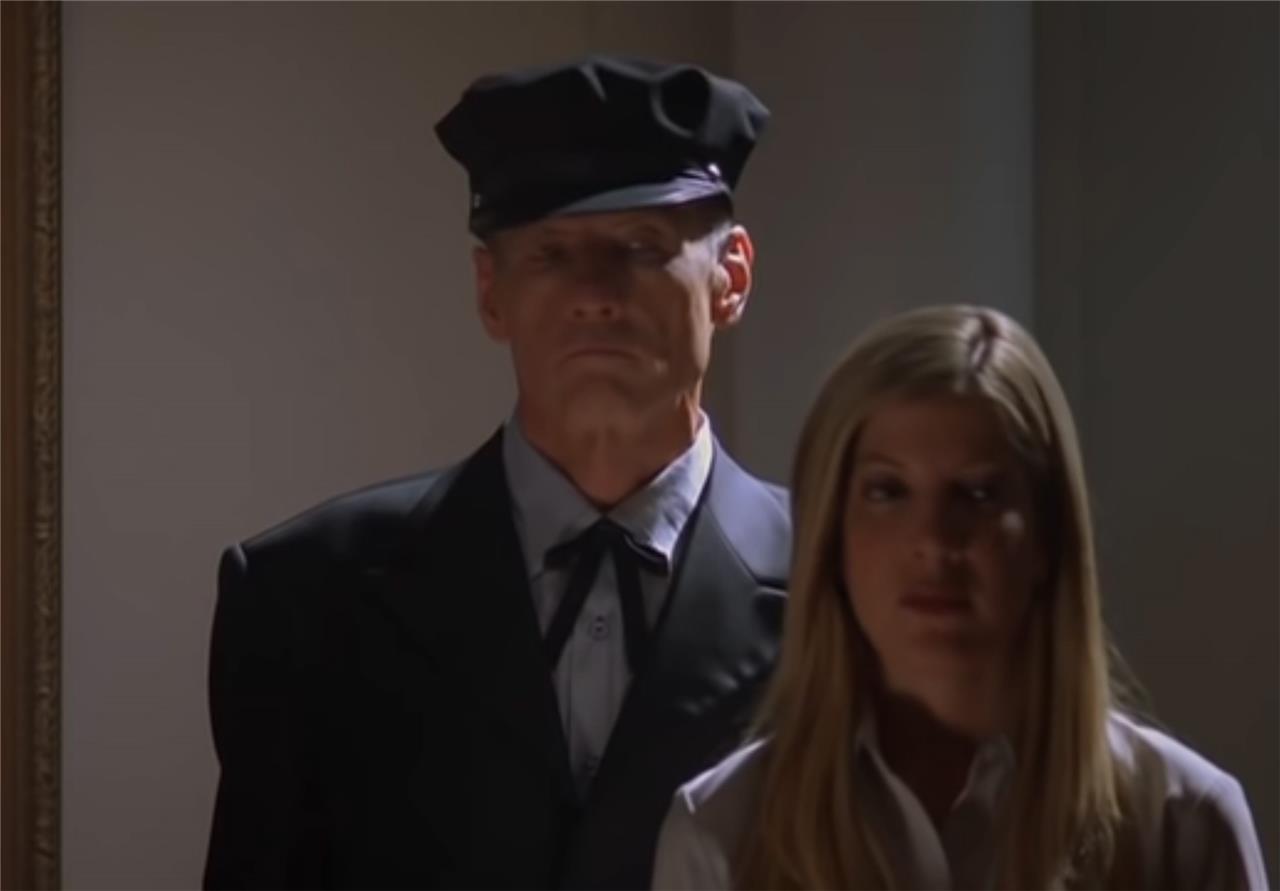
This Hallmark movie had some serious stunt casting – Gary Coleman as the Ghost of Christmas Past! William Shatner as the Ghost of Christmas Present! Storied actor James Cromwell is the third and final ghost, and his expressive face does a lot to sell it, even though he’s just a mute limo driver. The bit where he closes Carol (Tori Spelling) into her coffin is a little freaky.
38. Old Scrooge (1913)
This silent 1913 version turns Scrooge’s haunting into a slow, eerie descent through flickering shadows and stark sets. The Ghost of Christmas Yet to Come appears not as a grand figure but as a dark, shape-shifting outline, more suggestion than person. The film’s worn texture and grainy lighting make the scenes feel ghostly in themselves, giving this early portrayal an unsettling, dreamlike intensity that lingers well after it ends.
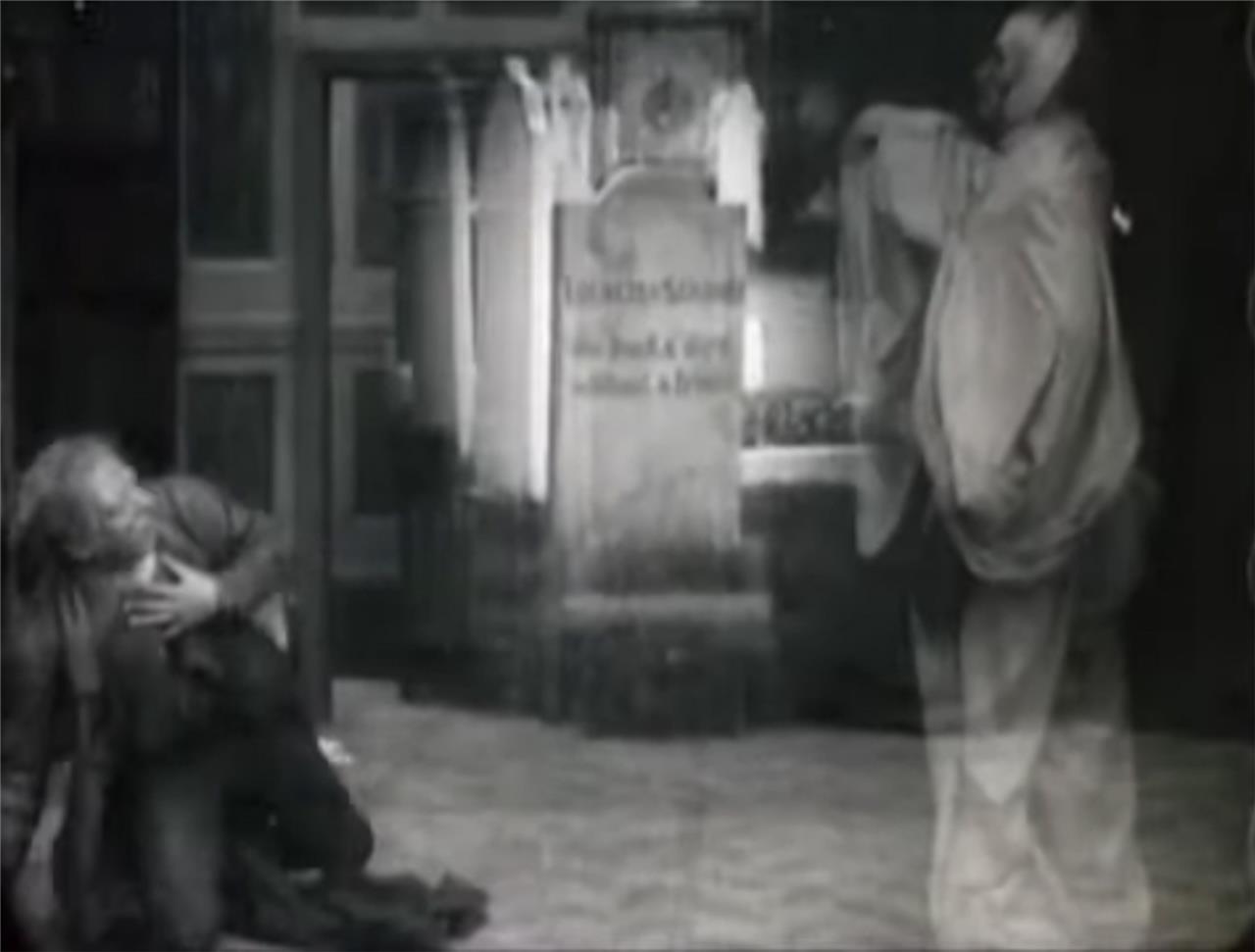
Ghosts in these early silent adaptations were always very tall. In this silent version of the tale, our future ghost is just a lanky fellow wrapped in some bedsheets. Marley is actually significantly scarier.
37. A Christmas Carol (1982)
The 1982 animated version gives the Ghost of Christmas Yet to Come a shadowy, almost fluid presence that lingers just beyond full sight. Its silence weighs heavily, and the lack of facial features makes it all the more unsettling. The animation’s grainy texture adds a nightmare quality, turning each slow gesture of the figure into something dread-soaked. It’s not the grandest version, but it leaves a lingering chill that’s hard to shake.
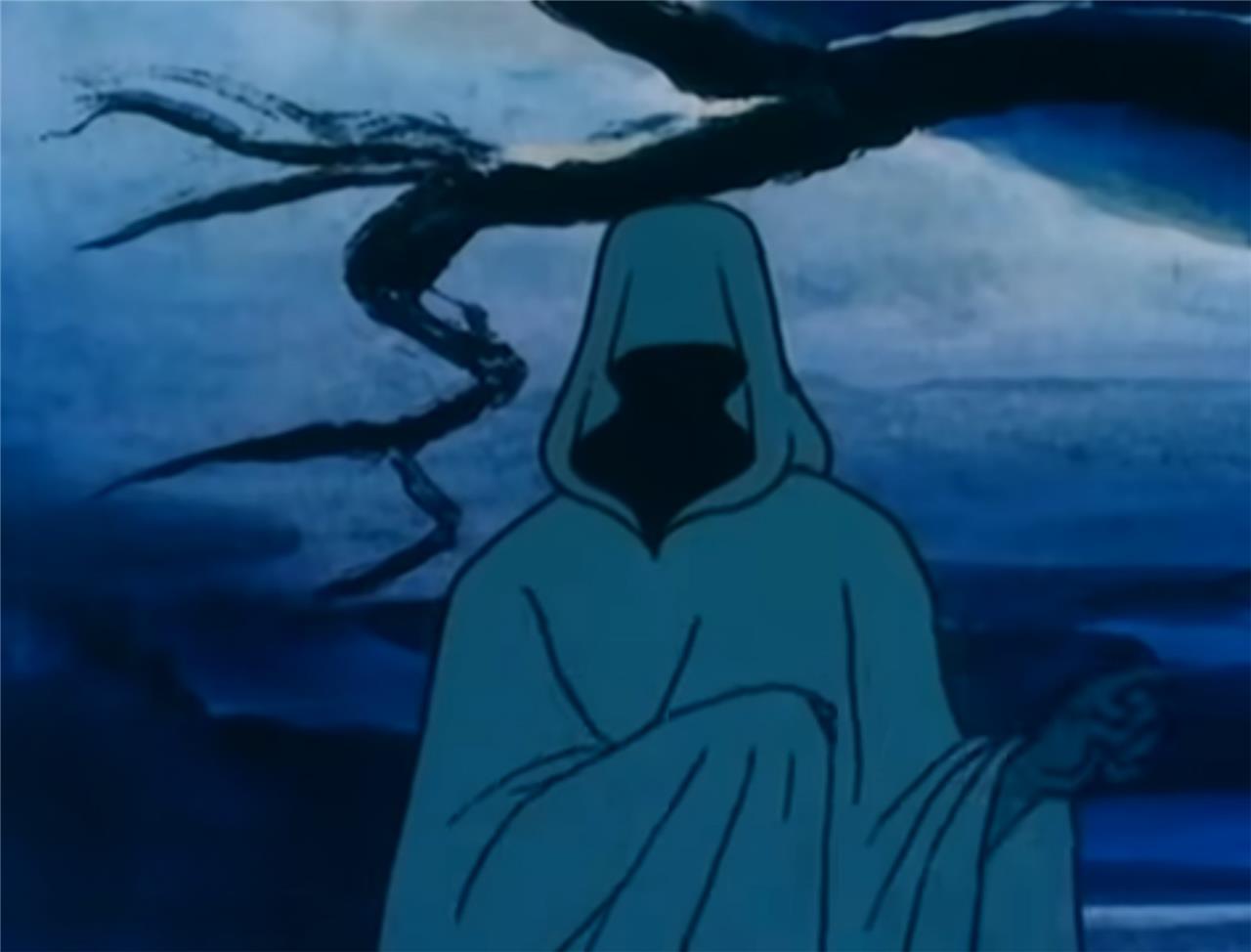
I think this animated Australian version of the story is the baseline “solid C” for scariness. It’s not imaginative at all – if you’ve read this far, you’ve probably guessed that the ghost here is a big figure in a black cloak – but the rendering is fine, and the music really sells the scene. Perfectly decent but nothing to renounce your miserly ways over.
36. Scrooge & Marley (2012)
This modern musical adaptation turns the Ghost of Christmas Yet to Come into a shadowy figure whose presence looms larger than life. Cloaked in smoke and eerie light, this version blends stage theatrics with chilling symbolism, turning every movement into a warning. The ghost doesn’t speak, but its silence weighs heavily, forcing Scrooge-and the audience-to confront the finality of greed and time wasted.
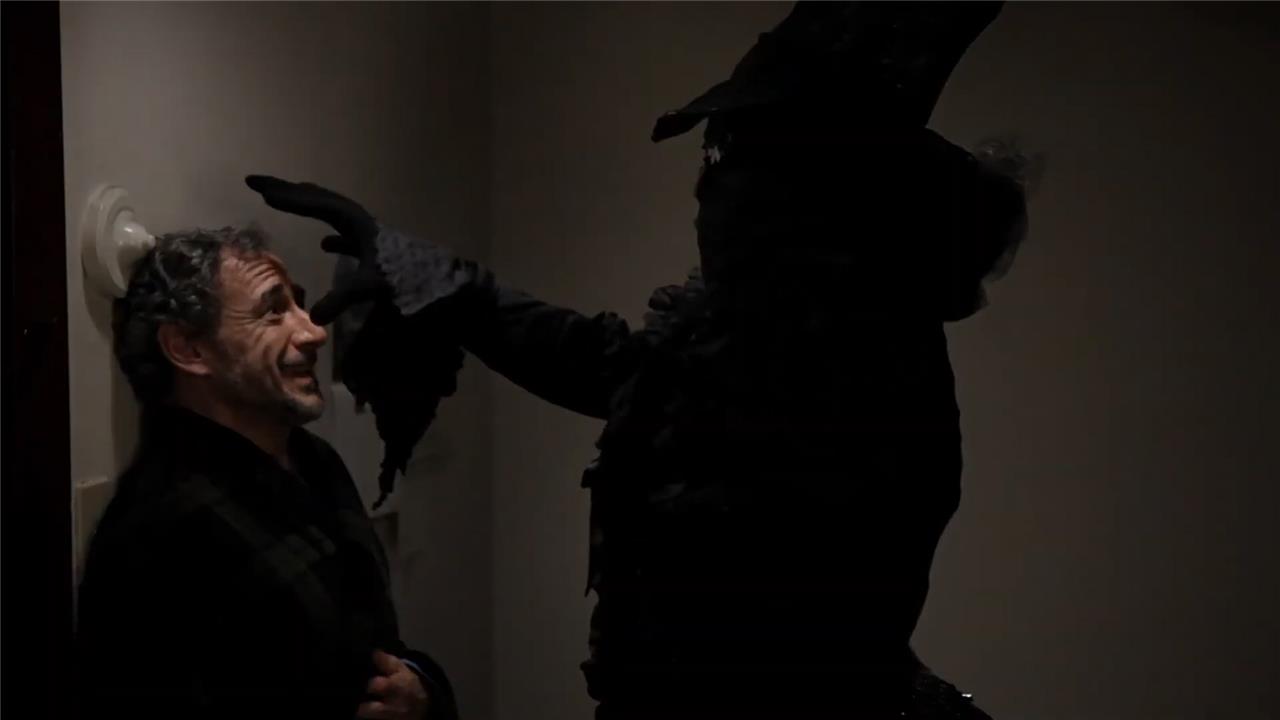
Chicago drag legend Jojo Baby plays the third ghost in this campy gay take on the tale, with Scrooge recast as a penny-pinching club owner visited by his deceased partner. Mr. Baby does a fine job, wrapped up in a mummy-like sheath of black fabric that casts a very glam silhouette.
35. Ebbie (1995)
In Ebbie (1995), a modern retelling with Susan Lucci as a cold-hearted department store owner, the Ghost of Christmas Yet to Come takes a particularly eerie turn. Cloaked in shadow and silence, this ghost drags Ebbie through a desolate future where no one mourns her passing. The bleak corporate setting amplifies the chill-fluorescent lights flicker, echoing the emptiness of her life. It’s not supernatural spectacle that unsettles here, but the quiet realism of isolation and regret.
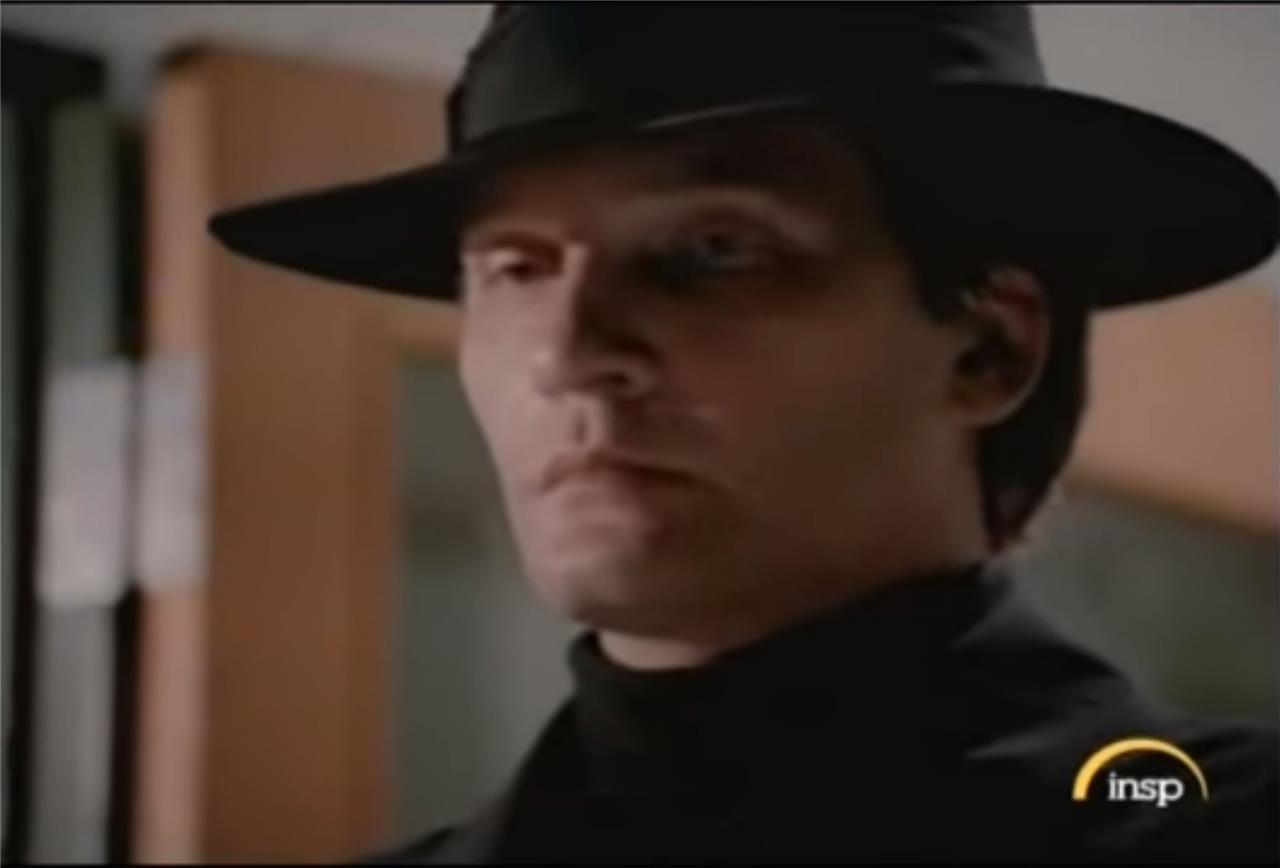
A Lifetime original movie starring Susan Lucci as the first female Scrooge? Look for scares somewhere else, pal. The Ghost of Christmas Yet to Come is played by busy Bill Croft, most notable for playing prison guards or convicts in shows like Airwolf and Viper. He’s just a quiet but imposing guy in a hat and a black trenchcoat.
34. A Christmas Carol (1997)
This animated adaptation gives the Ghost of Christmas Yet to Come a darker twist than expected from a family film. The hooded specter moves silently through shadowy streets, its skeletal hand pointing toward Scrooge’s grim fate with unnerving precision. The eerie stillness, broken only by the echo of Scrooge’s terrified pleas, makes this ghost’s presence far more chilling than many live-action renditions.
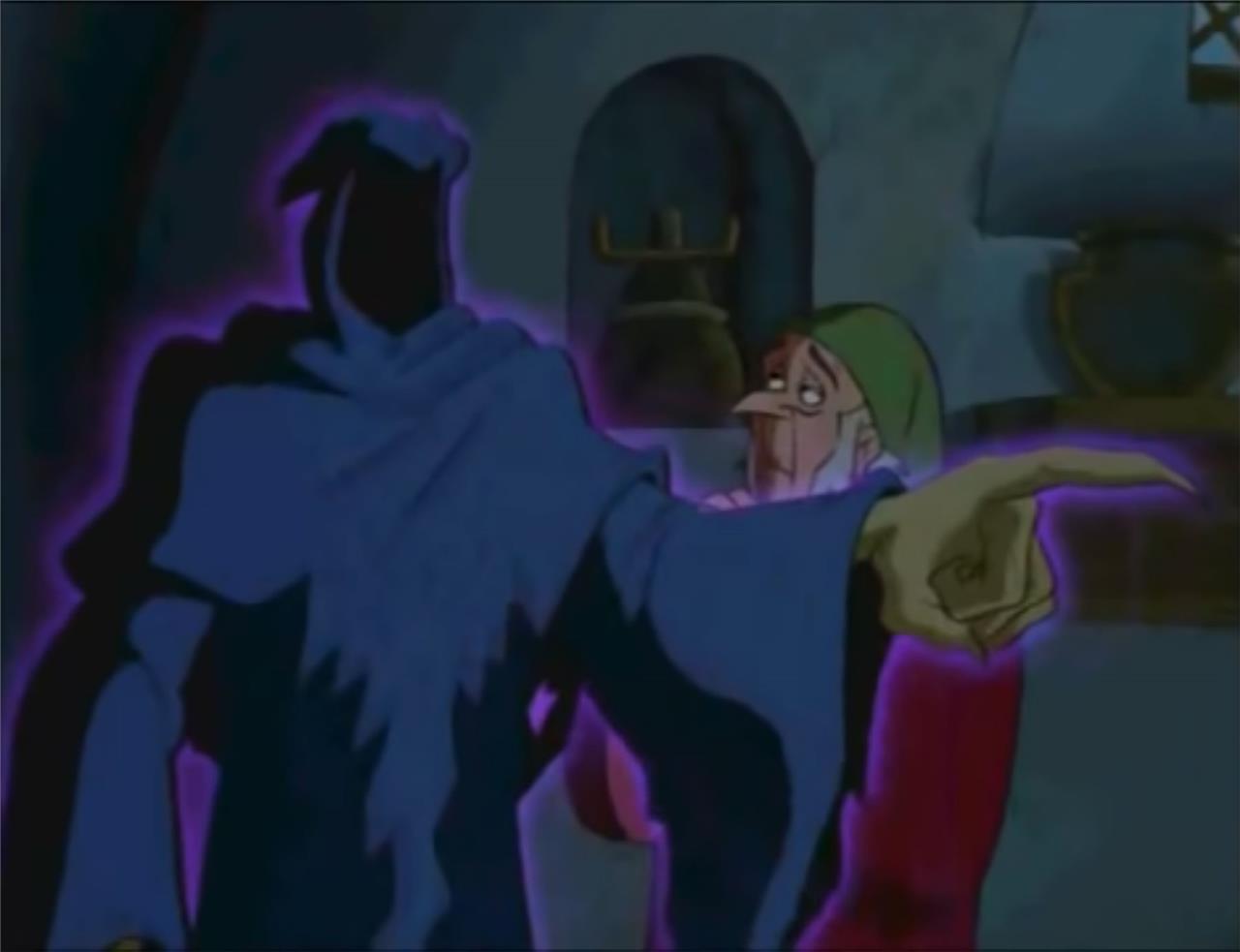
DIC was the go-to studio for affordable animation through much of the ’80s and ’90s, and this holiday special was as average as possible. Tim Curry plays Scrooge, and the adaptation gives him a bulldog named Debit because all cartoons must have a cute animal character. The ghost here is a glowing cloaked specter, nothing fancy or special, but it’s well designed.
33. A Diva’s Christmas Carol (2000)
Vanessa Williams brings a stylish edge to the Ghost of Christmas Yet to Come in this modern retelling. Instead of a silent, cloaked phantom, the spirit appears through a glossy television special that forces the self-absorbed diva to face her lonely fate. The blend of glitz and supernatural warning gives the sequence an eerie punch, making vanity itself feel like the real horror.
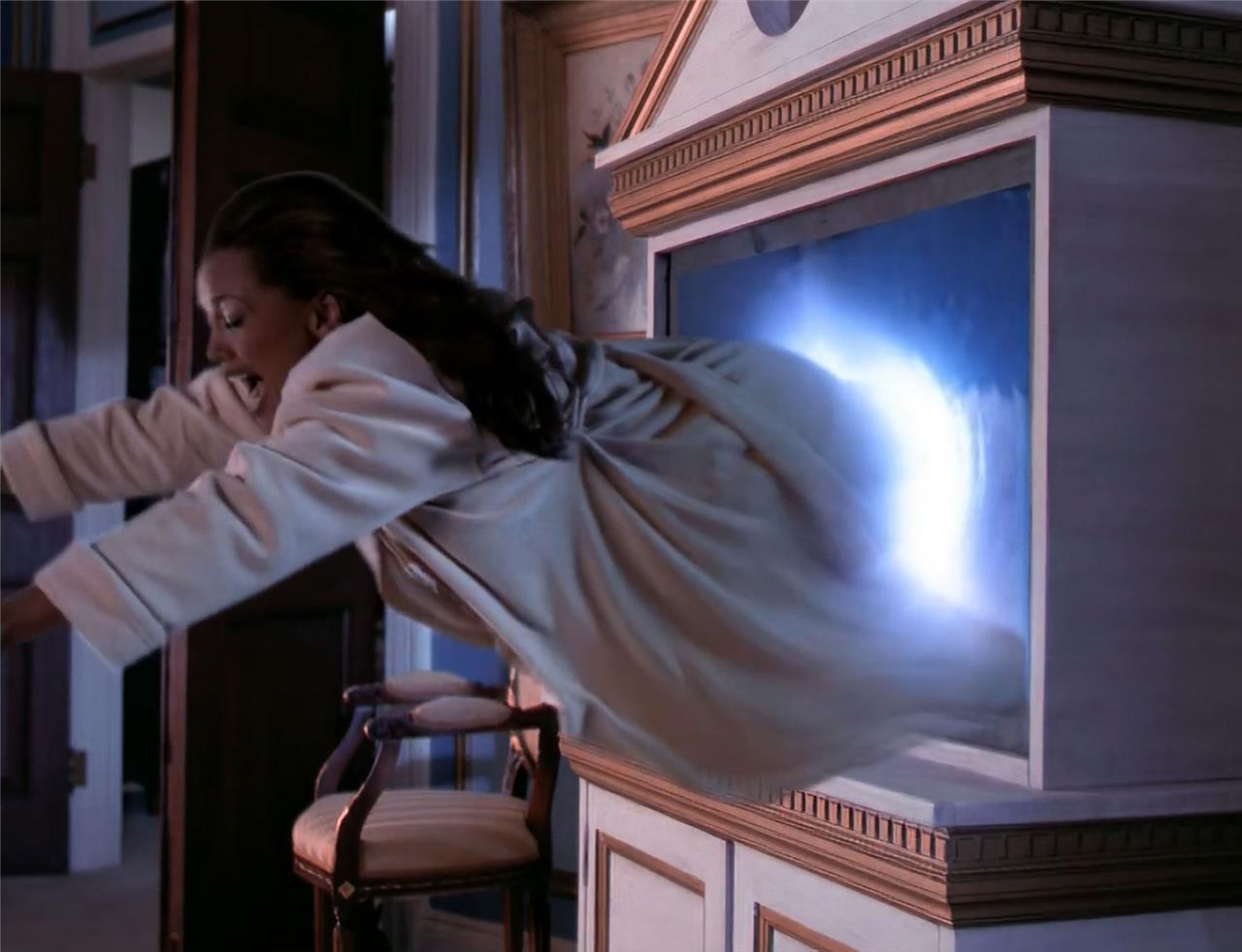
Vanessa Williams plays “Ebony Scrooge” in this perplexing made-for-VH1 holiday movie, which also stars Duran Duran’s John Taylor and Chilli from TLC. The stunt casting could have gone any number of ways for the Ghost of Christmas Yet to Come, but for some reason, it’s a haunted television set showing an episode of Behind the Music where everybody talks about how much they hate Scrooge now that she’s dead. Then it sucks her in, Poltergeist-style. Extremely weird.
32. A Christmas Carol (1994)
Patrick Stewart’s 1994 interpretation keeps the Ghost of Christmas Yet to Come shrouded in classic mystery-a silent, towering shape that dominates every frame it appears in. The minimalist design works in its favor, allowing pure dread to build through stillness rather than spectacle. The way the spirit gestures with slow precision makes each moment feel heavy, pulling Scrooge-and the viewer-closer to the chill of mortality.
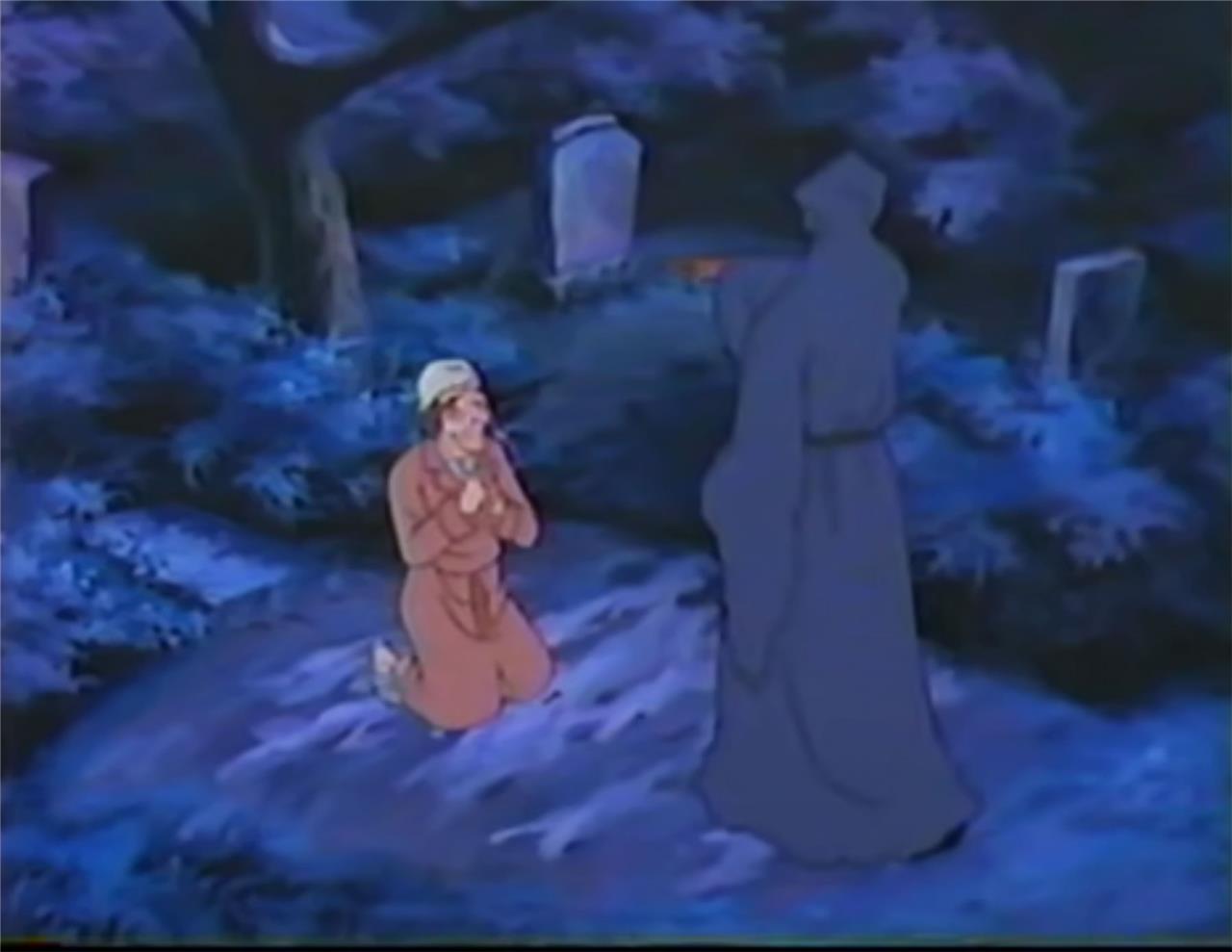
Cheaply made animated special with the artwork done in Japan in a vaguely anime style. Our final ghost is a hooded figure wearing a rope as a belt. The whole enterprise is pretty artless and uninspired.
31. 2nd Chance for Christmas (2019)
A modern twist on Dickens’s tale, 2nd Chance for Christmas turns the Ghost of Christmas Yet to Come into a literal warning from beyond. Here, a selfish pop star faces a holographic, shadowy specter that exposes her downfall in cold, futuristic detail. The mix of neon lights and eerie silence makes the ghost’s appearance unsettling, trading Victorian gloom for a tech-infused chill that feels both familiar and alien.
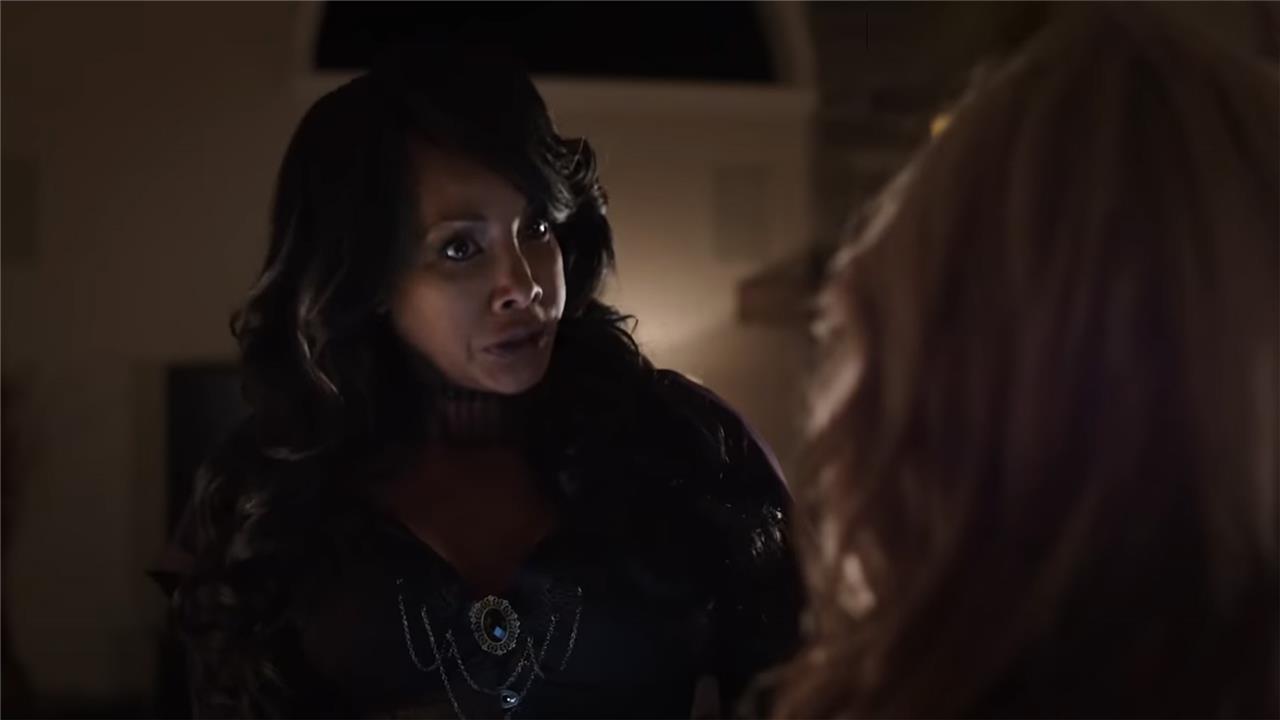
Direct-to-DVD (and streaming) cornball starring Brittany Underwood as a spoiled pop star in the Scrooge role. Vivica A. Fox is mostly wasted as the third ghost, credited as “Death” – she enters the scene in cloak and bones, inspiring Underwood to ask whether she “died at Comic-Con.” But she plays through the flick just as her normal, fine self.
30. Mickey’s Christmas Carol (1983)
Scrooge McDuck’s version of the Ghost of Christmas Yet to Come may appear in a cartoon made for children, but it still strikes a surprisingly grim note. Cloaked in black and silent as the grave, this spirit leads Scrooge through bleak graveyard scenes that feel darker than anything else in Disney’s take on Dickens. The contrast between the film’s playful tone and this shadowy figure makes its appearance all the more chilling.
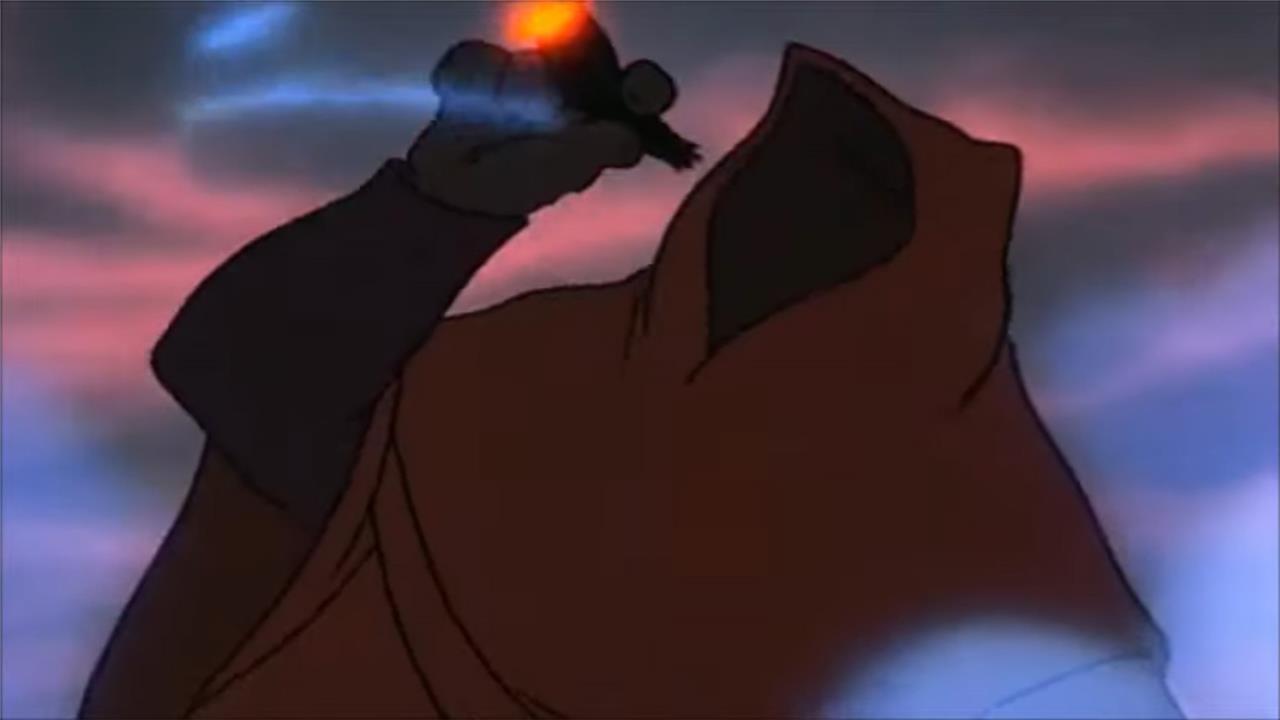
Disney animated projects are occasionally pretty scary – even the Mickey Mouse stories. But the Ghost here is just frequent Mickey nemesis Peg-Leg Pete, wearing a brown shroud and puffing a stogie. It’s a testament to how good the framing and animation is that he still feels threatening. The addition of a cigar does explain the billows of smoke around the spirit.
29. An All Dogs Christmas Carol (1998)
This animated retelling gives the Ghost of Christmas Yet to Come a surprising twist: the role is taken by a pack of eerie, silent dogs that guide the characters through visions of greed, loss, and redemption. Their shadowy presence feels heavier than expected for a children’s movie, turning familiar cartoon warmth into something closer to a Goosebumps special. The contrast between the film’s playful tone and the ghost’s solemn warning makes this version strangely unsettling, leaving a chill that lingers long after the credits roll.
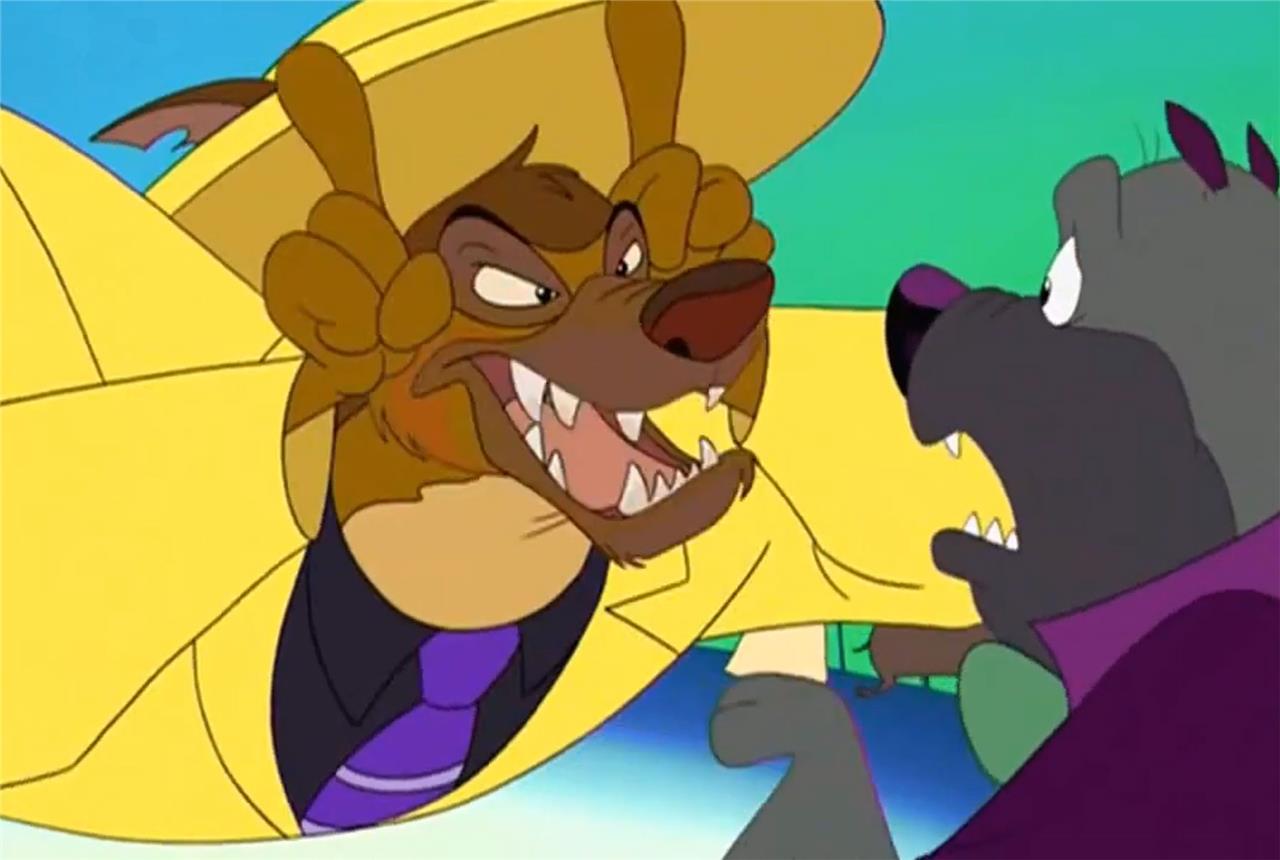
The last film in the All Dogs Go to Heaven series has a convoluted plot about evil bulldog Carface scheming to hypnotize pets to steal Christmas presents. The good dogs dress up as the three spirits to change his ways, and the Ghost of Christmas Future starts off as an imposing hooded figure before whipping his cloak off to do a bizarre riff on Jim Carrey in The Mask. He does take Carface to literal hell, which is a little intense.
28. A Christmas Carol (1977)
Michael Hordern’s 1977 portrayal gives the Ghost of Christmas Yet to Come a chilling stillness that lingers longer than any elaborate visual effect could. Cloaked in shadow and filmed with stark simplicity, the specter dominates every frame through silence and suggestion. Its slow, deliberate movements and faceless presence make the prophecy of Scrooge’s fate feel more like a whisper from the grave than a theatrical warning.
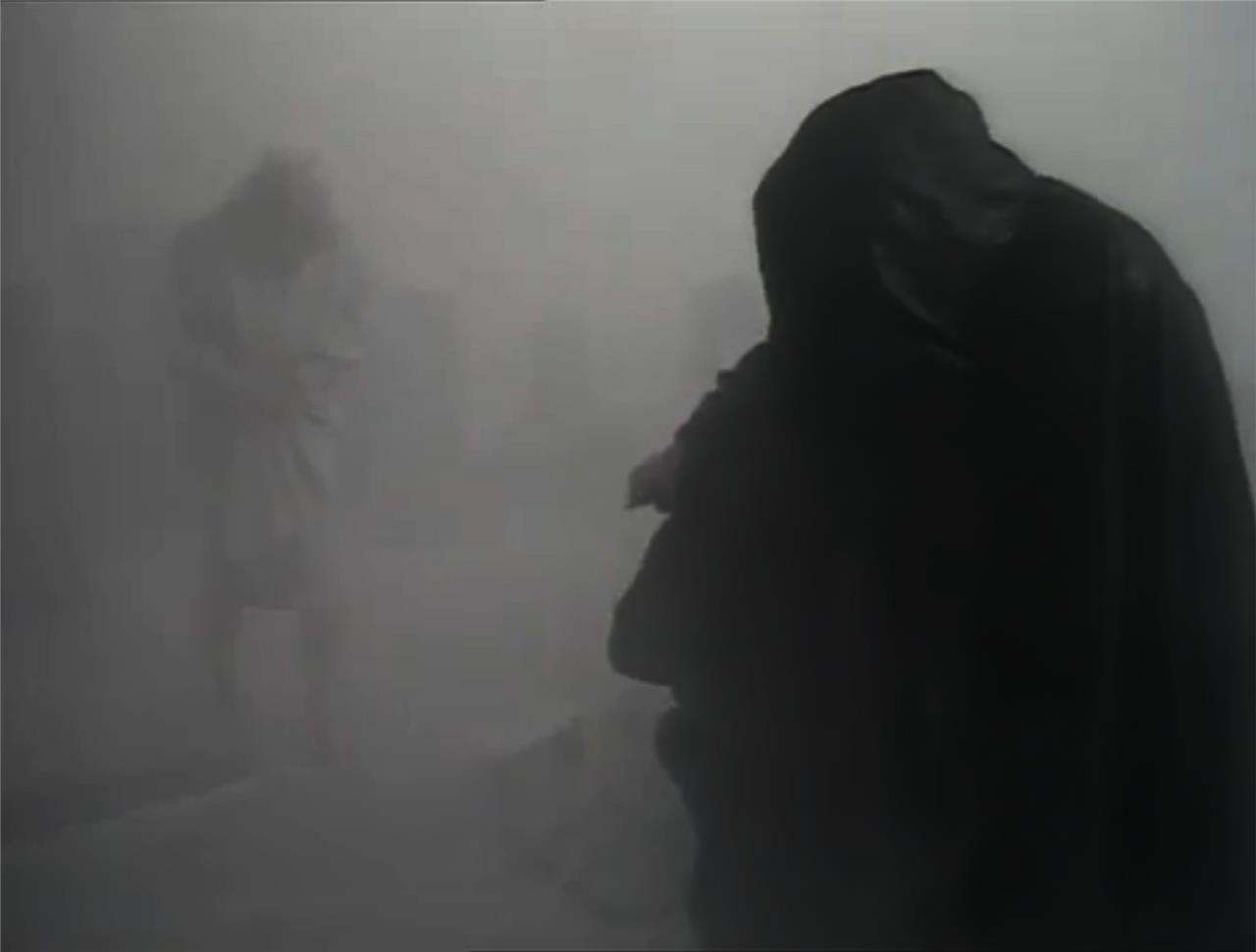
Yet another BBC adaptation of the tale, with a perfectly acceptable shroud-clad spirit. He loses a few points because he doesn’t really seem to know what to do with his hands, leaving them hanging awkwardly while Scrooge monologues. But the massive hanging hood and creepy silence are both on point.
27. Una Meravigliosa Notte (1953)
In 1953’s 27. Una Meravigliosa Notte, the Ghost of Christmas Yet to Come stalks the shadows with a chill that feels earned rather than performative, a silent visitation that haunts by implication more than spectacle, leaving the viewer to confront what the future might hold if we refuse to change.
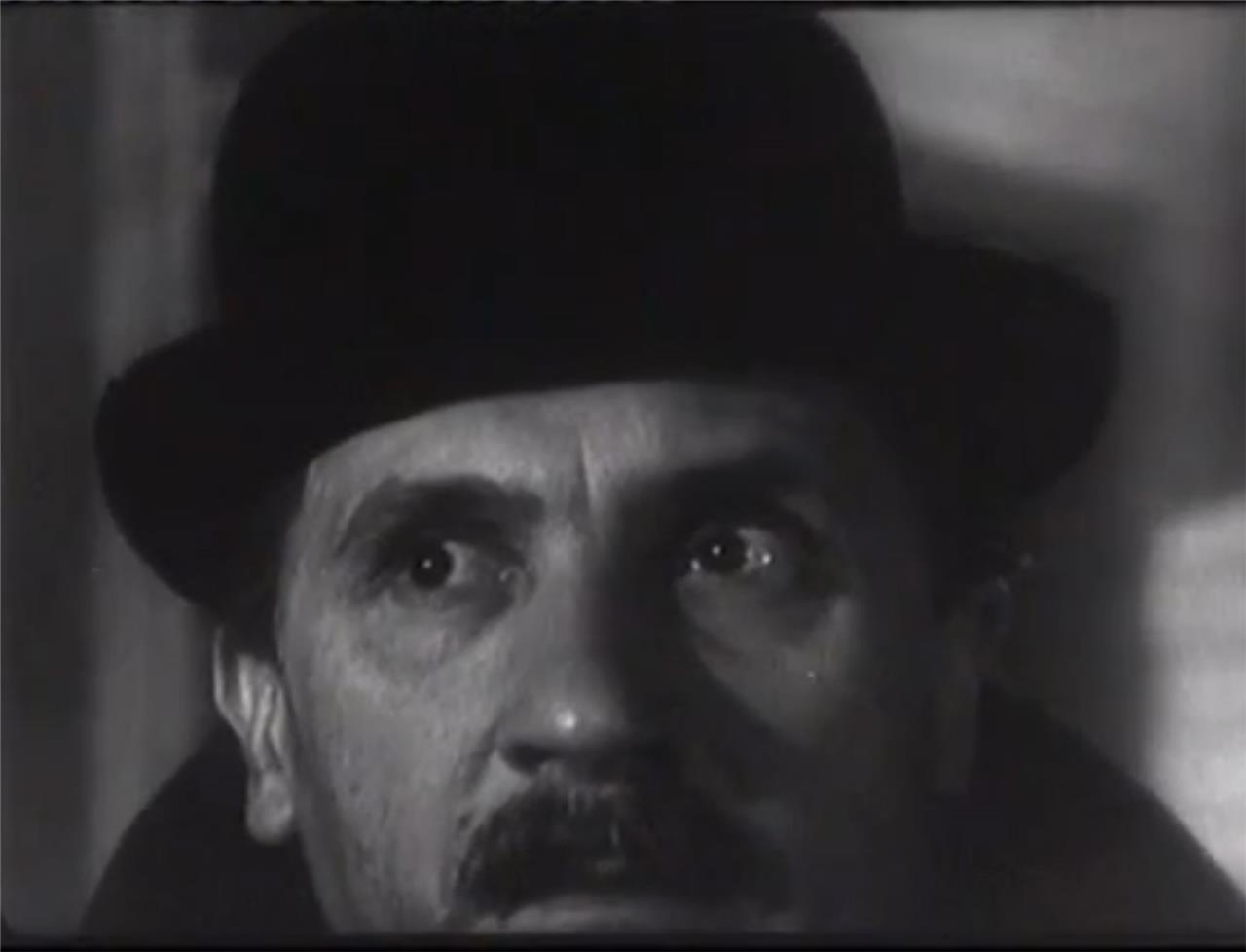
I don’t speak Italian, so it’s difficult to evaluate how well the ghost comes off in this adaptation, which stars Paolo Stoppa as greedy Antonio Trabbi, visited by a trio of spirits who show him the error of his ways. This is the second film on this list where the ghost has no physical form, instead manifesting as an echoing voice-over. The cinematography does a lot to sell it, as Stoppa seems genuinely deranged and unsettled by the all-knowing voice in his head.
26. Ms. Scrooge (1997)
Katherine Helmond’s “Ms. Scrooge” brings a corporate chill to Dickens’ classic specter, replacing Victorian gloom with office fluorescents and boardroom dread. The Ghost of Christmas Yet to Come arrives as a silent, faceless omen amid sterile modernity, its presence heightened by how out of place death feels in a world obsessed with money and control. The film’s sleek setting makes the ghost’s quiet menace especially unsettling-proof that no amount of power or profit shields anyone from the darkness ahead.
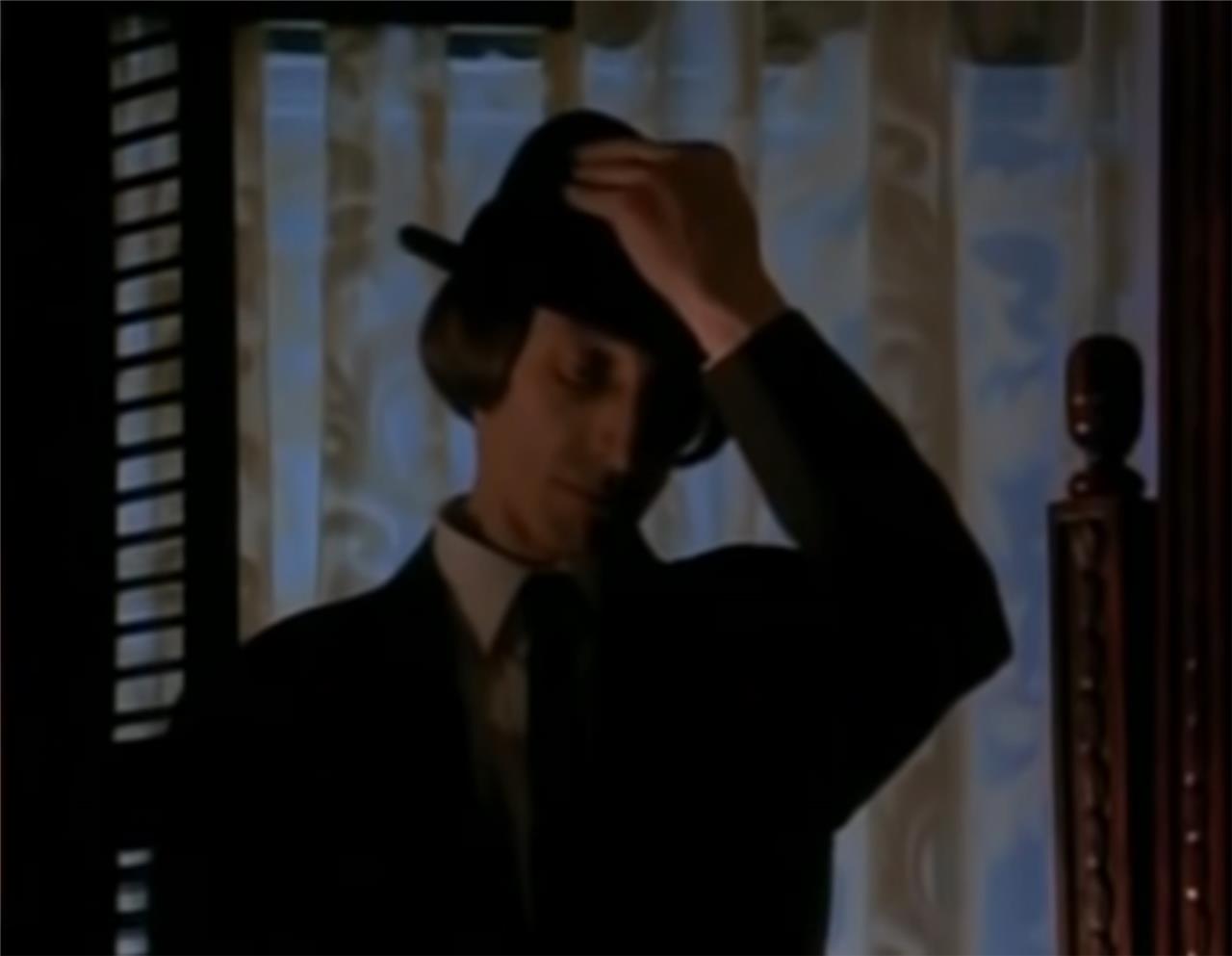
Cicely Tyson plays the Scrooge role in this gender-swapped version of the tale, in which the Ghost of Christmas Future warns her that the IRS will take all her money after she dies. He’s played by actor Julian Richings, who has a memorable face, but spends his whole part of the movie standing around expressionless in a suit. It’s just weird enough to be truly creepy.
25. A Christmas Carol (1938)
Reginald Owen’s 1938 version of A Christmas Carol softens the story’s darker edges, but its Ghost of Christmas Yet to Come still carries an eerie chill. Cloaked in silence and shadow, the spirit glides through fog and candlelight, guiding Scrooge toward a grave that needs no explanation. The ghost’s stillness, more than any special effect, gives this version its unsettling power-it feels like death itself watching quietly from the corner of the room.
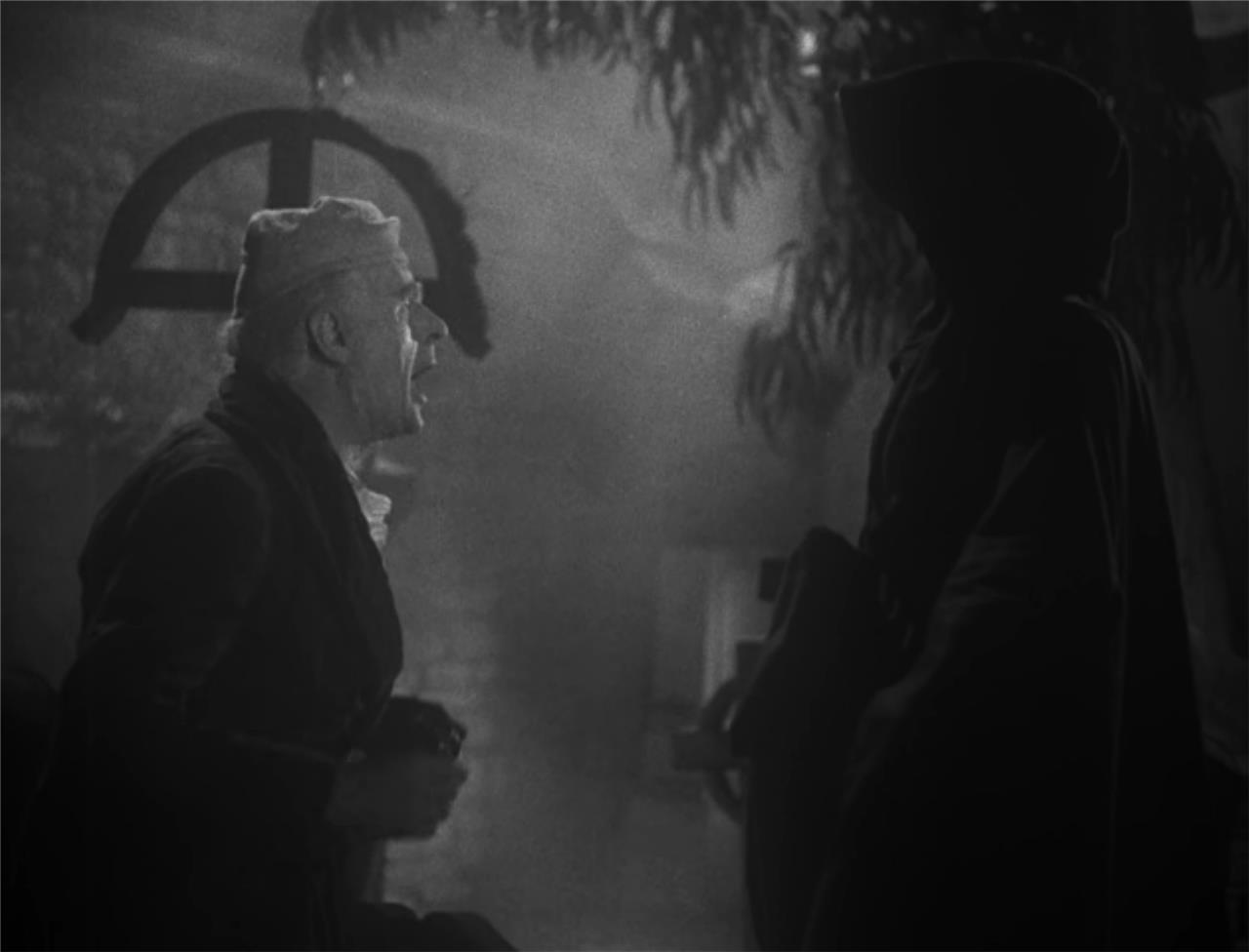
One of the more famous adaptations, this one is solid, but the ghost is just a guy in a black cloak. When he walks, he sometimes sticks both of his arms out in front of him like Frankenstein’s monster. Every once in a while, you can see his weird skinny hand.
24. John Grin’s Christmas (1986)
John Grin’s Christmas reimagines Dickens’s spectral warnings through an offbeat 1980s lens, fusing moral parable with surreal fantasy. The Ghost of Christmas Yet to Come takes form amid neon and rhythm, guiding a cold-hearted businessman through a bizarre urban purgatory. Its strange blend of disco, despair, and redemption turns the traditional ghostly visit into a fever dream that feels equal parts haunting and hypnotic.
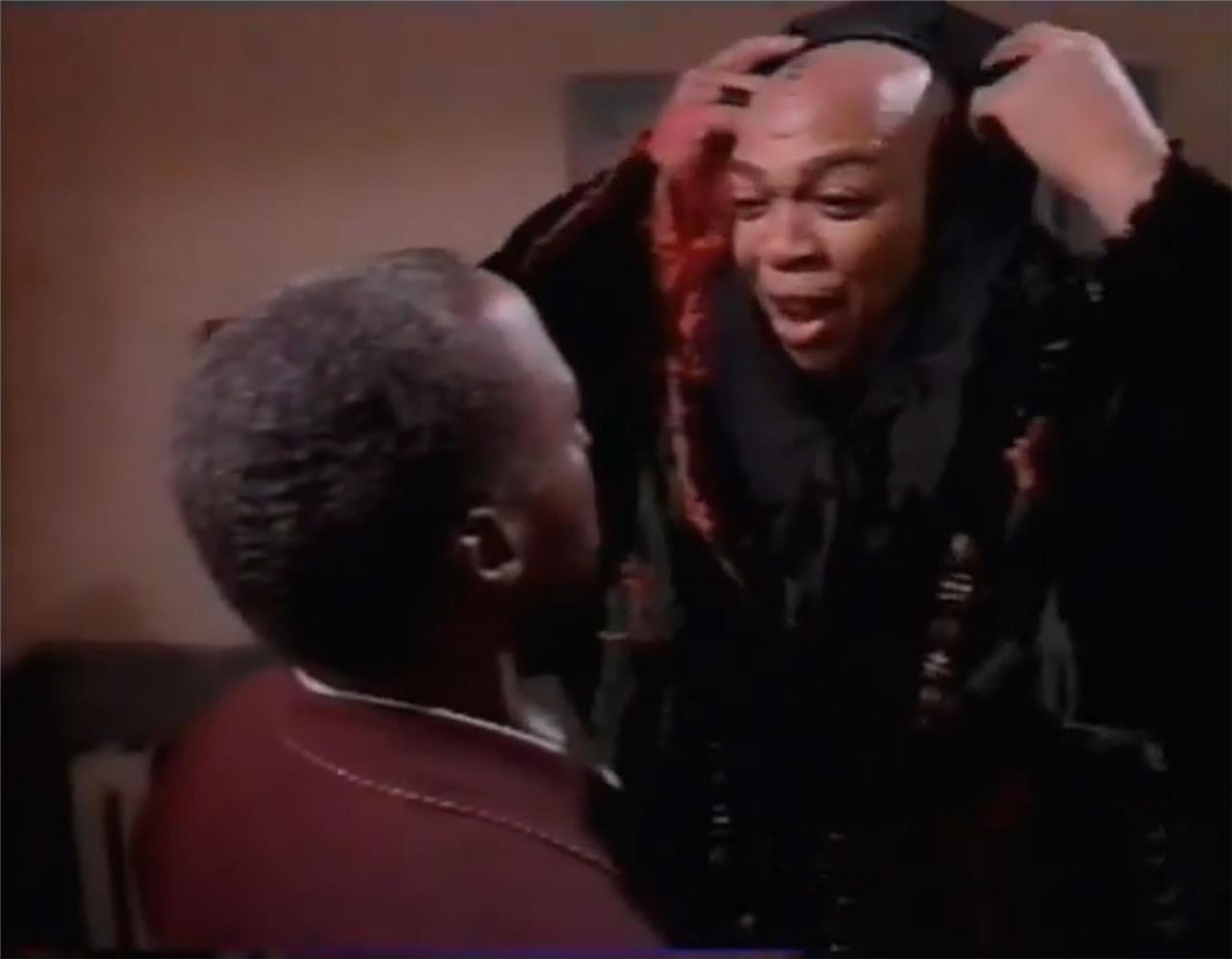
This all-Black TV adaptation of the story has Robert Guillaume as the Scrooge figure John Grin, and the Ghost of Christmas Yet to Come is played by Trinidadian dancer/actor Geoffrey Holder, probably best known as Baron Samedi in Live and Let Die. The costuming isn’t anything to write home about, but Holder’s expressive face and wild mannerisms definitely deliver.
23. Tales From Dickens: A Christmas Carol (1959)
The 1959 television adaptation of A Christmas Carol brings Dickens’s moral fable into stark relief, with the Ghost of Christmas Yet to Come rendered as a towering, faceless figure cloaked in shadow. Its silent presence and slow, deliberate gestures make this version memorably eerie. The confined sets and sharp contrasts of black and white heighten the sense of dread, pushing Scrooge-and the audience-into a confrontation with death and regret that feels startlingly immediate.
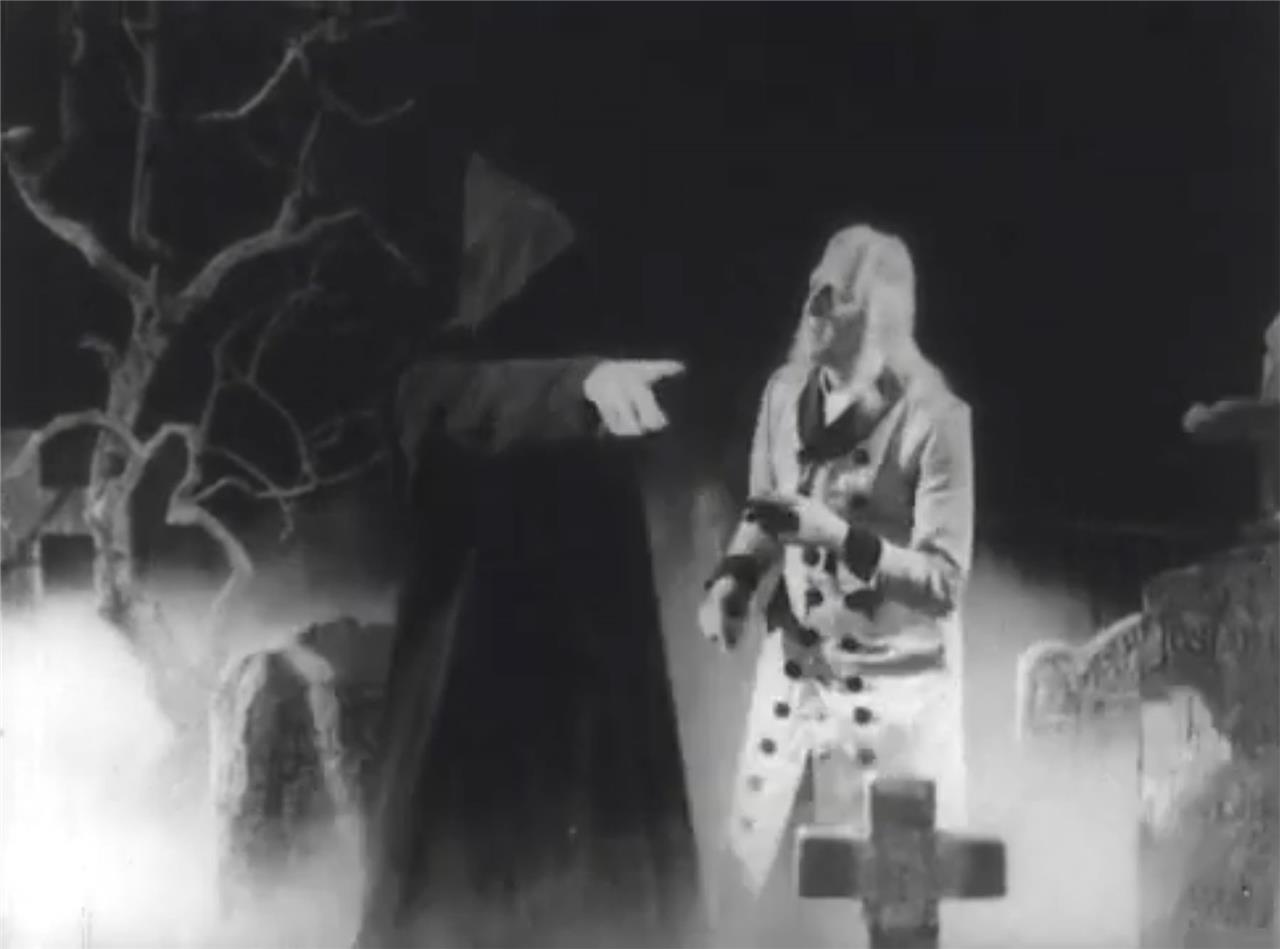
Early television programming didn’t have much to offer in terms of special effects, so the Ghost in this Basil Rathbone-starring adaptation is a black cloak walking around in some studio fog. Some nice stiff-armed pointing and a commitment to stillness and silence makes it one of the better of its type.
22. Scrooge (1951)
Alastair Sim’s portrayal of Scrooge faces one of the most unsettling versions of the Ghost of Christmas Yet to Come, a silent, faceless specter that looms like a shadow made solid. Its movements are glacial, its presence suffocating, as if death itself were guiding Scrooge through his own future. The tension builds not through special effects but through stillness and dread, making this spirit feel less like a phantom and more like inevitability wearing a cloak.
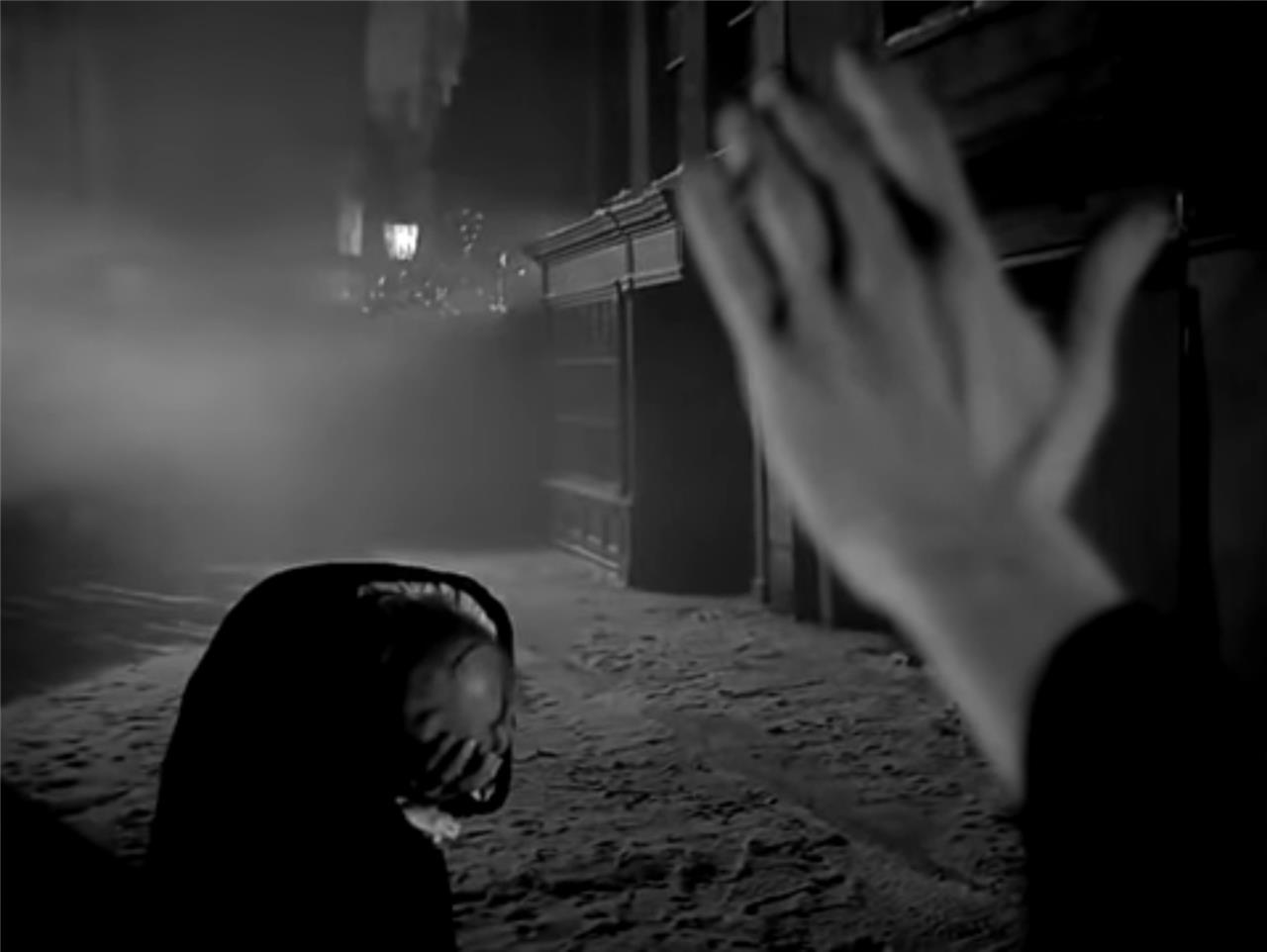
Alastair Sim is one of cinema’s most famous Scrooges, and he puts his whole back into cowering in fear of the Ghost of Christmas Yet to Come. It’s another shrouded figure, but its introduction is pretty good – a pale white hand held in the foreground of a shot for more than a minute as Scrooge freaks out. The best thing about this one is his implacability: None of Scrooge’s pleas move him in the slightest.
21. A Christmas Carol (1914)
This silent short turns Dickens’s warning tale into something almost eerie in its simplicity. The 1914 film strips away dialogue and leaves viewers alone with flickering shadows, gaunt apparitions, and Scrooge’s growing terror. The Ghost of Christmas Yet to Come appears less like a figure and more like a void-an absence made visible-which gives this century-old version a disturbing, dreamlike chill that still lingers.
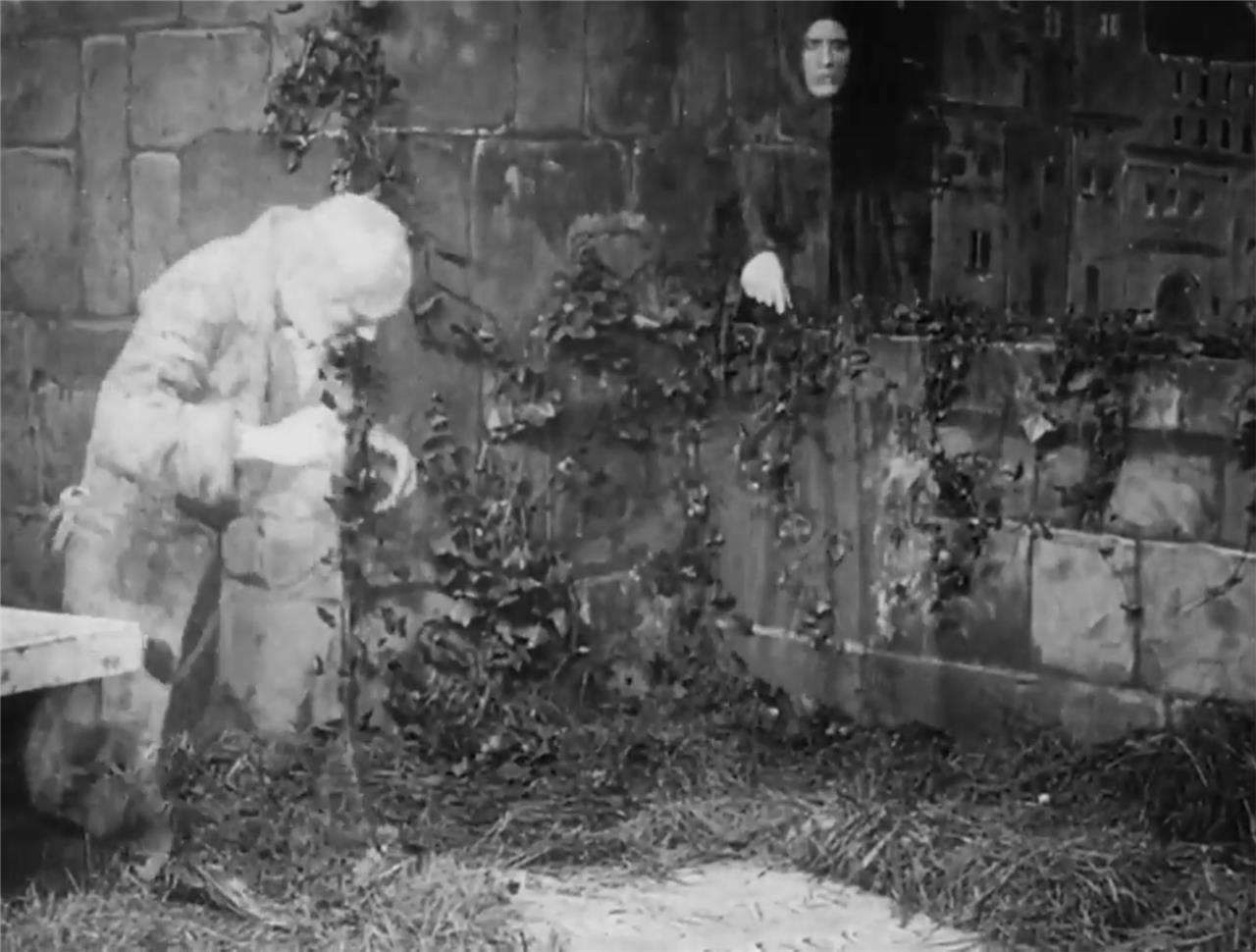
Another silent flim, this one running a little over 20 minutes. The ghost is a big guy in a black hood and cloak, played by the awesomely named and completely stone-faced H. Ashton Tonge. Charles Rock is an overacting machine as Scrooge, chewing scenery like it was a Christmas goose.
20. A Christmas Carol: Scrooge’s Ghostly Tale (2006)
This 2006 adaptation gives Scrooge’s haunting visions a chilling, modern sheen. The Ghost of Christmas Yet to Come looms like a shadow carved from smoke, guiding Scrooge through scenes of loss and greed with icy precision. Its silent presence and sharp movements heighten the dread, making this version one of the most unsettling portrayals of the spirit’s cold authority.
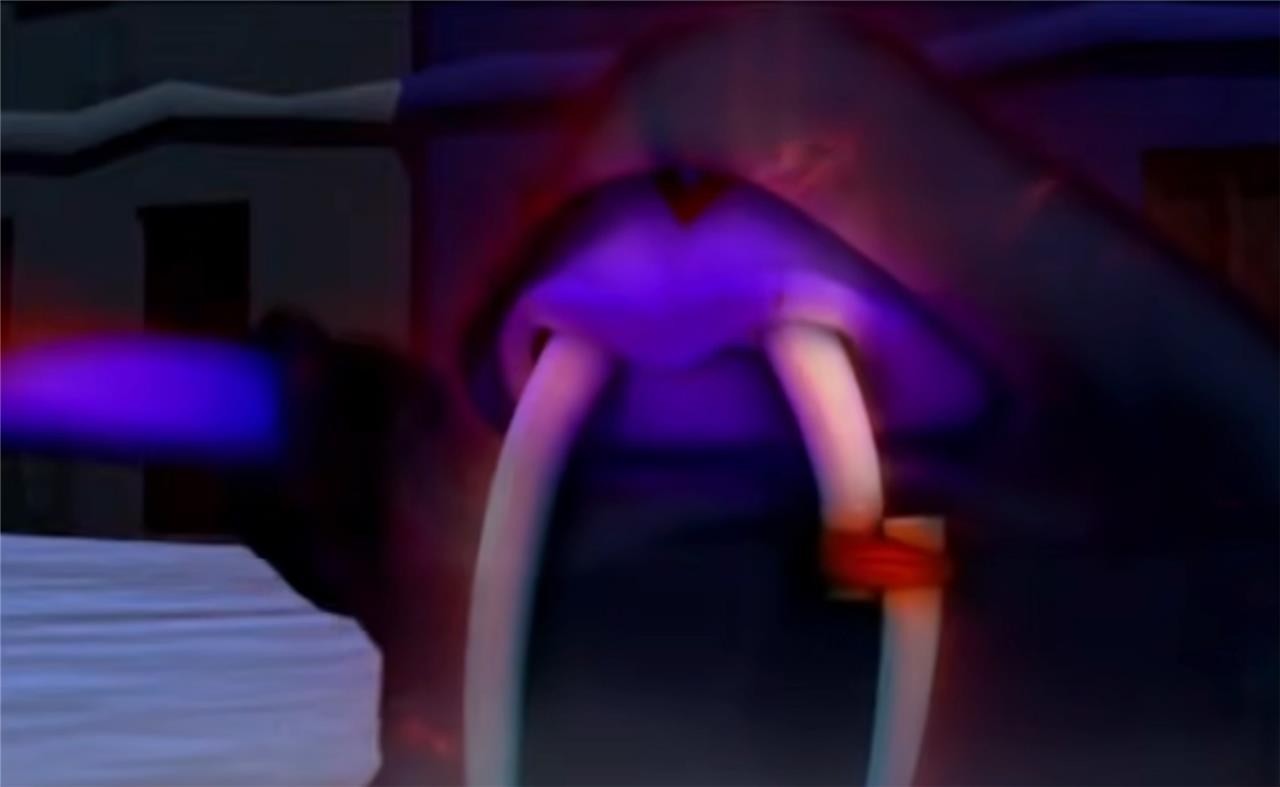
This direct-to-video CGI animated film casts anthropomorphic animals in the lead roles. You will never in a million years guess what kind of animal the Ghost of Christmas Yet to Come is, so I’ll just spoil it for you: It’s a walrus with one broken tusk, crackling with some sort of eldritch electricity. It’s so inexplicable that it wraps around to being scary.
19. Scrooge (1922)
This silent short captures Ebenezer Scrooge’s confrontation with his fate in stark, shadowy imagery that makes its ghostly visitations feel uncannily real. The Grim Reaper-like figure looms large against expressionist backdrops, giving the future scenes a surreal chill. Without a single spoken word, the 1922 version turns Scrooge’s terror into a visual nightmare-its skeletal visuals and jerky motion amplifying the sense of dread that no sound could express.
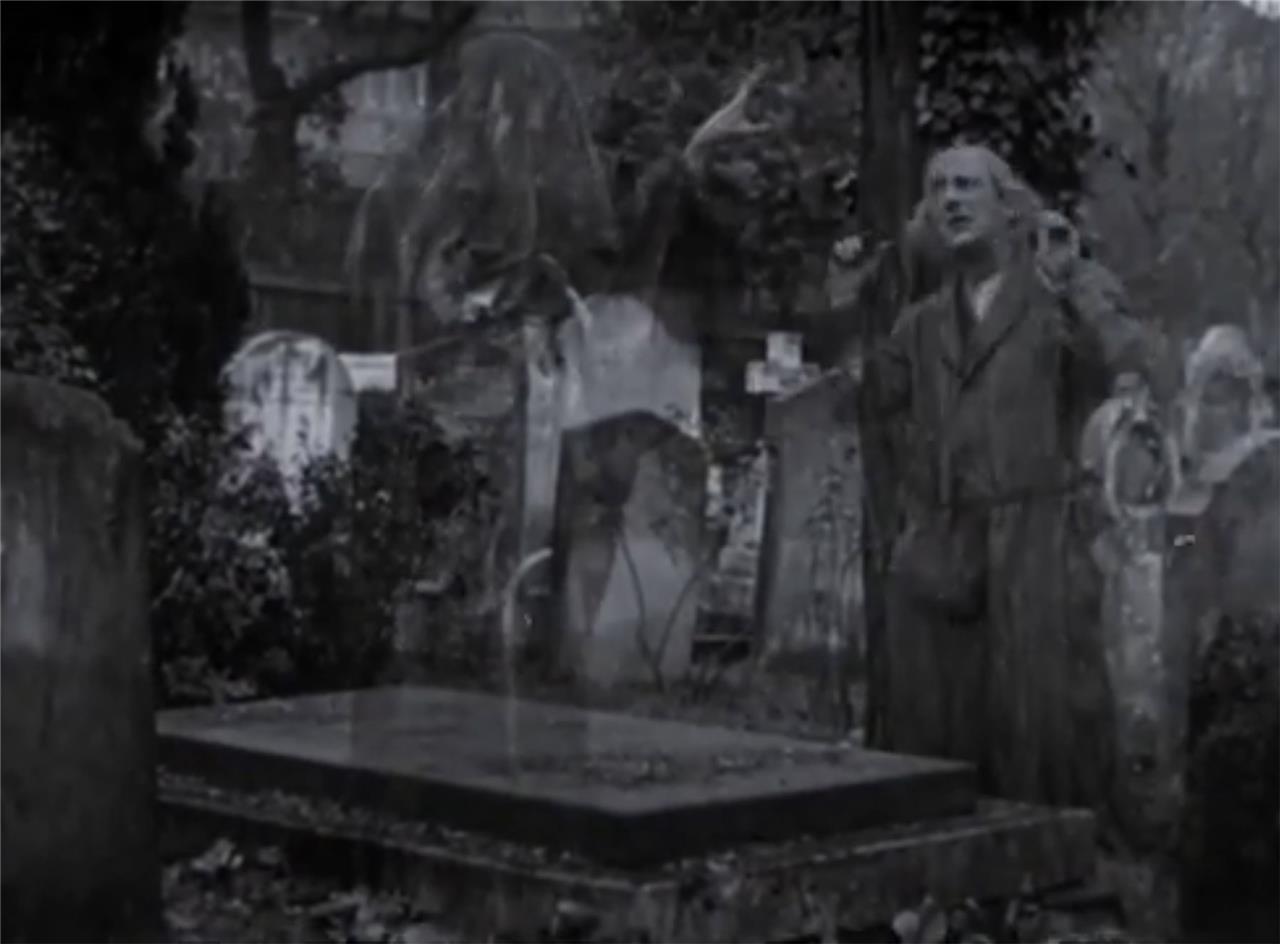
This is, chronologically, the first film that depicts the Ghost of Christmas Yet to Come with its face fully shrouded, and it’s effective, even though the ghost is barely on screen for a minute in this silent short.
18. Ebenezer (1998)
“Ebenezer” reimagines Dickens’s classic with a grim twist: the miserly Scrooge is now a ruthless frontier tycoon, played with chilling charm by Jack Palance. The Ghost of Christmas Yet to Come drags him through the snow-covered wasteland of his own greed, showing the corpses of those crushed by his ambition. Cloaked in icy silence and lit by flickering lanterns, this version transforms the familiar ghostly visit into a western nightmare-less moral lesson, more vision of damnation.
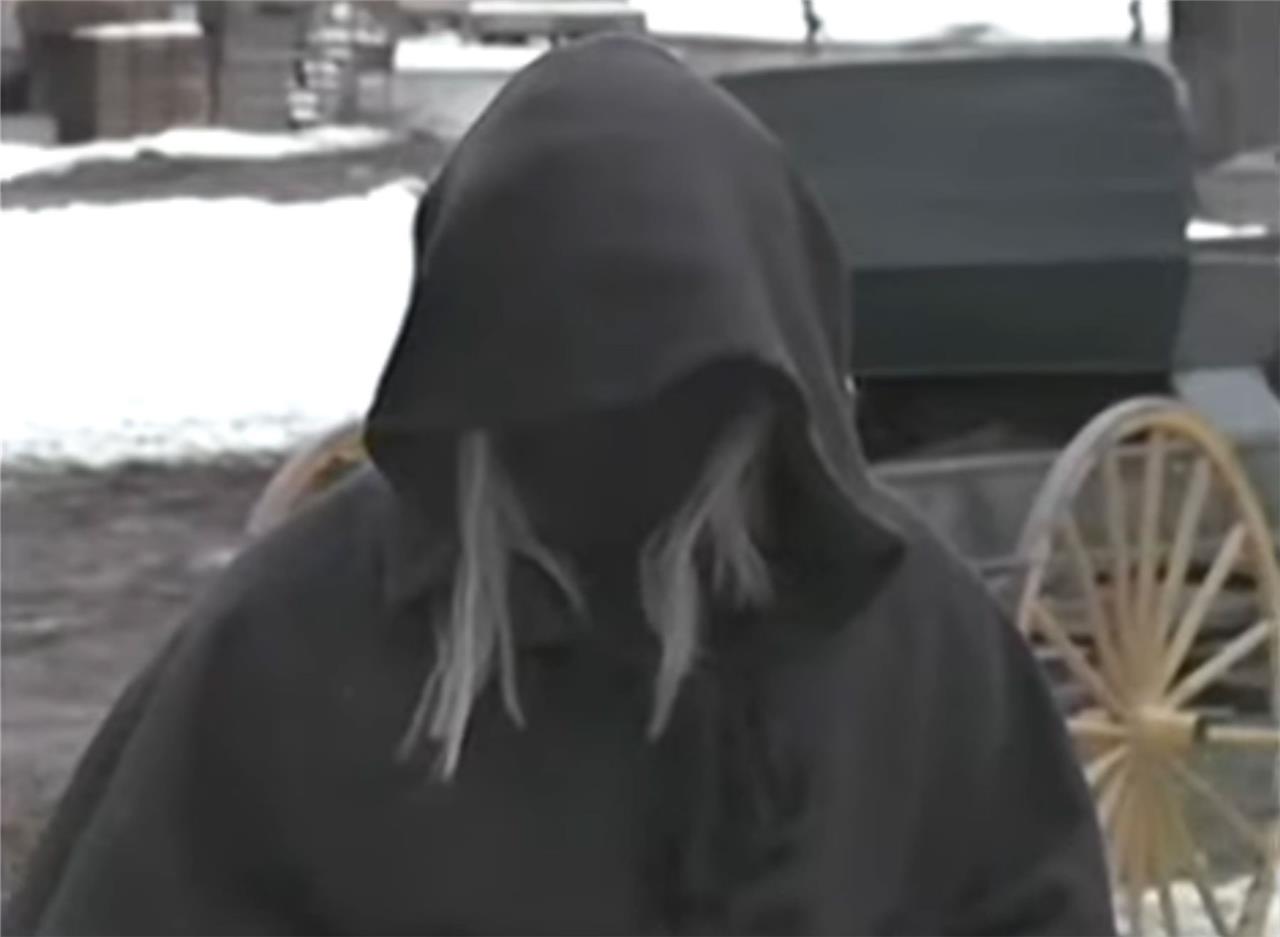
Jack Palance as Ebenezer Scrooge in a version of the tale set in the Old West? Incredible, and the legendary actor goes wild as a card-cheating swindler who hates Christmas. The ghost here is a shrouded figure with some wisps of gray hair coming out from the cloak, and at the end of his scene, he reveals his face as Scrooge’s dead partner, Jacob Marlowe.
17. Mister Magoo’s Christmas Carol (1962)
Mr. Magoo’s version trades horror for humor, but his Ghost of Christmas Yet to Come still manages to unsettle. Cloaked in towering shadow and silent as ever, the spirit’s presence contrasts sharply with the cartoon’s bright, bumbling world. Its gestures are minimal but chilling, a grim reminder that no amount of comic confusion can soften the fate it reveals.
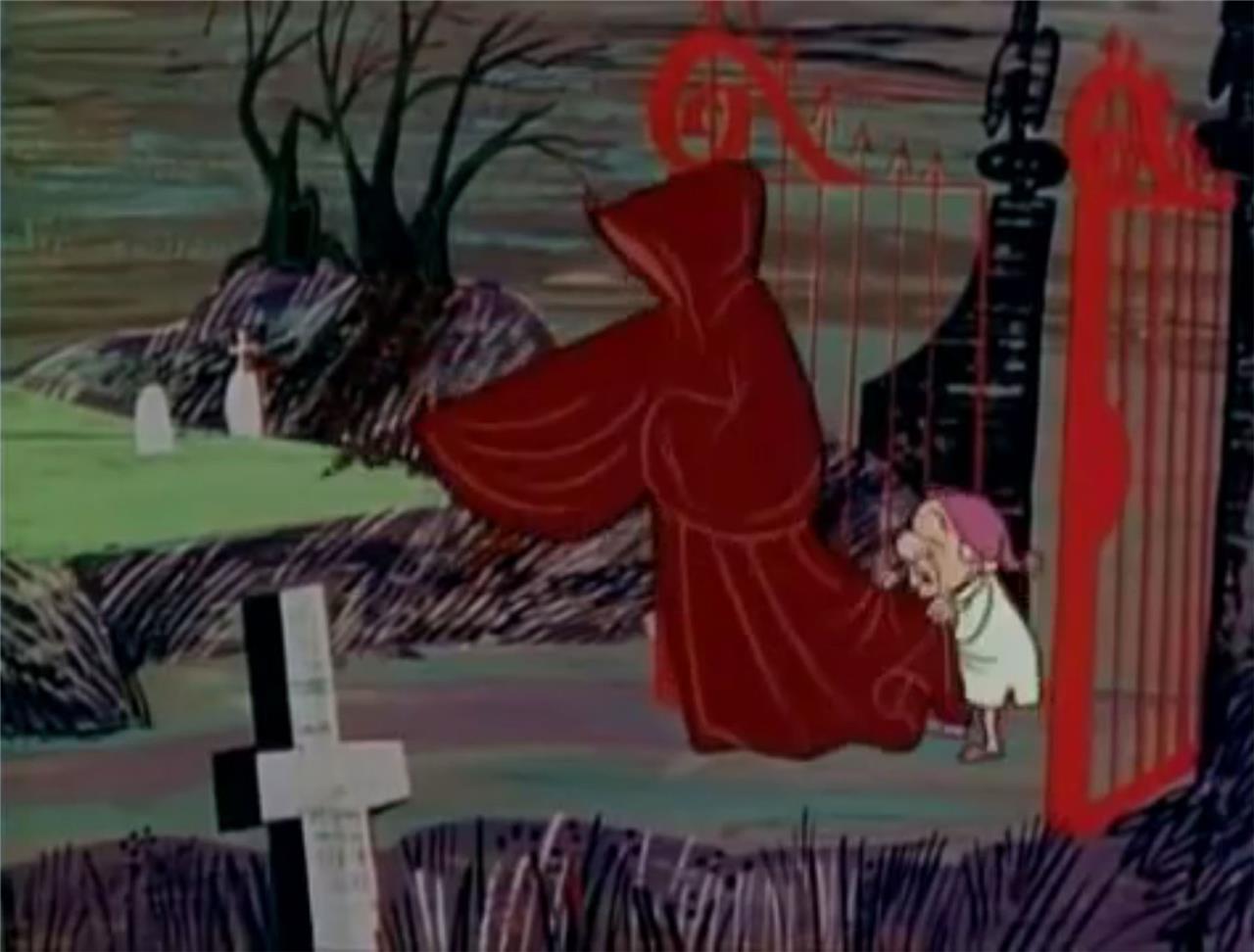
The hapless blind codger has been cast as Ebenezer Scrooge in a theatrical adaptation of the Dickens story, possibly for insurance-fraud reasons. The third spirit is the stereotypical silent hooded shadowy figure, but animated in the classic UPA style, so it looks pretty cool and imposing. The original songs written for the movie and sung by Magoo kind of undercut the drama, though.
16. Scrooge (1935)
This early adaptation leans into shadow and silence to unsettle the viewer. The Ghost of Christmas Yet to Come appears as a towering silhouette-faceless, wordless, and shrouded in deep black, more suggestion than presence. Its scenes unfold in dim light and murky fog, giving the impression of a nightmare barely taking form. The restraint in special effects heightens the fear, letting imagination fill the void where a face should be.
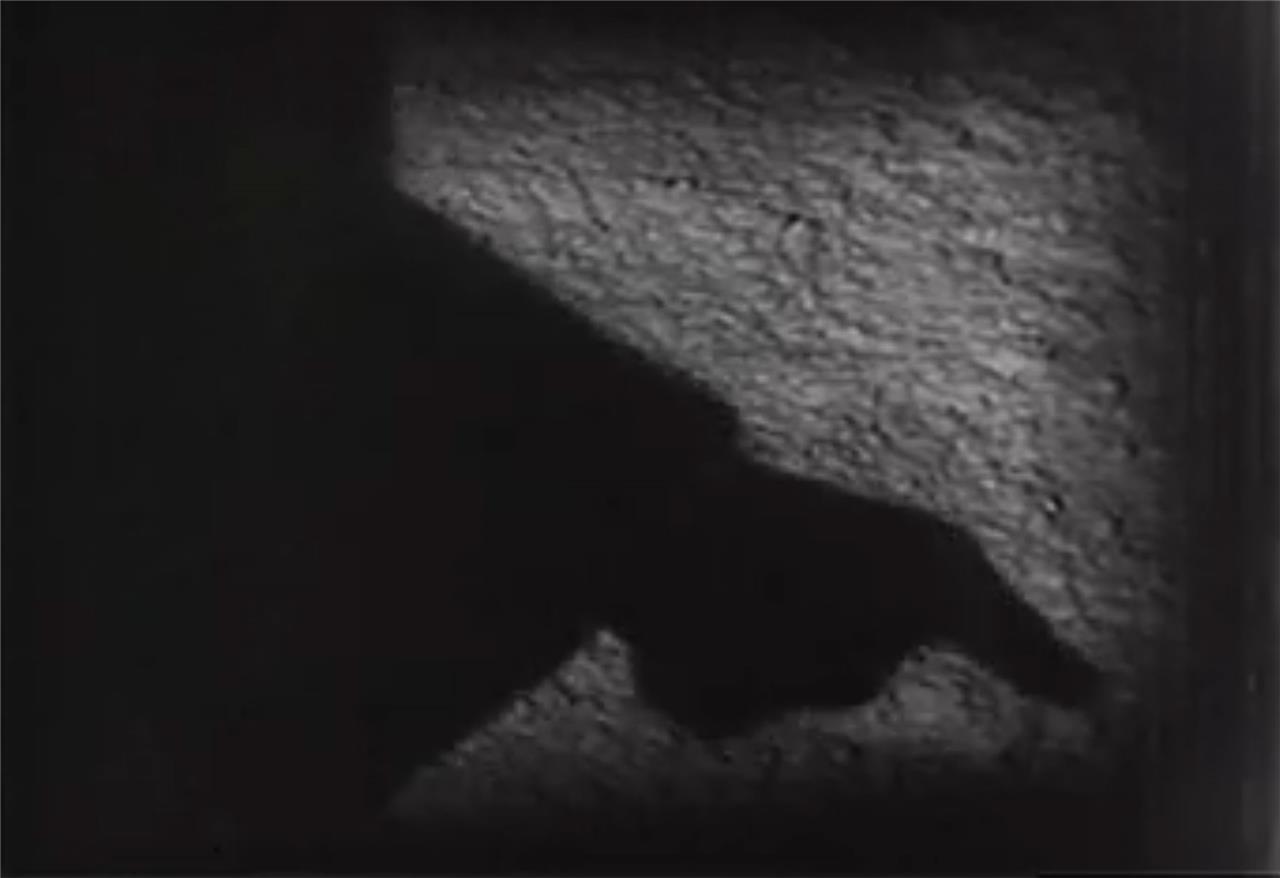
The first feature-length Christmas Carol film with sound takes a pretty interesting approach with our third ghost, portraying him as an amorphous shadow that sometimes enfolds Scrooge, and at other times appears as a pointing finger cast on the snowy ground. Not super scary, but cool.
15. A Christmas Carol (1923)
This silent version transforms Dickens’s final spirit into a looming shadow that seems to eat the light around it. Without dialogue or sound, the dread builds through flickering candlelight and exaggerated gestures that make the Ghost feel both human and void. Its long, pointed sleeve directing Scrooge’s gaze toward the graveyard remains one of the eeriest visuals in early film-stripped of sound, all that’s left is the chill of inevitability.
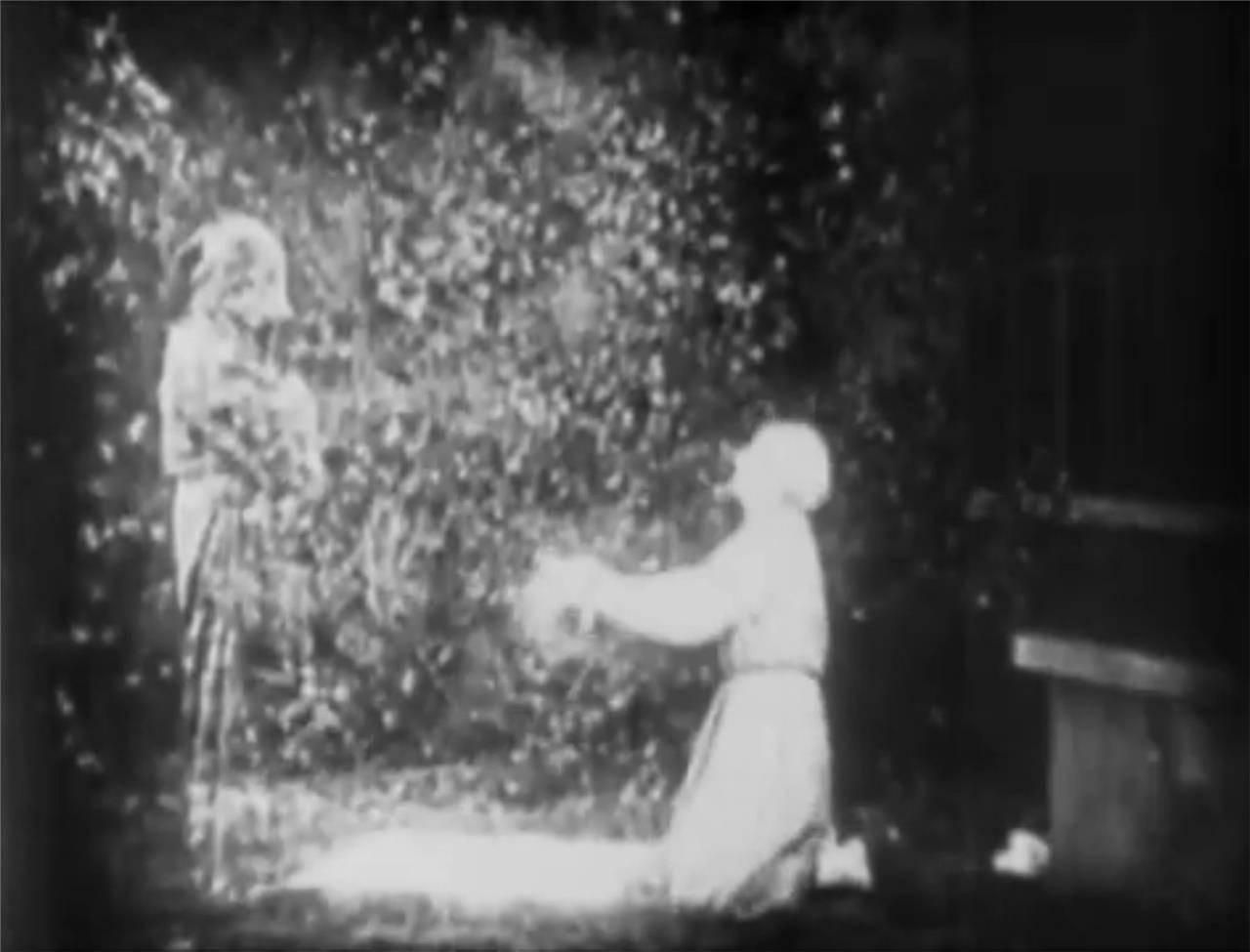
Another shadowy cloaked figure in this silent adaptation, but Russell Thorndike’s Scrooge sells the hell out of it well enough to bump it up a few spots.
14. A Christmas Carol (2012)
The 2012 version of A Christmas Carol gives the Ghost of Christmas Yet to Come a hauntingly modern presence, with its tall, faceless figure emerging from swirling shadows. The use of stark lighting and eerie sound design turns each appearance into a moment of pure dread. This spirit doesn’t speak, but its silent guidance through Scrooge’s grim future is colder and more unsettling than any words could be, making it one of the most disturbing portrayals of the phantom to date.
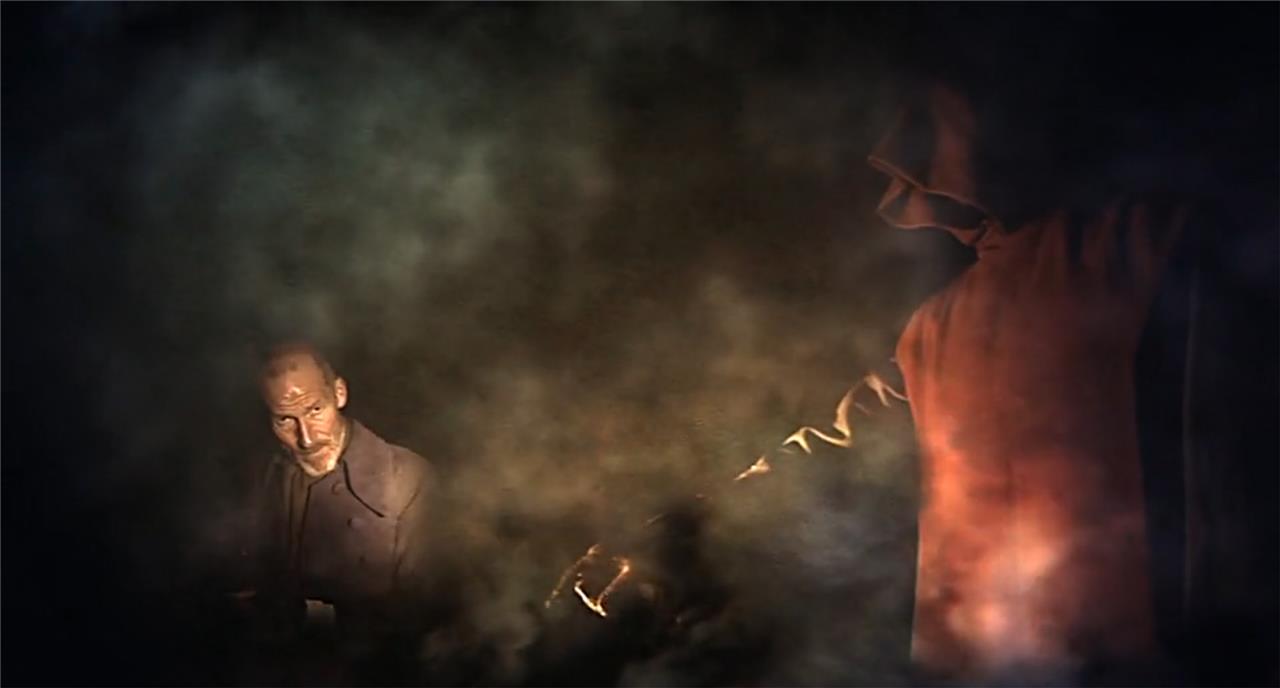
This relatively obscure adaptation directed by Jason Figgis does some odd things with the source material, deliberately removing some scenes to make the narrative bleaker. It’s pretty low-budget and obviously shot on video with the actors in different rooms, overlaid with cheap digital effects, but it manages to work OK. The ghost has a red cloak and some gross zombie makeup on his outstretched hand, earning points for being different.
13. A Christmas Carol (2018)
Guy Pearce’s version of Scrooge meets a Ghost of Christmas Yet to Come that feels more like a creeping nightmare than a spectral warning. Cloaked in shadows and smoke, this spirit moves with eerie grace, its silence louder than any threat. The grim, industrial setting only adds to the unease, turning every flicker of candlelight into a reminder of judgment close at hand.
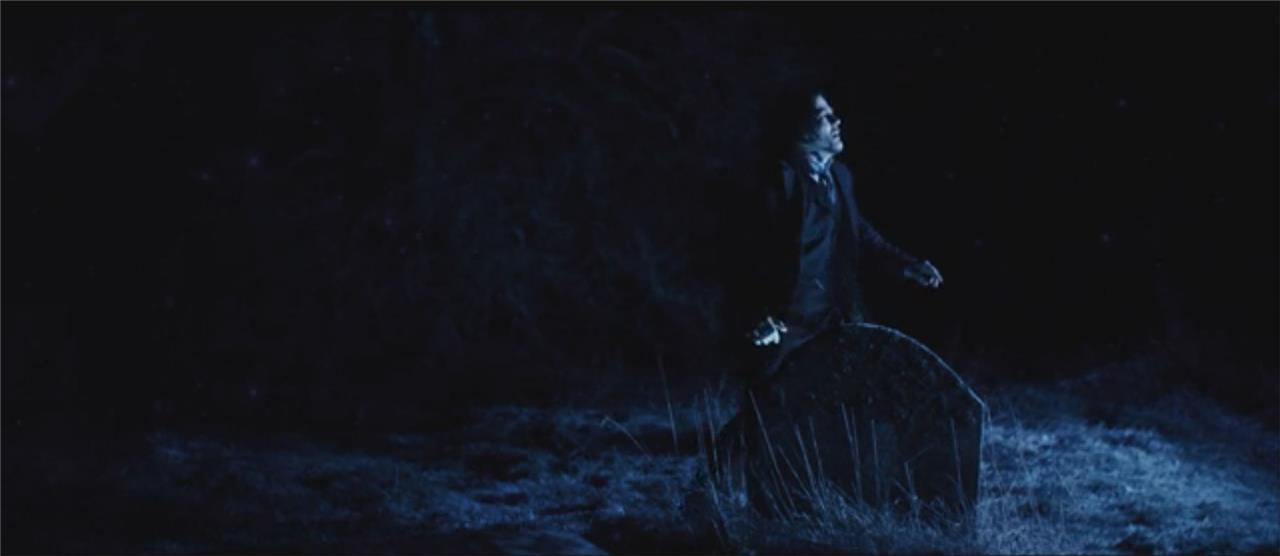
The introduction of the final spirit in this Scotland-set version is straight out of a horror movie, all ominous whooshing noises and creaking violins. But in a departure from the norm, we never actually see it. Instead, it speaks in one-word pronouncements in a gravelly voice as Scrooge reacts to it. Points for originality and solid sound design, but the actor playing Scrooge doesn’t sell it as well as he could.
12. Spirited (2022)
Ryan Reynolds and Will Ferrell’s musical twist on Dickens turns the Ghost of Christmas Yet to Come into a sardonic office worker trapped in a black cloak and corporate burnout. Rather than terrifying Scrooge senseless, this grim reaper has HR energy-haunted but overworked, with a deadpan sense of humor that softens his chill. The result is less nightmare fuel and more awkward existential crisis, though his shadowy presence still manages a few genuine shivers.
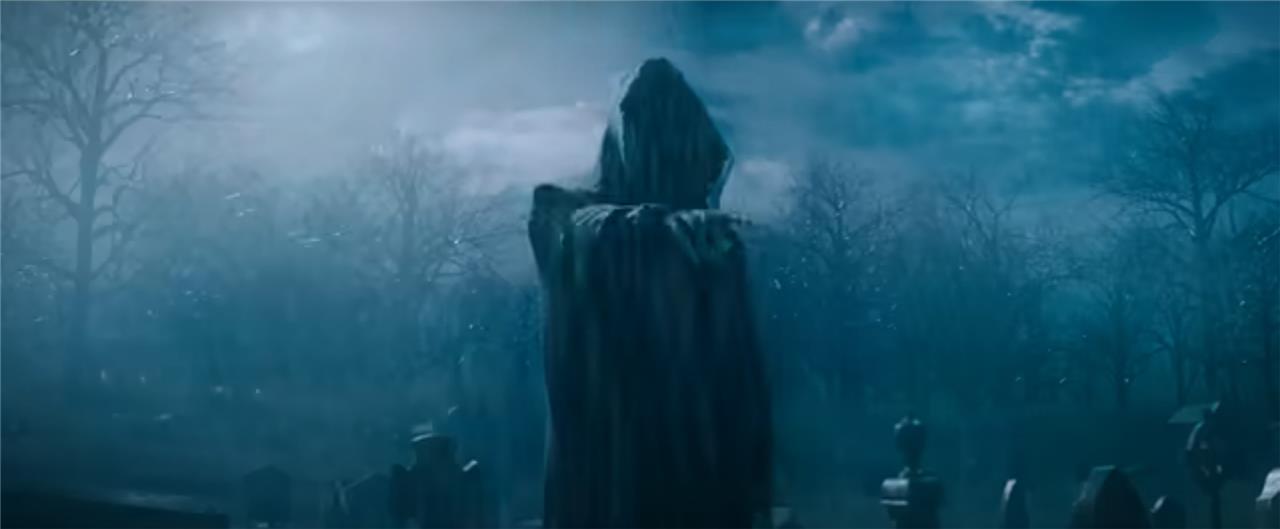
Will Ferrell and Ryan Reynolds mug it up in this comedy holiday musical made for Apple TV. It’s got good production values, and the Ghost of Christmas Yet to Come, played by former Raptors power forward Loren Woods (but voiced by Tracy Morgan), makes the most of its few minutes on screen.
11. A Christmas Carol (1984)
George C. Scott’s 1984 version gives the Ghost of Christmas Yet to Come a truly chilling presence-tall, silent, wrapped in layers of darkness that seem to absorb the light around him. The camera lingers on the emptiness where a face should be, letting the viewer’s imagination fill in the horror. His slow gestures and the muffled sound design make each movement feel ominous, as though death itself has grown patient. This spirit doesn’t need special effects or noise to terrify-it haunts through stillness.
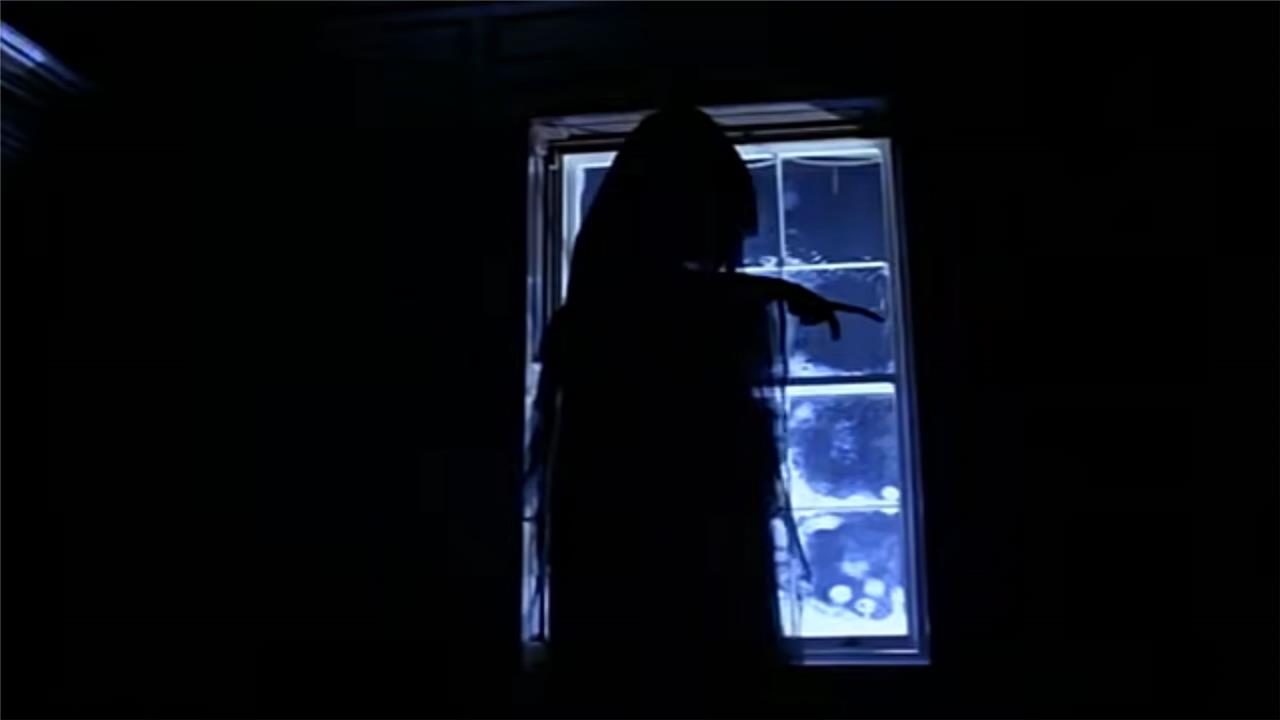
George C. Scott stars as Scrooge in one of the all-time best versions of the story, and the ghost is really solid – tattered, shadowy, silent, and imposing. Nothing particularly innovative about this rendition, but expertly executed.
10. Christmas Carol: The Movie (2001)
This animated adaptation gives the Ghost of Christmas Yet to Come an eerie presence that feels both surreal and oppressive. Cloaked in darkness and moving with silent precision, the spirit seems less like a figure and more like a shadow that swallows everything around it. Its faceless form and the icy stillness of its scenes make it one of the most unsettling interpretations of Dickens’s grim specter, perfectly capturing the terror of confronting one’s own future.
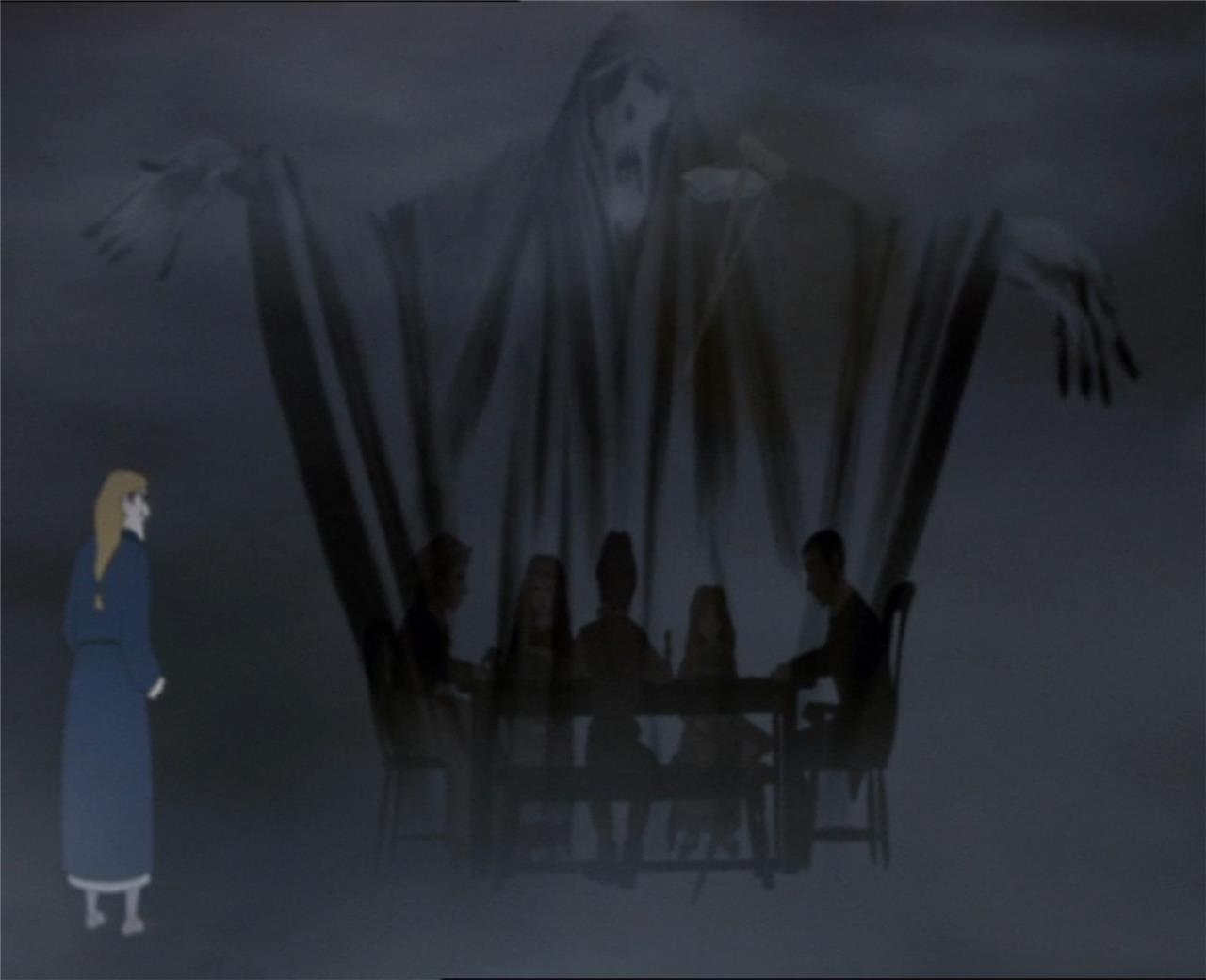
In general, this animated version of the story is pretty low-quality, even though the celebrity voice cast includes Kate Winslet and Nicolas Cage. But the Ghost of Christmas Yet to Come is handled pretty marvelously. Its depiction eschews realism: It’s drawn with sloppy brushstrokes outlining a cadaverous figure. It’s one of the few animated versions that really takes advantage of the medium, even if it’s just for a short time.
9. The Muppet Christmas Carol (1992)
Michael Caine’s Scrooge faces one of the most unsettling versions of the Ghost of Christmas Yet to Come in this Muppet classic. The towering, silent figure, shrouded in darkness with an empty hood where a face should be, stands out starkly against the film’s otherwise warm and musical tone. Its sheer stillness and wordless presence create a chilling contrast to the cheer around it, reminding viewers that beneath the humor and songs lies a story about mortality and redemption.
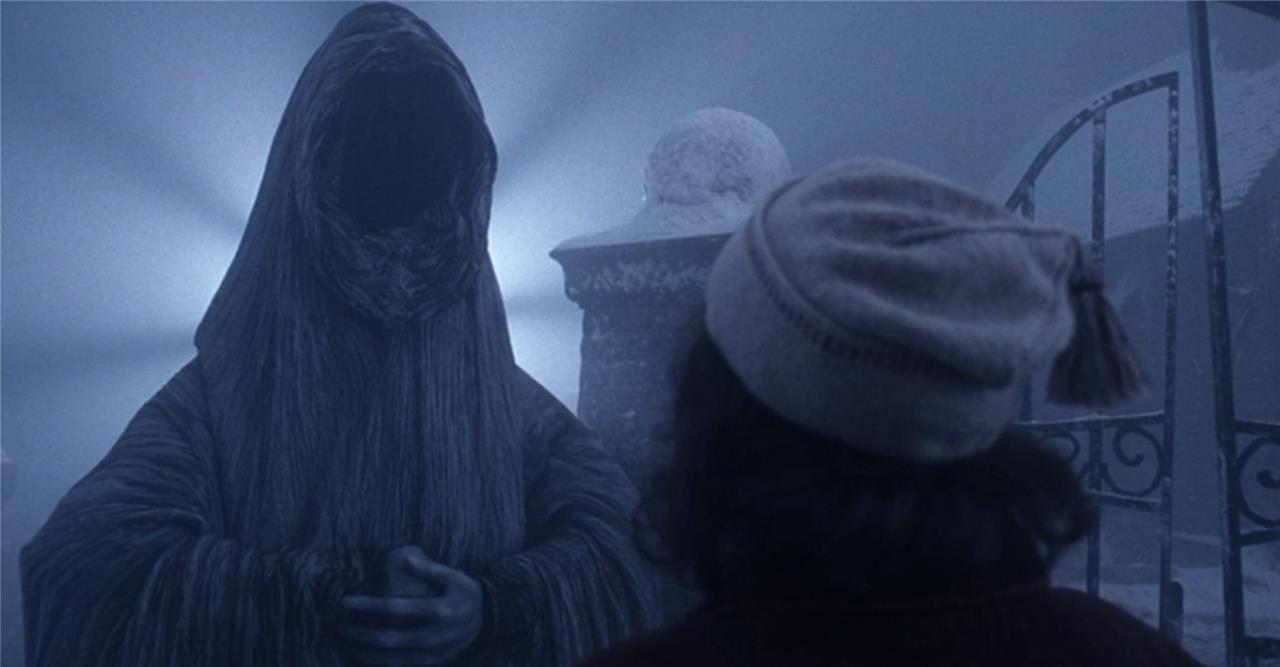
Michael Caine in a world full of Muppets is disconcerting enough, but this one takes a turn for the eerie when Scrooge runs into the third spirit – a huge figure clad in black robes, with an infinite, featureless void where its face should be. Not a lot of time on screen, but a really strong design.
8. Scrooge (1970)
Albert Finney’s Scrooge takes the ghostly visitation in a grim musical direction, with the Ghost of Christmas Yet to Come appearing as a silent, towering figure draped in black. The eerie minimalism of this specter, paired with the haunting sets and shadowy cinematography, makes its scenes deeply unsettling. Its presence feels less like a warning and more like an unstoppable force guiding Scrooge toward his fate, giving the film’s final act a chilling weight that lingers long after the music fades.
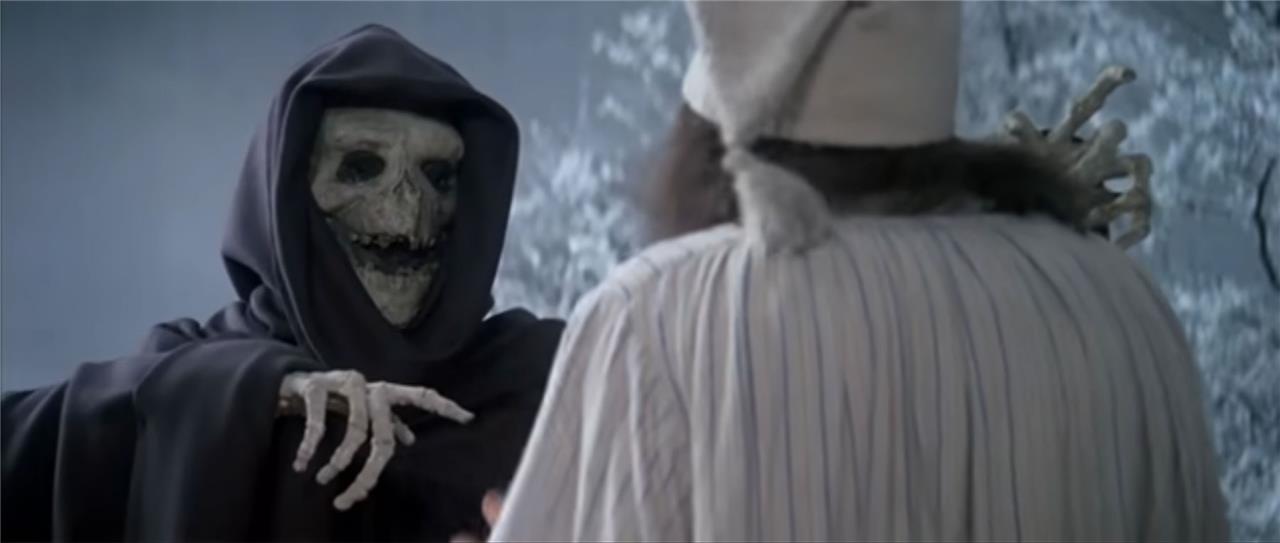
For the first part of the ghost’s appearance in this musical (with Albert Finney as Scrooge), he’s the usual black-cloaked figure. But when Scrooge realizes he’s looking at his own grave, the Ghost reveals a skeletal face and hands that are simultaneously corny and disconcerting.
7. A Christmas Carol (2019)
Guy Pearce’s A Christmas Carol (2019) delivers a colder, bleaker vision of Dickens’s tale, and its Ghost of Christmas Yet to Come may be the most disturbing of all. Cloaked in darkness, the spirit feels less like a single ghost and more like an embodiment of dread itself-silent, shapeless, and suffocating. Its presence amplifies Scrooge’s guilt and terror, forcing him to confront not only death but the moral rot that has stripped his life of meaning.
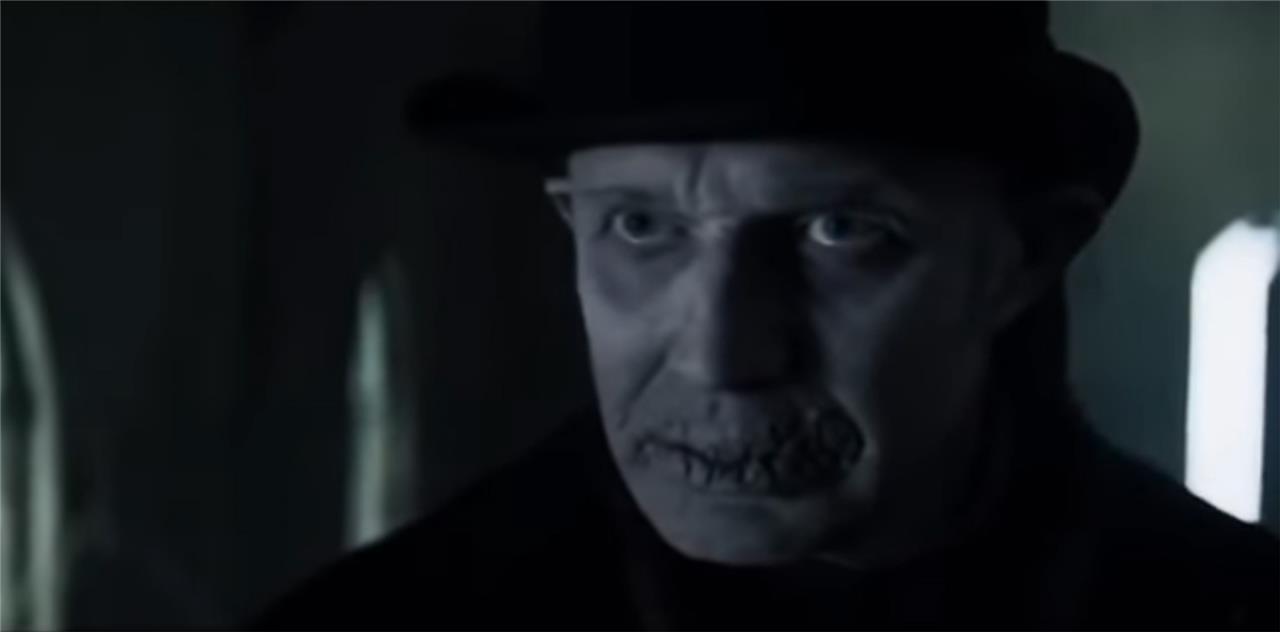
Guy Pearce starred as Scrooge in this series, one of the darkest adaptations of Dickens ever. There’s even a sexual-abuse subplot to Scrooge’s childhood, along with several other adult themes. The Ghost of Christmas Yet to Come is well played by British actor Jason Flemyng, who appears as a pallid man in a black suit and top hat with his mouth crudely sewn shut.
6. A Christmas Carol (2020)
Guy Pearce’s 2020 version of A Christmas Carol turns the Ghost of Christmas Yet to Come into something out of a nightmare. Cloaked in smoke and shadow, this spirit barely resembles a human figure, moving more like a haunting thought than a creature of flesh. The cold, industrial setting of the adaptation makes its silence feel heavier, as if the ghost isn’t just showing Scrooge his fate but judging the entire world around him. It’s eerie, brutal, and stripped of sentimentality-a chilling reimagining of Dickens’s darkest phantom.
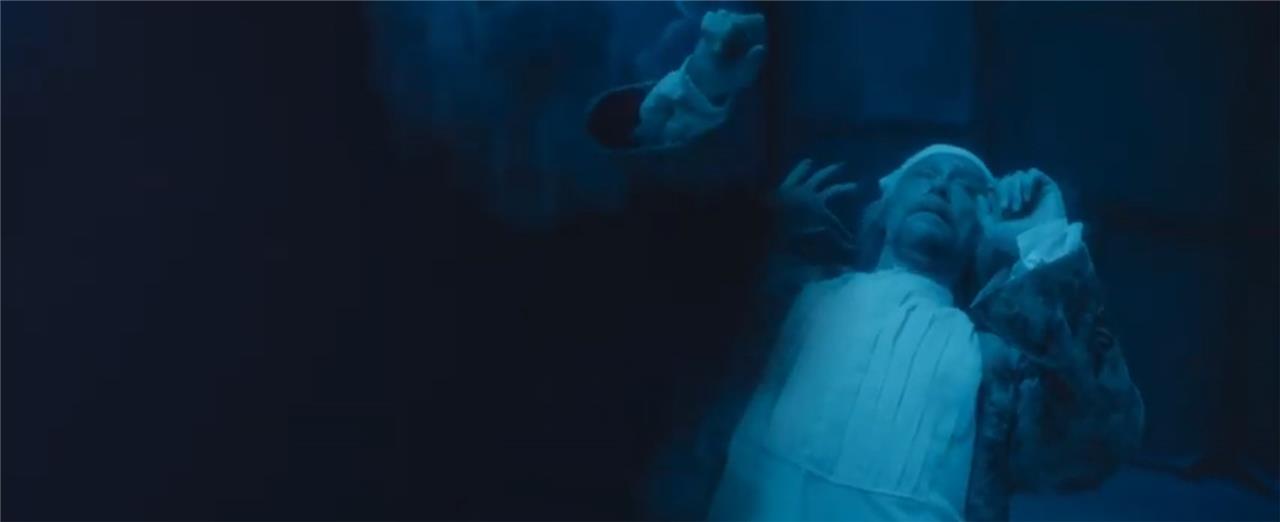
This ambitious dance film features celebrity voices and professional dancers. It’s one of the more visually compelling takes on the story, with some dynamic sets and beautiful motion. Both Bob Cratchit and the Ghost of Christmas Yet to Come are played by dancer Brekke Fagerlund Karl, who is magnificently threatening with his spare movements.
5. A Christmas Carol (1971)
The 1971 animated adaptation directed by Richard Williams brings a haunting intensity that lingers well beyond its brief runtime. The Ghost of Christmas Yet to Come appears as a towering, faceless shadow, its movements slow and deliberate, casting a chilling silence over every frame. The grainy animation and stark contrasts add to the sense of dread, making this version feel like a fever dream pulled straight from Dickens’s darkest pages. Few adaptations capture the ghost’s sense of inevitability with such eerie simplicity.
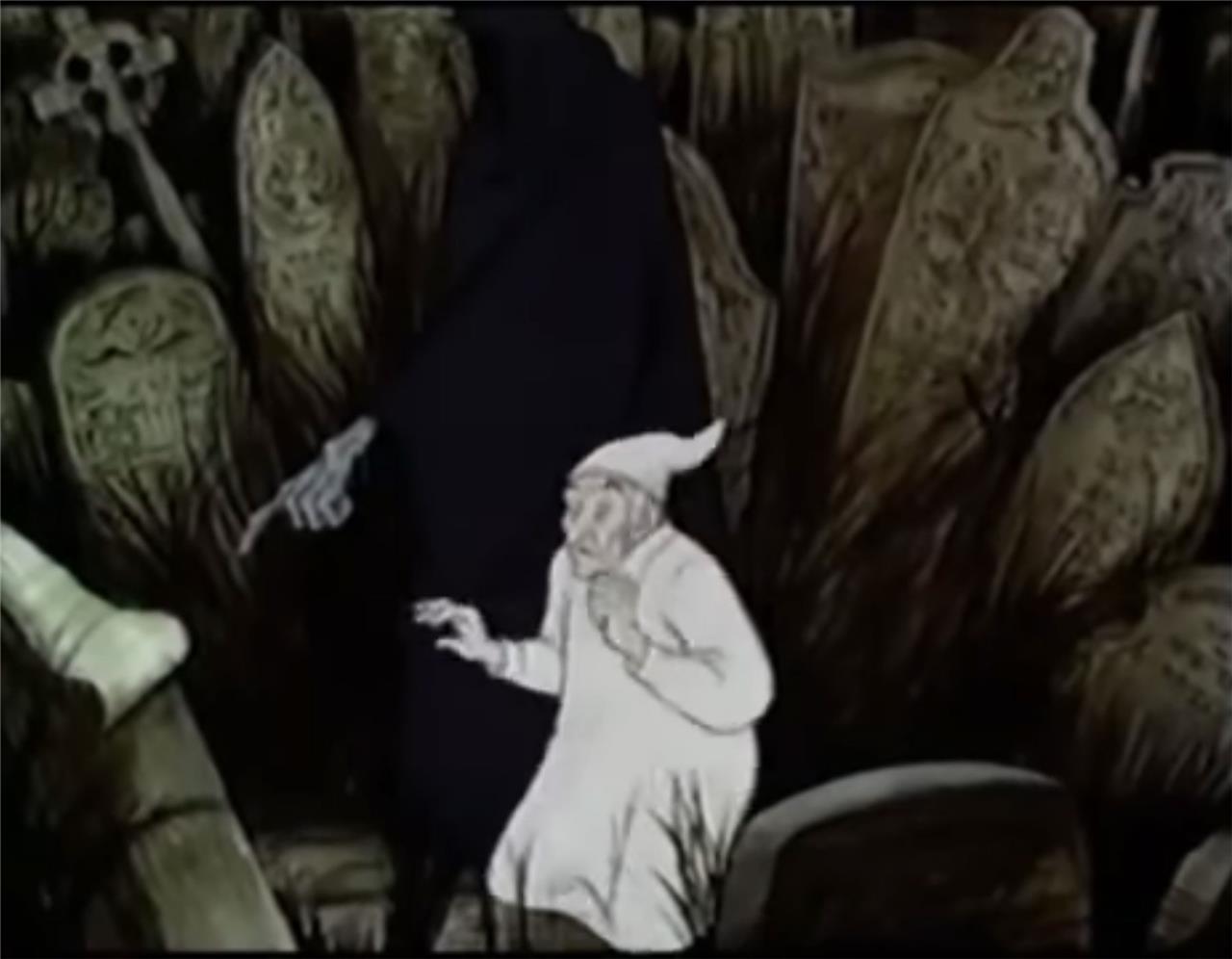
Legendary animator Richard Williams won an Oscar for this brilliant adaptation, which is just tremendous from start to finish. The ghost is a hooded figure, as per normal, but the incredible fluidity of the drawings here gives it an uncanny hyperrealism. Coupled with some unsettling camera movement, the design gives us a very high placer.
4. A Christmas Carol (1999)
Patrick Stewart’s 1999 version gives the Ghost of Christmas Yet to Come a chilling, almost skeletal presence that feels pulled straight from a nightmare. Cloaked in darkness and gliding noiselessly through fog, this spirit doesn’t need fancy effects to unsettle viewers-the stillness does all the work. Its bony hand and empty hood suggest a void rather than a being, turning Scrooge’s glimpse of the future into a slow, uncomfortable confrontation with death itself.
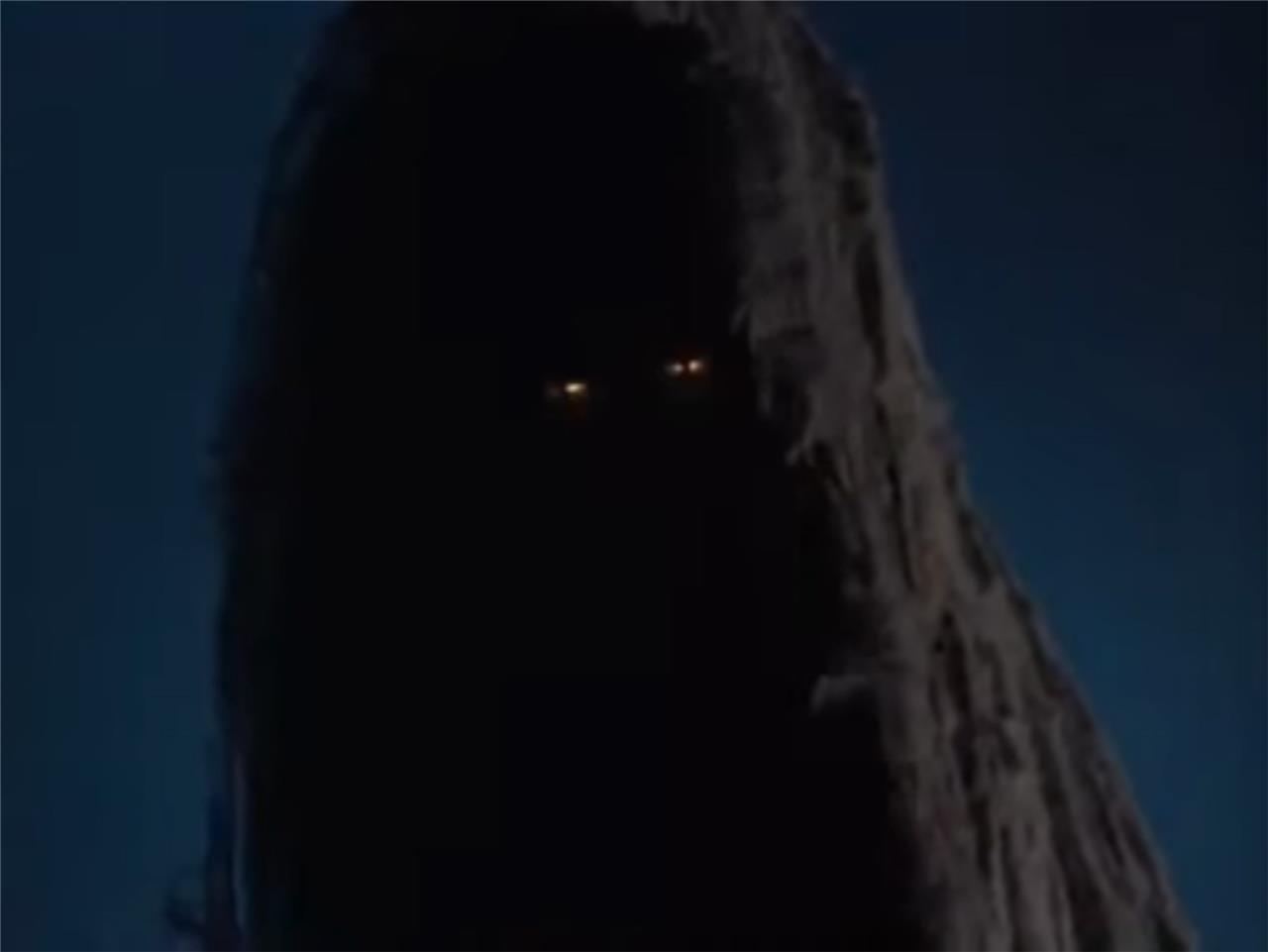
The Patrick Stewart-led Christmas Carol was the first Scrooge story to use digital special effects. Our Ghost here is played by British actor Tim Potter, but we don’t really see him. Instead, it’s a baleful black shroud with two unsettling amber eyes buried within. Sometimes the primitive VFX of this period could be really effective, and this is a great example.
3. A Christmas Carol (2009)
Zemeckis’s motion-capture adaptation pushes the Ghost of Christmas Yet to Come into nightmare territory, with its enormous shadowy figure and eerie, swirling shroud that seems to devour the light around it. The ghost doesn’t speak but instead looms with silent, relentless menace, guiding Scrooge through visions of his own death. Its presence feels cosmic and inescapable, turning a moral warning into something closer to pure horror.
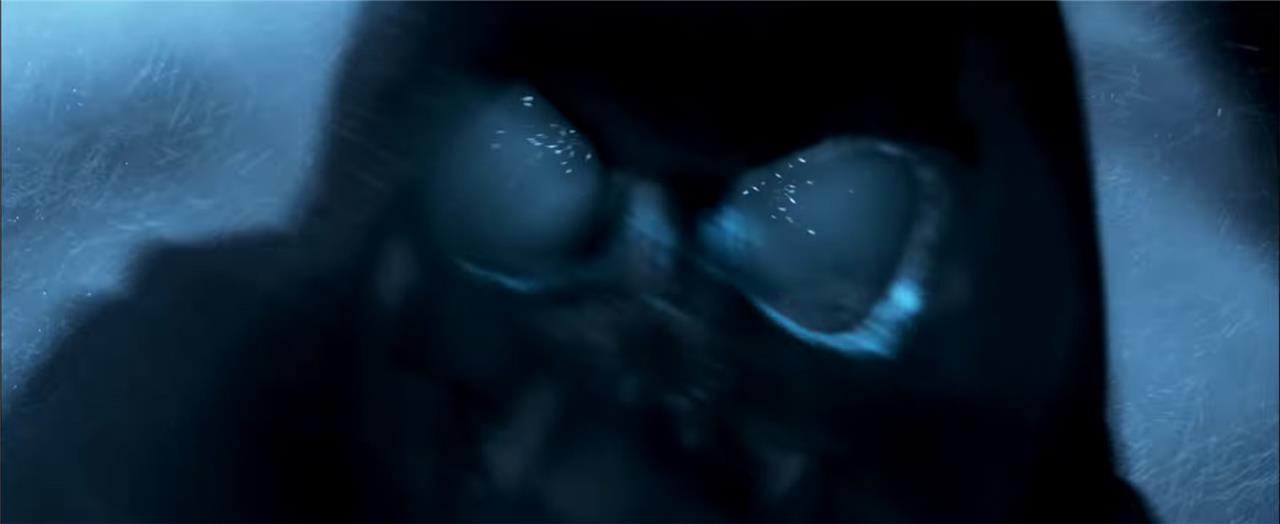
I’m not the biggest fan of Robert Zemeckis’ motion-capture animated films, as they always veer a little too far into the uncanny valley for comfort. But you can’t deny that the Ghost of Christmas Yet to Come in his holiday effort is effective. CGI lets the spirit be a creature of pure shadow, changing size at will for some truly impressive effects.
2. Scrooged (1988)
Bill Murray’s version of Scrooge faces a Ghost of Christmas Yet to Come that trades Victorian gloom for cold, corporate dread. The spirit takes the form of a towering, shrouded figure with a TV screen for a face, showing horrifying images of death and decay. Its mechanical movements and the eerie flicker of static make it feel less like a ghost and more like a malfunctioning machine of fate. The scene captures the emptiness of greed in a media-driven age, making this ghost one of the most unsettling portrayals on screen.
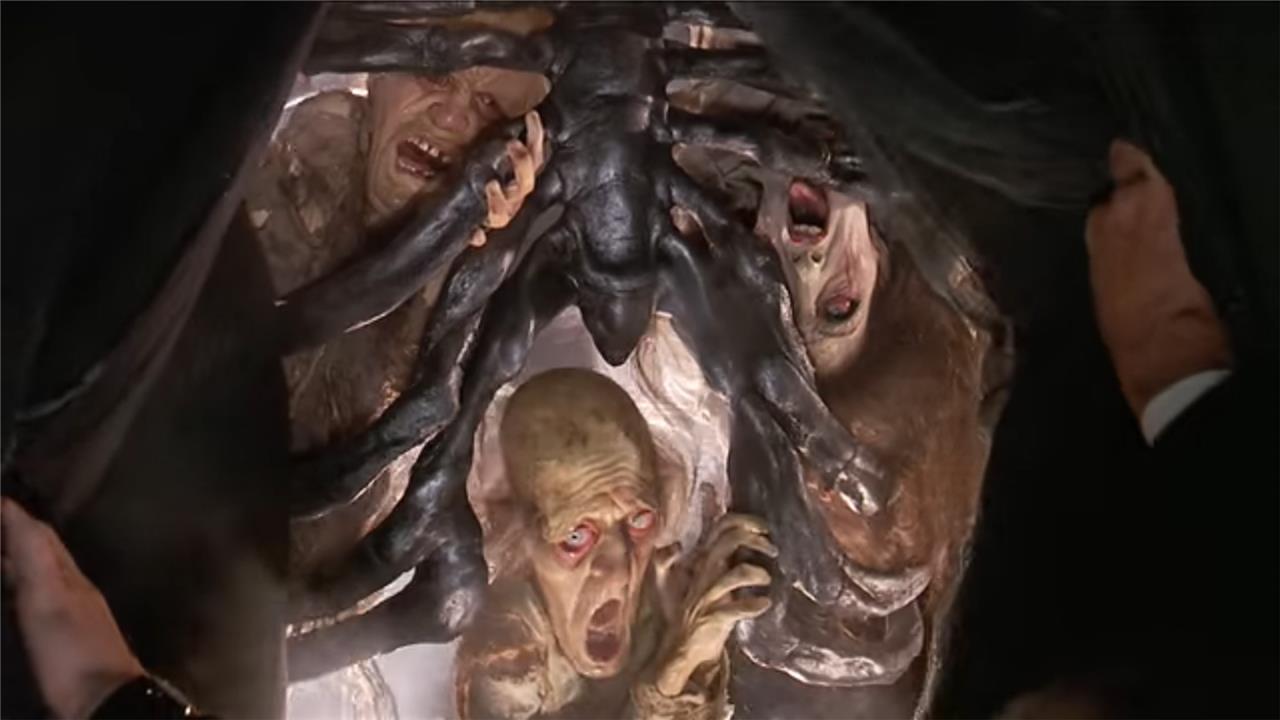
Bill Murray meeting the hulking Ghost of Christmas Yet to Come in the elevator is one of many great scenes in this classic ’80s dram-com. Then the ghost opens the front of his cloak to reveal tormented souls trapped in his ribcage, and forces Bill Murray to experience his own cremation. A great fusion of the traditional and the contemporary, and it’s definitely scary!
1. A Carol for Another Christmas (1964)
Set against the backdrop of the Cold War, A Carol for Another Christmas turns Dickens’s moral fable into a grim political allegory. Instead of a ghostly warning about personal redemption, the final spirit delivers a chilling, almost apocalyptic message about humanity’s future if nations cannot learn cooperation. Stark lighting, dissonant music, and a desolate vision of a ruined world give this Ghost of Christmas Yet to Come a haunting realism that feels more like a prophecy than a dream.
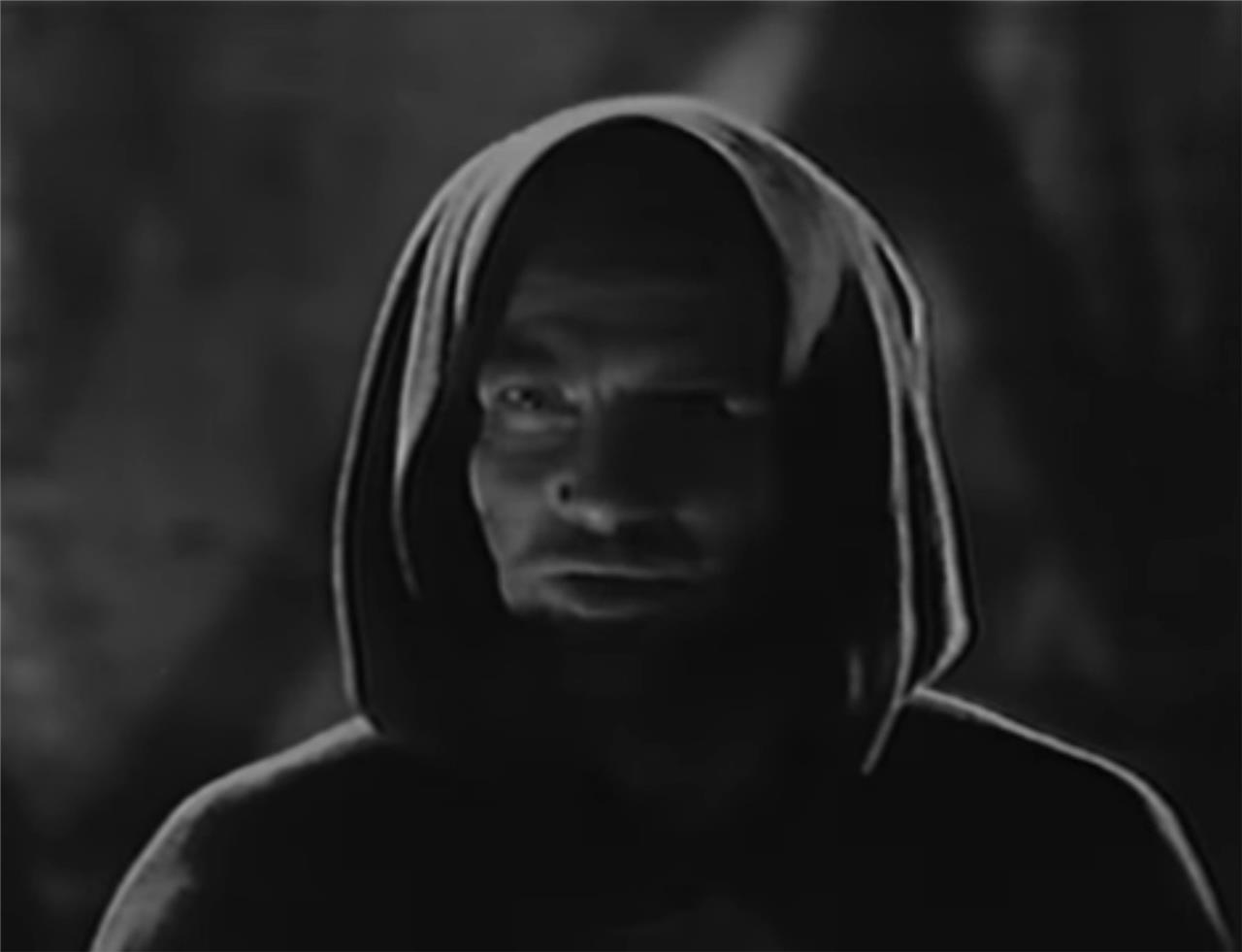
Leave it to Twilight Zone creator Rod Serling to max out the scare factor. This adaptation stars Sterling Hayden as industrialist Daniel Grudge, who is visited by three ghosts attempting to argue him out of his isolationist policies. The third ghost is played by Robert Shaw, who isn’t that scary on his own – until you realize that the “future” he’s showing Grudge is a world ravaged by nuclear armageddon and senseless, murderous violence. Shadowy figures and impending death are typically scary enough to turn a Scrooge around, but the threat of global thermonuclear war? That’s enough to save a whole lifetime of Christmases.
Which adaptation has the scariest Ghost of Christmas Yet to Come overall
Disney’s A Christmas Carol (2009), directed by Robert Zemeckis, features the scariest overall Ghost of Christmas Yet to Come.
Why It’s the Scariest
Jim Carrey’s motion-capture performance creates a towering, skeletal reaper with fluid, predatory movements that chase and shrink Scrooge in nightmarish sequences. This version amps up the horror through dynamic animation, sadistic antics like carriage pursuits, and a hellish coffin reveal, outpacing static cloaked figures in live-action adaptations.
Close Runner-Ups
-
George C. Scott’s 1984 TV version: Dramatic entrance with eerie lighting and choir, earning fan votes for classic dread.
-
Scrooged (1988): Explosive, chaotic reaper effects add modern panic.
| Adaptation | Key Scare Factor | Consensus Rank |
|---|---|---|
| 2009 Disney | Skeletal pursuit horror | #1 |
| 1984 (Scott) | Sinister entrance | #2-3 |
| 1988 Scrooged | Chaotic effects | #3 |
Why is the 2009 Ghost of Christmas Yet to Come so terrifying
The 2009 Disney A Christmas Carol Ghost of Christmas Yet to Come terrifies through its motion-capture design and dynamic horror sequences.
Visual Design
Jim Carrey’s performance renders a towering skeletal reaper with obscured face, glowing eyes, and a tattered black robe that flows unnaturally. Its mechanical, predatory gait evokes death personified, blending Victorian dread with modern uncanny valley effects.
Sadistic Pursuits
Unlike static book depictions, this ghost actively chases a shrinking Scrooge via demonic horse carriage through warping London streets, nearly crushing him amid grabbing shadows. It forces unblinking views of Tiny Tim’s death and Scrooge’s looted corpse, gripping his head to ensure he confronts his doom.
Climactic Grave Horror
The cemetery peaks with ground splitting to drop Scrooge toward his fiery coffin (implying hell), as the ghost looms with a cold Penance Stare while he dangles from a root, begging. This amplifies existential fears of unlamented death and inevitability.
