
If Baldur’s Gate 3 captivated you with its rich storytelling, tactical turn-based combat, and immersive world, you’re not alone-and the adventure doesn’t have to end there. From the spellbinding realms of Divinity: Original Sin 2 to the sprawling narratives of Pillars of Eternity and the intense choices of Pathfinder: Wrath of the Righteous, these 14 great games promise to keep your RPG passion burning bright across PC, consoles, and beyond. Ready to dive into new quests where every decision shapes your destiny? Your next epic journey awaits.
Baldur’s Gate 3 is an incredible role-playing game experience, a gift for RPG fans and a wonderful introduction to the genre for newcomers. It’s got everything a good RPG needs: memorable characters, exciting, strategic battles, and a textured world to get lost in as your party goes questing across the map. It’s a showcase for just how good RPGs are when they really connect, and fortunately for us, there’s plenty more where that came from.
So, in the event that Baldur’s Gate 3 has inspired you to explore the genre further, here’s a list of games that similarly nail the RPG experience in ways that will leave you itching to get back to the character you’ve created – provided, of course, you didn’t immediately roll a new one to take into Baldur’s Gate 3 all over again.
Fire Emblem: Three Houses
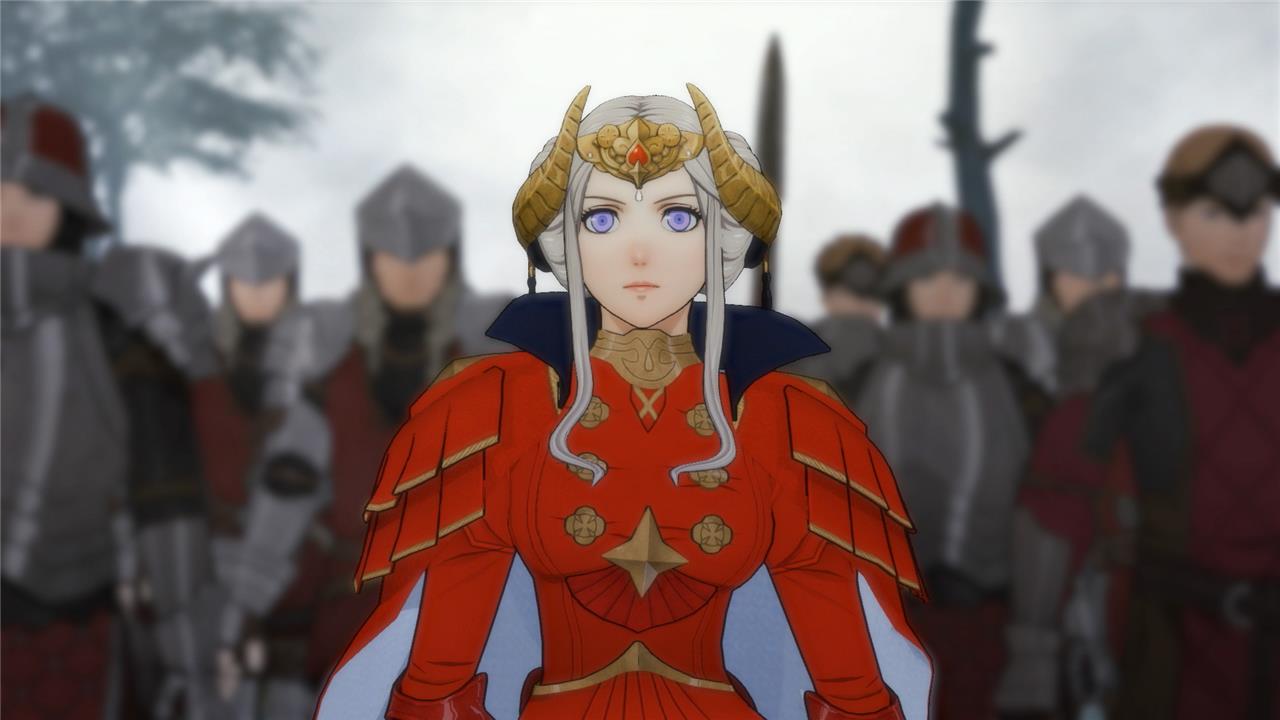
Fire Emblem: Three Houses offers a unique blend of tactical role-playing and social simulation, setting it apart with its dual gameplay structure. Players take on the role of a professor at Garreg Mach Monastery, where they teach and build relationships with students from one of three houses, influencing both character development and story progression. The game features a turn-based battle system enhanced by new mechanics like Battalions and Gambits, allowing for strategic depth. Its in-game calendar system divides time between teaching, exploring, and combat, creating a rich narrative experience with multiple story routes shaped by player choices. This combination of deep tactical combat and immersive storytelling makes it a compelling choice for fans of Baldur’s Gate 3 looking for a game with extensive content and meaningful player agency.
Where to play: Nintendo Switch
If your favorite parts of Baldur’s Gate 3 were the turn-based combat, the character interactions, and the branching narratives, then Fire Emblem: Three Houses might scratch that itch. The actual gameplay itself doesn’t have a lot of story-defining choices, since you pick a set path in the first moments of the game. But that choice does grant three completely different ways the game can play out (and a fourth secret one), as well as variations in which characters come along with you and survive till the end. There’s also a lot of options for character interaction built into the game mechanics. Not only do you, the player, build a rapport with the characters, it’s literally part of the game to pair characters off in different interactions so they can build their bonds outside the battlefield and support each other while in combat. And yes, that means romances. So. Many. Romances. –Petrana Radulovic
Divinity: Original Sin 2
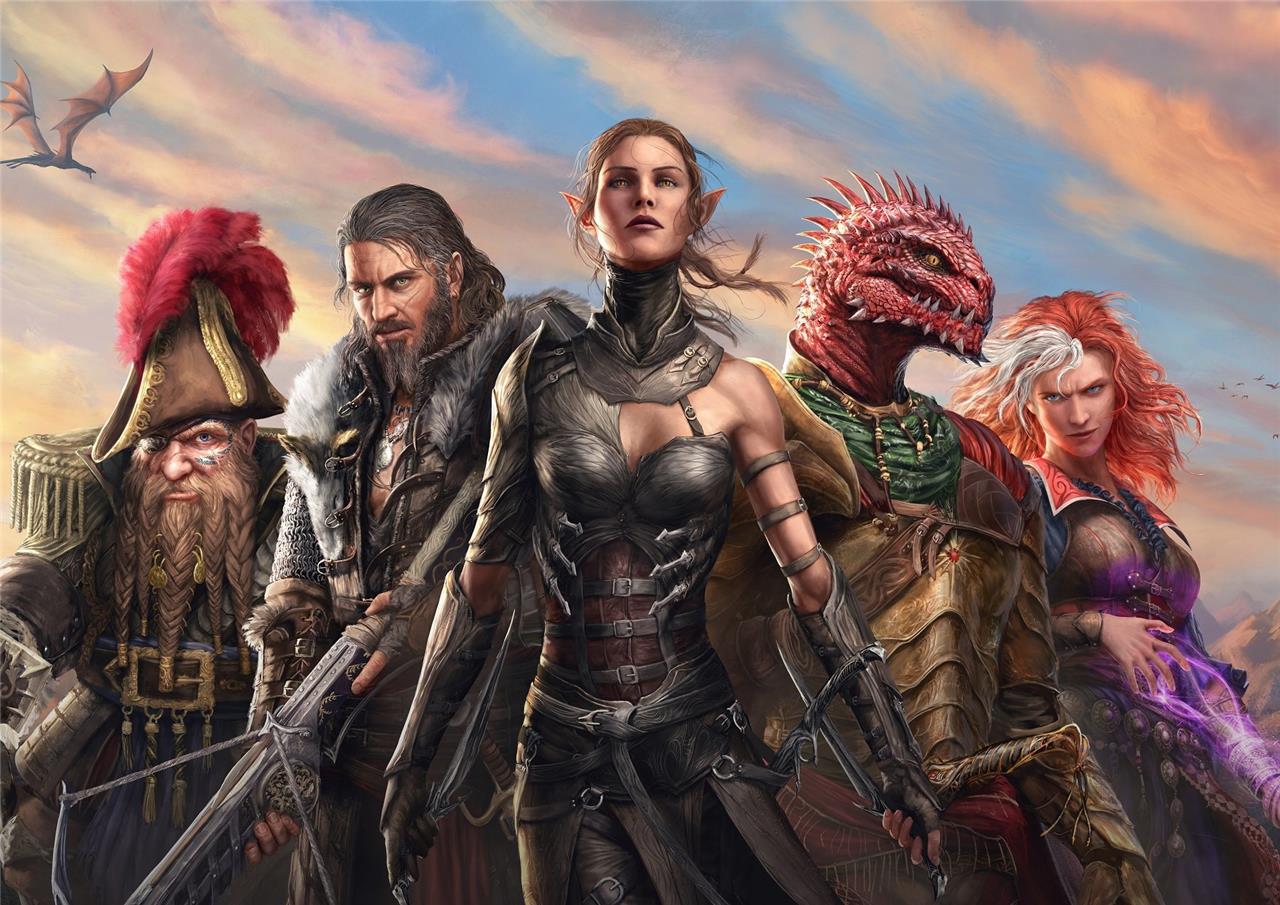
Divinity: Original Sin 2 is a highly acclaimed isometric RPG developed by Larian Studios, the same studio behind Baldur’s Gate 3, making it a natural choice for fans of BG3. It features deep turn-based tactical combat with a strong emphasis on environmental interactions and strategic planning. Players can create custom characters or choose from six unique origin characters, each with their own storylines and dialogue options, and recruit companions to form a party of up to four. The game offers a rich narrative set in the world of Rivellon, where players, as a Godwoken Sourcerer, must navigate complex quests and relationships while battling formidable foes. With extensive character customization, cooperative multiplayer, modding support, and a vast, open world to explore, Divinity: Original Sin 2 provides over 80 hours of engaging gameplay that rivals Baldur’s Gate 3 in both depth and replayability.
Where to play: Windows PC, Mac, Xbox One, PlayStation 4, Nintendo Switch
Larian Studios’ previous game is a natural next step for Baldur’s Gate 3 fans, as it’s about as close as you can possibly get to “more of the same” without waiting for a sequel. There’ll be some adjustment – as it’s not a D&D adaptation, the rules are different and combat here has a different set of quirks you’ll have to learn to navigate – but the transition is surprisingly seamless. Most importantly, Original Sin 2 has what Baldur’s Gate 3 nails in spades: a rock-solid focus on character and permissive design that encourages you to come up with oddball solutions and surrounds you with a cast of characters you’ll think of fondly. Shoutout to the homie, The Red Prince. –Joshua Rivera
Pillars of Eternity
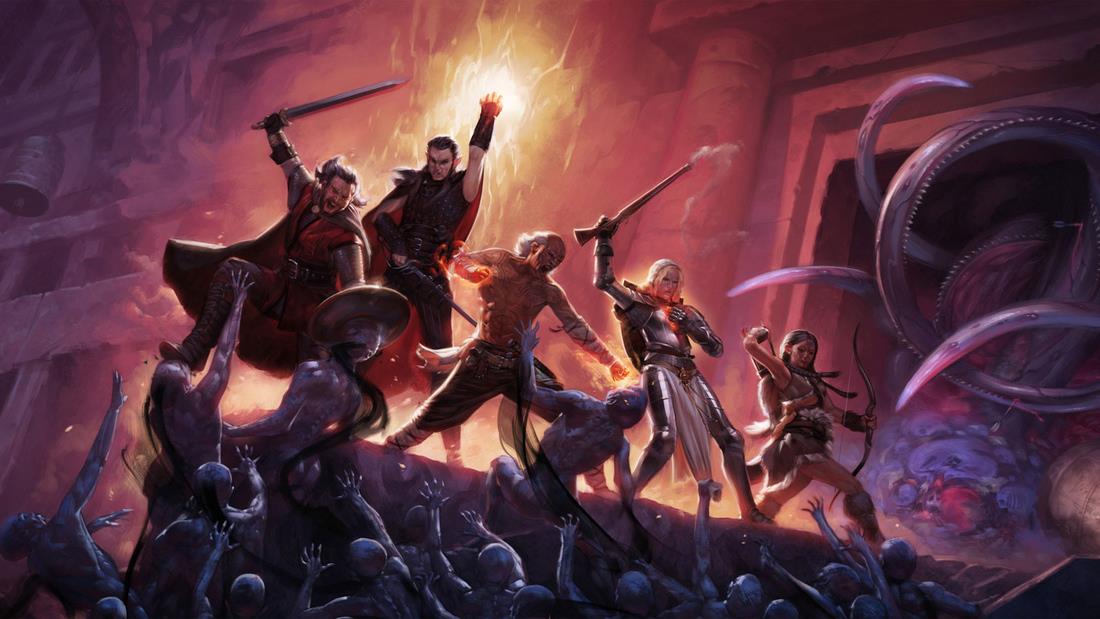
Pillars of Eternity is a richly detailed isometric RPG that offers a deep narrative experience set in the fantasy world of Eora, where a mysterious plague causes children to be born without souls. Developed by Obsidian Entertainment, it stands out for its intricate storytelling, complex world-building, and a unique party of characters with intertwined personal stories. Unlike Baldur’s Gate 3, it uses a traditional RPG design with pre-rendered backgrounds and a focus on reading and narrative depth rather than full animation. The game’s combat and role-playing mechanics provide a rewarding challenge, and its story-driven quests often intersect, creating a dense web of lore and intrigue. For fans of Baldur’s Gate 3 who crave more lore and a classic RPG feel, Pillars of Eternity and its sequel Deadfire offer expansive adventures that emphasize story and character development over flashy visuals.
Where to play: Windows, Mac, PlayStation 4, Nintendo Switch
One of the first big attempts at a throwback to the Baldur’s Gate franchise is still one of the best. Pillars of Eternity tells a sprawling tale with a great hook – children are suddenly being born without souls – as a mystery meant to draw you into its strange fantasy world and characters. A little more old-school in its design, but with the option to crank down the difficulty if story is why you’re here, Pillars of Eternity’s biggest strength is in its elegant narrative, in which the answer posed by every quest intersects with at least two other equally interesting quests. It’s easy to lose an evening navigating the game’s tangled web of short stories, but what a tremendously satisfying way to get lost. –JR
Pillars of Eternity 2: Deadfire
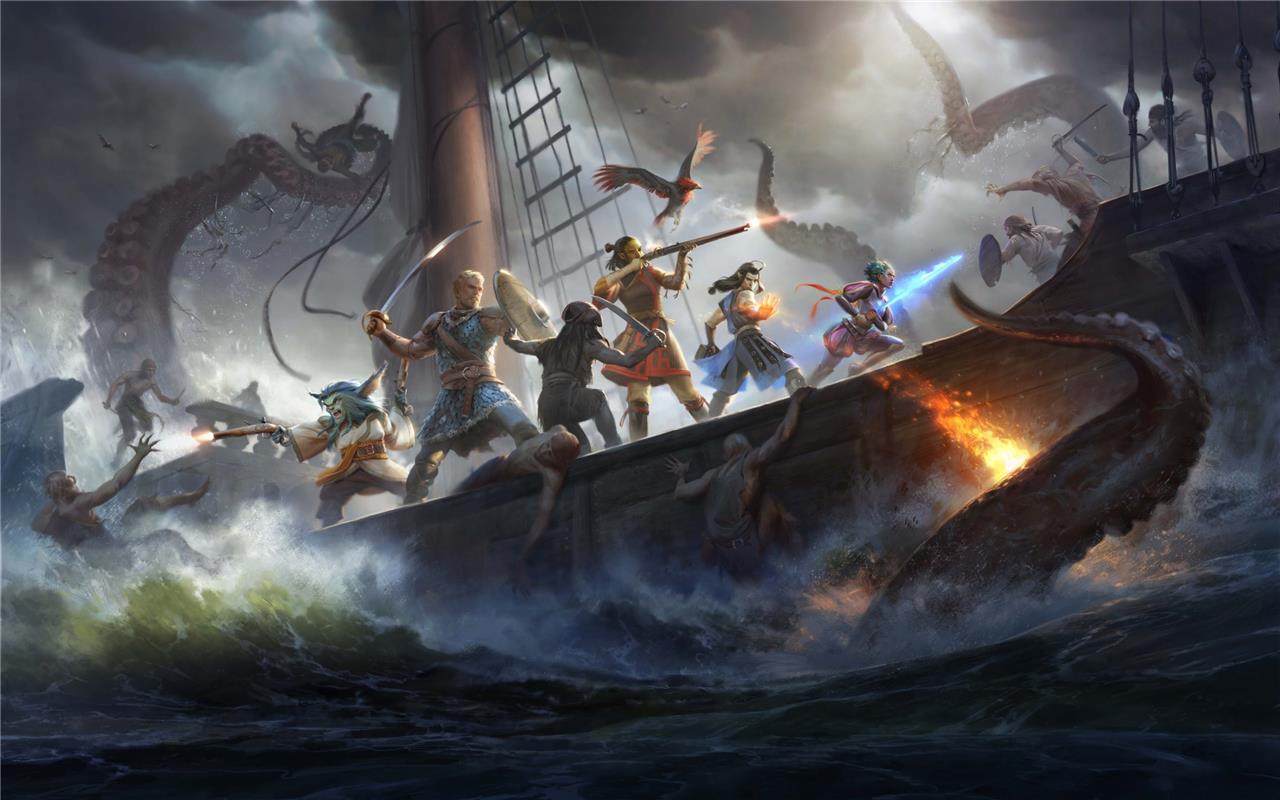
Pillars of Eternity 2: Deadfire builds on the rich storytelling and deep RPG mechanics of its predecessor, placing players in command of a customizable ship as they explore the vibrant Deadfire Archipelago. The game combines tactical real-time-with-pause combat, intricate character development, and a dynamic world filled with diverse factions and cultures. Its innovative ship combat and companion AI customization add fresh layers of strategy, while the narrative continues the epic quest of the Watcher, offering a compelling experience for fans of story-driven RPGs similar to Baldur’s Gate 3.
Where to play: Windows, Mac, PlayStation 4, Nintendo Switch, Xbox One
If there’s one thing I enjoy more than Pillars of Eternity, it’s Pillars of Eternity 2: Deadfire. Whereas the first game took place in an atmospheric if derivative take on a classic fantasy continent, Deadfire puts you in control of a customizable ship on the high seas. Along with The Legend of Zelda: The Wind Waker, Spiritfarer, and the recent Shadow Gambit: The Cursed Crew, Deadfire is proof that archipelagos make for perfect video game worlds: As you build your party of travelers, you’ll encounter vastly different factions, cultures, and ways of life, both linked and separated by the waves between them. Exploring the world of Deadfire feels at once like a singular journey and a collection of potent short stories, all connected by vivid writing and myriad chances to role-play. –Mike Mahardy
Wasteland 3
Wasteland 3 is a turn-based tactical RPG that combines deep storytelling with strategic combat, set in a post-apocalyptic Colorado. Players manage a base, recruit companions, and make impactful choices that shape the world and narrative, offering significant freedom and consequence. Its combat system, reminiscent of XCOM, emphasizes positioning, cover, and diverse abilities, while the game’s dark humor and richly detailed world create a memorable experience for fans of party-based RPGs. With modern graphics and a sprawling open world, Wasteland 3 delivers a challenging yet accessible adventure that appeals to those who enjoyed Baldur’s Gate 3’s blend of story and tactics.
Where to play: Windows, Mac, PlayStation 4, Xbox One
If you can stomach the hyper-goofiness of its post-apocalyptic storytelling, Wasteland 3 stands among the best that the CRPG genre has to offer. Its script and character writing leave a lot to be desired, but in terms of structure, Wasteland 3 is as open as they come: You pursue three major quest lines across a ruined Colorado, all the while building up your headquarters and recruiting a massive party of survivors. If inventory management and improving your team composition are your favorite aspects of CRPGs, Wasteland 3 is a dream. And while there are compelling story beats strewn throughout, it’s the mechanics and systems that make inXile’s 2020 release sing. –Mike Mahardy
Marvel’s Midnight Suns
Marvel’s Midnight Suns is a tactical RPG set in the darker corners of the Marvel Universe, featuring turn-based combat combined with deck-building mechanics. Players control “The Hunter” alongside a team of iconic heroes, using customizable decks of ability cards to strategically defeat supernatural enemies. The game emphasizes positioning, environmental interactions like pushing foes into explosive barrels, and chaining actions for extended turns. Beyond combat, players manage relationships and upgrades at their base, The Abbey, deepening character bonds through social activities and dialogue. With a mix of strategic depth and superhero spectacle, Midnight Suns offers a compelling experience for fans of tactical RPGs and character-driven stories similar to Baldur’s Gate 3.
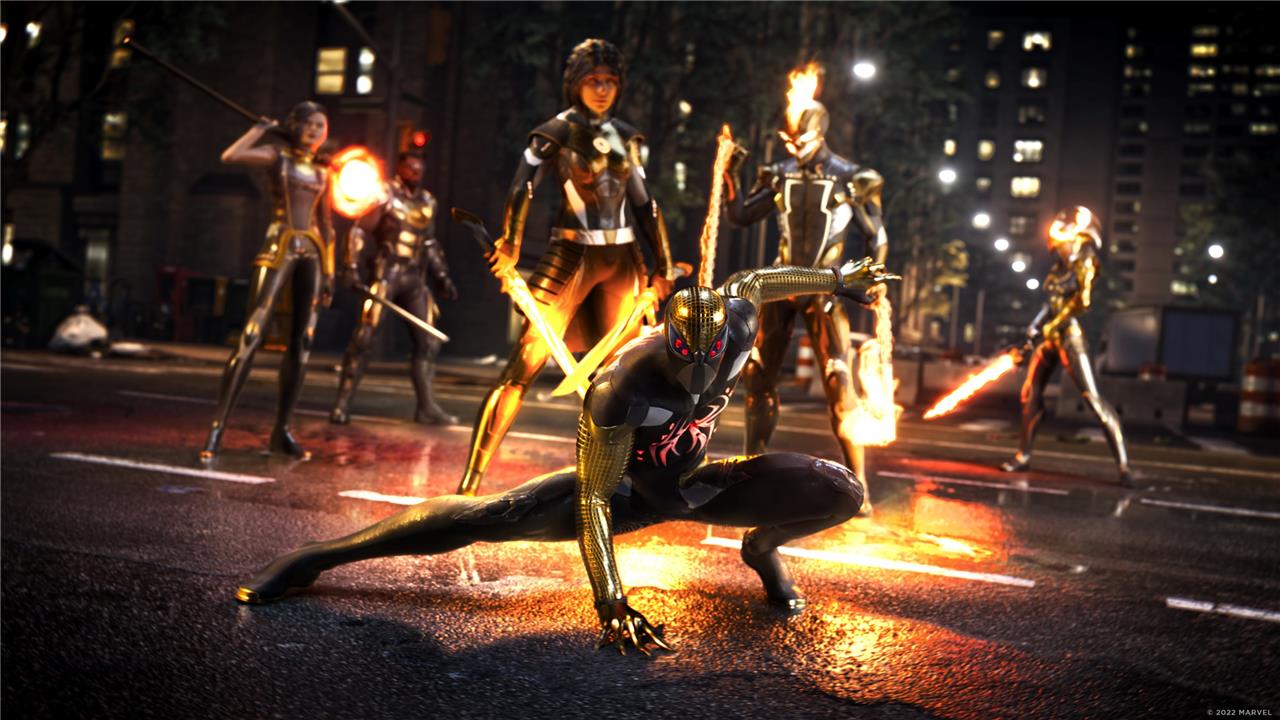
Where to play: Windows, Mac, PlayStation 5, PlayStation 4, Xbox Series X/S, Xbox One
After a dozen or so hours investing in your party in Baldur’s Gate 3, they start to feel like superheroes. Battles hinge on incredible (and very fun) stunts that can excite the storyteller in you narrating the whole fight. Marvel’s Midnight Suns is entirely built around that feeling, a strategy game where winning a battle largely depends on you figuring out the most dramatic move possible every turn. It’s also got a character creator for your original protagonist and lots of fun RPG-style conversations between said fights too, so the social butterflies among us won’t feel left out. Just don’t come looking for romance, which unfortunately is not part of the experience. –JR
Planescape: Torment
Planescape: Torment stands out as a uniquely philosophical and narrative-driven RPG set in the exotic Dungeons & Dragons Planescape universe. Unlike Baldur’s Gate 3, which emphasizes rich character interactions and cinematic spectacle, Planescape: Torment focuses deeply on storytelling and exploring themes of identity and existence through the journey of The Nameless One, an immortal protagonist seeking his lost memories. Its writing is often regarded as more evocative and thought-provoking, offering a rich, unified atmosphere where combat takes a backseat to dialogue and narrative depth. This makes it a must-play for fans of RPGs who appreciate intricate stories and philosophical undertones.

Where to play: Windows, Mac, PlayStation 4, Nintendo Switch, Xbox One, iOS, Android
Going back to the original Baldur’s Gate games is a very different experience from Baldur’s Gate 3, as they come from an entirely different era in game design that may or may not speak to you in the same way. In spite of its similarity to those older games, Planescape: Torment, a sister title to the OG Baldur’s Gate games, is worth giving a shot. In it you play The Nameless One, a man with no memories in search of his identity and the reason he can’t seem to die. Taking place in Dungeons & Dragons’ Planescape setting – a sort of interdimensional halfway point in the multiverse, where anything could be a door to Someplace Else – Planescape: Torment is among the most bizarre, existential, and contemplative RPGs ever made. It’s a game where combat barely matters (seriously, just play on easy and put all your stats in Wisdom and Charisma), but deciding who The Nameless One becomes as he learns more about himself is everything. –JR
Torment: Tides of Numenera
Torment: Tides of Numenera is a story-driven isometric RPG set in the unique Ninth World, blending science and fantasy in a richly detailed, philosophical narrative. Players control the Last Castoff, a human vessel abandoned by a powerful being, and navigate complex quests with multiple outcomes shaped by dialogue, skill checks, and moral “Tides” rather than traditional alignment. The game emphasizes deep character interaction and replayability, offering a variety of ways to resolve challenges, including combat, stealth, and conversation. Its distinctive setting and thought-provoking storytelling make it a compelling choice for fans of Baldur’s Gate 3 seeking a cerebral and narrative-rich experience.
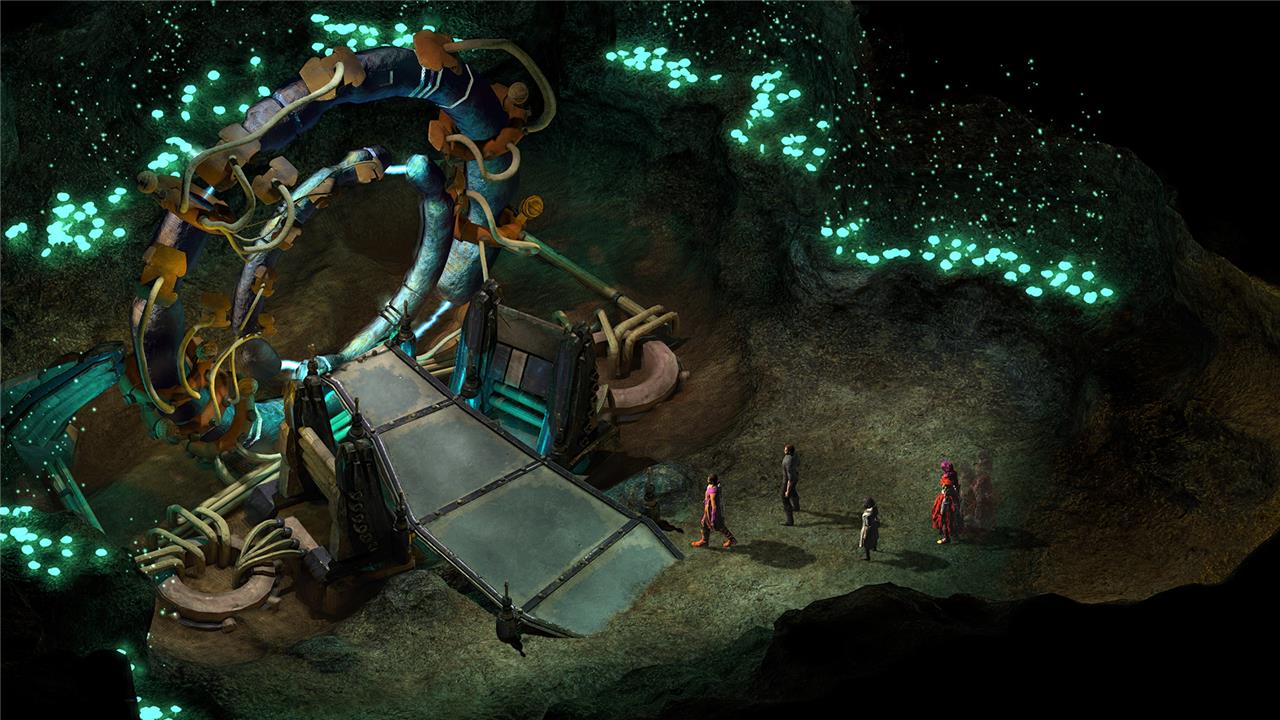
Where to play: Windows, Mac, PlayStation 4, Xbox One
Maybe you tried Planescape: Torment and found it too clunky. Or maybe you loved it and want more. In the way that Pillars of Eternity was a spiritual successor to the original Baldur’s Gate games, Torment: Tides of Numenera is a new attempt to recapture the magic of Planescape: Torment with more modern sensibilities. In this game, you play as the Last Castoff, a sort of rejected avatar for a being known as the Changing God, who has achieved immortality by hopscotching across bodies like yours. What’s up with that? What else has this Changing God done, and who else have they left in their wake? Tides of Numenera retains the focus of its inspiration, emphasizing role-play over combat, using the mystery of an immortal being and an indelible science fantasy setting to probe at troubled characters and ask big, sweeping questions about fate and existence. –JR
Dragon Age (all of ’em)
For more than a decade, the Dragon Age series has filled the gap between Baldur’s Gate 2 and Baldur’s Gate 3, blending dark fantasy with vibrant characters to create a beloved RPG franchise. Beginning with Dragon Age: Origins in 2009, the series has expanded to include Dragon Age II, Dragon Age: Inquisition, along with numerous DLCs, novels, comics, and an animated film. Each installment offers a unique flavor – Origins closest to the classic RPG feel, Dragon Age II focusing on action and character drama, while Dragon Age: Inquisition offers a modern design. Set in the fictional continent of Thedas, players navigate complex narratives filled with political intrigue, epic battles against darkspawn, and moral dilemmas while interacting with memorable companions. Play them in any order; each has its strengths and characters destined to become favorites.
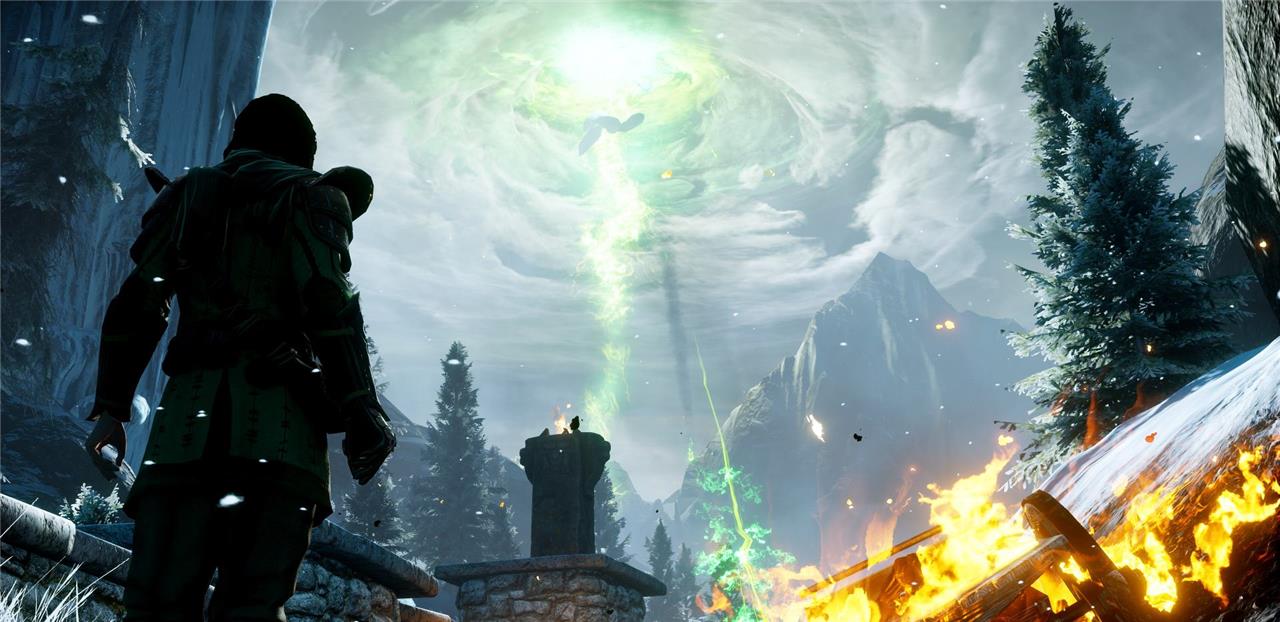
Where to play: Windows, Mac (for earlier entries), PlayStation 4 (Dragon Age: Inquisition), PlayStation 3, Xbox One(Dragon Age: Inquisition), Xbox 360
For over a decade, the RPG void left between Baldur’s Gate 2 and Baldur’s Gate 3 was filled by Dragon Age. Beginning with 2009’s Dragon Age: Origins, the Dragon Age games mixed dark fantasy with bright, snappy characters to create one of the most beloved fantasy RPGs in recent memory. Each game has a slightly different flavor – Origins is the closest to the “classic” RPG feel, where combat strategy is just as important as role-playing through an epic plot, while Dragon Age 2 focuses more on straightforward action and smaller character drama, and Dragon Age: Inquisition splits the difference with the most modern design of the three. Play all or one, in any order you choose. Each has its strengths, and all of them have at least one character destined to become your favorite. –JR
Disco Elysium
Disco Elysium is a critically acclaimed role-playing game that stands out for its deep narrative and innovative gameplay. Set in the richly detailed, fantastical city of Revachol, players take on the role of a detective with amnesia investigating a murder. Unlike traditional RPGs, Disco Elysium features minimal combat, focusing instead on dialogue-heavy interactions and skill checks influenced by 24 unique character skills. Its open-world design, philosophical storytelling, and complex character development create a unique experience that blends elements of tabletop RPGs, point-and-click adventures, and visual novels. The game’s expanded version, The Final Cut, adds full voice acting and new content, further enhancing its immersive storytelling.
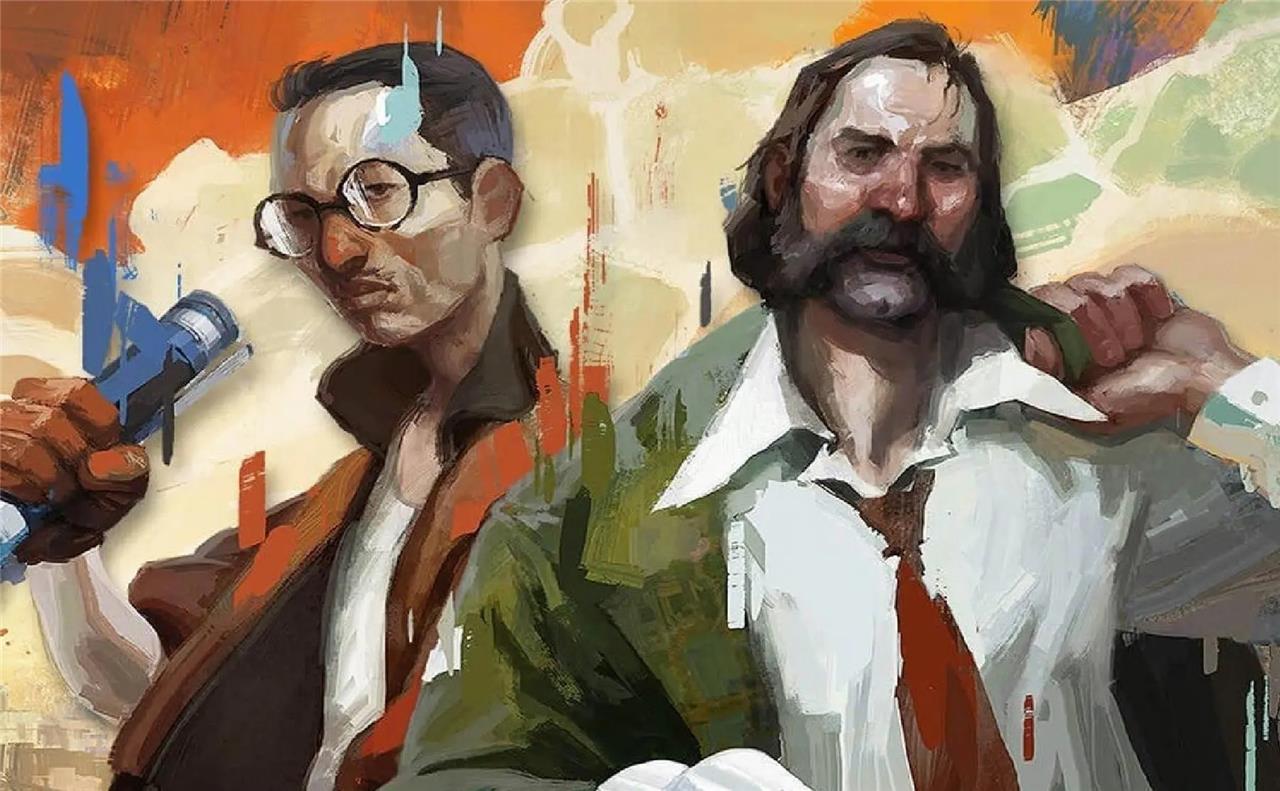
Where to play: Windows, Mac, PlayStation 5, PlayStation 4, Nintendo Switch, Xbox One, Xbox Series X/S
If you appreciate how a game will throw your best-laid plans out the window with one failed dice roll, then Disco Elysium is the obvious follow-up to Baldur’s Gate 3. Not only do your choices have the same level of impact, but both games embrace creative problem solving in the way only a good role-playing game can. Disco Elysium lets you talk your way out of (but usually into) trouble in some mind-bending ways. Although it’s a more modern setting than Baldur’s Gate 3, both games relish their moments of bleakness. Paladin-type role-players may struggle with the inner demons of Disco Elysium’s amnesiac main character, but he’s the hero for those who revel in messy choices. –Chelsea Stark
Shadowrun: Dragonfall
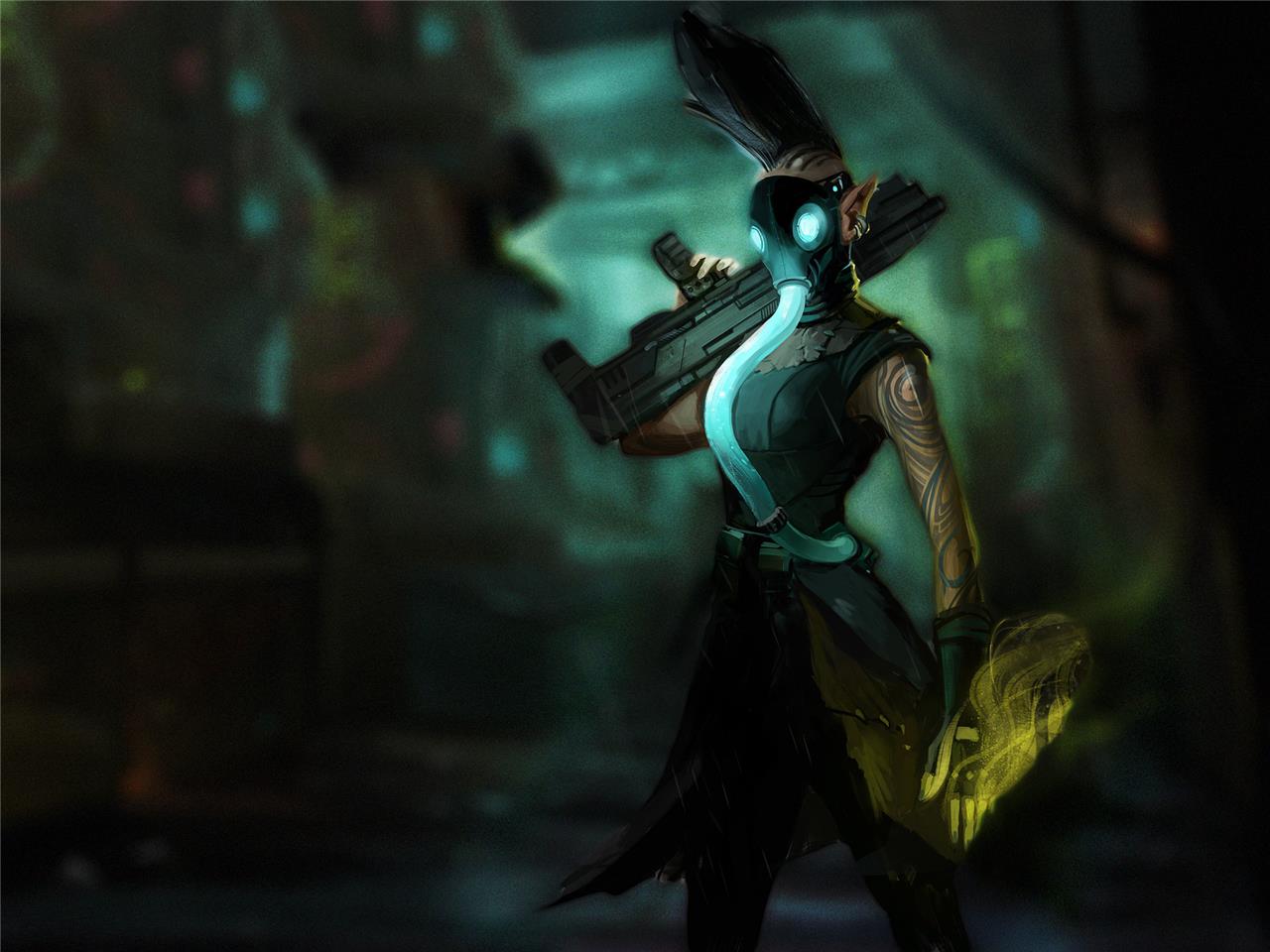
Shadowrun: Dragonfall is a tactical role-playing game set in a cyberpunk universe infused with magic and supernatural elements, offering a richly detailed story where players lead a shadowrunning team through a gripping narrative filled with twists and moral choices. The gameplay combines turn-based combat reminiscent of XCOM with deep character customization across multiple skill trees and classes, allowing for diverse playstyles such as gunslinging mages or shamanistic hackers. The Director’s Cut version enhances the experience with additional missions, improved interface, and multiple endings, making it a standout for fans of story-driven RPGs who appreciate strategic combat and complex character interactions. Its blend of cyberpunk and fantasy, alongside a compelling party dynamic and meaningful choices, makes it a great recommendation for those who enjoyed Baldur’s Gate 3.
Where to play: Windows, Mac, PlayStation 5, PlayStation 4, Xbox One, Xbox Series X/S, Nintendo Switch, iOS, Android
Yeah, fantasy is cool and all, but what if you want a Baldur’s Gate 3-style adventure in a sick Blade Runner-ass setting? Shadowrun: Dragonfall is your answer. A relatively short and self-contained RPG set in Shadowrun’s totally rad, magic-but-also-cyberpunk universe, you play as a shadowrunner (a mercenary, but cooler) hired to join a crew for one big score. It goes sideways of course, and once you escape the chaos, there’s only one question on your mind: Who set you up and why? Perfect for anyone who wants to trade swords and spells for guns and cyberdecks (and also spells). What’s more, if you love it, there are two more games widely available (and optimized for consoles): Shadowrun Returns and Shadowrun: Hong Kong. –JR
Star Wars: Knights of the Old Republic
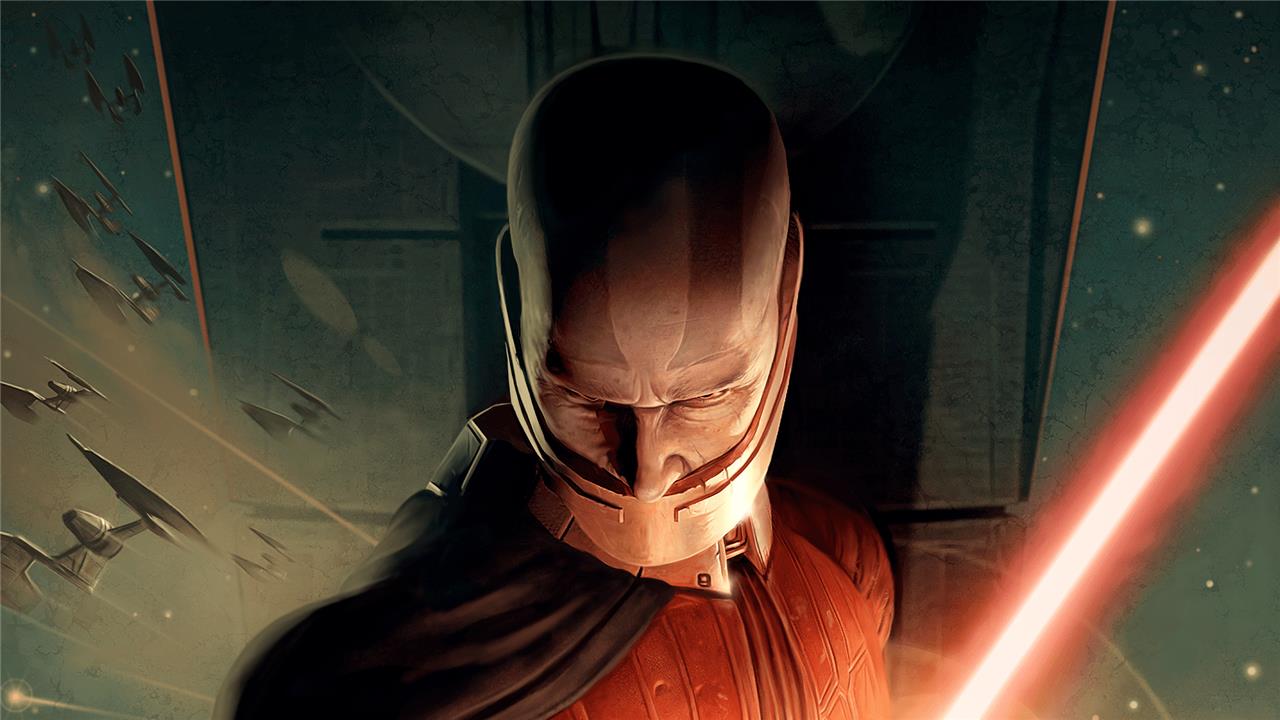
Star Wars: Knights of the Old Republic (KOTOR) is a classic RPG set thousands of years before the Star Wars films, during a galactic conflict between the Jedi and Sith. Developed by BioWare, it offers a rich narrative where players awaken with no memory aboard a Republic ship under attack and must gather allies to stop the Sith Lord Malak. The game features a deep alignment system allowing players to choose the light or dark side of the Force, influencing story outcomes and character development. With turn-based combat, engaging companions, and a compelling story, KOTOR provides a unique Star Wars experience that resonates with fans of narrative-driven RPGs like Baldur’s Gate 3.
Where to play: Windows, Mac, Xbox One, Xbox 360, Nintendo Switch, iOS, Android
Another big appeal of RPGs is getting the chance to traipse around a very familiar setting and seeing what trouble you can get into. In Baldur’s Gate 3, that’s the Forgotten Realms of Dungeons & Dragons. But let’s say you wanted to do that in Star Wars – lucky for you, there’s Knights of the Old Republic. Made by BioWare, the folks behind Dragon Age, KOTOR (that’s what the cool kids call it) is set thousands of years before the prequel trilogy, at a time when both the Jedi and Sith were numerous and at war. This setting gives KOTOR a flavor that’s impossible to find in modern Star Wars, as one of the premier RPG developers was given free reign to define its own corner of the universe and infuse it with all the charm of its acclaimed role-playing games – and a killer mystery to boot. –JR
What makes Divinity: Original Sin 2 the closest game to Baldur’s Gate 3
Divinity: Original Sin 2 is considered the closest game to Baldur’s Gate 3 primarily because it was developed by the same studio, Larian Studios, with the same director (Swen Vincke), composer (Borislav Slavov), and runs on an updated version of the Divinity Engine used in DOS2. Both games share a similar isometric perspective, UI layout, and a strong emphasis on player choice and narrative depth, creating a comparable immersive RPG experience. While Baldur’s Gate 3 adapts the Dungeons & Dragons 5th Edition ruleset, Divinity: Original Sin 2 features its own innovative turn-based combat system with an action point economy and distinct physical versus magical armor mechanics, offering a different but equally strategic combat experience. The storytelling approach in both games begins similarly-with the player character escaping captivity and facing a mysterious fate-though BG3 leans into a darker tone and D&D lore, whereas DOS2 maintains a more whimsical, light-hearted narrative style. Overall, Divinity: Original Sin 2’s combination of shared development heritage, gameplay mechanics, and narrative structure makes it the most natural and satisfying follow-up for fans of Baldur’s Gate 3.
How does the game engine similarity enhance the experience between DOS 2 and BG3
The similarity in game engines between Divinity: Original Sin 2 (DOS2) and Baldur’s Gate 3 (BG3) enhances the player experience by providing a familiar isometric perspective, interface, and environmental interactivity that fans appreciate, while allowing Larian Studios to build upon and refine these foundations. Both games share core mechanics like turn-based combat and a focus on tactical positioning, but BG3’s engine has been revamped to better accommodate Dungeons & Dragons 5th Edition rules, including dice-roll mechanics and more cinematic dialogue with full voice acting and dynamic camera angles. This shared engine lineage means players transitioning from DOS2 to BG3 find a recognizable framework, yet BG3 offers a richer narrative immersion and expanded environmental interactions, such as more varied ways to manipulate the battlefield and interact with objects. The engine continuity also supports complex story choices and role-playing elements, while improvements in graphics and animation elevate the overall presentation, making BG3 feel like a natural evolution rather than a completely different game. In essence, the engine similarity provides a solid, proven gameplay foundation that is enhanced with new technology and design tailored to the D&D experience, resulting in a game that feels both familiar and fresh.
