
Looking to carve your legend in Last Epoch but overwhelmed by the sheer variety of classes and Masteries? Whether you dream of commanding undead legions, unleashing primal beasts, or wielding the void itself, your choice will shape every moment of your adventure. Dive in as we break down the most powerful, popular, and unique options for every playstyle-so you can pick the perfect path and master the endgame, no matter your skill or ambition.
In this Last Epoch guide, we’ve outlined a summary of all classes and Masteries. We’ve also included details of how those Masteries function, to help you choose what class to play in Last Epoch.
All classes in Last Epoch
Last Epoch features five distinct base classes: Acolyte, Mage, Primalist, Rogue, and Sentinel. Each base class branches into three unique Mastery classes, giving players a total of fifteen Masteries to choose from. These Masteries significantly shape your playstyle, offering options like the minion-commanding Necromancer, the elemental-wielding Sorcerer, the shapeshifting Druid, the agile Falconer, and the stalwart Paladin, among others. This diverse class system allows for a wide range of builds, ensuring that every player can find a class and Mastery combination that fits their preferred combat style and fantasy.
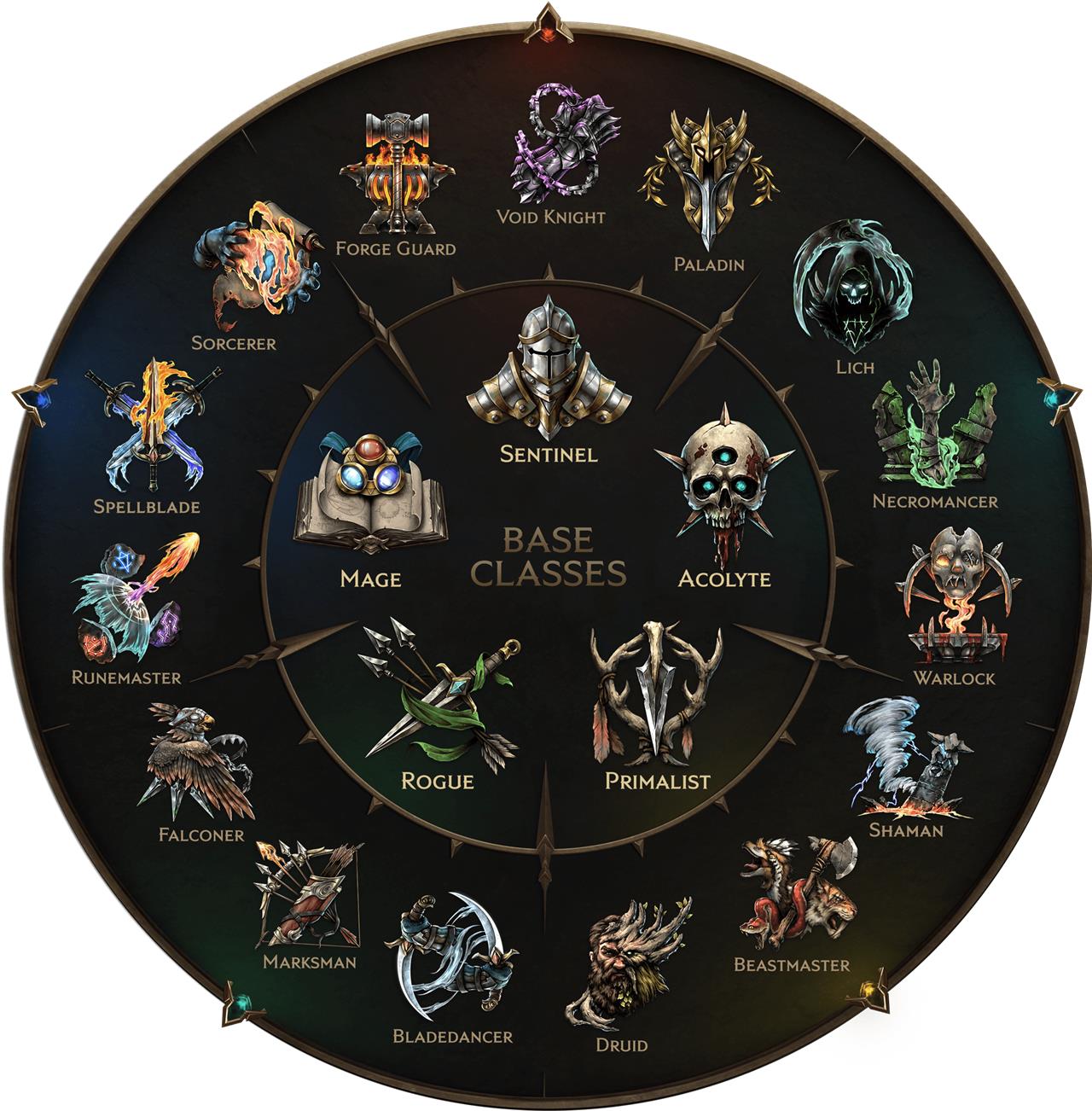
The class system in Last Epoch is a little complex if you’re used to just picking a class in your game and rolling with it until you reach max level. In Last Epoch, you’ll select your base class from five classes: Sentinel, Acolyte, Primalist, Rogue, or Mage.
All Mastery classes in Last Epoch
Once you invest 20 points in your main class tree and complete enough of the main story quest, you’ll gain access to the three unique Mastery options for your class – essentially subclasses. They are as follows:
- Acolyte: Lich, Necromancer, Warlock
- Mage: Runemaster, Spellblade, Sorcerer
- Primalist: Shaman, Beastmaster, Druid
- Rogue: Bladedancer, Marksman, Falconer
- Sentinel: Forge Guard, Void Knight, Paladin
Think of Masteries like a specialization route that you want to take your character, rather than a new class entirely. The bones of your original class will still be there once you choose your Mastery.
When do you unlock your Mastery in Last Epoch?
[Spoiler Warning: This section contains some minor story spoilers for Last Epoch.]
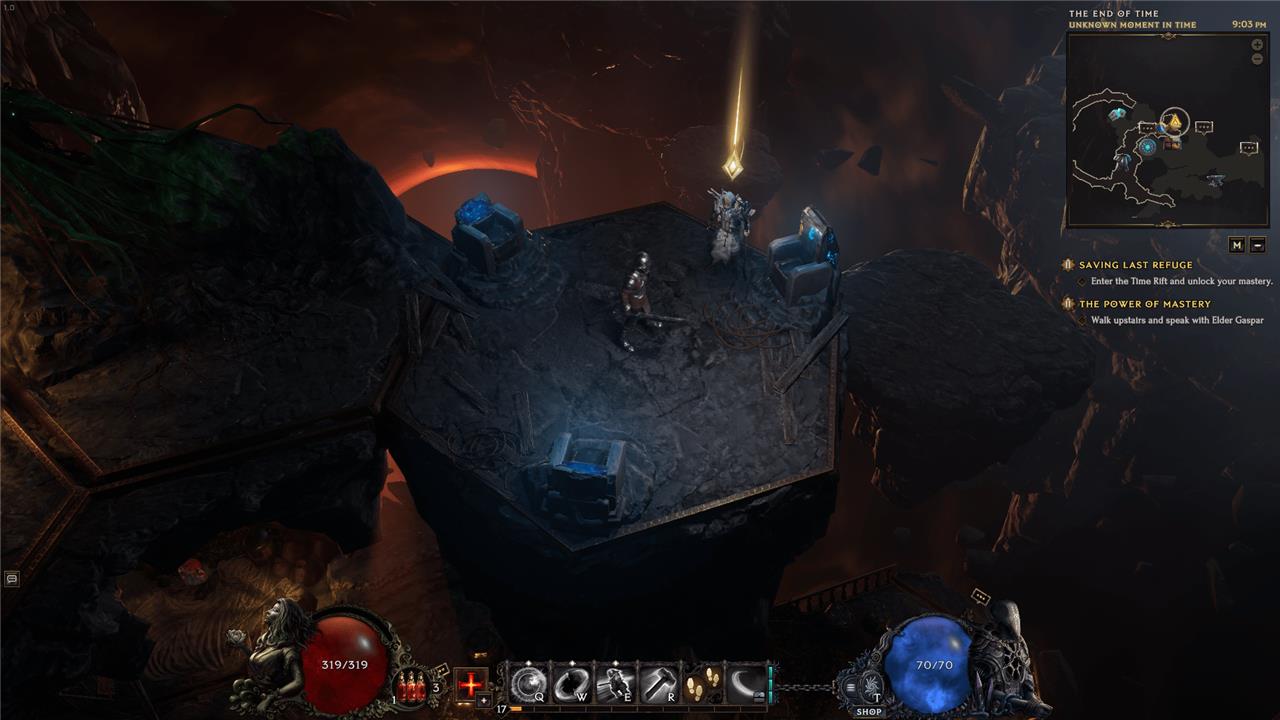
While doing Last Epoch’s main story, around level 17 – your level may vary depending on how many side activities you do – you’ll get a quest called “Saving Last Refuge,” which will lead you to a boss fight against The Husk of Elder Pannion. Defeat the boss and take the time rift to The End of Time.
As soon as you reach The End of Time, you’ll get a quest called “The Power of Mastery,” which will lead you upstairs to talk to Elder Gaspar. Gaspar will then allow you to select a Mastery class so you can specialize. He’ll warn you that this is a permanent decision, so make sure you’re ready before you make your choice.
Once you’ve unlocked your new Mastery, you can return to your normal timeline and continue the game’s main quest.
What class is best for you in Last Epoch?
Choosing the best class in Last Epoch depends on your preferred playstyle and what you want out of the game. If you’re looking for the strongest performers in the current meta, the S-tier Masteries-Falconer, Warlock, and Runemaster-stand out for their exceptional damage, survivability, and flexibility, making them ideal for tackling the hardest content with minimal gear investment. However, every class in Last Epoch is viable, and A-tier options like Paladin, Necromancer, Void Knight, and Bladedancer also offer powerful builds, though they may require more gear or have steeper learning curves. For new players, Sentinel classes are often recommended for their natural tankiness and forgiving mechanics, while Mage and Rogue classes offer high damage and versatility for those seeking more complex or agile playstyles. Ultimately, the best class for you is the one that matches your preferred combat style-whether that’s commanding minions, unleashing spells, or diving into melee-and keeps you engaged as you progress through Eterra.
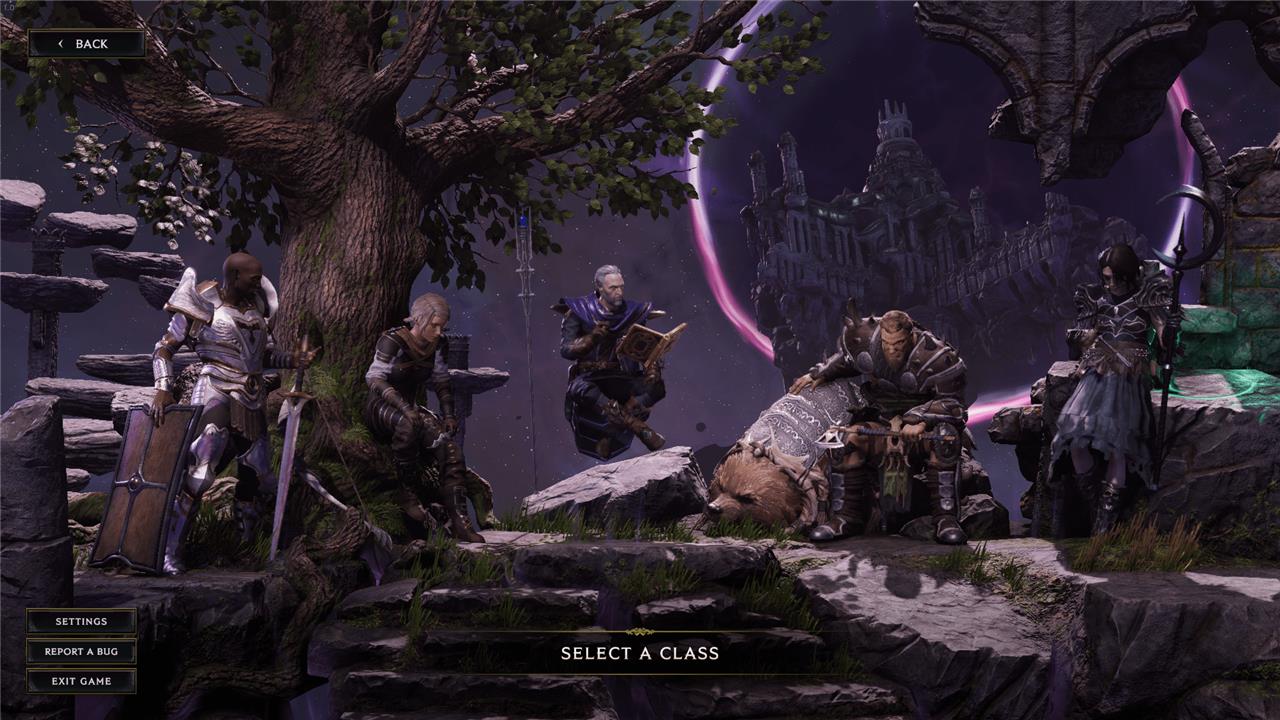
Last Epoch features five classes, and each class has three distinct playstyles. It’s important to remember that once you choose a class, that choice is permanent and you’ll need to make a new character if you want to try something else. Your Mastery selection is also permanent, so choose wisely.
In general, provided you’re familiar with the genre, the classes in Last Epoch are similar to classes from other ARPGs, MMOs, and TTRPGs. Considering what you gravitate toward in other RPGs (like Diablo 4, Path of Exile, World of Warcraft, or even Dungeons & Dragons) can inform the class you should play in Last Epoch.
- If you’re a fan of Witches, Warlocks, Sorcerers, or Necromancers in other RPGs, the Acolyte could be a great pick for you in Last Epoch.
- If you like classes like Wizards, Sorcerers, Shamans, or Elementalists in other RPGs, you’ll find something to enjoy with the Mage.
- If you’re a fan of Barbarians, Fighters, Druids, Rangers, or Shamans in other RPGs, you can’t go wrong with the Primalist.
- If you’re a fan of Rangers, Assassins, Demon Hunters, Hunters, or Engineers in other RPGs, consider going with the Rogue.
- If you’re a fan of Warriors, Paladins, Crusaders, or Fighters in other RPGs, Sentinel is definitely worth your time.
If you’re still unsure which class to play in Last Epoch, below, we’ve gone into further detail on each of the five classes, including extensive details on all three Masteries for each class.
Acolyte (Lich, Necromancer, Warlock)

The Acolyte is a spellcaster, much like the Mage class, but there are some pretty significant differences between the two – mostly in that the Acolyte uses what some might consider “evil” magic. The playstyle for the Acolyte is a mix between managing undead summons and casting spells.
The Lich Mastery is all about playing with your own HP to deal lots of damage to your targets. You can poison yourself to do even more poison damage to your enemies, or you can turn into a giant reaper and cleave down enemies in exchange for some health. It’s a risk-vs.-reward playstyle.
The Necromancer Mastery is pretty straightforward. Your goal is to summon an army of undead minions to do your bidding for you, overwhelming your enemies. There are, of course, more nuanced things you can do to keep your playstyle active, like sacrificing your minions to deal damage or combining them together into one super minion.
The Warlock Mastery is your straight-up demonic, necrotic wizard subclass. You’re able to throw out bolts of death magic or open fissures in the ground to destroy your targets. As a Warlock, you trade having a unique gimmick for the ability to blast targets with spell after spell after spell.
Mage (Runemaster, Spellblade, Sorcerer)

The Mage is a spellcaster like the Acolyte. However, the Mage is more about slinging spells that tap into the arcane and the elements found in our world. Most spells deal with fire, ice, or lightning. Ranged spellcasting is the primary playstyle here. However there are options to get into melee if that’s your preference.
The Runemaster Mastery is an interesting specialization that allows you to combine your skills together to create powerful runes via Runic Invocation. By casting your spells in a specific order, you can create interesting new magic, which gives almost an improvisational feeling to the class.
The Spellblade Mastery sees you get a little bit closer to the action than you might imagine on a spellcaster like the Mage. Most of your specialized skills affect your immediate area, and you’re able to imbue your weapons with magical power, enhancing your sword to become a spellcasting weapon.
The Sorcerer Mastery sees you lean even harder into the Mage’s elemental stuff. You can cast giant flaming meteors, or ice missiles from your fingertips. You can even create a black hole that freezes your enemies as it sucks them into its center.
Primalist (Shaman, Beastmaster, Druid)

The Primalist is an interesting mix between a brutal, up-close fighter and things you might associate with a more natural spellcaster or ranged character in another game. The playstyle here is a mix between managing summons like pets or totems and melee combat.
The Shaman Mastery is all about summoning totems (unmoving turrets, essentially) and casting elemental magic to decimate the battlefield. This is a spell-focused version of the Primalist, but one that still sees you engaging foes in their faces.
The Beastmaster Mastery allows you to summon more pet creatures to your side to fight with you. These pets both follow you around and attack your targets while also offering active abilities that you can use to occasionally increase their power. In addition to the basic wolf pet you can get as a Primalist, you’ll gain access to more animals like bears or even a raptor.
The Druid Mastery is all about shape-shifting for different situations. You can change your form into a werebear to gain powerful bear-like powers, making you a melee powerhouse. Or you can become a tree person to increase your spellcasting prowess.
Rogue (Bladedancer, Marksman, Falconer)

The Rogue is that classic bow- and dagger-wielding class that offers a mix between subterfuge and sniping. The playstyle it offers is an option between up-close dagger combat and long-range bow combat.
The Bladedancer Mastery is going to be your melee-focused Rogue, with skills that let you dash out of the shadows, stab into enemies with daggers to deal massive damage, and then get out of the fray once again. It’s a class that can deal high damage but requires you to be in the danger zone on a class that doesn’t have as much HP as a Primalist or Sentinel.
The Marksman Mastery is your classic archer class, and gives you the opportunity to deal decent damage from a safe distance. All of your skills will require you to use a bow, and you’ll need to position yourself properly to both stay safe and plunk away at your targets.
The Falconer Mastery is a bit different from the other two specialized Rogue classes. It grants you the falcon pet, which has its own set of skills for you to torment your enemies with. But its key skills – those highlighting the falcon – don’t require you to use a bow or dagger like the other two Masteries, giving you some flexibility and a bird friend to adventure with.
Sentinel (Forge Guard, Void Knight, Paladin)

The Sentinel is going to fulfill all of your “Sword and Board” fantasies. This playstyle is going to be primarily melee based, with an increased focus on defense.
The Forge Guard Mastery is about summoning the power of the forge to both defend yourself and dish out powerful fire damage. There’s a summoner quality to this Mastery that makes it a bit different from the other Sentinel classes, as you can summon magical armor, weapons, or shields to follow you around.
The Void KnightMastery is the sorcerer-knight class who uses void magic to decay and erase their foes from time. The Void Knight’s skills highlight both movement and control, allowing you to banish foes, teleport yourself, or block off certain areas with orbs of destruction.
The Paladin Mastery is a classic archetype. The Paladin here offers a holy knight playstyle all about smiting your foes while keeping yourself and your allies safe. Many Paladin skills have a “hurt the enemy while helping me and my friends” support combo. Your Judgment skill is capable of consecrating the ground to damage enemies and heal allies. Smite has a similar effect but with a bolt of holy power from the sky.
Which class and mastery in Last Epoch offer the most versatile playstyle for me
Most Versatile Class and Mastery in Last Epoch
Lich (Acolyte Mastery) is widely regarded as the most versatile mastery in Last Epoch. The Lich offers a broad array of playstyles, allowing you to build around melee, spells, damage over time (DoT), ailments, and even minions. This flexibility is supported by a strong passive tree and a variety of defensive options, including high health, excellent ward generation, and solid armor and resistances. The Lich’s skill set features unique mechanics, such as Death Seal and Reaper Form, enabling both simple and highly intricate builds.
Other masteries, such as the Mage’s Runemaster and the Rogue’s Blade Dancer, also offer significant build diversity, but the Lich stands out for its ability to adapt to almost any playstyle you might prefer. If versatility is your top priority, Lich is the clear choice.
Which mastery offers the best mix of damage, survivability, and flexibility
The Lich mastery stands out as the best mix of damage, survivability, and flexibility in Last Epoch. Recent buffs have given Lich exceptional health leech and ward generation, allowing for both spell and melee leech builds or powerful damage-over-time setups like Drain Life and Aura of Decay. This mastery can face-tank much more content without sacrificing damage output, and it remains strong even with average gear due to its natural sustain and scaling.
For players seeking a mastery that excels in all areas-high damage, strong defenses, and the ability to adapt to multiple playstyles-Lich is currently top-tier. Other strong contenders for this balance include Paladin for its massive healing, resistances, and hybrid offense/defense toolkit, and Bladedancer for its burst damage and mobility, but Lich offers the broadest flexibility and resilience overall.
