
Sonic the Hedgehog is undeniably one of gaming’s most enduring cultural icons, a blue blur whose legacy stretches beyond video games into comics, animation, and blockbuster films. Yet, despite this iconic status, the franchise’s games have often struggled to live up to the hype, plagued by inconsistent design, clunky controls, and missteps that have left fans frustrated. What if Sonic’s true greatness lies not in its games, but in the vibrant world and culture it has inspired? This paradox is at the heart of Sonic’s complex legacy-a franchise that could have been legendary if not for its own gameplay shortcomings.
AELGAMES’s Spicy Takes Week is our chance to spotlight fun arguments that bring a little extra heat to the table.
In broad, sweeping terms, I love everything about Sonic the Hedgehog: his character design (courtesy of Naoto Ohshima); his blue-sky worlds bursting with primary colors, checkerboard landscapes, and pinball parts; his reticence to show feet; and every piece of clumsy, earnest fan art that Sonic fans have composed in MS Paint. That includes every fetishized Sonic, Tails, and Amy atrocity lurking in the depths of DeviantArt.
But Sonic the Hedgehog’s games? With very few exceptions, I believe we’d be better off without them.
I didn’t always think this way. I was a Sonic fan from the very beginning. I may have even committed some light thievery to get my hands on the original Sonic the Hedgehog for Sega Genesis. As a desperate and unscrupulous young teen completely fascinated by Sonic, I “borrowed” my mom’s credit card to acquire a brand-new copy of Sonic the Hedgehog for $49.99 – that’s $115 in 2024 dollars. I had no idea how I’d eventually pay it back, and I didn’t care. I had to experience the magic of Blast Processing and the edgy attitude of a blue hedgehog for myself.
I was dazzled by Sonic the Hedgehog’s graphics and catchy music. Sonic’s attitude underscored just how devoid of personality his game-mascot rivals were. But shortly after slamming that cartridge into my Genesis, I realized: I hated the way that Sonic the Hedgehog played. Sonic’s floaty jumps, overemphasis on speed, and rings-based health system are anathema to me, a player raised on the tight platforming of Super Mario Bros.
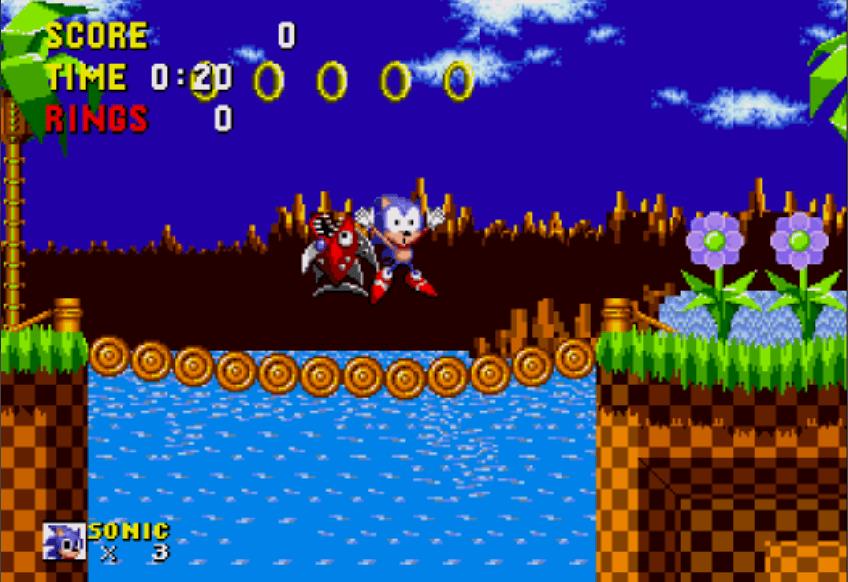
Over the following decades, generation to generation, this cycle of disappointment repeated itself. I felt optimistic about Sonic the Hedgehog 2, Sonic Adventure, the 2006 Sonic the Hedgehog, Sonic the Hedgehog 4, and so on and so on, only to be left deflated by the results every time. The same gameplay issues that plagued the original Sonic were repeated, and attempts to reinvent Sonic as a medieval knight, a werewolf, and time-traveling resistance fighter were failures. I’m not the only one to experience this repeated disappointment; the Sonic Cycle is a broadly shared experience.
Disliking Sonic’s games clearly puts me in the minority. Otherwise, Sega would not continue to invest in a new Sonic the Hedgehog game, or some spinoff or remake, every few years. I am happy for Sonic’s continued financial success, and for fans of Sonic games where players get to yet again sprint through a variation of Green Hill Zone. I honestly wish you well.
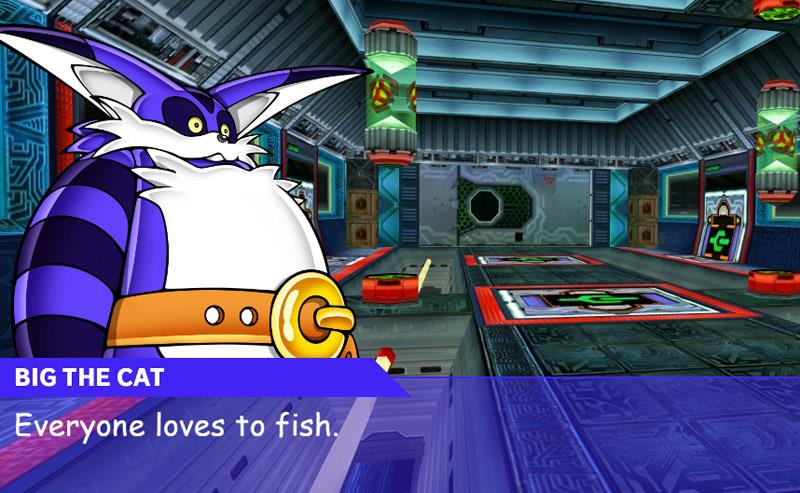
To my pleasant surprise, I have never been let down by the culture that surrounds Sonic. I am an avowed fan of his friends – Big the Cat, Mighty the Armadillo, and every other furry weirdo – who have given us so much. From smart and funny animated series to decently enjoyable live-action films, and the jokes at Sonic’s expense born of those movies, Sega’s blue hedgehog has grown from Mario also-ran to a rich vein of comedy and personality. We’re living in a world with multiple Sonic the Hedgehog realities, spanning comics, TV series, and (against all odds) blockbuster films, all built on the foundation that Sonic is a sassy, spiny mammal who can save the world by running. Hell, Twitter, a testament to the character’s early-’90s edgy vibes.
While I don’t personally vibe with furry culture or fan art that explores sexual fetishes through the lens of Sonic the Hedgehog, I am happy for the people who express themselves this way. If it weren’t for Sonic fans, would we have SonicFox, the most enjoyable fighting-game player to ever exist? Would we have an internet meme game that lets us search for our names “the Hedgehog” to find our Sonic-sona? Likely not, and these are wins for Sonic the Hedgehog and lowbrow culture. I’m currently reading through former Sonic the Hedgehog comics artist Ken Penders’ extremely bizarre alt-world Sonic saga, The Lara-Su Chronicles, which stars K’Nox, a cyber-cowboy echidna who is definitely not Sega’s Knuckles.
Could Sonic’s potential be wasted by the game’s quality issues
Sonic’s potential has frequently been undermined by persistent quality issues in its games, leading many fans and critics to view the franchise as a case of wasted promise. Titles like Sonic Forces and Sonic Frontiers have been criticized for failing to capitalize on innovative mechanics and concepts, resulting in experiences that feel incomplete or underwhelming. The core challenge lies in Sonic’s fundamental design: his high speed demands large, well-crafted levels, but developers often struggle to balance speed with engaging gameplay, leading to inconsistent quality and frustrating controls. This problem has been evident since early 3D entries like Sonic Adventure and reached a nadir with Sonic 2006, a game plagued by technical flaws, poor design, and rushed development that severely damaged the franchise’s reputation. Despite occasional bright spots such as Sonic Colors and Sonic Generations, the series often succumbs to trends and gimmicks that detract from its core appeal, suggesting that without a firm focus on polished, speed-centric gameplay, Sonic’s true potential remains squandered.
Do gameplay issues in Sonic games truly waste his potential as a hero
Gameplay issues in Sonic games have often hindered the franchise from fully realizing Sonic’s potential as a hero, but they do not entirely waste it. Sonic’s defining trait-his incredible speed and momentum-based physics-requires finely tuned level design and controls to shine, something many Sonic games have struggled to deliver consistently. Problems like awkward physics, poor collision detection, and inconsistent pacing have led to frustrating experiences that detract from the thrill of playing as Sonic, as seen in titles like Sonic Heroes and Sonic 2006. However, the character himself remains iconic and beloved, with his personality, world, and cultural impact transcending the gameplay flaws. While the gameplay issues limit the franchise’s ability to showcase Sonic’s heroic qualities through engaging mechanics, they do not erase his status as a symbol of speed, attitude, and resilience in gaming culture. Thus, the potential is compromised but not completely wasted.
