
Step into the vibrant world of 2024’s comics, where groundbreaking stories, unforgettable characters, and stunning artistry collide to redefine the medium. From the adrenaline-fueled chaos of I Heart Skull-Crusher to the heartfelt reinvention of Ultimate Spider-Man, this year’s best comics offer something for every fan-whether you crave superhero epics, poignant dramas, or genre-bending adventures. Join us as we explore the definitive picks that made 2024 a landmark year in comics.
Comics were considered eligible if they were graphic novels published for the first time in 2024 or series that were collected for the first time, or published their final collection, in 2024. Everything on this list is available in paperback or collected form for your eager hands – no worries for trade-waiters.
Honorable mentions
Among the honorable mentions for the best comics of 2024 are titles that, while not making the top lists, have garnered significant praise and attention. Notable mentions include Spy X Family, which, despite appearing on only one critic’s list, ranked high enough to secure a spot in the overall top 50, highlighting its strong impact. Other commendable series just shy of the top five include Batgirl by Tate Brombal and Takeshi Miyazawa, The Resurrection of Magneto by Al Ewing and Luciano Vecchio, Wonder Woman by Tom King and Daniel Sampere, and Transformers by Daniel Warren Johnson and collaborators. These works reflect the diversity and quality present in this year’s comics landscape, showcasing a range of genres and storytelling styles that contributed to a vibrant and competitive year for comics.
Birds of Prey Vol. 1: Megadeath, Damn Them All, The Oddly Pedestrian Life of Christopher Chaos, Our Bones Dust, Peacemaker Tries Hard, When I Arrived at the Castle
Tokyo These Days
“Tokyo These Days,” by Taiyo Matsumoto and Saho Tono, is a deeply human and optimistic exploration of the creative process and the challenges artists face in realizing their visions. The work delves into themes such as the tension between creating true, unmarketable art and achieving commercial success, the influence of editors, the struggle of perseverance, and the complexities of second chances. This three-volume series is a rich ode to the experience of living and making comics, celebrated for its nuanced observation of human impulses and obstacles, and presented in a beautifully crafted clothbound edition by Viz.
By Taiyo Matsumoto
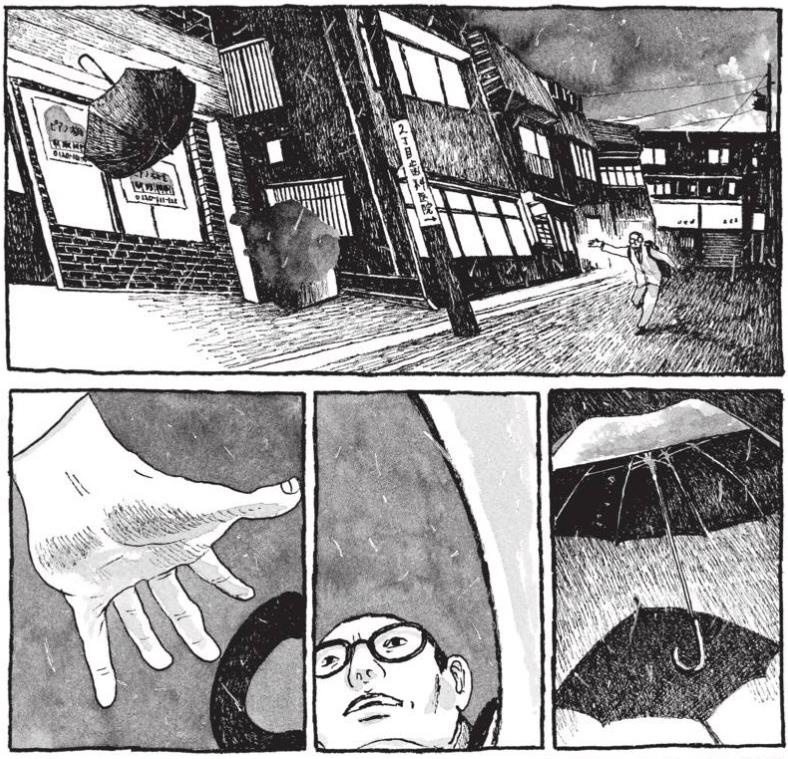
I’ve never read a cartoonist that makes me feel the space between each panel as strongly as Taiyo Matsumoto. He doesn’t have to fill a page with the buzzing of cicadas or the pulse of a city’s streets for me to hear them in my ear; on a deep instinctual level he knows what two images juxtaposed together will create that ambience, and fill his pages with room tone. He is a master of quiet.
There are also few cartoonists as loud as Matsumoto. His distorted figures and grotesquely expressive close-ups are a gonzo hallmark of his work like Tekkonkinkreet or Ping Pong, which makes the still moments in those stories stand out all the more.
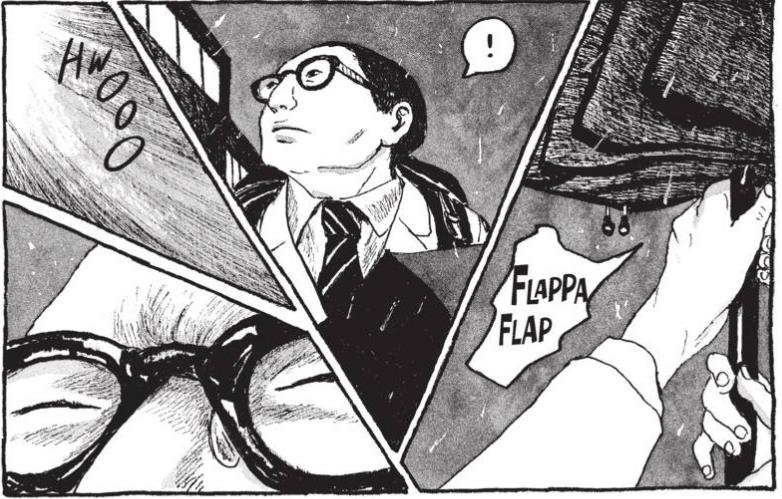
Yet Tokyo These Days has none of those moments of noisy bravura. It’s a more restrained, somber work, about Shiozawa, a career manga editor who surreptitiously decides to quit the business. Yet before he fully settles into retirement, he gives himself a final to-do list: to meet with several struggling cartoonists he used to work with and ask what happened to the love and passion that once lived in their stories, to see if there is any bit of romance left in the medium that wrung them all out. Burning out has never looked so beautiful. –Joshua Rivera
Waverider
Waverider, the highly anticipated final installment of Kazu Kibuishi’s acclaimed Amulet series, delivers a breathtaking conclusion to the epic fantasy saga. Following Emily and Navin Hayes as they confront the origins of the Stonekeepers’ powers and face the looming threat of darkness, the graphic novel combines stunning artwork with complex storytelling that has evolved over the series. While some readers note a slightly rushed and open-ended finale, the book remains a satisfying and beautifully illustrated end to a beloved series, recommended for fans of fantasy and graphic novels of all ages.
By Kazu Kibuishi

Kazu Kibuishi’s fantasy series Amulet, which has been unfolding in stand-alone graphic novels since 2008, closes out in satisfying style with its ninth volume, Waverider. In the first volume of the series, preteen Emily Hayes and her brother Navin accidentally enter the magical realm of Alledia, where her dying great-grandfather Silas passes an arcane amulet to her, making her one of the last of the magic-wielding Stonekeepers. The end of the series bookends the beginning of that journey – moving past the doubts she’s suffered throughout the series, Emily steps up to new levels of responsibility, accepts her power and the duty that comes with it, and confronts the creature in her amulet that’s been manipulating her all along.
The Amulet series has always seemed heavily inspired by Hayao Miyazaki’s manga series Nausicaä of the Valley of the Wind, and that comparison plays out through this final volume, as Emily carries out her Chosen One-style heroic destiny, while sharing time with stories that emphasize the importance of community-building and shared effort toward the goals of freedom and equality. Watching the other heroes (Navin included) find their own purposes and paths remains a major focus.

Much of the Amulet series is about the nature of power as a corrupting force, and the question of whether it can be wielded responsibly and altruistically. Waverider continues unpacking that idea right up to the cathartic, melancholy ending. And as ever, it puts the evidence both in conversation and in action, with deep-hued, vivid art packed with diverse, creatively drawn, compelling, and sometimes downright weird characters. (What’s up with the alien with a plate of flan for a head?) The path out of darkness doesn’t rest solely on Emily’s shoulders – Kibuishi cares about all these odd folks, and makes space for them to all find their purpose and their paths as he wraps up the series. –Tasha Robinson
Woman, Life, Freedom
“Woman, Life, Freedom” is a powerful and visually stunning graphic collection edited by Marjane Satrapi, author of Persepolis, that captures the spirit of the 2022 Iranian revolution sparked by the tragic death of Mahsa Jina Amini. This anthology brings together activists, artists, journalists, and academics to depict the uprising and the ongoing struggle for women’s rights and freedom in Iran through comics that reveal what traditional media often censors. The phrase “Woman, Life, Freedom” has become a global rallying cry in solidarity with Iranian women and their fight against oppressive regimes, making this work not only a compelling artistic achievement but also a vital document of contemporary resistance and feminism.
Edited by Marjane Satrapi

French Iranian artist and filmmaker Marjane Satrapi, of Persepolis and Chicken with Plums fame, curated this collection of short comics chronicling political unrest in Iran both before and after Mahsa Amini’s 2022 death. The 22-year-old died while visiting Tehran, when local morality police arrested her and beat her in a dispute over her clothing. Her death became a flashpoint for protests, built around the slogan “Woman, Life, Freedom,” and reflecting a deep-seated anger against an oppressive, heavy-handed regime.
Written by Satrapi, journalist Jean-Pierre Perrin, and scholars Farid Vahid and Abbas Milani, and illustrated by a collection of artists (including French stalwarts Lewis Trondheim and Joann Sfar, and internationally known Iranian artist Mana Neyestani), this book is part historical perspective, part witness-on-the-streets storytelling, and part rallying cry. It’s an invaluable document about how to fight back against an authoritarian government, illustrating history from the macro level of a history book down to the individual level of personal interviews with protestors. It’s radical, intellectual, angry, and remarkably suited to this moment in America. –Tasha Robinson
Transformers
Skybound Entertainment’s Transformers series, launched in late 2023, has quickly become one of the standout comics of 2024. Set in the Energon Universe, this ongoing series reinvigorates the classic battle between Autobots and Decepticons on Earth, with Optimus Prime leading the charge to protect humanity. Written and initially illustrated by Daniel Warren Johnson, the series combines dynamic art with a fresh, action-packed narrative that honors the legacy of the franchise while introducing new depths to its characters. With a strong creative team and a storyline that promises 24 issues, Transformers has captured both longtime fans and new readers, solidifying its place among the best comics of the year.
By Daniel Warren Johnson and Mike Spicer
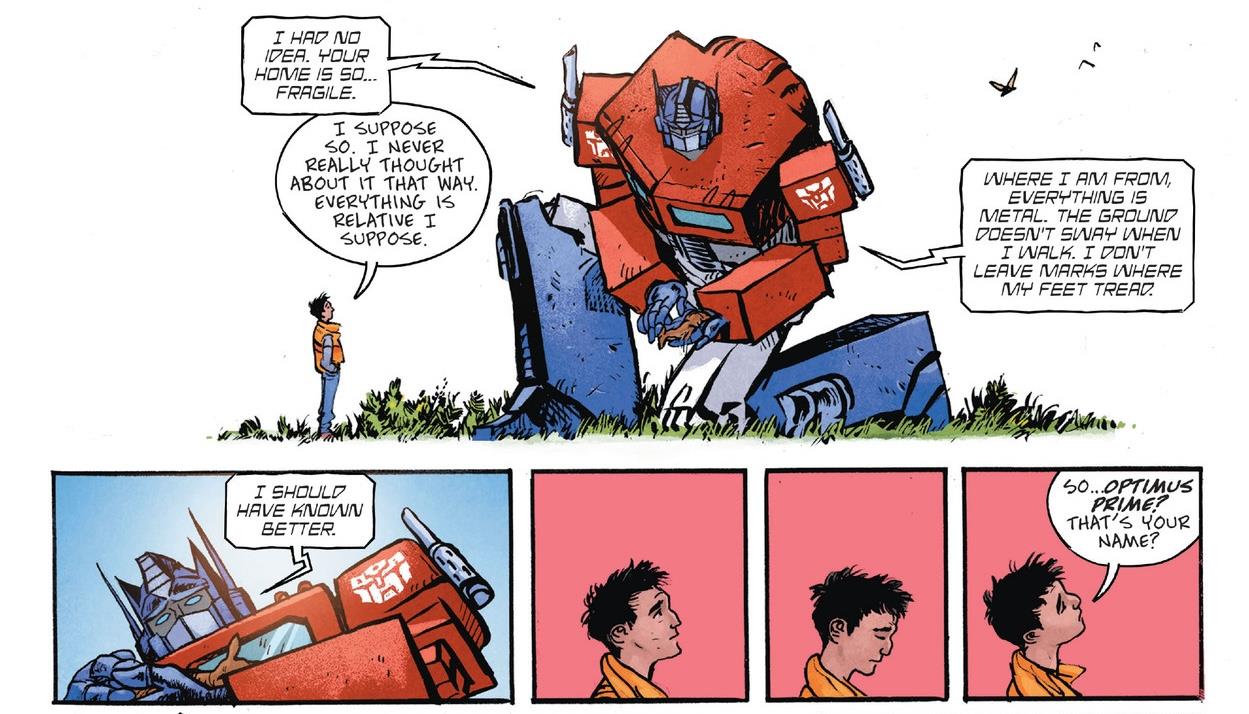
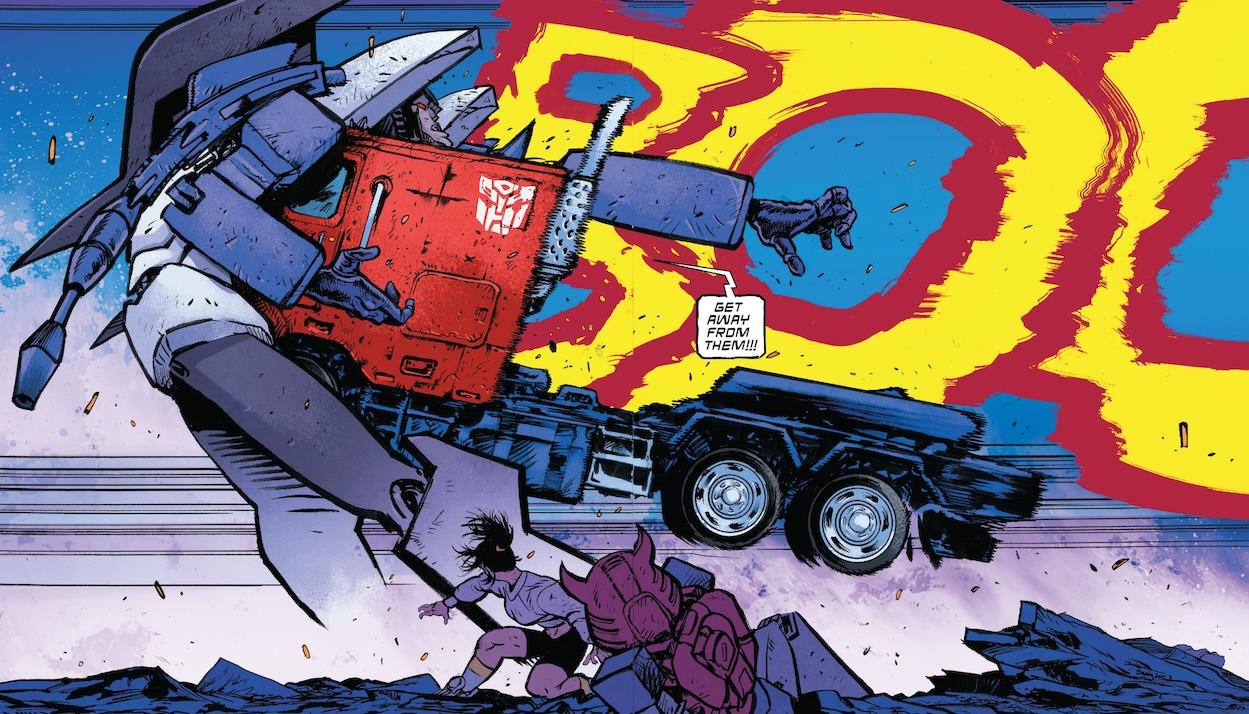
Skybound Entertainment’s stealth launch of an interconnected G.I. Joe/Transformers setting was one of the best-kept comic book secrets of 2023. What has become clear as the Energon Universe has rolled out, however, is that Transformers is among 2024’s best comics set in any interconnected brand universe.
Daniel Warren Johnson’s Transformers is a war comic where the tanks and planes can punch and kick and vertical suplex each other off of cliffs – and it’s some of the most beautiful action put on the page this year. There’s more of a sense of scale and weight in any given panel of Transformers than there is in the whole of a Michael Bay movie. And when it comes to implied motion in a static image, Johnson is simply one of the best in the business.
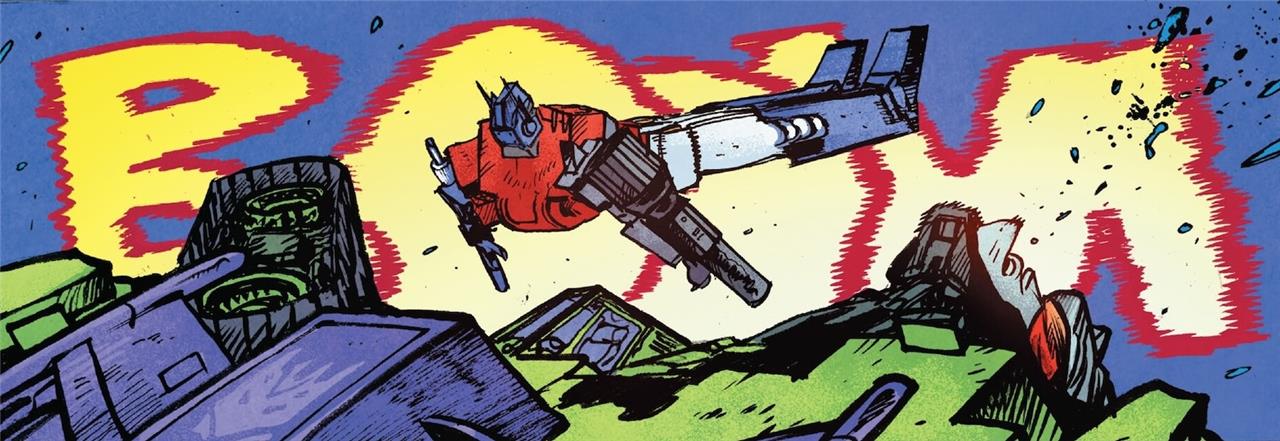
But for a book that’s 90% the wildest “giant robots that can turn into cars and planes” action you’ve ever seen, the stakes are as small and personal as the families of precocious teens Spike and Carly. The real miracle of Transformers is how Johnson keeps it all pinned to an emotional ground – and when the fights are so good, that’s saying something. –Susana Polo
Doom
Doom (2024) marks a significant chapter in Marvel’s universe, featuring Doctor Victor Von Doom as he ascends to unprecedented power as the Sorcerer Supreme and declares himself Emperor of the World, uniting all nations under a new global regime called United Latveria. This storyline explores Doom’s complex rule and the resistance he faces from Earth’s heroes, setting the stage for a major status quo shift across Marvel titles in 2025. The series combines epic cosmic stakes, including battles against Galactus, with political intrigue and Doom’s relentless ambition, making it a standout comic in 2024’s landscape.
By Sanford Greene, Jonathan Hickman, Rachellle Rosenberg, and Joe Caramanga

There is a tendency to overrepresent the contribution of writers in discussions about comics, especially when they loom as large as Jonathan Hickman. So it’s something that Doom doesn’t even open with his words, but with late rapper MF Doom’s. “Living on borrowed time/The clock ticks faster” begins the stand-alone one-shot, cribbing the opening bars of “Accordion,” a track off the era-defining album Madvillainy. It’s a good tone-setter: The writer, like the reader, is just along for the ride.
The wonderfully kinetic artist/writer Sanford Greene is the MC here, setting the stage for a story about the greatest villain in the Marvel Universe at the end of everything. This wouldn’t be the first story about Doctor Doom as the last man standing between a version of the Marvel Universe and a Galactus gone mad – but it is perhaps the most thrilling. Doom’s lean, mean script sets the stakes as big as they come, and then gets out of the way to let Sanford Greene absolutely rip, folding the character’s entire history into one cosmic battle. His linework is unrestrained chaos fitting the story’s scope, with Greene and colorist Rachelle Rosenberg rendering the end of the world in magenta and green.
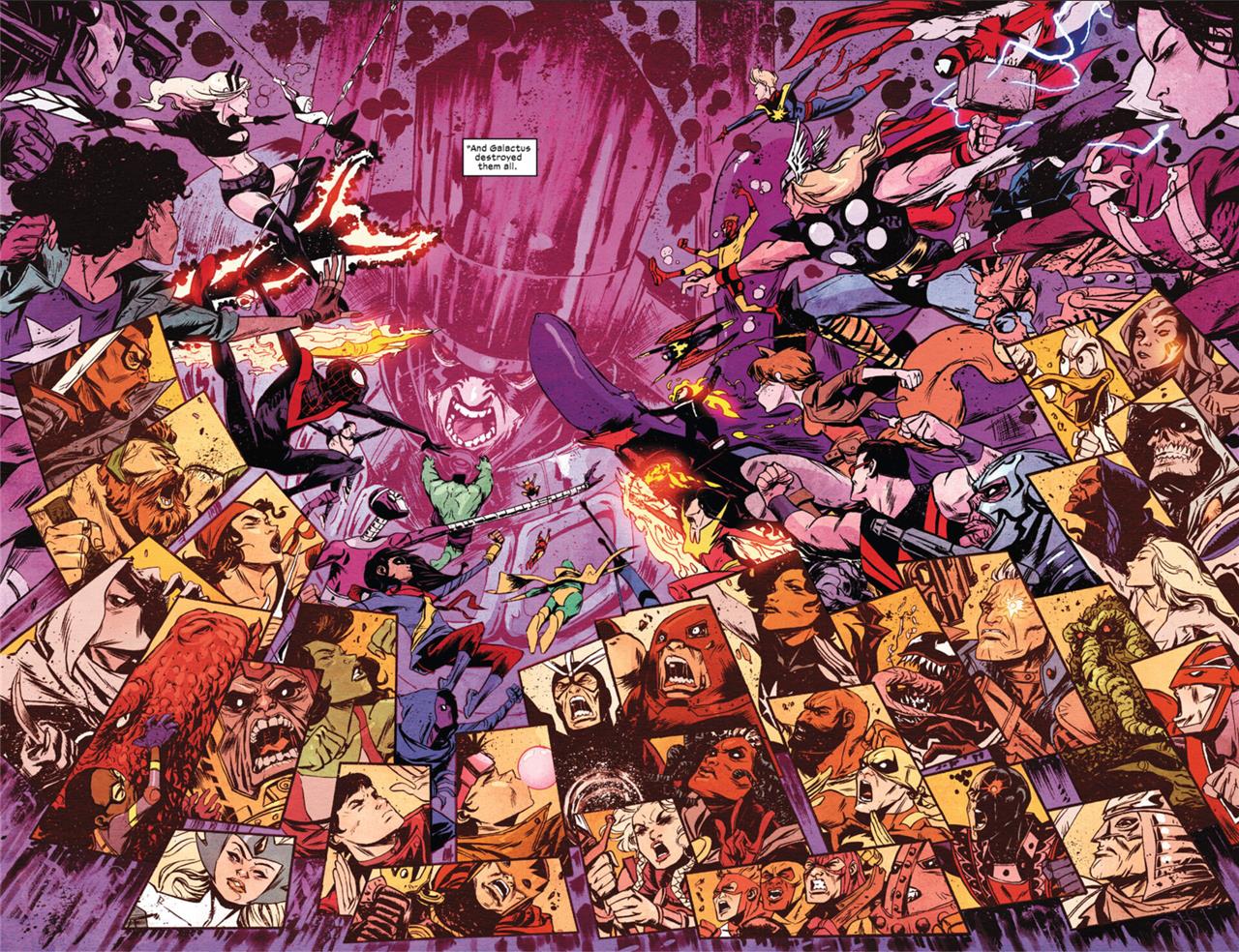
In a fallow era for American superhero comics, Doom is a goddamn meteor streaking across the sky, with metaphors made flesh wrestling above all of existence. The magic trick Greene and Hickman pull here is a very old one, when you think about it. Here it is, the bare minimum of what a good superhero comic should be, spun into one of the coolest damn books you can read. Straw spun into gold. –Joshua Rivera
My Favorite Thing Is Monsters Book Two
My Favorite Thing Is Monsters Book Two continues the haunting and beautifully illustrated journey begun in the first volume. This graphic novel masterfully blends mystery, horror, and coming-of-age themes, deepening its exploration of identity and empathy through the eyes of a young girl in 1960s Chicago. With its rich narrative and evocative artwork, it stands out as one of the most compelling and emotionally resonant comics of 2024.
By Emil Ferris
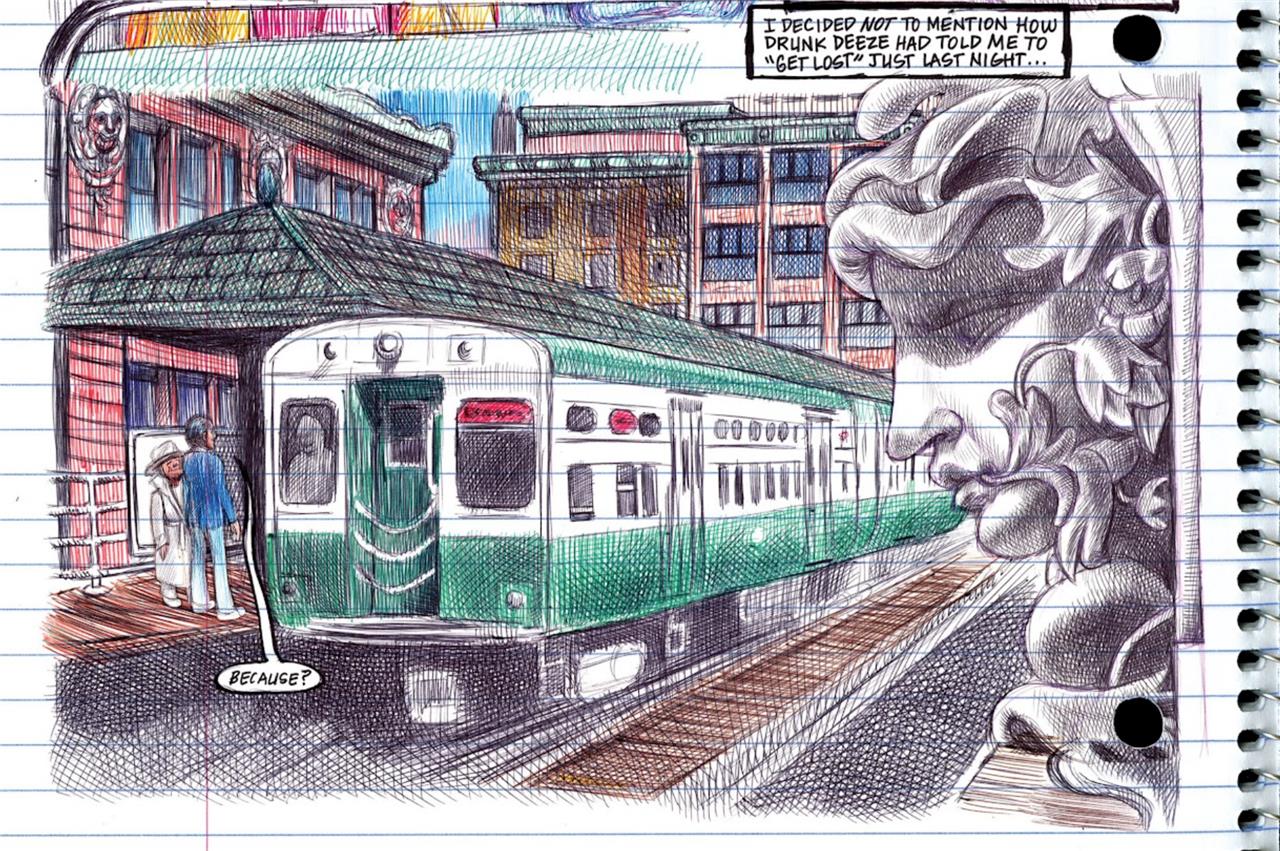

In 2017, Emil Ferris’ debut graphic novel, My Favorite Thing Is Monsters, exploded out of nowhere to become one of the most acclaimed books of the 2010s. Presented as the spiral notebooks of Karen Reyes, a precocious grade schooler who loves art and creature features, the comic was dazzling in its voice and density. Through Karen’s monster-obsessed eyes, Ferris gave readers a vivid ballpoint-pen portrait of ’60s Chicago and its sex workers, queer and BIPOC denizens, and related outcasts as Karen attempts to solve a murder and uncovers a family secret.
The first half of a two-volume work, My Favorite Thing Is Monsters spent seven years suspended on a cliffhanger as a dispute between Ferris and publisher Fantagraphics kept the fate of Book Two in limbo until now. Ferris’ struggle to publish this voluminous work has not been in vain – My Favorite Thing Is Monsters Book Two is as awe-inspiring a conclusion as its predecessor was an opening act.
Following the template set by the first volume, Karen’s journals depict a girl dealing with tumultuous change within and without, in parallel with the city around her. Under Karen’s pen, fictitious monsters are a comfort as she comes to grips with a life more perilous than she realized, one haunted by gangsters, crooked cops, and killers that threatens to swallow her and her older brother Diego alive. Answers to the questions posed in the first act elude her in the second – and the ones she does find are overwhelming.
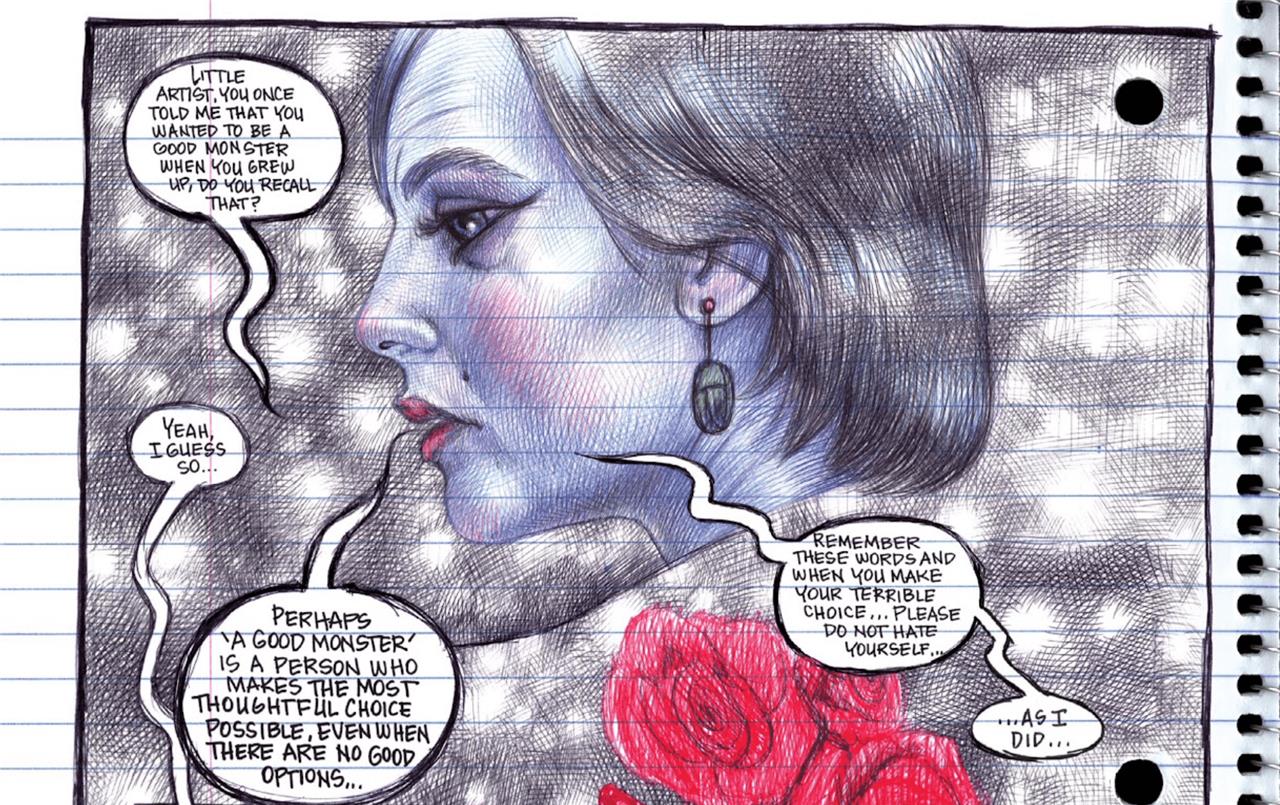
Ferris has done something incredible in these two volumes. She’s crafted a coming-of-age story like no other, a comic that considers the ways we have made monsters out of the innocent so monstrousness can run rampant, and funneled all through the pen of a 10-year-old unaware she’s experienced a lifetime of horror. She draws herself as a little werewolf to cope, but also maybe to inspire. There are good monsters and bad monsters, and it’s on us to decide which we’re going to be. -Joshua Rivera
Newburn
Newburn is a gripping ongoing comic series from Image Comics, created by Chip Zdarsky and Jacob Phillips. It follows Easton Newburn, a private detective with no loyalties, who navigates the dangerous underworld of rival crime factions, often making enemies along the way. The series kicks off with a murder mystery involving a man killed after stealing from his own mafia family, but with unexpected masterminds behind the hit. Known for its intense storytelling and complex characters, Newburn also features a backup story titled “Brooklyn Zirconia” by Nadia Shammas and Ziyed Yusuf Ayoub, adding depth to the narrative. With its blend of crime noir and sharp writing, Newburn stands out as one of the best comics to watch in 2024.
By Chip Zdarsky and Jacob Phillips
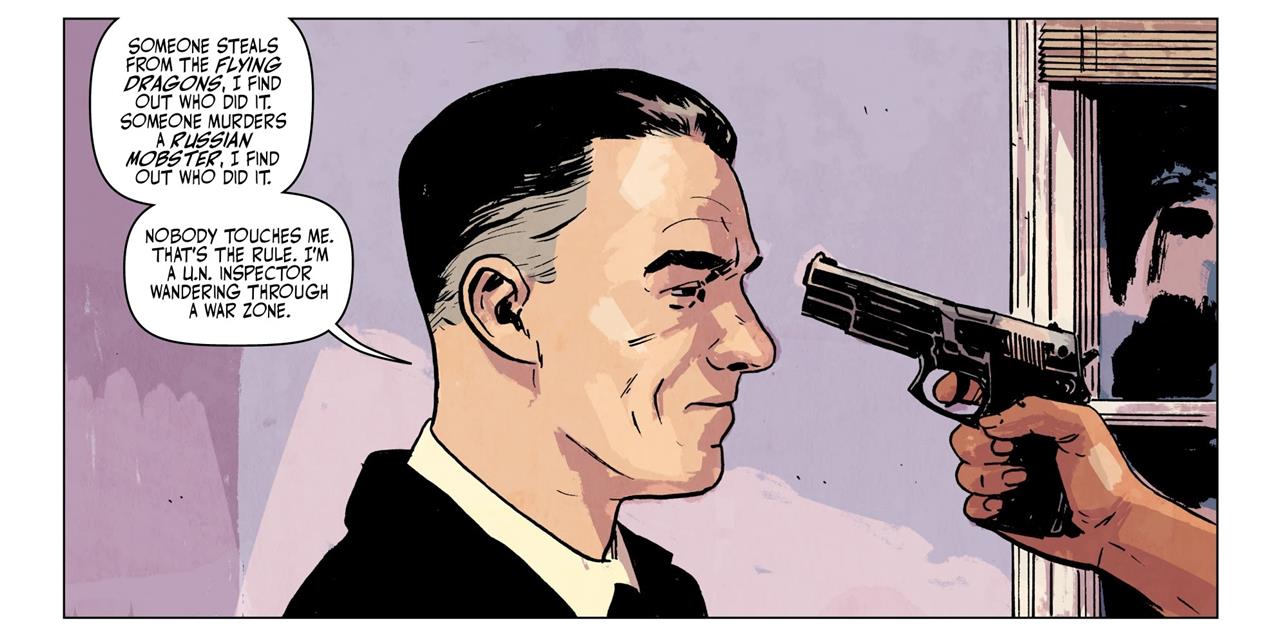
A crime drama lives or dies on its tone, and a detective series lives or dies on its hook – and Newburn, a modern noir crime drama with the structure of a detective series, lives quite well indeed.
Newburn’s tight two-volume story introduces Easton Newburn, private detective, as he takes on an apprentice partner. The twist is that Newburn doesn’t work for just anybody: He’s the neutral party that all of New York City’s organized crime families depend on to get to the real truth. Writer Chip Zdarsky spins up a cadre of murder mysteries where the answer is never just whodunit but “who’s gonna pay for it without throwing the city into gang war,” while artist Jacob Phillips’ understated colors and linework belie just how talented you have to be to make a book with this many conversations feel tense and dynamically staged.
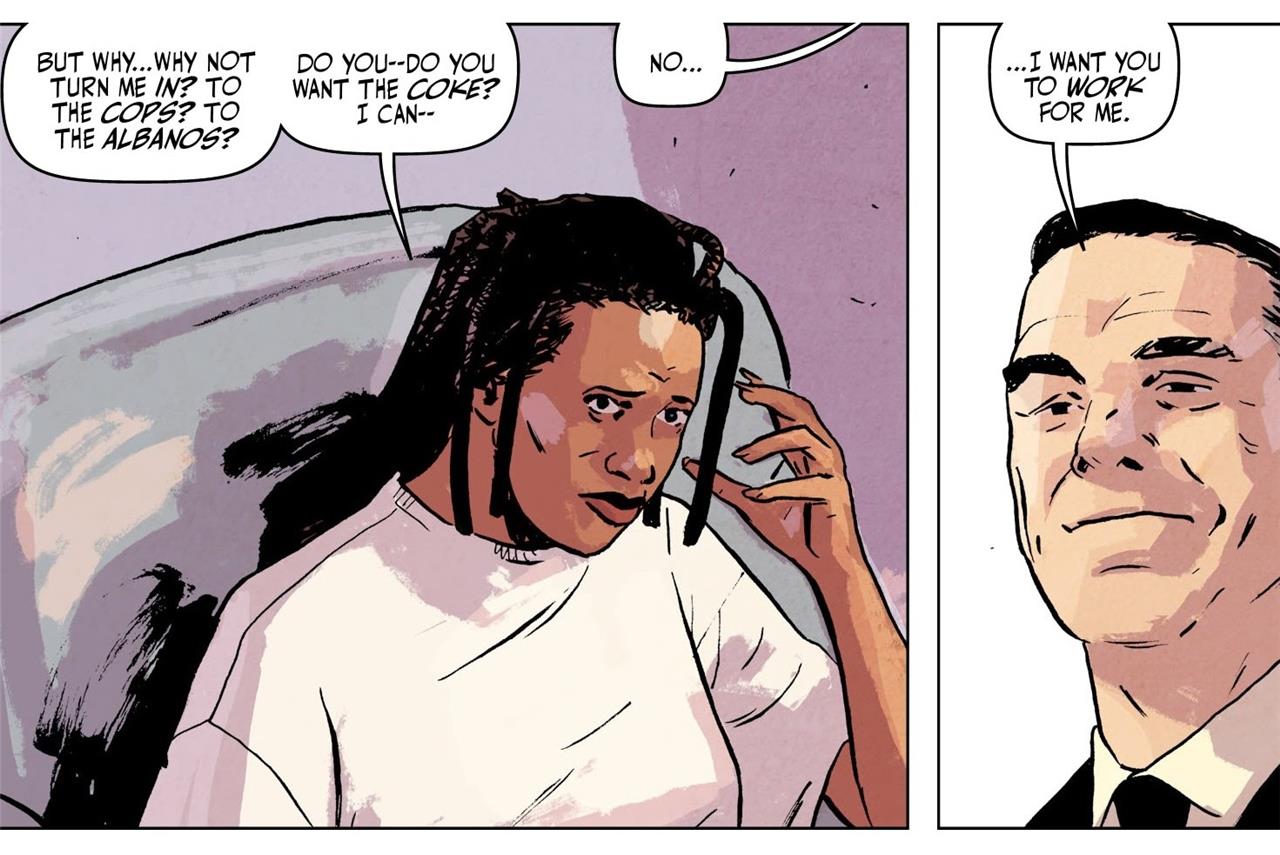
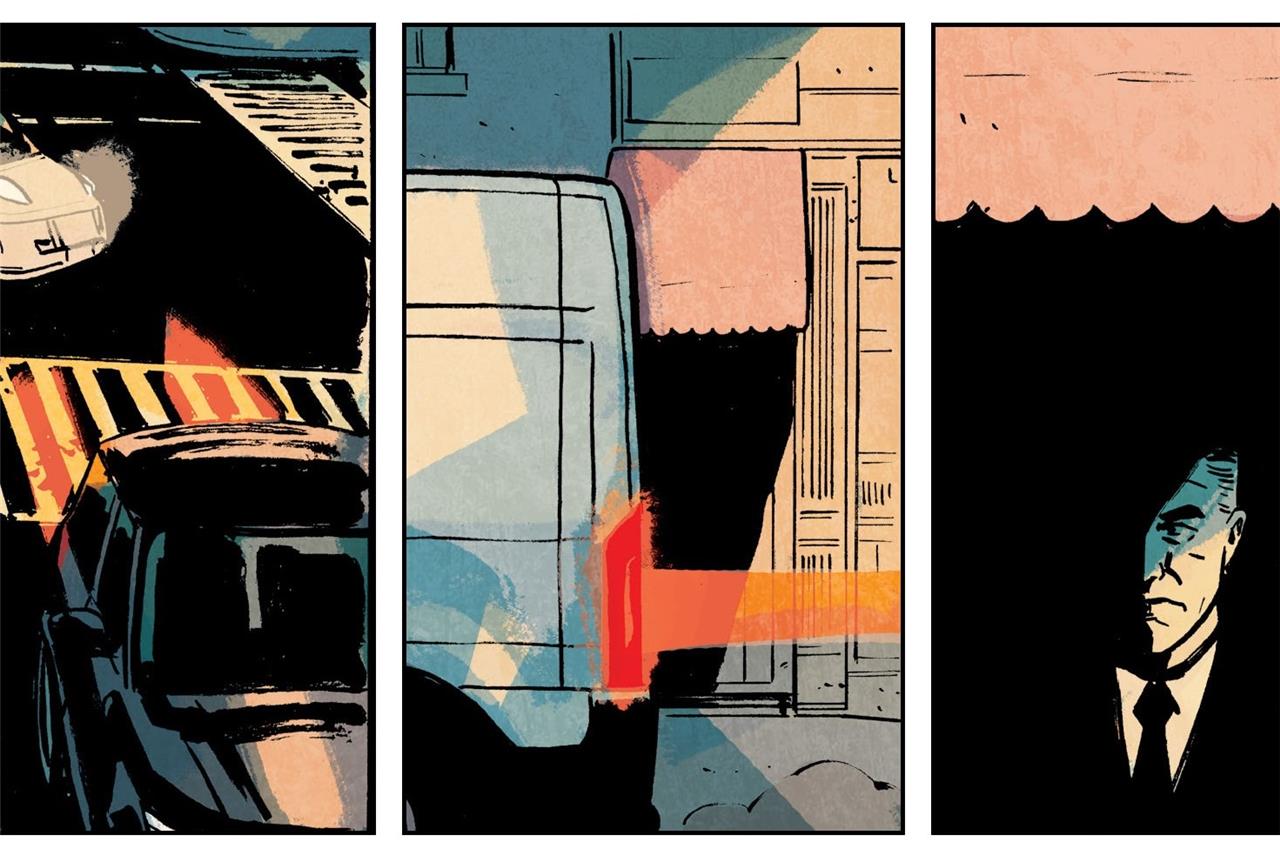
Newburn’s marriage of crime comics and the odd-couple detective duo slides easily into the most compelling questions of both genres: This detective is the best at what he does, but has he left his humanity behind him? And if these righteous people live so close to the unrighteous, how long until they topple over the brink? Or have they already? –Susana Polo
What We Wished For
As we look back on the comics that defined 2024, it’s clear that many of our hopes and expectations were not only met but exceeded. From groundbreaking storytelling and diverse characters to stunning artwork and innovative formats, this year’s best comics delivered exactly what fans wished for-and then some. Whether you sought thrilling adventures, heartfelt narratives, or fresh perspectives, 2024 proved to be a remarkable year for the medium, fulfilling the dreams of readers and creators alike.
By Ilias Kyriazis
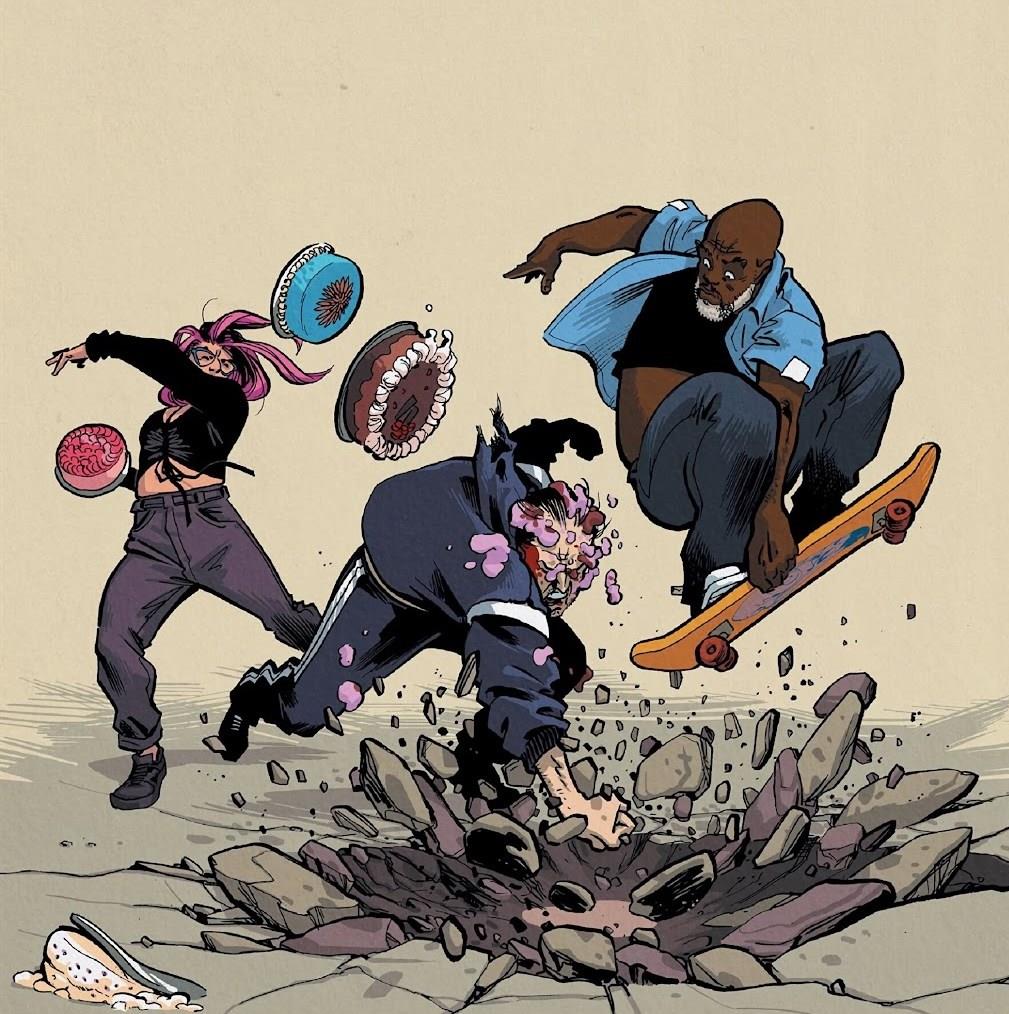
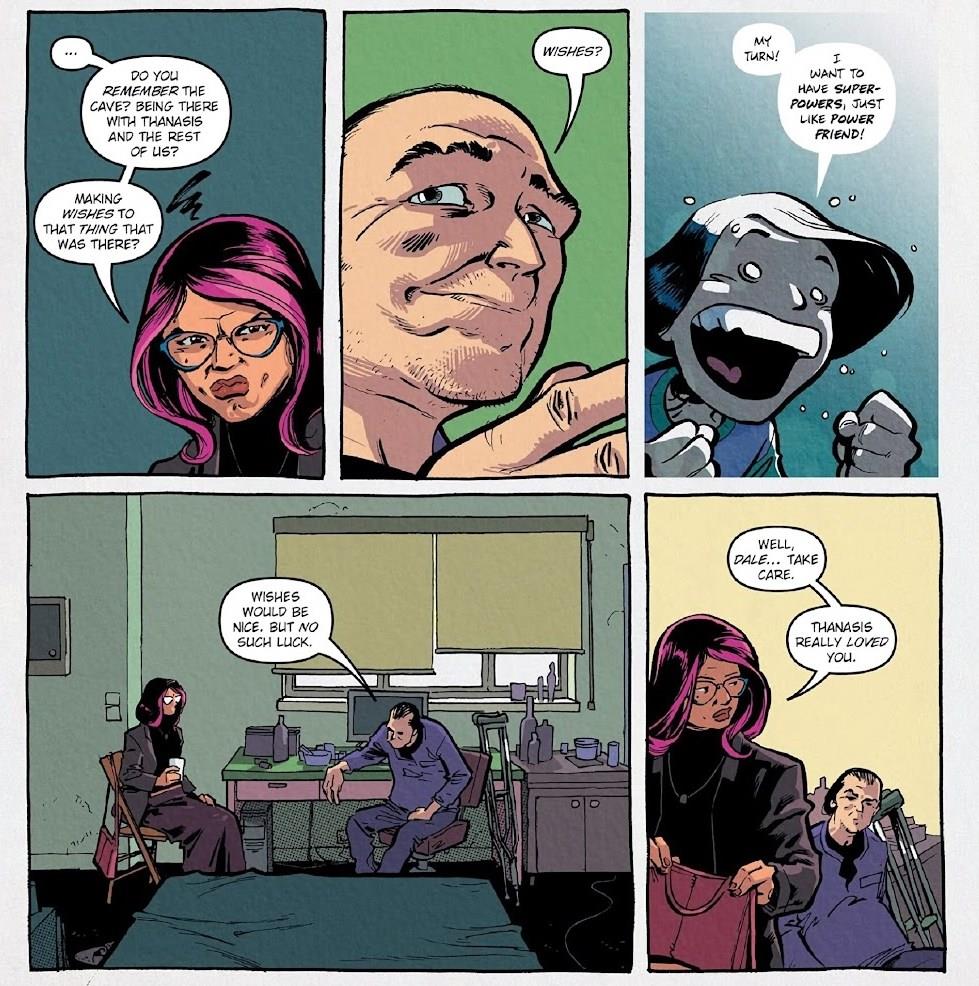
If you enjoyed Charles Soule and Ryan Browne’s Eight Billion Genies not just as a wild, engaging story but as an ambitious thought experiment about human nature, you’re likely to similarly enjoy What We Wished For. Ilias Kyriazis’ stand-alone fantasy approaches the idea of the magic wish from a different perspective, while still being an effective concept piece about human foibles. A group of kids encounter a supernatural being linked to a comet passing by Earth, and it offers them each a wish. They each blurt out an impulsive desire tied to recent events, but the comet passes by before those wishes can be fulfilled. When it returns to Earth, 38 years later, the kids suddenly get what they asked for in childhood.
There’s a dramatic, squirmy Stephen King bent (by way of Josh Trank’s Chronicle) to one boy’s wish for superpowers, and a dark humor in the girl who wished to be a boy (because one of the other boys wouldn’t let her play with them) growing up to be a virally popular men’s rights advocate whose perspective changes when she must live as a man. Other wishes ride the line between whimsical and ironic. But it all comes together as this group ponders the unexpected ways their lives developed even before their childhood wishes came true. The storytelling is exaggerated and a little wonky, which matches up nicely with Kyriazis’ expressive, sometimes cartoony art. It’s an invitation to think about what you most wanted as a 9-year-old, and what it would look like to have that wish fulfilled now. –Tasha Robinson
Delicious in Dungeon
Ryoko Kui’s Delicious in Dungeon stands out as one of 2024’s most celebrated comics, blending fantasy adventure with a unique culinary twist. The story follows a party of adventurers-Laios, Marcille, Chilchuck, and Senshi-as they journey through monster-filled dungeons, cooking and feasting on their foes while racing to save a lost comrade. The manga’s inventive premise, charming characters, and detailed food artistry have earned it widespread acclaim, further boosted by the hit anime adaptation from Studio Trigger that premiered on Netflix in January 2024. With the complete 14-volume box set releasing this year and a second anime season confirmed, Delicious in Dungeon has cemented its place as a must-read for both fantasy and food manga fans.
By Ryoko Kui
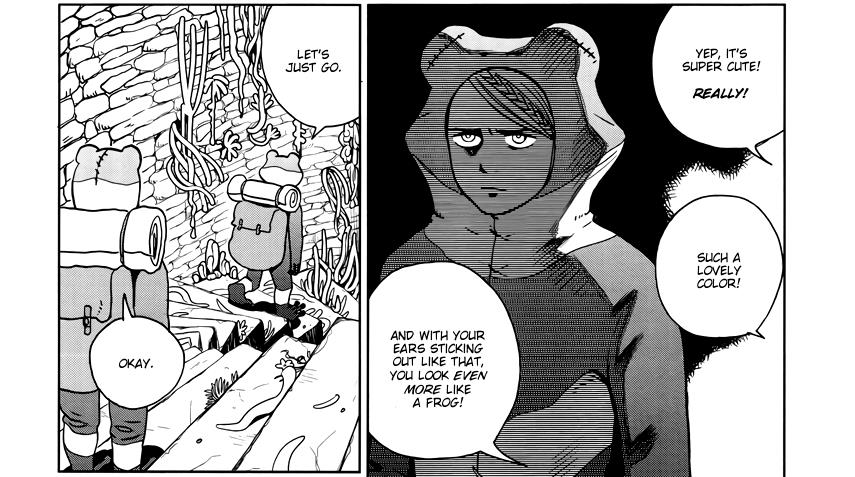
There is no back-of-the-book summary of Delicious in Dungeon that can do justice to the manga, which wrapped its 10-year run in 2023 and released its final volume for English-speaking readers this July. Nominally, it’s a fantasy cooking manga about a group of dungeon crawlers who are short on funds and resort to cooking the monsters they kill into nutritionally sound gourmet meals.
And while mangaka Ryoko Kui doggedly, hilariously, heroically maintained that format for the entire comic, Delicious in Dungeon has always been about so much more: Cooking as an aspect of love and community, and eating as an aspect of consumption and death. Kui’s characters find serene answers to horrific questions – What is the difference between me and a monster? What is the difference between flesh and meat? – and horrific consequences to serene situations: This wizard conquered death for his loved ones, this warrior has divested himself of all desires, these friends succeeded in bringing their dead loved one back to life. Yay! Yay?
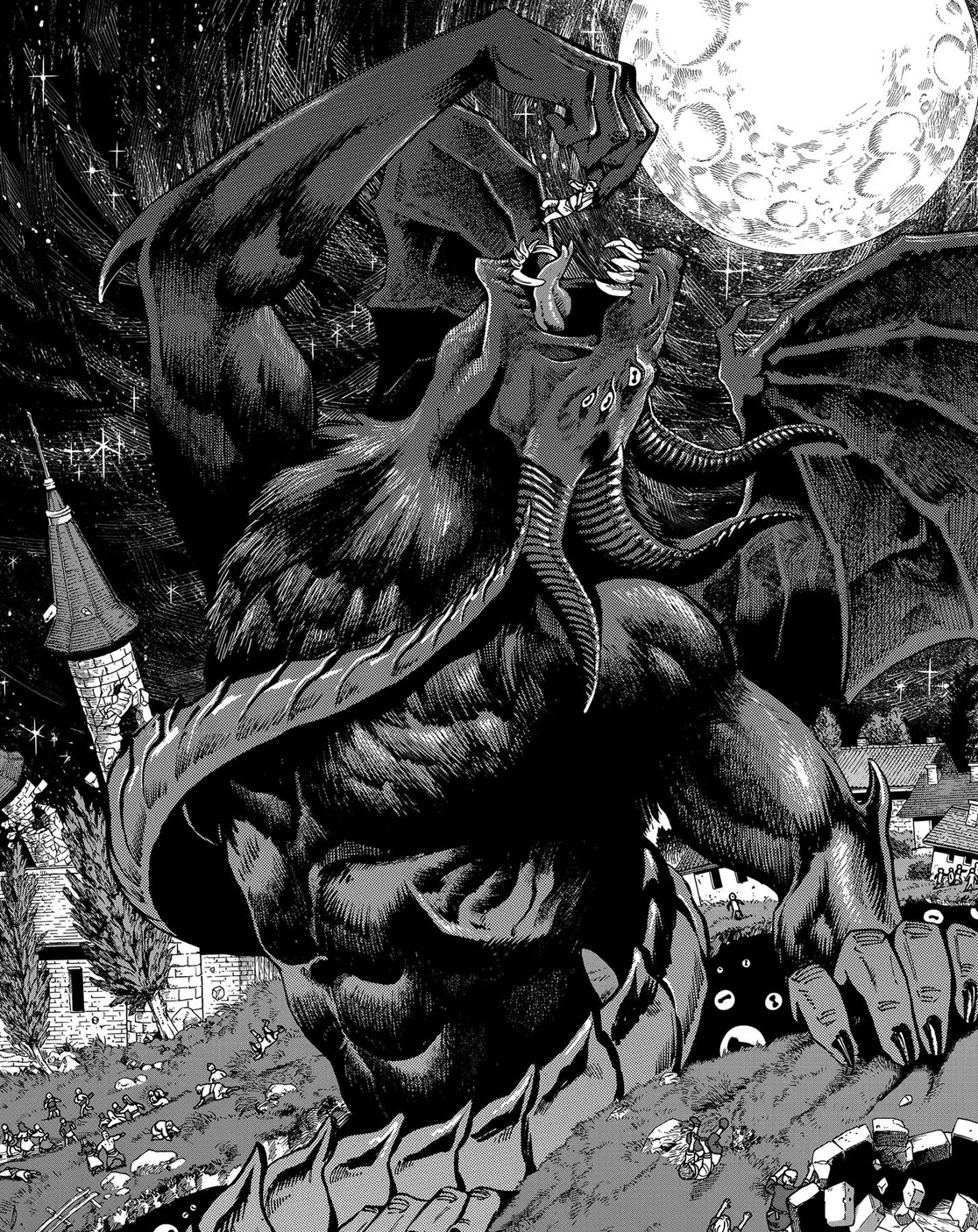
For a decade, Kui has expertly navigated these tonal shifts on a boat built of her preposterously expressive character designs and an astonishingly intricate and well-put setting. Delicious in Dungeon’s world-building is so interwoven with its expansive cast of characters as to stand proudly alongside any of the classic fantasy settings it exists in reference to. Also, it’s got some of the best slapstick comedy you will find in any medium right now.
The miracle of Delicious in Dungeon is the same mundane one as a great meal: Many tastes you wouldn’t expect to go together, prepared with skill, to profound and nourishing result. –Susana Polo
Dawnrunner
Dawnrunner is a standout sci-fi adventure from 2024, crafted by writer Ram V and artist Evan Cagle. Set a century after a portal opened over Central America unleashing monstrous Tetza, humanity fights for survival using giant mechs known as Iron Kings. The story follows star pilot Anita Marr, who is chosen to pilot a revolutionary new prototype mech, Dawnrunner, which could turn the tide in the ongoing gladiatorial battles against the Tetza. With its blend of thrilling mech combat, deep emotional storytelling, and striking art, Dawnrunner has earned acclaim as one of the best comics of the year, praised for its poetic narrative and powerful visuals.
By Ram V and Evan Cagle
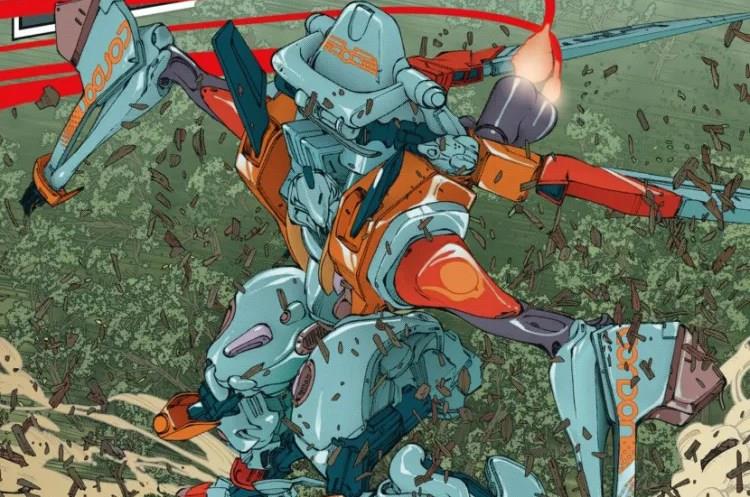
Giant robots have always been a big thing for me, pun intended. My love for humanoid mechs is matched only by love for exquisite linework, heady speculative world-building, and grandiose setups. So when I first caught wind that Ram V, the author of Grafity’s Wall and Blue in Green, was working on an original mecha kaiju comic with Evan Cagle, one of my favorite working illustrators, I was over the moon with anticipation. Dawnrunner lived up to that hype and then some, delivering a thoroughly imagined universe packed with finely tuned mechs, scrupulous detailed monstrosities, and heart-wrenching drama.
Set a century in the future, humanity is locked in an existential battle for survival against the Tetza, colossal creatures who have been pouring out en masse through an extradimensional rift located over Central America. With the remaining nations of the world having long been dissolved into competing arms manufacturers racing to develop a weapon capable of defeating this threat, the remnants of civilization have turned to the Iron Kings – giant mechs driven by pilots known as jockeys – as their first and last resort.

When Anita Marr, the star jockey of the Cordonware corporation, embarks on her maiden voyage aboard the company’s experimental prototype, Dawnrunner, something goes wrong. As Anita fights for her life, she’ll have to grow to understand her strange, newfound relationship with this powerful new weapon if she’s to have any hope of securing humanity’s survival. Bursting with elegantly rendered character design, beautiful colors, and exhilarating action that melds Japanese manga with bande dessinée flair, Dawnrunner is a terrific sci-fi saga about humans and machines coming together to fight for a better future. –Toussaint Egan
Which comic of 2024 surprises me the most with its creativity
The comic that surprises the most with its creativity in 2024 is I Heart Skull-Crusher by Josie Campbell, Alessio Zonno, Angel De Santiago, and Jim Campbell. It uniquely blends the chaotic energy of manga styles with a darkly violent, fictional sport called Painball, injecting humor and charm through a delightfully unconventional cast, including a goalie who is an actual bear named David. This comic stands out for its deliriously infectious confidence and inventive mix of influences like Fullmetal Alchemist, Slam Dunk, and Mad Max, making it a fresh and wildly imaginative read that captivates with wit and originality.
What unique storytelling techniques in ’I Heart Skull-Crusher’ amazed me in 2024
Unique Storytelling Techniques in I Heart Skull-Crusher That Amazed in 2024
Inventive Worldbuilding and Sport Creation
-
The comic introduces a wholly original, post-apocalyptic world where the violent sport “Screaming Pain Ball” is central to society. The creators layer this brand-new sport on top of a unique world, making the setting and its rules feel both wild and lived-in.
Energetic, Kinetic Visual Storytelling
-
Action and competition scenes are rendered with a kinetic energy and expressive character acting that heighten the stakes and excitement, using manga-inspired layouts and dynamic paneling to keep the pace fast and immersive.
Bold Embrace of Tropes and Absurdity
-
The series leans into sports and post-apocalyptic tropes to their most exaggerated, wacky extremes, resulting in a narrative that is both familiar and refreshingly unpredictable. Character introductions are presented with dramatic title cards and stats, parodying and celebrating genre conventions.
Chaotic, Character-Driven Humor
-
Humor is woven throughout, from the ragtag team lineup (including a mutant bear-man goalie) to madcap plot developments like kidnapping the coach and chaining him to a truck. The comic’s tone is delightfully chaotic, balancing dark comedy with genuine underdog spirit.
Surreal Internal Monologues and Visual Gags
-
The protagonist Trini’s innermost thoughts and daydreams are illustrated directly on the page, such as a whimsical wedding cutaway, blending her emotional journey with visual comedy in a way that’s both sweet and hilarious.
Calvinball-Style Rule Explanations
-
The rules of Screaming Pain Ball are explained in a deliberately nonsensical, rambling fashion, echoing the playful chaos of “Calvinball” and highlighting the comic’s irreverent approach to worldbuilding.
Constant Surprises and Unpredictability
-
Each issue introduces unexpected twists, new outrageous characters, and unpredictable mayhem, ensuring readers never know what insanity will pop up next.
These techniques combine to create a comic that is not just fun and fast-paced, but also genuinely inventive in how it tells its story and engages the reader.
