
Step into the vibrant world of 2024’s indie game scene, where innovation meets artistry across every platform from Nintendo to PC and PlayStation to Xbox. This year’s best indie games deliver everything from mind-bending roguelikes and heartfelt narratives to quirky comedies and Metroidvania masterpieces, proving once again that the smallest studios often craft the most unforgettable experiences. Whether you crave intense combat, relaxing puzzles, or laugh-out-loud adventures, our curated list reveals the must-play gems that defined gaming in 2024.
Throughout 2024, we played all sorts of indie games to put together a list of the year’s must-play experiences: Everything from Metroidvanias like Tales of Kenzera: Zau, which is an action-adventure that takes on grief, to Balatro, a wacky take on poker that’ll keep you convincing yourself you’ll only play one more round.
An indie game can be in any genre, but must be made by an independent studio. Some of the games on this list may have financial backing or other support from a big-name publisher, despite being technically independent.
Below, find our coverage of the best indie games of the year.
-

Dec 1, 2024
Russ Frushtick
Behold an FPS Breath of the Wild with a hoverboard
Soaring across vast landscapes on a hoverboard, this indie FPS evokes the sense of freedom and discovery that made Breath of the Wild a phenomenon-only now, you’re wielding a blaster and carving through the air at breakneck speeds. The game’s open world is brimming with secrets, verticality, and emergent encounters, blending high-octane combat with exploration that rewards curiosity. It’s a bold, genre-blending adventure that captures the thrill of traversal and the wonder of an untamed world, all from a fresh first-person perspective.
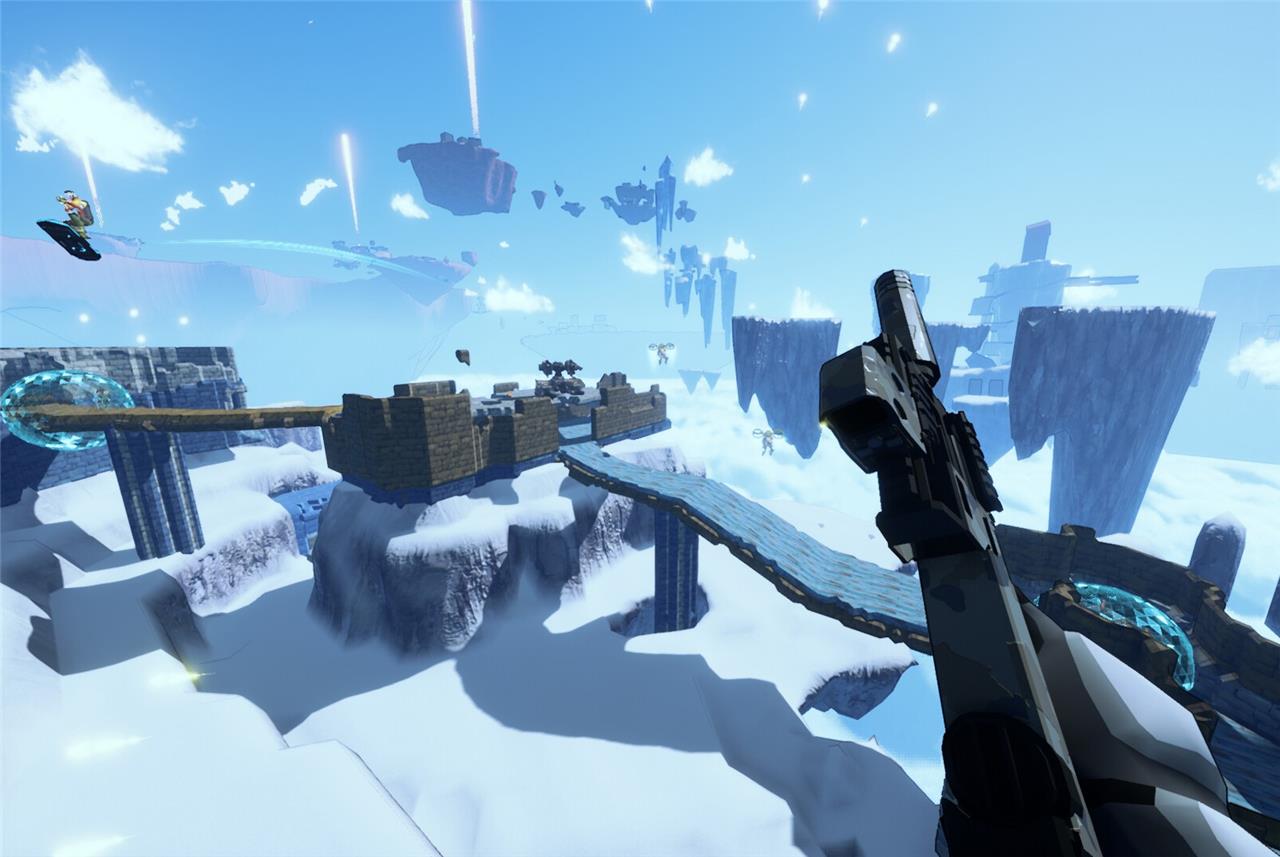
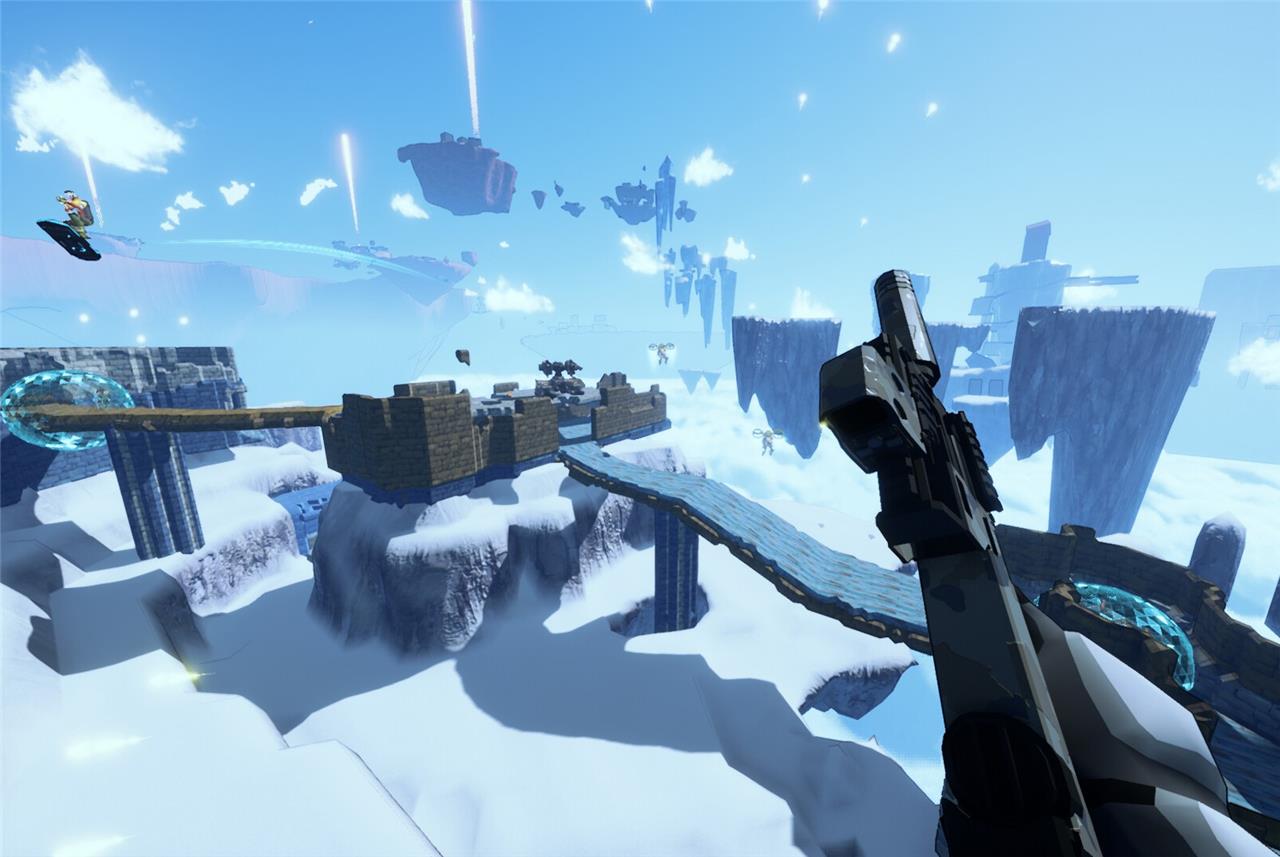
If you’re looking for restraint, you will not find it in Echo Point Nova. Within the first 30 minutes of the game, you’ll find yourself equipped with a hoverboard capable of climbing any vertical surface, a grappling hook that can latch onto clouds, and a triple jump. This game does not hold back the goods.
Echo Point Nova is an open-world FPS that offers nearly total freedom. Once you’ve got your basic loadout, you’re free to explore the enormous map of hundreds of floating islands and enemy bases. There is a story, delivered via in-world text popups, but you’ll likely miss much of it as you’re soaring over an ice mountain trying to dive-bomb a giant robot. It is an untethered power fantasy.
Read Article >
-

Nov 28, 2024
Cass Marshall
Threshold is a secret-stuffed horror game about the shittiest job
Threshold is a secret-stuffed psychological horror game that plunges players into one of the most stressful and monotonous jobs imaginable: maintaining a mountain-top train border post under harsh conditions. As a government employee, you must regulate the speed of a passing train using a whistle, all while managing a scarce oxygen supply that forces you to bite into glass canisters, causing physical harm. The game’s unsettling atmosphere is heightened by minimalist graphics, cryptic storytelling, and the eerie presence of your silent colleague Mo, who guides you through this grim and mysterious shift. With its short but immersive gameplay, Threshold explores themes of wilful ignorance, expendable labor, and the toll of a seemingly meaningless yet vital job, making it a standout indie horror experience of 2024.
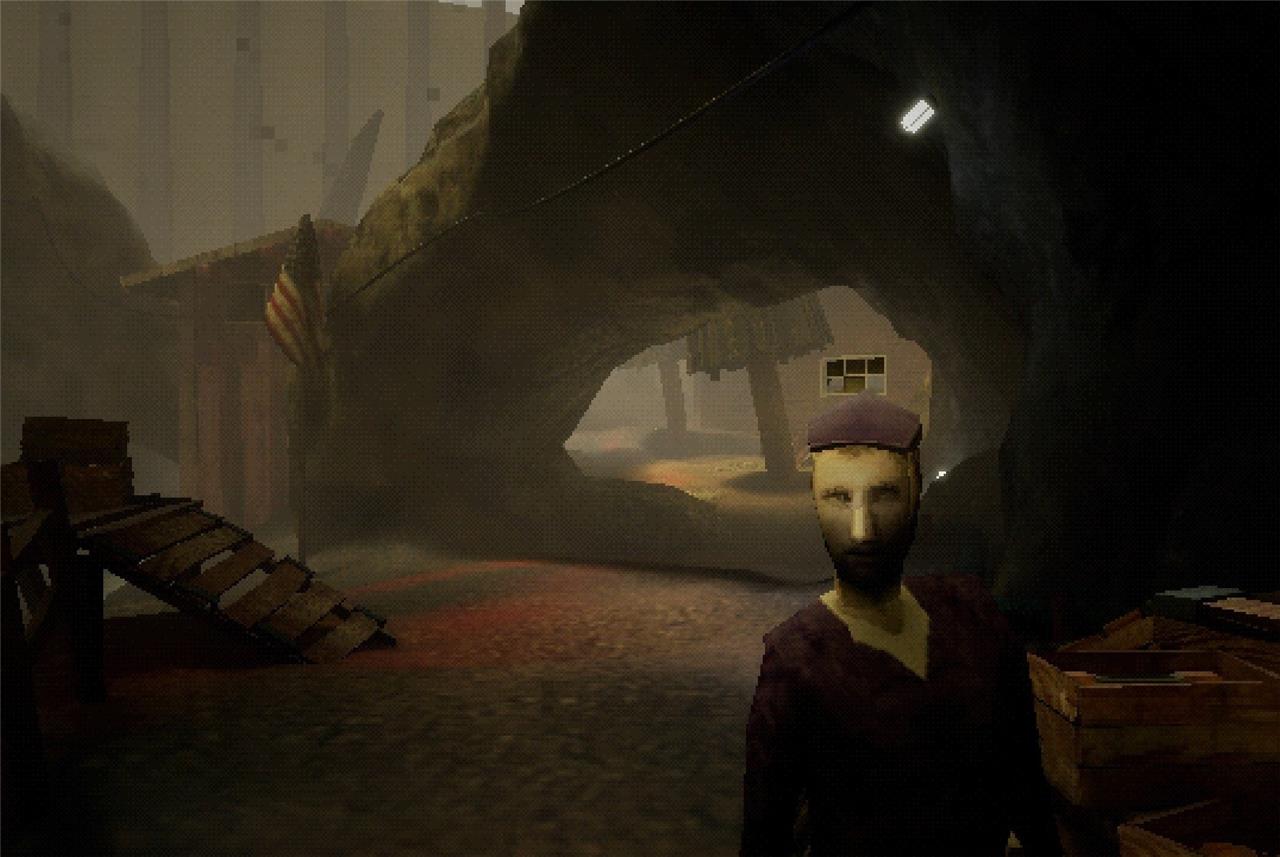

One of the most inspiring things about humanity is that no matter where we end up, we can find a way to thrive. Take, for instance, the setting of Threshold, an indie game by a developer who previously worked on Deathloop and Dishonored. Threshold takes place on the peak of a high mountain, where you play as someone embarking on one of the most stressful maintenance gigs available. I watch the trains go by, and make sure that they run on time. The air is so thin, I often struggle and choke my way through a shift. My predecessor is buried nearby, and my co-worker is just relieved that someone is there to share the burden.
There’s a country-based difficulty system, or at least the Steam page advertises one. I chose Canada, and the game begins with an ominous display of my home country and flag. I load into my little worker’s room and spot a shirt that says “I love Ottawa.” As a proud Torontonian, I frown. This game is already insulting me. This is true psychological horror.
Read Article >
-

Nov 22, 2024
Nicole Carpenter
Fields of Mistria’s days are still short, but its first major update helps
Fields of Mistria’s days may still be short in its early access phase, but its first major update significantly enriches the experience. The version 0.12.0 patch introduces a wealth of new content, including expanded romance options with increased heart level caps, the ability to ride mounts after repairing Hayden’s barn, new skills and skill perks, and fresh events like the Shooting Star Festival. Additionally, new monsters and cosmetic items have been added, alongside quality-of-life improvements and bug fixes. These enhancements deepen the gameplay and promise ongoing support, making Fields of Mistria an even more cozy and adventurous indie game to enjoy in 2024.
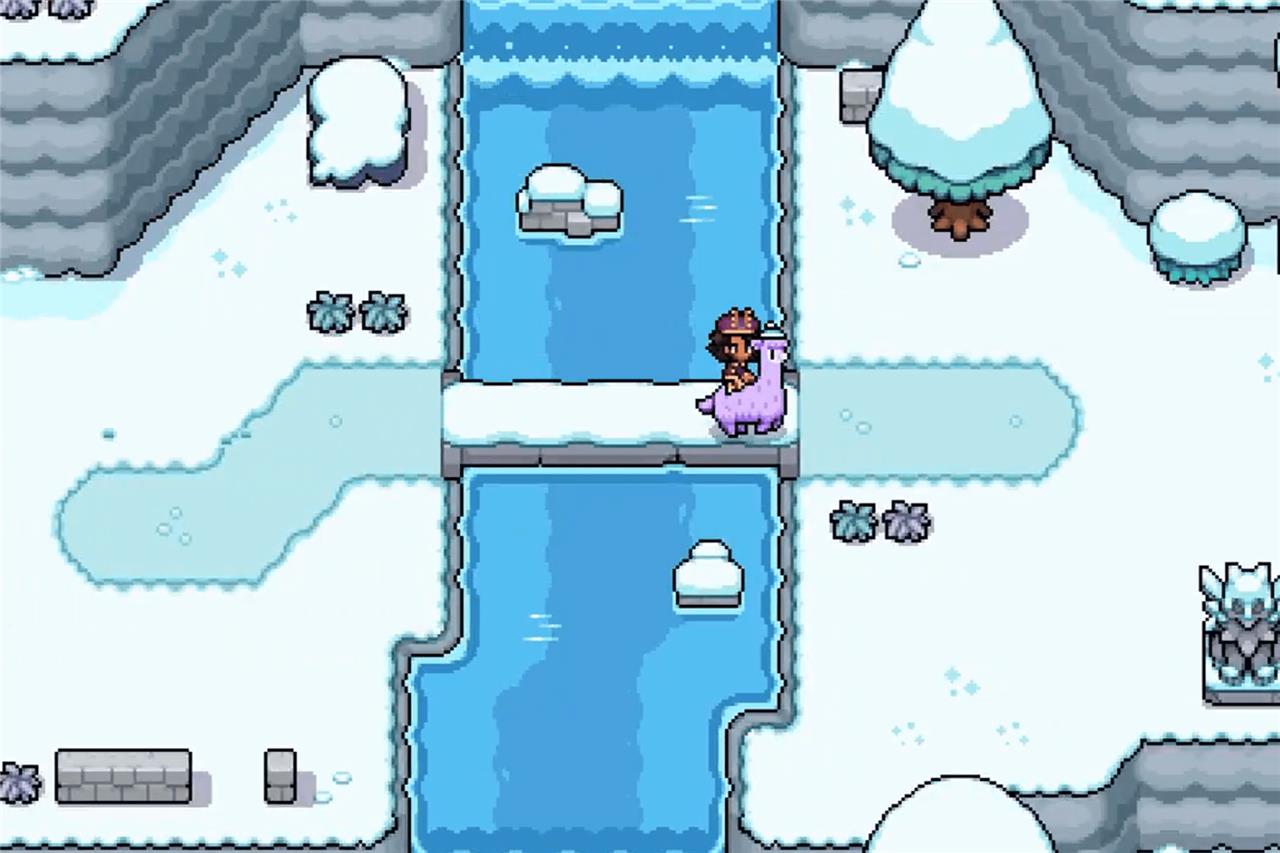
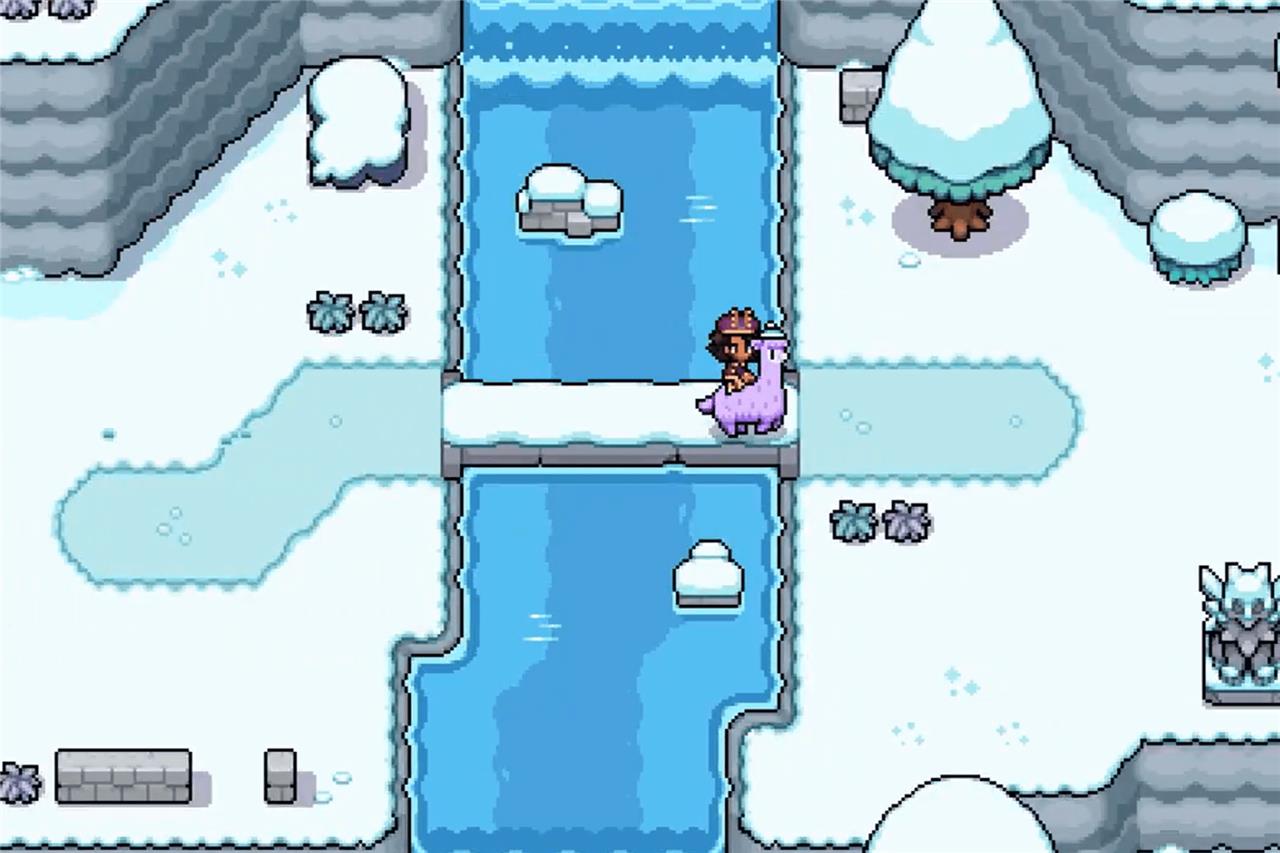
Fields of Mistria’s one big problem is that its day cycle is really quick – time moves fast, and before you know it, it’s 2 a.m. and you’ve passed out in the mines. The big new update released on Nov. 18 doesn’t adjust the cycle at all, but it has one new feature that I’ve found pretty helpful: animal mounts. If you’ve met certain requirements, you’ll be able to unlock a purple horse called Mistmare.
After a windstorm, Hayden will ask for help in finding his weathervane, and while you look for it, you’ll stumble on a new statue. That’s where you’ll unlock Mistmare for 100 essence. There are customization options that’ll come later, but the benefits of Mistmare are immediate. She’s a horse, and horses are faster than humans. You can ride her anywhere outside, which is wildly helpful for getting around Fields of Mistria’s big map more quickly. Again, it doesn’t solve the game’s problem with short days, but I’ve found myself passing out much, much less when I stay too late in the mines; I just jump on Mistmare and rush back to the comforts of my own bed instead of crawling through Mistria at a walking speed that feels like a glacier’s pace when you’re racing the clock.
Read Article >
-

Nov 18, 2024
Nicole Carpenter
Neva, the follow-up to Gris, is devastatingly beautiful
Neva, the follow-up to the critically acclaimed Gris, is a devastatingly beautiful indie game that captivates with its emotionally charged story and stunning visuals. Developed by Nomada Studio, Neva tells the poignant tale of Alba, a young woman bound to a curious wolf cub, as they journey through a world slowly consumed by darkness. The game’s watercolor-inspired art style, fluid animation, and masterful use of color create a breathtaking experience that rivals its predecessor while introducing a more straightforward but deeply affecting gameplay. With its heartfelt narrative about growth, love, and survival, Neva stands out as one of the most visually striking and emotionally resonant games of 2024.
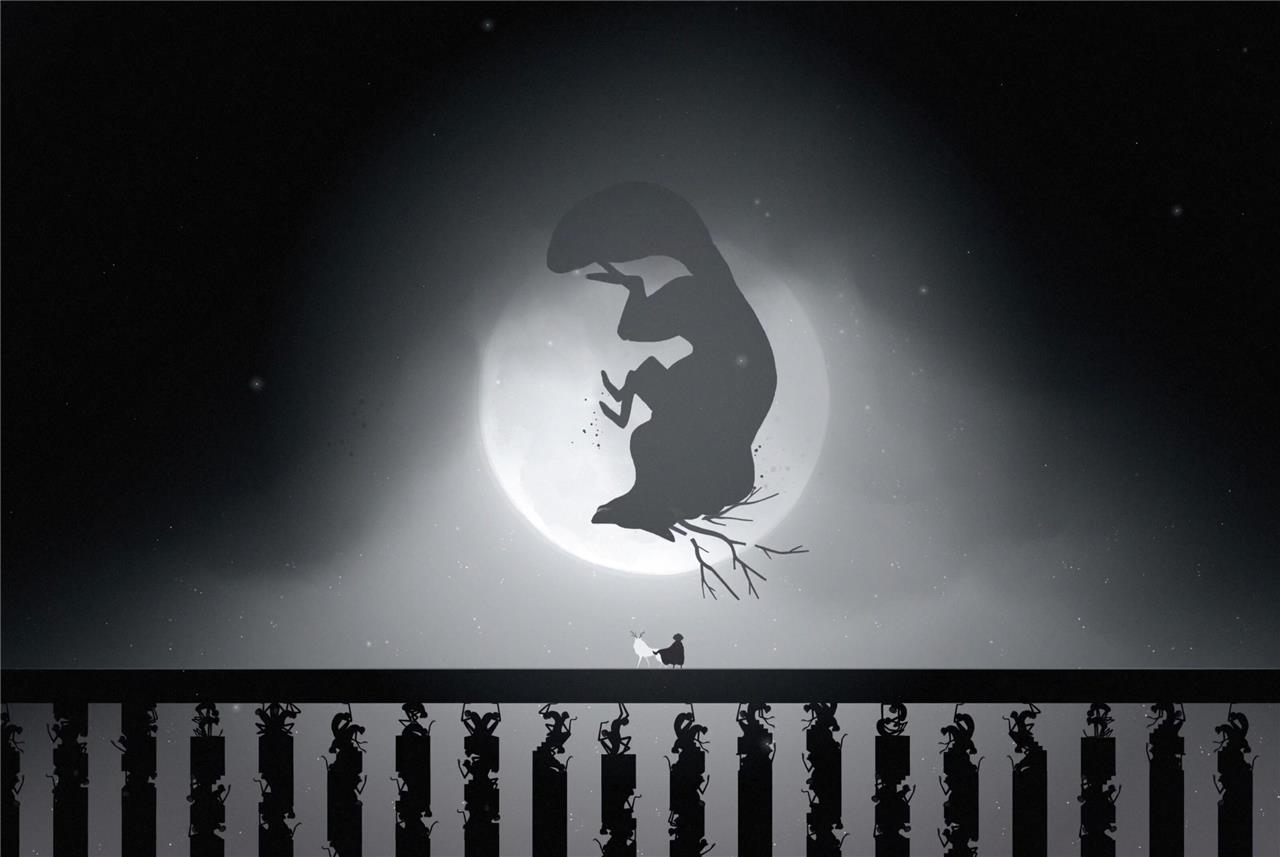
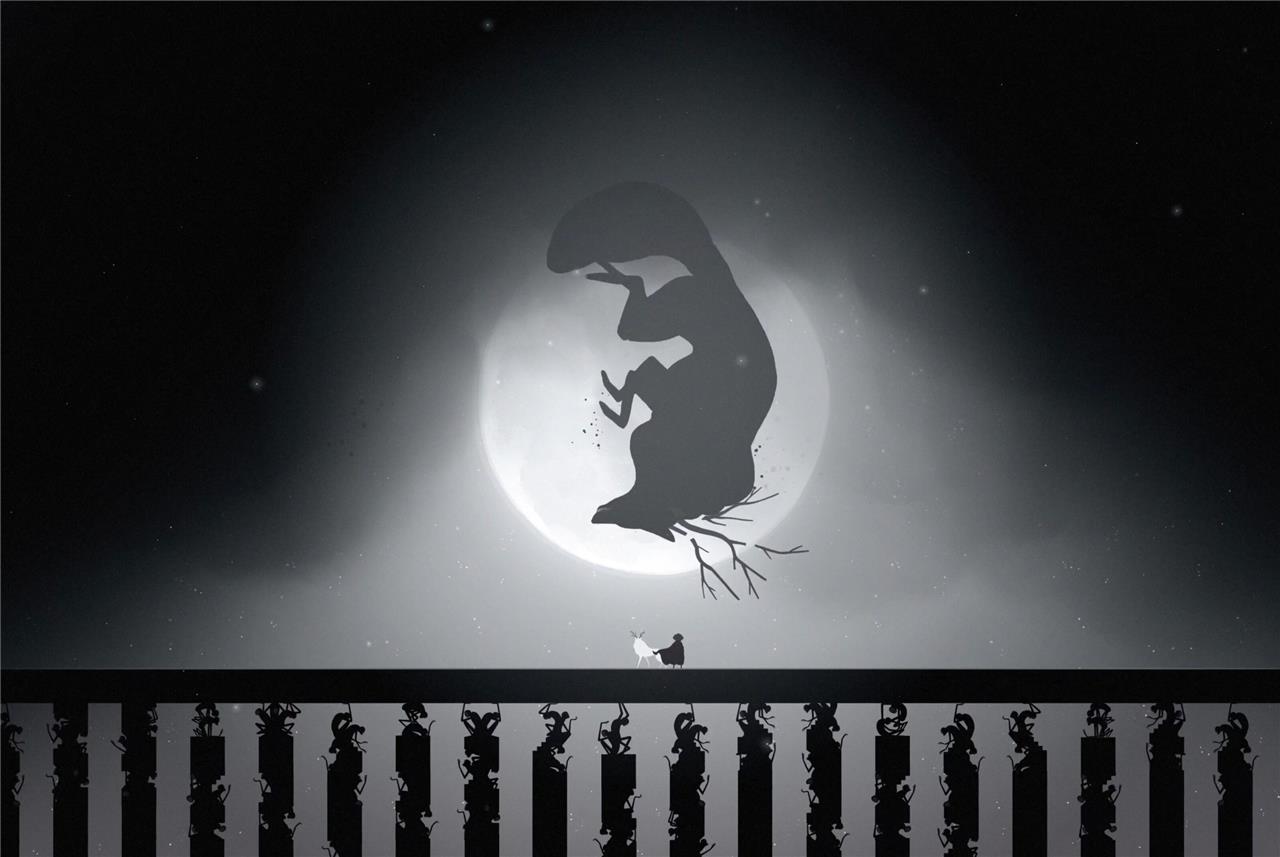
This review was published upon Neva’s release in October, but we’re updating it upon its three Game Awards nominations, including Best Indie Game.
I am not a woman with a sword, and I don’t live in a soft, watercolor world that’s quickly being overcome by dark, spindly shadows. But I feel like I do. Most days are a fight as I slash back at the abyss that threatens to overwhelm; I have a lot more in common, right now, with Neva’s striking human character Alba than I expected.
Read Article >
-

Nov 18, 2024
Grayson Morley
Balatro cast a magic spell that made me like math
Balatro casts a magic spell that made me like math by transforming what could be a dry exercise in numbers into an engaging and strategic roguelike deck-builder. The game’s core mechanic revolves around playing poker hands to reach point targets, but it’s the clever use of jokers-special modifiers that multiply and add to your scores-that turns simple addition and multiplication into a thrilling puzzle of optimization and experimentation. Unlike many games that hide their calculations, Balatro proudly shows its math, making the process of scoring hands both transparent and satisfying. This approach not only makes math accessible but also deeply enjoyable, as players find themselves eager to experiment with different combinations to maximize their scores and progress through increasingly challenging rounds.
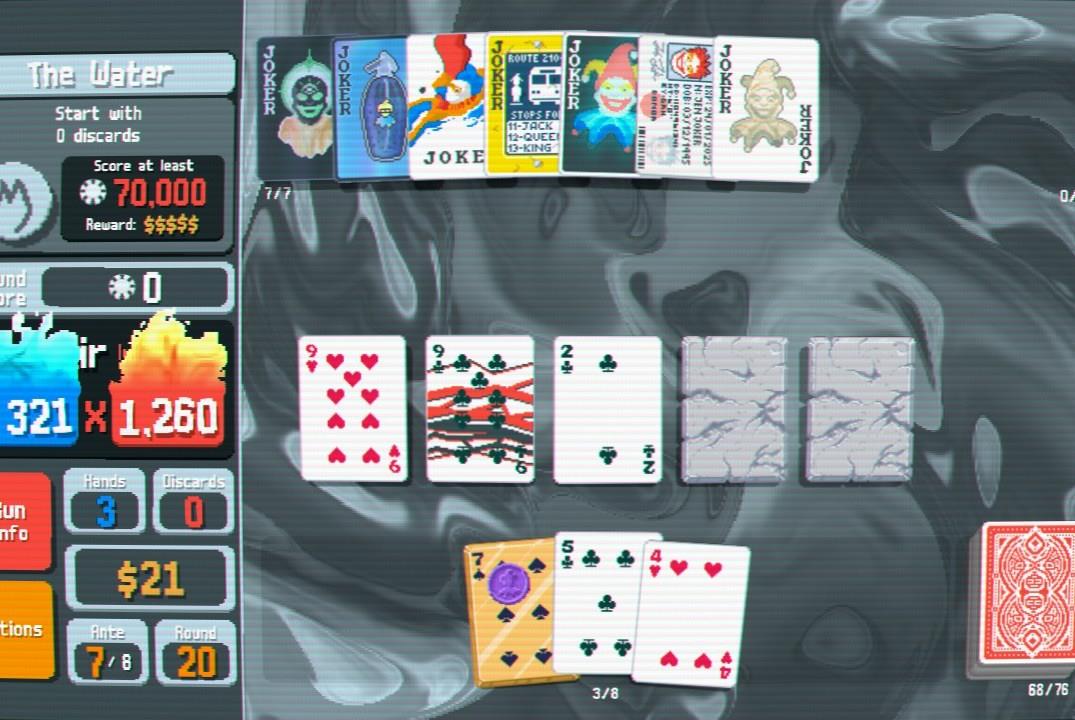
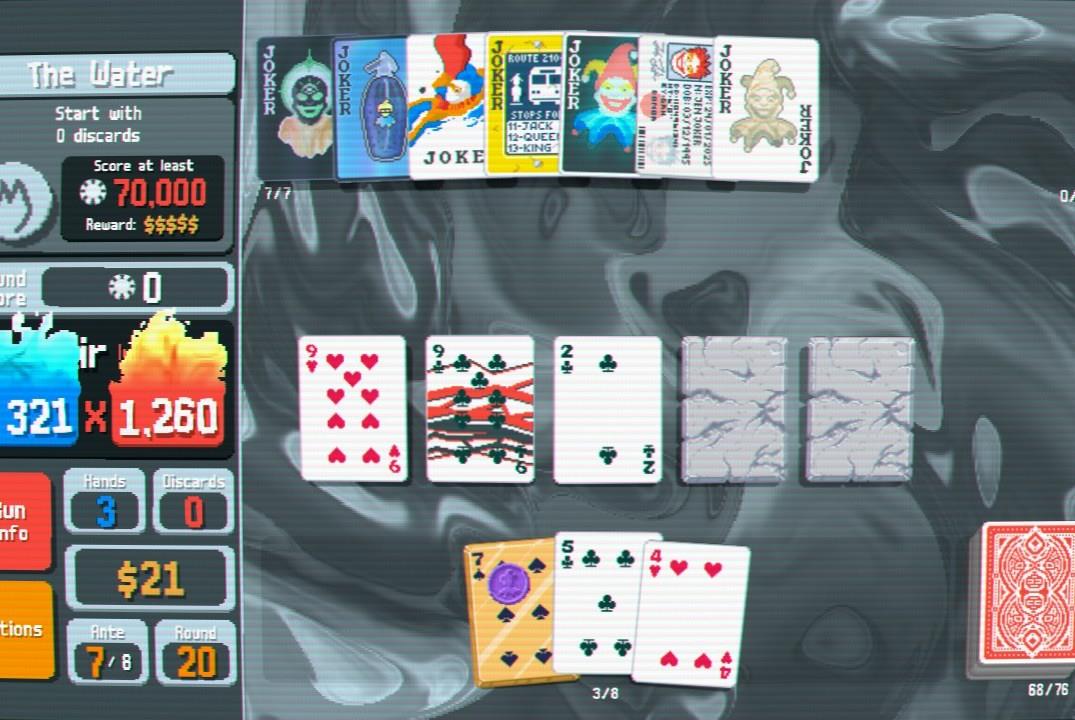
This review was previously published during Balatro’s February launch. We’re resurfacing the story in honor of its Game of the Year nomination at The Game Awards.
I’m not a poker guy, but I am definitely a Balatro guy now.
Read Article >
-

Nov 11, 2024
Nicole Carpenter
The Rise of the Golden Idol sets the standard for point-and-click mysteries
The Rise of the Golden Idol sets the standard for point-and-click mysteries by expanding on its predecessor’s innovative gameplay with a fresh 1970s setting and a series of cleverly crafted, challenging cases. Players engage deeply with static crime scene tableaux, piecing together intricate puzzles through dialogue, visual clues, and textual evidence to reconstruct events in a satisfying “mad libs” style. The game’s improved animations and added chapter-end puzzles enhance the experience, making it both accessible and intellectually rewarding. Praised for its inventive storytelling and thoughtful deduction mechanics, it offers an immersive mystery-solving journey that elevates the genre for both newcomers and fans alike.

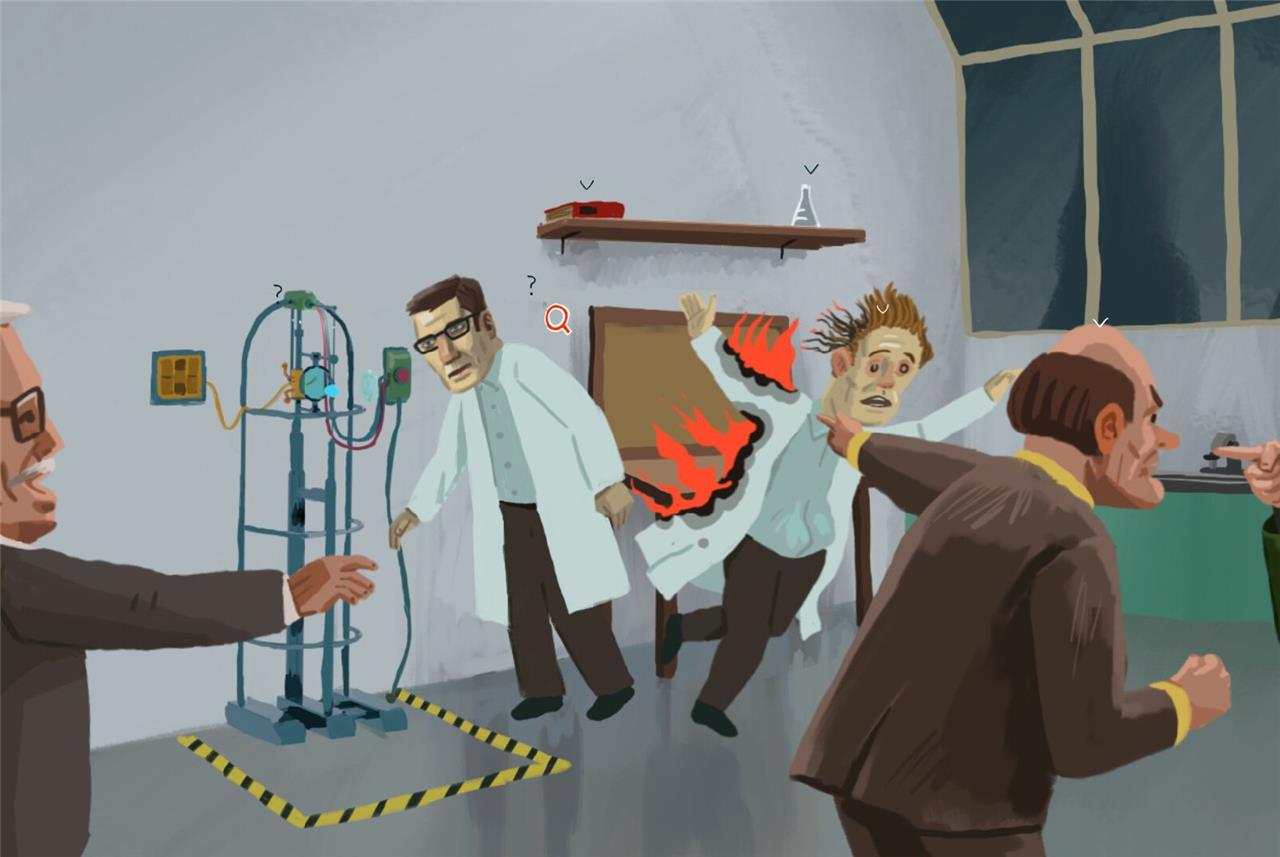
It’s the 1970s, and The Case of the Golden Idol is ancient history. What was the stuff of legends and myth – Lemurian history – in The Case of the Golden Idol is almost entirely unknowable, told in the shadows by the weirdest of conspiracy theorists and fringe historians. Anything that was known about the golden idol and its powers broke alongside it at the end of The Case of the Golden Idol. The Rise of the Golden Idol kicks off with a scientist face down, dead in the snow; the cycle begins anew. “The world has changed dramatically,” Color Gray Games wrote in its description of the sequel. “The sins of humanity have not.”
At the outset of Rise, there’s no immediate mention of the idol or the role it may play, but several people – mostly unhoused people and one prestigious scientist – have been found dead from various causes, all with glowing red eyes. Like in The Case of the Golden Idol, the first order of business in The Rise of the Golden Idol is to start piecing together clues built into the game’s scenes. While in The Case of the Golden Idol these scenes were static and made with pixel art, Color Gray Games’ team has advanced the art alongside the centuries: Scenes are still largely static, albeit with some looping animation on certain details, but now rendered in a grotesque art style that’s reminiscent of Arlene Klasky and Gábor Csupó’s Aaahh!!! Real Monsters, The Wild Thornberrys, or As Told by Ginger instead of classic video games.
Read Article >
-

Nov 10, 2024
Grayson Morley
Europa is chill – its story isn’t
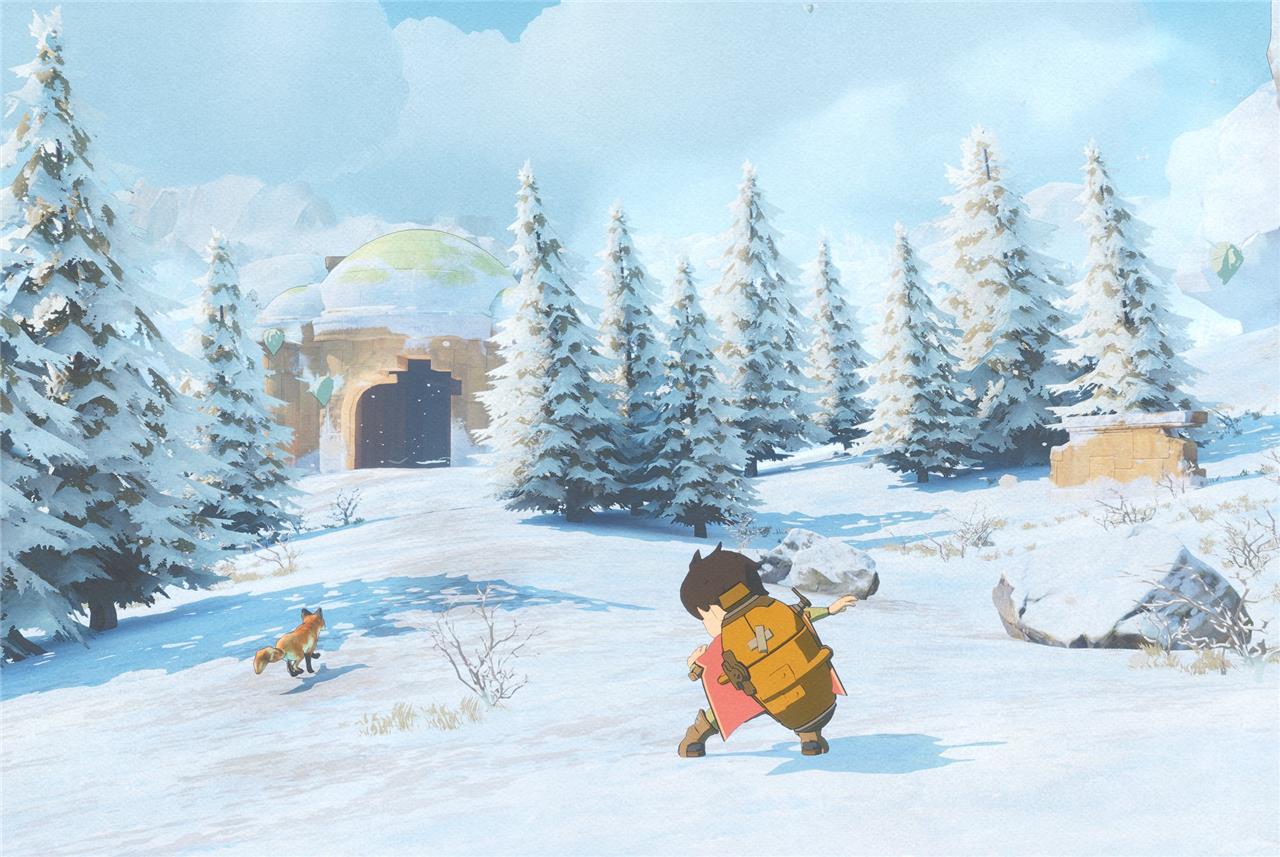
Europa offers a serene and visually stunning experience, inviting players to peacefully explore a lush, terraformed moon filled with lakes, meadows, and ruins. Its gameplay focuses on gentle exploration, meditation, and simple puzzle-solving, with no threat of death, making it a chill and relaxing adventure. However, beneath this tranquil surface lies a deeper, more somber narrative about the last surviving human and the remnants of a fallen civilization, creating a striking contrast between the game’s calm atmosphere and its thought-provoking story. This intentional dissonance challenges players to reflect on themes of nature, survival, and humanity’s impact, making Europa’s story far from chill despite its soothing gameplay.
At the risk of being entirely unrelatable: You know that music they play at the spa? That synthy, spaced-out soundscape type of stuff that isn’t exactly music, but isn’t exactly not music? The sort of playlist you can find if you take a wrong turn from your favorite lo-fi playlist? Chord after relaxing chord, interspersed with birdsong, rain sounds, or crackling fire? Well, Europa is that, but in video game form – at least when it comes to its gameplay.
Europa, developed by Helder Pinto and Novadust Entertertainment, is a game mostly about gently floating through cel-shaded environments to soothing piano and electronic music. You play as Zee, a humanoid boy who uses a “Zephyr” backpack to fly through serene landscapes riddled with overgrown ruins and cutesy robots. In its opening hours, Europa feels like it ought to have been titled Beautiful Vista Simulator, as it shuttles you from overlook to stunning overlook, panning the camera out to show off the game’s painterly aesthetic and surprising scope. If you liked the opening of The Legend of Zelda: Breath of the Wild, Europa does that kind of epic zoom-out every 30 minutes or so. (Only a slight exaggeration.)
Read Article >
-

Nov 7, 2024
Pete Volk
Karate Survivor is a fun spin on the Vampire Survivors format. once you unlock the core mechanics
Karate Survivor offers a fresh and entertaining twist on the Vampire Survivors formula, blending nostalgic ’80s and ’90s martial arts movie aesthetics with survival roguelite mechanics. The game starts simply, with a single martial arts move that automatically activates, but as you defeat enemies and level up, you unlock a variety of moves and upgrades that deepen the combat system. A key mechanic involves chaining moves of the same color to boost their effectiveness, which becomes accessible after defeating the first level boss. While the initial progression can feel slow due to unlock gating, once you grasp the core mechanics, Karate Survivor delivers a satisfying and strategic brawler experience filled with dynamic combos, environmental interactions, and a vibrant retro style that stands out in the genre.
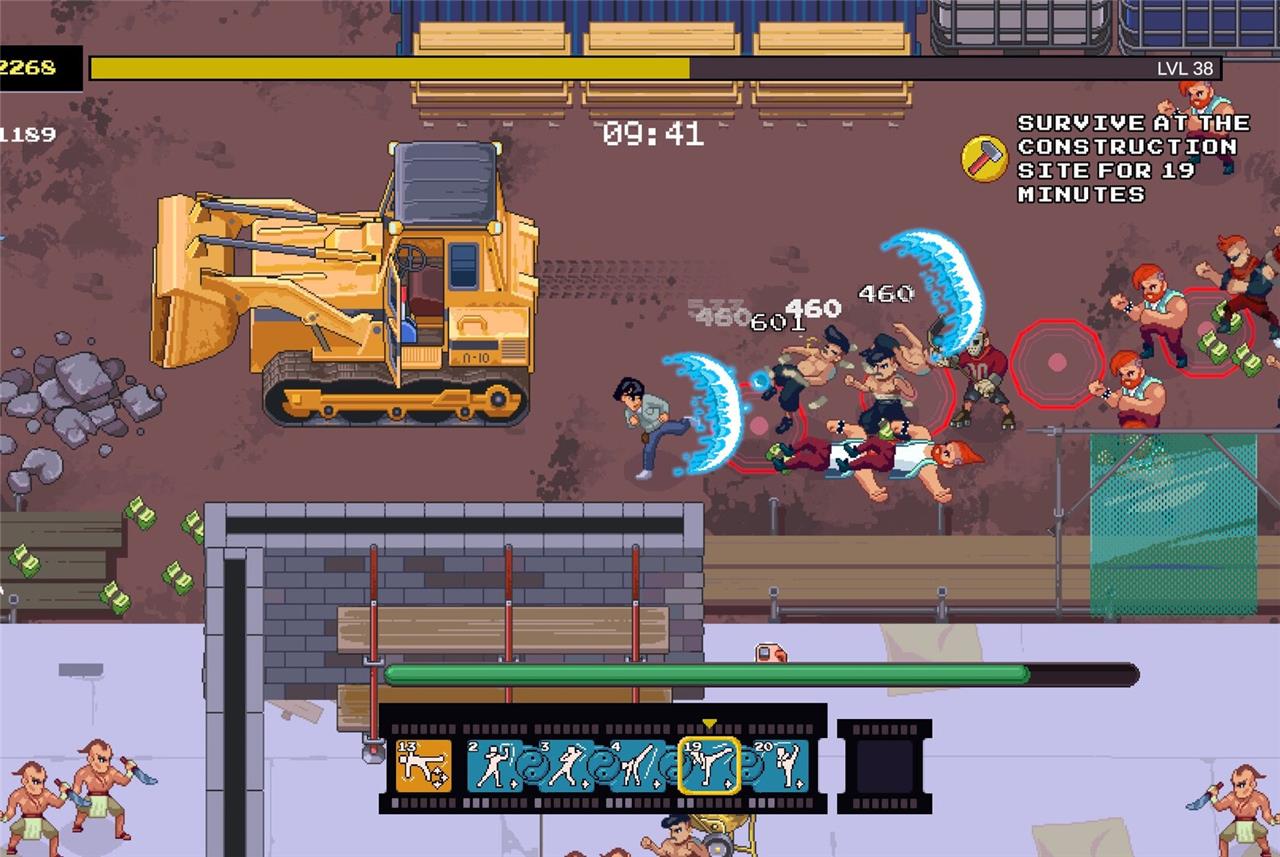
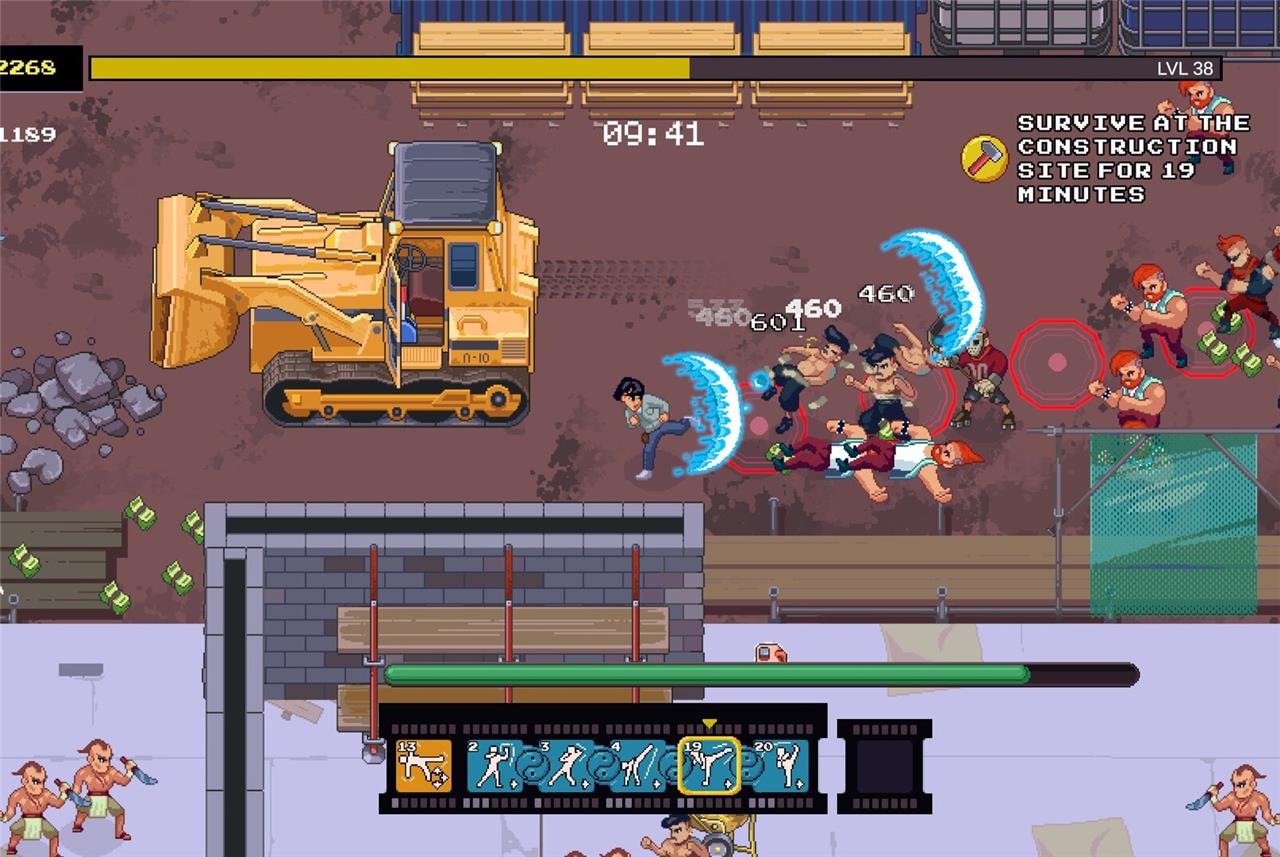
The runaway success of Luca Galante’s Vampire Survivors has inspired many imitators: new games like HoloCure – Save the Fans! and Halls of Torment, as well as spinoffs of existing popular titles like Deep Rock Galactic: Survivor and League of Legends’ temporary Swarm game mode.
A new contender has burst onto the scene, and it’s quite fun – if you’re willing to give it a few hours. Karate Survivor, released by developer and publisher Alawar on Oct. 30 for PC, is a Vampire Survivors-like that takes inspiration from ’80s action movies, and specifically the Hong Kong action movies of that era. The game nails the brief aesthetically – the models for the player characters, enemies, and environments (Supermarket, Bar, Rooftop, Construction Site, and Subway) look straight out of the movies the game is hoping to evoke – you’ve got lots of denim, vests, and a general ’80s vibe to the animation style. Plus, the movement of the action is smooth and fluid, which is a must for any game playing off the legacy of ’80s Hong Kong action cinema.
Read Article >
-

Nov 6, 2024
Cass Marshall
Homicipher is a clever horror game about female desire and monster language
Homicipher is a distinctive indie horror game released in 2024 that blends elements of female desire, romance, and the challenge of deciphering a mysterious monster language. Players awaken lost in a strange, eerie world where they must learn to communicate with monstrous yet surprisingly endearing creatures by interpreting their unique language and gestures. This innovative mechanic adds depth to the horror experience, as understanding the monsters can lead to survival and even romantic connections. The game’s atmospheric art, unsettling yet charming characters, and low-pressure horror approach make it a fresh and engaging title for fans of both horror and dating sims.
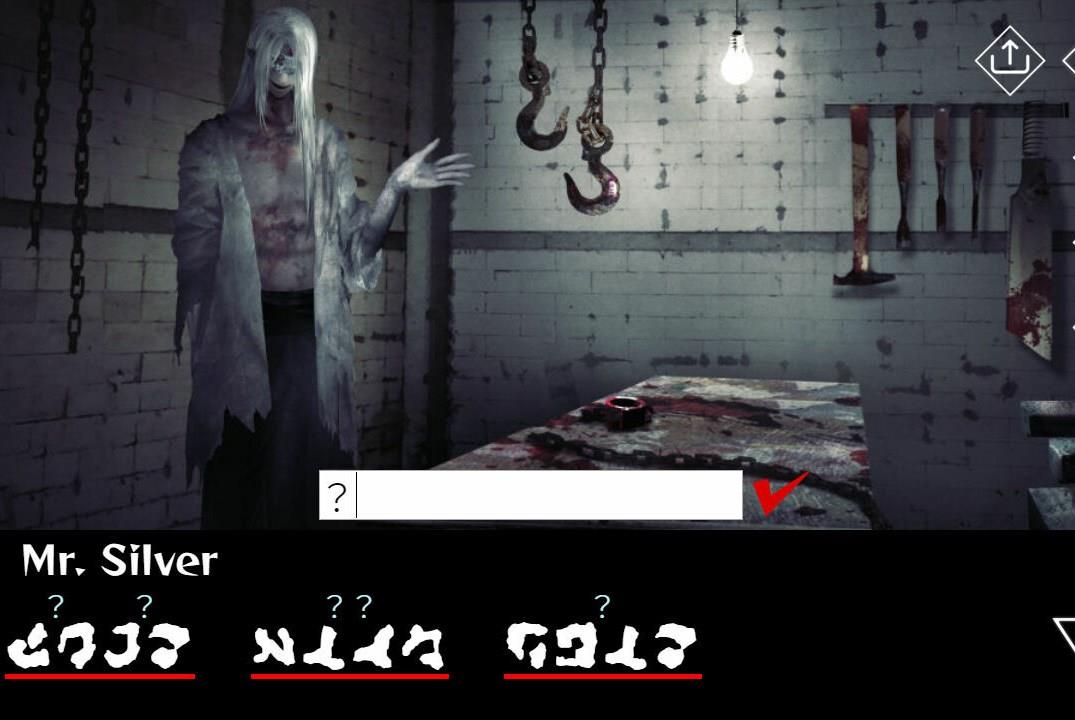
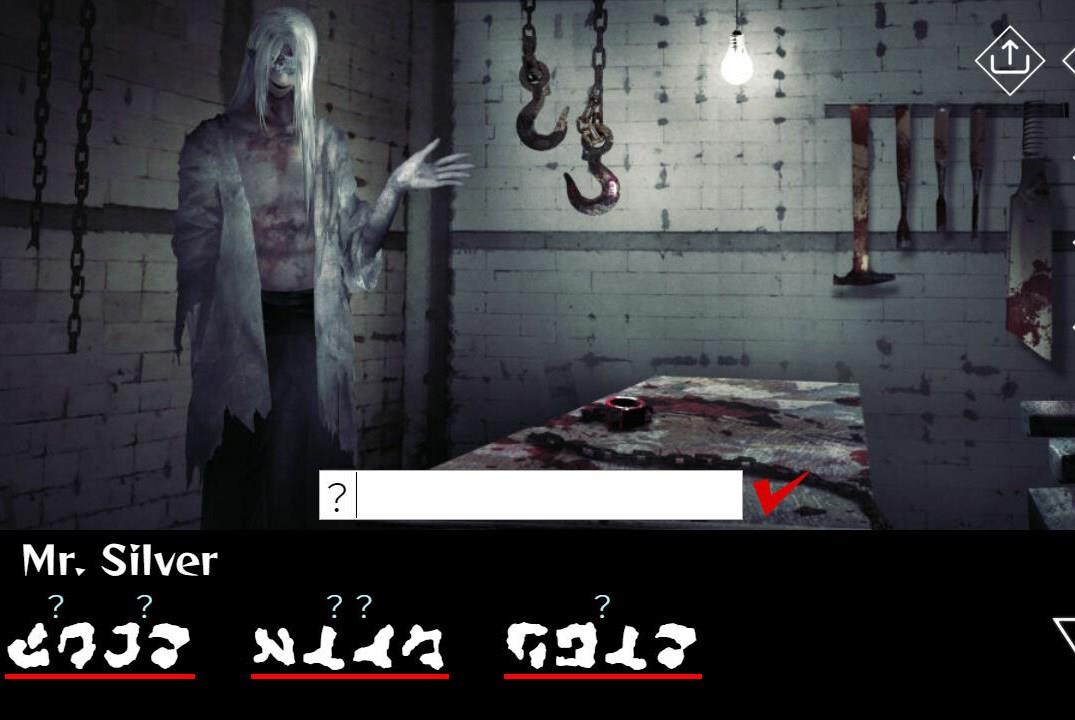
Being lost in a dark and unfamiliar location is a common fear, and a great start to a horror game. Filling that place with weird, menacing monsters is even better. One horror game adds another novel twist to the formula: I have no idea what anyone is saying, and I have to piece this strange, foreign language together before I’m viciously murdered. Welcome to Homicipher, a “female-targeted language deciphering and exploration ADV based on the concept of ’romance with horror men.’” I’ve never played anything like it.
Homicipher starts out with a very simple premise: I’m alone in a new place, I’ve lost my bag, and I’m in a rusted-out old hallway with flickering lights and a hunched, menacing figure called Mr. Crawling. I sprint away, only to be confronted by Mr. Hood, a Grim Reaper-style specter. Luckily, Mr. Hood is much nicer than his colleague, and we take part in a little impromptu language lesson. He teaches me a few basic words like “me” and “you” before I stumble onto the next hallway.
Read Article >
-

Nov 4, 2024
Toussaint Egan
Slitterhead transforms players into pawns in a parasitic proxy war
Slitterhead transforms players into pawns in a parasitic proxy war by casting them as Hyoki, an ethereal entity capable of possessing and controlling various human and animal hosts within the neon-lit, chaotic city of Kowlong. As parasitic creatures called Slitterheads invade and consume humans by taking over their bodies, players must strategically jump between hosts to navigate the city, engage in combat, and solve puzzles. This possession mechanic forces players to suppress the consciousness of their hosts while using their unique abilities and weapons crafted from blood, creating a tense and dynamic gameplay experience where survival hinges on clever body-hopping and tactical combat against grotesque, brain-consuming enemies.
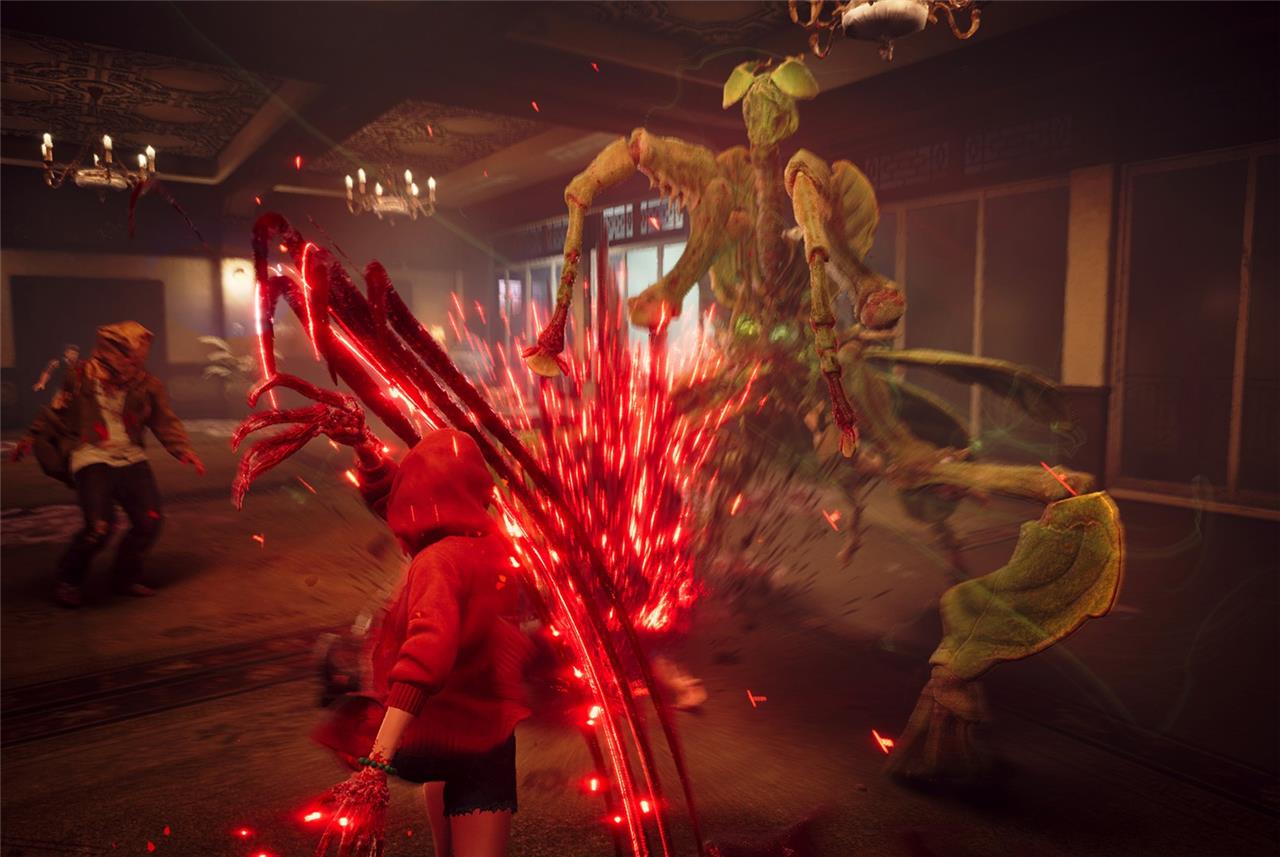
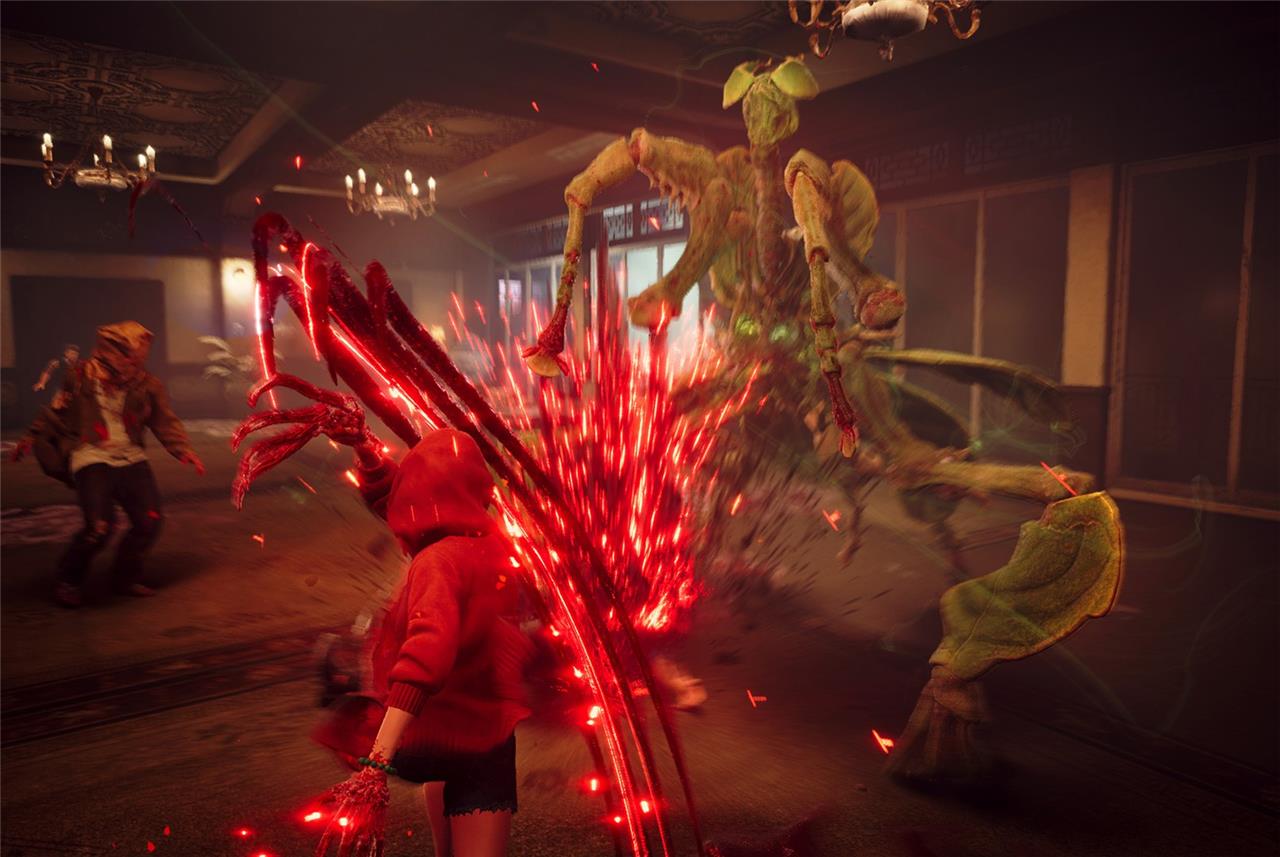
Keiichirō Toyama is a developer’s developer. He may not be a name you know off the top of your head, like Shigeru Miyamoto or Hideo Kojima, but you’re probably familiar with one of the many games he’s directed, such as Silent Hill, Siren, or Gravity Rush. His latest game, Slitterhead, feels like a culmination of his nearly 30-year career so far: an action-horror stealth thriller about two warring factions of parasitic creatures vying for control over the fate of humanity. Moreover, it’s a game where truth really is just a matter of perspective, as you jump between several different characters in your search for both an understanding of and resolution to the game’s ongoing conflict.
In Slitterhead, players assume the role of a Hyoki, a nameless, disembodied entity with the power to possess unsuspecting living creatures and control their bodies at will. At the game’s outset, you find yourself in the body of a stray dog wandering the back alleys of Kowlong, a fictional neon-bathed metropolis inspired by ’90s Hong Kong, specifically the densely populated enclave known as Kowloon Walled City. You have no memory of who you are, what you are, and how you got here.
Read Article >
-

Oct 19, 2024
Oli Welsh
Keep Driving turns a long-haul road trip into a turn-based RPG
Keep Driving transforms the experience of a long-haul road trip into a unique turn-based RPG adventure, blending pixel art aesthetics with strategic resource management and narrative depth. Players embark on a cross-country journey, managing their car’s condition, fuel, and energy while facing turn-based “Road Threats” such as potholes, traffic, and unexpected obstacles. The game incorporates RPG elements by allowing players to pick up hitchhikers with unique abilities, engage in side quests, and make choices that lead to multiple endings. This innovative mix of road trip simulation and turn-based combat creates a laid-back yet engaging gameplay experience that captures the spirit of open-road adventure in a fresh, strategic way.
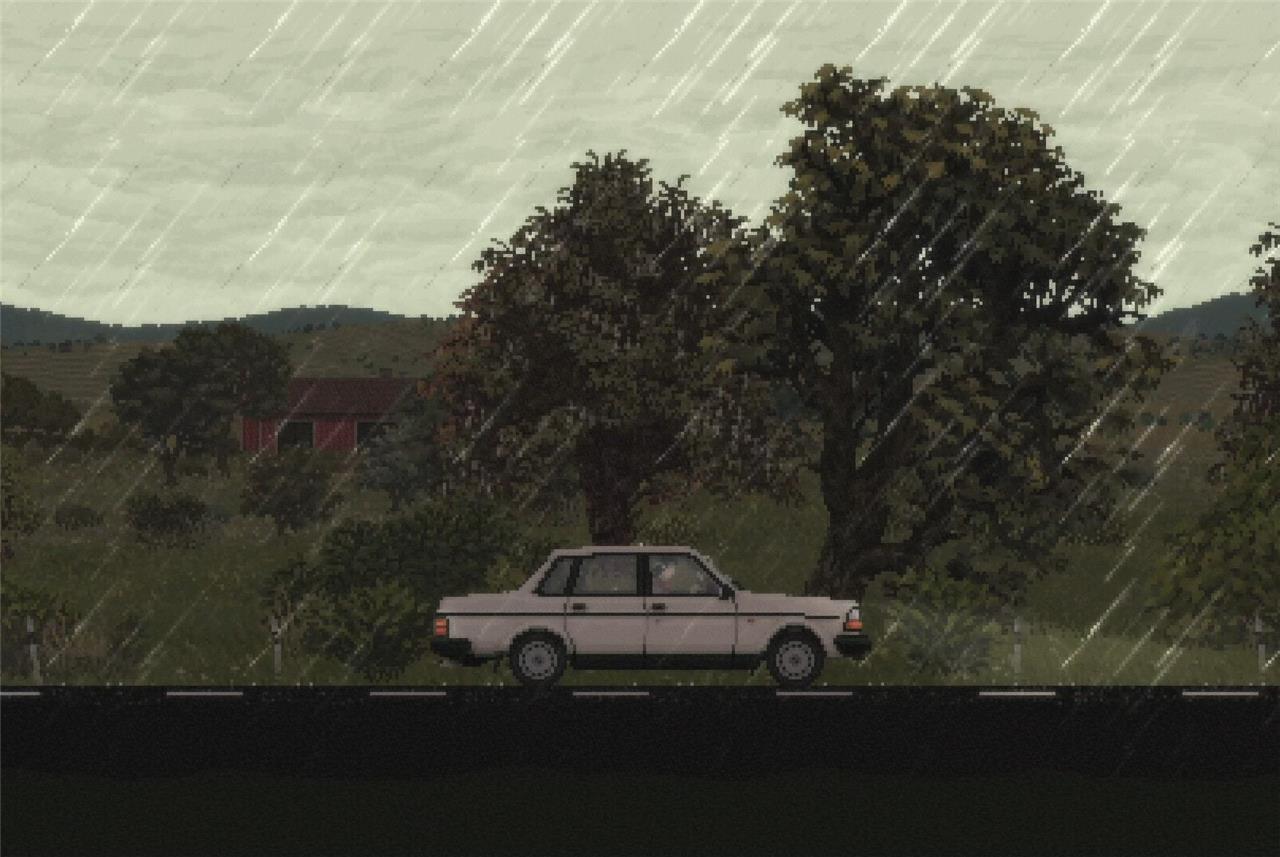
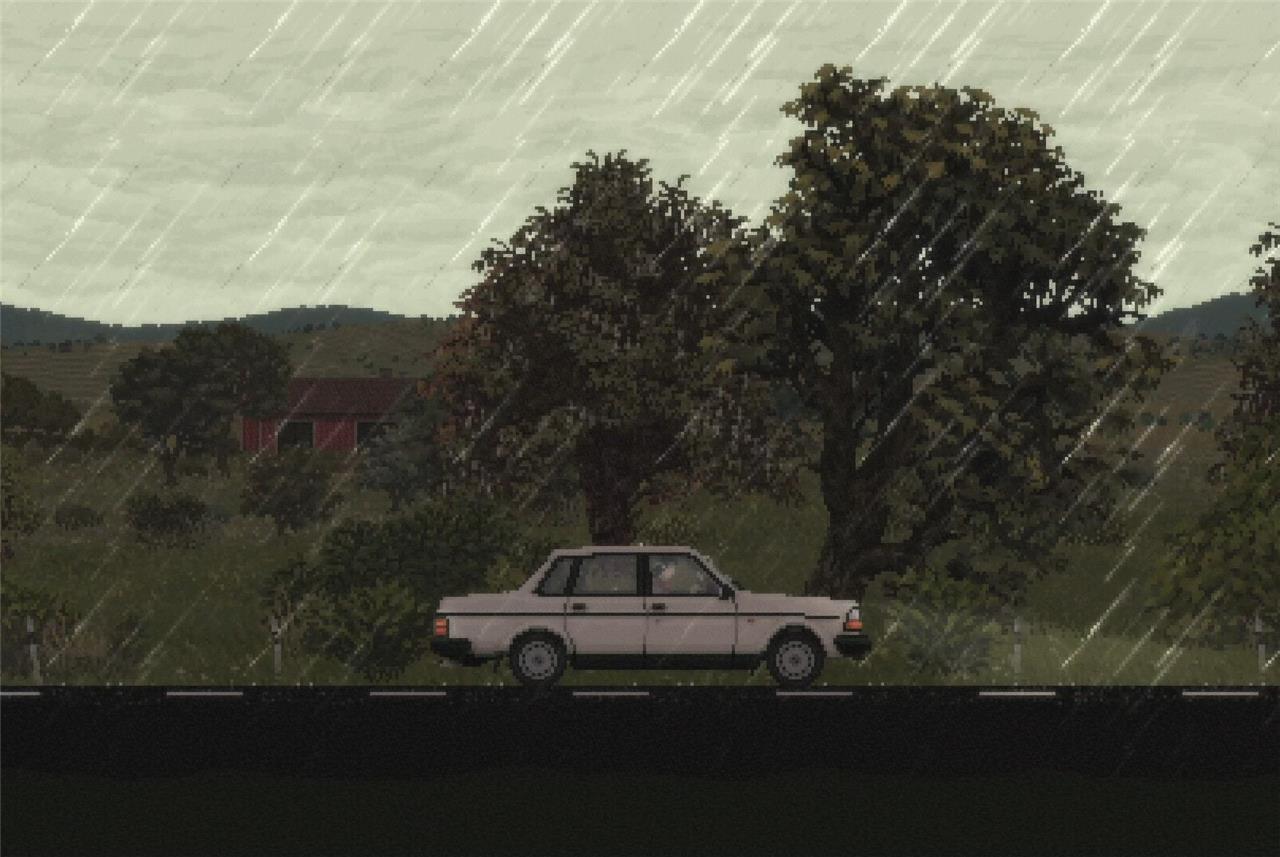
I love driving. I love the physical act of it – controlling this big, sophisticated machine like it’s an extension of me. But I also love the poetry and adventure of long-distance drives – the freedom, the self-reliance, the gradually changing landscape, the sense of limitless possibilities.
Video games are fantastic at capturing the first of these things, in Gran Turismo and countless other racing games. Sometimes, they try to do both things at once. Open-world driving games like Forza Horizon deliver a compressed and heightened dose of the pleasures of the road trip, while the Truck Simulator series offers a more workaday, realistic take on it – and Desert Bus infamously parodied the boredom inherent in the idea of simulating long drives.
Read Article >
-

Oct 18, 2024
Toussaint Egan
FMV horror game Tenebris Somnia is a nightmare come true
Blending retro pixel art with unsettling live-action sequences, Tenebris Somnia stands out as one of 2024’s most inventive indie horror experiences. Created by Argentinian filmmaker Andrés Borghi in partnership with Saibot Studios and New Blood Interactive, the game follows Julia, a film student whose visit to her ex-boyfriend’s apartment spirals into a nightmarish descent through alternate realities, occult rituals, and grotesque entities reminiscent of Clive Barker’s darkest visions. The gameplay merges classic survival horror mechanics-inventory puzzles, exploration, and combat-with a unique twist: key moments erupt into professionally shot FMV cutscenes, heightening the terror and emotional stakes. This seamless fusion of Famicom-style visuals and bone-chilling live-action horror makes Tenebris Somnia a haunting, cinematic nightmare come true.


There’ve been a ton of great horror games released recently, between major titles like the Silent Hill 2 remake, the indie survival horror game Hollowbody, and horror-themed DLC like Diablo 4: Vessel of Hatred. One title fans of survival horror games should pay attention to among all these big releases is Tenebris Somnia, an upcoming survival horror adventure game that has a new demo on PC this week as part of this year’s Steam Next Fest. Here’s the pitch: It’s a retro-inspired horror game that features Famicom-style graphics interspersed with bone-chilling live-action cutscenes, and the combined result is as novel and entertaining as it is jarring and terrifying.
Developed by Argentinian filmmaker Andrés Borghi in collaboration with Saibot Games and published by New Blood Interactive, Tenebris Somnia centers on Julia, a film student who has recently broken up with her college boyfriend Ivan. Upon returning to Ivan’s apartment to return her copy of his key, Julia quickly realizes that something is not quite right. From there, she’s thrust into a dark supernatural story brimming with alternate dimensions, occult sacrifices, and chthonic entities and horrors that look like they stepped straight out of Clive Barker’s imagination.
Read Article >
-

Oct 16, 2024
Nicole Carpenter
Neko Atsume, but make it frogs
Tabi Kaeru (Journey Frog) from the makers of Neko Atsume offers a charming twist on the beloved cat-collecting formula by replacing cats with an adventurous frog. Instead of attracting visitors, players prepare their frog’s backpack with food and good luck charms before sending it off on whimsical journeys. The frog returns with postcards and souvenirs, creating a relaxing and anticipatory experience that emphasizes waiting and exploration over constant interaction. This frog-themed game captures the same adorable, low-maintenance appeal as Neko Atsume, making it a delightful indie title for 2024.
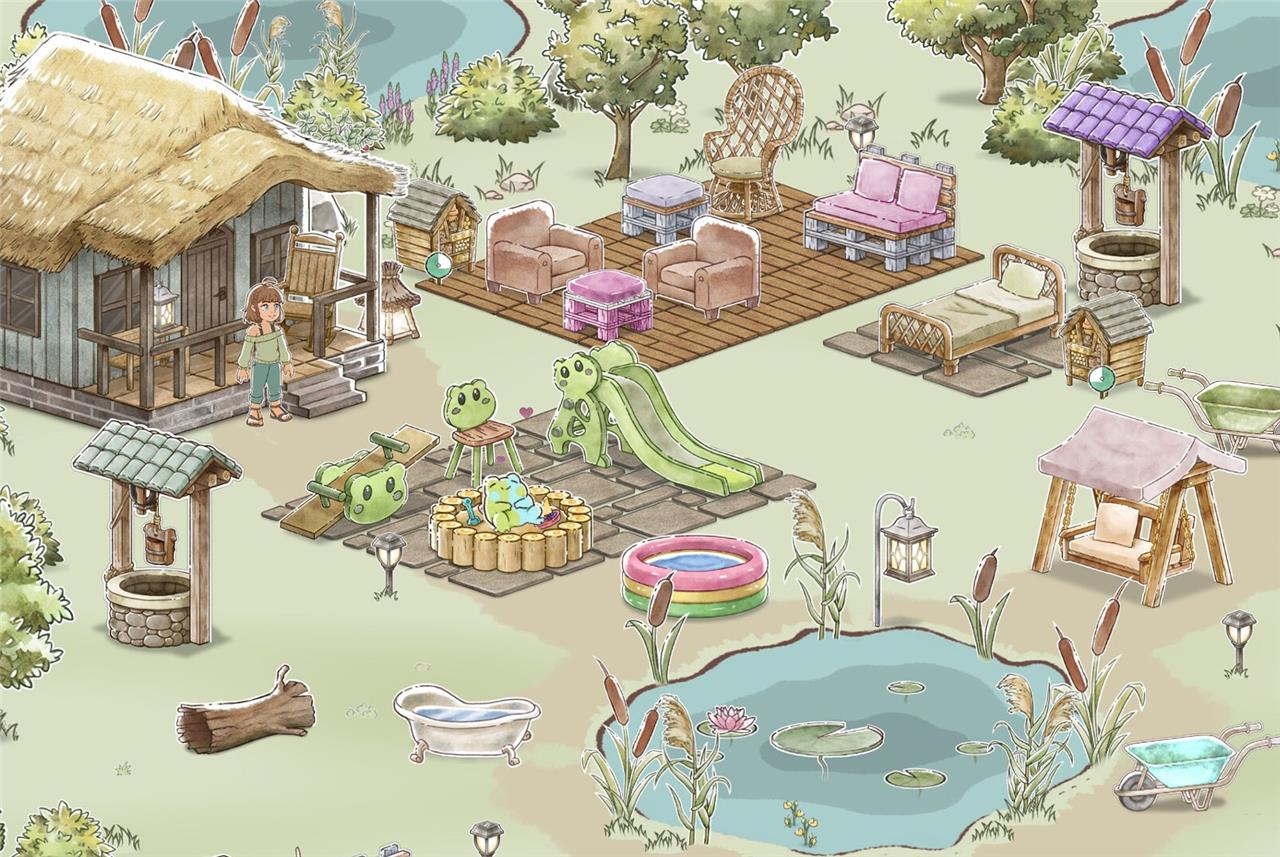
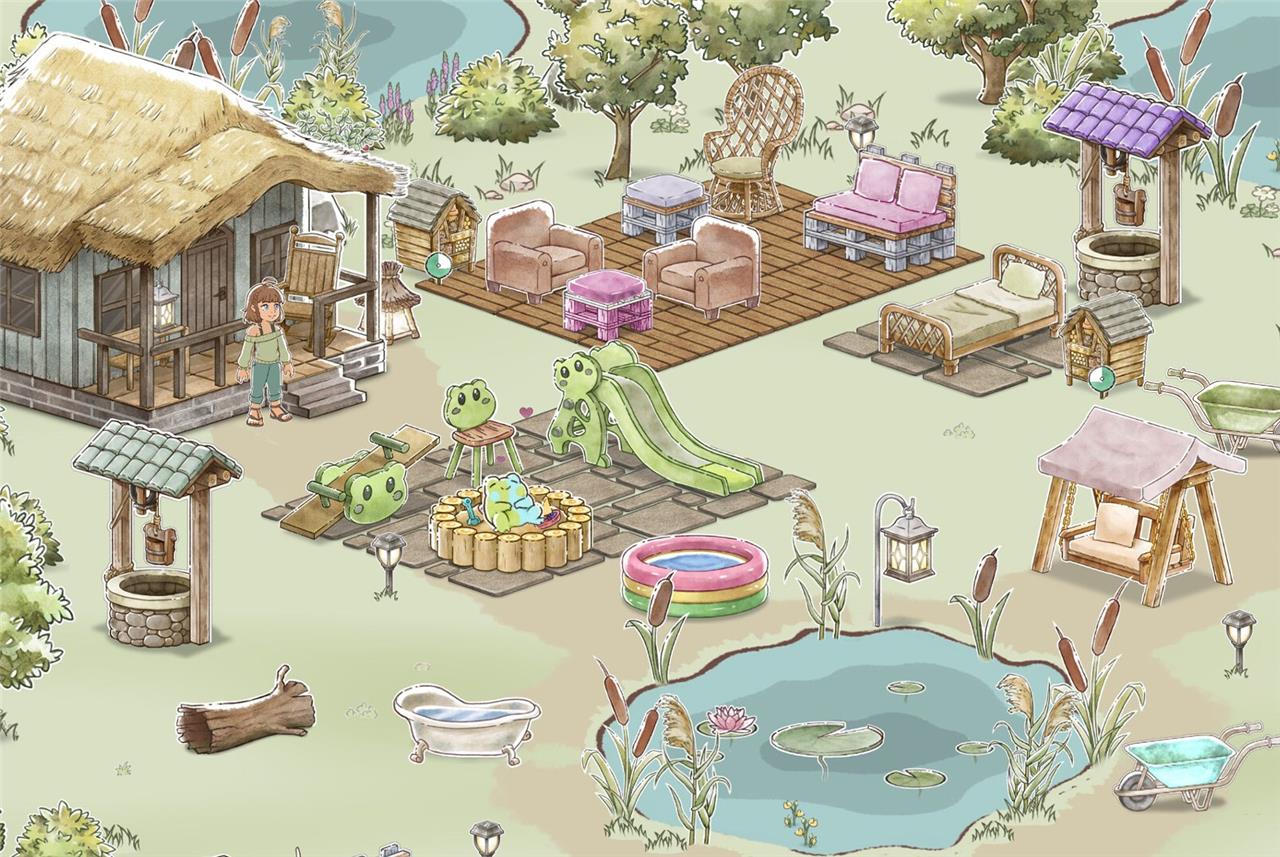
What if we just quit our jobs, moved back home, and started up a frog refuge with our childhood pals? That’s the premise of developer Humble Reeds’ creature collecting game Kamaeru: A Frog Refuge. And it’s a delight. If you’ve played Neko Atsume, you’ll understand the base gameplay of Kamaeru – attract frogs to your wetlands frog sanctuary. You’ll place furniture and toys on the refuge grounds, build builds and plant reeds, attract bugs to feed the frogs, all to lure them into staying. Kamaeru doesn’t have the same pure, simple bliss that Neko Atsume had, but it’s still a sweet, chill time.
Beyond bringing frogs to the yard, Kamaeru builds off creature collecting to add management sim elements: You’ll also harvest reeds and berries to create jam and paper cups to sell, the proceeds of which are important to build up the sanctuary. There’s also a biodiversity meter, which means you need to pay attention to what sorts of nature you put down, and to make sure you’re quickly removing invasive plant species. Lastly, you’re also breeding frogs to create unique, colorful combinations – like a frog with leopard spots. Though it sounds like a lot, it is all pretty simple: You can just take photos of your frogs as they come and go. (However, the way frogs come and go is probably the worst part of the game. They disappear quite quickly, meaning you do somewhat have to rush to feed and photograph them, bringing my heartrate up a little in what’s typically a chill game.)
Read Article >
-

Oct 10, 2024
Cass Marshall
Grunn is a delightfully scary game about the dangers of a Dutch garden
Grunn is a delightfully scary indie game that blends the seemingly mundane task of gardening in the Dutch countryside with eerie horror elements and mysterious puzzles. Players take on the role of a gardener tasked with maintaining a garden, but soon discover unsettling secrets lurking beneath the surface, from strange creatures to vengeful spirits. The game features a surreal atmosphere, quirky characters, and a time-loop mechanic that challenges players to unravel its many endings while navigating the dangers of the garden and surrounding town. Despite its simple, low-resolution graphics, Grunn’s sound design and unsettling ambiance create a unique and captivating experience that turns ordinary gardening into a chilling adventure.
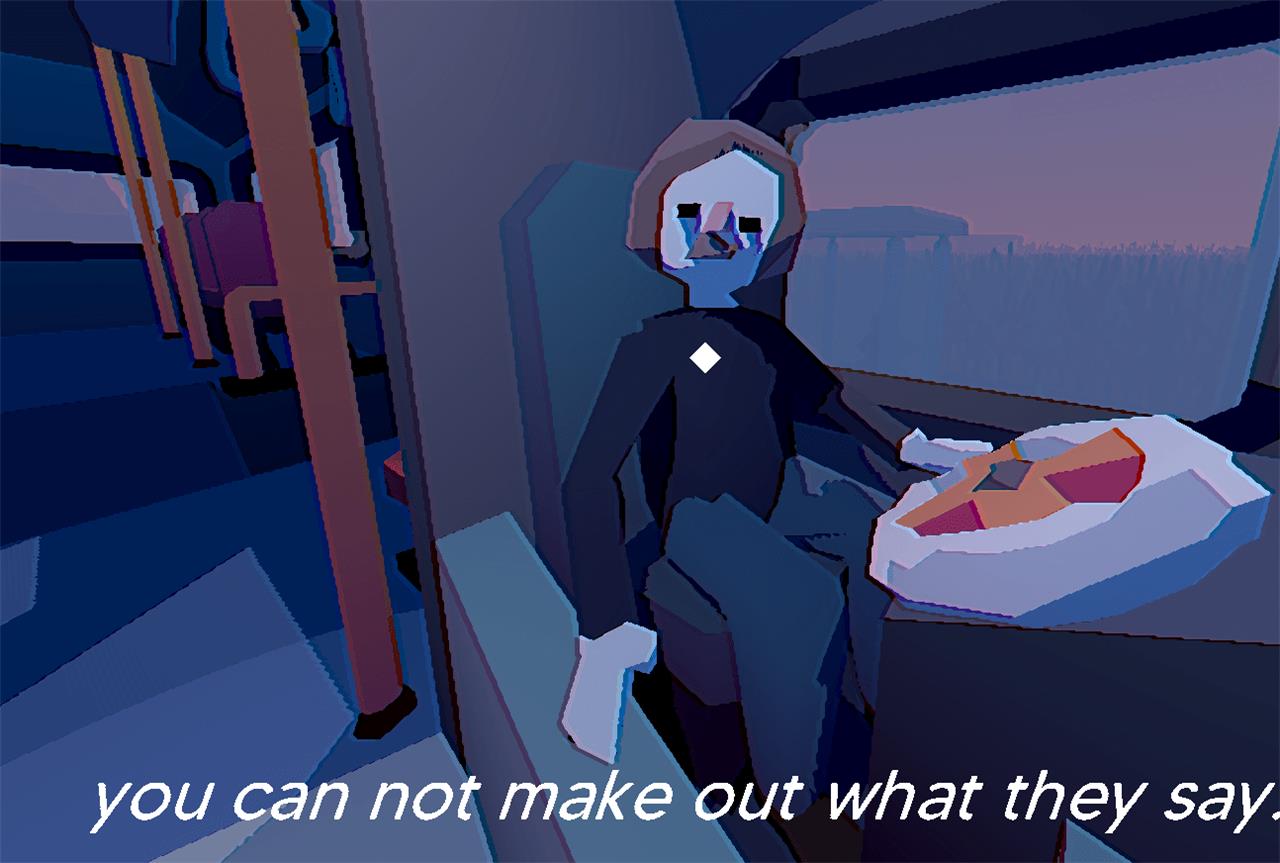
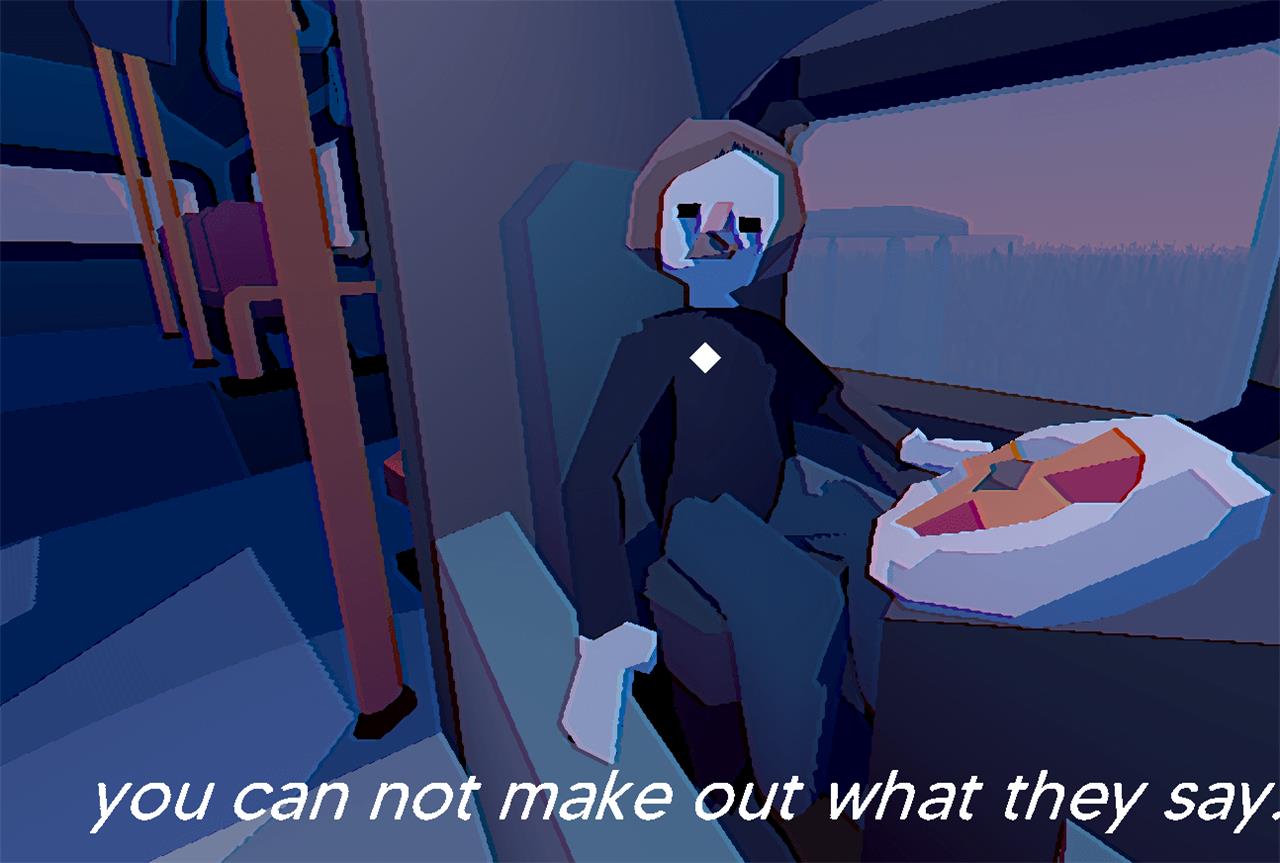
Grunn is a game about gardening. It is a very normal game where things are exactly as they appear, or at least that’s the kayfabe developer Tom van den Boogaart likes to spin up around the project. But things immediately seem off as I start my journey in Grunn. The bus driver’s face is wrong, and I can’t make out anything he’s saying. I’ve just arrived at my new job site, and the vibes are absolutely rancid.
It’s hard to say what type of game Grunn is, exactly, because it defies conventional genres. It is a gardening game where I spend chunks of time carefully trimming hedges and clipping away at tall grass. It’s also a game where I found a skeleton and had to soothe its upset ghost with my magical trumpet. That victory was short-lived, as I fell into a trap and drowned shortly after.
Read Article >
-

Oct 6, 2024
Cass Marshall
Mouthwashing is a surreal horror gem about being lost and starving in space
Mouthwashing is a surreal horror gem that plunges players into the harrowing experience of being lost and starving in the vast emptiness of space. Set aboard the freighter spaceship Tulpar, the game follows five crew members struggling to survive after a mysterious crash leaves them stranded with dwindling supplies and mounting psychological torment. Its nonlinear narrative and first-person exploration reveal a haunting story of isolation, mental breakdown, and existential dread, enhanced by unsettling visuals and intense character-driven horror rather than typical jump scares. This indie title stands out for its emotionally taxing and surreal approach, making it one of 2024’s most impressive horror games.
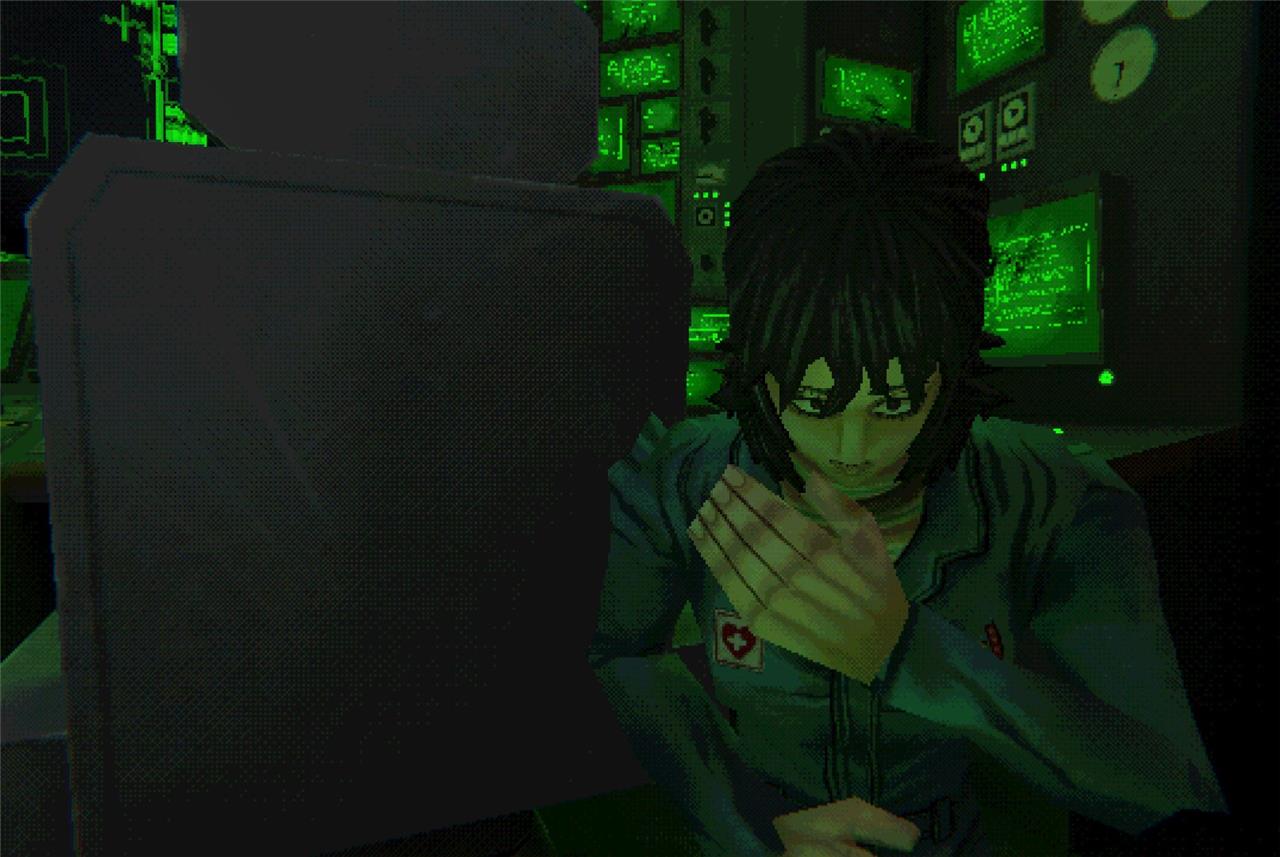
A good horror game scares you in the moment, but a great horror game lingers in the back of your mind well past the end credits. We’ve been blessed in recent years with a plethora of excellent horror games, but with the arrival of October comes even more spooky games to get us nice and scared before Halloween. Mouthwashing immediately gripped me with its jarring, off-putting visuals, and kept me pinned under the weight of mounting dread.
Mouthwashing is a three-hour narrative experience that takes place on the Tulpar, a Pony Express courier ship in the middle of a long-haul trip through space to deliver cargo. It’s your typical sci-fi capitalist dystopia; humanity trekking among the stars has not done anything to ease corporate control over workers’ lives. Despite this, the crew are a tight bunch: There’s the grumpy veteran Swansea, the anxious and avoidant nurse Anya, and the cheerful himbo Daisuke. Rounding out the crew are the co-pilots, Captain Curly and Jimmy. The game begins with a horrific crash, leaving the ship stranded and off course.
Read Article >
-

Oct 5, 2024
Christian Donlan
Nova Drift turns Vampire Survivors into a recipe for glorious space combat
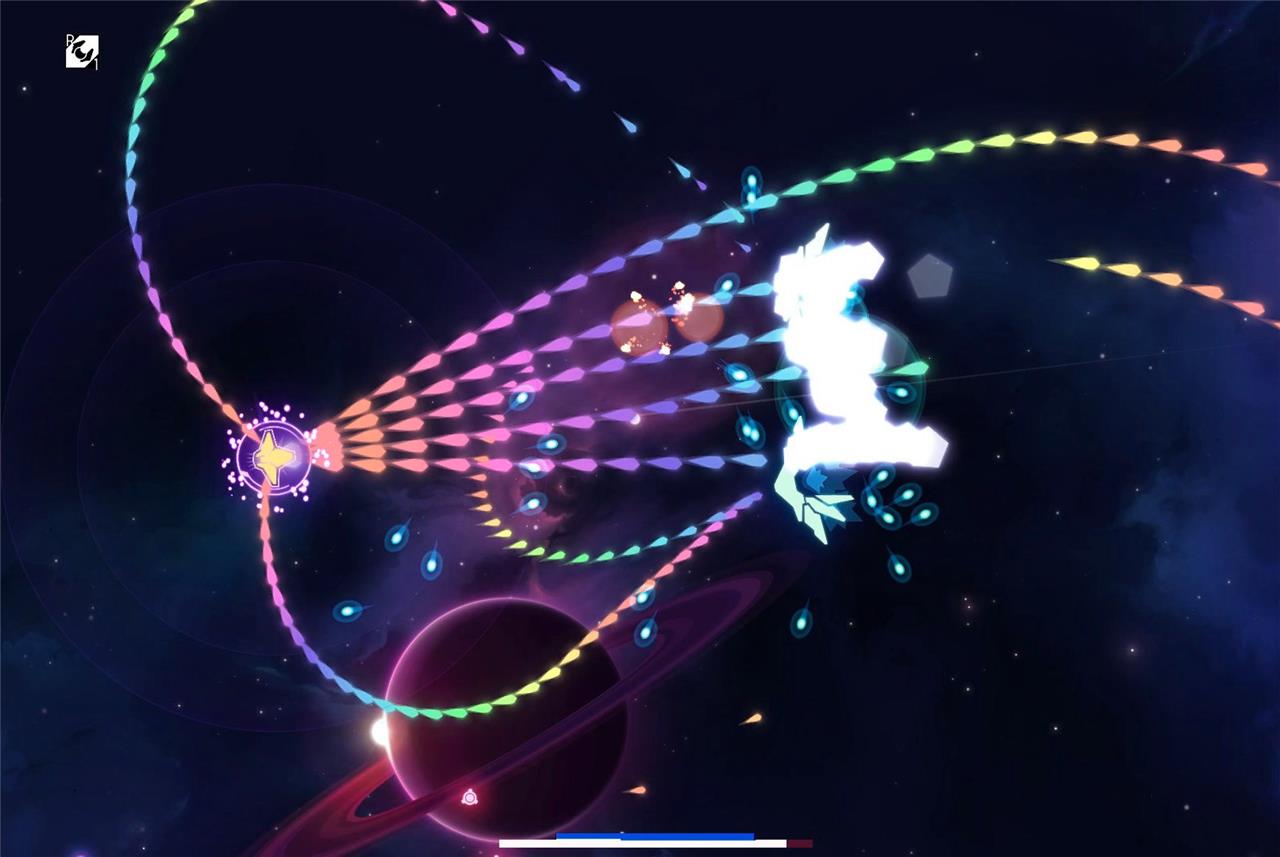
Nova Drift transforms the addictive formula of Vampire Survivors into a thrilling space combat experience by combining fast-paced arcade shooting with deep, modular ship customization. Players blast through waves of enemies while continuously evolving their bio-mechanical ship with over 250 weapons and mods, creating unique builds each run that reward creativity and strategy. The game’s compact arenas and thrust-based movement add a layer of skillful maneuvering reminiscent of classic space shooters like Asteroids, while its progression system and escalating challenges keep the gameplay fresh and intense. Nova Drift’s blend of action RPG mechanics and explosive visuals crafts a dynamic, high-stakes cosmic battle that feels both nostalgic and innovative.
Over on Cheap Digicam TikTok, there’s a lot of talk about recipes these days. Recipes in this context are congregations of specific camera settings that can generate very specific film-like effects in digital photographs. Want a bloomy 1970s sunset or a cityscape with bokeh pearls the size of snowballs? Good news. There are recipes for that.
I spend quite a lot of time on Cheap Digicam TikTok, so it’s probably inevitable that I’ve started to see these kinds of recipes hiding within other facets of life too. Most recently I’ve been thinking of Nova Drift as a source of really great recipes. Nova Drift is an arcade space blaster in which you shoot everything that moves and level up regularly. And when you level up, you get to change some aspect of your ship, of your abilities, of who you’re going to be out there in the universe for the next five hectic minutes.
Read Article >
-

Oct 2, 2024
Nicole Carpenter
Hauntii feels the best when you let go
Hauntii feels the best when you let go because its unique blend of a contemplative twin-stick shooter and emotional storytelling invites players to embrace its slower, meditative pace and immersive world. The game’s charm lies in exploring as a ghost, possessing objects, and solving puzzles in a hauntingly beautiful afterlife setting, where the quiet moments and atmospheric design resonate deeply. Letting go of the need for fast-paced action allows you to fully appreciate the game’s artistic visuals, soothing soundtrack, and touching narrative about memory and ascension, making the experience both calming and emotionally stirring.
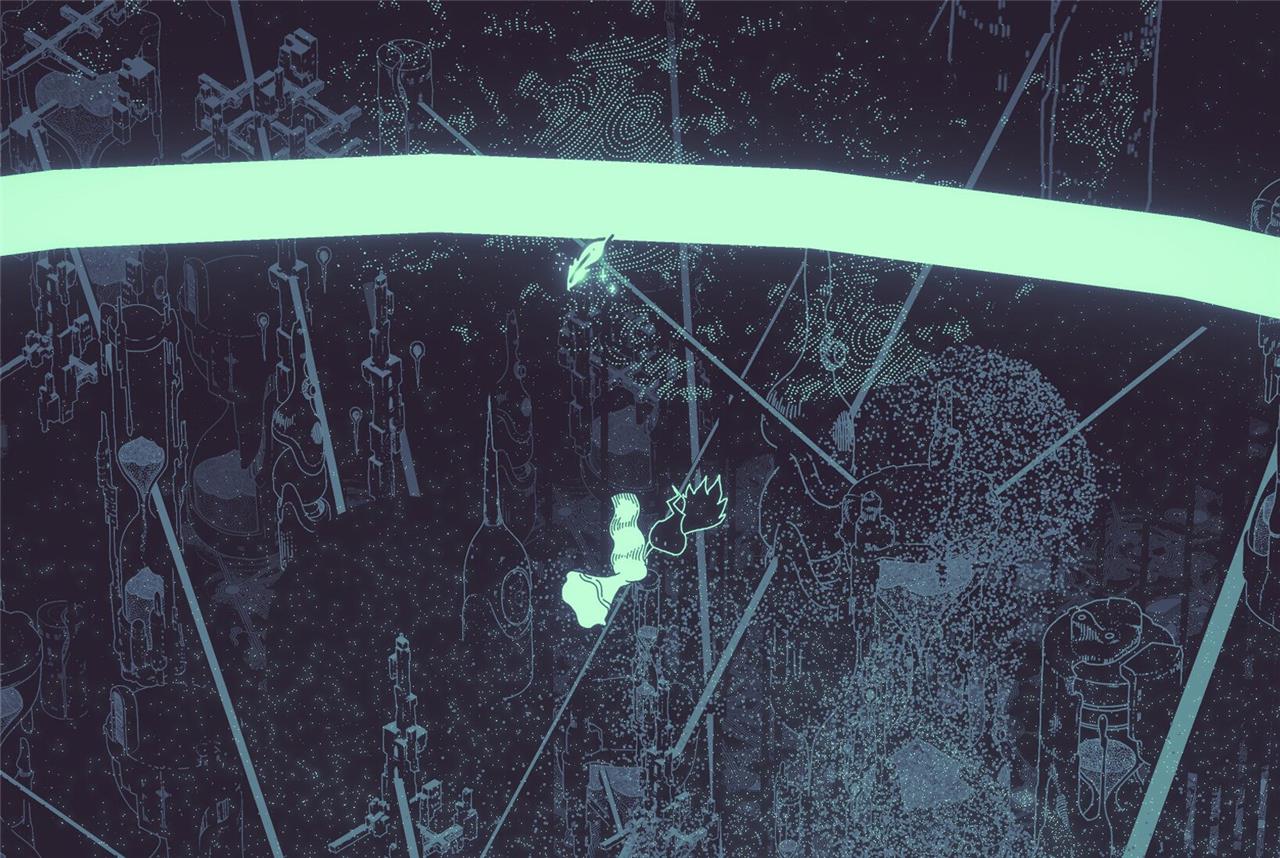
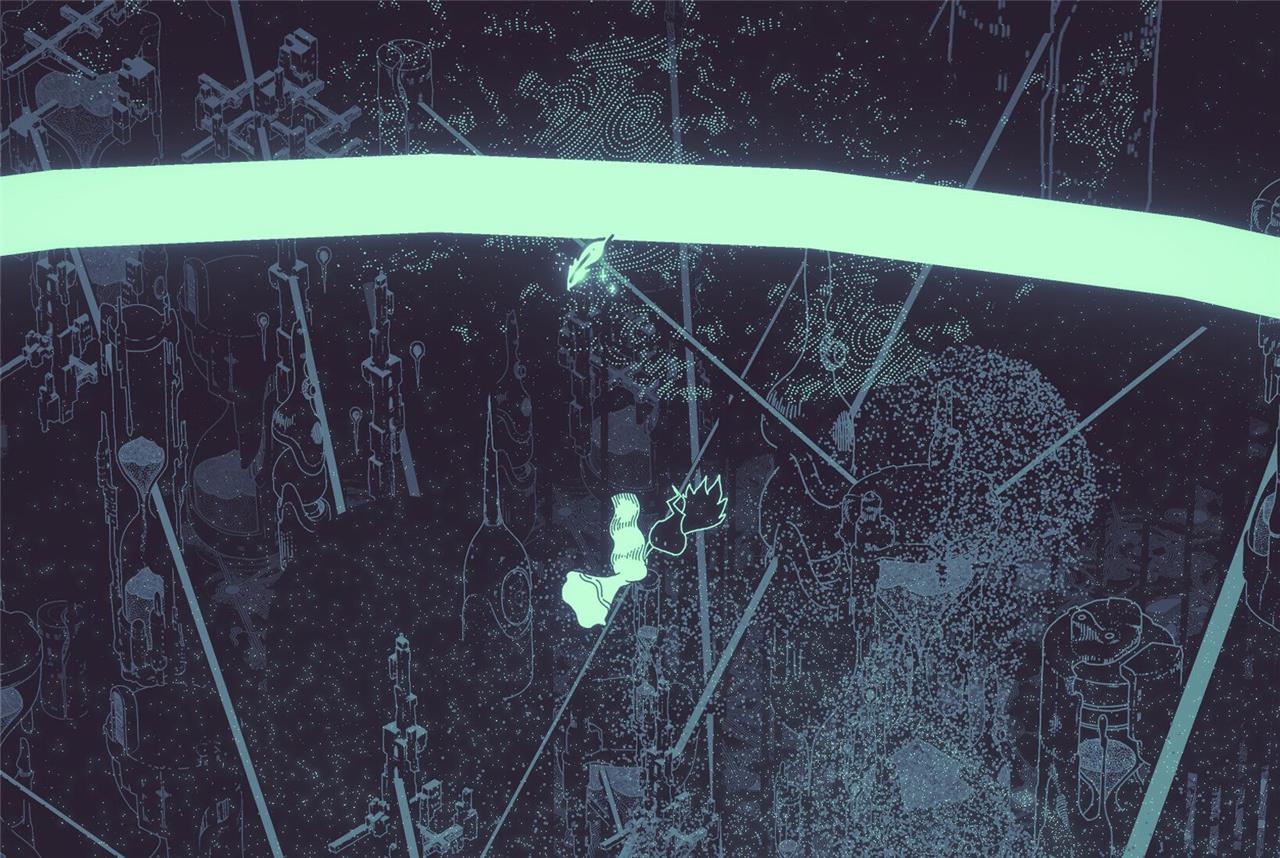
I wasn’t able to start enjoying Moonloop Games’ Hauntii until I let go of the idea of playing the game correctly. Chasing a mysterious ghost through Hauntii’s gorgeously stylized afterlife, I kept asking myself: Am I doing this right? Moonloop Games does begin with an exploration of the buttons and their functions, but that’s about it. What you do next is up to you. Thankfully, it did not take long to start messing around with what’s possible and what’s not – and I started to appreciate Hauntii’s few expectations, a similar experience I had with A Short Hike, one of my all-time favorite games.
Everything in Hauntii is light or dark; playing as an inky ghost – new to the afterlife – I’m following an angelic figure throughout the darkened world. I navigate by following the light and creating it where there is none, via Hauntii’s twin-stick mechanic. Using one stick to move and another to shoot, I can fire away at enemy beings or I can inhabit objects to shake their light free, creating a path to wherever I’m heading next. But where am I heading next? Am I going in the right direction? I haven’t yet finished Hauntii, so I really don’t know. And that’s OK.
Read Article >
-

Sep 17, 2024
Nicole Carpenter
Dreamy, scene-building games like Tiny Glade and Summerhouse are all vibes
Dreamy, scene-building games like Tiny Glade and Summerhouse offer a uniquely cozy and creative experience, inviting players to craft charming cottages, gardens, and neighborhoods at their own pace without any pressure or specific goals. These games blend artistic expression with intuitive building mechanics, enhanced by soothing soundscapes and delightful details such as wandering animals and evolving environments. Titles like Tiny Glade allow for imaginative freedom reminiscent of playing with a collection of toys, where every creation feels personal and the world responds with little surprises-ducks appear when you build ponds, or dogs show up on porches in Summerhouse. This genre, inspired by pioneers like Townscaper, emphasizes atmosphere and playful exploration, making them perfect for relaxing and immersive sandbox experiences that are all about enjoying the process of creation.
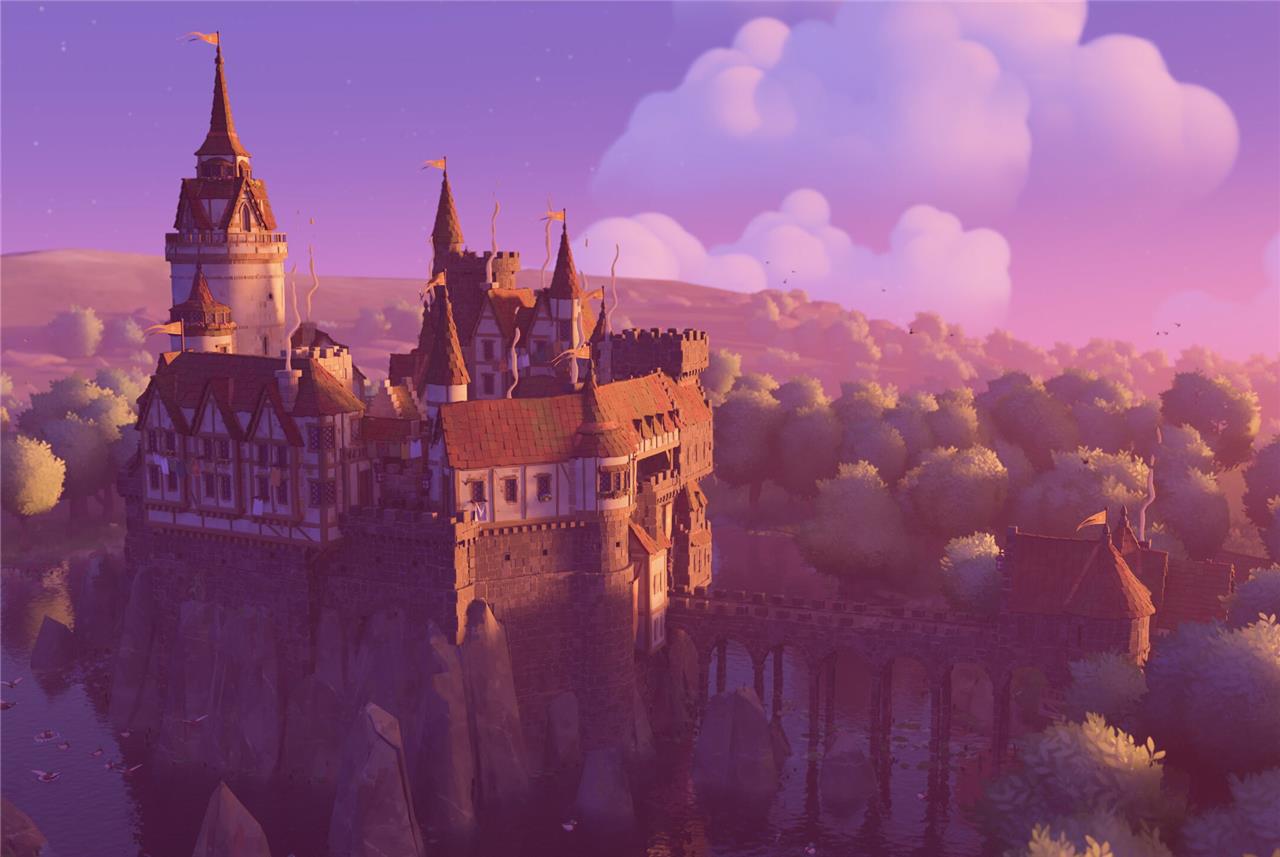
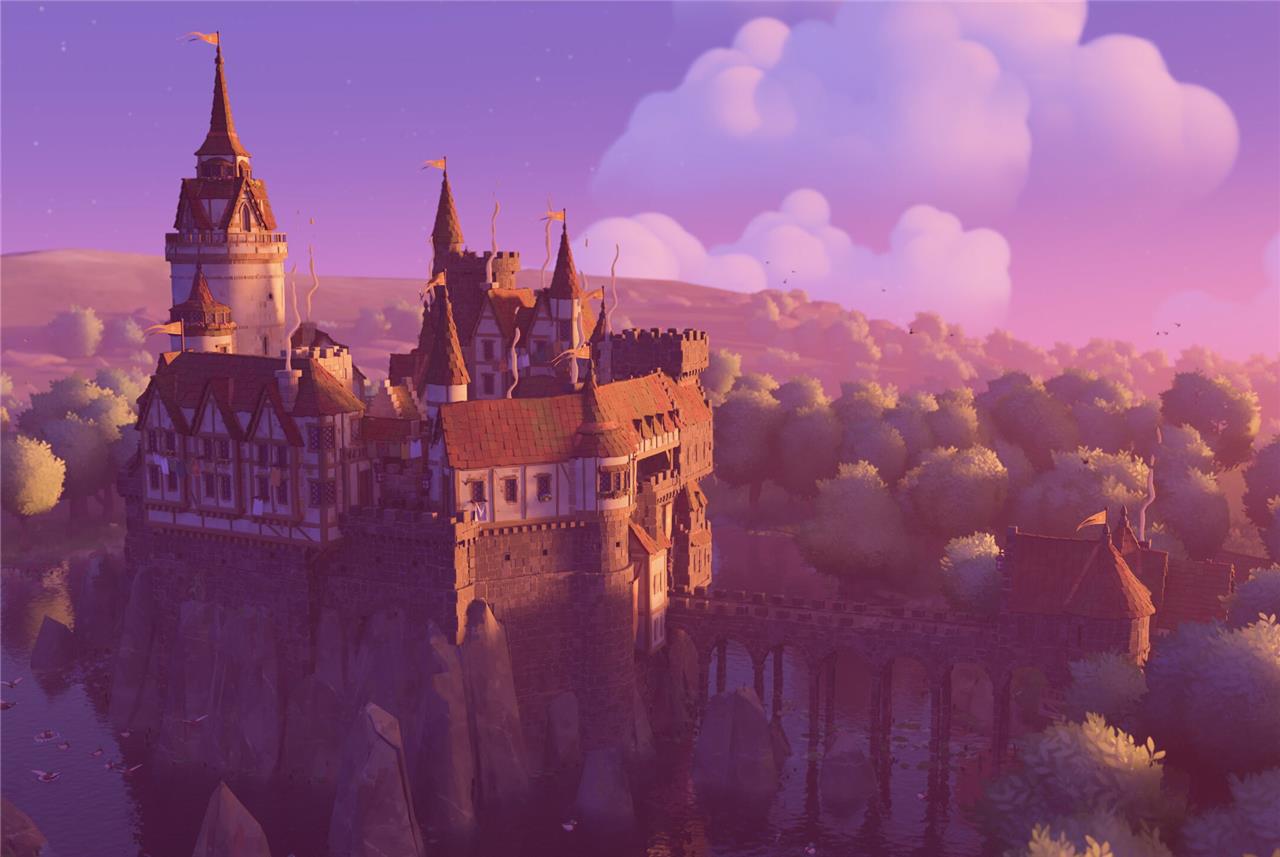
If there were ever a video game I’d like to live in, it’d be developer Pounce Light’s Tiny Glade, a scene-building game where you design castles and gardens straight out of a fairytale. Its muted colors and satisfying sounds only add to the near-perfect atmosphere: You can hear the bricks fall into place as you stack a stonework wall around your wizard’s tower or watch the sheep wander your vast fields. Tiny Glade feels like a mixture of Lego building and painting; with no goals or objectives, Tiny Glade is all vibes.
It’s also part of a growing trend of scene-building games that follow a similar structure, allowing players access to a sandbox full of tools – something more akin to a pile of creative toys than anything else. Over the past several years, there’s been an influx of games that are all atmosphere; the developer puts tools into a player’s hands and then steps back to let them play with it all.
Read Article >
-

Sep 16, 2024
Jordan Oloman
Behind Atomfall’s Fallout: New Vegas vibes
Atomfall channels the spirit of Fallout: New Vegas through its focus on a tightly woven narrative set in a specific post-apocalyptic location-an alternate history version of England’s Lake District following the 1957 Windscale fire. While inspired by New Vegas’s interconnected story and the freedom to kill any NPC, Atomfall distinguishes itself by blending detective and survival gameplay with a distinctly British tone, marked by dry humor and regional authenticity. The game replaces traditional RPG quests with investigative leads, creating a tense, high-stakes atmosphere that leans more into survival than the often tongue-in-cheek optimism of Fallout. This fusion results in a unique experience that pays homage to Fallout’s best while forging its own identity in the post-apocalyptic genre.
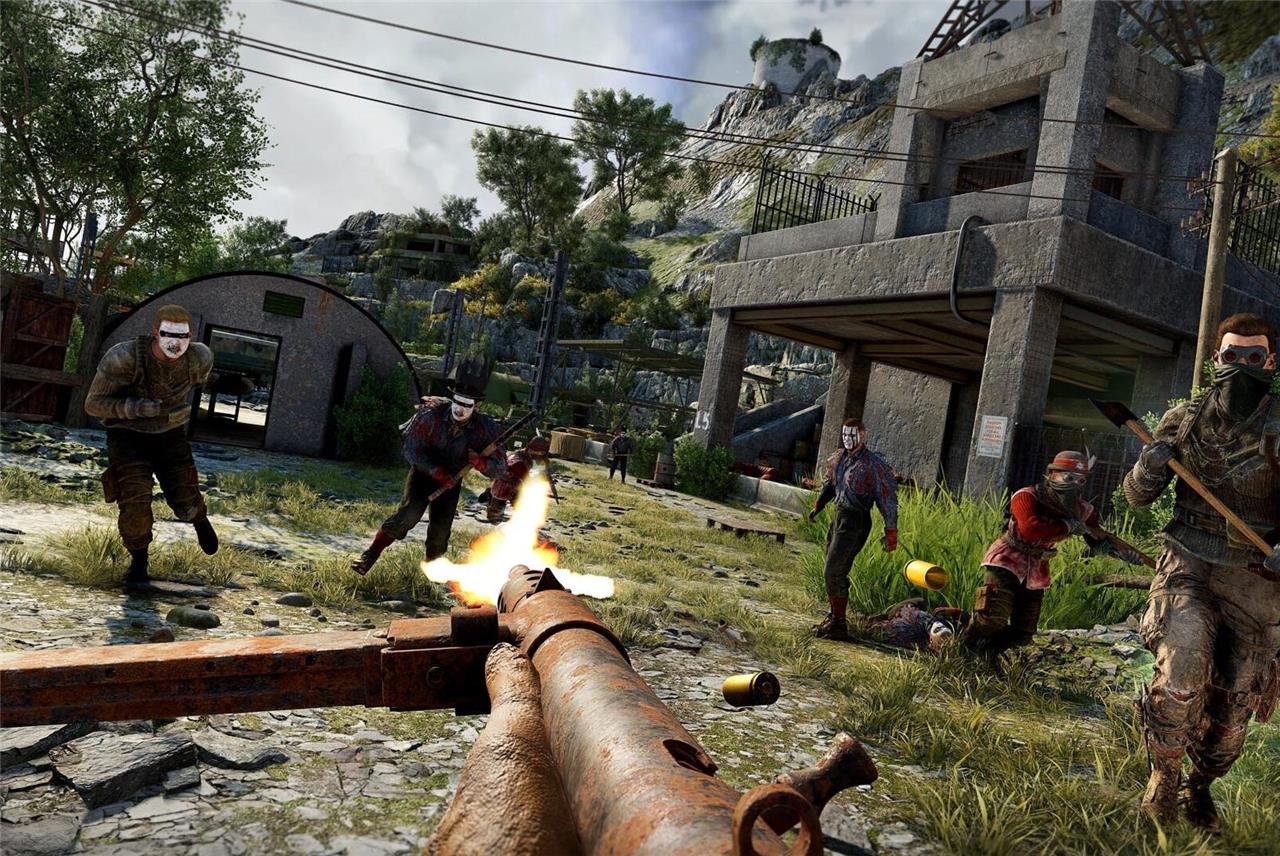
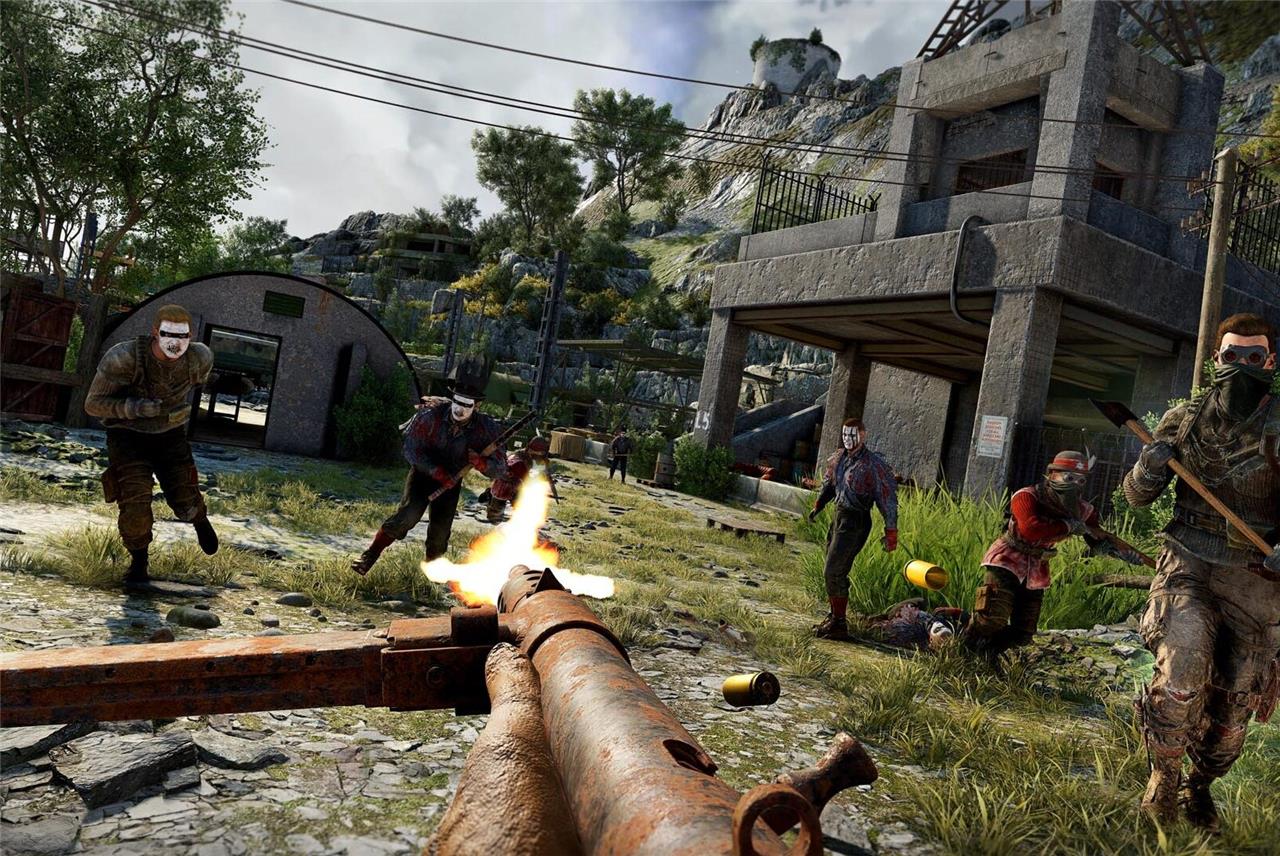
Like limited-time public demos, media hands-on preview builds often feature handy text boxes that flash on the screen to inform the player that only a few minutes remain. During my half-hour with Atomfall at Gamescom, one appeared while I was chatting with the flat-capped landlord of a painstakingly British pub. Alf Buckshaw of the Grendel’s Head had done well to frame the world beyond his grimy windows, waxing about the post-government military quarantines and Droog-like bandit gangs that have cropped up in the wake of Rebellion’s fictionalized exaggeration of a real 20th-century nuclear disaster. But time was of the essence, so I brandished a cricket bat and started lamping the poor bloke in the head. To my surprise, he was up for a scrap, even in his old age.
Playing a choice-driven RPG with a built-in time limit can force you to do some strange and ethically murky things. And I don’t typically do so with an in-person audience, so it was hard not to worry about the judgment being passed over my shoulder by Rebellion’s head of design, Ben Fisher. After I was gunned down by a tipsy soldier for my crimes against the elderly, I stood up for a quick chat about this inimitable Cumbrian STALKER-like.
Read Article >
-

Sep 13, 2024
Nicole Carpenter
Cupiclaw blends roguelike, deck-building gameplay with a claw machine for a chaotic good time
Cupiclaw uniquely combines roguelike and deck-building mechanics with the nostalgic thrill of claw machines, creating a chaotic and strategic gameplay experience. Players take on the role of Morris, who must claw his way through increasingly expensive machines to recover his lost engagement ring. The game challenges players to grab, sell, and customize prizes, balancing beneficial rewards against traps while managing a growing economy of claw machines. With each run lasting only a few minutes, Cupiclaw offers fast-paced, endlessly replayable fun that blends resource management with the unpredictability of arcade claw machines.
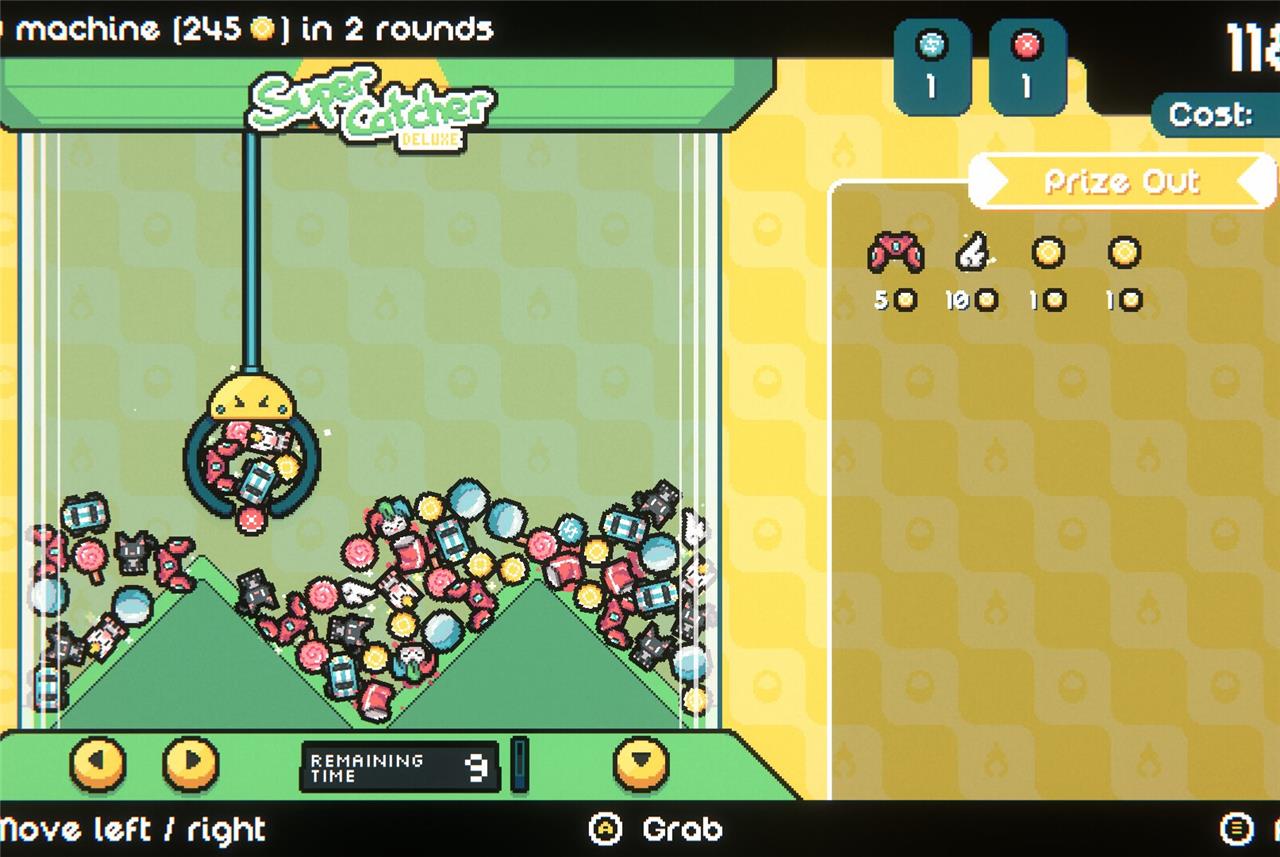
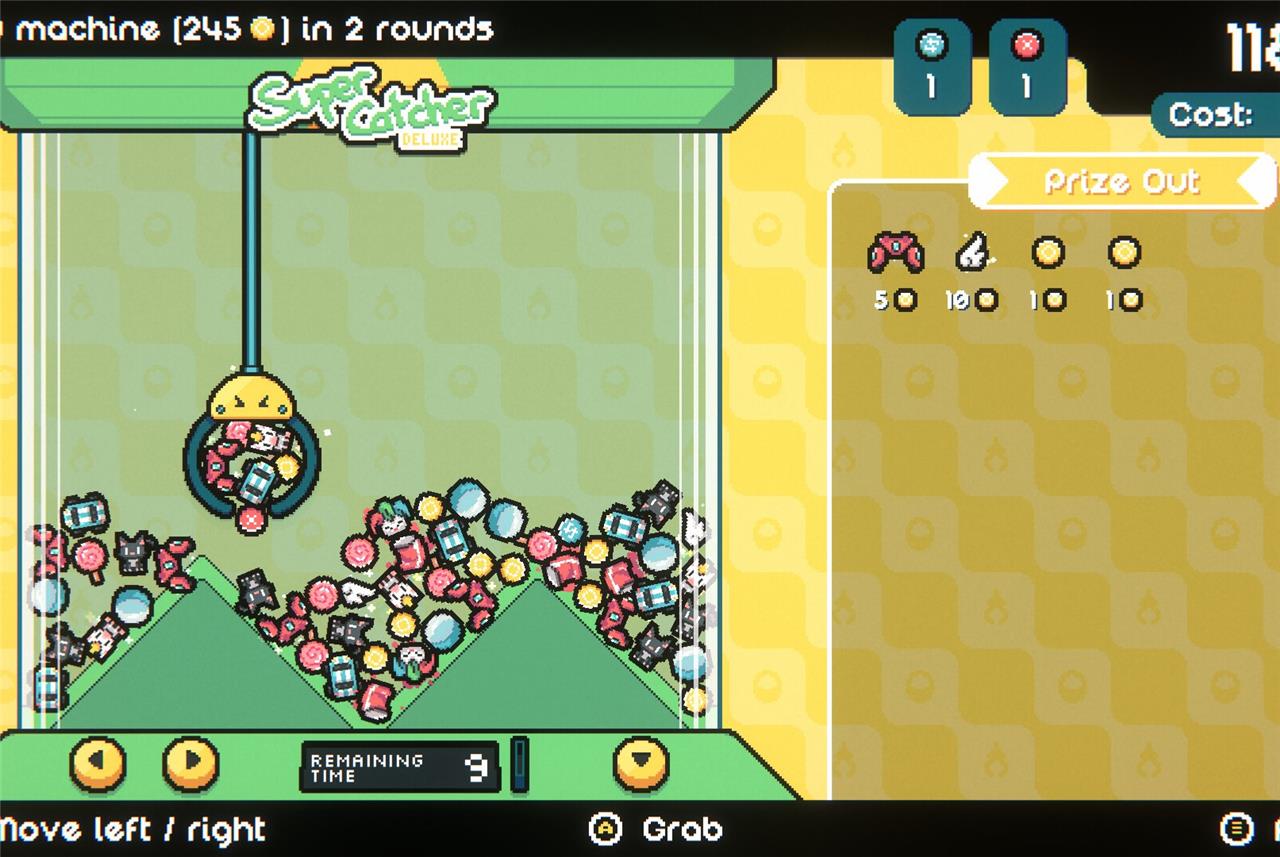
You ever lose your engagement ring in a claw machine? No? Me either. But in Cupiclaw, a “roguelike deck-building claw machine game” from French developer Julien Tran, you’ll play as a man named Morris who lost his engagement ring and needs to furiously play a very expensive claw machine to win it back.
Cupiclaw is not out just yet, but Tran has a demo available on Steam, where you’ll be able to play through five levels. Basically, the gist of Cupiclaw is that you’ve got to play the claw machine and win prizes to afford to move on to the next claw machine – then keep doing that until you’re able to find Morris’ ring. Simple, right? Well, Cupiclaw is actually pretty hard: The roguelike, deck-building aspects of the game mean there’s strategy both in what prizes you go after and in the new prizes you can choose in between each round, which are then added to the claw machine. Each prize has its own characteristic that changes how you’ll play. For instance, there’s a gem you can add to the machine that boosts the prize payout for all teddy bears you collect. But if you don’t collect any teddy bears, you’re effectively losing out on tons of coins.
Read Article >
-

Aug 30, 2024
Nicole Carpenter
Modern text parser game The Crimson Diamond rewards precision
The Crimson Diamond stands out in 2024 as a modern text parser game that rewards players for linguistic precision rather than quick reflexes. Developed by Julia Minamata, it revives the classic style of text-driven adventures with a fresh approach that emphasizes careful word choice and thorough investigation. Players must input precise commands to explore a richly detailed murder mystery set in early 20th-century Canada, where even small variations in phrasing can lead to different outcomes. The game balances its challenging puzzles with an accommodating parser and a comprehensive hint system, reducing frustration while encouraging deep engagement with the story and environment. This focus on precision and thoughtful interaction makes The Crimson Diamond a unique and rewarding experience for both retro fans and newcomers alike.
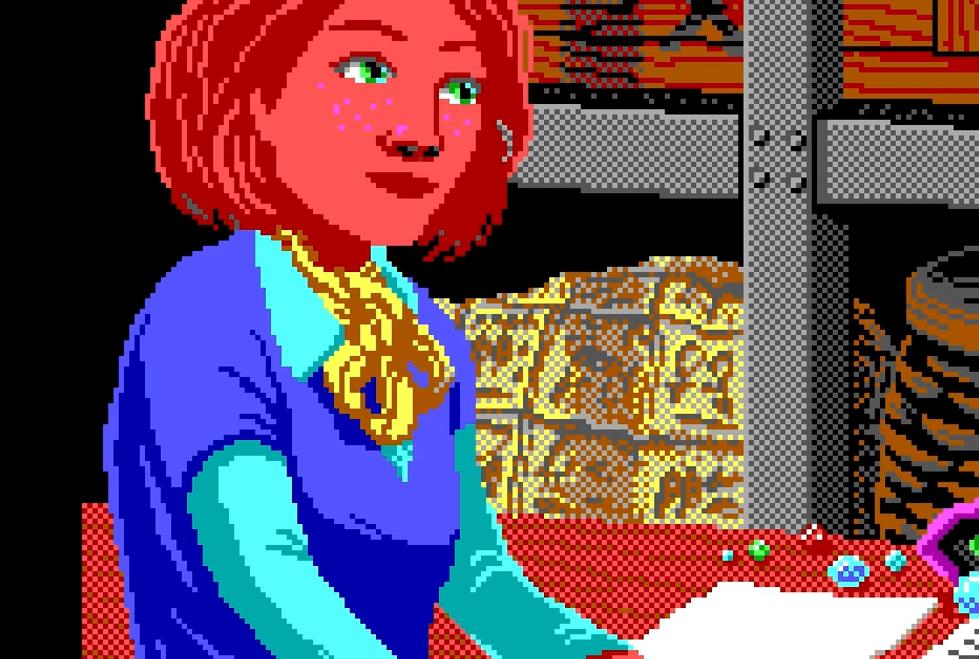
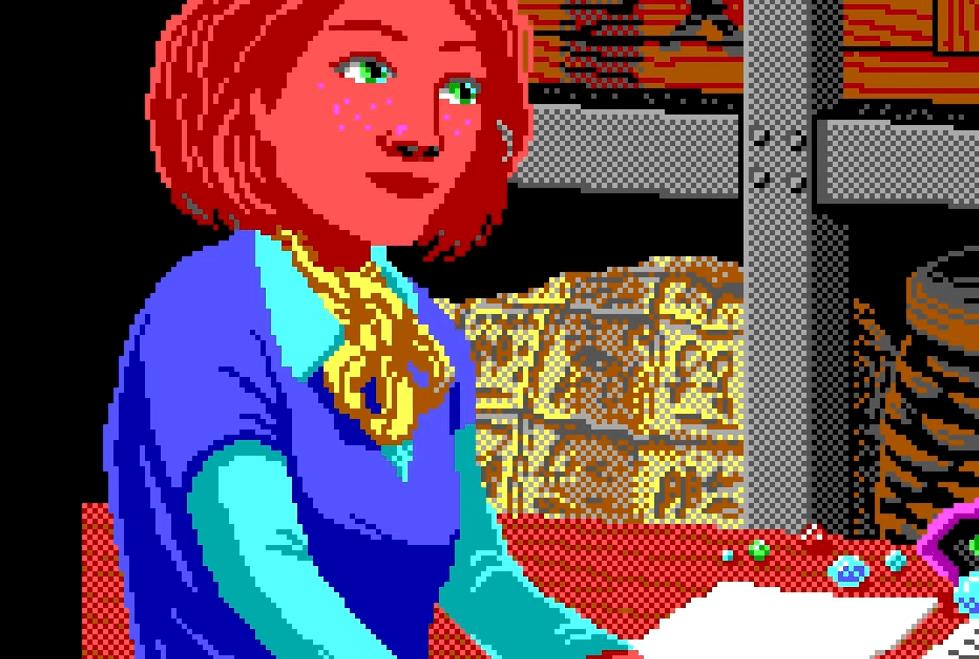
Nancy Maple had spent mere minutes in the Crimson Lodge before I got her killed in The Crimson Diamond. The amateur mineralogist – on an errand with the Royal Canadian Museum, where she works as a clerk – spent hours on a train heading deep into the Canadian wilderness, in search of diamonds. I figured she’d like a shower. So I click Nancy through the Crimson Lodge, peering into rooms and occasionally saying hi to other guests. I find a bathroom with a tub and shower, maneuver Nancy next to it, and type Take a shower. It doesn’t work, because Nancy is fully clothed. I type Undress, and Nancy won’t do it because the door’s open. Makes sense! I point Nancy to the door. Close the door. Now Undress. Back at the shower, I peck out Turn on water valve on my keyboard. Switch to shower. Now Nancy can get in.
But then, The Crimson Diamond cuts to a different angle, Nancy’s silhouette behind a shower curtain. The music shifts. Anyone who’s seen a horror movie knows what’s about to happen next – the door handle jiggles. The door opens. Nancy is stabbed to death. I forgot to lock the door.
Read Article >
-

Aug 27, 2024
Nicole Carpenter
Fields of Mistria is pure magic
Fields of Mistria is pure magic from the very first moment you step into its enchanting world. The game’s retro-inspired visuals evoke the nostalgia of classic Game Boy adventures, but its appeal goes far beyond aesthetics. Every character is thoughtfully crafted, with lively personalities and interactions that make the town feel genuinely alive. Dialogue is witty and heartfelt, and the sense of community is palpable, inviting players to connect with the townsfolk not out of obligation, but out of genuine curiosity and affection. With a robust skill tree, inventive twists on familiar farming sim mechanics, and a world brimming with secrets and fantasy, Fields of Mistria sets a new gold standard for the genre, effortlessly capturing the spirit of wonder and discovery that defines the very best indie games.
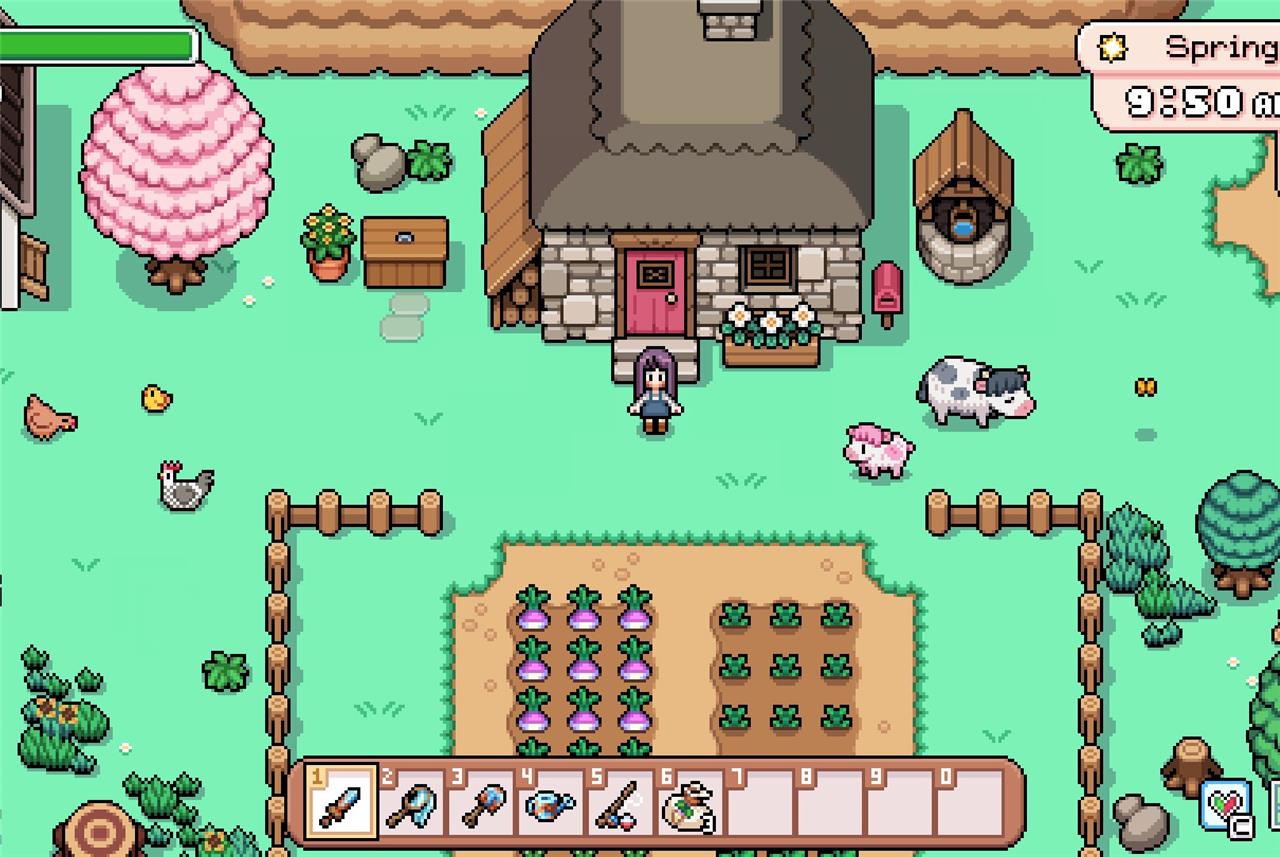
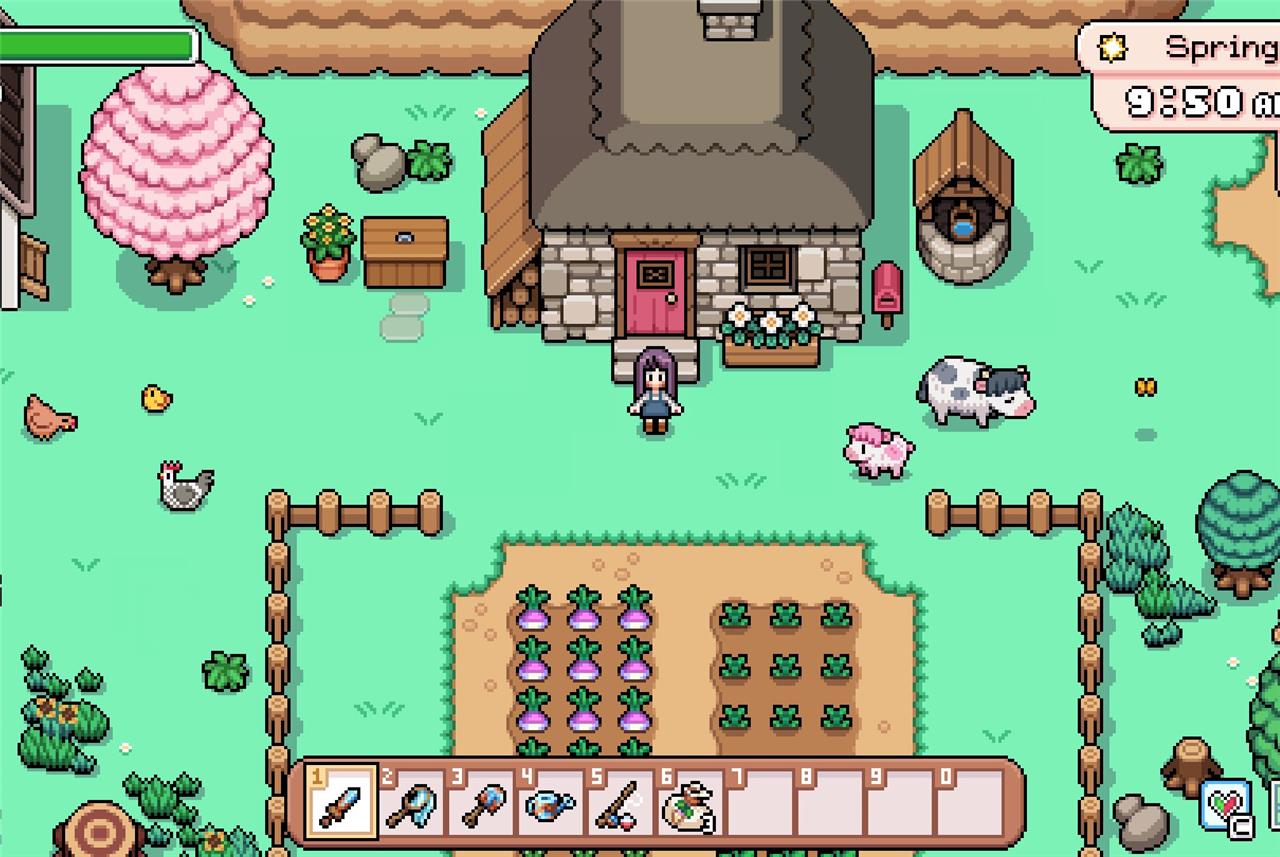
Bridges collapsed, buildings crumbled – the sleepy town of Mistria must rebuild. You can see the earthquake’s devastation in Mistria’s sidewalks and buildings too worn to enter. But you can also see its beauty – something that’s evident not only in its lush spring flowers and berry-laden bushes, but in its people, too. Around the edges of destruction, the people of Mistria continue on with life. A group gathers weekly to play “Dungeons & Drama” (remind you of anything?); Celine, all blond hair and braids, tends to flowers in her garden bed; March, a grumpy young blacksmith, forges swords and shovels at his shop; Reina, a quiet, masterful cook, preps stews at the inn; and the ever-optimistic Adeline acts as the town’s mayor. To put it simply, Mistria is alive – its buzz radiates from its town core, spreads into its wilderness, and seeps down into its mines.
Fields of Mistria, the first game from Chicago-based NPC Studio, begins like many farming simulators do: A wayward adventurer moves to town with little but a hardworking spirit, into a neglected cabin on a patch of land that’s primed for farming. Adeline offers the player character this old farm in exchange for some help rebuilding Mistria after the earthquake. From the first swing of your ax, Fields of Mistria is sending a message – this is a game about community. It’s not necessarily a revelatory idea for games of this genre: In Animal Crossing: New Horizons, you’re building up an island locale; in Story of Seasons or Harvest Moon, you’re integrating yourself into a world; and in Stardew Valley, you’re restoring a community center. Fields of Mistria’s foundation is built upon the legacy of these games and others, but it’s the community – the non-playable characters who are so grateful for your help – that sets the game alight.
Read Article >
-

Aug 22, 2024
Alice Jovanée
Tactical Breach Wizards proves you can’t spell witch without wit
Tactical Breach Wizards proves you can’t spell witch without wit by blending sharp tactical gameplay with clever humor and magical charm. Leading a team of renegade wizards equipped with unique spells and tactical gear, players engage in turn-based battles that challenge both strategic thinking and creativity. The game’s standout rewind mechanic allows you to experiment with different plans, perfectly embodying the wit behind the witchcraft. Its engaging narrative, witty dialogue, and inventive combat make it a standout indie title in 2024, offering a fresh and fun twist on the tactical strategy genre.
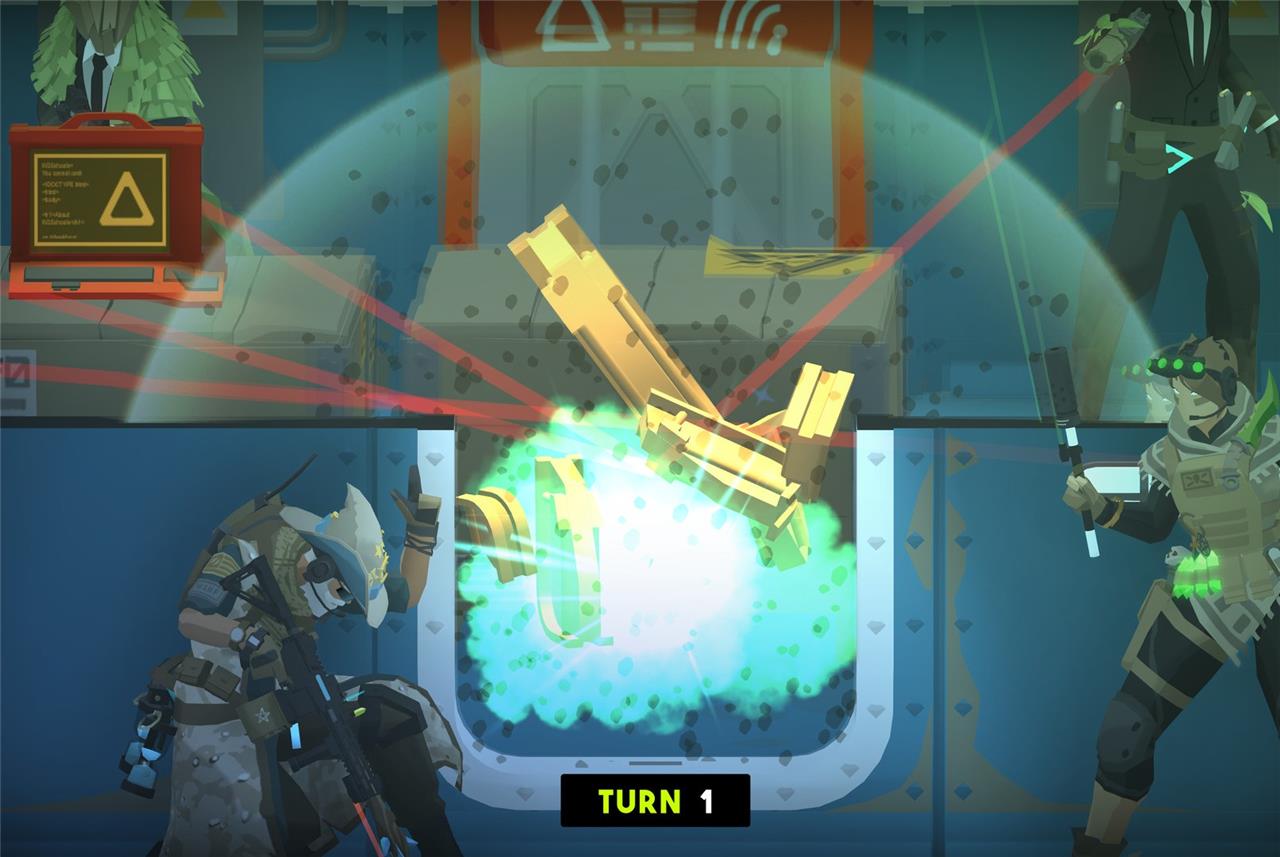
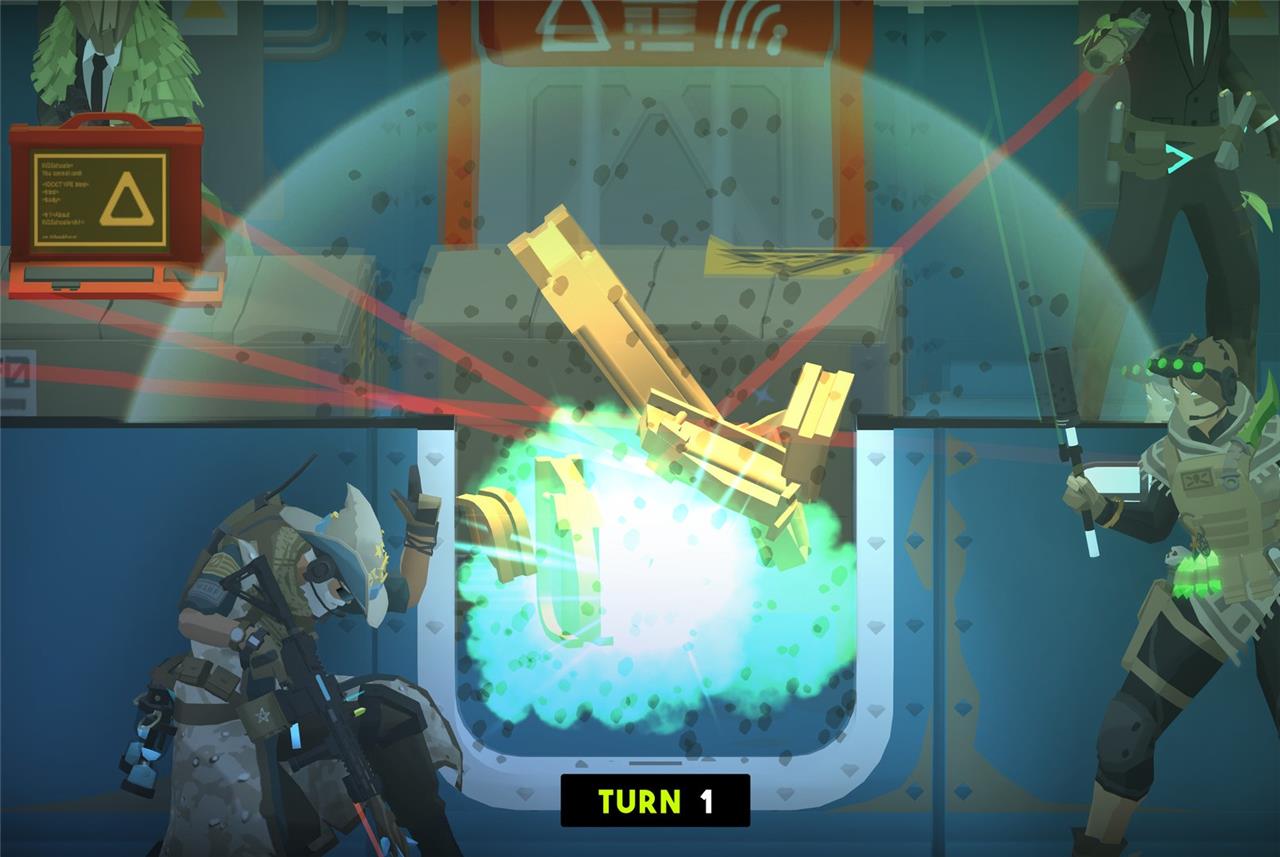
Tactical Breach Wizards proves there’s no substitute for the dopamine hit you get from simultaneously ejecting three dudes out of a window. Defenestrations aside, Tactical Breach Wizards is a surprisingly deep turn-based strategy game that delivers some of the best writing I’ve seen in a game this year.
The world of Tactical Breach Wizards is very surreal -similar to our own, with similar problems, but distinct in its collection of nations, politics, and traditions. Also, magic is real. You control a squad of warlocks, wizards, witches, clerics, and druids whose talents and abilities make them uniquely qualified for working in various branches of the special forces. Instead of Navy SEALs, you have Navy Seers, and instead of boring normal medics, you have necro-medics that can raise the dead. I would love to pore over an encyclopedia or sourcebook for Tactical Breach Wizards; it’s that good.
Read Article >
-

Aug 15, 2024
Ana Diaz
Gourdlets is the laid-back building sim for people sick of the grind
Gourdlets is the perfect laid-back building sim for players tired of the usual grind, offering a relaxing sandbox experience where you create charming towns for adorable vegetable folk without any stress or resource management. Unlike traditional sims, there are no objectives, fail states, or currency to worry about-just pure, cozy creativity as you decorate interiors, build cafes, and watch your gourdlets happily interact with their island home. Its idle mode even lets you play alongside other tasks, making it an ideal escape for those seeking a peaceful, enjoyable break from the digital hustle.
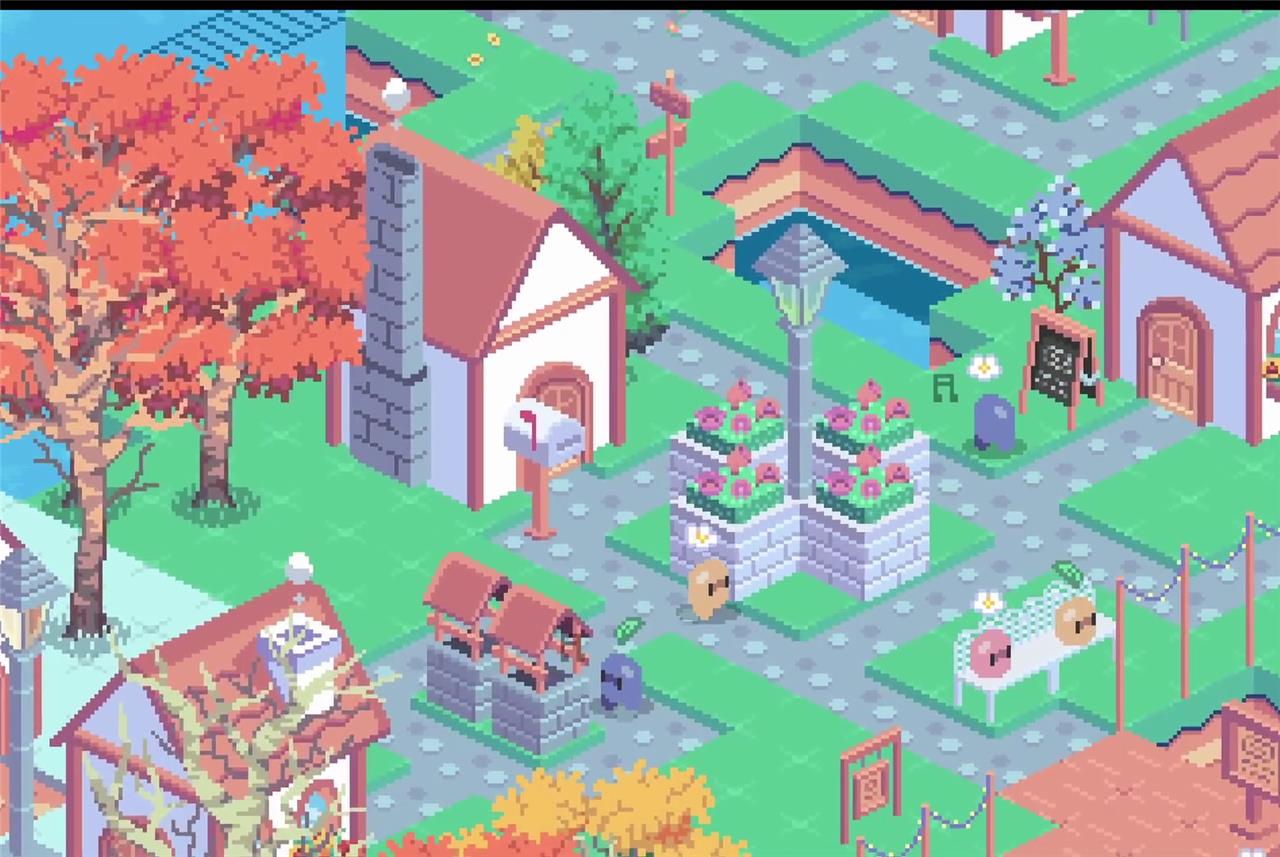
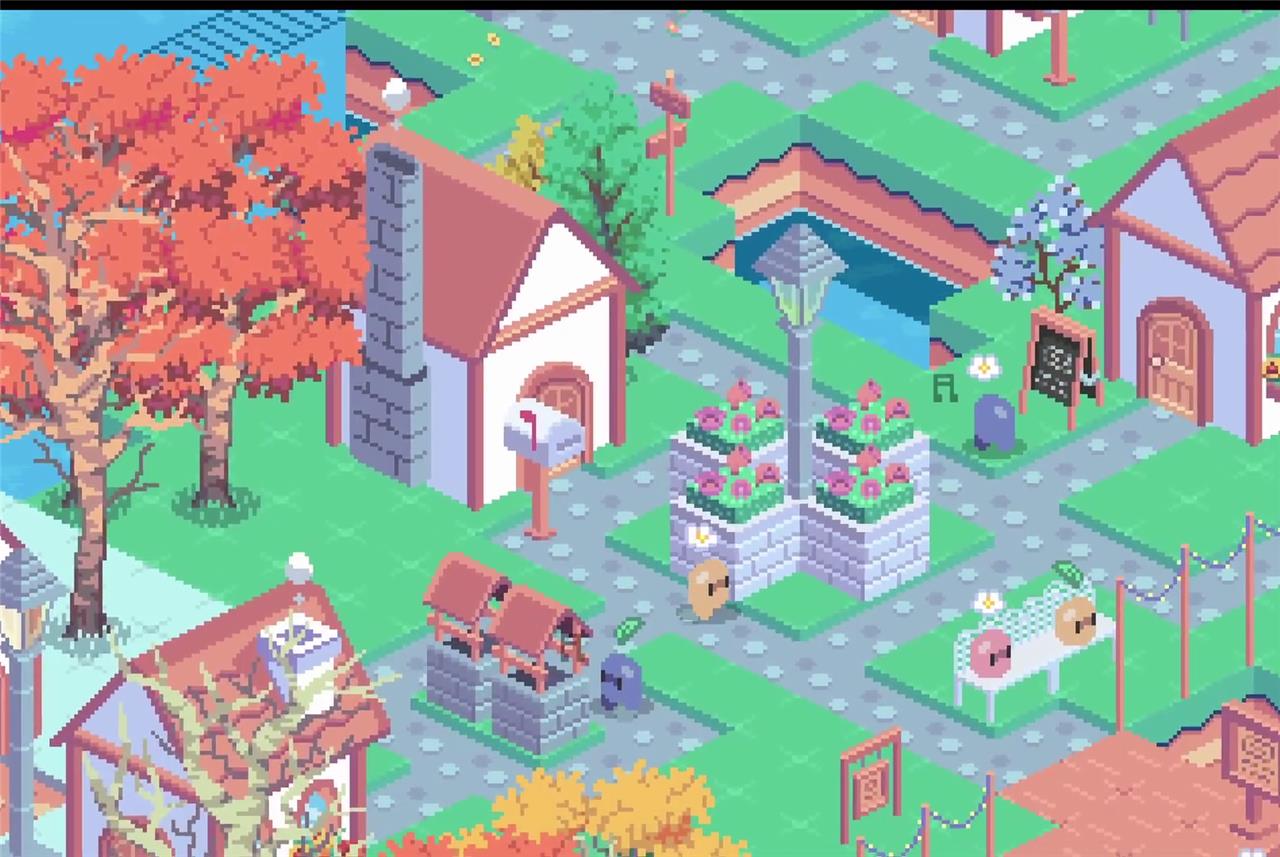
Gourdlets is like the retirement stage of building sims.
Playing it feels more like if Tom Nook decided to abandon profiting off your debt in Animal Crossing or if you never had to worry about your Sim setting the house on fire or getting sick. In other words, Gourdlets is a lovely time for anyone looking to build an adorable town and take a break from the digital grind.
Read Article >
-

Aug 14, 2024
Nicole Carpenter
In The Crush House, chaos is in the camera
In The Crush House, chaos unfolds through the lens of your camera as you take on the role of Jae, the producer and camerawoman of a 90s-style reality TV dating show. Instead of guns, your weapon is a video camera, and your mission is to capture the wild, dramatic, and often hilarious antics of a diverse cast living together in a Malibu mansion. The game cleverly blends strategic management with storytelling, where every shot you take influences the show’s ratings and the unfolding drama. Navigating the unpredictable interactions and managing the cast’s dynamics, all while breaking the rules behind the scenes, makes the camera your tool for controlling and embracing the chaos that defines the show.
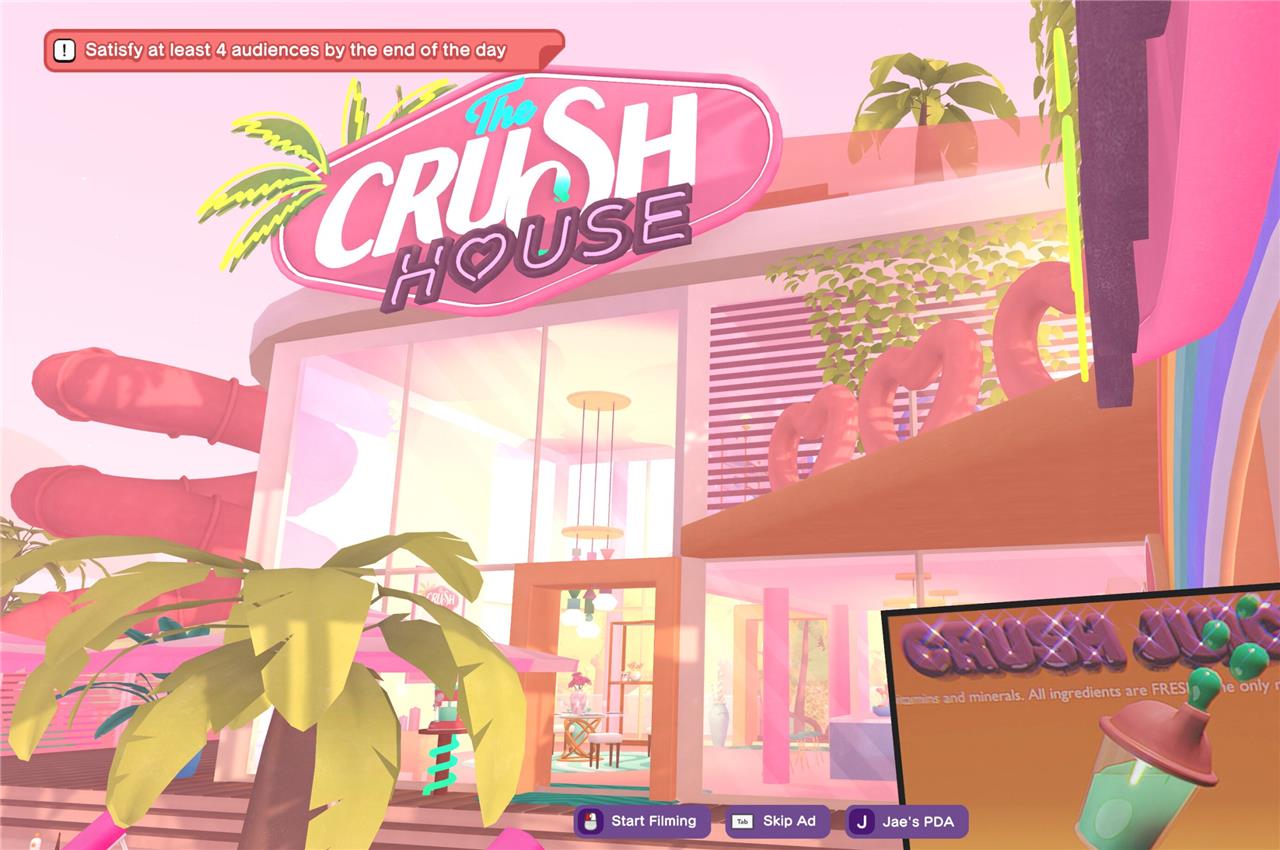
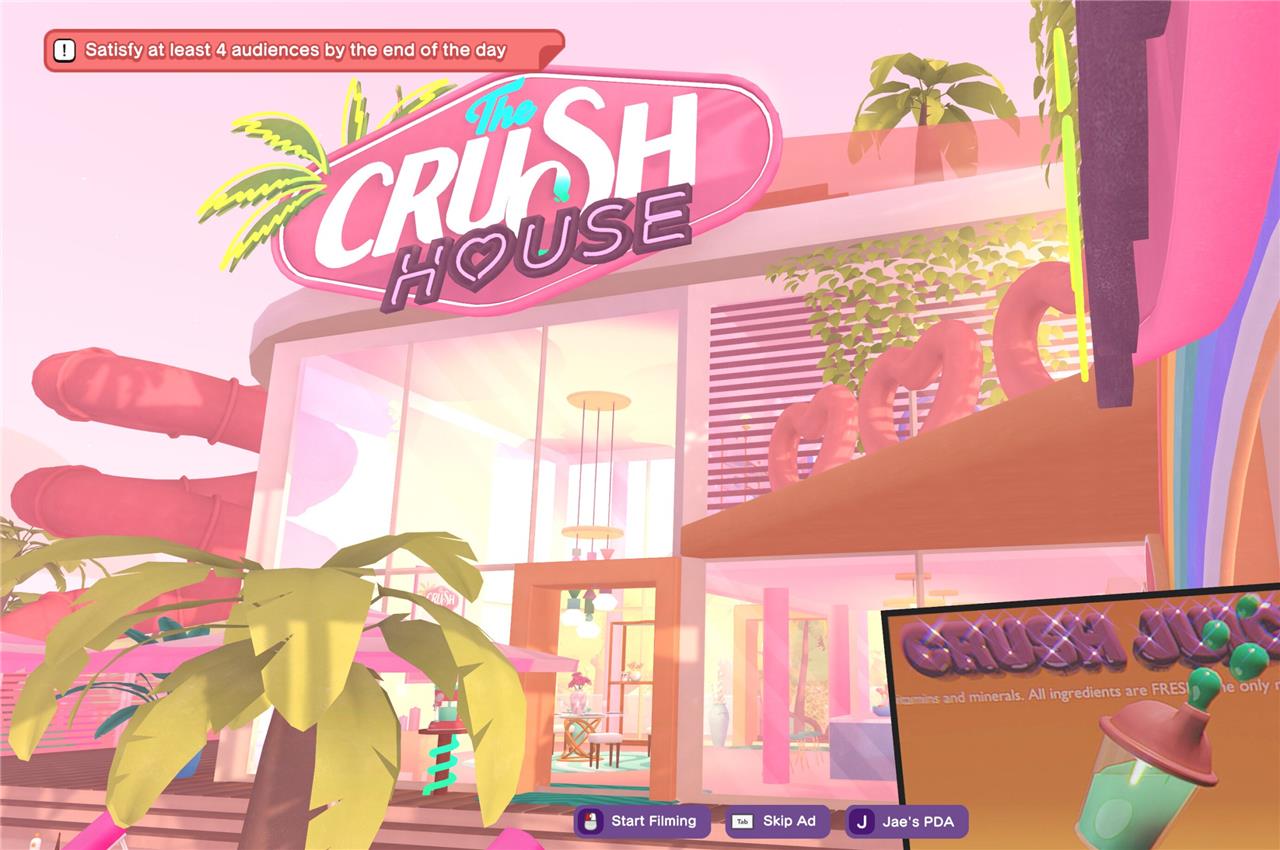
I’m not supposed to speak to the four-person cast of The Crush House, but when they’re asking for favors – late at night, when the cameras are off – it’s hard to say no. One shy cast member of the in-game reality TV show wants to project a persona into the world that’ll surprise people: They want me to film them making friends and enemies. Another cast member doesn’t want her parents to see her smoking, and she wants me to turn my camera off when she’s got a cigarette in hand. Then there’s the person who wants to prove to her mom that she’s hot stuff (??), which means showing her kissing two separate people. As Jae, the cameraperson and producer, I play a big role in how these people are portrayed to our growing audience; I shape their narrative by what I choose to film, and what I don’t. But I’m also still at the whims of my bosses – i.e., advertisers – and the audience, both of whom dictate whether the show will get canned.
Created by developer Nerial and published by Devolver Digital, The Crush House – not the in-game show, but the eponymous game released on Aug. 9 – gamifies the dating reality TV show experience but switches up the perspective. “[Former Nerial creative director Arnaud de Bock and I] were both obsessed with this reality show called Terrace House,” creative director Nicole He told AELGAMES. “That’s where the spark of the original idea came out.”
Read Article >
More Stories
Most Popular
Among the most popular indie games of 2024, titles like Hades, Balatro, and Pacific Drive have stood out for their innovative gameplay, engaging narratives, and unique artistic styles. Hades continues to be celebrated as a genre-defining roguelike with its polished mechanics and rich story, while Balatro has gained acclaim for its addictive roguelite poker gameplay and replayability. Pacific Drive also captures players with its novel mechanics and emotional depth. These games exemplify the creativity and boldness that define the best indie releases of the year, appealing to a wide range of players across platforms including PC, Nintendo Switch, and PlayStation.
- Final Destination: Bloodlines directors say IMAX viewers will get a version no one else will ever see
- The Pokémon Fossil Museum is coming to the US, you’re gonna want to get tickets
- Minecraft finally adds saddles as a crafting item, and it’s only been 15 years
- Disco Emperor Palpatine is here
- Nintendo’s redesign of Diddy Kong is so much better
What indie game of 2024 surprises me with its unique mechanics and style
A standout indie game of 2024 that surprises with its unique mechanics and style is Screenbound by Crescent Moon Games. It innovatively blends first-person puzzle platforming with a dual gameplay mechanic where players navigate a 3D environment while simultaneously managing a 2D version of the same space on a device reminiscent of a Game Boy. This inventive mechanic requires players to juggle two overlapping realities, creating a fresh and mind-bending experience that has drawn comparisons to genre-defining titles like Portal and Viewfinder. Another notable mention is Another Crab’s Treasure, a Souls-like set in a vibrant underwater world with challenging gameplay and witty dialogue, praised for its accessibility options and strong community engagement. Both games offer distinct, memorable experiences that push the boundaries of indie game design in 2024.
How does Wayfinder’s blend of Overwatch and Diablo mechanics surprise me
Wayfinder surprises by blending Overwatch’s hero-based character design with Diablo-style dungeon crawling and loot grinding, creating a hybrid experience that combines distinct, class-based gameplay with randomized instanced dungeons. Unlike traditional MMORPGs, it features a fixed cast of Wayfinders, each with unique abilities reminiscent of Overwatch’s varied heroes, but set in a loot-driven, action RPG framework akin to Diablo’s grind-heavy progression. This mix offers structured mechanical boss fights and diverse weapon mechanics, though some players find the weapon complexity and character uniqueness underwhelming. The game’s randomized dungeon layouts and a “reward tower” system add fresh twists to the genre, providing strategic choices in progression and replayability, even if the overall polish and ambition feel somewhat muted in early access.
