
Who is the greatest Napoleon of all time? From battlefield legends and tabletop titans to digital conquerors, movie icons, and even Pokémon, the name Napoleon has marched far beyond history books. In this extremely serious roundup, we pit the world’s most memorable Napoleons-across guides, games, films, and fantasy-against each other in a no-holds-barred ranking to crown the true emperor of them all.
Ridley Scott’s $200 million historical epic Napoleon is the stuff prestige-movie dreams are made of. Spanning 32 years in the French emperor’s life, the 158-minute film blitzes through multiple massive, expensively staged battles, all in order to consider how Napoleon’s marital struggles with his wife Josephine may have shaped French history. But does all this pricey prestige drama live up to the other great Napoleons of media? The AELGAMES staff takes this kind of question very seriously, so we sat down to consider which media Napoleons matter most.
Napoleon from Aristocats
Napoleon, the self-appointed leader of the bumbling hound duo in Disney’s The Aristocats, is a scene-stealer despite being only a minor character in the film. As a skinny, overconfident Bloodhound, Napoleon insists on being in charge-often loudly reminding his loyal but dimmer companion Lafayette that he outranks him, even as he adopts Lafayette’s ideas as his own. The pair’s slapstick attempts to defend their windmill home from intruders, especially their chaotic encounters with the villainous butler Edgar, provide some of the movie’s most memorable comic relief. Napoleon’s exaggerated sense of authority, combined with his knack for mischief, cements him as one of Disney’s most entertaining canine Napoleons.
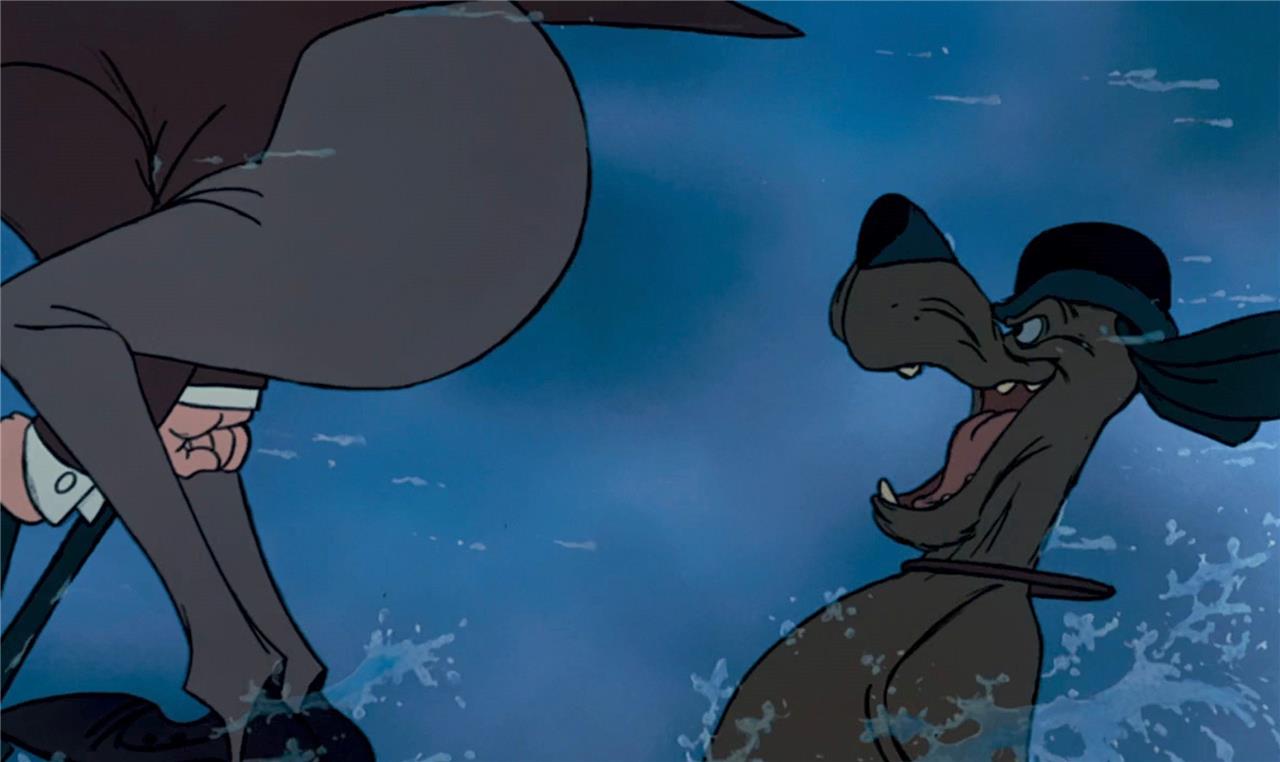
The tire-biting, vehicle-chasing bloodhound Napoleon in Disney’s 1970 animated movie The Aristocats is perhaps a little more Southern-coded and a little more focused on ass-biting than most historical depictions of the French emperor. But he does look dapper in a bowler hat, and his defense of his leadership skills and status – or at least, the degree to which he outranks his basset hound companion in arms, Lafayette – does have some resonance with the historical figure. This Napoleon wouldn’t hesitate to launch into an ill-advised Russian winter campaign, if the Russians showed up in cars he could chase. –Tasha Robinson
Napoleon in Civilization V
Napoleon in Civilization V is a formidable leader known for his aggressive military tactics and strong cultural potential. As the head of France, Napoleon benefits from the unique ability “Ancien Régime,” which grants additional culture to cities before discovering certain technologies, making France especially potent in the early game for cultural expansion. On the battlefield, his unique unit, the Musketeer, stands out as the most powerful Renaissance-era infantry, giving players a significant edge during that period-though this advantage fades once opponents unlock more advanced units. Napoleon’s AI personality tends to favor domination or cultural victories, often launching swift offensives if he detects weakness in rivals, but he can be vulnerable to counterattacks if his initial assaults fail. This combination of early cultural growth and military prowess makes Napoleon a dynamic and sometimes unpredictable force in any Civilization V match.
Civilization V’s Napoleon is a smarmy little guy, and I have a love-hate relationship with him for it. He introduces himself by saying “Welcome. I’m Napoleon, of France, the smartest military man in world history.” He generally has an air of disdain for you and anyone who is not him. This makes me hate him, but also love him: Consistency is important.
Gameplay-wise, Civ V’s Napoleon is appropriately bold. He’s frequently trying to expand his empire, and you better hope you’re not in his way, as he’s one of the most likely leaders to declare war. Ultimately, though, Napoleon most often goes for a cultural victory. Despite his military background, that does feel most fitting for France’s whole deal. He got replaced for Civ VI by Catherine de Medici and Eleanor of Aquitaine. I both miss you and don’t, Napoleon. –Pete Volk
Napoleon in Bill & Ted’s Excellent Adventure
Napoleon in Bill & Ted’s Excellent Adventure is portrayed humorously as a small, fiery French leader who unexpectedly gets swept up in Bill and Ted’s time-traveling escapades. After being accidentally dragged through time, Napoleon finds himself in modern-day San Dimas, where his antics include memorable scenes like his exclamations of “merde!” and a comical victory at a local water park, humorously dubbed “Waterloo.” Left in the care of Ted’s younger brother, Napoleon’s bewilderment and spirited personality add a quirky charm to the film’s ensemble of historical figures, making him one of the standout comedic highlights in this cult classic.
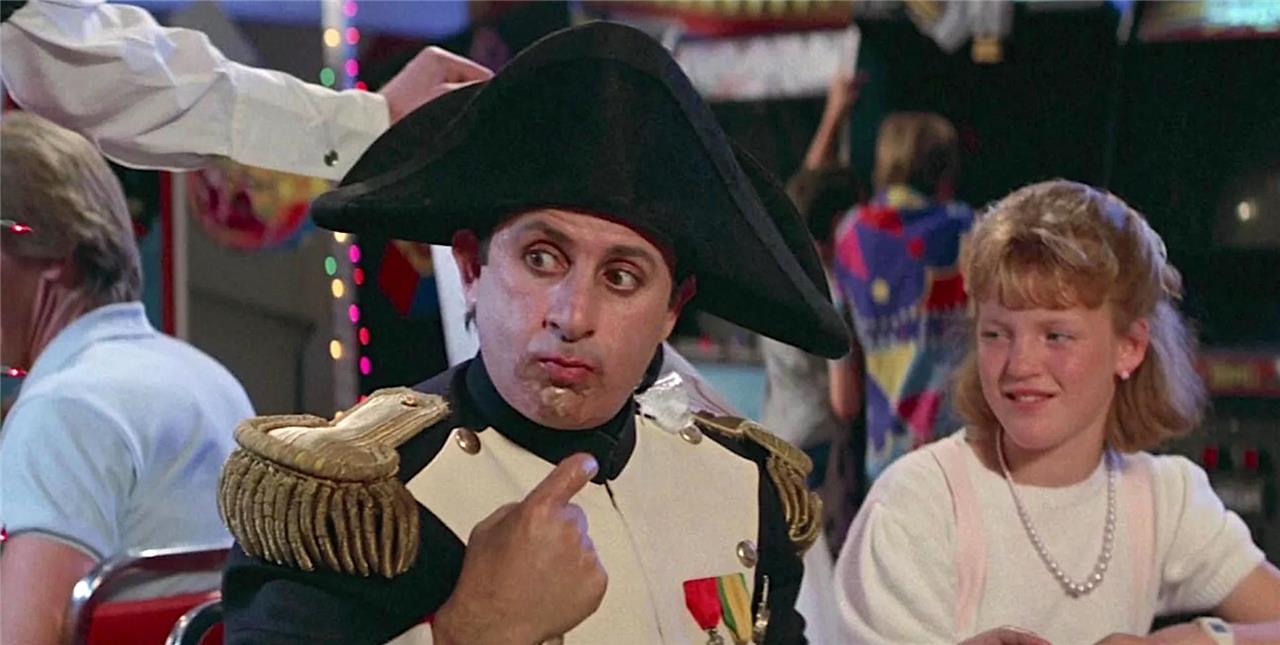
Bill & Ted’s Napoleon is a very silly man. The Wyld Stallyns (Keanu Reeves and Alex Winter) run into him while he’s getting ready to go to battle, but life had different plans. Abandoned at a bowling alley, Napoleon finds a water park, fittingly called “Waterloo,” and has the absolute time of his life, making friends, enemies, and a new waterslide-centric war strategy. I hope Ridley Scott’s Napoleon respects this chapter of his life. –PV
Napoleon in Time Bandits
Ian Holm’s portrayal of Napoleon in Terry Gilliam’s Time Bandits is a standout comedic turn in a film bursting with historical cameos. Depicted as a petty, insecure tyrant obsessed with his own height and fixated on lists of “little” conquerors, this Napoleon is both ridiculous and oddly sympathetic. The character’s encounter with the time-traveling thieves is memorable for its blend of slapstick and satire, poking fun at the myth of the great general while fitting perfectly into the film’s irreverent, fantastical tone.
“You know, I come to conquer Italy. because I thought they were all small, you know? I heard they was really tiny guys.”
Future Bilbo Baggins Ian Holm is having the absolute time of his life as another great short king in Time Bandits. This Napoleon is very concerned with his height, the height of other significant historical figures, and the height of his generals, and is delighted to meet the even shorter Time Bandits, after his violent puppet show meets a bloody end. Fun fact: This is one of three times Holm played Napoleon, after the TV show Napoleon and Love and before the 2001 movie The Emperor’s New Clothes. –PV
Napoleon Dynamite
Few films have captured the awkward charm of adolescence quite like Napoleon Dynamite. This 2004 cult classic follows the daily misadventures of Napoleon, a socially awkward high schooler in rural Idaho, as he navigates bullies, bizarre family members, and the trials of teenage friendship. With his deadpan delivery and unforgettable dance moves, Napoleon helps his new friend Pedro run for class president, all while doodling ligers and dreaming of something more. The film’s quirky humor, offbeat characters, and iconic moments-like the tetherball showdown and the legendary dance routine-have cemented Napoleon Dynamite as one of the most beloved and distinctive comedies of its era.
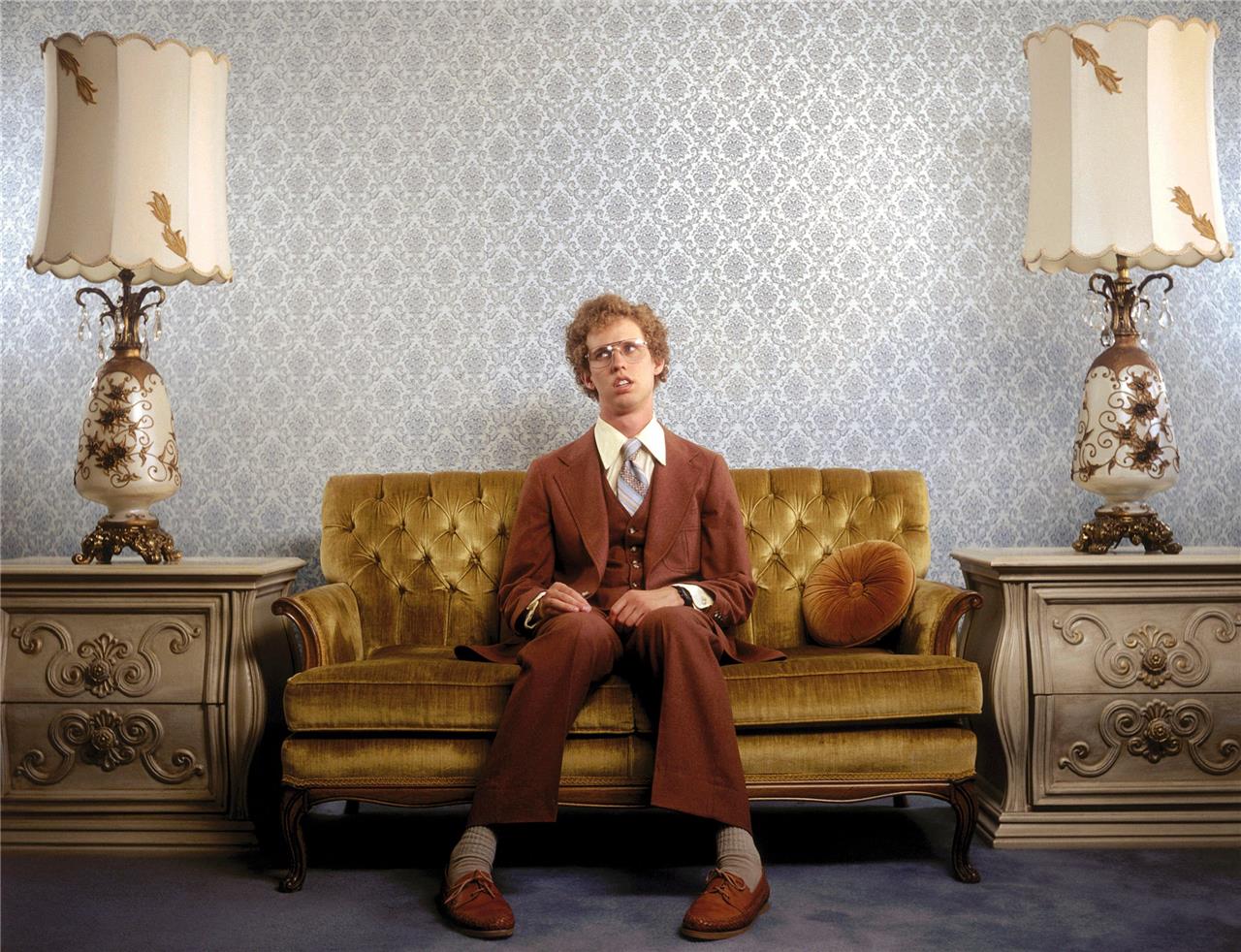
The awkward hero of Napoleon Dynamite may seem to have been ironically named. His very lack of ambition is what defines him from the cast of weirdos around him. Uncle Rico has his get-rich-quick scheme, Kip has his long-distance girlfriend to impress, Deb is determined to save for college, and Pedro – Pedro wants to be class president! Would Napoleon Bonaparte settle to be campaign manager for another candidate? Impossible.
But could the historical Napoleon win his friend’s election with an improvised dance in front of his entire student body? It’s pretty safe to say no, also impossible. Napoleon D. has it where it counts. -Susana Polo
Napoleon in The Count of Monte Cristo the book
Napoleon never appears in person in The Count of Monte Cristo, but his shadow looms large over the entire novel, shaping its plot and characters in profound ways. The story opens in 1815, during the tumultuous period when Napoleon escapes exile on Elba and returns to France, sparking the Hundred Days. Edmond Dantès, the protagonist, is unwittingly caught in the crossfire of Bonapartist and royalist loyalties when he is falsely accused of carrying a letter linked to Napoleon’s supporters-a betrayal that leads to his imprisonment and sets the entire revenge saga in motion. Napoleon’s dramatic rise and fall serve as both a backdrop and a metaphor: his shifting fortunes mirror the upheaval in Dantès’s own life and reinforce the novel’s themes of fate, fortune, and the instability of power. In this way, Napoleon functions less as a character and more as a catalyst-his political legacy driving the intrigue, betrayals, and transformations that define Dumas’s classic tale.
On the one hand, Napoleon does not appear in The Count of Monte Cristo, the greatest adventure novel ever written.
On the other, the entire plot of the book is inextricably tangled with his personal fortunes. After all, the entire Thing of the story kicks off when the story’s villainous betrayers team up to frame our pulp hero/career avenger Edmond Dantès as a Bonapartist. It just so happens that they hatch their plan on the very eve of the General’s failed and final attempt to retake France, and being labeled a Bonaparist suddenly becomes several times more serious than it was the day before.
The political and interpersonal complications of supporting Napoleon, opposing Napoleon, or being accused of either of those, never truly recede from the novel. It’s the cause of murders, abandonments, estrangements, and terrible family secret that, when revealed, wrecks engagements and otherwise cause all sorts of delicious drama. Napoleon doesn’t appear in The Count of Monte Cristo, but he’s the foundation its entire manic plot rests upon, and for this he must be recognized. -SP
Napoleon in the Temeraire books
In Naomi Novik’s Temeraire series, Napoleon Bonaparte is reimagined as a formidable antagonist in a world where dragons are real and integral to military power. The series follows Captain William Laurence and his dragon Temeraire as they are drawn into the heart of the Napoleonic Wars, facing off against Napoleon’s innovative strategies and his own powerful dragon forces. Napoleon’s ambitions and tactical genius remain central to the plot, but the addition of dragons adds new dimensions to the conflict, including aerial battles and diplomatic intrigue with other dragon-bearing nations. Throughout the books, Napoleon is depicted as both a relentless adversary and a shrewd leader, whose actions force the protagonists into difficult moral and strategic decisions, particularly as they grapple with issues like the use of biological warfare and the rights of dragons themselves.
Napoleon does, however, appear multiple times in Naomi Novik’s Temeraire novels, a nine-book series about dragons in the Napoleonic wars. Initially just an offscreen bugaboo – a military tactician par excellence whose innovative dragon tactics have the whole world talking – Napoleon eventually emerges as a charismatic, voluble, honorable, and endlessly charming onscreen character, one as capable of dominating a ball or a dinner party just as easily as a battlefield.
In Novik’s portrayal, it’s much clearer than in Ridley Scott’s version why Napoleon’s soldiers and countrymen would speak of him with such awe, and why his battlefield enemies would grudgingly respect him while also dreading his newest tactical leaps of genius. Also, Josephine barely rates a mention, except when it’s revealed that Napoleon is on the marriage market again. –TR
Empoleon the Pokémon
Empoleon, the regal Emperor Pokémon, stands out in the Pokémon universe as a Water/Steel-type powerhouse and the final evolution of the beloved starter Piplup. With its sharp, blade-like wings capable of slicing through ice floes and its iconic trident-shaped crest, Empoleon commands both respect and fear-befitting its name, which nods to the emperor penguin and, of course, Napoleon himself. Known for its pride and sense of honor, Empoleon avoids unnecessary conflict but will fiercely defend itself and its allies if provoked, slashing with wings as sharp as master-crafted blades. Its unique typing grants it an impressive array of resistances, making it the only fully evolved starter Pokémon to boast the Water/Steel combination. Revered in the Hisui region as the “Master of the Waves,” Empoleon’s blend of majesty and might makes it a truly noble entry in any roundup of the greatest Napoleons.
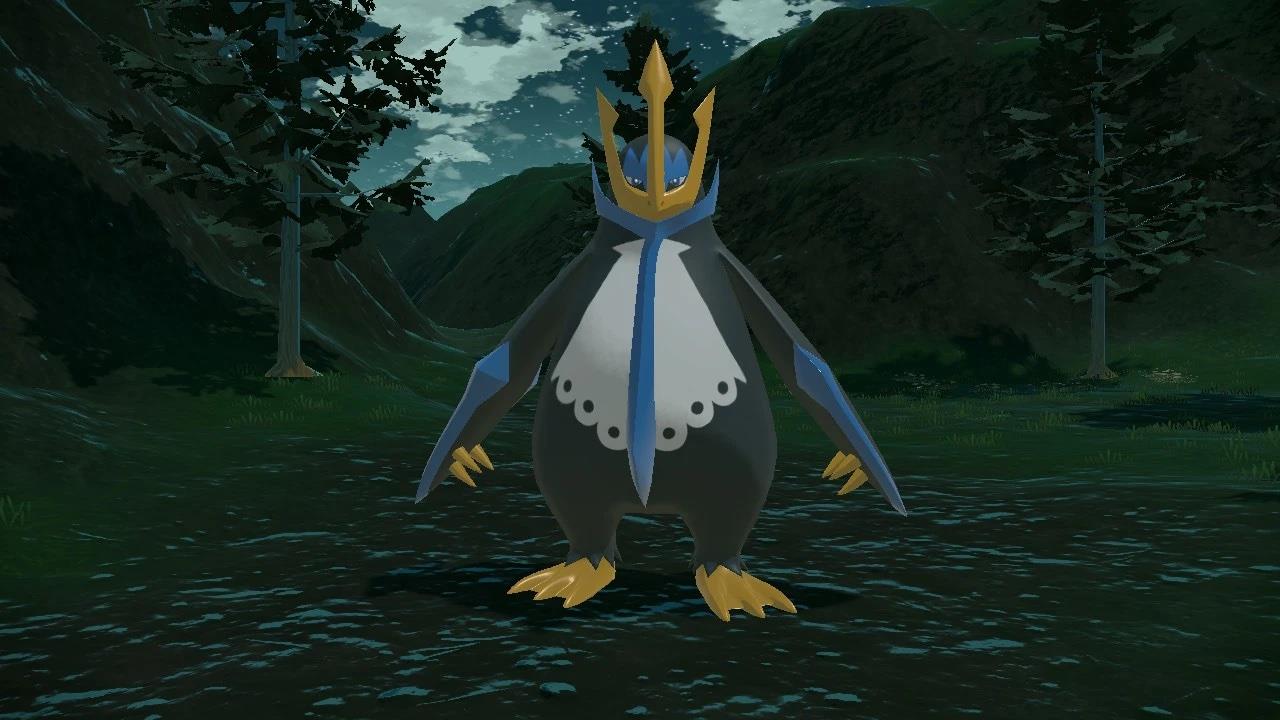
The cute penguin Pokémon Piplup, first introduced in Pokémon: Diamond and Pearl, evolves into this clear homage to the French ruler. At 5’7″, Empoleon is taller than the real-life Napoleon. (Due to variations in French and English measurements, the man Napoleon could be anywhere from 5’2″ to 5’6″.) I wonder how the historical figure would feel about this Water/Steel type being taller than him. Empoleon, much like Napoleon, is pretty prideful, but Empoleon is more restrained and won’t start unnecessary fights, like conquering the Iberian peninsula. So the Paldea region is safe from Empoleon’s conquests! – Petrana Radulovic
Napoleon the pig in Animal Farm
Napoleon, the Berkshire boar in George Orwell’s Animal Farm, stands out as one of literature’s most notorious Napoleons-a ruthless dictator whose rise to power transforms the animal rebellion into a new tyranny. Initially a co-leader with Snowball, Napoleon quickly reveals his true ambitions by exiling his rival and installing himself as the farm’s unquestioned ruler. He maintains control through intimidation, propaganda, and violence, using a private army of attack dogs to silence dissent and enforce his will. Under Napoleon’s regime, the original ideals of Animalism are systematically betrayed: the pigs indulge in human luxuries, commandments are rewritten to suit their interests, and the farm’s name reverts to Manor Farm as the pigs become indistinguishable from the humans they overthrew. Napoleon’s legacy is a chilling reminder that power can corrupt absolutely, making him a standout among fictional Napoleons for his cunning, cruelty, and totalitarian rule.
Gonna level – I read this book once in high school for English class and then never again. But the pig was supposed to be Stalin. I just think the entire allegory of Animal Farm is really funny, even though that clearly isn’t the intention. Like, pigs are bacon. I could turn Pig Stalin into a mean carbonara. –PR
Napoleon in “Napoleon Bunny-Part”
In the 1956 Merrie Melodies cartoon Napoleon Bunny-Part, Bugs Bunny accidentally tunnels into the headquarters of Napoleon Bonaparte after taking a wrong turn off the Hollywood freeway. The short features Bugs outwitting the diminutive French emperor as Napoleon plans a military offensive. Filled with clever sight gags and witty dialogue, the cartoon showcases a comical chase through Napoleon’s war room and ballroom, with Bugs disguising himself and turning the tables on the emperor. The character Mugsy appears as a bumbling guard, adding to the humor. Directed by Friz Freleng and voiced by Mel Blanc, Napoleon Bunny-Part remains a classic example of Bugs Bunny’s cleverness against historical figures in animated form.
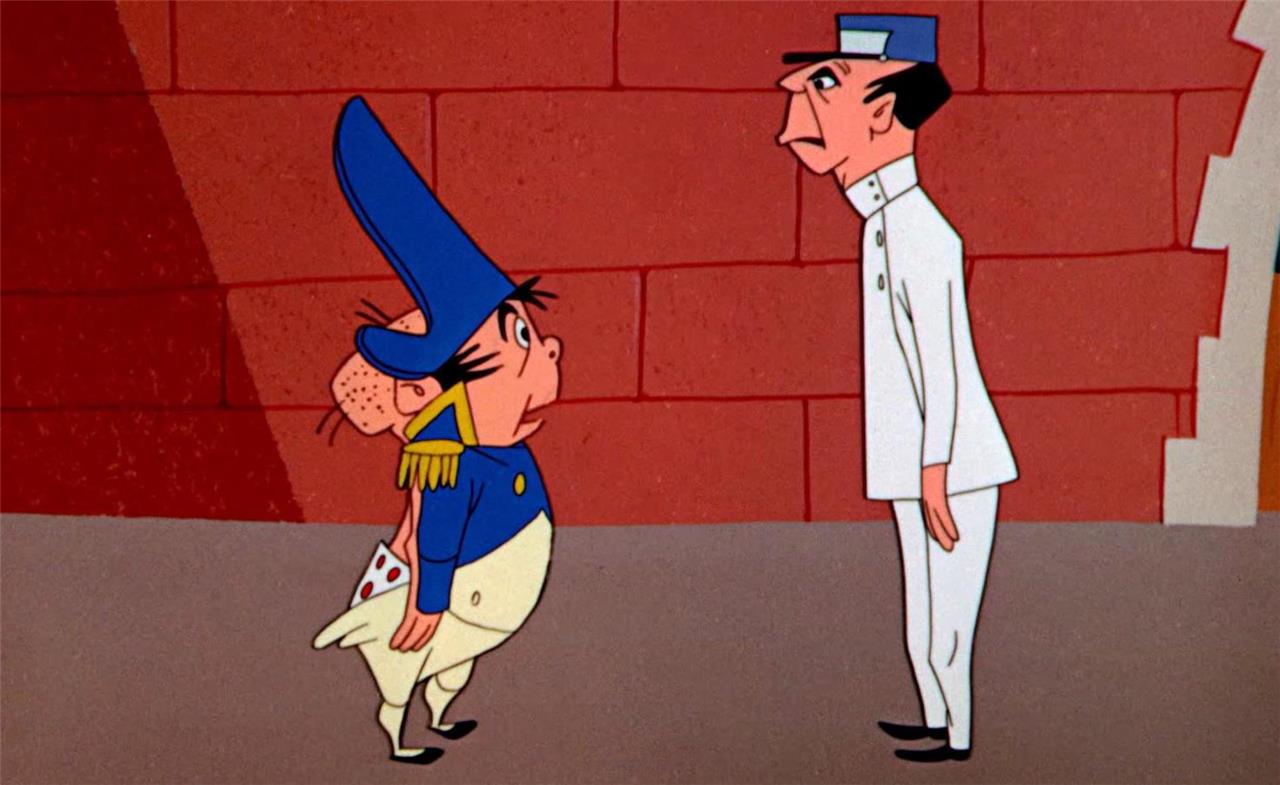
On the one hand, the Napoleon Bonaparte of Friz Freleng’s Bugs Bunny short “Napoleon Bunny-Part” is a tactical, fearless commander who sends troops to capture the errant rabbit disrupting his planning session, then leaps into the fray himself. On the other hand, he is eventually defeated by that rabbit, who tricks him into stepping into a guillotine at just the right time to have the back side of his clothing neatly sliced away by the falling blade.
On the other other hand, the rabbit is Bugs Bunny, the nigh-undefeated trickster spirit. Even an Emperor is a mortal man, and Bugs holds power over the very laws of physics within his domain of animated shorts. So perhaps Napoleon’s reputation can survive this defeat.
On the other other other hand, this supposed emperor is capable of being defeated by a couple of random orderlies who believe he’s one of many mentally ill people who believe they’re Napoleon. By the end of the short, he’s unceremoniously packed off to a suggested institution. But is he truly delusional? Or is this all part of Bugs Bunny’s indefatigable, undefinable, ineffable power over reality? “Napoleon Bunny-Part” raises a lot of metaphysical questions we mere mortals are unprepared to answer. –SP
Napoleon in tabletop wargaming
Few historical figures loom as large over the tabletop as Napoleon Bonaparte, and his legacy has inspired a thriving subgenre of wargames dedicated to recreating his campaigns. Napoleonic tabletop wargaming offers players the chance to command battalions, regiments, or entire armies, with rule sets ranging from fast-paced skirmishes to grand, divisional-scale battles. Popular systems like “Field of Glory: Napoleonic,” “Blücher,” and “Black Powder” each capture different aspects of Napoleonic warfare, from the rigid discipline of Prussian lines to the sweeping maneuvers of French columns. The appeal lies not only in the strategic depth but also in the spectacle-colorful uniforms, cavalry charges, and the challenge of outwitting an opponent across a miniature battlefield. Whether you’re a newcomer drawn in by the drama of the era or a veteran refighting Waterloo for the hundredth time, Napoleon’s presence on the tabletop remains as commanding as ever.
There would be no tabletop wargaming without the book Little Wars, a set of rules for properly playing with toy soldiers, written by none other than H. G. Wells (The War of the Worlds) and first published in 1913. In it, Wells conceived a system whereby two players and a judge could adjudicate battles between Napoleon Bonaparte and. well, the rest of Europe, basically. As a result, fancy-ass studies all over the world have been converted into storehouses for little tin men on horseback.
Fast-forward to today, and those fancy-ass studies are now hobby spaces where folks toil away on plastic and resin miniatures in the hopes of finding a game at the local shop. But modern games from the likes of Games Workshop and Mantic rarely have the same kind of historical pomp and circumstance as the OG infantry and dashing cavalry officers that Wells played with. Sure, you can probably find a nearby game of Command & Colors: Napoleonics from GMT or Black Powder from Warlord Games if you look hard enough. But, for my money, I’d much rather mess around with Turnip28.
Turnip28 is a fairly simple ruleset for small units of soldiers, but it’s the soldiers that are the most fun part of this setting. Developed by British artist Twitter, it’s described as a post-apocalyptic, vaguely-European world utterly obsessed with root vegetables. It’s a game about turnips, and that’s meaningless nonsense, I know. But it’s a conceit that helps focus the mind. How might I best explicate the inner dialogue of the common horseradish by slapping together the random bits of miniatures that I’m not otherwise using? It’s a game that’s just as much fun to prepare for as it is to play, and the source of some of the most dramatic and inspiring miniature art that I’ve seen all year. –Charlie Hall
Napoleon from Assassin’s Creed Unity
Napoleon Bonaparte in Assassin’s Creed Unity is a charismatic and ambitious young officer whose path crosses with protagonist Arno Dorian during the tumultuous years of the French Revolution. While his appearances in the main story are brief, Napoleon plays a memorable role in several missions, including “The King’s Correspondence,” where Arno must infiltrate a palace and later defend Napoleon from attackers. The game hints at his complex personal philosophy, which aligns closely with Templar ideology, and his eventual rise to power is subtly foreshadowed through his interactions with Arno. Despite being underused in the narrative, Napoleon’s presence adds historical depth and intrigue, making him a standout among gaming’s many portrayals of the legendary general.
How do you think Napoleon Bonaparte – sworn eternal enemy of the Kingdom of Britain – would feel about modern-day interpretations saddling him with a British accent? That’s exactly what happened in Assassin’s Creed Unity, Ubisoft’s 2014 entry in its series of murder-y historical tourism sims. Playing in Paris at the turn of the 19th century, you periodically team up with Napoleon to aid with revolutionary stuff, and also track down ancient relics from a lost civilization. (It’s complicated.)
Most historical figures in Assassin’s Creed games are little more than extended Leo DiCaprio pointing memes – famous names and faces conveniently molded to whatever character trope the plot demands for the moment. But Napoleon’s turn in Unity is deep and well-researched, even going so far as to delve into his complicated romantic life. Overall, it’s a rich portrayal of a prominent historical figure. If you can ignore the accent. –Ari Notis
Napoleon the pastry
When it comes to legendary desserts, few can match the reputation of the Napoleon pastry. Also known as mille-feuille, the Napoleon is a classic French indulgence featuring three layers of crisp, flaky puff pastry separated by rich, velvety pastry cream. The top is traditionally finished with a glossy glaze, often feathered with chocolate and vanilla for that iconic marbled look. Each bite offers a satisfying contrast of textures: buttery pastry crunch, smooth creaminess, and a sweet finish that makes it a perennial favorite in bakeries and patisseries worldwide. Whether you call it a Napoleon or mille-feuille, this pastry stands as a monument to the art of dessert layering and remains a must-try for anyone serious about sweets.
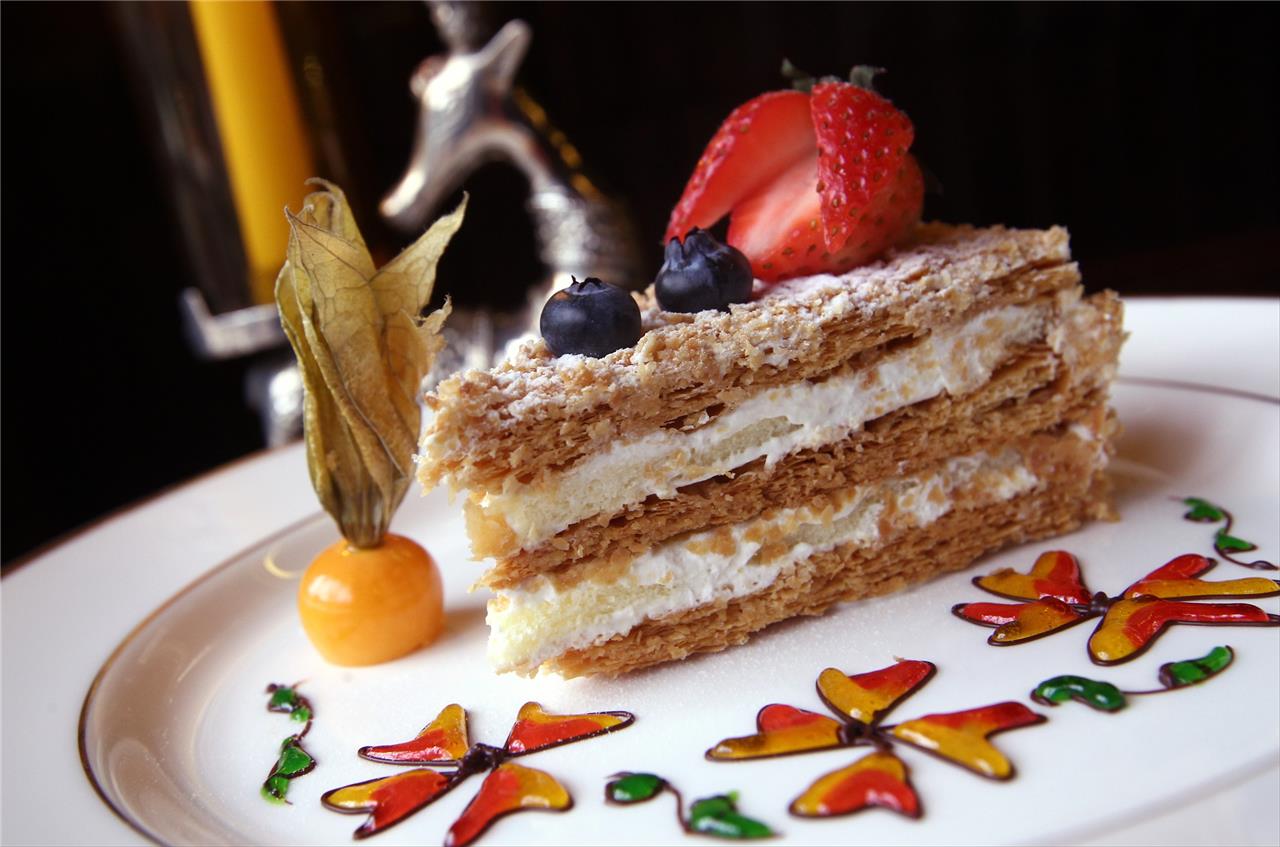
One of the most difficult pastries for a chef to master, thanks to its delicate layering, the napoleon, aka “mille-feuille,” or “thousand leaves,” was named for its many layers – exactly the kind of complexity one might want in a prominent leader, but a lot sweeter than the traditional views of Napoleon. The ranking on this particular napoleon depends entirely on whether you’re eating it (high marks!) or making it. (High difficulty and particularly time-consuming!) –TR
What makes Napoleon’s legacy so compelling across guides, movies, and games
Napoleon’s legacy remains compelling across guides, movies, and games due to his complex blend of military genius, visionary reforms, and dramatic life story that continues to captivate and inspire. His strategic brilliance and battlefield innovations reshaped European warfare, while his legal and administrative reforms, such as the Napoleonic Code, laid foundations still influential today. Cinematically, directors like Ridley Scott bring his story to life through immersive, visually stunning portrayals of his rise, battles, and exile, offering audiences both education and entertainment by bridging history and narrative drama. Moreover, Napoleon’s enduring cultural impact-from monuments and art patronage to his symbolic role as a romantic and flawed visionary leader-fuels ongoing fascination, making him a rich figure for exploration in various media and gaming formats. This multifaceted legacy, marked by both admiration and controversy, ensures Napoleon remains a timeless subject of intrigue and study.
What aspects of Napoleon’s life inspire cinematic and gaming portrayals
Napoleon’s life inspires cinematic and gaming portrayals primarily due to his dramatic rise from a young artillery officer to Emperor of the French, marked by brilliant military strategies, political intrigue, and a tumultuous personal life. Films like Ridley Scott’s Napoleon highlight his tactical genius and ability to inspire troops, as well as his complex relationship with Joséphine, blending historical events with emotional depth. His iconic battles, such as Austerlitz, and pivotal moments like the Coup of 18 Brumaire provide rich, visually striking material for storytelling.
In gaming, Napoleon’s campaigns offer immersive strategic challenges, as seen in titles like Napoleon: Total War and expansions in Europa Universalis and Mount & Blade: Warband, allowing players to reenact or rewrite history. His symbolic status as a military genius and political power figure, combined with his distinctive image and costume, makes him a recognizable and compelling character across genres-from historical strategy games to role-playing and even mobile visual novels. The blend of his ambition, charisma, battlefield innovation, and personal drama fuels enduring fascination, making him a versatile figure for both entertainment and education.
