
Zine Quest and Zine Month have turned tabletop RPG creation into a laboratory of strange experiments-where pocket-sized booklets become testing grounds for new mechanics, lo-fi storytelling, and unpredictable play.
As with any creative medium, some of the most exciting new elements of tabletop role-playing come from experimentation. Once you’ve wriggled free from the bonds of Dungeons & Dragons, you’re able to better observe its smaller designers – the mad scientists and provocateurs working to push the form to see what they can do, or even just get away with. Each year, Zine Month is the perfect outlet for this community of creatives to let their freak flags fly, whether it be through Kickstarter’s Zine Quest or Crowdfundr’s Tabletop Nonstop.
The TTRPG zines of 2023 were incredibly diverse, featuring everything from whole games to 5th edition hacks and even to a few titles aimed squarely at children. But there were a few that really stood out, projects that tried to challenge not just players, but the very idea of what a tabletop RPG could be.
Expect these and other games inspired by Zine Month to reach backers throughout the balance of the year.
My Mother’s Kitchen
Steam and spice hung in my mother’s kitchen, where the sound of sizzling oil mixed with old radio tunes and dice clattering from the next room. It was there that the idea for our zine began-recipes for worlds as much as for meals, blending storytelling, flavor, and homegrown imagination. Each dish carried the same spirit as the strange RPG experiments of Zine Month: personal, handcrafted, and unpredictable, shaped by memory more than measurement.
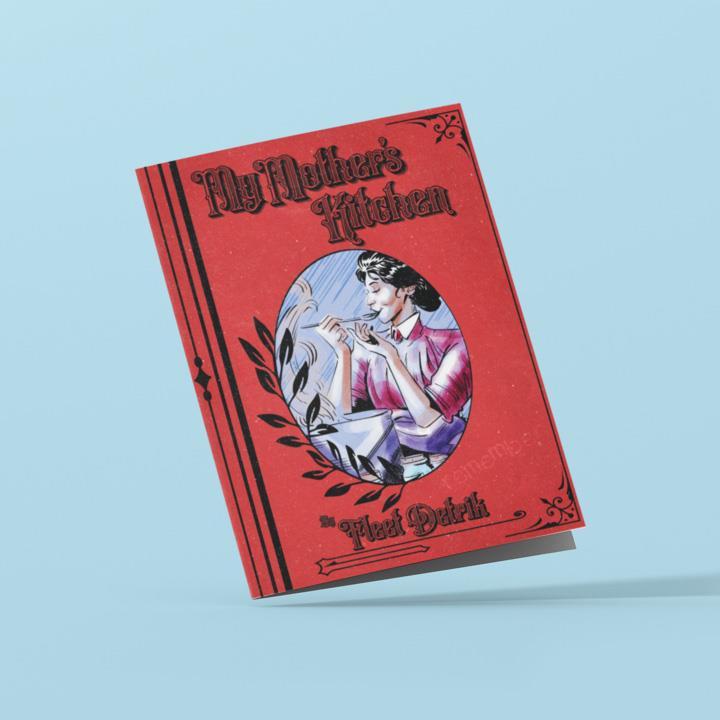
Tarot-based solo games are a big part of Zine Month and the itch.io design scene, but My Mother’s Kitchen by Fleet Detrik uses recipes to turn the tarot around a bit. You’re playing as a spirit in possession of a cookbook who’s trying to use written recipes to help recover lost memories.
In My Mother’s Kitchen, role-playing is as much about creating memory as it is fulfilling it. The drawn tarot cards help fill out the family tree and represent the people who will actually be doing the cooking. They also give players the ghostly power to help influence the success or failure of the larger family. Detrik said they designed the game to help come to terms with the helplessness they felt as their grandmother’s health declined due to age and took a turn for the worse, and how cooking helped them cope with it.
Border Riding
Zine creators pushed RPG boundaries by mixing personal storytelling with experimental mechanics, often testing how rules interact with identity and community. Many zines blurred the line between game and art object, using unconventional materials, fragmented narratives, and handmade charm. Projects funded through Kickstarter, Zine Quest, and Zine Month highlighted this spirit of risk-taking, proving small-scale publishing could stretch tabletop design beyond traditional expectations.
Border Riding is a collaborative history-building game that takes place in a small village, a rural place that exists near a border between two countries. The game was inspired by designer Jo Reid’s childhood growing up in the Scottish Borders, but it doesn’t need to be set in Scotland. As a group, players will chart the history of that town through the years, responding to events and examining questions of inclusion, xenophobia, and the way time affects communities. Players must grapple with determining who is “us,” who is “them,” and how and why those kinds of distinctions are even made. It all takes place on a large, hand-drawn, opaque map, with each new map stacking atop another to reflect changes over time. The instructions are even map-shaped, meaning you can fold it all up for later.
Strictly Between Us
Zine Quest’s chaotic spontaneity and Zine Month’s open-ended creativity created a space where small-scale tabletop RPGs could explore stranger aesthetics and mechanics. Projects leaned into zines’ DIY roots, testing single-session formats, collaborative storytelling experiments, and intentionally imperfect production. “Strictly Between Us” typifies this spirit-an intimate game meant for whispered secrets and private revelations that blur the line between play and confession.
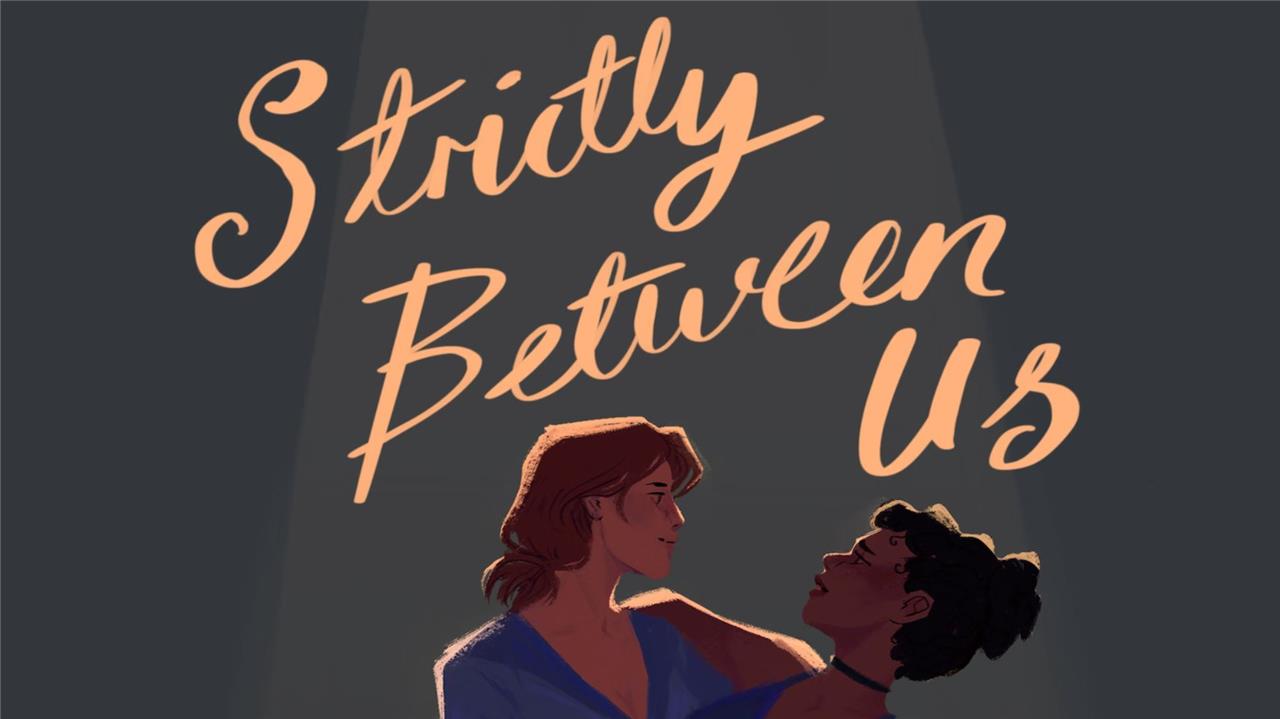
Eli Seitz and Kristen Dabney’s Strictly Between Us is a live-action role-play for up to 20 players that uses blues dancing to examine a relationship. Players act out two narratives, Together and Apart, representing the start of a new relationship and the end of one. The dancing is quite literal, and rather than being just an action, the dancing is instead used to help players express emotions and feelings in a way that’s quite the departure from other games. It even has its own curated playlist to maximize the effect.
Horse Girl
Horse Girl charges across misty fields on her trusty steed, wielding dice and whimsy against shadowy foes in this solo RPG zine. Players bond with equine companions, racing through quests that mix heartfelt stableside chats with brutal hoof-pounding battles. Crowdfunded on Kickstarter, it captures Zine Month’s raw spark, turning childhood pony dreams into gritty tabletops where loyalty decides survival.
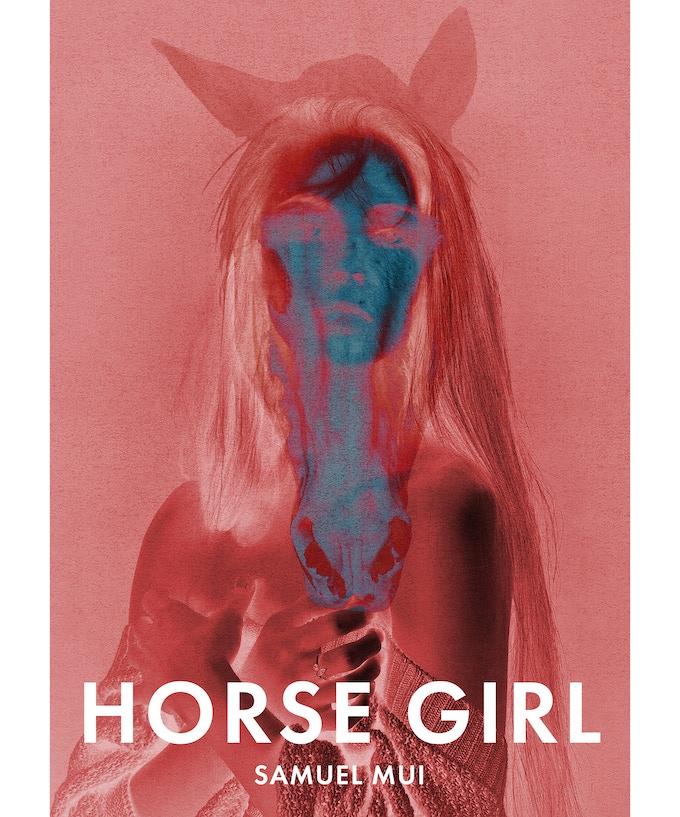
Taking inspiration from such easy-viewing films as The Human Centipede and Boxing Helena, Samuel Mui’s Horse Girl is a deeply disturbing concept for a game. In this solo TTRPG you play as a woman moving in with your “dream man,” wealthy and handsome, and having your own room in his mansion. The caveat? You must be turned into a horse. The game uses the slow, surgical transformation into a horse to examine the loss of self caused by systematic abuse. Many of the usual objects for solo journaling games are here (a deck of cards, a die, etc.), but one object sticks out: a red marker for drawing on your own skin.
Psychic Trash Detectives
Psychic Trash Detectives uncovers the quirky bursts of creativity that erupted as Zine Quest and Zine Month pushed tabletop RPGs into unexpected directions, blending handmade zines, crowdfunding bravura, and experimental play into a wild, tactile exploration of imagination.
You see a lot of found objects used during Zine Month. Coins, sentimental pictures, bones. Brigitte Winter’s Psychic Trash Detectives asks what you could do with something we all have but probably don’t think to touch: trash. Orange peels, empty cans, wadded-up tissues. You play as any number of trash-loving critters with a psychic connection to garbage, and the different visions that shape the story all use the trash to form connections: sketching the trash, writing poetry on or with the trash, or forming a memory of the trash. Anything can set up some improvisation, so why not make it a little trashy?
What are standout Zine Quest projects from 2024
Several Zine Quest 2024 projects stood out for their tight design, strong themes, or clever twists on existing systems. Below are some frequently highlighted standouts from that year.
Notable new games
-
Fast Action Hero – A rules-lite Black Hack-based game that turns players into 1980s-style action heroes, with over-the-top set-pieces and one-liner-heavy combat.
-
Precious Things – A one-page RPG about tiny dragons building cozy hoards; praised for its charm and extreme minimalism.
-
Buried Deep – A small-scale TTRPG about uncovering a long-hidden family secret, built as a hack of Stealing the Throne and funded via Crowdfundr.
Standout adventures and supplements
-
The Abbot Trilogy – A trio of system-agnostic OSR adventures (Abbotsmoore, Bitterpeak, Steelhollow) offering a swamp, a snowy tundra, and a desert setting in one zine-sized package.
-
Shadow over Gloomshire – A gothic horror adventure for Dragonbane, with hand-drawn maps, multiple locations, and a strong horror tone.
-
The Wigmaker’s Fingers – An Into the Odd adventure centered on retrieving a rare prosthetic finger, which spirals into a mystery with disappearances and weird body-horror vibes.
Weird-mechanic and solo-focused picks
-
TerrorVision – A comedy-horror Ghostbusters-inspired adventure for the OpenD6 system, leaning into 1980s ghost-busting chaos.
-
Tiny Fables – A Mausritter adventure framed around folklore and nursery-rhyme logic, with a warped foists on existing syst
Reviews of Beetle Knight and Terror Vision from Zine Quest 2024
Beetle Knight and TerrorVision both received very positive early-campaign and post-release write-ups from Zine Quest 2024 coverage, though full in-depth reviews are still relatively sparse.
Beetle Knight reviews and reception
-
Reviewers highlight it as a tight, visually cohesive zine-sized RPG about arthropod knights in the insect-kingdom of Litterfall, with a full set of rules, world guide, dungeon/tree crawls, and solo-play support.
-
The game is praised for its 8-bit-style art and retro-RPG flavor, using classes with names like “Black Mage,” “Fighter,” “Red Mage,” and “Thief,” plus a diceless, resource-based combat system that feels crunchy without being fiddly.
-
Several round-ups call it one of the strongest new Zine Quest 2024 titles, noting the quality of the art team and the way it leans into “bugs-as-knights” worldbuilding while remaining rules-light enough for quick sessions.
TerrorVision reviews and reception
-
TerrorVision is described as a Ghostbusters-inspired comedy-horror adventure for the OpenD6 system, casting players as spectral exterminators scraping by in mid-1980s New York.
-
Coverage emphasizes its tone and structure: reviewers like the mix of slapstick, horror, and workplace-comedy vibes, plus the way it leans into 80s tropes (haunted apartments, cheesy gadgets, low-budget ghost-hunting crews).
-
It is often listed among the more “fun-first” Zine Quest 2024 picks, with praise for the layout and production values, though detailed critical reviews are fewer than for Beetle Knight.
If you want, I can summarize how each plays at the table (mechanics, session length, prep load) based on these descriptions.
