
Step into a whole new world of Pokémon GO with the groundbreaking Biomes feature, launched on Earth Day 2024. Now, your real-world surroundings shape not only the scenery but also the Pokémon you encounter-whether you’re exploring lush forests, sandy beaches, towering mountains, or bustling city streets. Discover how these dynamic ecosystems influence which Pokémon appear, how the environment changes with the seasons and time of day, and what this means for your quest to catch ’em all.
Thankfully, you don’t have to go that far if you know where to look. We explain how many different biomes there are and how spawns work within biomes, based on our own experiences.
How many biomes are in Pokémon Go?
Pokémon Go features several biomes that influence which Pokémon appear in specific areas, with Niantic officially confirming four main biomes: Beach, City, Forest, and Mountains. Additionally, there are other unconfirmed or variant biomes such as different types of grasslands and water bodies like lakes and rivers, making the total number of biomes around half a dozen or more. Each biome has unique Pokémon spawns and distinct environmental visuals that reflect real-world ecosystems, enhancing the immersion and variety in the game. Biomes are assigned to individual spawn points, which can vary even within a small area, leading to diverse Pokémon encounters depending on the biome type present.
There are four confirmed biomes in Pokémon Go. These are the ones that Niantic have posted about:
- Beach
- City
- Forest
- Mountains
There are a few other biomes that are unconfirmed in official name and type:
- grasslands/park with trees
- grasslands with no trees
- grassy area near smaller bodies of water (not oceans)
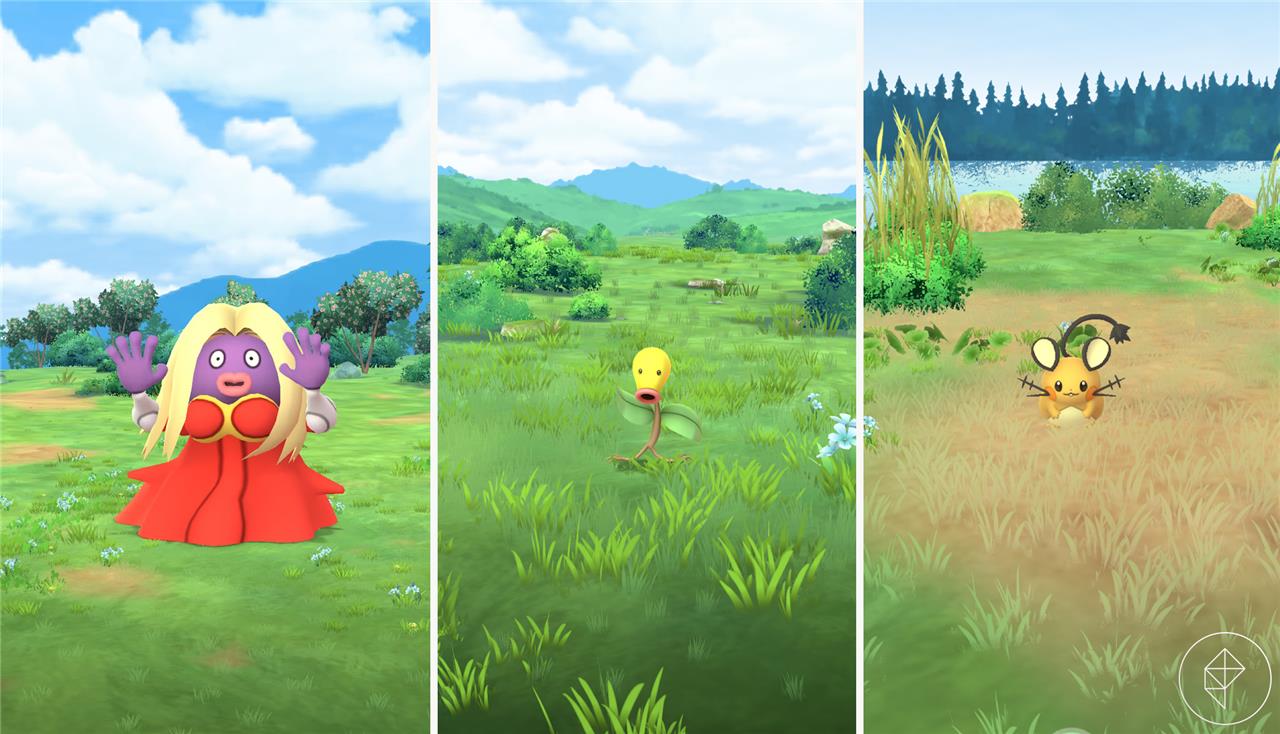
There may be more than this, but these are ones we’ve encountered.
Do some Pokémon only spawn in specific biomes?
Certain Pokémon in Pokémon Go do indeed only spawn in specific biomes. With the introduction of the biome system, Niantic has designated areas such as forests, beaches, mountains, and cities, each with their own unique pool of Pokémon. For example, Wiglett is exclusive to beach biomes, while Bulbasaur, Caterpie, Weedle, and Oddish are more commonly found in forest biomes. Similarly, Sandshrew, Clefairy, Zubat, and Diglett are associated with mountain biomes, and city biomes feature Pokémon like Caterpie, Pidgey, Machop, and Gastly. While these biome-specific spawns are currently most notable for Kanto region Pokémon, some Pokémon may appear outside their usual biomes during special events or seasonal changes, but under normal circumstances, certain species are tied to their respective biomes.
As previously mentioned, Wiglett only spawns in beach biomes. The biomes confirmed by Niantic also had some specific spawns during the “Rediscover Kanto” event, according to their Rediscover Pokémon Go page. From what we can tell, the following biome spawns aren’t still boosted (except Wiglett, which remains findable in beach biomes), but you can see what the spawns were below, for reference:
- Forest: Bulbasaur, Caterpie, Weedle, Oddish, and more
- Beach: Wiglett, Squirtle, Psyduck, Seel, Magikarp, and more
- Mountain: Sandshrew, Clefairy, Zubat, Diglett, and more
- City: Caterpie, Pidgey, Machop, Gastly, and more
Pokémon Go biome map tools
Pokémon Go biome map tools are valuable resources that help players identify and explore different biomes in the game, which influence the types of Pokémon that spawn in specific areas. These tools often utilize data from OpenStreetMap and other geographic sources to map real-world ecosystems like beaches, forests, mountains, and cities, reflecting the biome system introduced by Niantic. Community-driven platforms like PoGoMapper offer real-time alerts for rare spawns and local raids, while websites such as PogoMap provide visualizations of biome boundaries using S2 cells, aiding trainers in locating biome-exclusive Pokémon. As Niantic continues to expand biome-specific spawns, these mapping tools become essential for strategic gameplay and efficient Pokémon hunting.
In-game, it’s hard to tell where biomes are at a glance, so at present the community is filling in the gaps with their own resources, especially in light of Wiglett being beach biome exclusive.
It appears that Pokémon Go’s map pulls data from OpenStreetMap, which tracks biomes using surveys, aerial images, and other sources. Since this is an open platform, the community has made several tools to browse beach biomes:
- You can use the beach biome map on the overpass turbo website, which shows locations with a beach tag by clicking “run” at the top. (The link we provided should give that to you.)
- Using an unofficial Pikmin Bloom tool – which allows you to flag nearby decor locations – you can see anything tagged as a beach by toggling the icon at the bottom of the screen.
How do Pokémon GO biomes change the way I hunt rare Pokémon
How Pokémon GO Biomes Change Rare Pokémon Hunting
Biomes in Pokémon GO have fundamentally shifted how players hunt for rare Pokémon by tying specific spawns to real-world environments. Here’s how your quest for elusive species is now affected:
-
Biome-Specific Rarity: Certain rare Pokémon are now more likely to appear in specific biomes that mirror their natural habitats. For example, Dratini is more commonly found near lakes or beaches, while Porygon may be more frequent in city biomes. This means your ability to encounter particular rare Pokémon depends heavily on the type of terrain you explore.
-
Exploration Is Key: To maximize your chances of finding rare Pokémon, you must actively seek out and visit different biomes. Each biome has a unique pool of Pokémon, and some rares may only appear or be more frequent in certain environments.
-
Spawn Pool Dilution: The introduction of biomes has made it harder to target specific rare Pokémon, as spawn pools are now split between biome-specific Pokémon and event spawns. This dilution means you might encounter more unwanted Pokémon, making it more challenging to farm XL candies, hunt for high-IV specimens, or shiny hunt a particular species.
-
Dynamic and Overlapping Spawns: While some Pokémon are strongly tied to a specific biome, there is still overlap, and not all rares are exclusive to one area. However, knowing which biomes favor which Pokémon gives you a strategic advantage in your hunts.
-
Environmental Cues: The game uses real-world data to determine biome boundaries, so features like water bodies, elevation, and vegetation directly influence which rare Pokémon you might find nearby.
In summary, the biome system encourages broader exploration and strategic planning, but it also adds a layer of complexity and unpredictability to rare Pokémon hunting. To succeed, familiarize yourself with local biomes, track which rares are tied to which environments, and be prepared to travel to diverse real-world locations.
How do biome variations impact my chances of shiny hunting specific Pokémon
Impact of Biome Variations on Shiny Hunting in Pokémon GO
Biome variations significantly affect your chances of shiny hunting specific Pokémon in Pokémon GO. Here’s how:
-
Restricted Spawn Pools: With the introduction of biomes, Pokémon spawns are now divided between biome-specific Pokémon and event Pokémon. This means that the pool of available Pokémon in any given area is more limited, making it harder to encounter the specific species you want to shiny hunt.
-
Diluted Odds for Target Species: Because each biome has its own set of possible spawns, and events often take up a large portion of the spawn pool, the odds of finding your target Pokémon-let alone its shiny variant-are reduced. This dilution makes it more challenging to shiny hunt a specific Pokémon, as you may encounter many unrelated spawns before finding your target.
-
Motivation and Efficiency: The increased difficulty in finding specific Pokémon can make shiny hunting feel less rewarding and more time-consuming. Players may find themselves less motivated to participate in events or hunt in certain biomes if their preferred shiny targets become too rare.
-
Strategic Location Planning: To increase your odds, you now need to carefully select biomes where your target Pokémon is most likely to spawn. This may require traveling to different real-world environments or waiting for specific events that boost your target’s spawn rate.
In summary, biome variations add a layer of complexity and unpredictability to shiny hunting, often lowering your chances of encountering and catching shiny versions of specific Pokémon unless you adapt your strategy and location accordingly.
