
One Piece’s live-action adaptation may not surpass the manga in depth and emotional impact, but that’s exactly why it succeeds in its own right. By condensing and reshaping the sprawling East Blue Saga into a visually faithful yet streamlined eight-hour journey, the series embraces the impossible task of bringing Eiichiro Oda’s vibrant world to life without losing its heart-even if some iconic moments lose their full punch on screen. This bold approach highlights the unique strengths of each medium, offering fans a fresh way to experience the legendary pirate adventure.
And that’s exactly what makes the Baratie Arc in Netflix’s One Piece so great. It’s a perfect example of the challenge showrunners Matt Owens and Steven Maeda faced in adapting Oda’s sprawling epic to a more conventional eight episodes. And it can go a long way to explaining how a live-action One Piece can do well on its own terms.
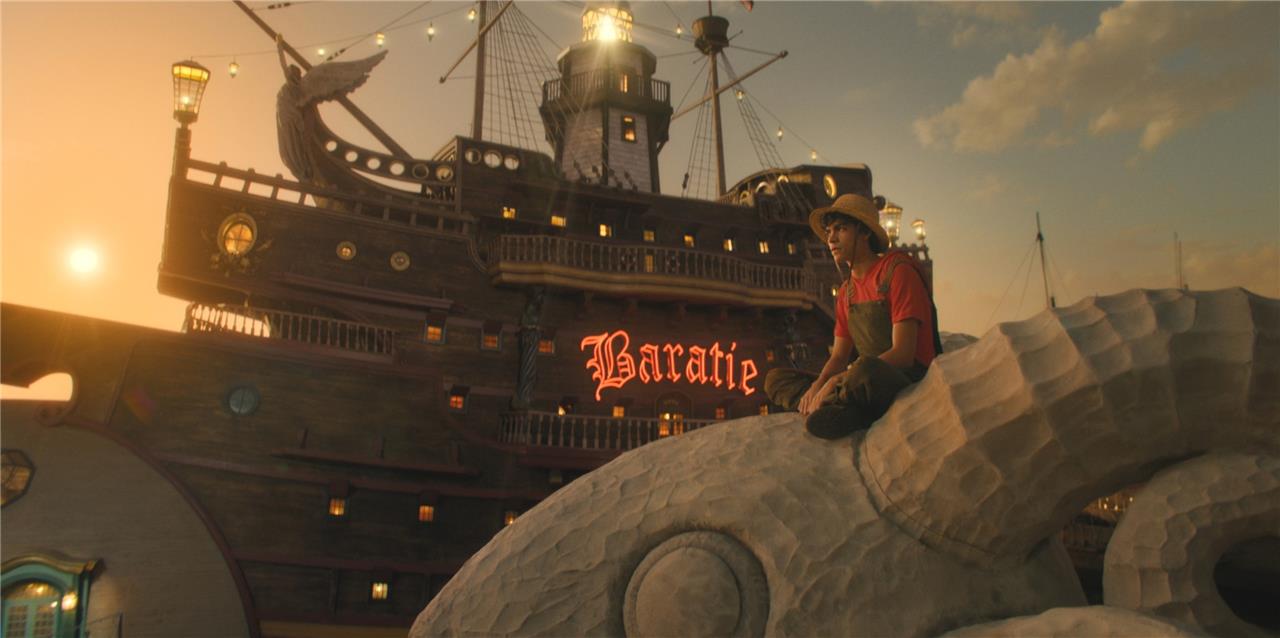
The Baratie Arc is so named because it’s when Luffy and his ever-growing Straw Hat crew arrive at the seafaring restaurant Baratie, run by the notorious ex-pirate and Grand Line adventurer “Red Shoes” Zeff along with the young but ambitious chef Sanji, who eventually joins Luffy’s crew. But outside of those major beats, most of what happens between their arrival and Sanji becoming a Straw Hat is pretty different between the manga and the live-action series.
In the manga, the majority of the arc revolves around the Straw Hats and the fighting cooks of Baratie facing off against the dreaded pirate Don Krieg, who was once the commander of 50 ships and 5,000 men before almost all of them were lost on the Grand Line, the most dangerous stretch of ocean in the world.
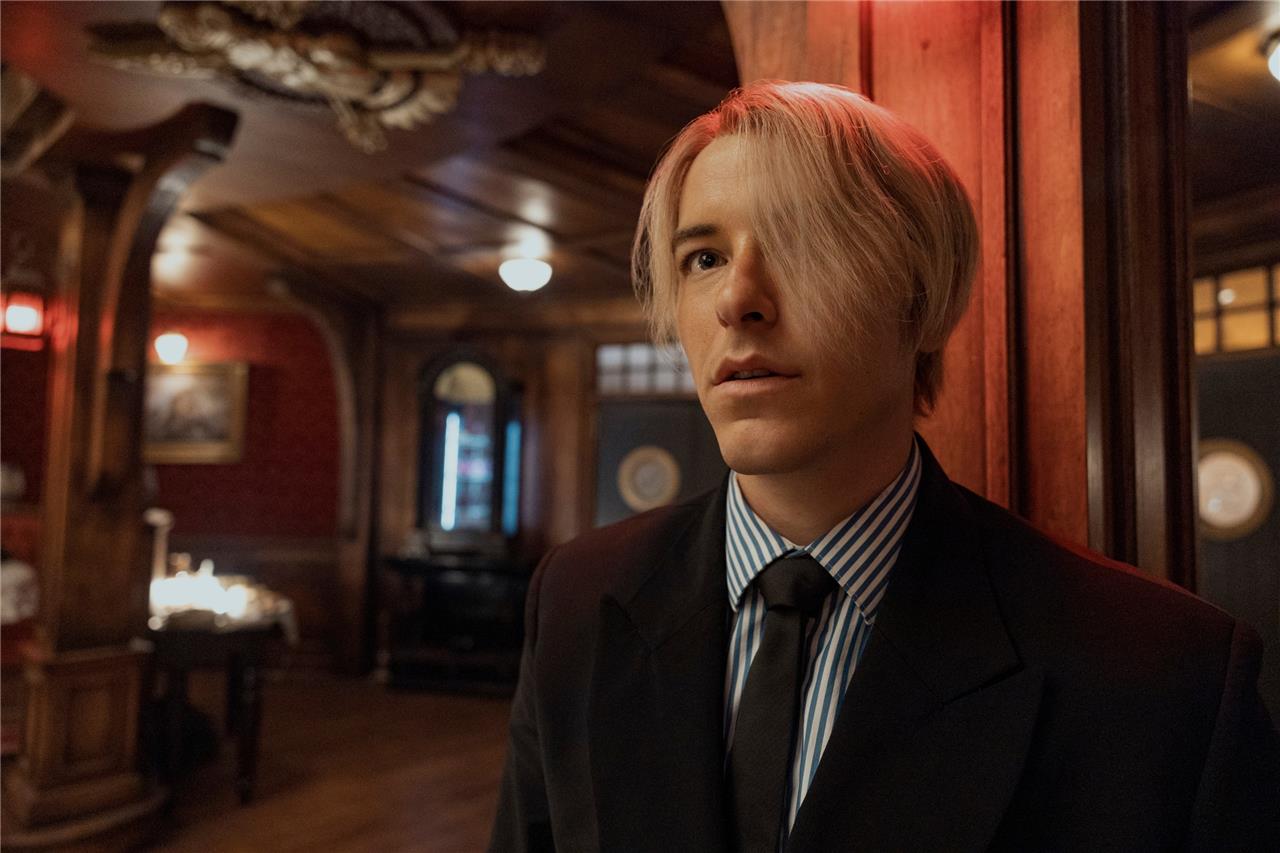
Long story short, Sanji saves a sailor named Gin’s life by giving him some free food, but before long, Gin’s captain, the dreaded Don Krieg, shows up starving and demands food of his own. And once he’s been fed, he tries to seize the Baratie as his new command ship. But when Krieg orders Gin to kill Sanji, the pirate refuses to turn on his savior. For that act of mutiny Krieg tries to kill Gin, but winds up getting beat by Luffy in the process. That’s when Gin surprises everyone by saving Krieg’s life. Despite the captain’s flaws, he’s still inspired by Don Krieg’s strength and wants to continue to follow him.
The Baratie Arc is classic One Piece at its best. It’s full of heart and lessons on the importance of grit and resolve in the face of insurmountable odds. It explores what motivates its colorful characters and what they find important. The backstory we get on nautical restaurateur Zeff and the loyal Sanji shows us their complicated and very sweet relationship – and then it gets a mirror-image parallel with Gin and Don Krieg. It’s One Piece’s entire story in miniature: Being a pirate means all kinds of things to all kinds of people, but at the end of the day it’s about adventure, camaraderie, and finding someone you can follow and something to believe in.
The manga’s Baratie Arc is all about the vibes (like so many of One Piece’s best arcs), and so it doesn’t actually do much to expand the larger world of the story – other than giving us a better look at the Grand Line, something that’s mostly just been teased up until that point.
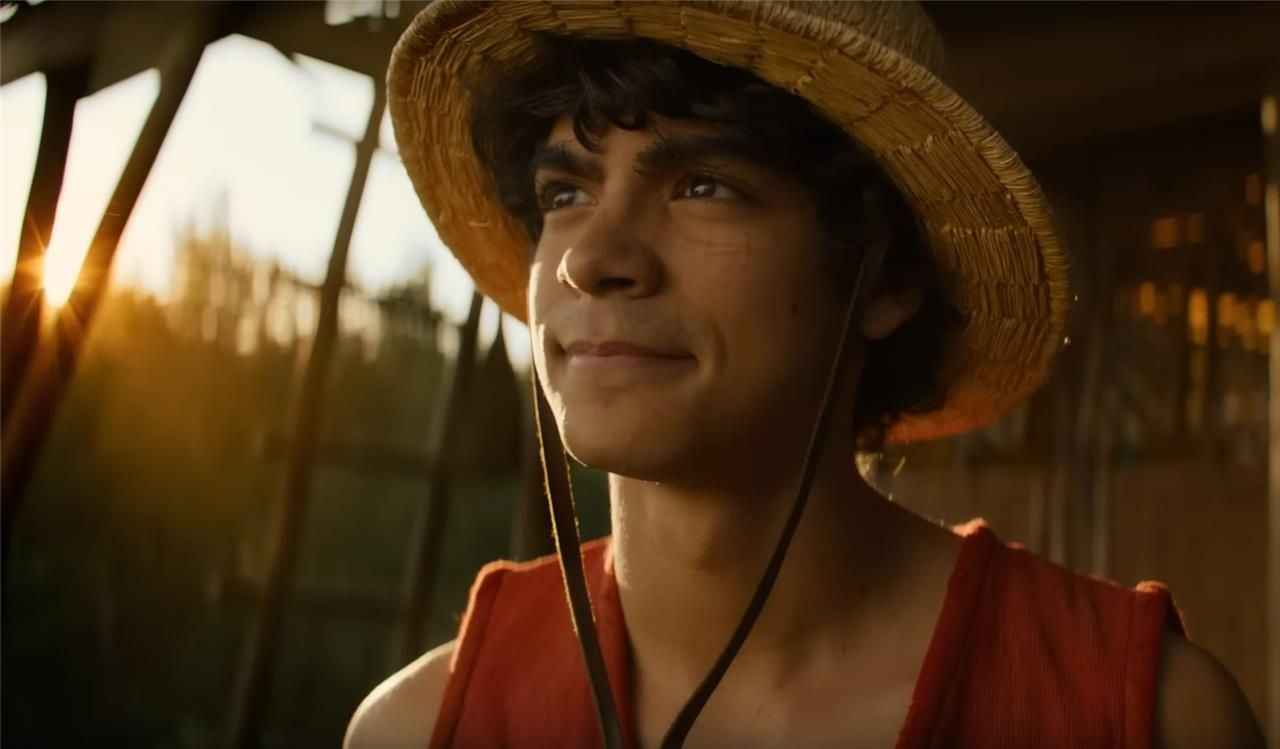
The Netflix series, on the other hand, turns the Baratie Arc on its head. We still get the backstory between Zeff and Sanji, and we still see Sanji’s insistence on feeding a starving sailor, both vital bits of character development for a future Straw Hat and main character. But Owens and Maeda cut the Don Krieg plotline (almost) entirely – relegating Krieg and his crew to a brief fight with Mihawk, to show off the swordsman’s powerful skills and as a brief nod to manga fans. Baratie’s biggest battles are nixed in favor of showing us a little more of the One Piece world.
This is all in the name of narrative efficiency, and it makes perfect sense. After all, by episode 5, the first of the Baratie Arc, Netflix’s One Piece still has a lot of world-building to do. Meanwhile, the manga doesn’t reach Baratie until chapter 42, and the arc lasts for 27 chapters, giving it plenty of time to stretch its legs (narratively speaking). But the Netflix show doesn’t have that kind of time or space, so instead it introduces Arlong and the fishmen, who will be critical to the season’s final arc, and gives us a brief showdown with them.
But part of what makes Netflix’s adaptation so impressive is that in its quest for narrative efficiency, it doesn’t jettison the manga’s themes entirely. Instead, the live-action series just finds smaller ways to work them in. One of the few places the series and the manga don’t diverge as much is in the Mihawk subplot. The dreaded pirate warlord shows up in both versions, and in both versions he kicks Zoro’s ass using only a tiny toy dagger. But just when he’s about to kill him, Mihawk decides he’s impressed with Zoro and Luffy and tells them to challenge him again when they’re stronger.
Much like the live-action show’s other inclusions, this is a clever trick of narrative efficiency. We get the grit and determination of the Straw Hat crew that plays such an important role in the manga’s version of the Don Krieg fight, while also introducing the concept of the pirate warlords, and teasing some of the Grand Line’s most formidable forces – we even get to see him kick Krieg’s ass in a totally new way.
As AELGAMES’s culture reporter Ana Diaz put it, One Piece’s manga is more of a slow burn than anything else – which is to be expected for a story that spans well over 1,000 chapters already. But the Netflix show was never going to get that kind of real estate for exploration. So instead of trying to recreate the manga exactly, the best moments of Netflix’s show come from the changes that Owens and Maeda chose to better fit their format. The Baratie Arc is a shining example of how adaptation can create new and interesting versions of the story that stand alongside the source material, rather than withering in comparison to it.
Why does the live-action arc feel less authentic than the manga despite its strengths
The live-action One Piece arc feels less authentic than the manga primarily because it struggles to capture the exaggerated visual storytelling and emotional depth that define the original medium. Key details and iconic moments are often simplified or altered, which diminishes the arc’s emotional impact for dedicated fans. Unlike manga and anime, live-action cannot replicate the distinct art style, vibrant character designs, and hyperbolic expressions that convey much of the series’ charm and personality; these elements often appear awkward or muted when translated to real actors and practical costumes. Additionally, the live-action adaptation makes practical changes-such as modifying character designs for stunt safety-that, while sensible, can reduce the quirky authenticity fans expect. The medium’s inherent limitations mean that some of the manga’s unique energy and visual flair are inevitably lost, making the live-action feel less immersive and emotionally resonant despite its strengths in storytelling and character development.
How do animation’s visual storytelling techniques get lost in live-action
Animation’s visual storytelling techniques often get lost in live-action adaptations because animation allows for limitless creative expression that transcends physical and practical constraints. In animation, artists can exaggerate movements, expressions, and environments to convey emotions and story beats in ways that live-action cannot replicate authentically. This includes hyperbolic character designs, impossible camera angles, and stylized visual effects that enhance narrative impact and mood.
Live-action, bound by real-world physics and human actors, struggles to match this level of exaggeration without appearing awkward or forced. Practical limitations such as stunt safety, costume design, and physical sets restrict how faithfully animated visuals can be translated. Moreover, animation’s ability to tightly control timing, pacing, and visual details frame-by-frame enables a more precise and expressive storytelling rhythm that live-action’s continuous filming process cannot easily emulate.
Additionally, animation often integrates visual metaphors, symbolic imagery, and dynamic scene compositions that are difficult to achieve naturally in live-action without heavy CGI, which can sometimes break immersion. The seamless blending of these elements in animation creates a unique atmosphere and emotional resonance that live-action adaptations frequently fail to capture, leading to a loss of the original’s visual and narrative authenticity.
