
As the ‘Solstice Horizons’ event casts a cosmic glow across Pokémon Go, Trainers are chasing celestial encounters and rare rewards through the new ‘Starry Skies’ Special Research-where sun and moon Pokémon take center stage in a limited-time challenge.
Notably, Fomantis is making its shiny debut, so lucky players will be able to find one of these critters.
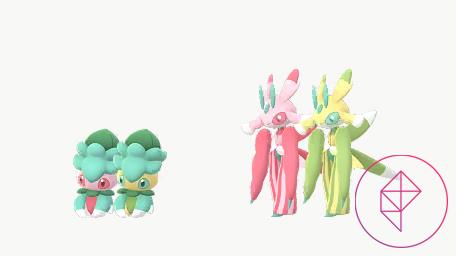
There will also be a Team Go Rocket portion of this event, but it doesn’t start until June 21.
Below, we list out all the event perks and bonuses, including the Special Research and Collection Challenge.
Pokémon Go ‘Starry Skies’ Special Research and rewards
The Starry Skies Special Research runs alongside the Solstice Horizons event, offering Trainers the chance to encounter both forms of Cosmog-normal and shiny. Completing the tasks grants Stardust, XP, and encounters with event-themed Pokémon. Progressing through the stages also leads to an encounter with Cosmoem, continuing the storyline tied to the Pokémon’s celestial evolution. These rewards make the research a highlight for anyone wishing to expand their collection of rare and cosmic-themed Pokémon.
This set of Special Research can be repeated if you pay $4.99 to get more Cosmog, if you want. It will initially be available free to any player who logs in and starts it by June 25.
Step 1 of 4
- Explore 2 km (Solosis)
- Catch 2 Psychic-type Pokémon (Abra)
- Catch 10 different species of Pokémon (Gothita)
Rewards: 5 Razz Berries, 7 Stardust, Wobbuffet encounter
After completing step 1 of the Starry Skies Special Research, you’ll have the option to choose between researching Daytime Pokémon or Nighttime Pokémon. Depending on which path you choose, you’ll have different research tasks but (mostly) the same rewards.
☼ Help Research Daytime Pokémon tasks
Daytime Research tasks focus on Pokémon that appear during daylight hours, matching the event’s sunlit theme. Players can expect to encounter species like Solrock, Cottonee, and Petilil through field tasks or research rewards. Completing these challenges may also grant event items, Poké Balls, or Stardust. Keep checking local PokéStops for new task rotations throughout the event period to make the most of these daytime opportunities.
Step 2 of 4
- Catch 20 Grass- or Bug-type Pokémon (10 Poké Balls)
- Explore 10 km (Inkay)
- Spin 25 PokéStops or Gyms (10 Pinap Berries)
Rewards: 15 Poké Balls, 78 Stardust, Galarian Slowpoke encounter
Step 3 of 4
- Make 10 Curveball Throws in a row (3,000 Stardust)
- Catch 50 Pokémon with weather boost (Metang)
- Earn 10 Candies walking with your buddy (15 Great Balls)
Rewards: 1 Mossy Lure Module, 789 Stardust, Starmie encounter
Step 4 of 4
- Hatch 5 eggs (3 Silver Pinap Berries)
- Catch 50 Psychic-type Pokémon (Alakazam)
- Earn 7,890 Stardust (1 Star Piece)
Rewards: 20 Ultra Balls, 7,890 Stardust, Cosmog encounter
☾ Help Research Nighttime Pokémon tasks
Nighttime Pokémon tasks in the Starry Skies research focus on encounters that appear after sunset, tying into the event’s celestial theme. Players may need to catch specific species that spawn more frequently at night, such as Lunatone or certain Dark- and Fairy-types. Completing these objectives also rewards Stardust, Poké Balls, Berries, and encounters that match the nocturnal setting, encouraging exploration during evening hours to progress through the Solstice Horizons storyline.
Step 2 of 4
- Catch 20 Ghost- or Dark-type Pokémon (10 Poké Balls)
- Take snapshots of 20 different wild Pokémon (Inkay)
- Use 30 Berries to help catch Pokémon (10 Pinap Berries)
Rewards: 15 Poké Balls, 78 Stardust, Galarian Slowpoke encounter
Step 3 of 4
- Make 5 Excellent throws (3,000 Stardust)
- Catch 30 different species of Pokémon (Metang)
- Complete 15 Field Research tasks (15 Great Balls)
Rewards: 1 Glacial Lure Module, 789 Stardust, Starmie encounter
Step 4 of 4
- Win 5 Raids (3 Silver Pinap Berries)
- Catch 50 Psychic-type Pokémon (Alakazam)
- Earn 7,890 Stardust (1 Star Piece)
Rewards: 20 Ultra Balls, 7,890 Stardust, Cosmog encounter
Pokémon Go ‘Solstice Horizons’ Collection Challenge: Daytime
The Daytime Collection Challenge during the Solstice Horizons event features Pokémon that prefer sunlight. Trainers can encounter and catch creatures like Solrock and Cottonee during daylight hours to complete the set. Meeting all capture requirements grants rewards such as Stardust, Poké Balls, and encounters with themed Pokémon, encouraging players to stay active during the day.
Catch the following to get rewards:
- Solrock
- Ledyba
- Petilil
- Purrloin
- Drifloon
- Sewaddle
- Cottonee
- Murkrow
Rewards: 2,000 Stardust, Fomantis encounter
Pokémon Go ‘Solstice Horizons’ Collection Challenge: Nighttime
The Nighttime Collection Challenge focuses on Pokémon that are more active after sunset. Players need to catch specific species such as Lunatone, Solrock, and certain nocturnal creatures appearing more often during the event. Completing the challenge awards Stardust, XP, and an encounter with a featured Pokémon tied to the Solstice theme. Spawns vary depending on your location, so exploring different areas during nighttime hours can help complete the challenge faster.
Catch the following to get rewards:
- Lunatone
- Spinarak
- Oddish
- Stunky
- Misdreavus
- Venipede
- Foongus
- Phantump
Rewards: 2,000 Stardust, Fomantis encounter
Pokémon Go ‘Solstice Horizons’ event Field Research and rewards
Field Research tasks during the Pokémon Go “Solstice Horizons” event focus on catching specific Pokémon associated with day and night cycles. Completing these tasks can grant encounters with creatures such as Solrock, Lunatone, Hisuian Sneasel, and Fomantis. Players can also earn bonus items like Stardust and Poké Balls, making these research tasks a convenient way to gather resources while experiencing the event’s theme.
Task |
Reward |
|---|---|
| Catch 5 Grass- or Bug-type Pokémon | 500 Stardust |
| Catch 5 Ghost- or Dark-type Pokémon | 500 Stardust |
| Catch 10 Pokémon | Fomantis encounter |
Pokémon Go ‘Solstice Horizons’ boosted spawns
During the Solstice Horizons event in Pokémon Go, certain Pokémon will appear more frequently depending on the time of day. Daytime spawns include creatures like Solrock and Cherrim (Sunny Form), while nighttime brings encounters with Lunatone and Morelull. Players can also find Lunatone or Solrock in different regions, switching availability as the event progresses. Shiny versions of some featured Pokémon may also be encountered for those with a bit of luck.
- Ledyba (daytime)
- Murkrow (daytime)
- Solrock (daytime)
- Drifloon (daytime)
- Purrloin (daytime)
- Sewaddle (daytime)
- Cottonee (daytime)
- Petilil (daytime)
- Hisuian Sneasel (daytime)
- Oddish (nighttime)
- Spinarak (nighttime)
- Misdreavus (nighttime)
- Lunatone (nighttime)
- Stunky (nighttime)
- Venipede (nighttime)
- Foongus (nighttime)
- Phantump (nighttime)
- Sneasel (nighttime)
- Fomantis (both daytime and nighttime)
Pokémon Go ‘Solstice Horizons’ raid targets
During the Solstice Horizons event, trainers can encounter both day and night-themed raid bosses that match the event’s celestial focus. Raid targets include sun- and moon-inspired Pokémon such as Solrock and Lunatone in lower tiers, while higher-level raids feature popular Legendary Pokémon tied to light and dark themes. Players can coordinate with friends to take on these raids for a chance at shiny variants and collect event-exclusive rewards that enhance the seasonal experience.
- Sneasel
- Hisuian Sneasel
- Rockruff
- Fomantis
- Noctowl
- Espeon
- Umbreon
- Staraptor
- Nihilego
- Mega Sceptile
How to get the Cosmog reward twice in Starry Skies
Players can obtain the Cosmog reward twice from the Starry Skies Special Research by completing both the free version and the paid ticketed version during the Solstice Horizons event, which ran from June 16 to June 25, 2023.
Free Version
The free Starry Skies Special Research automatically unlocks upon logging in during the event. Completing all steps (choosing either Daytime or Nighttime path) rewards a Cosmog encounter in Step 4, along with items like Ultra Balls and Stardust. This version remains completable anytime after unlocking, even post-event.
Paid Ticket Option
Purchase the Starry Skies ticket for $5 (or local equivalent) from the in-game shop before the event ends on June 25, 2023, at 8 PM local time. This grants an identical second research with the same tasks and another Cosmog encounter upon completion. Both can be done independently for two Cosmog total.
Buy the Starry Skies ticket steps and price
The Starry Skies ticket for Pokémon Go’s Solstice Horizons event costs $4.99 USD (or £4.99 GBP, or local equivalent). It must be purchased before the event ended on June 25, 2023, at 8 PM local time, so it is no longer available as of January 2026.
Purchase Steps
Access the in-game shop via the main menu (Poké Ball icon, bottom center). Locate the Solstice Horizons or Starry Skies event banner, select it for details, then choose the “Buy” option and complete the payment process for your device.
Key Notes
The ticket unlocks a second identical Starry Skies Special Research for another Cosmog encounter, playable alongside the free version. Players needed to log in during the event to claim the free research first.
