
From the sunlit panels of 2022 rise bold frames and sharper shadows, where Supergirl: Woman of Tomorrow collides with cosmic dreams and the quiet tremor of a hero’s doubt.
Shocking reveals, narrative mic drops – even comedic timing, in a medium in which timing itself is in the hands of the reader. The search for a “best panel” is not the same as a search for “best comic.” It’s the search an ineffably striking moment captured on the page, an image that forces a reaction from you even if you have no idea what the comic is about. Here are the 10 comic panels from 2022 that we can’t stop thinking about.
(And for more on what’s happening in the pages of our favorite comics, make sure to read Monday Funnies, AELGAMES’s weekly list of the books that our comics editor enjoyed this past week.)
Supergirl cradling Comet’s corpse
In this raw panel from Supergirl: Woman of Tomorrow, Kara cradles the lifeless body of her loyal horse Comet after a brutal cosmic showdown. Tom King’s script strips away her heroism, leaving only quiet devastation as she strokes his mane amid alien stars. Bruno Redondo’s art captures the weight of loss through her slumped shoulders and tear-streaked face, turning a superhero into a grieving rider. The image lingers, proving grief hits hardest in silence.
Supergirl: Woman of Tomorrow, Tom King, Bilquis Evely, Mat Lopes, Clayton Cowles
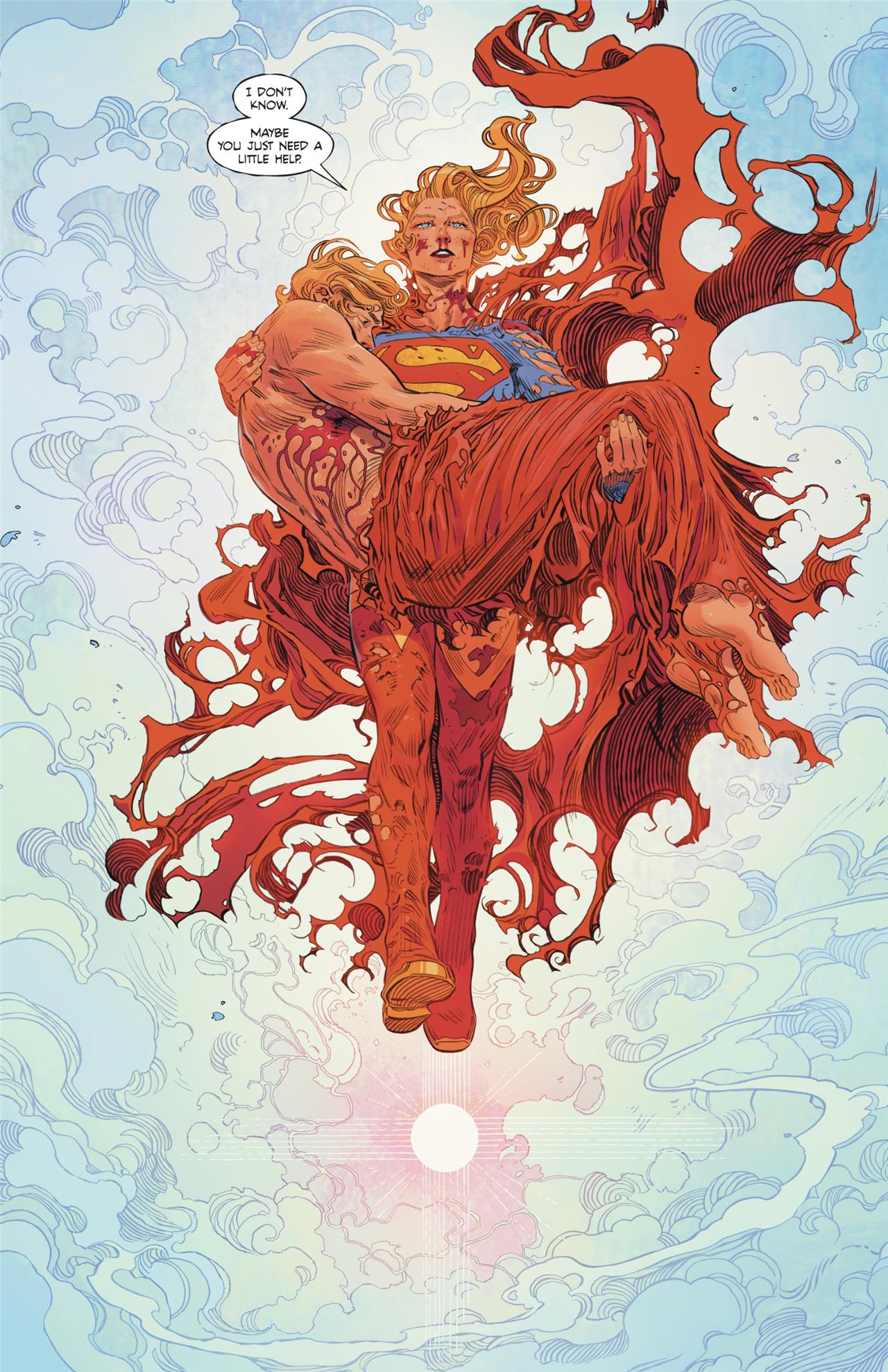
The question isn’t “Is one of the best panels of the year in Supergirl: Woman of Tomorrow?” It’s “Which panel in Supergirl: Woman of Tomorrow do I choose?” I’ve previously said Woman of Tomorrow is the most Sandman-like thing Tom King has written, and while some portion of that is the semi-contained fable of each issue, it’s also the craft that artist Bilquis Evely brings to the comic’s worldbuilding, in a space adventure by way of the inexplicable creatures of Star Wars rather than the scientifically enumerated biomes of Star Trek.
But what makes Evely’s single panels wondrous is her compositions and her acting. Artists have used the iconography of Superman to recreate Michelangelo’s Pietá before, but Evely may have done it best, choreographing cape and clouds and sun onto the essential pose. Where Evely draws Kara Zor-El with a gaze hard enough to pierce the reader’s heart, Mat Lopes pops her irises with ice blue flecks, his work a carefully conducted symphony, emphasizing the important even as it highlights Evely’s intricate linework.
Jen Walters off her heels
Jen Walters stays graceful while the chaos erupts around her, a poised counterpoint to the page’s electric, kinetic energy.
She-Hulk, Rainbow Rowel, Rogê Antônio, Rico Renzi, Joe Caramagna
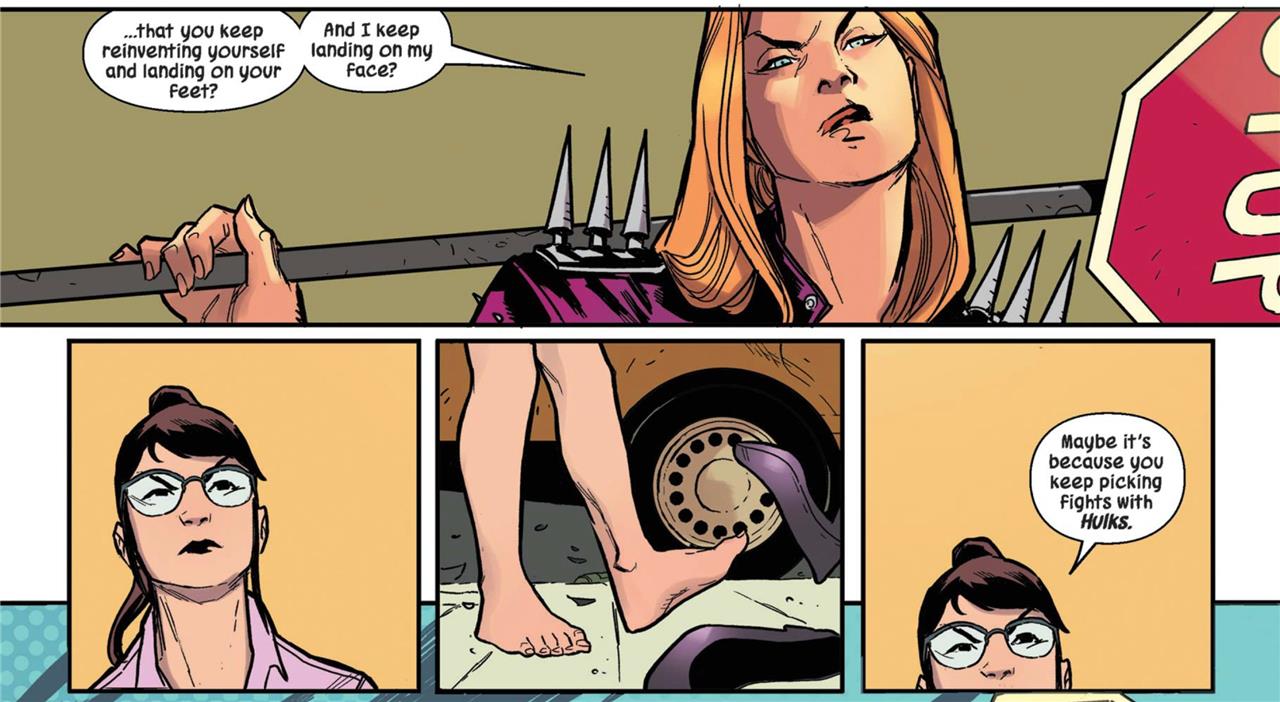
Sometimes a great panel is three panels, like Rainbow Rowel and Rogê Antônio pulling off this small but perfect visual gag in the first issue of their She-Hulk. We don’t think of a comic book panel as having its own point of perspective, as a frame of a movie has a point where the camera was placed. But Rowel and Antônio show that it can be really funny if you do.
The sublime freeze frames of Do a Power Bomb
Daniel Warren Johnson’s Do a Power Bomb captures motion and emotion with the precision of a camera shutter snapping at the height of action. Each panel pauses the chaos long enough to reveal the raw heart of its characters-grief, fury, tenderness-all suspended in perfect composition. The exaggerated poses and explosive linework make every frozen instant feel colossal, giving the reader both spectacle and sincerity in a single image.
Do a Power Bomb, Daniel Warren Johnson
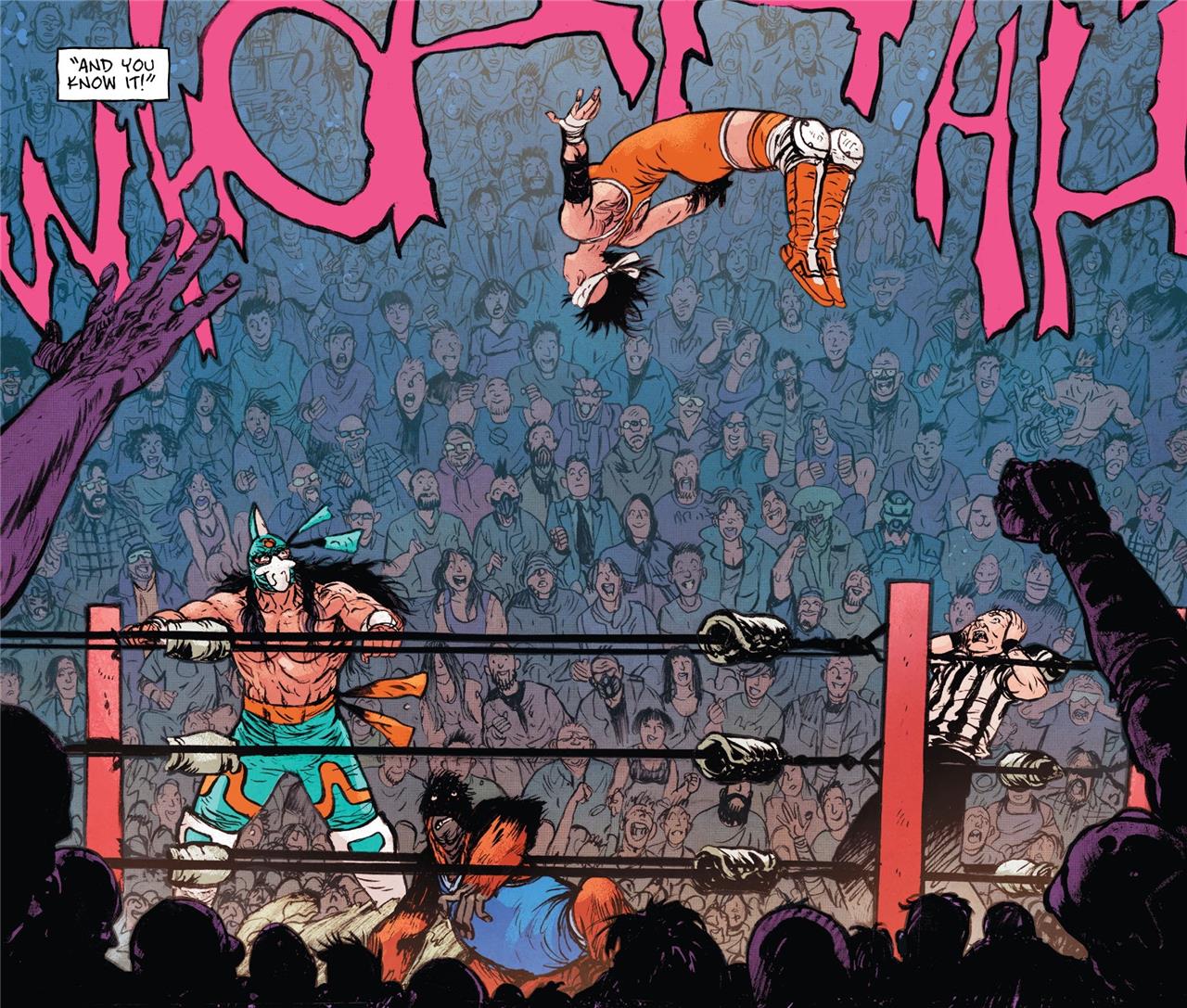
The story of Do a Power Bomb is that Daniel Warren Johnson got into professional wrestling for the first time during the pandemic, and this is his love letter. There is not a page of Power Bomb that’s ashamed or sheepish of its subject matter, it’s all sincerity, all camp, all heart, and all spectacle. But where the comic takes your breath away is movement.
Comics are a deceptively still medium, in which we use phrases like “motion lines” to mean “a developed iconography of abstract lines which are invisible to the characters but indicate to the reader that motion has occured.” Wrestling, on the other hand, is a pastime in which movement – literally “wrestling moves” – are the entire deal.
Johnson takes the eye of a Renaissance painter to Power Bomb. He picks the exact moments that convey both previous and impending motion; the exact point in the shot where somebody like Zack Snyder would switch to slo-mo; the moment every voice in a crowd would gasp in unison – and blows a split second out on the page so that the tension and beauty of it hangs forever.
Not an angry god, but an angry friend
Supergirl: Woman of Tomorrow turns anger into empathy through its most striking panel-Supergirl crouched beside a grieving girl under a red Martian sky. Her fury isn’t divine punishment but raw compassion, the kind that burns against injustice rather than people. The composition frames her rage as deeply human, not detached or godlike. It’s a moment that redefines power through care, portraying Supergirl as a friend who feels pain just as fiercely as she fights it.
Batman #127, Chip Zdarsky, Jorge Jimenez, Tomeu Morey, Clayton Cowles
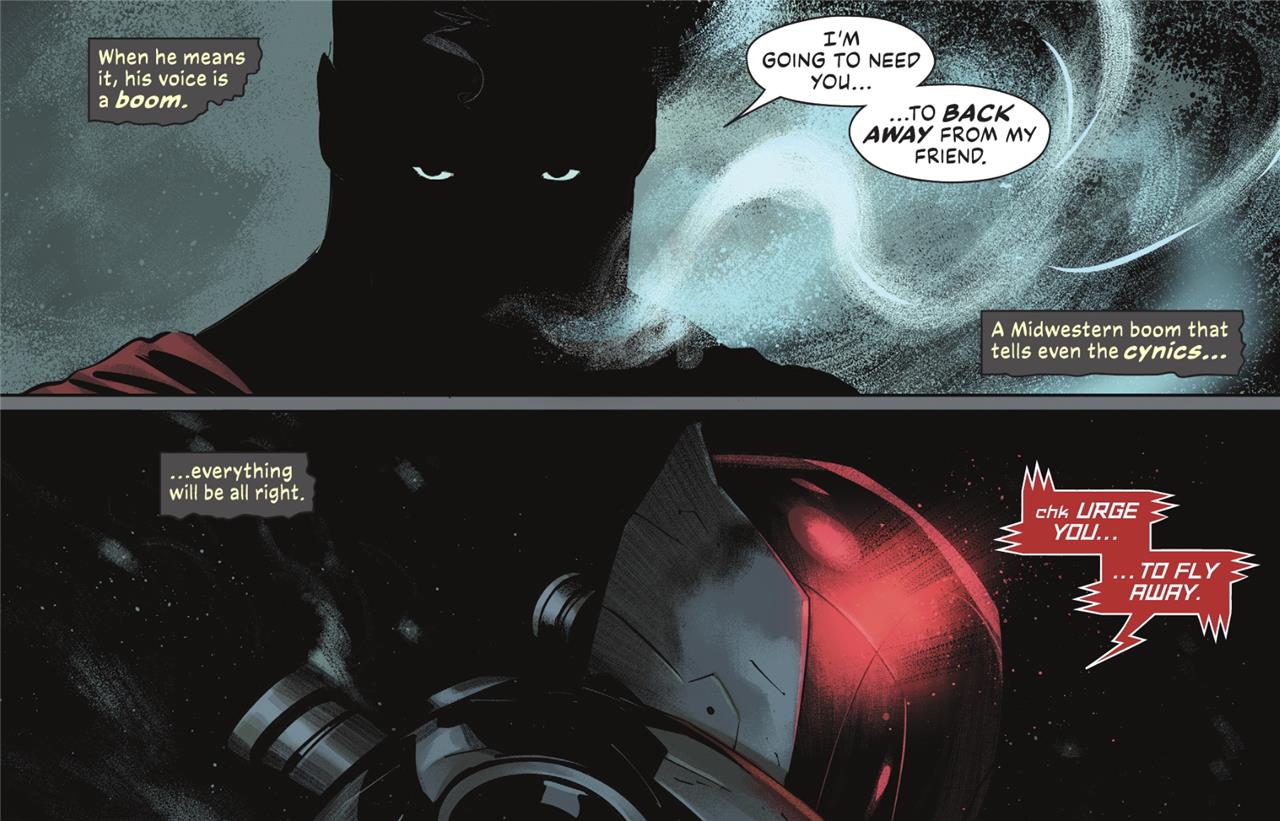
Hollywood has made sure that we all know the iconography of an angry Superman – he floats impossibly in the sky, his eyes glowing a radioactively furious red, a promise that looks can kill and maybe he will too. And look, red-eye angry Superman is a temptingly strong visual. But Batman #127 says: It’s also a crutch.
What if instead, Superman’s anger was righteous and controlled, a protective reflex? What if it wasn’t a burning laser, but an icy breath that douses a house fire and hangs in the air as he makes a final attempt at deescalation? What if we know that Superman is angry because his eyes are simply those of a protector defending his friend, rather than an enraged god destroying his enemies?
Hitting the ground running
Supergirl: Woman of Tomorrow opened with relentless momentum, capturing a sense of raw determination from its very first panel. The framing pulls the reader into motion alongside Kara as she faces a brutally honest universe, full of grit and light. Each brushstroke seems to push forward, mirroring her refusal to slow down while balancing desperation with grace. It’s a striking reminder of how visual rhythm can carry as much emotional weight as dialogue, turning action into pure storytelling energy.
Saga #55, Brian K. Vaughan, Fiona Staples
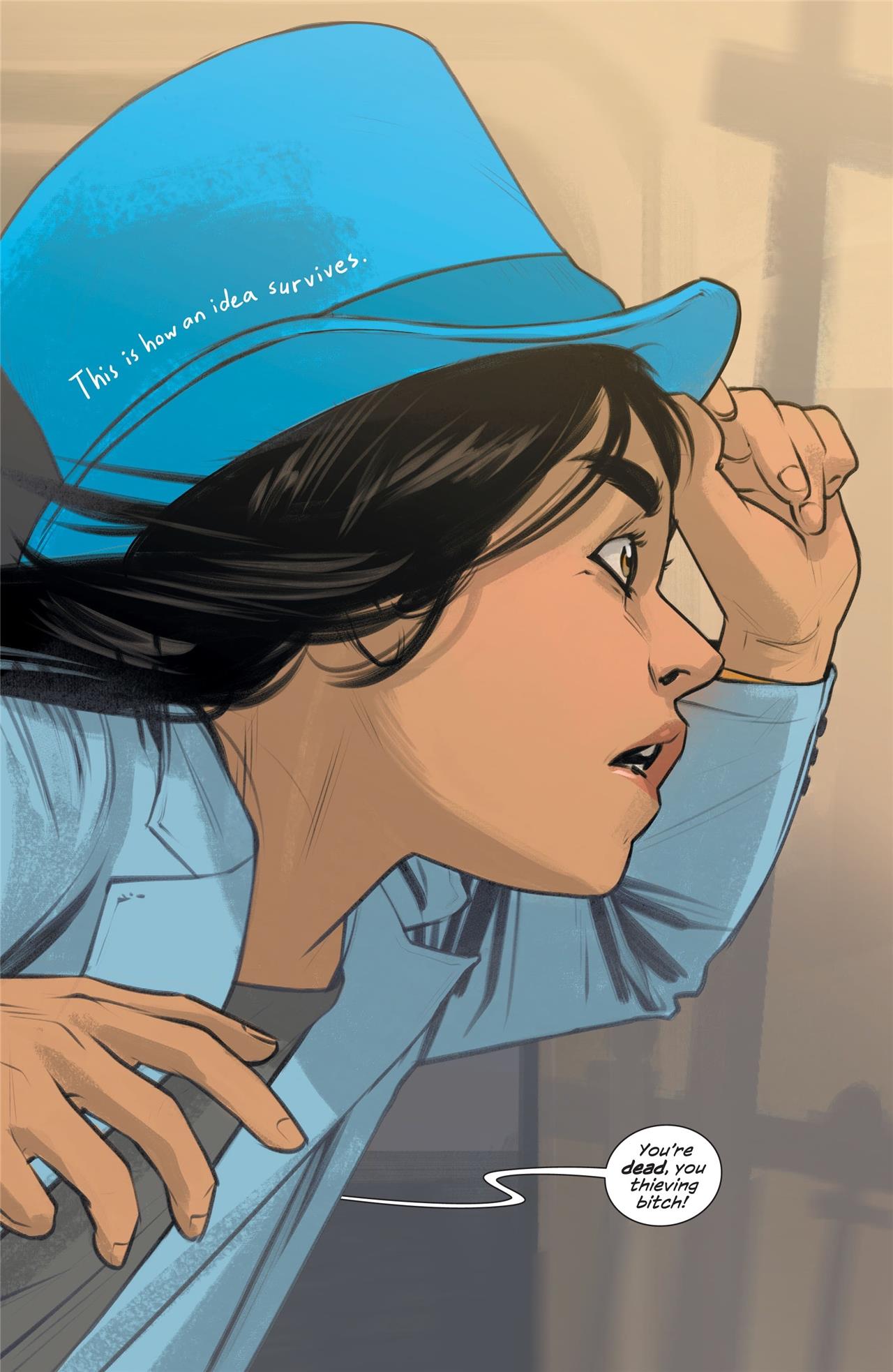
Writer Brian K. Vaughan and artist Fiona Staple’s epic is the exception that breaks every rule in American comics publishing – a hit with Wednesday Warriors and trade-waiters alike that only grows more popular over time, never loses narrative steam, and will probably never get optioned for a cinematic adaptation. At least not until Hollywood is chill with an X-rated, hyperviolent, special effects-heavy family adventure.
In 2022 Saga faced another rule to break: Returning from a three-and-a-half year hiatus with, if anything, a bigger audience than the book had when it paused in 2018. Even more remarkable, the only thing there really was to say about Saga #55 was that it was just as good as Saga #54.
It felt like the book had never left. And it’s a testament to Vaughan and Staples’ talents that the first panel of their comeback is a simple reframing of the very first page of their comic, and a jump cut-style time jump, yet still felt like the natural next step.
The passion of Victor Fries
Frozen in heartbreak and obsession, Victor Fries’s featured panel captures the cold precision of a man consumed by loss. The page’s icy blues and harsh whites mirror his emotional desolation, while a single tear behind his visor breaks the rigid stillness. The artwork conveys not just his scientific genius but the tragic depth of his devotion, making the moment both beautiful and devastating in its quiet intensity.
Batman: One Bad Day – Mr. Freeze, Gerry Duggan, Matteo Scalera, Dave Stewart, Deron Bennett
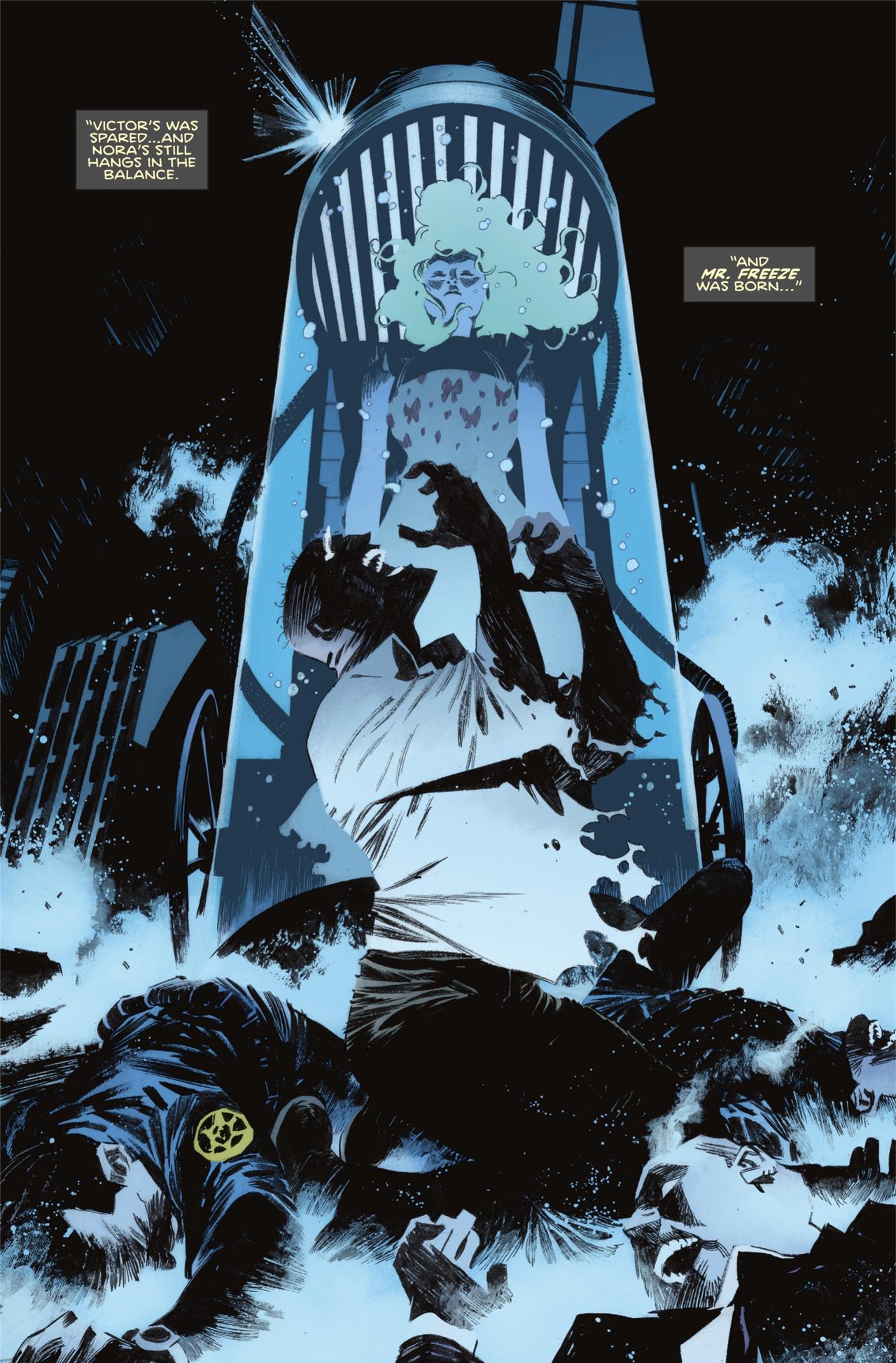
It’s hard to give a well-known story a fresh retelling, but that’s what DC Comics has been doing all year with it’s Batman: One Bad Day line: Handing the origin stories of the biggest names in Batman’s Rogues Gallery over to the biggest talents working for the company. Batman: One Bad Day – Mr. Freeze stands out from its peers, not least because of Matteo Scalera’s beautiful use of negative space (not to mention the borrowing of Mike Mignola’s indelible character designs created for Batman: The Animated Series).
But credit to writer Gerry Duggan: He gives Scalera the space to work. Mister Freeze is littered with full page spreads, each worthy of framing. But this one stands out. The essence of a tragic villain’s turning point, distilled to a single, impeccably composed frame.
How to introduce yourself
Greet readers with a confident handshake in words. State your name, share your passion for comics, and mention a favorite panel that hooked you-like the raw emotion in Supergirl: Woman of Tomorrow. Keep it brief, genuine, and tied to visual storytelling to spark connections right away.
Step by Bloody Step, Si Spurrier, Matias Bergara, Mat Lopes
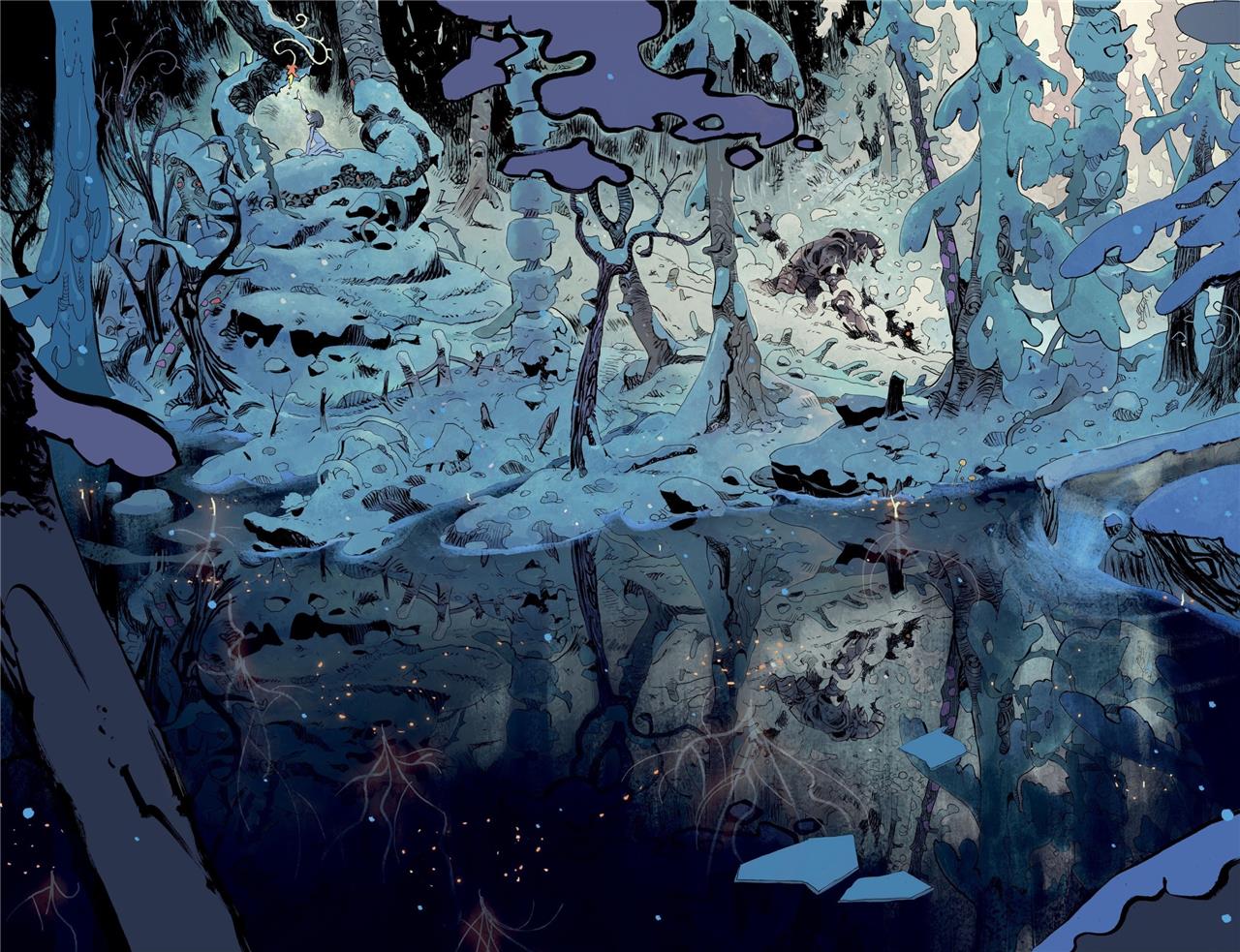
Comic books don’t have opening credits sequences, full of scrolling words and scene setting montages – but if they did, this double page spread is surely where Si Spurrier and Matias Bergara’s names would appear. Spurrier and Bergara take a few pages to introduce the central duo of their opus – the naked child and the armored guardian – and then pull out to introduce the comic’s third character: the hostile, helpful, wondrous world around them.
Part of the hook of Step by Bloody Step is that it’s completely wordless, but this page is where Spurrier and Bergara remind their reader to be quiet, too. By taking a moment away from continuing the story to underscore their intentions and their talents, Spurrier and Bergara are introducing themselves as much as their comic.
Superman in a Pride cape
In this striking panel, Superman stands draped in a Pride-themed cape, a powerful image that blends heroism with inclusivity. The colors burst against the city skyline, turning a familiar symbol of hope into one of unity and acceptance. It’s a rare moment where visual storytelling bridges classic comic tradition and modern social awareness, reminding readers that strength can also mean standing proudly for others.
DC Pride 2022, Devin Grayson, Nick Robles, Triona Tree Farrell, Aditya Bidikar
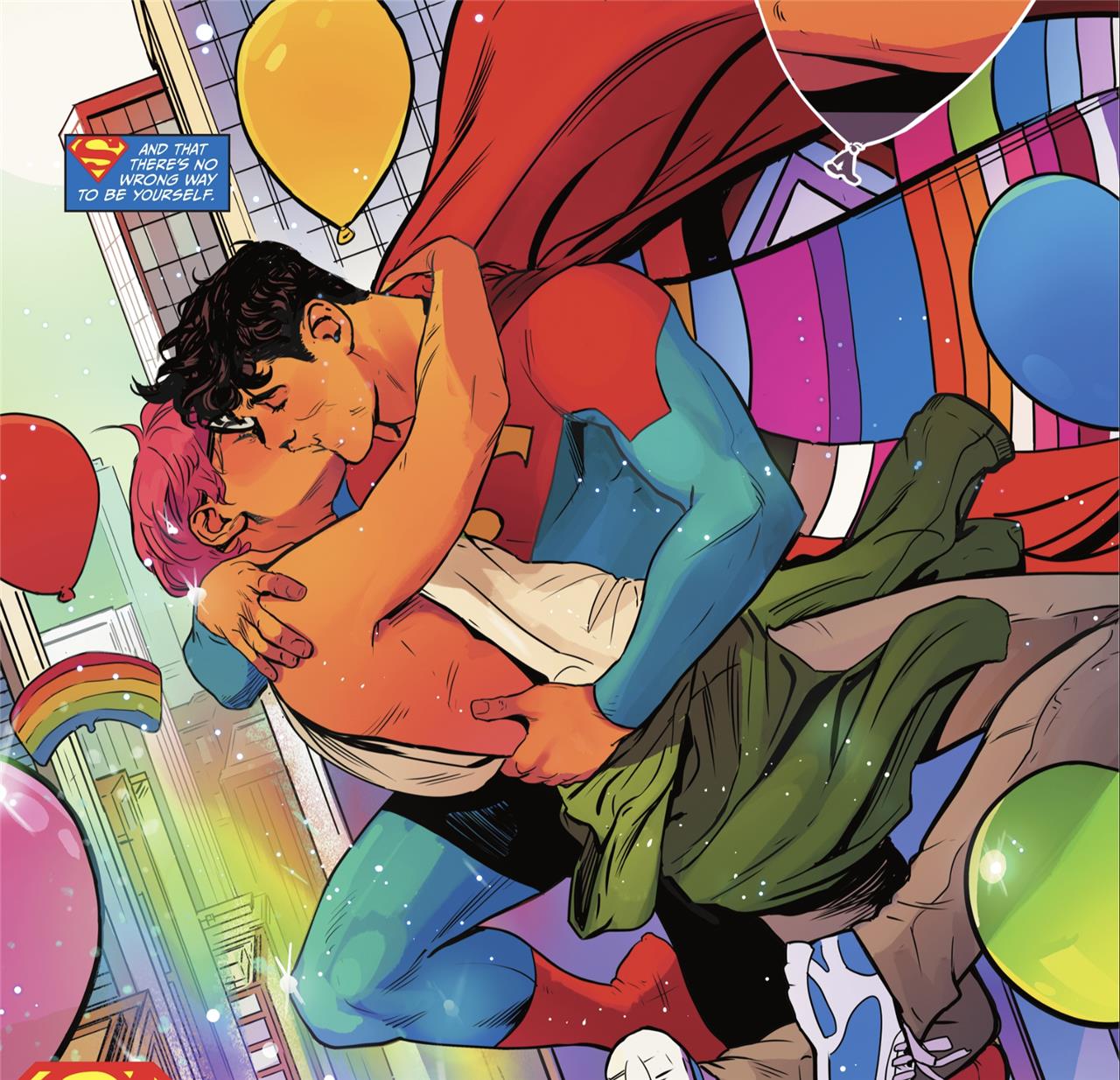
Corporations should stay out of Pride – and deep down, Big Two superheroes are populist iconography, as the closest thing America has to modern folk heroes. We can recognize the truth of both of these ideas at the same time. In terms of story impact, it doesn’t get much stronger than making Superman into a potential PFLAG parent.
And we can recognize that even if a “Superman” is Clark Kent’s son, rather than Clark Kent himself, having Superman make out with his boyfriend in mid air above a Pride parade while he wears a cape lined with every Pride flag the artist can fit on it is potent iconography, and a powerful statement.
Judgment Day arrives
The moment bursts with divine fury as heroes and gods clash beneath a crimson sky, every panel crackling with chaos and consequence. Supergirl’s expression carries both defiance and sorrow, a reminder that righteousness often demands sacrifice. The artwork captures the grandeur of fate crashing down, where cosmic judgment feels both magnificent and unbearably human.
AXE: Judgment Day #4, Kieron Gillen, Valerio Schiti, Marte Gracia, Clayton Cowles
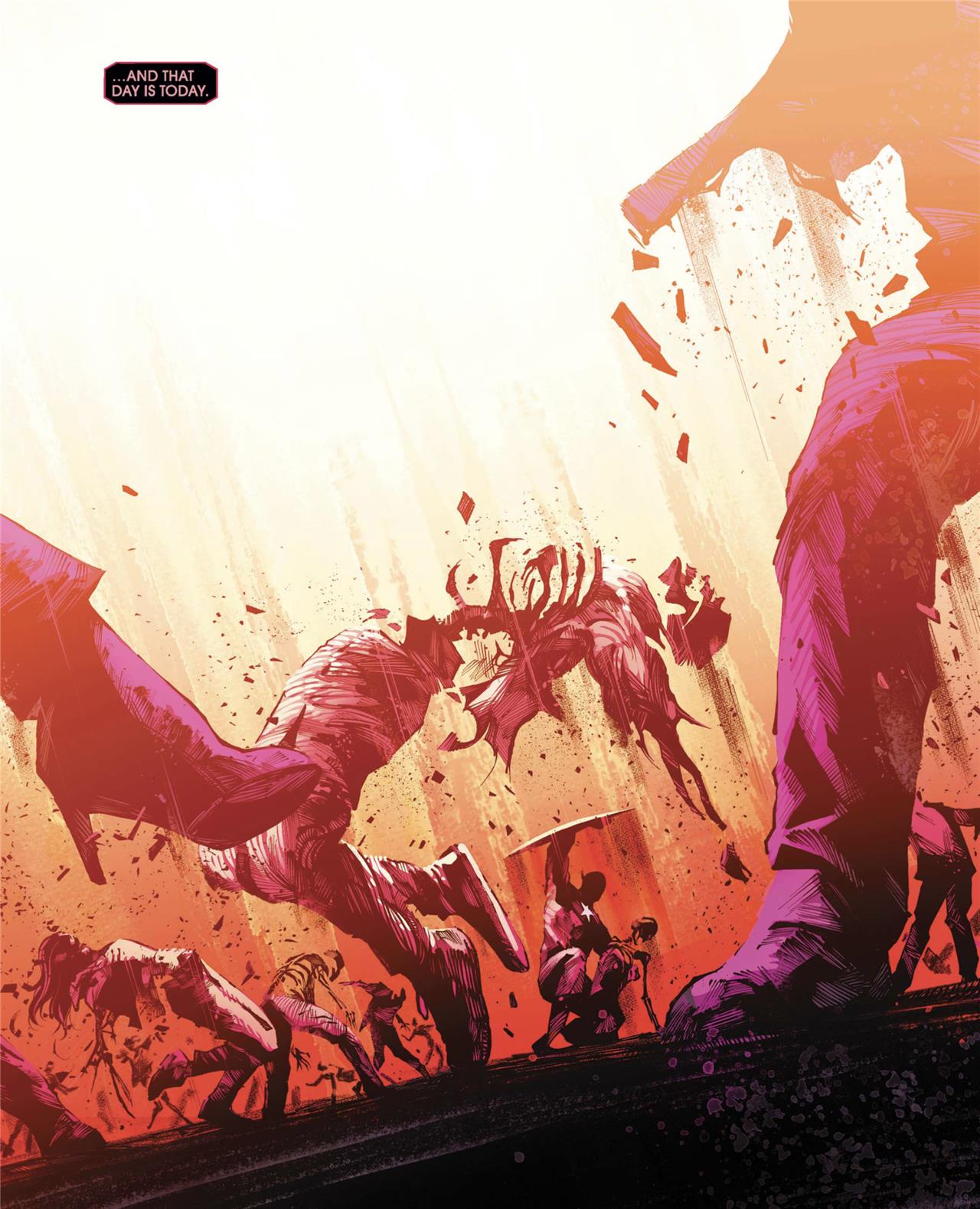
AXE: Judgment Day was the best Marvel Comics spectacle in years, but there’s just one image from the event series and its voluminous tie-ins that is stuck indelibly in my brain. It’s mortals disintegrating under the wrath of god, while the tiny silhouette of Captain America stalwartly raises his shield – and the cosmic forces turn the innocent in his arms to a husk anyway.
Judgment Day constantly reminded the reader of the human stakes of the end of the world, and the vast gap between the struggle of average citizens to avoid god-meted carnage, and the super-strong, super-regenerative, in-many-cases-literally-deathless heroes who fail to protect them. Even Captain America, Marvel’s most iconic everyman, survives when every man around him is obliterated.
It’s a necessary dichotomy for a story where two of Marvel’s most powerful groups of superheroes – the Eternals and the Mutants – ultimately realize they must change how they share their gifts, and this single panel explains what just took me over 100 words to say.
Hera’s prophecy
Hera’s prophecy captures a moment of mythic gravity, as the goddess’s calm expression contrasts with the storm of fate unfolding around her. The panel frames her in golden light, surrounded by fractured imagery that reflects divinity and doom in equal measure. Every line on her face hints at knowledge too heavy to bear, while the intricate composition draws the reader’s eye toward the subtle tension between her power and her restraint.
Wonder Woman Historia: The Amazons #2, Kelly Sue DeConnick, Gene Ha, Wesley Wong, Clayton Cowles
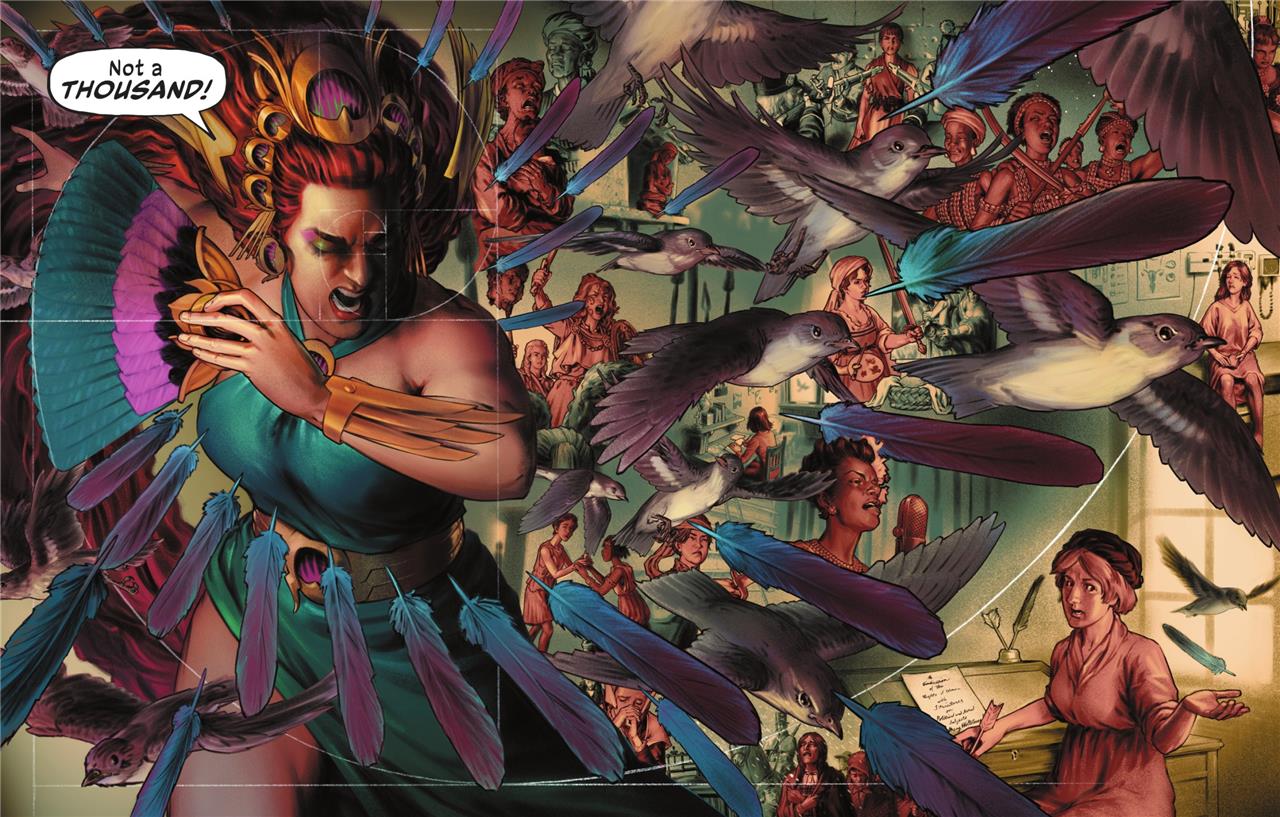
The goddess Athena tells Hera, whose thousand eyes see a thousand futures, that she would like to keep the woman-avenging Amazons hidden from Zeus’ retribution “long enough for women to see justice.”
Hera sighs in sadness. “There will be no justice for women. Not now.” Her lip curls and her brows furrow in divine disgust, as she imperiously raises her fan. “Not a hundred years from now.”
Who are the top artists behind 2022s best comic panels
Top artists drove 2022’s standout comic panels through dynamic layouts and emotional depth.
Leading Artists
Bilquis Evely topped lists for her evocative work in Supergirl: Woman of Tomorrow, blending cosmic grandeur with intimate grief, often paired with colorist Mat Lopes.
Daniel Warren Johnson excelled in Do a Power Bomb, capturing wrestling’s raw energy and father-daughter bonds with seamless action-to-emotion transitions.
Rogê Antônio shone in She-Hulk #1 for perspective-driven humor, while Fiona Staples returned triumphantly in Saga #55 with fluid, iconic layouts.
Other Standouts
-
Dan Mora dominated DC with precise, high-energy pages in Batman/Superman: World’s Finest.
-
Evan “Doc” Shaner mastered storytelling across emotions and action.
-
Elsa Charretier and Valerio Schiti earned nods for clean, Kirby-esque boldness and crossover epics.
These creators influenced visual guides by prioritizing panel flow and wordless narrative power.
Which comics featured the best panels by Bilquis Evely in 2022
Bilquis Evely’s standout panels from 2022 comics centered on her masterful work in the Supergirl: Woman of Tomorrow miniseries by Tom King.
Key Comic Series
Supergirl: Woman of Tomorrow (issues released/concluded in 2022) featured Evely’s most acclaimed panels, including the iconic Pietà-style scene of Supergirl cradling Comet’s body amid cosmic grief.
Evely’s lush linework, paired with Mat Lopes’ colors, created retro-futurist space opera visuals that dominated year-end lists for emotional depth and intricate details like flowing capes and expressive eyes.
Panel Highlights
Panels excelled in wordless storytelling, with world-building aliens, revenge-driven action, and soulful character poses elevating the series beyond typical superhero fare.
Critics noted only this title for her 2022 output, praising its Sandman-like fables and panel compositions that pierced readers emotionally.
