
Want to master every combat style in Dragon’s Dogma 2 without starting over? Discover how to swap your vocation at any time-unlocking new skills and reshaping your adventure at will.
Given how many vocations are available to you (four at the start, with an additional six you can unlock), and how each one suits different needs, there’s no reason not to periodically switch things up. In this Dragon’s Dogma 2 guide, we’ll walk you through how to change vocations.
When you can change your vocation in Dragon’s Dogma 2
You can change your vocation in Dragon’s Dogma 2 almost immediately after starting the game, as soon as you reach your first major settlement such as the Borderwatch Outpost, Melve, or the larger cities of Vernworth and Bakbattahl. These locations feature Vocation Guilds or inns where you can speak with the appropriate NPC to access the vocation change menu. Changing your vocation is possible at any point in the game, provided you have enough Discipline Points (DCP) to unlock new vocations, and you can do this as often as you like, allowing you to experiment with different playstyles and abilities.
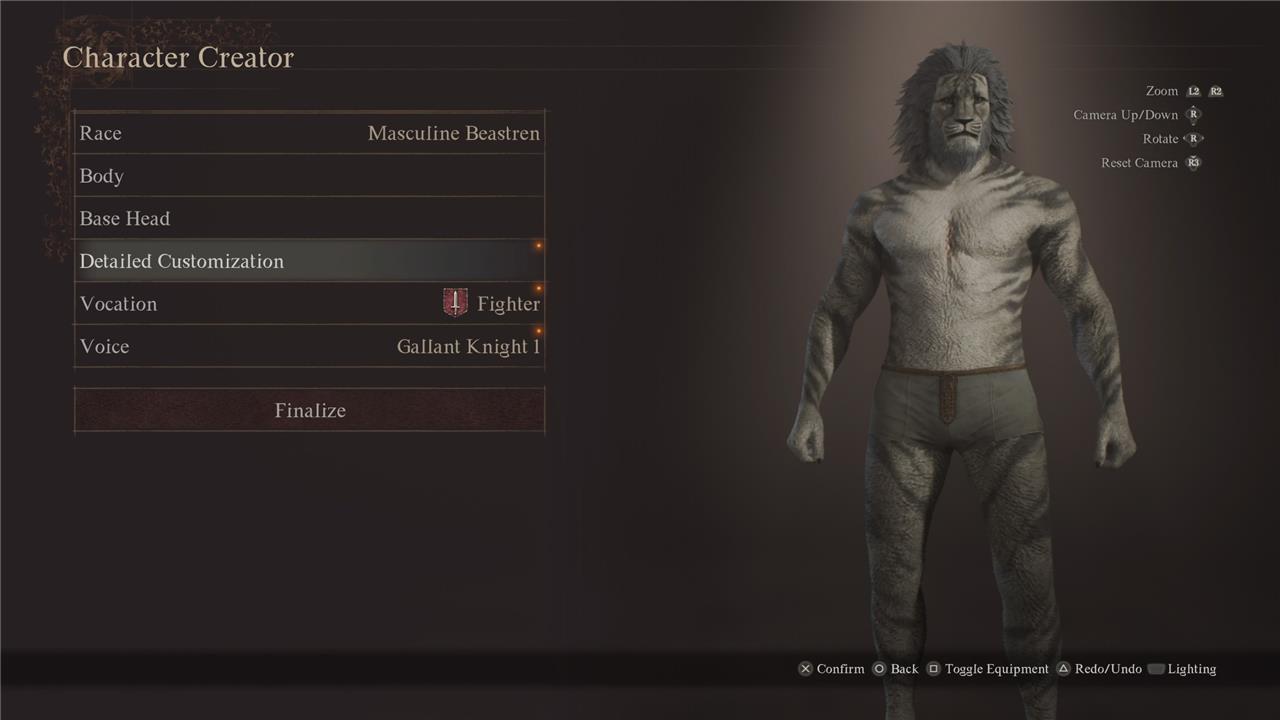
When you first create your character in Dragon’s Dogma 2, you’ll lock yourself into one of the four starting vocations (Fighter, Thief, Mage, or Archer) for the first two or three hours of the game. You’ll be able to change your vocation once you reach the city of Vernworth.
How to change your vocation in Dragon’s Dogma 2
To change your vocation in Dragon’s Dogma 2, visit a Vocation Guild located in major towns such as Vernworth or Bakbattahl, or go to certain inns like the one in Melve. At the guild, speak to the attendant or guild master and select the “Change Vocation” option from the menu. You’ll need to spend Discipline Points (DCP) to unlock new vocations, but once unlocked, you can freely switch between them, equipping new skills and adjusting your playstyle as needed.
Once you arrive in Vernworth, seek out the Vernworth Vocation Guild, just under Shakir’s Inn, south of the town square – as seen in the map above.
Head into the guild and talk to Klaus at the counter. He’ll have a few different things to talk to you about – the first being how to change your vocation.
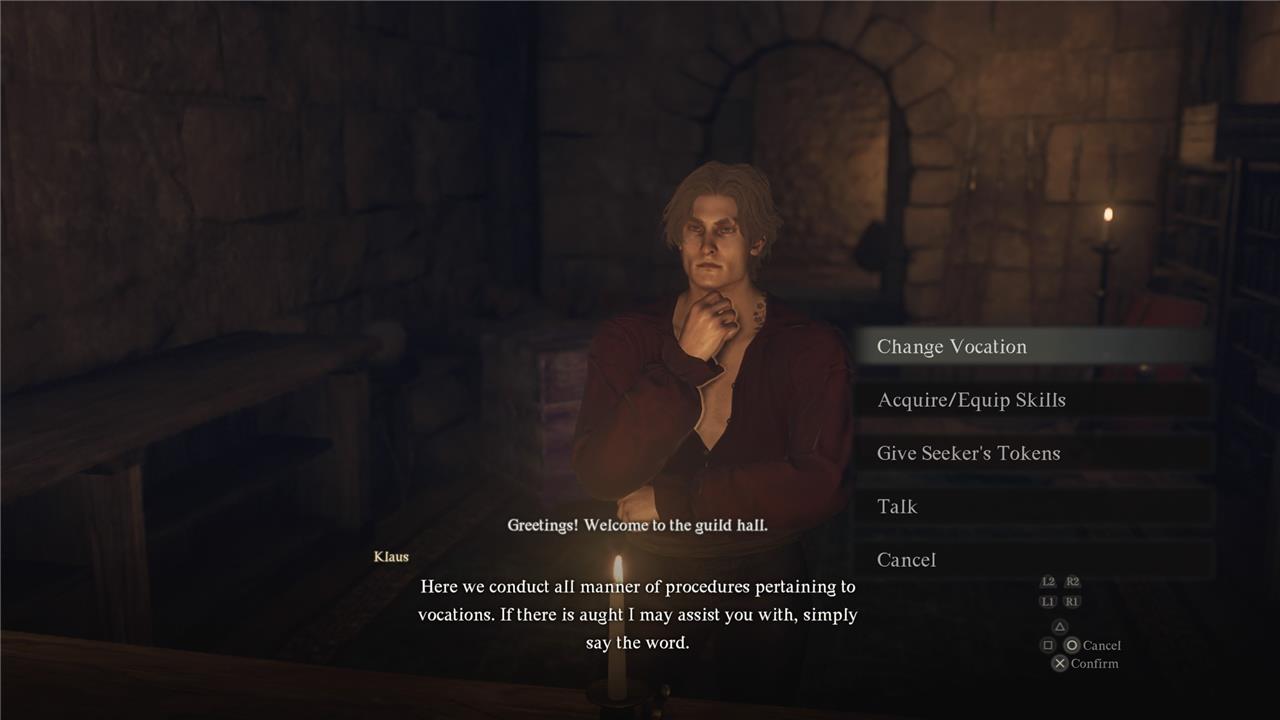
Select the “change vocation” option in the menu and choose one of the other three starter vocations to swap to. You’ll need to pay a one-time fee – 100 DSP for the other starting vocations, but 150 DSP for advanced ones – to unlock each vocation you didn’t start with.
You’ll also need to pay the fee for both yourself and your main pawn, but since you earn a small amount of DSP whenever you kill an enemy, you should have plenty of points from adventuring naturally.
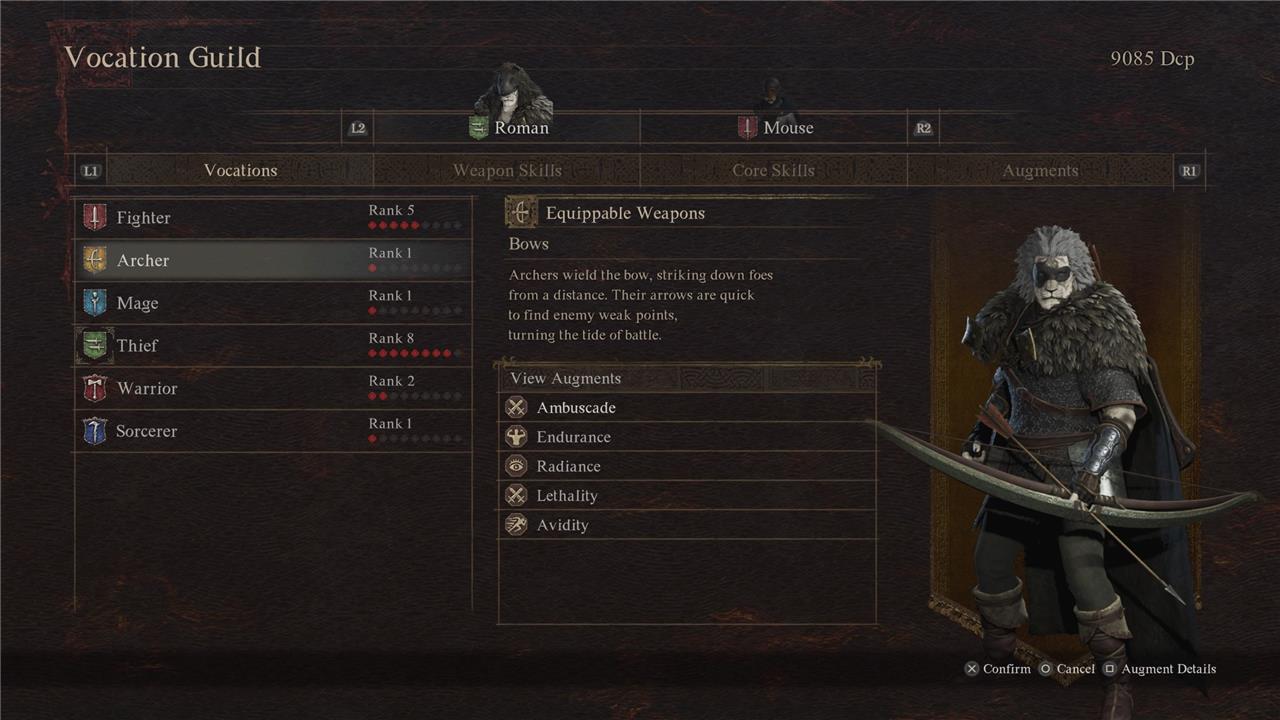
Once you select a different vocation, Klaus will give you some low-level gear to fit your new class and send you on your way. If you want to swap to another vocation, return to Klaus or any other Vocation Guild on the map.
All Vocation Guild inn locations in Dragon’s Dogma 2
Vocation Guilds in Dragon’s Dogma 2 are found in key settlements across the game’s world, providing players with access to changing their class and purchasing new skills. Major cities such as Vernworth and Bakbattahl each have dedicated Vocation Guild halls, which are typically located near main inns or other central amenities. In addition to these established guilds, you can also access Vocation Guild menus at certain inns-most notably the Borderwatch Lounge at the Borderwatch Outpost early in the game, as well as other inns like Tristan’s Inn in Melve, making it convenient to switch vocations as you explore.
Beyond the Vocation Guild in Vernworth, there’s another in Bakbattahl, which becomes available to you after you make your way to Battahl. But if you’re away from a city center and sick of playing as an Archer, you can also switch vocations at (most) inns around Dragon’s Dogma 2. The above map shows the locations of all inns in Dragon’s Dogma 2.
If you’re looking to pick up an advanced class for you or your pawn – like the Warrior or Sorcerer – you’ll first need to complete the “Vocation Frustration” quest, which you also get by talking to Klaus. Note, however, that your pawn can’t become the Mystic Spearhand, Magick Archer, Trickster, or Warfarer vocations.
For more Dragon’s Dogma 2 guides, check out our beginners guides to combat and the pawn system, or peruse our list of all vocations and all augments. We also have explainers on how to change time of day, how to change your appearance, and how to fast travel. And for a full look at everything the game has to offer, peruse our Dragon’s Dogma 2 interactive map.
Want to know how switching vocations affects your character’s progress in Dragon’s Dogma 2
Switching vocations in Dragon’s Dogma 2 is designed to be flexible and forgiving. When you change your vocation, your character’s stats will adjust to match the requirements of the new class, ensuring you’re effective as soon as you switch-your base stats shift to accommodate the new vocation, but all previously earned attribute points remain.
You do not lose your character level or items when swapping vocations; only your vocation rank for the new class starts fresh (at rank 1), but you can freely switch back and forth without penalty. As you level up in a new vocation, your stats will grow according to that vocation’s growth table, but switching itself does not erase your progress in other vocations.
Additionally, augments (passive skills) learned in one vocation can be used across all others, allowing for interesting build combinations. In summary, changing vocations opens up strategic options, lets you experiment with different playstyles, and does not negatively impact your character’s overall progress.
How does switching vocations influence my character’s growth over time in DD2
Switching vocations in Dragon’s Dogma 2 is designed to be flexible and non-punishing for character growth. When you change your vocation, your character’s stats instantly adjust to match the base values of the new vocation, as if you had always been leveling up in that class. This means your stats are always appropriate for your current vocation, regardless of which vocation you were using when you leveled up.
However, there is a subtle long-term effect: stat growth during level-up is determined by the vocation you have equipped at the moment you gain a level. If you only level up as a Fighter, for example, your base stats will be influenced by Fighter growth rates, but these differences are not permanent-when you switch to another vocation, you still get stats appropriate for that new vocation. In practice, the system is designed so you cannot permanently disadvantage yourself by leveling in one vocation over another, but you may see minor differences in your maximum base stats at very high levels if you focus on a single vocation for a long time.
As you level up and switch between vocations, your character’s stats will always adapt to your current class. The main progression you retain is your character level and any unlocked augments (passive skills), which can be used across all vocations. In summary, switching vocations allows you to experiment freely without worrying about long-term stat penalties, and your character’s effectiveness is always optimized for your current class.
