
Sun Haven mixes cozy farming with rich fantasy, but it’s easy to miss key details that shape your experience. Before planting your first crop or setting off for quests, here are seven tips that can save time, gold, and frustration.
While it’s easy to compare Sun Haven to Stardew Valley, as they’re both immersive pixel farming simulators, Sun Haven has a ton of content that Stardew doesn’t. You have skill trees, different character races, and more of a quest-oriented story.
It’s extremely easy to get lost in the sauce while playing Sun Haven, as there’s no stamina to keep you in check. To help guide you, we listed out a few tips that you should give a once over before you start.
There’s no stamina, but keep your eye on the time
Your character doesn’t have a stamina bar in Sun Haven, which means you can farm, mine, and fish as long as you like without worrying about energy limits. However, time still moves fast, and the day ends at midnight sharp. If you’re still out past that, you’ll wake up the next morning with less gold. Keep track of the clock and plan your activities carefully so you can make the most of each day.
That’s right. You can just farm and mine until your heart’s content. Well, kind of. You are limited by time, with a midnight curfew. However, you’re free to do whatever you want with no constraints, as long as you’re in bed by midnight.
Make sure to skim the dialogue, if you usually skip it
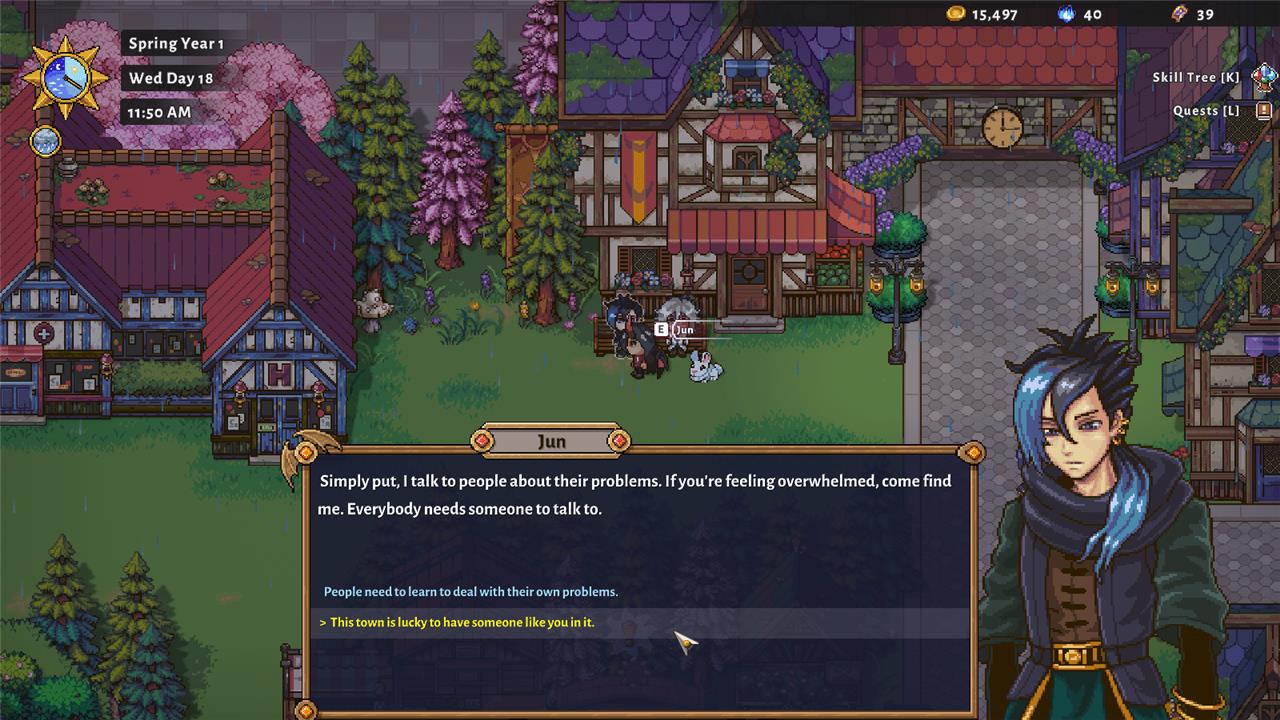
Dialogue in Sun Haven often hides helpful information about quests, skill rewards, or hidden mechanics. Skimming it instead of skipping entirely can reveal hints about where to find rare materials or which NPCs give valuable upgrades. Many lines also add flavor to the town’s atmosphere, helping you understand character relationships and local routines that influence your choices later on.
Not only will the story dialogue tell you where you need to go, but some romanceable characters will have chit-chat that can raise or lower their relationship points with you. If you pick the obviously rude answer, the characters won’t like it, so don’t just go clicking willy-nilly to get through the words. Give it a skim and select the right choices.
Keep your crafting stations going
Keep your crafting stations humming by organizing tools within arm’s reach, stocking fresh supplies, and keeping a steady rhythm of cleanups and tidy workflows to prevent interruptions during Sun Haven farming sessions.
Your raw materials like wood and ore will need to be converted into planks and bars before you can really use them, but you don’t want to have to wait on them to be made. That being said, keep the furnace and crafting stations going with basic materials (if you have them) to avoid having to wait on them.
Don’t forget to replant some trees
Cutting down trees in Sun Haven gives you useful materials, but you’ll soon find your farm empty if you never replant. Keep a few tree seeds ready so your supply of logs and fruit keeps growing over time. Trees take a while to mature, so planting new ones regularly helps you balance resource gathering with maintaining a lush, productive farm.
Once you clear out your farm, make sure to pick a part of the farm to replant trees on. Lumber is an important resource, so you don’t want to have to scour around too hard for it.
Keep tabs on what your museum needs
Keeping your museum stocked takes some attention, since exhibits require different materials and creatures to fill them. Check your collections menu often to see which items are missing, and make a habit of setting aside anything marked for donation instead of selling it right away. Some artifacts are seasonal or tied to specific skills, so plan ahead to gather what you need before those opportunities pass. Consistent updates to your museum not only earn rewards but also track your progress across the valley.
Sun Haven does indeed have bundles to fill that give you special rewards in its museum. You’ll definitely want to take a peek in and fill in what you can for some free loot. Some of these things require you to plant season-specific crops, so you’ll want to know what to expect ahead of time.
Take it easy with quests and story
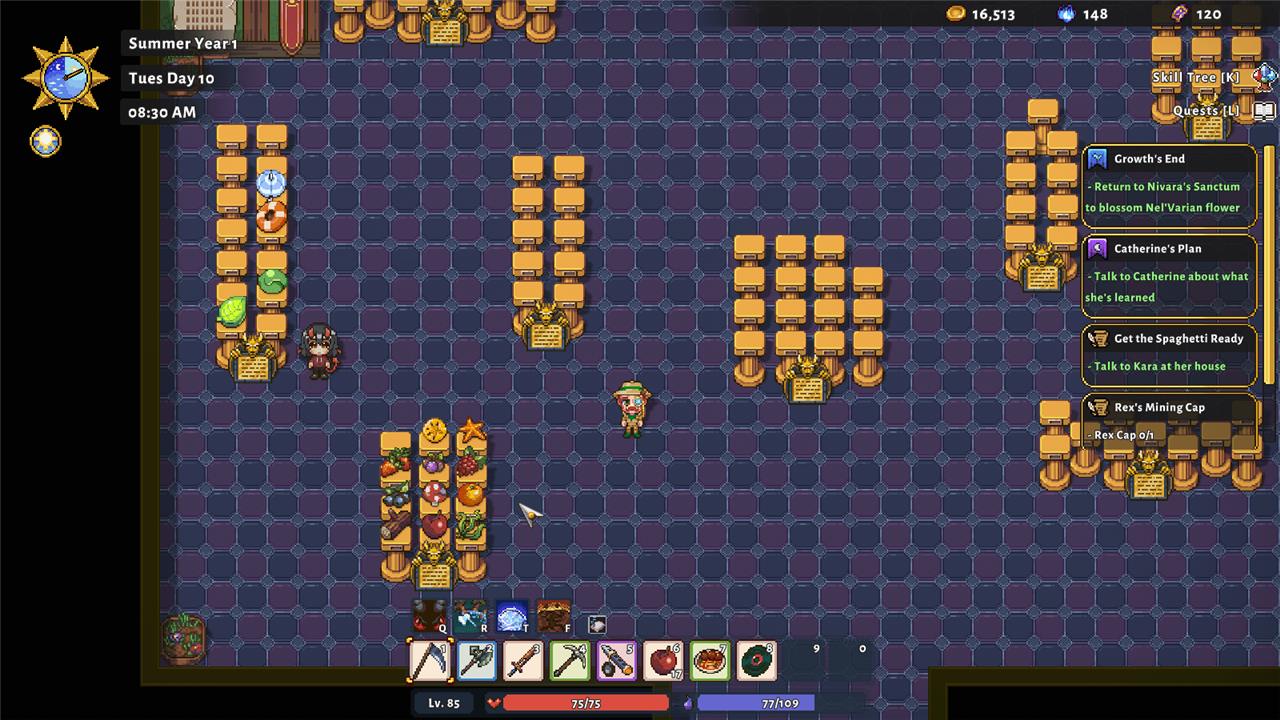
Quests in Sun Haven can pile up quickly, but there’s no need to rush through them. The game rewards a slower pace, letting you enjoy farming, crafting, and socializing without pressure. Many storylines progress naturally as you explore and improve your farm, so take your time to enjoy the town’s charm. Completing tasks gradually keeps the experience relaxed and prevents burnout from trying to do everything at once.
You can complete most of the main story quests very easily. It might be tempting to beeline through them, but it may be better to take it easy and not rush too much. Getting through the story does unlock new areas (and new farms to grow different crops on), but managing multiple farms at once can be overwhelming for one player, so you may want to keep it simple.
You can unlock all these farms and areas and then just choose to focus on one at a time, as well. You will notice on your journey to these expanded areas, you’ll run into some high-level monsters, so you should be mindful of that, too.
Farming isn’t the be-all-end-all
Farming may be the main feature of Sun Haven, but it’s far from the only way to progress. You can focus on mining, fishing, cooking, or crafting-each path offers its own rewards and ways to earn gold or gather materials. Some players skip the farm entirely to specialize in magic or combat, proving that your success isn’t tied to crops alone. The game gives you freedom to shape your experience based on what you enjoy most.
In some other farming simulator games, farming is THE definitive way to make money, but in Sun Haven, money isn’t too much of a problem. While you need more money to expand your house, a lot of things are purchased with other special earned currencies, and you don’t necessarily even need money to upgrade your tools.
Best first week activities in Sun Haven
Plant and money-making should be your main focus in the first week, with some light exploring and socializing layered on top for long-term benefits. Here’s a simple plan you can follow day by day without stressing about “perfect” play.
Core goals for week one
-
Get steady income (crops + foraging).
-
Unlock basic progression (tools, mines, first Snaccoon).
-
Start a few relationships so heart events don’t lag far behind.
Farm work: every single day
-
Water all planted crops before you leave the farm so you never miss a growth day.
-
Expand your field with any seeds you have, especially free seeds that drop from weeds, since they are pure profit when sold.
-
Try to always be planting something: aim to use most of your starting gold on seeds, keeping one or two of each crop for future museum bundles or gifts.
Make fast money early
-
Spend free time foraging in town, the forest west of your farm, and the beach: grab fruit, forageables, shells, and sell almost everything for early gold.
-
Keep a small stash of useful foods (like apples, berries, mushrooms) since they give permanent stat boosts when eaten and can double as early gifts.
-
Fish in spare time if you enjoy the minigame: it’s a solid early money source while you wait for crops to grow.
Smart shopping and bargaining
-
When you buy your first tool upgrades, always haggle to knock down the price; early discounts add up when you’re poor.
-
Prioritize buying more seeds and basic crafting recipes over cosmetic or decor items until your income feels comfortable.
Prepare for Weedil and free seeds
-
Let some weeds stay on the farm early on so you can clear them for free seeds and animal food.
-
Around the fifth in-game day you’ll get a weed-themed farm event; use it to gather as many dropped seeds and coins as you can before finishing it.
Unlock paths and exploration
-
Work toward feeding the first Snaccoon (apples and wheat) so you can open up new areas near your farm quickly.
-
Use extra time most days to explore: cut trees in the forest for wood, break rocks, and look for chests, money bags, and mana/XP books you can use immediately.
Start relationships early
-
Talk to as many townsfolk as you can each day you’re in town; even short chats build relationship points over time.
-
If you have spare forage or extra crops, gift them to characters you like so you’re not starting from zero when you decide who to romance or befriend.
Queue up your next unlocks
-
Push the main quests just enough to unlock the mines, then plan one or two “mining days” where you mostly stay down there gathering ore and stone for future tools and crafting.
-
Check the quest board daily, picking tasks that overlap with what you’re already doing (fishing, farming, gathering) instead of chasing every single request.
Is your playstyle more chill (farming/decor) or more combat/progression focused?
I prefer chill farming and decorating mostly
For a chill, mostly farming-and-decor run, you can safely ignore most combat pressure and treat Sun Haven like a cozy builder with some light quests wrapped around it.
Early priorities to stay cozy
-
Focus your skill points on Farming and Exploration, not Combat. Take perks that boost crop value, extra harvests, and movement speed so working and decorating the farm feels smoother.
-
Push the main story just enough to unlock the mines and basic areas, then slow down; you don’t need to rush tougher zones if you’re mainly there for vibes.
Money without stress
-
Rely on crops + foraging as your main income and only fish or fight when you feel like it.
-
Use your gold on more seeds, storage chests, and crafting stations instead of early weapon upgrades.
Designing your farm layout
-
Start by deciding “zones”: one for crops, one for animals (later), and one purely for paths, trees, and decor.
-
Place paths and fences early even if your layout is rough; it already makes the farm feel cozier and you can constantly tweak as you unlock more decorations.
Collecting and using decor
-
Save at least one copy of interesting items (seasonal furniture, statues, special crops or trees) instead of selling everything.
-
Whenever you unlock a new area, look for unique decor items or crafting recipes so your farm feels different from town, not just a money machine.
Low-combat approach
-
When you do quests with enemies, lean on basic safety: keep some healing food, avoid big pulls, and don’t worry about perfect dodging.
-
If a quest chain starts to feel too combat heavy, park it and go back to farming/decoration; most progression is flexible, so you won’t “ruin” anything by taking it slow.
Social and story at your own pace
-
Pick a small handful of NPCs whose vibe you like and talk to them regularly; use spare crops/forage as gifts so you see cozy heart events without grinding.
-
Skip dialogue you don’t care about and lean into the characters and storylines that match your relaxed playstyle.
Do you enjoy planning a “perfect” long-term layout (like modular zones you’ll slowly upgrade) or do you prefer decorating very organically and changing things on the fly?
