
The briefing has been compromised, the agents are in too deep, and the only safe house left is your gaming table. From word-slinging codebreakers in Codenames to tense traitor hunts and undercover missions, these spy-themed board games turn every player into a suspect-and every move into classified intel.
Spying involves hiding and finding information, cracking codes, and deceiving others by concealing your true intentions. Those bits of tradecraft also make great mechanics for board games, providing players with the thrill of using their wits to uncover or share secrets without any risk of getting shot. Spy-themed board games are as diverse as espionage operations, ranging from fully cooperative narrative games that tell a story over multiple play sessions to fast-paced competitions where it’s hard to figure out who to trust. These are the nine best spy board games to play to test your potential as a secret agent.
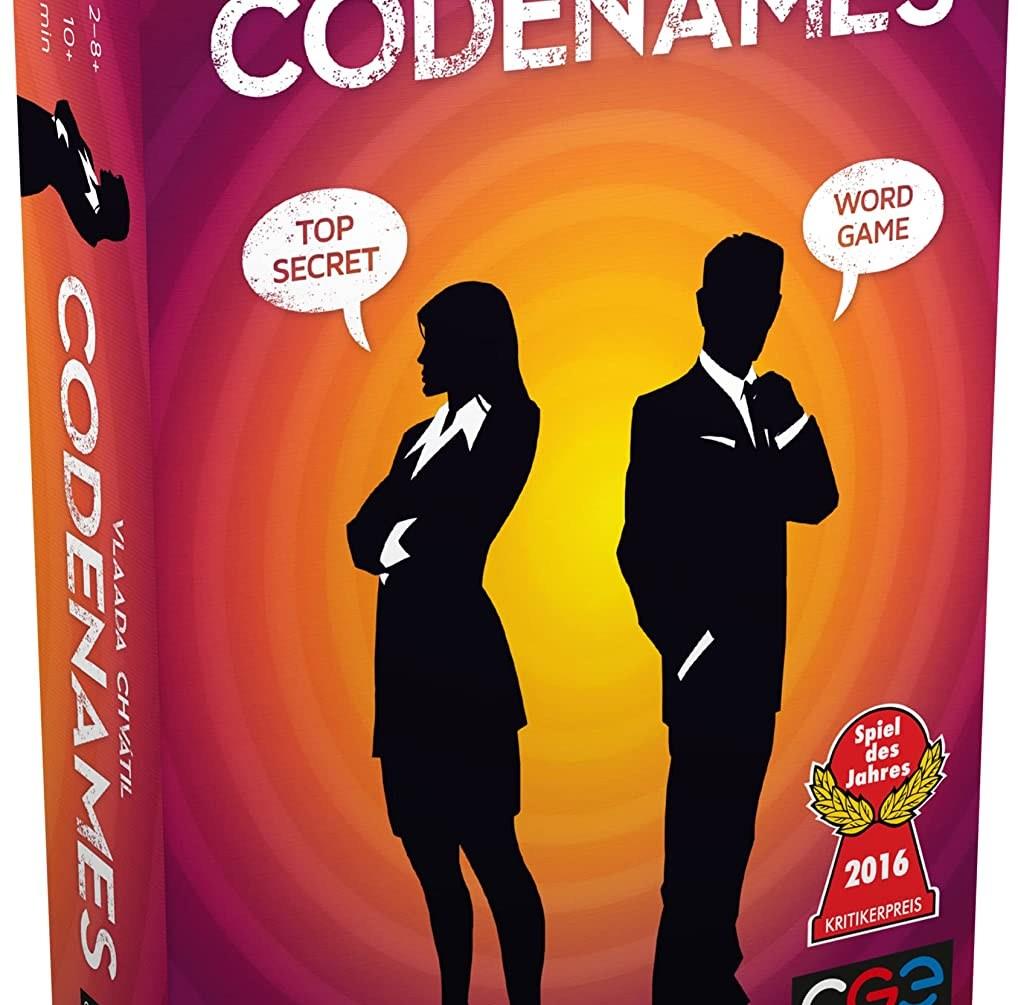
Codenames
Codenames turns espionage into a clever party challenge where players act as spymasters giving cryptic one-word clues to guide their team toward the right secret agents hidden among a grid of code names. Success depends on careful thinking, word association, and avoiding the deadly assassin card that could end the mission instantly. Simple to learn yet full of tension and laughter, it’s perfect for groups who enjoy testing their wit under pressure.
The concept behind Codenames is simple enough that you don’t need any prior board game experience, but sessions are so varied that it’s impossible to truly master. Codenames is best played with six or eight players divided into two teams. One player on each team takes on the role of a spymaster who has to get the other players to make the right choices by carefully observing the game board and trying to think like their agents.

AELGAMES is diving into the world of espionage throughout fiction and pop culture history with Deep Cover, a two-week special issue covering all sorts of spy stories and gadgets.
The rival spymasters can see a pattern represented in a five-by-five grid of tiles that forms the game’s board. Each tile has a word like “robin,” “duck,” “heart,” or “spring,” and spymasters provide clues by saying a single word, such as “worm,” along with a number indicating how many tiles the clue is meant to apply to.
The trick comes from how their teammates interpret that clue. A spymaster needs to sit stony faced while teammates debate if it’s more likely that worm is meant to represent something a robin commonly eats and the parasite heartworm, or if it’s there because worms are often seen after spring showers. Do ducks also eat worms? Guessing right puts the spymaster’s team closer to victory. Guessing wrong ends their turn and can even result in the players guessing a tile meant for the other team, effectively bringing their opponents one step closer to victory. There’s also a hidden assassin that both spymasters want to make sure their teammates avoid, because guessing that tile will instantly lose them the game.
A single round of Codenames takes about 15 minutes, but expect groups to want to play multiple times so everyone gets the chance to try being spymaster. Luckily, setup for a second round is as simple as flipping the cards to the opposite side and picking a new code card. It’s a game that can be entertaining when played with friends who have plenty of common references and inside jokes to tie words together, but is even better as a party game for strangers, since you have to reach harder to figure out a universal clue and can be genuinely surprised at the conclusions your teammates will jump to.
If you tend to just play with two people, try the cooperative Codenames: Duet. Or for a totally different challenge, check out Codenames: Pictures, where you have to really look at the details in art to find things that connect images – and avoid missing elements your teammates might latch onto.

Codenames
$13$2548% off $13
• 2-8 players, age 10
• Playtime: 20 minutes
• Similar games: Concept, The Mind
Read More $13 at Amazon$13 at Walmart
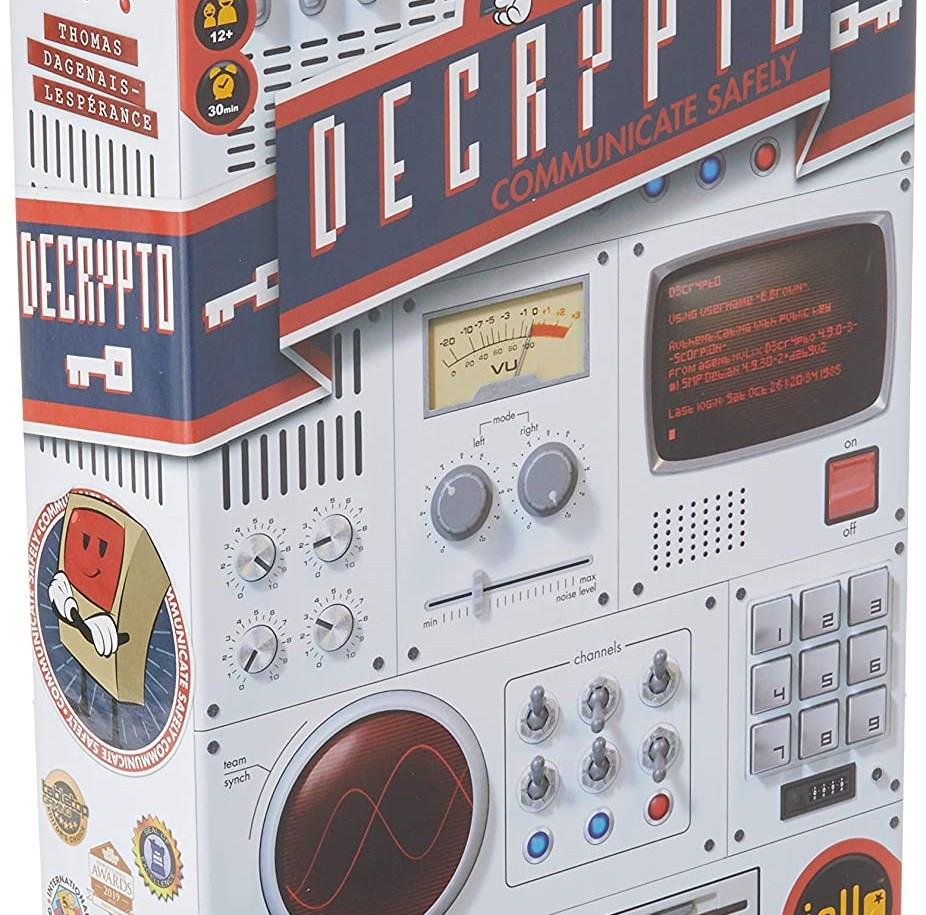
Decrypto
In Decrypto, teams race to transmit secret codes to their teammates while keeping them hidden from rival spies. Players use cleverly chosen clues to hint at their code words without giving too much away, leading to hilarious misunderstandings and tense moments of deduction. The challenge intensifies with every round as the opposing team gathers information and tries to intercept your messages, creating an exciting mix of creativity, strategy, and deception.
Much like in Codenames, in Decrypto players swap between trying to give their team clues and trying to figure out what the clues mean. Each team has four words, such as “fraud,” “dungeon,” “elephant,” and “banana,” and needs to get their team to guess them in the correct order by giving them clues that correspond to each word.
The trick is that the opposing team will get to know the clues you gave and the sequence they formed. That might allow them to guess what your code is over the course of a few rounds. If you need your team to guess “fraud” and you say “tax” one round and “wire” the next, your opponents will likely figure out that “bank” corresponds to the same word. If another team is able to guess your sequence correctly twice, you lose.
Meanwhile, your team might mess up and get your own code wrong if you make your clues too subtle. You might intend for “roll” to correspond to “dungeon” if you’re referencing Dungeons & Dragons, but another player might think of the Hong Kong pastry banana roll. Get your code wrong twice, and you also lose.
The role of code giver swaps more frequently in Decrypto than it does in Codenames, so everyone quickly gets to see how much of a challenge it is to thread the needle. Games tend to end in a lot of good-natured recriminations about obscure clues and how your opponent figured out what you were trying to hint at. Then it’s time to play a second game and see what you learned.
Decrypto
$19$2832% off $19
• 3-8 players, age 12
• Playtime: 40 minutes
• Similar games: Just One
Read More $19 at Amazon
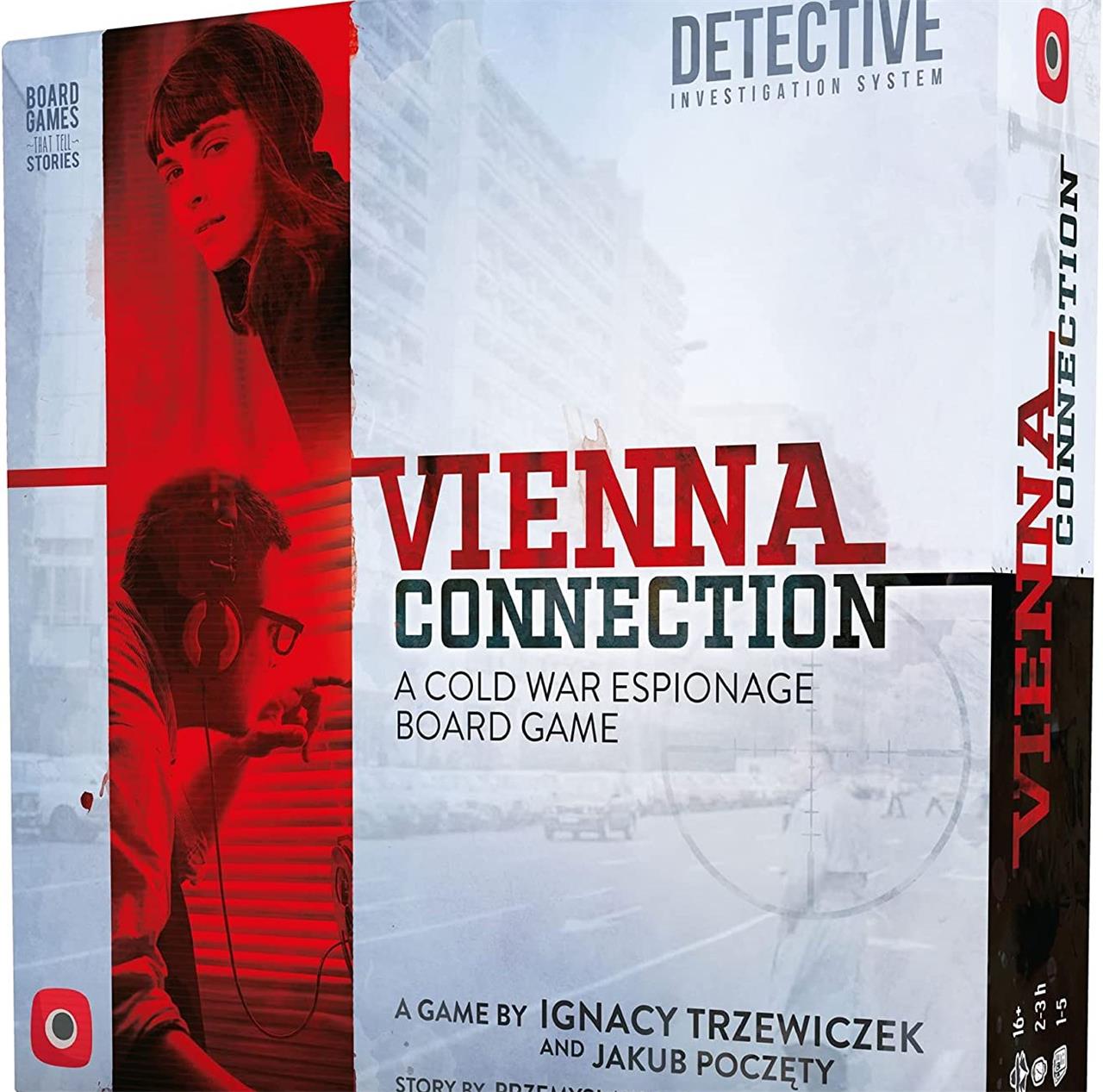
Vienna Connection
Set in the height of the Cold War, Vienna Connection turns players into intelligence agents unraveling a tangled conspiracy across Europe. This story-driven game trades dice and tokens for deduction and discussion, relying on real documents, coded messages, and secret reports to guide decisions. Every clue and conversation shapes the investigation, making teamwork and interpretation as critical as strategy.
A spinoff of Detective: A Modern Crime Board Game in which players work for the CIA instead of the FBI, Vienna Connection draws on the wild real-world history of the Cold War. You can play it solo or with up to four other people, making all your decisions as a team.
Set in 1977 Vienna, the game features four missions that each take about two or three hours to complete. You’ll examine files providing information on the case that often directs you to turn to the internet to look up real events or organizations such as the Red Army Faction, providing extra context and potentially clues to help you decide what leads to pursue.
You’ll need to keep track of as many details as you can, since challenges will test your memory. There are also plenty of small puzzles that can give you extra rewards if you solve them. As you take actions, you’ll attract the attention of opposing agents until there’s too much heat on you for the investigation to continue. Perusing files at CIA headquarters won’t leave you as exposed as sneaking into a hotel room to look for hidden codes, but you’ll have to weigh the risks and potential rewards.
Each lead you follow tells a bit of the story and can provide you with more leads or puzzle fragments that allow you to crack the case. You can also gather resources that can be used to send your agents on missions that may provide additional information or make it easier to pursue leads.
The game is synced with a website that tracks your progress across missions, with some of the decisions you make affecting what happens in the future. It also lets you play fictional recordings of CIA missions, further immersing you into the gritty setting.

Vienna Connection
$30$5040% off $30
• 1-5 players, age 16
• Playtime: 2-3 hours
• Similar games: Sherlock Holmes: Consulting Detective, Chronicles of Crime
Read More $30 at Amazon
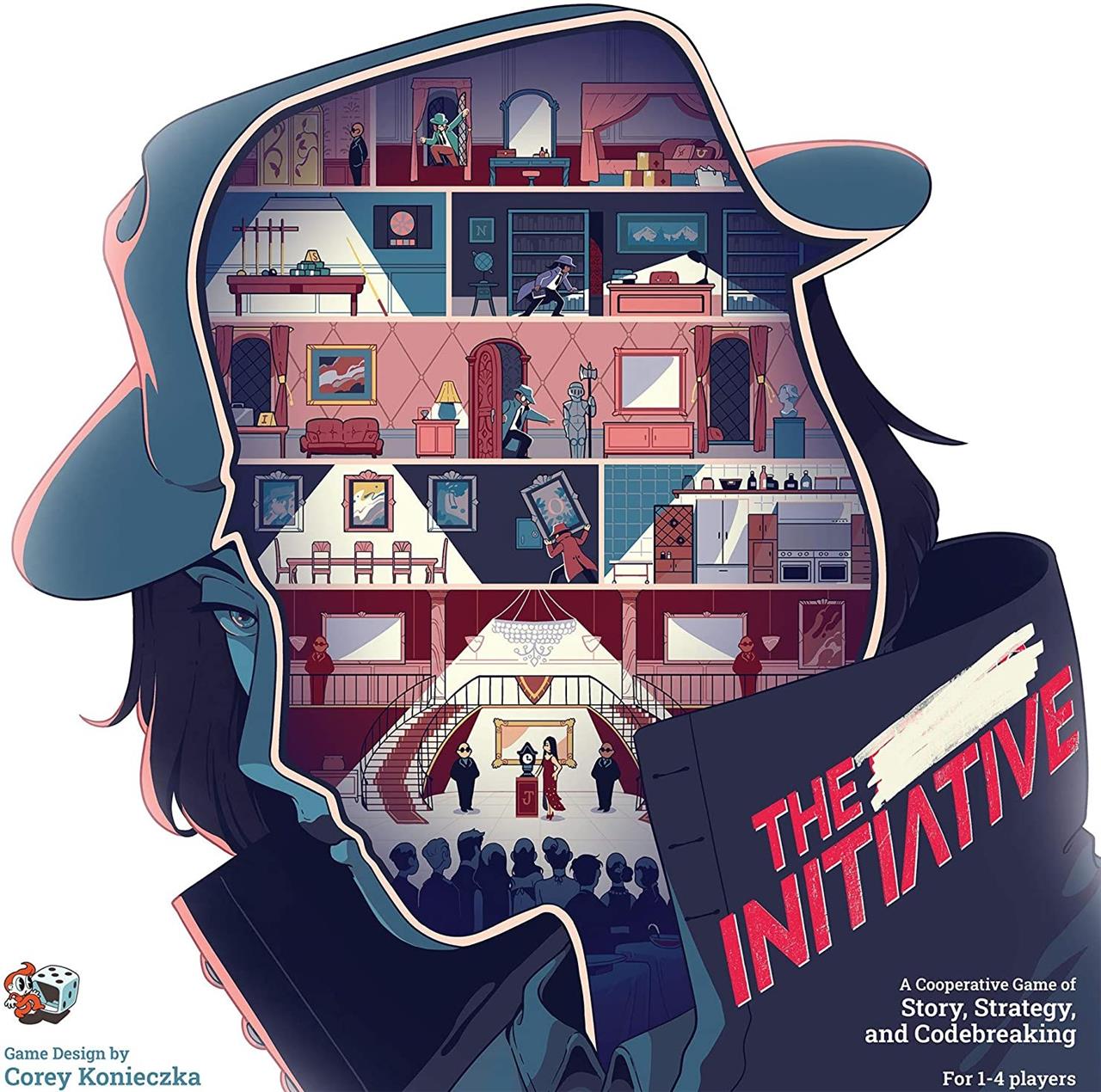
The Initiative
Players crack secret codes and piece together clues in this clever cooperative puzzle game. Each mission invites the team to sift through files, decode symbols, and unravel a mystery hiding beneath the surface. With a story-driven format and a sleek spy aesthetic, The Initiative blends strategy and deduction into sessions that feel like reading a thrilling graphic novel.
The Initiative plays a bit like a kid-friendly version of Vienna Connection. Its meta story follows four teenagers in 1994 whose lives get strange after they start playing a board game they find at a yard sale.
Meant to be played over multiple sessions, the game starts with relatively simple mechanics, with new elements introduced as you get comfortable with the existing ones. Much of the time is spent playing the board game as the kids experience it – navigating their spy alter egos around buildings where they must search for clues and avoid traps and enemies using each character’s special abilities. Those clues will help you solve each round’s puzzle, but the number of actions you can take is limited, so you’ll often need to use the information you have to make an educated guess.
You’ll also be consulting a comic book that tells the cute story of the four kids and is packed with secret clues and puzzles. Some are solved immediately, and some give you information you’ll need to build on for future code cracking.
This is a game that can only be played once, since you’ll learn all the mysteries and even physically alter some of the components. But The Initiative offers many hours of entertainment for up to four players, providing an experience packed with surprises that can inspire the same wonder and sense of achievement as defeating an escape room.

The Initiative
$39$6035% off $39
• 1-4 players, age 8
• Playtime: 30-60 minutes
• Similar games: Forgotten Waters, Sleeping Gods
Read More $39 at Amazon
Legendary: A James Bond Deck Building Game
In this sleek deck-building game, players recruit iconic allies, gadgets, and missions from across the James Bond films to stop infamous villains. Each round challenges you to build the most resourceful spy agency, balancing offense, defense, and timing. With striking artwork and cinematic scenarios, it captures the excitement of classic Bond action while rewarding strategic planning and clever card combinations.
Using the same system as Legendary: A Marvel Deck Building Game, Legendary: A James Bond Deck Building Game lets you play through the plots of Bond movies or scramble things up to create your own spy adventures. One to five players face off against masterminds such as Auric Goldfinger and GoldenEye‘s Alec Trevelyan by gathering equipment and allies, defeating henchmen, and thwarting schemes.
Like in most deck building games, you start with a set of basic cards and slowly upgrade them by picking up new ones – in this case, from Q Branch. Beyond providing points that can be used to attack enemies or recruit allies, cards have special abilities that encourage players to focus on specific card types, such as ranged combat or technology. While everyone’s deck starts the same, you quickly differentiate roles.
Every mastermind has their own plot that forms the core of their villain deck, plus twists they play as the game goes on. For instance, Goldfinger hides gold within the deck of hero cards you get upgrades from, and every time one is drawn he gets a little tougher to defeat. He also will slowly irradiate Q Branch, making it harder for you to get new cards.
The goal is to gather enough attack power to be able to confront the mastermind four times before they can achieve their final goal. However, you can’t ignore their henchmen and plots, which get nastier as the rounds go on. Some have persistent effects that will hurt you every round they stay in play and others must be addressed immediately or they’ll do something terrible at the end of the turn. The challenge of the game is figuring out the best way to spend your resources, and knowing when you should take the time to improve your deck and when you need to just throw everything you have at defeating the mastermind.
Legendary is largely cooperative, though you collect points based on the threats you personally deal with, which you can add up to determine who the top spy is at the end of the game. There are two expansions that add even more options for replayability, with cards based on The Spy Who Loved Me, On Her Majesty’s Secret Service, and License to Kill.


Legendary: A James Bond Deck Building Game
$56$607% off $56
• 1-5 players, age 14
• Playtime: 45 minutes
• Similar games: X-Men: Mutant Insurrection, Marvel Champions: The Card Game
Read More $56 at Amazon
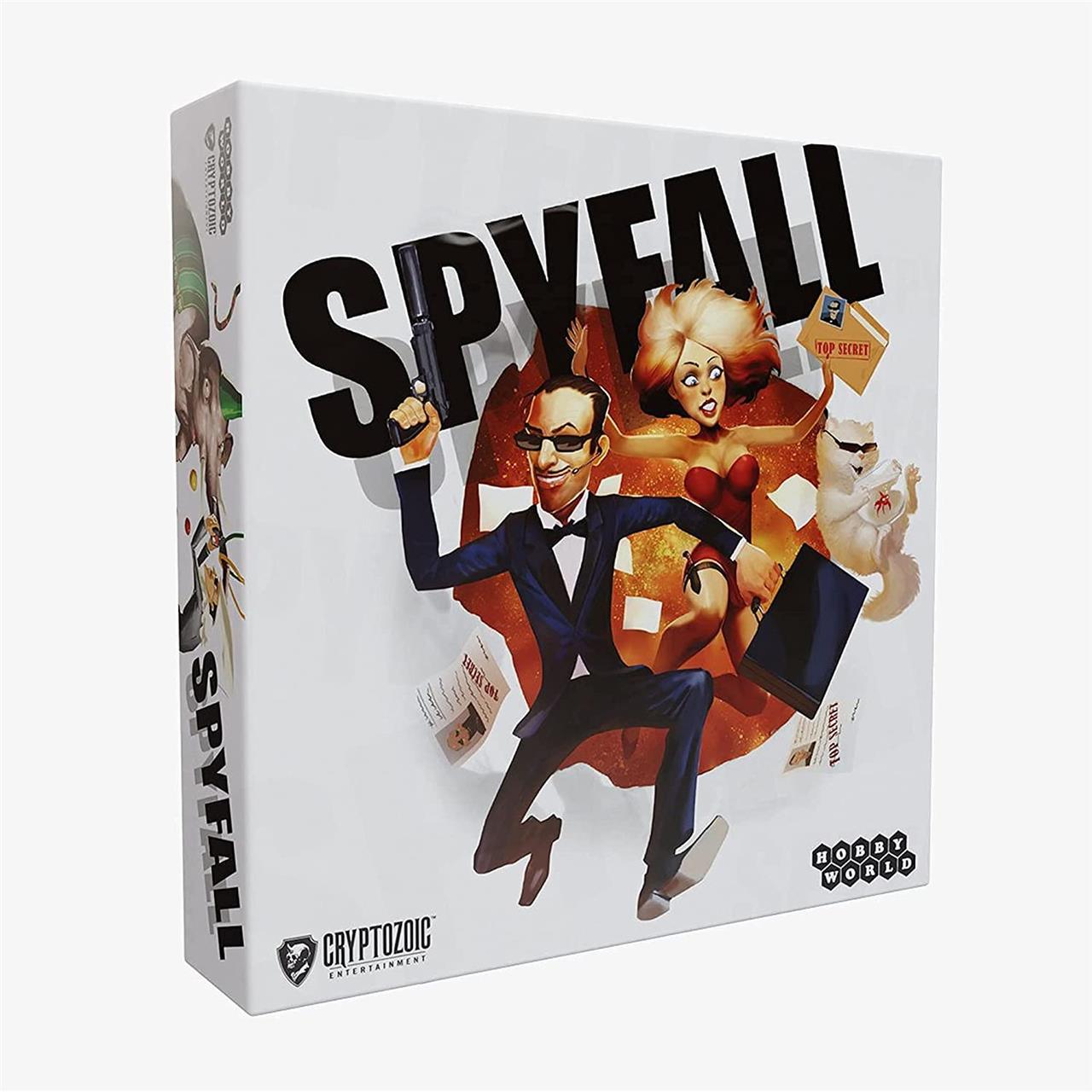
Spyfall
Players test their bluffing and quick-thinking skills as one of them secretly takes on the role of the spy, trying to figure out the group’s location while others aim to expose the imposter. With minimal setup and fast rounds, Spyfall turns social deduction into a hilarious challenge that keeps everyone guessing until the final reveal.
Like Decrypto, Spyfall is a game about carefully conveying information. A great party game that plays up to eight people and only takes eight minutes, Spyfall starts with most players secretly receiving a card that says where all the players are located – which can be anywhere from a space station to a casino. And then one player gets a card saying they’re the spy.
Players then take turns asking each other questions like “What did you have for lunch today?” or “When are you going home?” Most of the players are trying to assure their friends that they can be trusted, revealing just enough to show that they’re in the know without making their location obvious to the spy. Each location card also includes specific roles, like a bartender or dealer at the casino, which you can use to better inform your answers. The spy also has to be convincingly vague to avoid making it obvious that they don’t know where they are.
The game ends when most of the players feel like they know who the spy is and vote to unmask them, or when the spy reveals themselves and guesses the location. There’s plenty of replayability given the high number of locations, and Spyfall is easily portable, meaning you can play it almost anywhere you happen to be.
Spyfall
$29$3517% off $29
• 2 players, age 13
• Playtime: 15 minutes
• Similar games: Secret Hitler, The Resistance
Read More $29 at Amazon
Secrets
Secrets challenges players to balance deception and deduction as they bluff, recruit allies, and conceal their true identities. Each turn, secret agents and spies trade coded information, trying to mislead opponents while protecting their side’s hidden goals. The shifting alliances and quick decisions make every round unpredictable and full of tension, especially when paranoia sets in and no one can be trusted.
Spy stories are filled with changing allegiances and double agents, so it can be hard to figure out who to trust. That’s the core concept of Secrets, a team game where you don’t know who your allies are and sometimes you’re not even sure what side you’re on.
Everyone starts with a loyalty token saying whether they’re working for the CIA or the KGB or if they’re a hippie out for themselves. Players then take turns passing each other agent cards, which they can either refuse or keep based on whether they think they can trust the person giving them something. You play the cards they refused, so you have to choose carefully so you don’t wind up effectively playing a bad card on yourself.
Most cards provide points that will help you win the game, though some can eliminate good cards you have or swap your loyalty tokens. Sometimes you get to look at the new one immediately and sometimes you need to try to figure out who on your new team is using your own cards. It can be hard to keep track of the tokens sliding around the table and who’s passing cards to who and how that alliance may have been impacted by a loyalty change. The cards you’ve already played might become better or worse depending on your loyalty, since hippies actually want to have the lowest point value in the game.
You’re welcome to bluff, bargain, and cast aspersions as you play or keep what you think you know close to the vest and hope that it makes it harder for other players to figure out your tactics. A quick game for up to eight players, Secrets provides a nice way to warm up your brain for a longer mission.


Secrets
$21$2516% off $21
• 4-8 players, age 13
• Playtime: 25 minutes
• Similar games: Coup, Sheriff of Nottingham
Read More $21 at Amazon
Agents of SMERSH
Players take on the roles of secret agents racing to stop the villainous Dr. Lobo’s global schemes in this story-driven board game. Each mission offers choices that shape the narrative, blending cooperative strategy with tongue-in-cheek spy adventure. With dice-based challenges, gadgets, and colorful characters straight from a classic spy film, Agents of SMERSH keeps every session full of tension and fun.
Choose your own spy adventure in this goofy narrative board game with a huge amount of replayability. One to four players control secret agents inspired by roles in everything from Kill Bill to The Girl With the Dragon Tattoo and move them around a map of the world, completing missions and gathering intel needed to stop the schemes of Dr. Lobo and his henchmen.
You’ll consult a giant book of encounters selected based on the game space, a die roll, and the approach you take to the problem, chosen from a list of vague descriptions such as “into the lion’s den” or “go all in.” You’ll often want to take your best guess at which solution coincides with your individual character’s strengths, and the outcomes are often surprising and silly. You might find yourself riding a literal lion or gambling with your intel and your health, which can earn big rewards like allies or gadgets or leave you with nasty ongoing penalties until you can get back to headquarters to recover.
The game varies based on which of the henchmen you’re facing, each of which has their own level of difficulty and narrative arc you’ll read through when confronting them. The first few rounds should be devoted to leveling up your spies, seeking out places where you can improve your existing skills like persuasion and athletics – as well as acquiring advanced skills like lock-picking or speed – all of which will make it easier to succeed on the tough challenges against the henchman and the game’s evil mastermind.
Everyone works together throughout the game but especially during these confrontations where you can use your best skills to deal with challenges, from bluffing your way into a party to avoiding being pummeled by a killer robot. It’s easy to pick up the rules and you don’t need to keep track of anything between plays, so you can launch into a new adventure whenever you want to try a tougher henchman or even multiple lieutenants and see what Dr. Lobo has in store for the world this time.


Agents of SMERSH
$160 $160
• 1-4 players, age 13
• Playtime: 90 minutes
• Similar games: Sentinels of the Multiverse, Near and Far
Read More $160 at Everything Epic Store
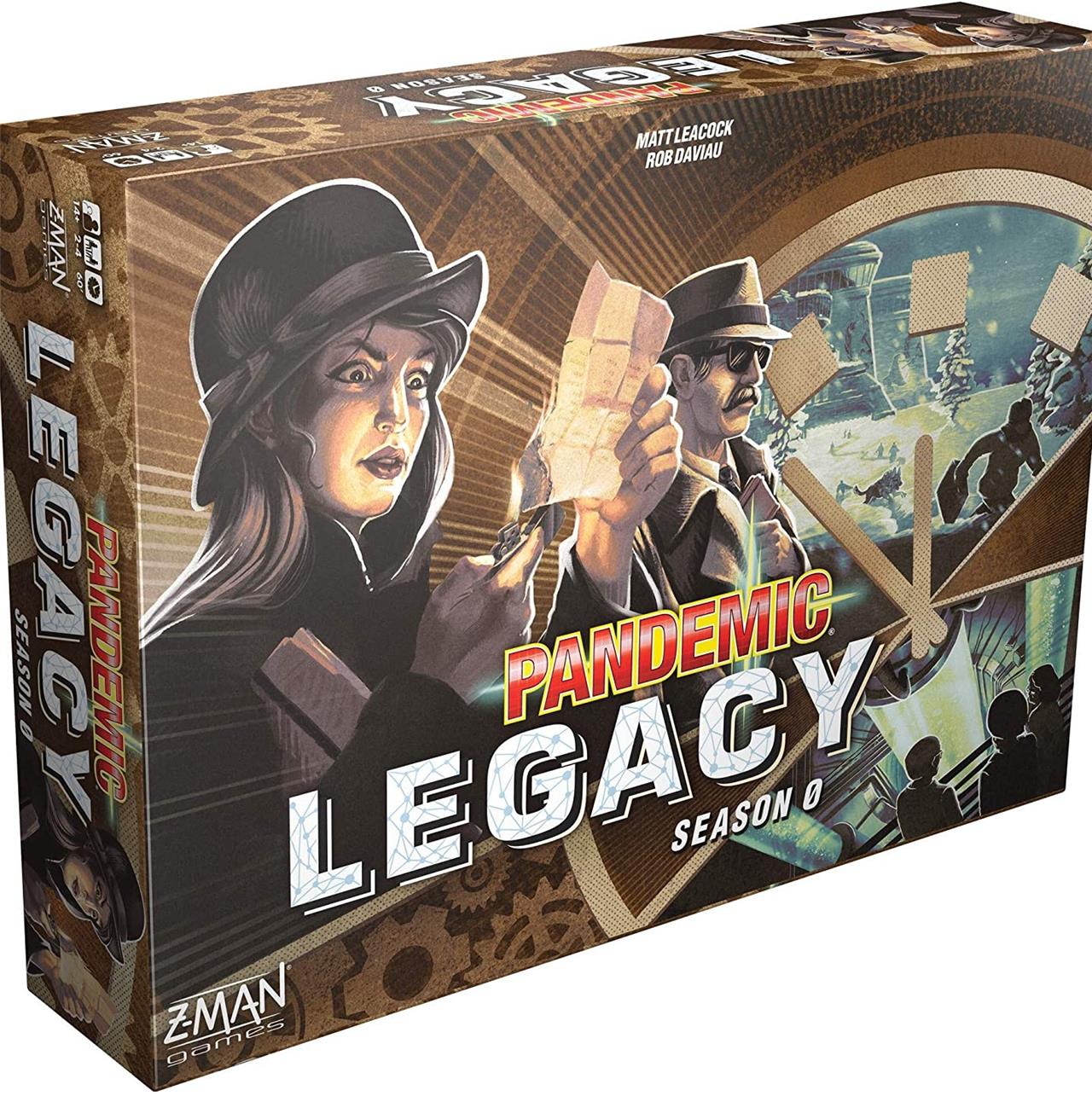
Pandemic Legacy: Season 0
Set during the Cold War, Pandemic Legacy: Season 0 transforms the familiar cooperative formula into a gripping spy mission against a mysterious Soviet bioweapon threat. Players become rookie agents building aliases, deploying teams across the globe, and carrying out covert operations that can alter the course of history. Every session affects the next, with long-term choices shaping allies, enemies, and the outcome of your clandestine campaign.
A prequel to the excellent Pandemic Legacy, Pandemic Legacy: Season 0 is set during the Cold War with the characters working for the CIA to investigate a bioweapon being developed by the Soviet Union. It puts an espionage spin on the base mechanics of the outbreak-stopping worker placement game, as you must work to neutralize enemy agents causing incidents around the globe while also searching for hidden information and allies.
You can learn the rules in a prologue campaign that can be played multiple times, unlike the rest of the campaign, which involves making permanent changes to the game’s components. You’ll need to move around the globe under an assumed identity, trying to avoid surveillance while assembling teams of specialized operatives who can complete missions on your behalf.
Like in all versions of Pandemic, the game state can rapidly shift from seeming fairly under control to being a total disaster if you have a few unlucky draws. You’ll need to work together to choose how to spend your actions and resources most efficiently. New rules are added to the game as you go on, and the difficulty gets slightly tweaked based on how well you did in previous rounds. There are plenty of surprises as you go through missions spanning a full year.
One of the most fun elements that comes into play once you actually start the legacy game is the passport, which tracks a series of aliases you’ll use depending on who controls the area you’re in and gives your character special abilities based on their cover story. The clever props even have a place for a passport photo you can customize with stickers, building an attachment that will make you really want to protect your character’s identity from being burned.
Detailed rules and setup for Codenames
Here’s a clear, table-friendly version of Codenames rules and setup so you can teach it quickly.
What you need and player roles
-
4+ players, split into two teams: red and blue.
-
Each team chooses one spymaster; everyone else are field operatives. Spymasters sit together on one side of the table, operatives of both teams sit opposite them.
Main components in the box:
-
200 double-sided word cards (400 codenames total)
-
40 key cards
-
8 red agent tiles, 8 blue agent tiles
-
1 double-agent tile (red on one side, blue on the other)
-
7 innocent bystander tiles
-
1 assassin tile
-
1 card stand and a sand timer (optional in casual play)
Setup step by step
-
Shuffle and lay out word cards
-
Shuffle the word deck, flipping about half the cards to mix front/back.
-
Deal 25 cards face-up in a 5×5 grid in the center; these are the visible “codenames.”
-
-
Seat players and choose spymasters
-
Each team selects one spymaster and seats them side by side at one long side of the table.
-
All operatives sit facing them on the other side.
-
-
Draw a key card
-
Spymasters draw one key card and place it in the stand so only they see it.
-
The key shows a 5×5 color pattern matching the grid: red agents, blue agents, innocent bystanders, and one black assassin.
-
-
Assign starting team and tiles
-
The colored border on the key card shows which team goes first.
-
That team has 9 agents on the key; the other team has 8.
-
Give each spymaster their colored agent tiles (8 each), plus:
-
Flip the double-agent tile to the starting team’s color and add it to their stack (they now have 9 agent tiles total).
-
Place the 7 innocent bystander tiles and 1 assassin tile between the spymasters, in easy reach.
-
-
-
Optional: timer
-
Put the sand timer near the middle if you want to limit clue-giving or guessing time; many groups skip it for a more relaxed game.
-
Objective and game flow
-
Each team is trying to be first to cover all of its agents’ words on the table with its color tiles.
-
Turns alternate between teams. On your team’s turn: your spymaster gives exactly one word plus a number; then your operatives discuss and guess.
Turn structure:
-
Spymaster gives a clue.
-
Operatives make at least one guess, up to a maximum.
-
Resolve each guess immediately by placing a tile; when they stop or run out of guesses, turn passes.
Giving clues (spymaster rules)
A clue is always: one word + one number. Example: “Tree, 2.”
-
The word should relate to one or more of your team’s agents in the grid.
-
The number tells operatives how many words on the table you intend to connect to this clue (e.g., “Tree, 2” hints at two codenames).
Core restrictions for spymas
Codenames winning strategies and tips
Here are practical, actionable strategy tips for both spymasters and operatives that will noticeably improve your win rate in Codenames.
Spymaster strategy
-
Plan your board before your first clue
-
First, cluster your team’s words into groups that can share a clue (e.g., “Royal” for KING, CROWN, COURT).
-
Then scan the entire grid for danger: assassin and enemy words that might also match your planned clues, and adjust or delay risky clusters.
-
-
Push for big turns, but not recklessly
-
Early in the game, aim for clues of 2-3 words; higher numbers create a big tempo swing if they land.
-
If you’re behind or your opponents can probably win next turn, it can be correct to give a very ambitious large-number clue that could win immediately, even if it’s risky.
-
-
Always test a clue against the whole board
-
Before you say a clue aloud, look at every word and ask: “Could my team reasonably link this clue to that card?”
-
If there is a plausible connection to the assassin or multiple enemy agents, change your clue or shrink the number.
-
-
Use zero and “unlimited” clues intelligently
-
“X, 0” (zero clue) is a strong late-game tool: it tells your team that none of your target words match X, letting them safely avoid a theme (e.g., “Countries, 0” to warn off ENGLAND and BERLIN).
-
“X, unlimited” lets them keep guessing as long as they’re right; this can help scoop up old, missed connections plus current ones in a single big turn.
-
-
Listen actively to your team’s discussions
-
Note the near-miss words they keep mentioning; you can reuse one of those as a later clue word to “confirm” they were on the right track.
-
Their misinterpretations tell you how they think, which should influence how concrete or abstract your next clues are.
-
-
Use shared knowledge, but not only with one person
-
Tailor references to what the whole team is likely to share (age group, pop culture, common hobbies), not a private in-joke with one friend.
-
With strangers or mixed groups, favor broad, generic concepts over niche references.
-
-
Delay “contested” words when possible
-
If a potential clue would also perfectly hit an opponent
-
