
In a movie obsessed with breaking the fourth wall and burying its heart beneath layers of sarcasm, Hugh Jackman’s Wolverine slices through the noise with a raw sincerity the rest of Deadpool & Wolverine can’t muster. While the film revels in meta-jokes and relentless cynicism, it’s Jackman’s performance-haunted, heartfelt, and unmistakably human-that stands as the film’s emotional anchor, reminding us there’s still something real beneath all the wisecracks.
Wade Wilson/Deadpool (Ryan Reynolds) has a winning vulnerability in his first two movie outings, even though he disguises it under layers of snark. He loves his girlfriend Vanessa (Morena Baccarin). He appreciates his friends. He has empathy for Russell (Julian Dennison), a lonely kid with mutant powers. His heart carries the Deadpool movies and makes them more than a series of gags. The movies’ most important joke is that even though all of this is clear, Deadpool himself would never really say any of it out loud, preferring to disguise it under a mountain of sarcasm. In his first Marvel Cinematic Universe outing, however, surface-level cynicism is as deep as the character goes.
Sure, the movie technically revolves around Deadpool trying to save his timeline so he can save his friends. But that motivation feels more obligatory than like a true character motivation. He talks about his friends when the plot demands he care, but the intervening moments are too stuffed with irreverent banter and franchise IP jokes to make room for Deadpool to have any real emotions – or even a cursory mention of why he likes the people around him. Now that he’s Disney’s Deadpool, he saves people because that’s what a Disney hero does, not because he actually loves them.
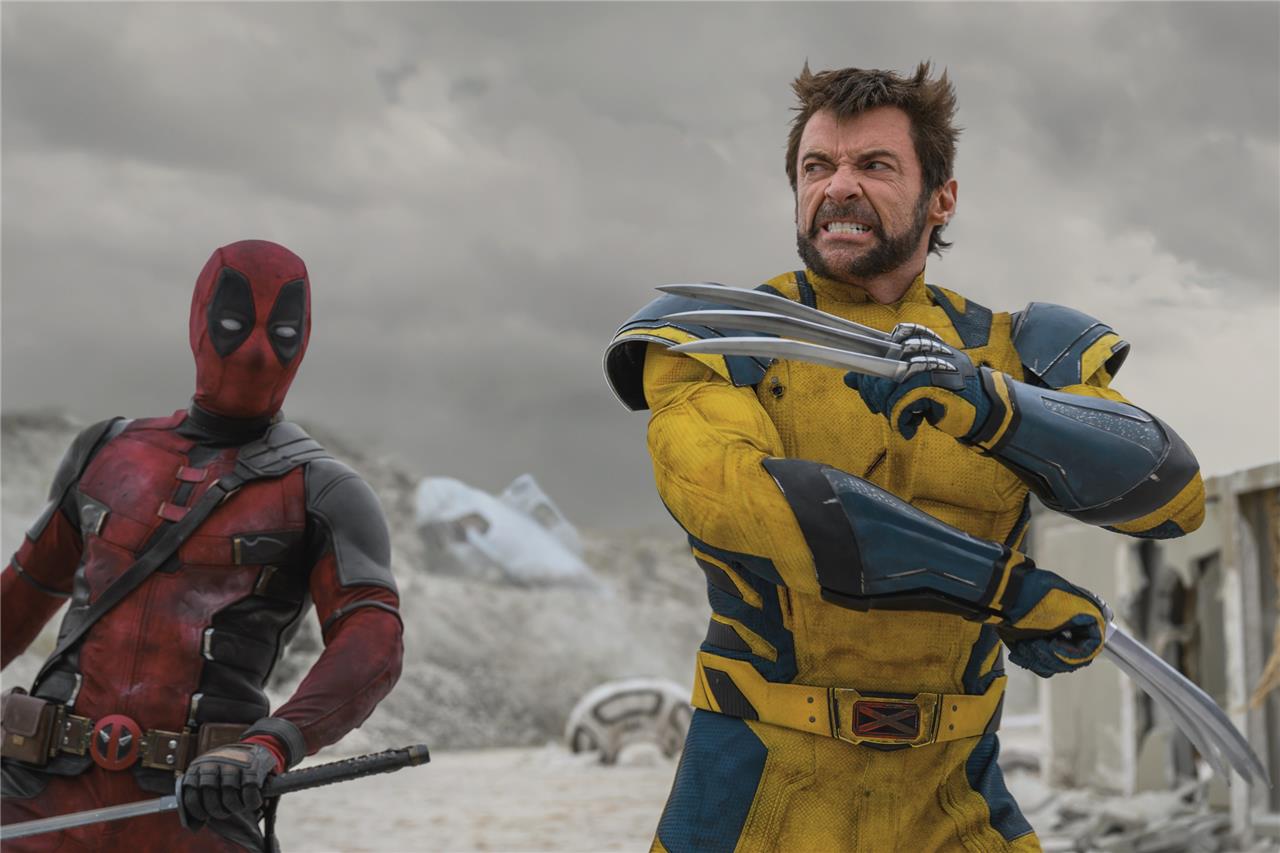
But for all the ways Deadpool & Wolverine strips its main character of the emotions he once had, director Shawn Levy and the writers (Reynolds among them) aren’t completely allergic to feelings. They just assign them all to Wolverine instead. And Hugh Jackman absolutely makes the most of that responsibility.
Jackman is 24 years into playing Logan at this point, and he’s done just about everything the live-action version of the character could. He’s been in silly time-travel movies, survived at least three different attempted universe reboots, led a superhero Western, and passed the baton on to the next generation of heroes – or at least tried to. And through every variation of the X-Men universe, and every false start, Jackman has remained solid as a rock, consistently delivering the best superhero performance in any universe. His MCU debut is no exception.
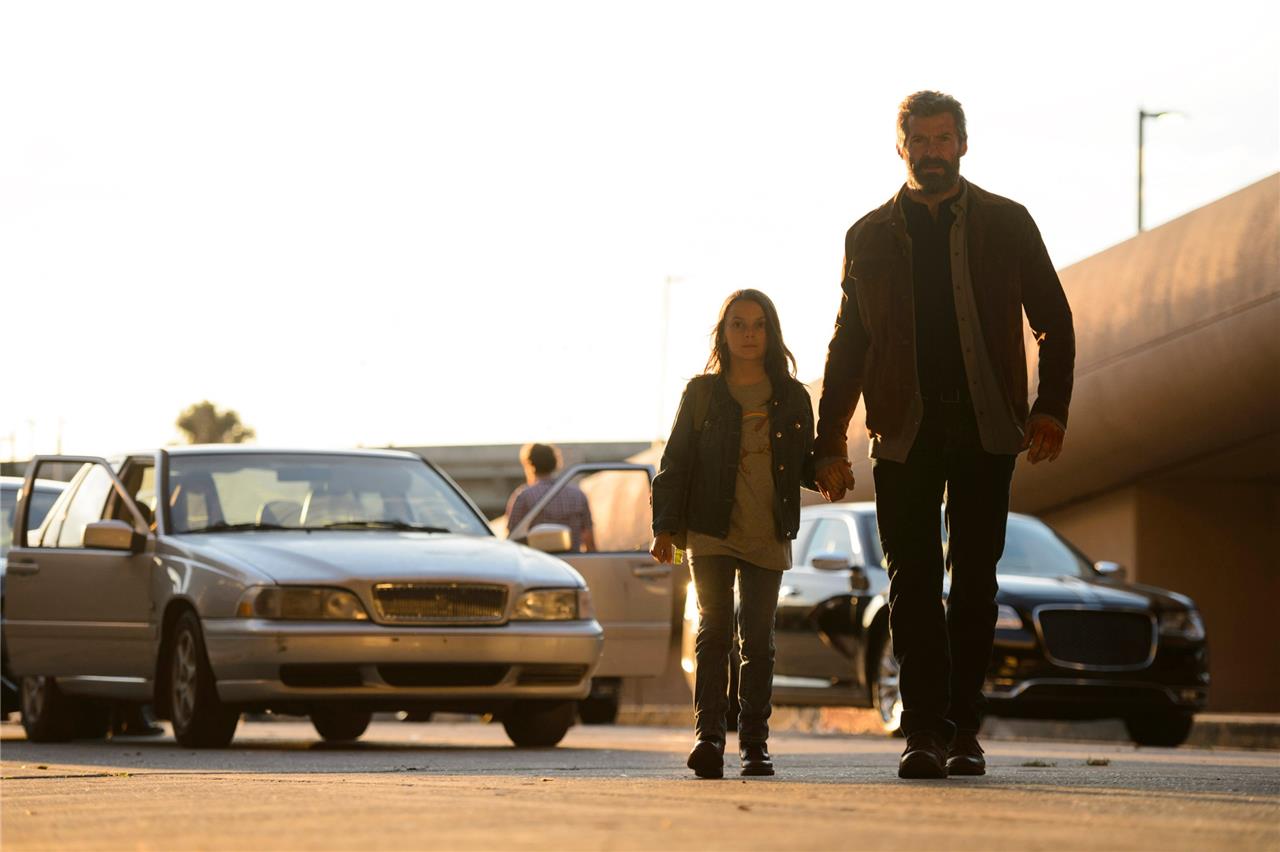
Deadpool & Wolverine brings Jackman into a slightly different version of the character than he’s ever gotten to play before: a Wolverine relieved of the pressures of heroism by his own failure. Everyone he loves and cares about is dead, and he wasn’t there to fight for them, so all that’s left is despair. It’s a bleak vision of the superhero genre’s most stabilizing force, and Levy and company are willing to milk it for all the drama it’s worth. Thanks to Jackman, that decision is one of Deadpool & Wolverine’s saving graces.
Jackman is a born showman, and he’s tremendous at translating extra-big emotions into extra-big monologues. The movie repeatedly lets the Tony-winner and Oscar nominee loose to fill the movie’s emotional void with tales of his sadness and loss. It’s clear showboating, and a complete tonal shift from the rest of the script. But with Jackman selling, it’s hard not to buy, no matter how clearly and blatantly the writing is manipulating the audience.
When Jackman’s failure-Wolverine sits down on a log for a discussion with his criminally underutilized Logan story partner X-23 (Dafne Keen), he brings the whole movie to a stop, with a performance that’s so sincere, it temporarily feels like it’s breaking the movie’s rules. The scene is just a pale imitation of what makes Logan great, but it’s still remarkable – a sudden burst of emotion in what’s otherwise just been a hollow exercise in IP mocking itself for cool points.
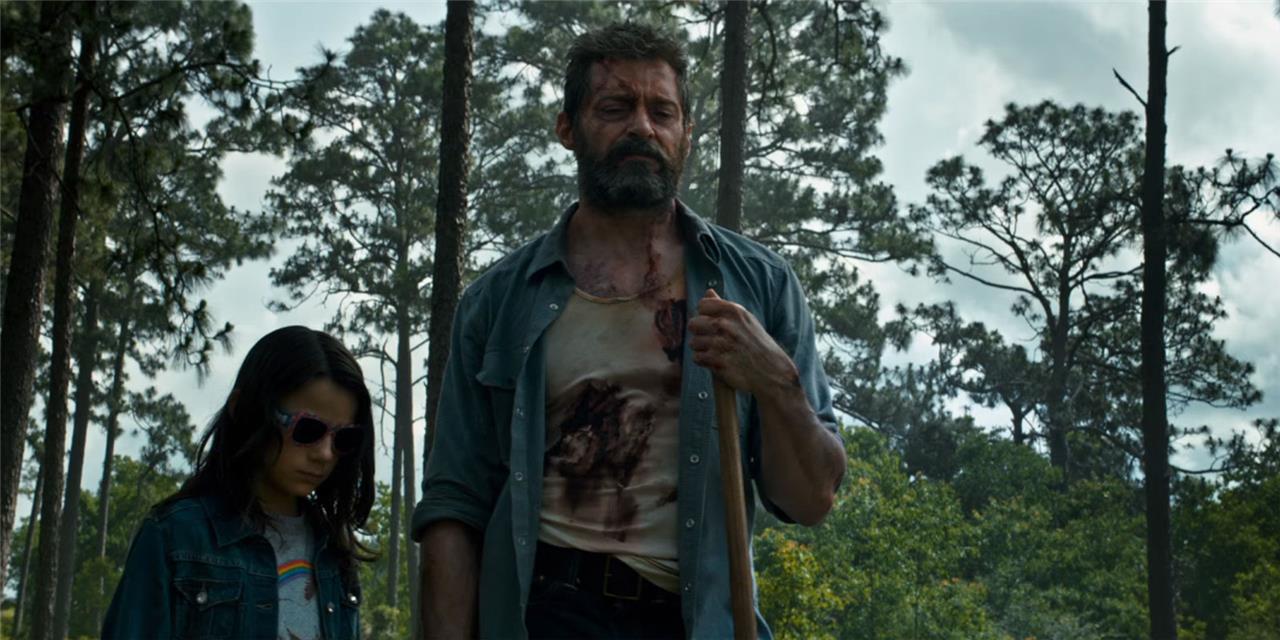
That’s the power of Jackman’s Wolverine, though: a selling-it-to-the-cheap-seats performance that sings on screen and makes audiences believe this musclebound killing machine feels every second of his own semi-immortality like a fatal knife wound. He’s cruel and kind and heartbreaking in the same breath, and even his silliest lines feel worked into the fabric of the performance rather than like out-of-character additions.
It’s the same pathos and pain Jackman has brought to the character for 24 years, and the very reason he survives every iteration of the live-action X-Men. It’s simply impossible at this point to imagine taking Wolverine’s live-action character out of Jackman’s very capable hands. And for all Deadpool & Wolverine’s faults, at least it gives Jackman a fitting encore and victory lap after the character’s perfect curtain call in Logan.
Why does Hugh Jackman’s performance stand out amid the film’s chaotic humor
Hugh Jackman’s performance stands out amid the film’s chaotic humor because he brings a level of emotional depth and physical authenticity that contrasts sharply with the relentless meta-jokes and snarky banter. While Ryan Reynolds leans into Deadpool’s manic, wisecracking energy, Jackman serves as a brooding, grounded counterpoint-embodying Wolverine with a mix of rage, regret, and vulnerability that feels sincere even in the midst of absurdity.
Jackman’s portrayal is marked by subtle moments and intense scenes, such as a powerful confrontation in a car, where his raw emotion cuts through the comedic chaos and resonates with viewers on a deeper level. His commitment to the character, both physically and emotionally, ensures that Wolverine remains a compelling and authentic figure, anchoring the film’s wild tone with genuine feeling.
How does Jackman’s physicality enhance his standout performance in chaotic scenes
Hugh Jackman’s physicality enhances his standout performance in chaotic scenes by bringing a unique combination of intensity, precision, and authenticity to Wolverine’s action sequences. Jackman’s years of rigorous physical training have resulted in a physique that not only looks imposing on screen but also allows him to execute fight choreography with remarkable power and believability. His background in dance and theater further refines his movements, enabling him to hit his marks with speed and confidence even amid the film’s most frenetic moments.
This blend of strength and agility ensures that Wolverine’s presence remains grounded and visceral, even when the surrounding scenes are chaotic or comedic. Jackman’s ability to convey both brute force and controlled motion-thanks to his dance training-means his action scenes feel both brutal and balletic, standing out in a film otherwise dominated by rapid-fire jokes and visual spectacle. The result is a performance where physicality becomes a form of storytelling, reinforcing Wolverine’s emotional depth and making Jackman’s portrayal memorable amid the chaos.
