
Indy’s latest puzzles don’t just test my brain-they inflate my ego. Every time I crack a cryptic code or improvise my way out of a booby-trapped tomb, I can’t help but wonder: am I as clever as the world’s most famous archaeologist, or are these games just making me feel like a genius on purpose? Either way, Indy’s digital adventures have me strutting around like I just discovered the Holy Grail-one “aha!” moment at a time.
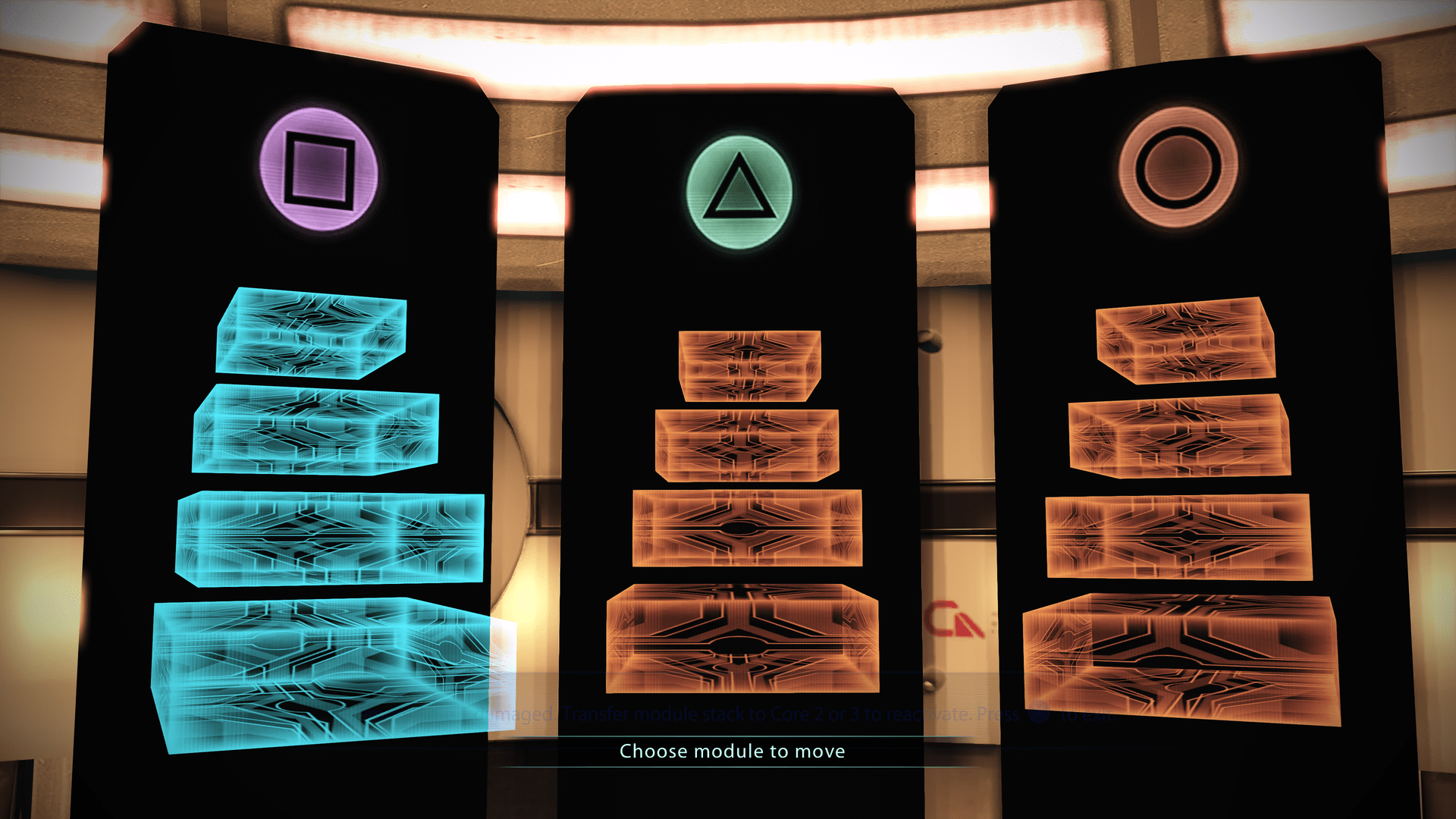
Is it really a puzzle if you already know the solution just by looking at it? Triple-A titles often have simple brain teasers that range from annoying to downright pedantic. Solving another abstract version of the Tower of Hanoi puzzle doesn’t fill me with pride or make me feel particularly intelligent. This is why the diversity of challenging and fun riddles I’ve encountered in Indiana Jones and the Great Circle feels so refreshing.
The man with the hat might be best known for stunts and for fists that hit like a truck, but it’s those moments when Indy unravels a particularly dense bit of mystical knowledge that really give me goosebumps. When you think of Indy solving a puzzle in any of the movies, he’s usually referencing a notebook or scouring his environment to find something he might’ve missed, an experience that The Great Circle replicates regularly throughout your journey.

I’d hate to spoil some of the more toothsome enigmas for you, but an excellent early instance of this involves using the astrological symbols of the planets to deduce a four-digit combination for a safe. After mulling over some notes that you’ll find by exploring the immediate vicinity of the safe, and engaging in a little trial and error, you’ll be met with a satisfying click, which caused me to raise my hands in triumph when I first solved it.
You won’t be challenged by every puzzle you encounter; there’s still plenty of low-hanging fruit in the form of discarded combinations for nearby safes. But perhaps most importantly, the game’s developers at MachineGames rarely use puzzles to bar your progress, reserving the most difficult scenarios as optional objectives that you can return to at virtually any time during your quest should you suddenly have that eureka moment. And while you can use Indy’s camera to get a nudge in the right direction with some of the larger mandatory puzzle segments, if you’re stumped by a puzzle, it’s usually because you didn’t do the assigned reading.

There are plenty of other pieces that make Indiana Jones and the Great Circle an awesome experience. Troy Baker’s immaculate voice work, the detailed environments, or how you can whip a gun out of a dude’s hand and beat him unconscious with it. But it’s the generous application of aesthetically pleasing puzzles that have made The Great Circle one of the best games I’ve played this year.
How do indie puzzles in Indy make me feel smarter and more curious
Indie puzzles in Indy make you feel smarter by presenting challenges that appear complex or unique but are designed so that, with a bit of creative thinking, you can solve them and experience a genuine sense of accomplishment. These puzzles often tweak familiar mechanics just enough to feel fresh, rewarding you for recognizing patterns or making clever connections, which boosts your confidence and makes you feel clever.
Because indie puzzle designers frequently use unconventional clues, cultural references, or novel mechanics, you’re encouraged to experiment and stay curious about what might work. Each solution feels like a personal victory, and the variety of puzzle styles keeps you engaged and eager to see what’s next, fueling your curiosity.
In short, Indy’s indie puzzles are crafted to make you feel both smart and inquisitive by balancing accessibility with originality, and by rewarding exploration and lateral thinking.
Why do indie puzzles make me feel both clever and eager to learn more
Indie puzzles have a special way of making you feel both clever and eager to learn more because they’re designed to spark your curiosity and reward your problem-solving skills in unexpected ways. Here’s why:
1. They Reward Creative Thinking
Indie puzzle games often avoid obvious solutions. When you finally crack a tricky riddle or connect seemingly unrelated clues, you get an authentic “aha!” moment. This makes you feel genuinely smart-like you’ve figured out something others might miss.
2. They Offer Fresh, Surprising Challenges
Unlike mainstream games that might follow predictable patterns, indie puzzles often introduce unique mechanics or quirky logic. This unpredictability keeps you on your toes and motivates you to keep exploring, since you never know what clever twist might come next.
3. They Encourage Experimentation
Indie games usually give you the freedom to try different approaches without harsh penalties. This low-stakes environment lets you play around, learn from mistakes, and discover new solutions, making you more curious and invested in the process.
4. They Make Learning Fun
Solving puzzles often teaches you new ways of thinking, whether it’s pattern recognition, lateral thinking, or even bits of real-world trivia. Each small victory makes you want to dig deeper and see what else the game has to offer.
In short:
Indie puzzles make you feel clever by rewarding your ingenuity, and they spark your curiosity by constantly offering new surprises to uncover. Every solved puzzle is a boost to your confidence-and a nudge to keep exploring what’s next!
