
Power struggles, cosmic alliances, and galaxy-spanning strategy-these sci-fi board games turn your table into a battleground for dominance. From the sprawling politics of Twilight Imperium Fourth Edition to compact interstellar missions, here are five titles that redefine what it means to build an empire among the stars.
Twilight Imperium Fourth Edition
Twilight Imperium Fourth Edition stands as a monumental 4X board game where players command alien empires in a sprawling galactic conflict. Assemble fleets, forge shaky alliances, and seize control of the galaxy’s Mecatol Rex through intricate politics, technological breakthroughs, and brutal warfare. Matches stretch across eight hours of tense negotiation and strategy, demanding mastery of asymmetric faction abilities and vast strategic depth for victory.
Starting things off with a $165 game is certainly coming out swinging. But in my opinion, Twilight Imperium Fourth Edition earns its top spot. This thing is a behemoth, but that’s entirely part of the draw. It’s the quintessential galactic empire builder that captures the essence of 4X video games like Stellaris and Endless Space. Its scope is breathtaking and the payout for the investment is tremendous.
Players take on the role of a unique faction with their own powers and capabilities. The goal is to be the first to secure 10 victory points by capturing the center of the galaxy and fulfilling randomized objectives. These include options such as researching high level technology, inflicting losses in combat, and/or controlling specific types of planets. There is grand-scale warfare as fleets clash and emotions collide, and there is high-level politicking as votes are cast, which literally change the rules of the game.
Few games are worth the effort to wrangle up four or five friends, and even fewer are worth the commitment of six or more hours of play. Twilight Imperium Fourth Edition is absolutely one of them.
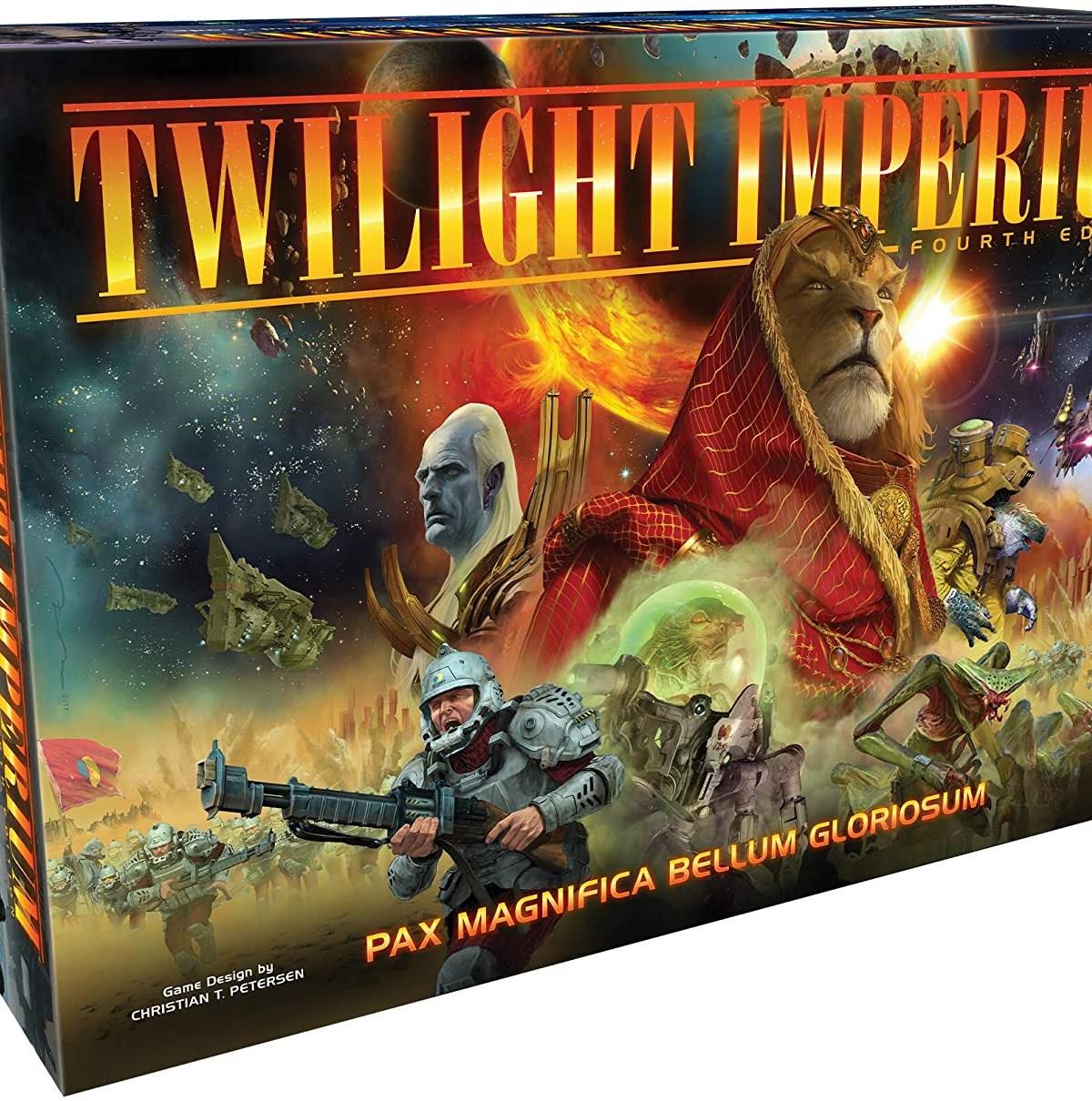
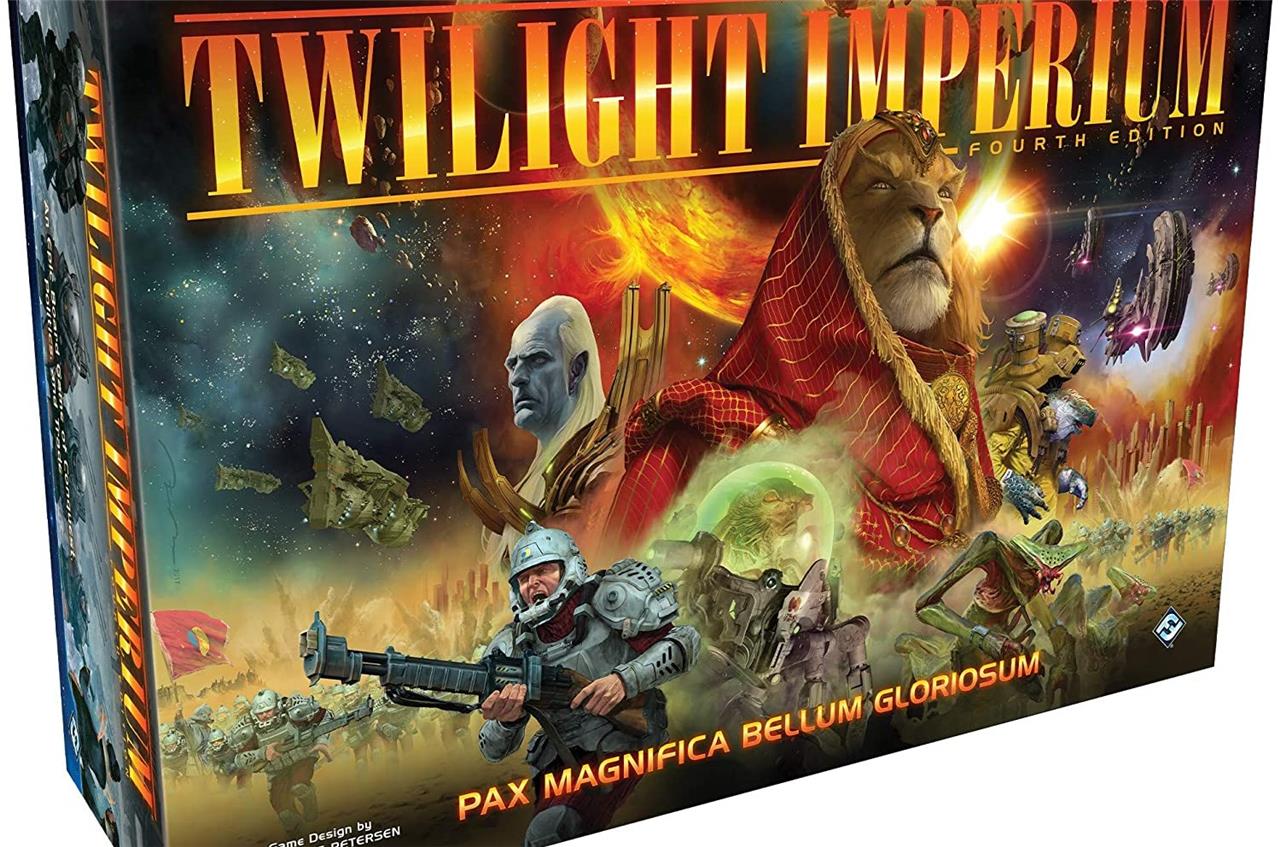
Twilight Imperium Fourth Edition
$132$16520% off $132
• 3-6 players, age 14
• Playtime: 240-480 minutes
• Similar games: Eclipse: Second Dawn for the Galaxy, Empires ofthe Void II
Read More $132 at Target
Eclipse: Second Dawn for the Galaxy
Eclipse: Second Dawn for the Galaxy blends strategy, resource management, and epic space conflict into a smooth, deeply rewarding experience. Players balance diplomacy, exploration, and warfare while guiding their civilization toward dominance among the stars. Its mix of negotiation and tactical combat makes every decision meaningful, and its refined mechanics keep the massive galactic struggle engaging from start to finish.
Eclipse is the only board game that comes close in scope and verve to Twilight Imperium. It’s a much shorter game, clocking in at roughly three hours for four players, but it captures a similar sense of galaxy-wide conflict, asymmetric player powers, and the broad technological advancements of its peer.
But these two games are substantially divergent in approach. While Twilight Imperium is an action selection game where you adjust priorities based on tradeoffs and limited options, Eclipse is, first and foremost, an economics-focused design. The central mechanism involves spending a limited number of actions based on the industrial prowess of your domain, with large expansive empires allowing less flexibility. It’s a very intriguing core system that rewards strategic insight and clever play, but it must be mastered in order to perform well and accomplish your goals.
This is one of the best area control science-fiction games ever designed. It doesn’t quite have the epic arc of a six hour session of Twilight Imperium, but it comes very close, while also maintaining its own personality and distinct atmosphere.
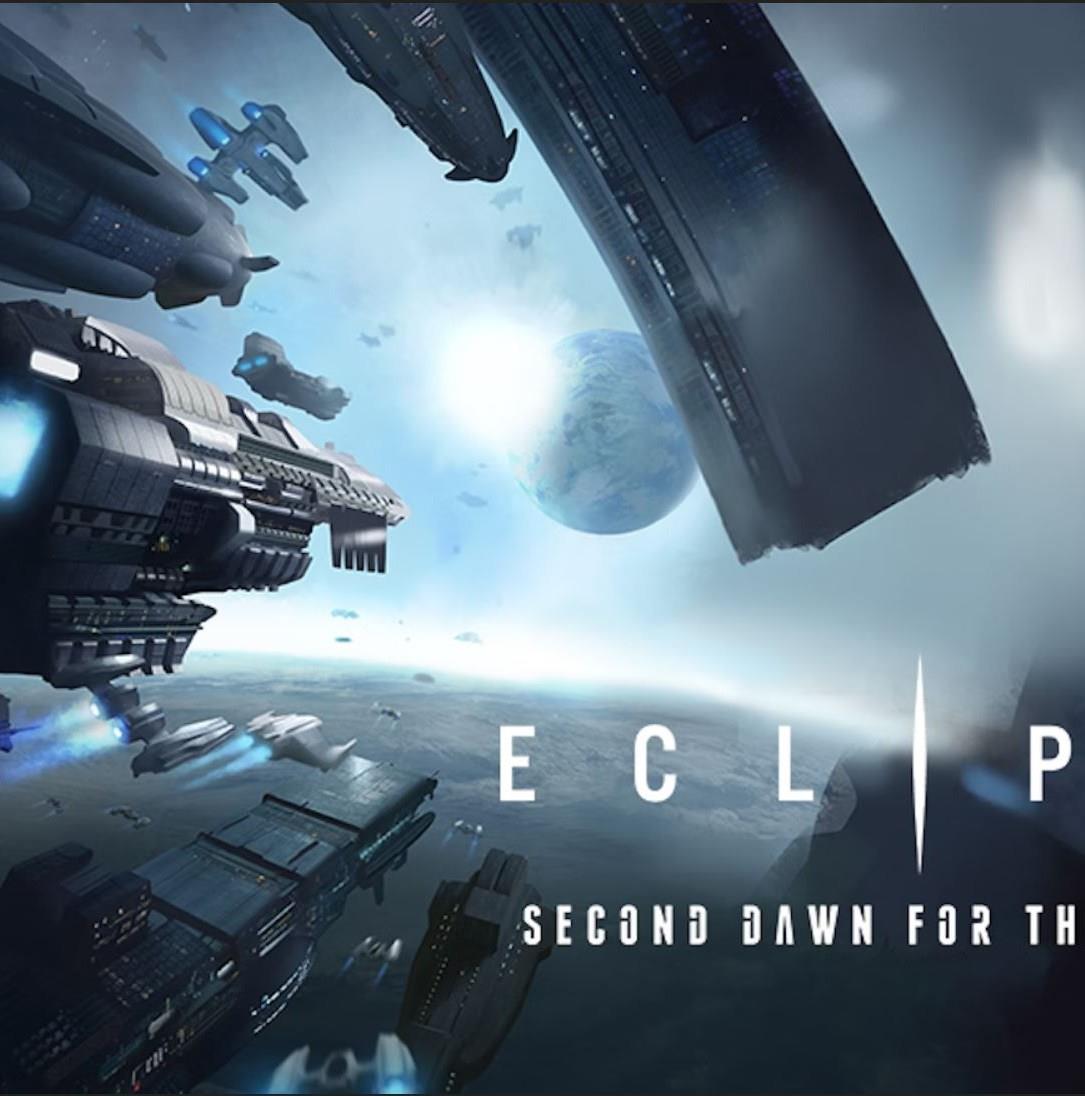
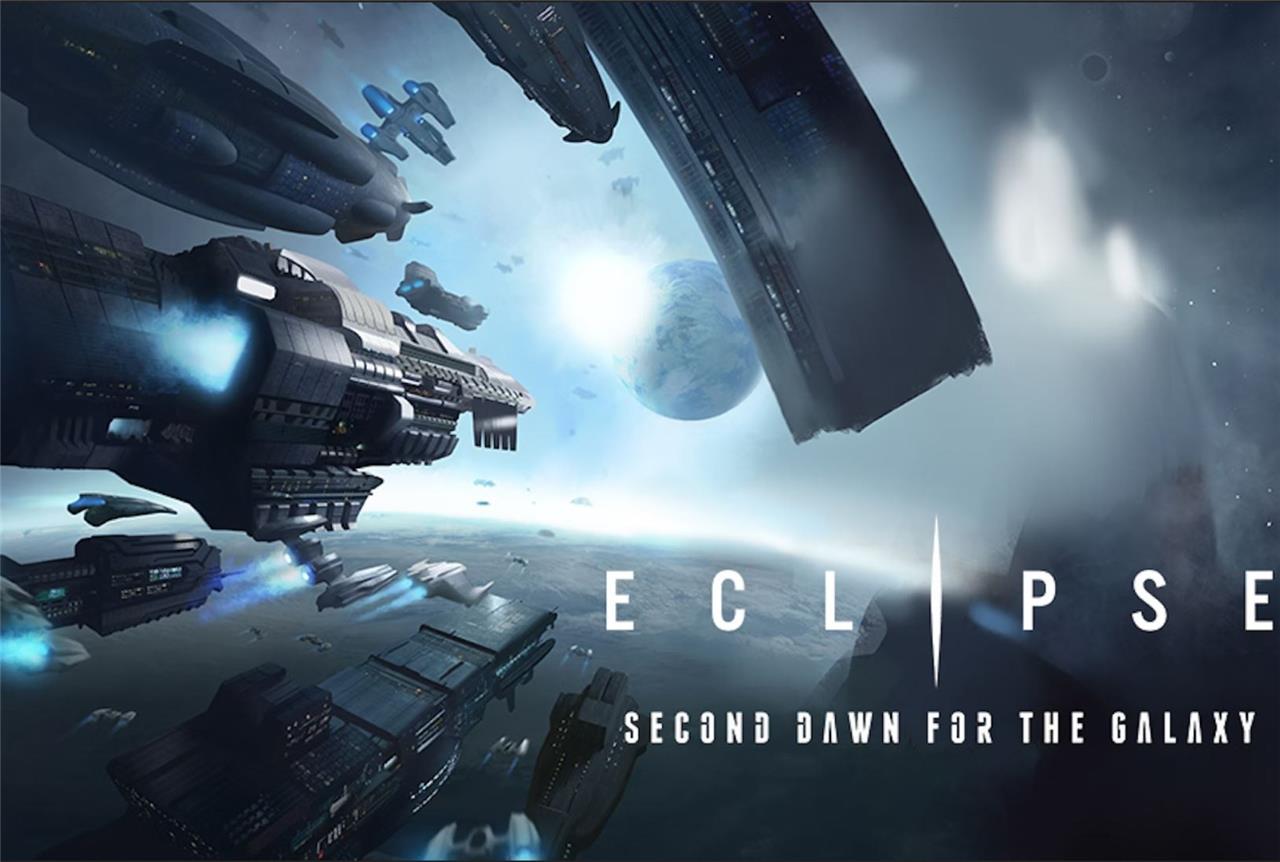
Eclipse: Second Dawn for The Galaxy
$138$15913% off $138
• 2-6 players, age 14
• Playtime: 60 – 200 minutes
• Similar games: Scythe
Read More $138 at Amazon
Race for the Galaxy
Race for the Galaxy turns galactic expansion into a fast-paced card engine where strategy and timing decide victory. Players develop planets, build technologies, and manage resources to outpace rivals, all through simultaneous action choices that reward careful planning. Its rich iconography and deep replay value make each session different, challenging players to balance growth and efficiency in the rush to build the greatest space empire.
Tom Lehmann’s Race for the Galaxy is the most modest title on this list. This small box, engine-building card game is a 2007 classic, offering a sophisticated and surprisingly complex system of planet and technology development. The science-fiction aspects are a little thin, but there is a certain sleek and futuristic atmosphere as you build your empire by laying cards upon the table and constructing a tableau.
Despite its size, this is actually a difficult game to learn. This is primarily due to the heavy use of iconography on the cards. Those who make it past that initial hurdle will thrive, however, as the density fades and the symbolism proves a useful tool in quickly identifying and understanding the various functions of cards.
You select cards to play from your hand in order to settle planets or procure technology. All costs are paid by discarding other cards, making your hand a precious commodity that must be managed. Combinations of powers emerge and vast synergies materialize out of the void. Late game Race for the Galaxy is about big swings where and large swathes of points are secured. The strong sense of empowerment found in a meager half hour of card play is surprisingly satisfying.
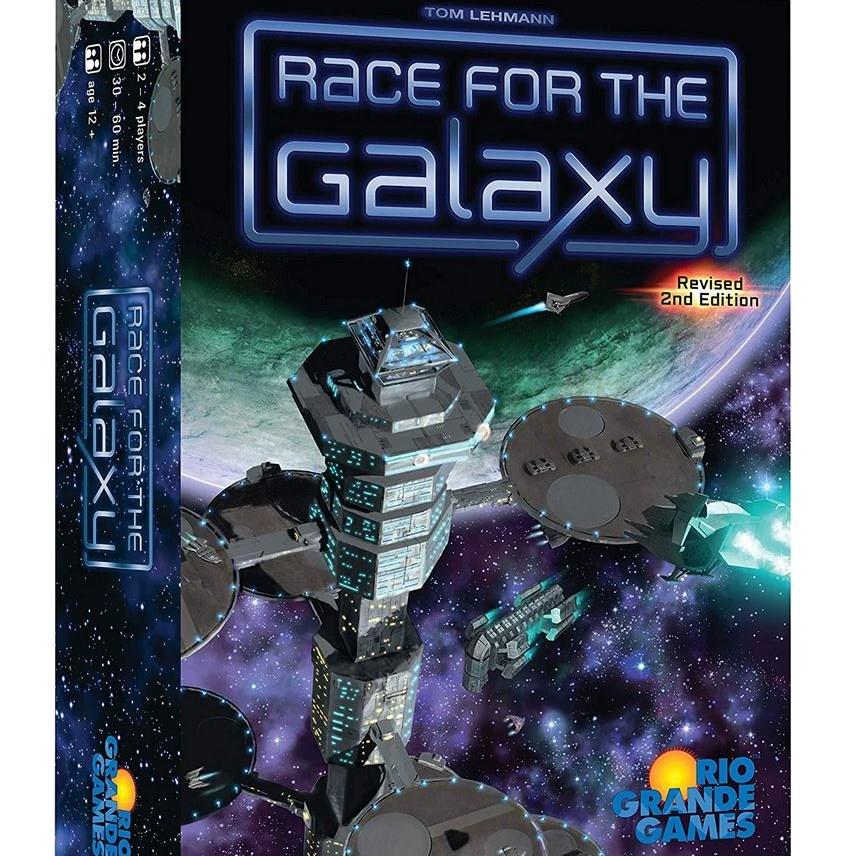
Race for the Galaxy
$28$3520% off $28
• 2-4 players, age 12
• Playtime: 30-60 minutes
• Similar games: Puerto Rico, Jump Drive
Read More $28 at Amazon$37 at Target
Terraforming Mars
Terraforming Mars puts players in charge of corporations racing to make the Red Planet habitable. You play project cards to raise oxygen levels, melt ice caps, and build cities amid rising temperatures. Resource management drives every turn, with choices between boosting your engines or sabotaging rivals. Tension builds as the global parameter tracks fill, triggering milestones and awards for those who adapt quickest. Matches last two to three hours and scale well for solo or multiplayer sessions.
Ever since its release in 2016, Terraforming Mars has been one of the most popular and widely revered board games. It’s received four expansions, a spinoff card game, and was just optioned for a film adaptation. This board game is simply not slowing down, and has established itself as one of the best science-fiction designs on the market.
As the name suggests, players seek to terraform the red planet. Each player is working as separate corporations looking out for their own interest. Flora and fauna bud from the desolate waste as tiles are placed on the board through strategic card play. Much like Race for the Galaxy, there is an engine-building element where cards synergize to produce escalating abilities. The arc of play is strong, with the final few turns allowing for substantial gain.
This is a mid-weight design that can stretch beyond two hours, but it’s an immensely satisfying experience that rewards clever play and thoughtful foresight. It’s the type of game that digs its hooks in and demands further exploration.


Terraforming Mars
$55$7021% off $55
• 1-5 players, age 12
• Playtime: 120 minutes
• Similar games: Gaia Project
Read More $55 at Amazon
Cosmic Encounter
Cosmic Encounter transforms interstellar conflict into a game of wit and negotiation. Each player commands a unique alien species with extraordinary powers, creating constant shifts in alliances and tactics. The mechanics encourage diplomacy as much as strategy, making every match unpredictable and filled with surprises. Its blend of simple rules and chaotic interactions ensures no two games feel alike, offering an experience that’s both competitive and wildly entertaining.
Cosmic Encounter is one of the best board games ever crafted. Originally released in 1977 by the legendary design team that also produced the stunning Dune board game, Cosmic Encounter is notable as the first tabletop design to feature asymmetric factions with variable powers. This is the game’s very identity, allowing players to break the game in various ways with over-the-top abilities.
The goal is to establish five colonies on the other players’ home planets. This is done through randomized conflict where you’re not even given a choice of whom to attack. Beyond this, everything is predicated on negotiation. Both attacker and defender may threaten, plead, or otherwise cajole others for help. Strength in battle, as well as game- breaking species abilities, may be utilized to swing the outcome.
It’s an absolutely wild game full of drama. Players are betrayed, alliances are forged, and huge upsets commence. One of the most unique characteristics is that it’s a competitive game where a group of players can win together. I’ve witnessed sessions where five out of six players all secured victory, leaving one dejected individual bowled over with their head in their hands. Nothing delivers like CosmicEncounter.
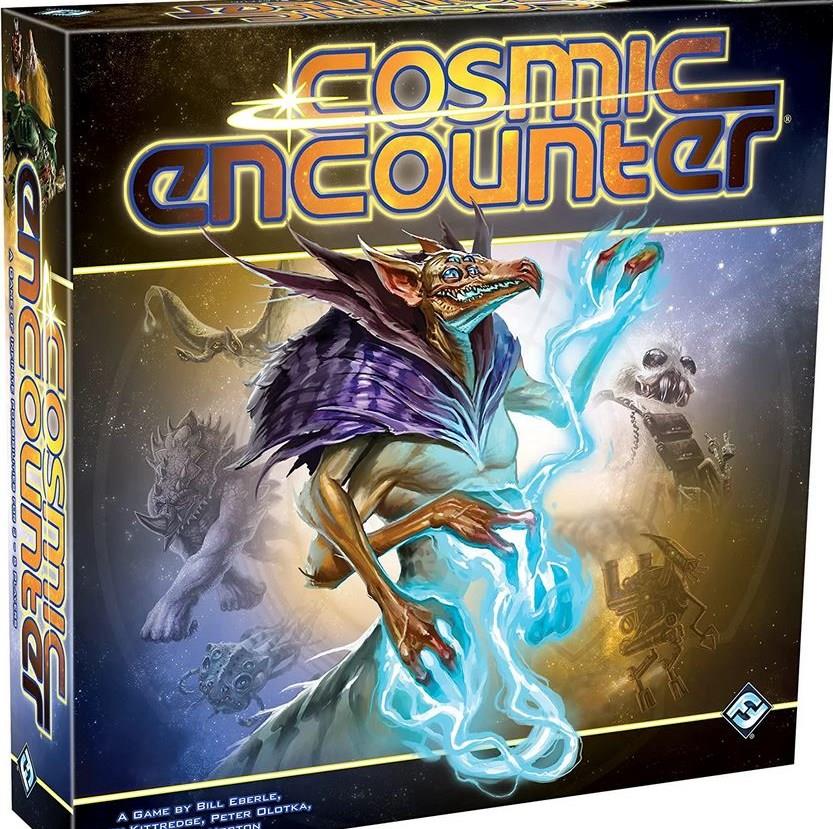
Cosmic Encounter
$56$607% off $56
• 3-5 players, age 12
• Playtime: 60-120 minutes
• Similar games: Dune
Read More $56 at Amazon
Twilight Imperium Fourth Edition player count and setup time
Twilight Imperium Fourth Edition supports 3-6 players officially, expandable to 8 with the Prophecy of Kings expansion, though 6 players deliver the optimal galactic empire-building experience with full diplomacy and strategy depth.
Player Count
-
Best at 6 players for maximum interaction, politics, and scarcity in strategy card selection; shines in epic sessions but works well at 3-5 for shorter games or learning.
-
4 players ensures every strategy card activates each round, speeding play but reducing negotiation tension; avoid for first-timers if possible due to overwhelming board juggling.
-
Scales to 3 (quickest learning) or 8 (chaotic diplomacy), but extremes dilute core 4X elements.
Setup Time
Setup typically takes 30-60 minutes for newcomers due to faction sheets, board drafting, tech trees, and component sorting; experienced groups cut it to 15-30 minutes with prepped drafts.
Full games last 6-12+ hours depending on count and experience, so plan accordingly.
Best player count for first-time players
For first-time players of Twilight Imperium Fourth Edition, 3-4 players is best.
Why Lower Counts?
-
Fewer players reduce setup and rules overwhelm, letting newcomers focus on core mechanics like faction abilities and action selection without juggling multiple alliances or diplomacy chaos.
-
At 3, games teach faster with less board state to track; 4 ensures all strategy cards activate each round for balanced play while keeping turns brisk.
Avoid for Newbies
-
6 players maximizes depth but risks frustration from long waits and analysis paralysis on a first go.
