
Hyrule is in chaos, and the four corners of the kingdom each hold their own mystery. The “Regional Phenomena” quest sends you chasing strange storms, vanished champions, and ancient secrets-but which region should you tackle first to make your adventure smoother and your battles fairer?
Purah will task you with seeing what’s up around the allied cities in Hyrule: Rito Village, the Zora’s Domain, Goron City, and Gerudo Town. For those who played Breath of the Wild, you’ll recognize these as the homes to the unique races around Hyrule, as well as the companions and Divine Beasts from the last games.
You’ll have to go to each individual one to gain new abilities, but which area should you go to first? Though there is no correct order, but there are some areas that are easier to beat than others, making them more early-game friendly.
Below, we list the order of areas to go in “Regional Phenomena” based on difficulty, along with our explanations as to why. We’ll also let you know what abilities you get from completing each area.
If you want to know other things to prioritize at the start of the game, then our beginner’s guide for what to do first can also help.
‘Regional Phenomena’ best order
The Regional Phenomena quest in The Legend of Zelda: Tears of the Kingdom tasks players with investigating disturbances across four major regions: Rito Village, Goron City, Zora’s Domain, and Gerudo Town. The best order to tackle these areas is to begin with the Rito region due to the helpful mobility upgrade gained there, followed by Goron City for its combat advantages, then Zora’s Domain for added exploration tools, and finally Gerudo Town, which presents the toughest challenges. This sequence provides a balanced mix of story progression, equipment rewards, and manageable difficulty.
At a glance, our recommended best order to complete the “Regional Phenomena” quest in Zelda: Tears of the Kingdom is:
- Rito Village (north-west)
- Zora’s Domain (south-east)
- Goron City (north-east)
- Gerudo Town (south-west)
Rito Village’s respective quest is the most straightforward and you can approach it with the cold resistance pants you got from the tutorial area of Great Sky Island, making it pretty easy to brave, even without stacks of materials. On the flip side, Gerudo Desert requires both heat resistance and cold resistance depending on the time of day, and has more difficult fights that require more materials.
Here’s our detailed thoughts on what you’ll encounter in each region, if you prefer to tackle things in your own preferred order:
1. Rito Village
Rito Village is the best starting point for “Regional Phenomena” because the game naturally nudges you there through NPC hints in Lookout Landing, and the route takes you past early priorities like Impa, Hestu, and the Lucky Clover Gazette. The area is shrouded in a harsh blizzard, but you already have basic cold protection from the Great Sky Island, so with one more source of cold resistance you can manage the weather without much trouble. Clearing the Wind Temple here grants Tulin’s powerful gust ability, which makes gliding, climbing routes, and reaching shrines across Hyrule much easier for the rest of the quest.
Purah actually hints that you should head to Rito Village first. Though the area is locked away in a cold blizzard, you should already have cold resistance pants from the opening sequence in the Great Sky Islands. You will still need another level of cold resistance to finish out the area, but you already have your foot in the door.
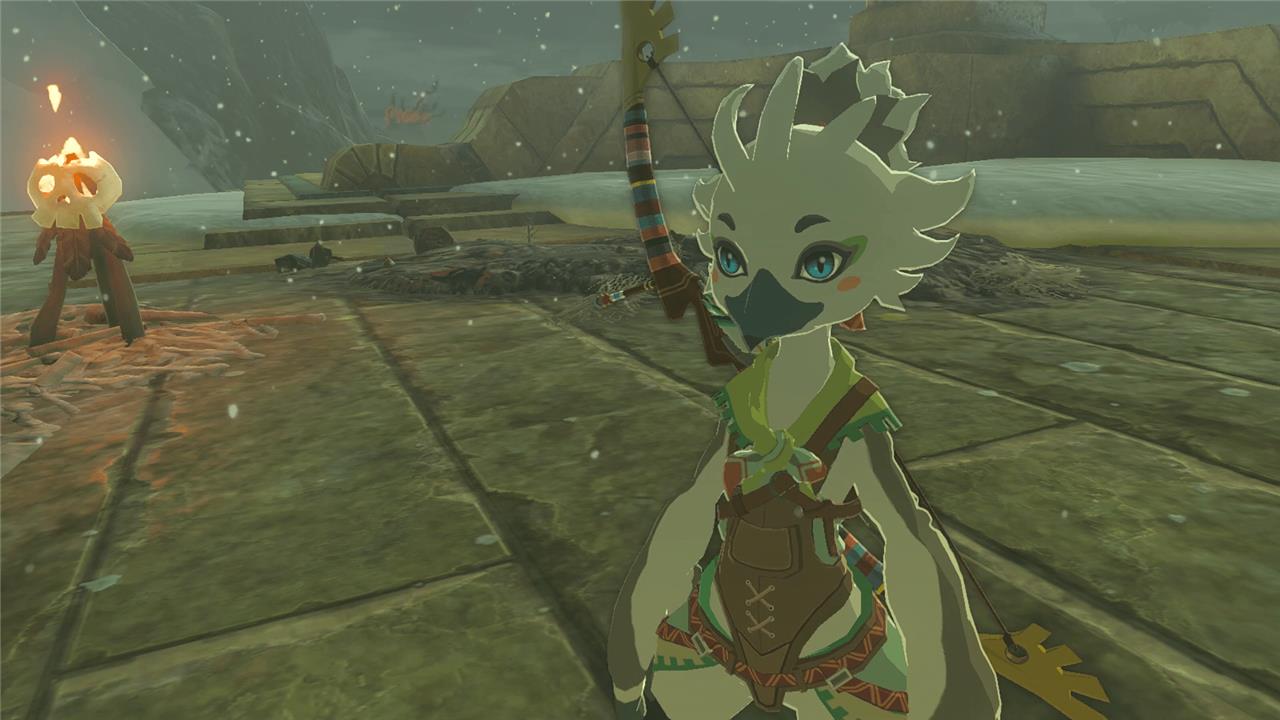
In general, the combat and the paths you take to get to the Wind Temple is straightforward, leaving little room for error. It’s a pretty good beginner area, where you don’t have to worry too much about preparing a lot of supplies.
Once you beat the Wind Temple, you’ll unlock Tulin’s ability to blast a horizontal gust of wind in whatever direction link is facing, allowing you to reach further areas while gliding. This is great for early exploration and making huge leaps that you may not have the stamina to achieve normally.
2. Zora’s Domain
Zora’s Domain is best tackled second, after Rito Village, as it balances challenge and reward well at this stage. The area’s persistent rain and slippery terrain make traversal tricky, but completing its quest grants a powerful ability that aids in both exploration and combat. Enemies here hit harder, yet the environment encourages creative use of materials and Zonai devices to manage movement and reach higher ground. This section of the Regional Phenomena quest also deepens the story, revealing more about the spreading sludge and its connection to the wider crisis across Hyrule.
There isn’t a weird gimmick to getting to Zora’s Domain like how there is in Breath of the Wild, so it’s a straight shot without having to worry about slippery cliffs or anything like that.
That being said, there is quite a bit of puzzling you need to get to different areas. The boss fight for the Water Temple can actually be kind of hard if you don’t have the appropriate items to Fuse for it, so we recommend exploring a bit and building up an arsenal before you head up there.
Once you beat the Water Temple, you’ll get Sidon’s ability to have a water shield that tanks a hit, as well as an ability to send a slash of water forward. This ability isn’t particularly useful – we use it the least, but it’s nice to have some assurance and a way to hit an easy ranged attack when you need it.
This one is actually interchangeable with #3, but I personally found this quest line easier than Yunobo’s in Goron City.
3. Goron City
After clearing Rito Village, Goron City makes a solid next step thanks to its straightforward route from Lookout Landing and the valuable rewards tied to Yunobo’s questline. The Eldin region introduces hazards like heat and marbled rock roast-addicted Gorons, but you can mitigate the difficulty with fire-resistant gear and smart use of Zonai devices gathered earlier. Finishing the Fire Temple grants Yunobo’s rolling ability, which helps break rocks, open new paths, and trivialize certain combat encounters across Hyrule, making later regions more manageable.
Death Mountain is still home to extreme heat, meaning you need to have some fire resistance (known as fireproof) on you. While you can craft elixirs for free using lizards and critters found around the mountain, it’s much more convenient to buy an armor set. However, the cheapest piece is still 700 rupees, meaning that you’ll should accrue some wealth before you start this journey.
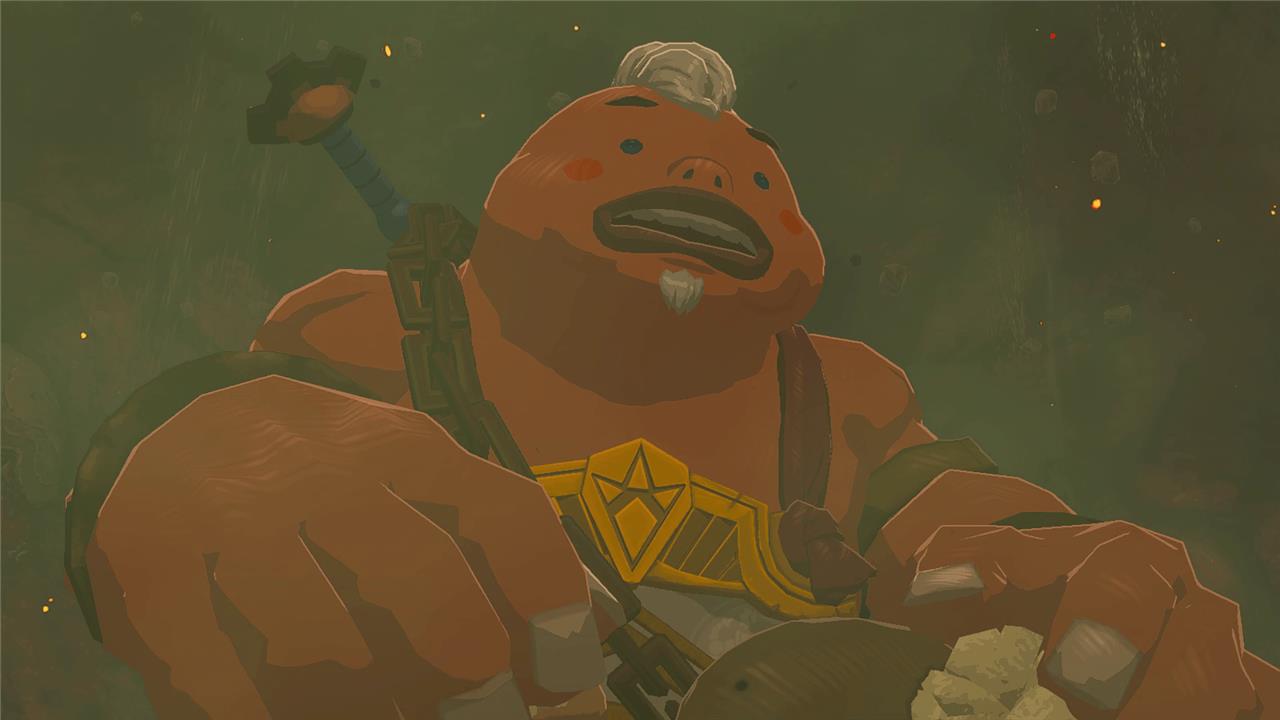
Yunobo’s dungeon is tedious and it requires you to travel in the Depths for a bit. If you haven’t done any of the Depths before you get to this point, it shouldn’t be a problem, but you’re better off having some experience beforehand from the likes of the “Camera Work in the Depths” quest.
After the Fire Temple, you’ll unlock Yunobo’s charge ability, which launches him in a ball straight forward. This is great for breaking walls of rocks in caves and you can use his ability while you ride vehicles you make out of Zonai devices, giving you an extra explosive attack.
4. Gerudo Town
Gerudo Town works best as the final stop, once you have plenty of hearts, stamina, and a good stash of heat- and cold-resistance gear and meals. The desert’s temperature swings, constant sandstorm, and tougher enemies make the approach more punishing than the other regions, but tackling it last means you arrive with strong fused weapons and a wider set of Zonai devices to handle the harsh conditions. By this point, you’ll also be practiced with abilities like Ascend and vehicles, which helps you cross the dunes, reach the town through the storm, and deal with the challenging Lightning Temple that caps off this leg of Regional Phenomena.
Riju’s bit is arguably the most confusing and painstaking, but it’s also not impossible to clear this one first, if you really want. (We did it second, for reference.)
You’ll have to make it through the sandstorm to get to Gerudo Town, enter the underground bunker that the Gerudo people are staying in, and start the “Riju of Gerudo Town” quest from there.
Riju’s gimmick is that you have to go through a horde mode style of gameplay, defending her against Gibdo. Gibdo will need to take damage from elemental attacks before you can deal damage using physical damage, so it’s best if you come prepared with various elemental fruit or Chuchu jelly.
Once you finish the Lightning Temple, you’ll unlock Riju’s lightning strike, which allows you to fire a large lightning bolt where you shoot an arrow. While useful for taking out things like Gloom Spawn and groups of enemies, it takes a bit to charge up and isn’t as useful in a pinch as it could be.
That all being said, you should do them in whatever order you like. If you really love Sidon, head straight to him! (Ahem. That’s what I did.) If you want to be able to blast enemies with lightning right away, head over to Riju!
Tulin of Rito Village walkthrough and rewards
Tulin of Rito Village is the main quest that leads you from Rito Village up through Hebra and the Rising Island Chain to the Wind Temple, and it ultimately rewards you with Tulin as a sage companion and his midair gust ability.
How to start the quest
-
Go to Rito Village in the Hebra region and climb toward the top platforms where Tulin is with Teba and Saki; talking to them starts “Tulin of Rito Village.”
-
You’ll be directed to investigate the blizzard and then sent to Hebra Trailhead Lodge to find Harth, which formally kicks off the sequence of objectives (lodge, cave, Tolonto Peak, Hebra Peak, Rising Island Chain, storm, Wind Temple).
Main quest steps (high level)
-
Find Harth at the Lodge: Travel north-west from Rito Village to Hebra Trailhead Lodge and speak with Harth inside.
-
Find Tulin in the Mountain Cave: Follow the snowy path north to a cave marked by thorns; go inside, follow the thorny trail and updrafts until you reach the large cavern where you eventually catch up to Tulin.
-
Get back Tulin’s bow on Tolonto Peak: Exit the cave, climb to Tolonto Peak, help Tulin recover his stolen bow by shooting down the Aerocuda, then defeat the group of monsters that spawn.
-
Reach Hebra Peak and Rising Island Chain: From Tolonto Peak, use Tulin’s temporary wind gusts plus your paraglider to hop between yellow stone platforms up to Hebra Peak, then continue higher to the floating islands above the storm, grabbing shrines like Mayaumekis and Kahatanaum as checkpoints.
-
Investigate the storm and enter the Wind Temple: Use the sky platforms, ships with springy sails, Recall or Ascend on moving blocks, and Tulin’s gusts to work your way to the massive storm cloud, then dive through it to reach the Wind Temple.
-
Open the five locks and defeat Colgera: Inside the Wind Temple, activate five wind locks around the ship-like dungeon, then fight the boss Colgera to clear the blizzard.
-
Return to Rito Village: After the dungeon, go back to where you first met Tulin in Rito Village and report in to complete the quest.
Rewards
-
Sage of Wind (Tulin’s vow): Tulin permanently joins you as a sage companion, following you and attacking enemies with arrows.
-
Tulin’s gust ability: You can summon Tulin in midair to create a strong forward wind burst, greatly extending glides, helping you reach towers, shrines, sky islands, and skip tough climbs.
-
Story and regional reward: The Hebra blizzard stops, Rito Village returns toward normal, and the Regional Phenomena – Hebra leg is counted complete, progressing the main story.
Tips to prepare
-
Bring cold-resistant armor or elixirs; Hebra and the Rising Island Chain are heavily cold-based.
-
Have a few Hylian pine cones and a way to start fires (flint, fire fruit, or flame emitter) so you can make updrafts in caves and on mountainsides.
-
Extra stamina and a decent bow supply make the many glides and sky-platform fights much smoother.
How to defeat Colgera boss in Wind Temple
Colgera looks intimidating but is one of the simpler temple bosses once you know where to hit and how to move around it.
Preparation
-
Wear at least one piece of cold-resist gear (Snowquill set is ideal) and bring a few healing meals.
-
Equip a decent bow and plenty of arrows; fusing Bomb Flowers or other damage-boosting materials helps but is not required.
-
Make sure you’re comfortable with using the paraglider, diving, and Tulin’s gust in midair.
Phase 1: Break the ice plates
-
Colgera has three circular ice plates on its body; the real weak spot is the purple core under each plate.
-
Fight happens entirely in the air: stay gliding above or beside Colgera, then drop underneath to get a clear angle on the plates.
-
When you see a plate, draw your bow in midair to slow time and shoot until the ice breaks, then hit the exposed purple core once or twice.
-
A safe pattern is: fall below Colgera, glide up toward its belly, trigger slow-mo, and shoot the plate/core, then glide away.
Dodging attacks (Phase 1)
-
When Colgera fires ice spikes upward, either dive sideways to fall out of the line of fire or use Tulin’s gust to push yourself off the trajectory.
-
If it rushes up from below, briefly dive to one side, then open the paraglider and immediately go into slow-mo to shoot the plate that just passed by you.
Phase 2: Same idea, more hazards
-
After all three cores are broken once, Colgera regenerates the plates and adds tornadoes and more aggressive charges.
-
Keep more distance and use Tulin’s gust to quickly clear tornadoes if you drift too close.
-
When Colgera appears directly below and charges, sidestep with a short dive, open your paraglider, then enter slow-mo and shoot the plate/core as it passes.
-
Repeat until all three cores are destroyed again; staying calm, taking clean shots, and not overcommitting to risky dives is the key.
After the fight
-
You’ll automatically receive a Heart Container and complete the Wind Temple.
-
Talking through the scene afterward gives you Tulin’s sage vow, letting you use his midair wind gust anywhere in the world.
