
In Elden Ring: Shadow of the Erdtree, the cryptic message “Somewhere, a great rune has broken” signals a pivotal moment shrouded in mystery and consequence. This haunting phrase marks the shattering of Miquella’s Great Rune, a symbol of his forsaken power in his quest for godhood, unlocking new regions and altering the fate of key characters across the realm. As the rune breaks, so too does a powerful charm, unraveling loyalties and opening paths to hidden depths-ushering players into a deeper, darker chapter of the Elden Ring saga.
What does the ’Somewhere, a great rune has been broken’ and ’so too has a powerful charm’ mean?
The phrases “Somewhere, a great rune has broken” and “so too has a powerful charm” in Elden Ring: Shadow of the Erdtree signal a significant story event where Miquella has abandoned his Great Rune as part of his quest to divest himself of power to ascend to godhood. This event unlocks a new region in the DLC, the Cerulean Coast, and lifts a supernatural charm that Miquella had cast on his followers, freeing them from his control. As a result, NPCs affected by the charm gain new dialogue and begin moving to new locations, advancing their questlines. This moment is crucial for progressing the story and interacting with Miquella’s companions before they disperse.
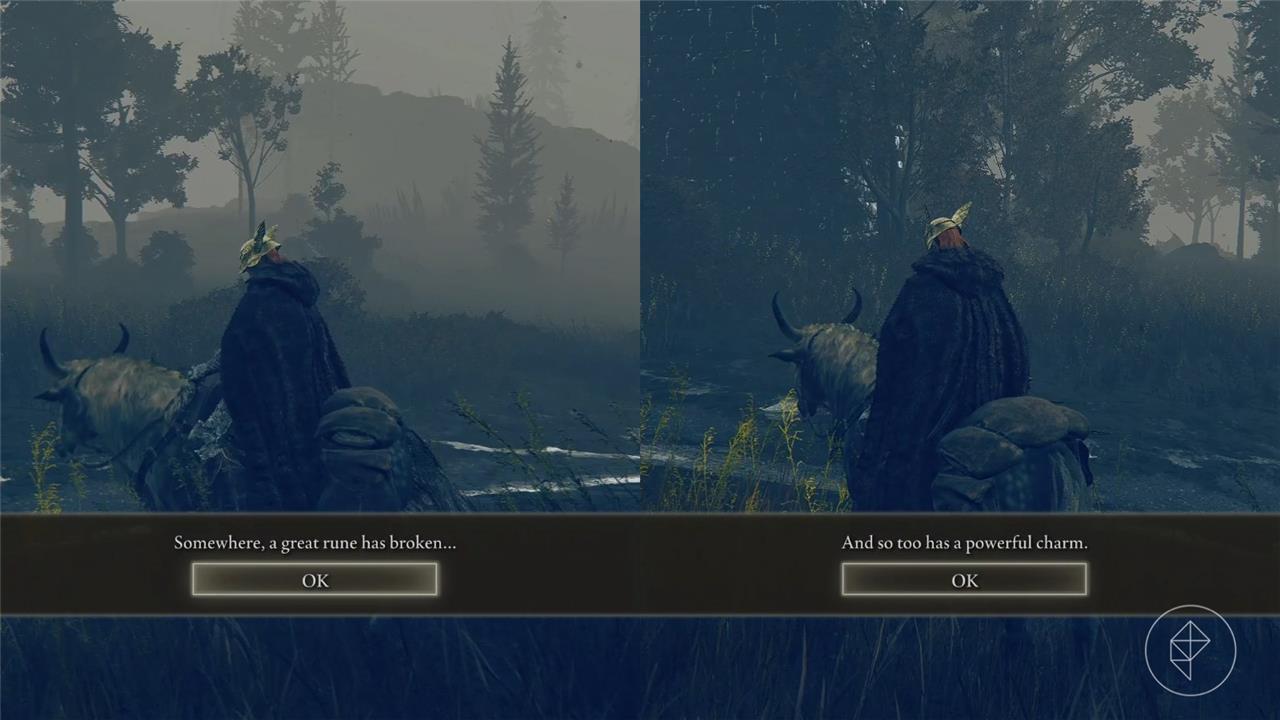
When you first enter the vicinity of the Shadow Keep, you’ll be given two mysterious on-screen prompts saying “Somewhere, a great rune has been broken” and “And so too has a powerful charm.”
This is nothing to be concerned about if you wish to continue exploring the Scadu Altus region, as what it means that a new region of the map has unlocked somewhere in the Realm of Shadow, and that the charm refers to something which happens to certain characters.
If you don’t mind spoilers, here is where to find the newly unlocked location.
’Broken great rune’ location in Elden Ring: Shadow of the Erdtree
In Elden Ring: Shadow of the Erdtree, the “Broken great rune” refers to Miquella’s Great Rune, which is shattered as part of the DLC’s main story progression. This event is triggered when players first enter certain key locations such as the Shadow Keep, Rauh Base, or the eastern Scadu Altus region. The breaking of the Great Rune signifies Miquella’s abandonment of his power in his quest for godhood. It also unlocks new areas in the Realm of Shadow, including the Stone Coffin Fissure near the Cerulean Coast, which was previously sealed by Miquella’s symbol. After the rune breaks, players can engage further with NPC questlines and face new bosses, while NPCs affected by Miquella’s charm gain new dialogue and behaviors, reflecting the lifting of his influence.
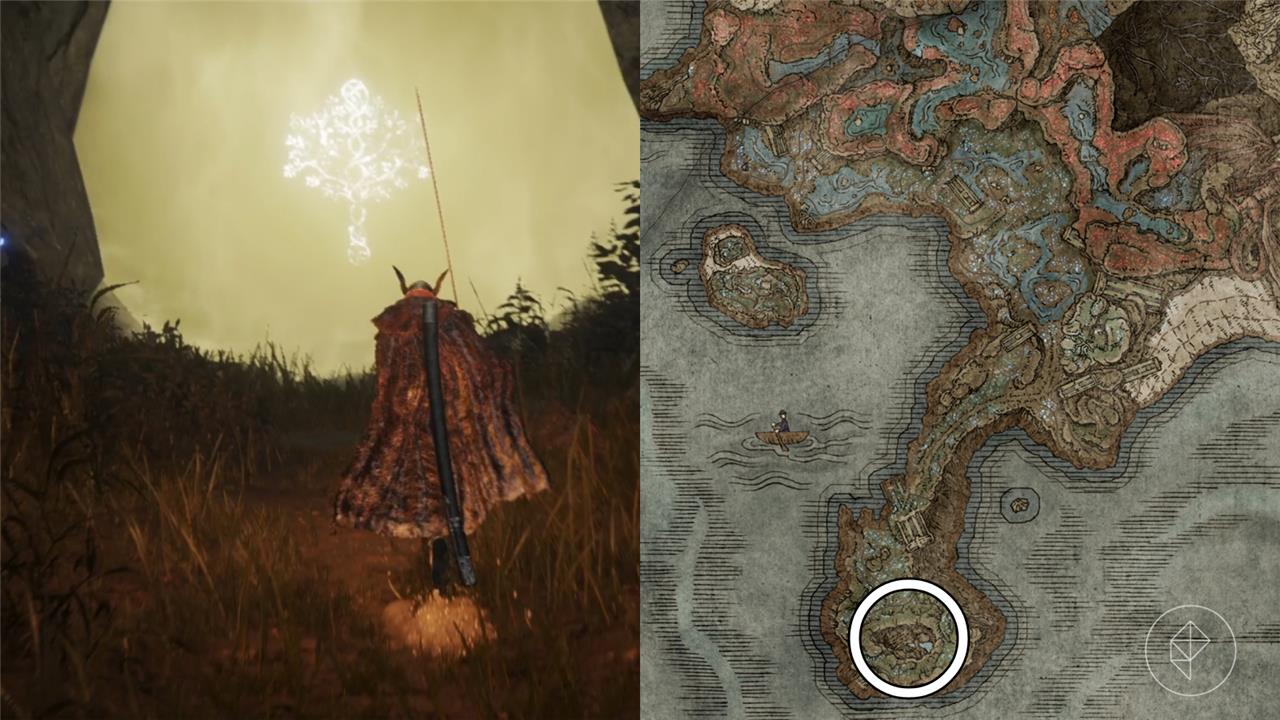
If you’ve visited the Cerulean Coast before exploring the Shadow Keep or venturing to the Cathedral of Manus Metyr, you probably spotted a large hole in the southwest section of the map. Drop down the ledges to find a yellow barrier with Miquella’s symbol. If you try to interact with the seal before the above prompt, this line will appear on your screen, “Sealed and obscured by Miquella.”
After the seal has been broken, you can return to the Stone Fissure to learn more about Miquella’s story in the realm of shadow. Without spoiling too much about what is behind the broken seal, you’ll be able to progress in a certain NPC’s questline and face off against a mighty boss.
’And so too has a powerful charm’ meaning explained
The phrase “And so too has a powerful charm” in Elden Ring: Shadow of the Erdtree refers to the breaking of a supernatural charm that Miquella had cast over his followers in the Land of Shadow. When this charm is lifted, many NPCs who were previously under Miquella’s influence begin to question their loyalty, resulting in new dialogues, quest developments, and changes in their behavior and locations. This event does not unlock new areas by itself but marks a significant turning point in the story, affecting the dynamics of NPC interactions and questlines. It occurs alongside the breaking of Miquella’s Great Rune, symbolizing his abandonment of his powers and the unraveling of his control over his companions.
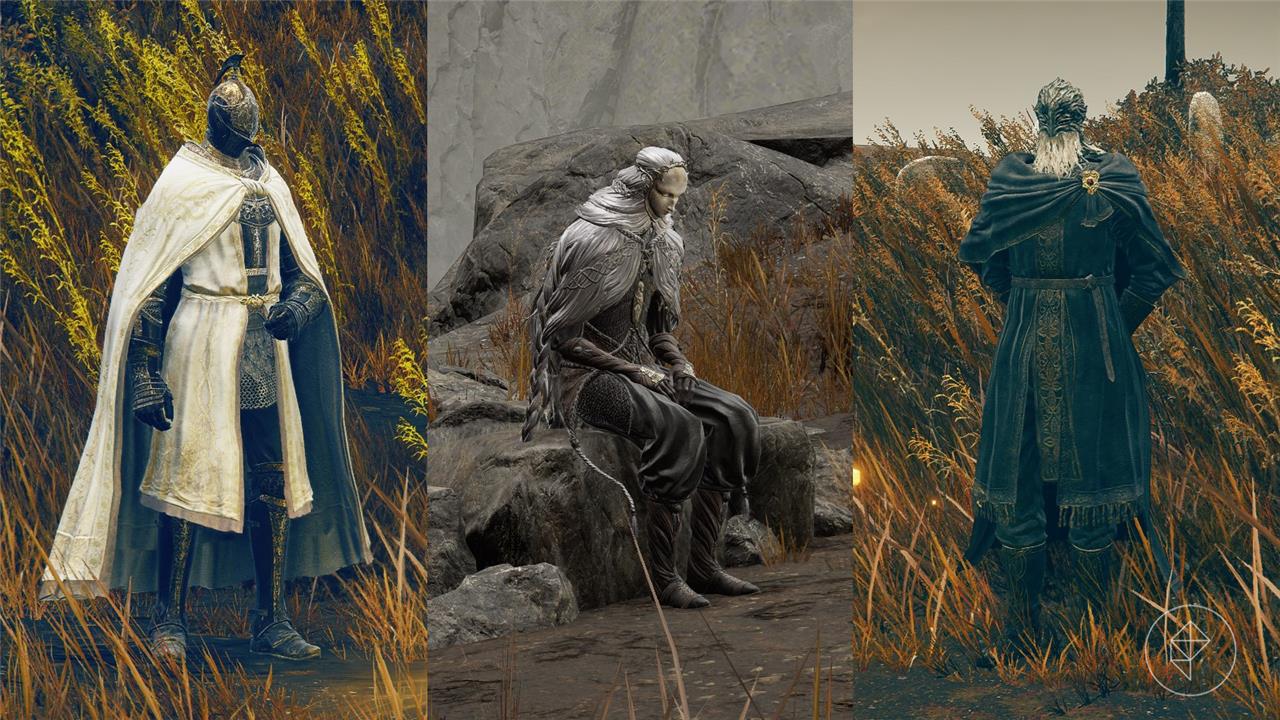
Don’t forget that a powerful charm has been released from Leda and her allies! Hop around from NPC to NPC to learn that Miquella has seemingly charmed all of her followers. Everyone seems to be in disarray wondering if they were right in following Miquella and what they should be doing now. The story of Miquella’s followers will change based on your decisions from here on out, so tread carefully!
What hidden lore does the breaking of a great rune reveal about Miquella
The breaking of Miquella’s Great Rune in Elden Ring: Shadow of the Erdtree reveals profound hidden lore about his sacrifice and transformation. Miquella deliberately abandoned his Great Rune as part of a radical quest to divest himself of all his power-his flesh, heart, and strength-in an effort to transcend mortality and ascend to godhood, following in the footsteps of his mother, Queen Marika. This act of relinquishment, symbolized by the shattering of the Rune of Abundance, signifies Miquella’s rejection of his former self and his embrace of a new divine existence.
The breaking of the Great Rune also lifts a powerful charm Miquella had imposed, which had influenced several NPCs, notably freeing characters like Leda and others from his control. Furthermore, it removes a mystical seal blocking access to the Stone Coffin Fissure, revealing deeper secrets connected to Miquella’s fragmented existence and his hidden half, St. Trina.
In essence, the shattered Great Rune embodies Miquella’s sacrifice and his complex struggle with divinity, loss, and transformation, marking a pivotal moment that reshapes the narrative and unlocks new paths within the Land of Shadow.
What does Miquella’s sacrifice reveal about his true intentions to become a god
Miquella’s sacrifice reveals that his true intention to become a god involved a ruthless and total renunciation of his former self, including his flesh, emotions, doubts, and compassion. He consciously abandoned all that made him human-his love, empathy, fears, and even his own lineage-to achieve a decisive, unyielding state necessary for ascension to godhood. This transformation was driven by a singular, unwavering goal: to use the Gate of Divinity and bring about an Age of Compassion, reshaping the world according to his vision. However, this came at the cost of alienating himself from those he once cared for and becoming an unfeeling, godlike figure who would stop at nothing to fulfill his ambition. His sacrifice parallels other tragic figures who forsook their humanity for power, highlighting the personal hell he endured in pursuit of divinity.
