
Isaac Clarke’s return isn’t just a facelift-it’s a reimagining. From bloodier corridors powered by the Frostbite Engine to smarter Necromorph behavior, the Dead Space remake reshapes terror in six striking ways.
Updated graphics through the Frostbite Engine
The remake uses the Frostbite Engine to deliver far more detailed environments, dynamic lighting, and realistic particle effects. Shadows flicker across metallic corridors, reflecting the tension of the Ishimura’s dark atmosphere. Improvements in textures and character models make every surface and movement feel heavier and more believable, while subtle visual touches like steam, blood, and smoke react naturally to light and motion, drawing players deeper into the horror.
Obviously, 15 years of improvements and EA’s Frostbite Engine allows for a lot of visual improvements. Everything from character models to the ship itself got a dramatically updated look.
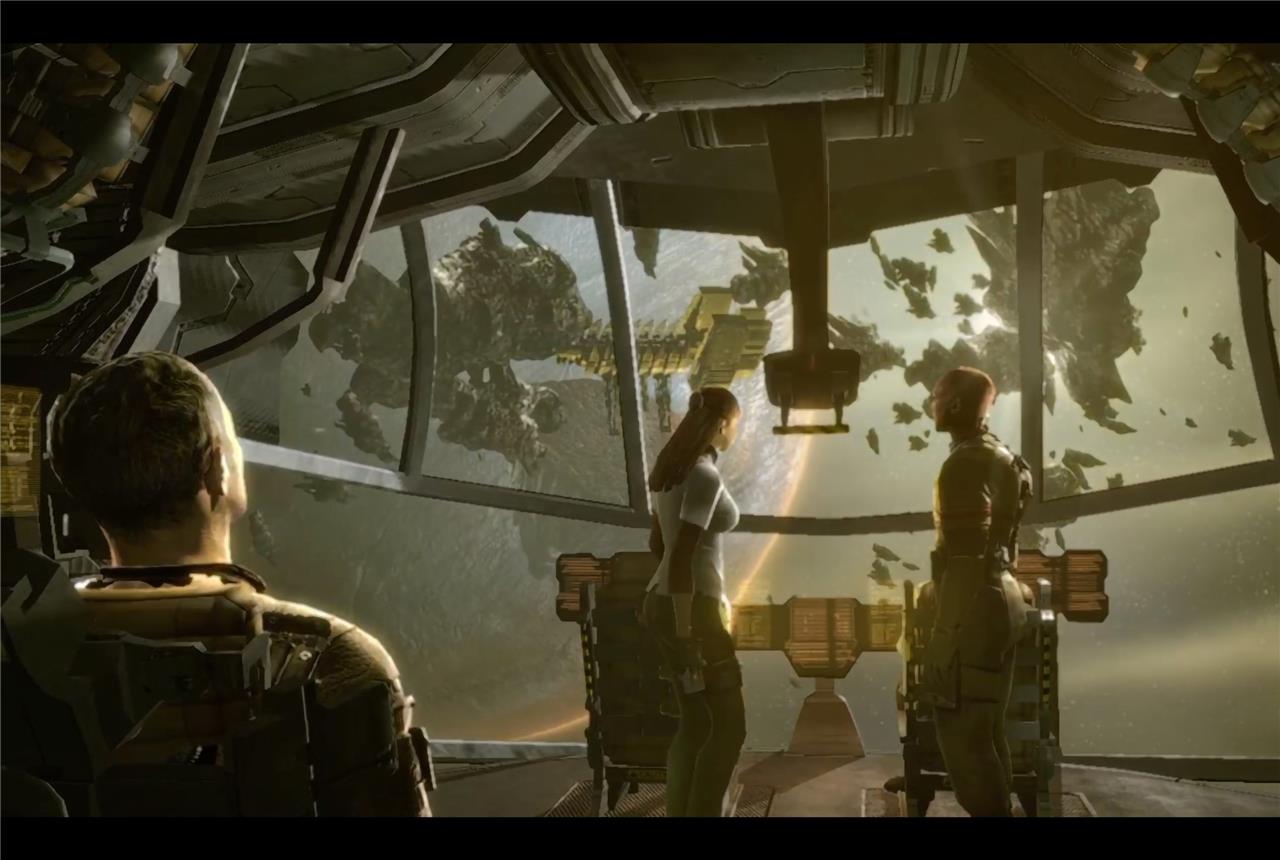
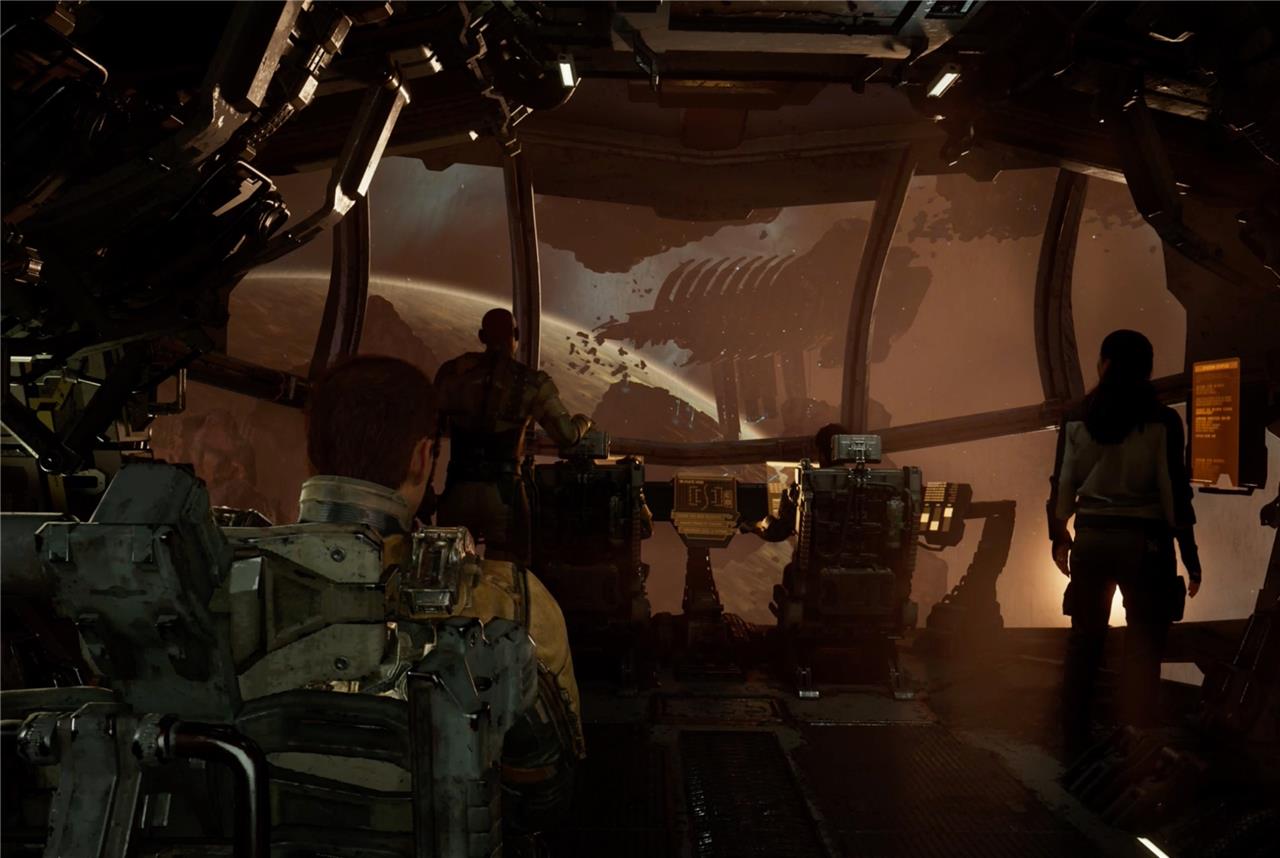
Lighting in the game also got a pretty big overhaul. It’s a lot more atmospheric (and spooky) now with volumetric lighting. There’s also just generally less light to go around – entire rooms will be almost completely dark, forcing you to rely on your weapon’s flashlight.
No more loading screens
The remake removes all traditional loading screens, letting players move through the USG Ishimura without breaks or interruptions. Transitions between areas, scenes, and events happen smoothly, maintaining tension and immersion. This seamless flow keeps the pace tight and makes the experience feel more continuous and claustrophobic than before.
The move to current hardware also means Dead Space can ditch loading screens. Removing them keeps the story (and anxiety) flowing a lot more smoothly.
Characters (and characterization) are more fleshed out
Characters feel more human in the remake, with expanded dialogue, more expressive facial animations, and deeper motives that tie into the story’s tension. Isaac Clarke, now fully voiced, interacts with crew members instead of staying silent, which makes his reactions and decisions more grounded. Secondary characters like Daniels and Hammond also receive more background and emotional depth, giving their actions greater weight as the narrative unfolds.
The cast of characters you know and love are unchanged – with one exception. There’s a new member on the crew of the Kellion. She mostly just stays on the ship, though.
Gunnar Wright of the original Dead Space reprised his role as Isaac for the remake. The larger story is untouched and there were no dramatic edits to the script, but it’s not a line for line remake.
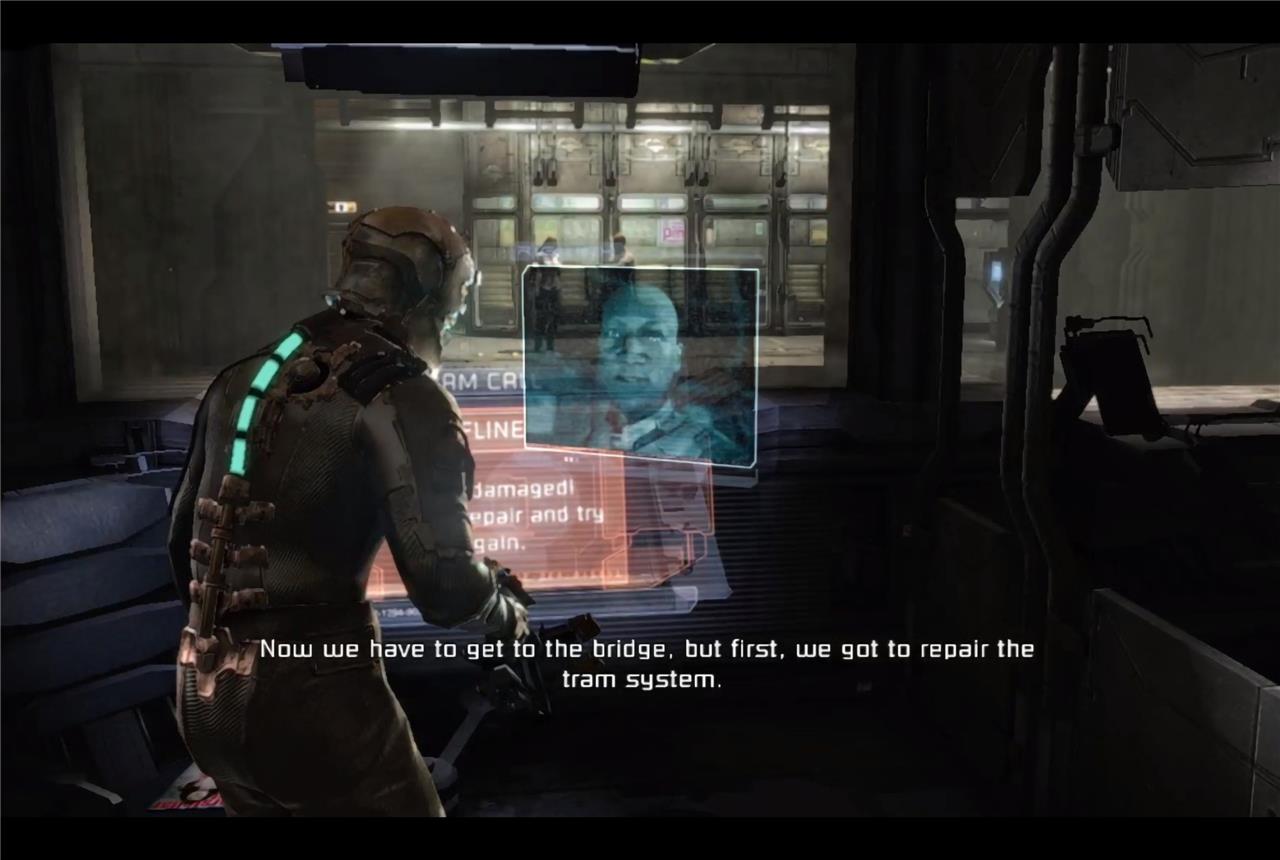
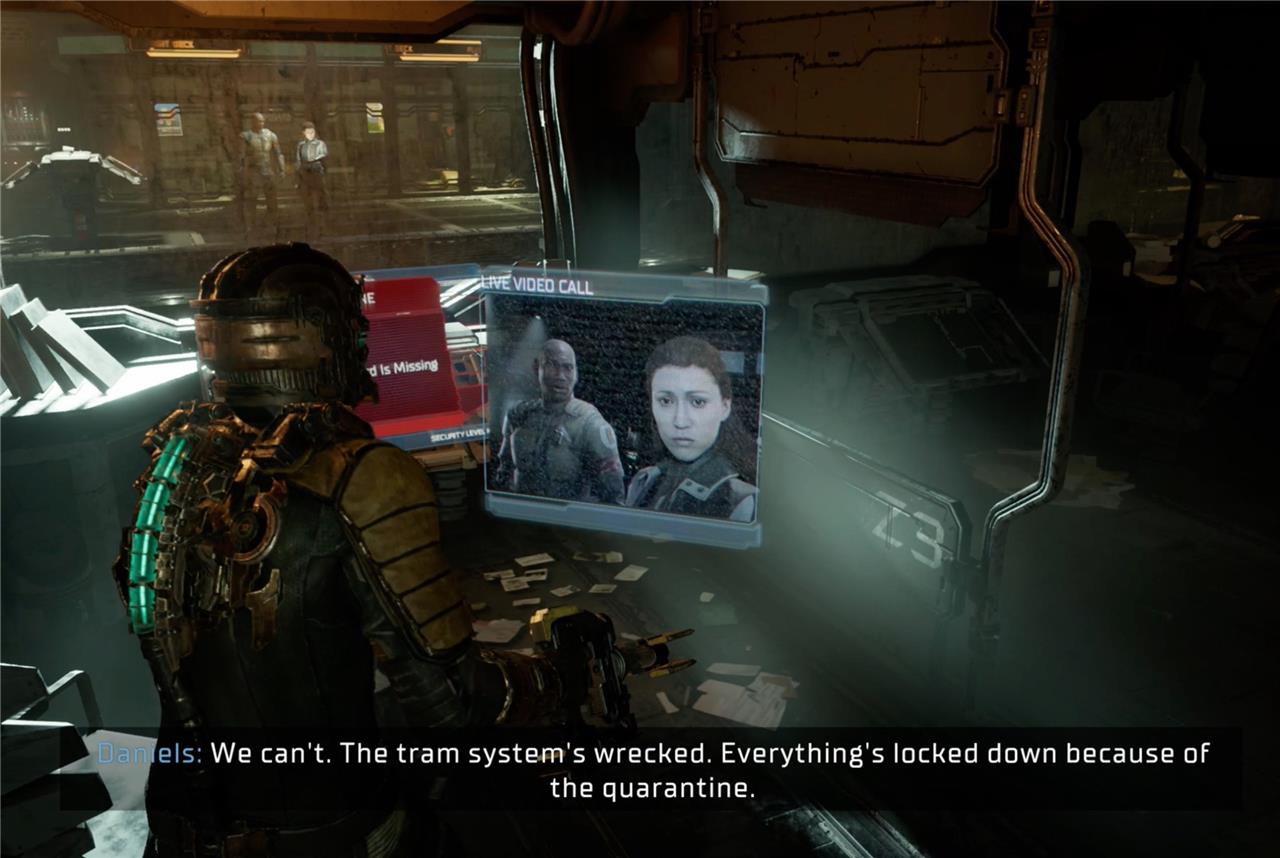
More specifically, though, Isaac is no longer an all-but-silent protagonist – and he takes his helmet off a lot more often. He’s got a lot more dialogue now, too, bringing his character a lot more in line with Dead Space 2 and 3.
New floorplans and objectives
The remake introduces redesigned floorplans that expand and connect sections of the USG Ishimura in new ways. Areas that were once separate can now be explored seamlessly, creating a more continuous and logical layout. Players will also find new objectives and side missions that provide added backstory and context for Isaac and his crew. These changes encourage exploration and give returning fans fresh reasons to revisit familiar corridors.
We mentioned this in our beginner’s guide as well, but a ground-up redesign means that the exact layout of the Ishimura isn’t identical to the original. It’s nothing as big as an entirely new floor, but more like zigs where there used to be zags.
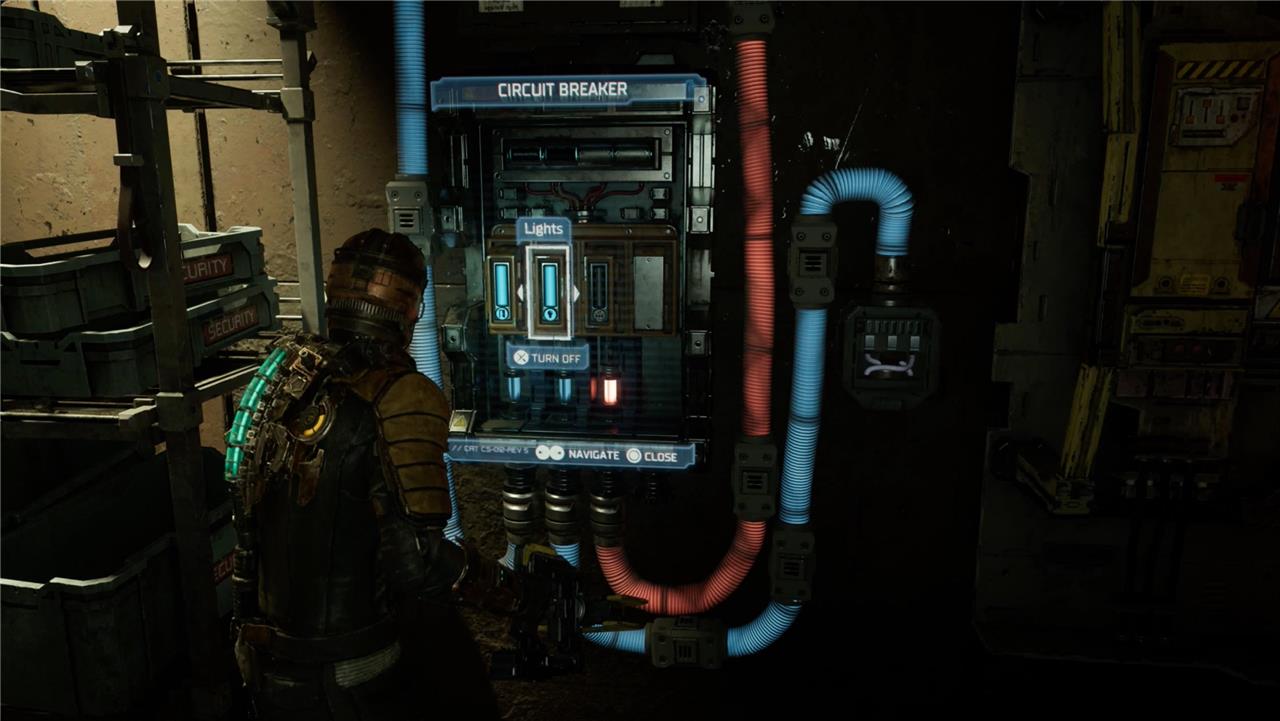
Related to that, some objectives are different or modified. These don’t change anything about the game, really, but they might be enough to make those old walkthroughs pretty confusing. For example, the first chapter has Isaac retrieving a data board. In the original, this involved grabbing a keycard off a corpse. In the remake, it requires you to reroute a circuit breaker from the lights to the door (see our note about darkness above).
Side missions exist now
Side missions add fresh layers of exploration and storytelling to the remake. Isaac can now take on optional objectives that reveal extra details about the Ishimura’s crew and his own past. These side tasks often send players back through familiar areas with new purposes, encouraging deeper investigation of the ship’s eerie environments while rewarding effort with useful items and expanded lore.
While the larger story hasn’t changed, a new layer of the narrative has been added in the form of side missions. These are smaller tasks that have you exploring the Ishimura and filling in some of the world building details through gameplay (rather than just audio and text logs).
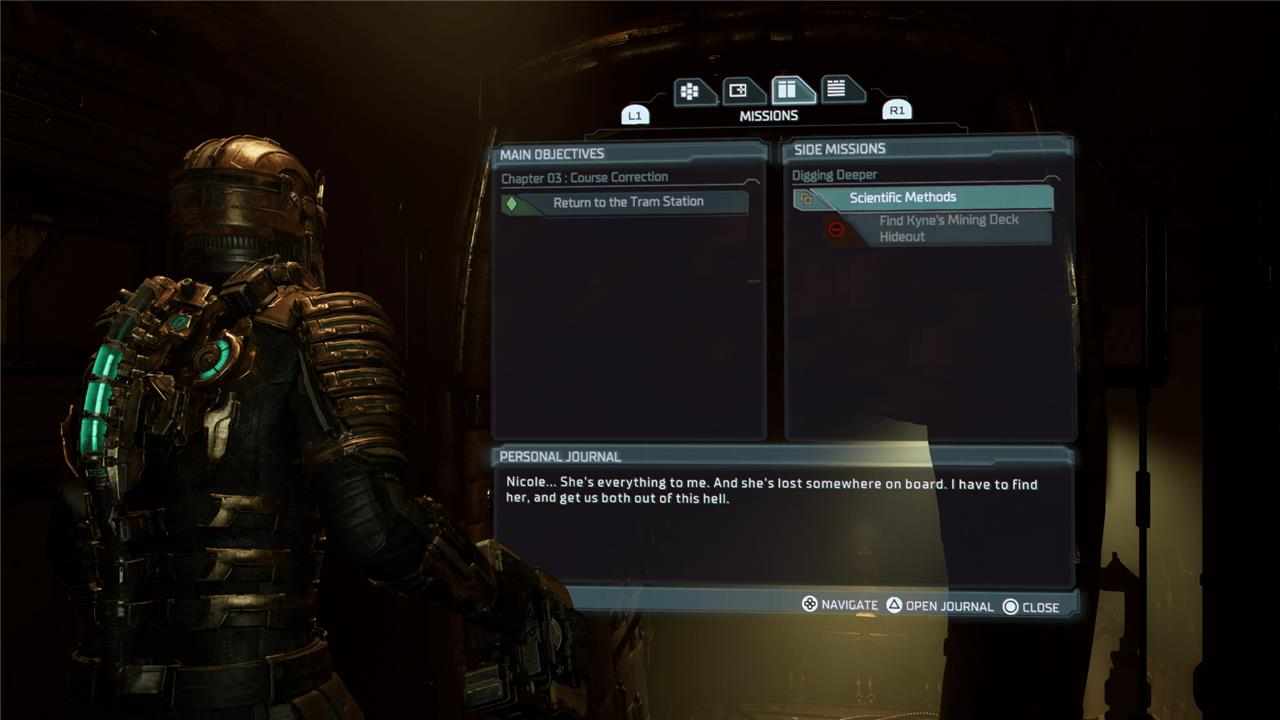
Side missions will show up in your RIG HUD under the Missions tab. Selecting one and tracking it will make your Locator guide you there.
There’s an alternate ending
The remake introduces a completely new alternate ending that expands Isaac Clarke’s story beyond the original conclusion. This addition ties more closely to the events of the later Dead Space games, offering players a fresh interpretation of Isaac’s fate. To see it, players must complete the game again under specific conditions, giving fans a strong reason to return for a second playthrough.
How does the PEELING system change Necromorph combat
The Peeling System enhances Necromorph combat by introducing layered damage visualization, where shots progressively strip away skin, muscle, and tendons to expose bone before full limb severing occurs. This replaces the original’s instant dismemberment with a more realistic, strategic process that demands precise targeting on specific limb sections.
Visual Damage Feedback
Players now see clear progression-flesh peels off first, revealing innards and acting as a makeshift health bar, especially useful on higher difficulties or with non-amputation weapons like the pulse rifle. Limping, partially damaged enemies remain threats but can be slowed or repurposed, such as hurling severed limbs back via Kinesis.
Strategic Weapon Choices
Certain weapons excel at peeling layers (e.g., for carving flesh), while others focus on clean bone cuts or outright removal, encouraging loadout variety and mid-fight adaptation. It heightens tension by making ammo conservation trickier, as superficial damage doesn’t stop foes instantly.
How does PEELING affect different weapons like Plasma Cutter
The Peeling system tailors weapon effectiveness in the Dead Space remake by emphasizing layered damage on Necromorphs, where the Plasma Cutter shines as a precision finisher. It excels at cleanly severing exposed bone and tendons after initial shots strip away outer flesh layers, making it ideal for precise limb amputation.
Plasma Cutter Role
The Plasma Cutter’s focused plasma bolts penetrate deeply to cut through peeled sections efficiently, often requiring just one or two shots on debulked limbs from “peelers” like the Force Gun. With upgrades like the fire-starting node, it burns flesh faster, accelerating the peeling process and synergizing with its role.
Comparisons to Others
Area-effect weapons such as the Force Gun or Flamethrower rapidly strip multiple layers of skin and muscle first, leaving bony structures vulnerable for the Cutter’s quick severing. Pulse Rifles handle superficial peeling decently but lack the Cutter’s surgical accuracy, while Contact Beams melt through layers entirely on their own. This encourages combo tactics, conserving ammo by matching peelers with cutters.
