
Bound by love and torn apart by ambition, Inarius and Lilith shaped the creation of Sanctuary through rebellion and divine defiance. Their story weaves faith, betrayal, and the birth of humanity into the dark mythology that fuels Diablo 4’s conflict between Heaven and Hell.
The Diablo series has always had an overarching story, but Diablo 4 is the first game to really put the narrative front and center. There are beautifully rendered cutscenes, characters you want to root for and against, and a plotline that’s easy to follow without supplemental reading. However, there is some crucial backstory to know before jumping into Diablo 4, specifically surrounding two key characters: Inarius and Lilith.
In this Diablo 4 guide, we’re going to walk you through a very brief history of Inarius and Lilith. What is their relationship? Why does everyone keep calling them “Mother” and “Father?” And how did humanity come to exist in Sanctuary, the main setting of Diablo 4? Keep reading to find out.
Who is Inarius?
Inarius, a former Archangel of the High Heavens, grew weary of the Eternal Conflict and allied with Lilith to steal the Worldstone, forging Sanctuary as a refuge for rogue angels and demons. Their union birthed the nephalem, humanity’s powerful ancestors, but Inarius secretly bound the stone’s might to himself, becoming Sanctuary’s supreme ruler. Fearing discovery by Heaven and Hell, he weakened his descendants’ powers and posed as a prophet, igniting the Sin War that shaped Diablo 4’s fractured world.
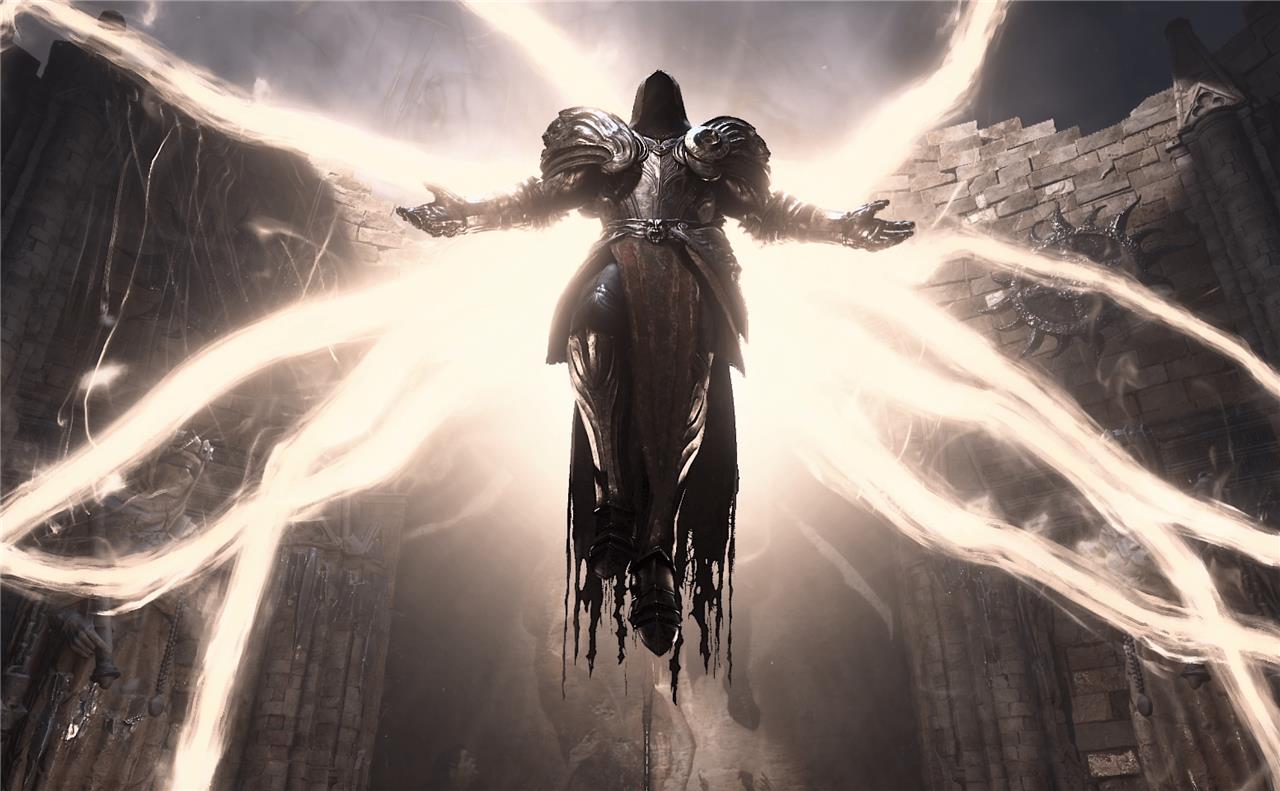
Inarius was once an Archangel (that’s basically an angel but cooler and a bit more powerful) who served under Tyrael, the Archangel of Justice, during the Eternal Conflict – a long-standing war that’s exactly what it sounds like (which we’ll cover in a bit). He’s known as the Prophet and, most commonly in Diablo 4, the Father.
Inarius fought constantly and became a war hero. But over time, he began to grow tired of all the fighting and started to question the entire conflict. Then he was captured in battle and taken down to the Burning Hells as a prisoner.
There he met Lilith, and hatched a plan to change the world of Diablo forever.
Who is Lilith?
Lilith, often called the Daughter of Hatred, is one of the key figures in Diablo 4’s lore. She is the daughter of Mephisto, the Lord of Hatred, and a powerful demoness known for her cunning and ambition. Together with the angel Inarius, she created Sanctuary as a refuge for beings who wanted to escape the eternal conflict between Heaven and Hell. However, Lilith’s vision for humanity is twisted by her desire for control and vengeance, making her both a creator and a threat to all who inhabit Sanctuary.
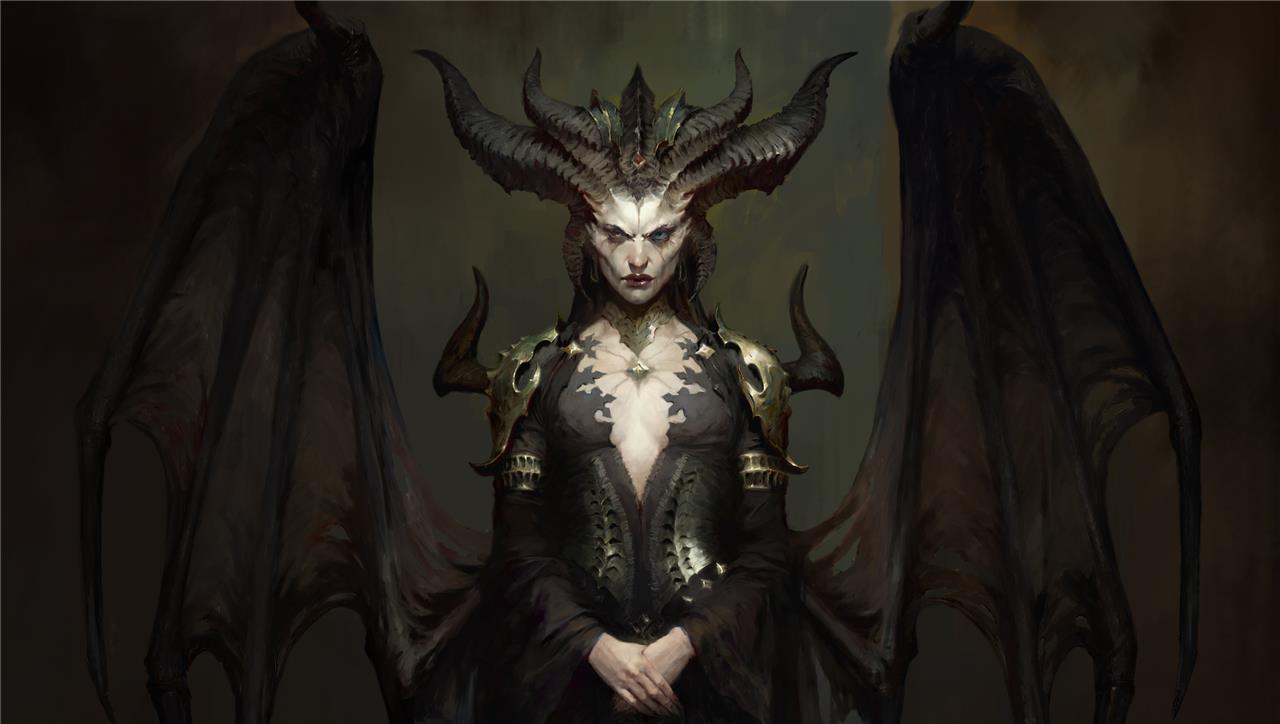
Lilith is known by many titles, but is most commonly referred to as the Daughter of Hatred, Queen of the Succubi, and the Mother of Sanctuary (we’ll get to that last one soon).
She is a high-ranking demon and the daughter of Mephisto, Lord of Hatred (hence the title), and one of the three Prime Evils. Like Inarius, Lilith held a special place among her people and spent years battling in the Eternal Conflict.
And also like Inarius, Lilith grew tired of the pointless war over the Worldstone (which we’ll cover shortly). So when she came face-to-face with an Archangel who held similar beliefs, she saw an opportunity to change her situation
Where do angels and demons come from?
In the universe of Diablo 4, angels and demons originate from the conflict between the High Heavens and the Burning Hells. These two opposing forces were created from the remains of Anu, a primordial being whose inner purity and darkness split into separate entities after his destruction. From Anu’s pure essence came the angels, representing order and light, while his darker aspect gave birth to demons, embodying chaos and corruption. Their endless war shapes the cosmos and influences every event leading to the creation of Sanctuary, the world where humans and Nephalem exist.
To understand Inarius and Lilith – and therefore the story of Diablo 4 – you must understand a little bit about the birth of angels, demons, and “The Eternal Conflict.”
In the beginning, there was an all-powerful creator called Anu (who is the closest thing to “God” in the Diablo universe). Anu decided to purify himself, and cast out all the evil from inside of him, creating Tathamet, a seven-headed dragon and the first Prime Evil. Anu and Tathamet battled and, eventually, killed each other. Anu’s spine then formed the heavens, while Tathamet’s body created the hells – and his seven heads spawned the four Lesser Evils and the three Prime Evils.
Angels – born from the spine of Anu, called the Crystal Arch – began to populate the High Heavens, while demons began to populate the Burning Hells. These two forces (each descendants of Anu) clashed for millennia, most commonly in the world of Pandemonium, over the Worldstone.
The Worldstone – born from the eye of Anu – was capable of shaping reality and creating life. Both sides would win and lose, but neither angels nor demons could hold to Worldstone for long.
The Eternal Conflict lived up to its name, and with no end in sight, Lilith and Inarius came into play.
Who is Rathma?
Rathma, born Linarian, is the firstborn nephalem, son of Inarius and Lilith, and originator of necromancy in Sanctuary. He rejected his parents’ ambitions during the Sin War, partnering with the dragon Trag’Oul to maintain balance between Heaven, Hell, and humanity by founding the Priests of Rathma. In Diablo 4, his corpse, impaled by a staff that yields a key to Hell, underscores his sacrificial role against parental schemes.
After meeting in the Burning Hells, Inarius and Lilith formed a bond and a pact. Lilith set Inarius free, and the two of them gathered angels and demons who shared their dream of peace. With their rogue band, the two rebel leaders captured the Worldstone and used it to create Sanctuary: a planet hidden from the Archangels of the High Heavens and the Evils of the Burning Hells.
In Sanctuary, Lilith, Inarius, and their Allie’s could be safe from the eternal conflict – although they could never go home again. But as with life, children complicated everything.
Lilith and Inarius were more than just rebel buddies – they were also lovers. And in their new world of Sanctuary, the two had a son named Linarian, who is better known now as Rathma (the first Necromancer). Other angels and demons also coupled together, creating a race of people called the Nephalem from their “unholy unions.”
These Nephalem were even more powerful than their parents, and so Inarius and many members of the rebels began to fear their children. Inarius called for a period of reflection, where he would contemplate whether he should genocide his offspring entirely. Fearing for the Nephalem, Lilith killed all the angelic and demonic rebels who helped found Sanctuary. This led to Inarius and Lilith facing off, but Inarius would not kill Lilith, and so he banished her to the “Void” instead.
Inarius then made modifications to the Worldstone, which would cause the Nephalem’s power to diminish over time. Inarius disappeared, and the Nephalem kept on living over the generations, and the severely watered-down Nephalem offspring eventually became known as humans.
Over the years, the High Heavens and Burning Hells learned of Sanctuary, Inarius established his own religion (called the Cathedral of Light), Lilith returned and was banished again, Inarius was captured by the High Heavens and tortured by Mephisto, and the first three Diablo games took place – most notably ending in the extermination of 50-90% of all human life on Sanctuary.
How do Lilith and Inarius impact the story of Diablo 4?
Lilith and Inarius shape the central conflict of Diablo 4 through their opposing visions for Sanctuary’s future. Lilith seeks to free humanity from divine and demonic control, using her charisma and power to rally followers against Heaven and Hell alike. Inarius, consumed by pride and guilt, strives to preserve his ideal of balance but descends into zealotry. Their clash sets the events of the game in motion, driving both the world’s chaos and the player’s quest to understand their legacy.
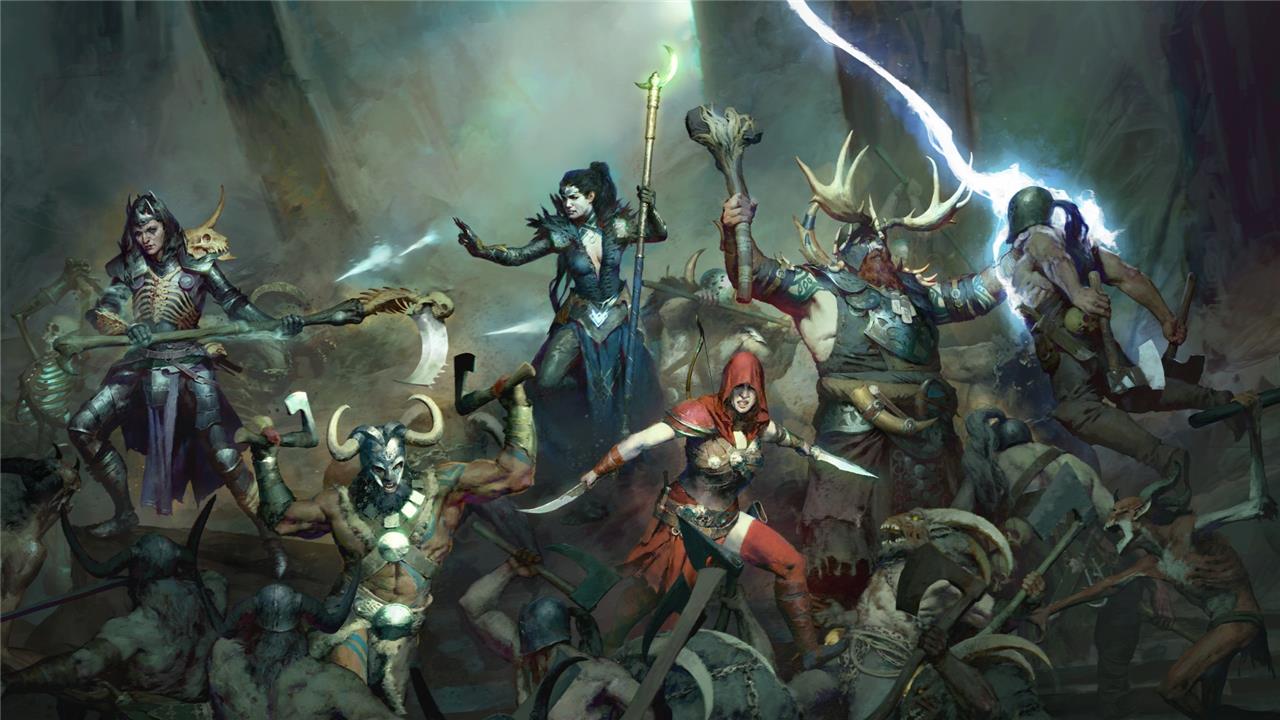
At the start of Diablo 4, Inarius is already back in Sanctuary – although it’s unclear whether he was released from the Burning Hells or if he escaped. He’s returned as the leader of the Cathedral of Light, and his goal is to return to the High Heavens and take his place alongside his fellow angels once again.
The opening cutscene for Diablo 4 shows a group of adventurers summoning Lilith back into Sanctuary. Once back on the planet she created, her motivations become a little difficult to parse – as she plays her cards very close to the chest.
What motivates Lilith’s actions in Diablo lore
Lilith’s actions in Diablo lore stem from a mix of protective maternal instincts, disillusionment with the Eternal Conflict, and a relentless drive for power and dominance. Initially weary of her father Mephisto’s warmongering in Hell and the endless war with Heaven, she sought escape by allying with Inarius to create Sanctuary and humanity’s nephalem ancestors. Her rage ignited when threats arose to her children, leading her to slaughter fellow renegades and manipulate events during the Sin War to build an army of nephalem under her control.
Protective Fury
Lilith views humanity as her descendants and acts fiercely to safeguard them, even at extreme costs. Banished to the Void by Inarius after her genocidal frenzy, she later returns in Diablo 4 to corrupt Sanctuary’s people through sin, aiming to unlock their latent power against Heaven and Hell. This “protection” masks her ambition to rule them as a goddess, turning followers into a cult-like force.
Quest to End Conflict
Tired of Hell’s leadership under Diablo and Baal, Lilith envisions nephalem supremacy to eradicate both Heaven and Hell, ending the Eternal Conflict on her terms. She manipulates key figures like Uldyssian and performs rituals to revive Prime Evils temporarily, all while plotting to consume Mephisto’s power for herself. Her philosophy blends twisted Social Darwinism-survival of the fittest-with a desire to puppet-master Sanctuary’s fate.
Power and Control
Ultimately, Lilith craves dominion over Sanctuary, seeing it as her creation to wield against cosmic forces. In Diablo 4, she tempts Inarius’s Cathedral followers by promising salvation amid war, corrupting hearts to forge loyal soldiers. This duality-love for her “children” twisted into control-defines her as the manipulative Daughter of Hatred.
How did Lilith and Inarius create Sanctuary
Lilith and Inarius created Sanctuary by stealing the Worldstone, a powerful artifact from the Pandemonium Fortress, to escape the Eternal Conflict between Heaven and Hell. Disillusioned with endless war, the angel Inarius and demon Lilith rallied fellow renegades-angels and demons alike-and used the Worldstone’s reality-shaping powers to form a hidden refuge world. They shaped key features like Mount Arreat as a protective shell around the stone and imbued the Ancients’ Cradle with the Fire of Life.
The Theft and Shaping
Inarius secretly bound the Worldstone’s power to himself for dominance, while Lilith focused on populating their new realm. The pair ruled from the Temple of the Firstborn, initially in harmony, until ideological rifts emerged-Inarius sought isolation, Lilith envisioned conquest. Sanctuary became a pocket dimension concealed from both Heaven and Hell, allowing temporary peace.
Birth of the Nephalem
Lilith seduced Inarius, mingling her blood with clay in a ritual to birth their first son, Linarian, the original nephalem. This hybrid offspring possessed immense power blending angelic and demonic essence, leading to a generation of nephalem who filled Sanctuary. Their creation marked humanity’s origins, though Inarius later weakened nephalem potential via the Worldstone to avert discovery.
