
The Halo TV show’s season 2 finale didn’t just deliver an epic showdown-it detonated the series’ best lore all at once, introducing the terrifying Flood and pushing Master Chief’s story into uncharted, thrilling territory. With jaw-dropping sacrifices, intense battles, and a haunting new horror, the finale rewrote the rules of the Halo universe on screen, leaving fans breathless and eager for what’s next.
Halo’s second season ends with the strangest episode the show has ever had. Unlike the rest of the series, which has slow-played every single one of its reveals, carefully rationing them out a crumb or two at a time, the season 2 finale threw just about every major reveal from the first Halo game at viewers in the span of less than an hour. Consequently, it was also probably the most interesting episode the show’s ever had, particularly for longtime fans of the game series.
[Ed. note: This story contains spoilers for Halo season 2.]
The episode opens with the audience following a character we don’t really know. She’s a scientist and clearly acting funny, but things don’t get really strange until the bizarre music – unlike anything heard in the series so far – kicks in and we see the scientist slowly start to lose her mind, spontaneously staring off into space or twitching wildly before stabbing a coworker. It’s strange and unsettling, but it’s also the most clever bit of fanservice the show has pulled so far, as the tumbling realization that the Flood are about to make their first appearance on this show slowly dawns.
For most of this show’s first two seasons, the Flood seemed like a bridge too far for the tone it was taking. The most destructive aliens in Halo’s canon, the Flood are a parasitic race that seeks to consume and assimilate every living thing in the galaxy, infecting them then taking them over as newly zombified hosts. Their appearance in the original Halo marks one of the best and most unexpected twists in video game history, and frankly the show did an admirable job of mimicking it, even under far different circumstances.
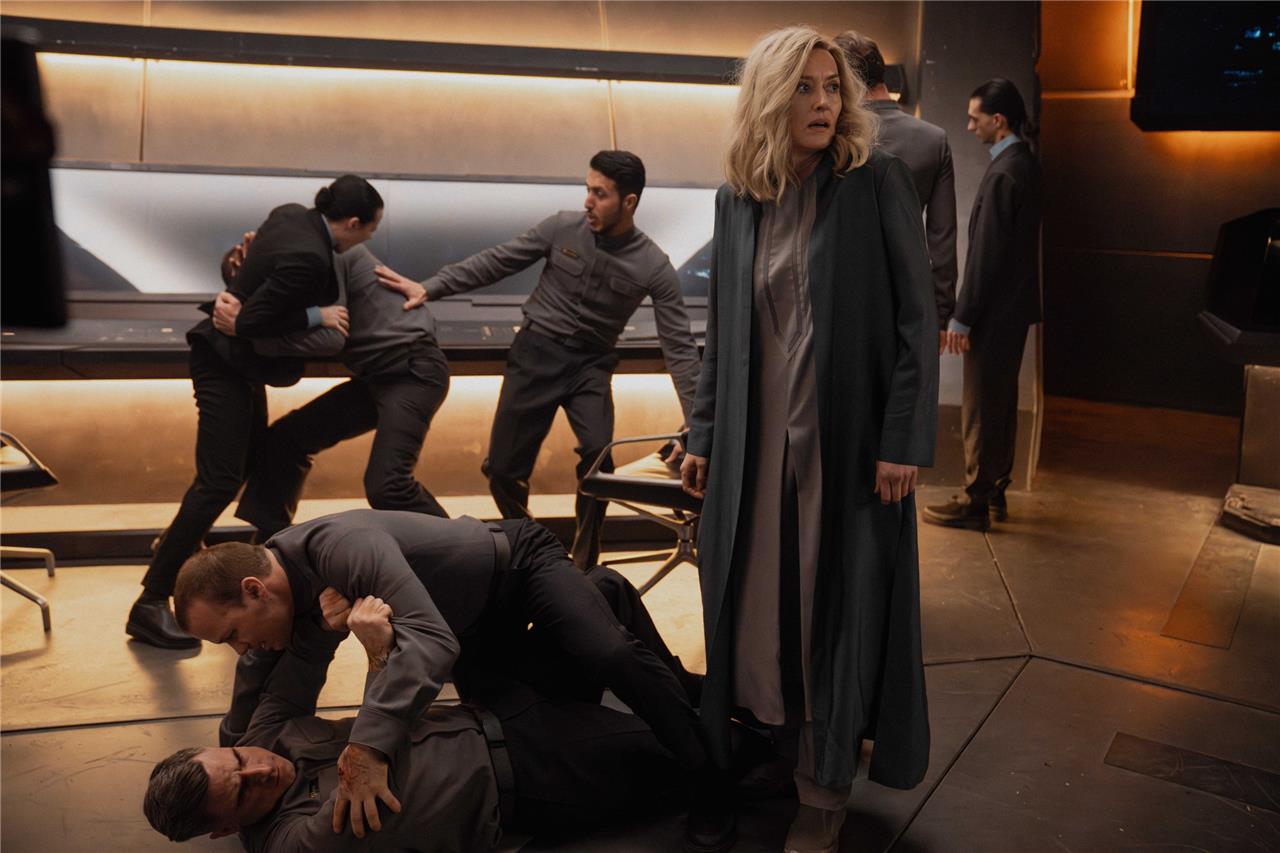
The Flood of the Halo TV show are a little bit more like traditional zombies than the games’ version. But to showrunner David Wiener’s credit, the series doesn’t skimp away on their gross creepiness. The larger zombified human forms sprout extra limbs, sprinting toward potential new hosts while wildly flailing their alien appendages. Soren and Kwan are left to shoot their way through the hordes of the undead in a surprisingly fun firefight. But even better is the fact that this scene ends with another of the finale’s interesting reveals: the visions Kwan has seen throughout the season are actually of someone trying to convert her into a willing assistant of the Flood.
The original Halo canon doesn’t really have an analogue to this, especially not on the human side of things, but it’s a fantastic and fascinating addition if the show has the guts to see it through. The Flood’s entire purpose is to end all organic life, which would basically make its human followers a death cult dedicated to bringing about the end of the universe, adding all life to the Flood collective hive mind – which is a both terrifying and cool idea for the show to explore. The Halo TV series has always seemed reticent about (and almost embarrassed by) the game series’ strangest lore, and it doesn’t get much stranger than the Flood. So for the series to dedicate time to exploring a religion that worships an ancient race of exterminators would be a fascinating step in the right direction, and a perfect counterpoint to the Forerunners and their Halos, which were once used as the ultimate anti-Flood weapon.
It should be telling that this is also the first episode of the Halo TV show where Master Chief sets foot on the titular ring and it only merits bringing up now. It’s hard to be particularly invested in his plot there when his reason for being there was so deeply tied to both Makee and the UNSC’s convoluted plotting this season. But it’s undeniably nice to see the familiar Forerunner architecture of the Halo ring rendered so well in the episode.
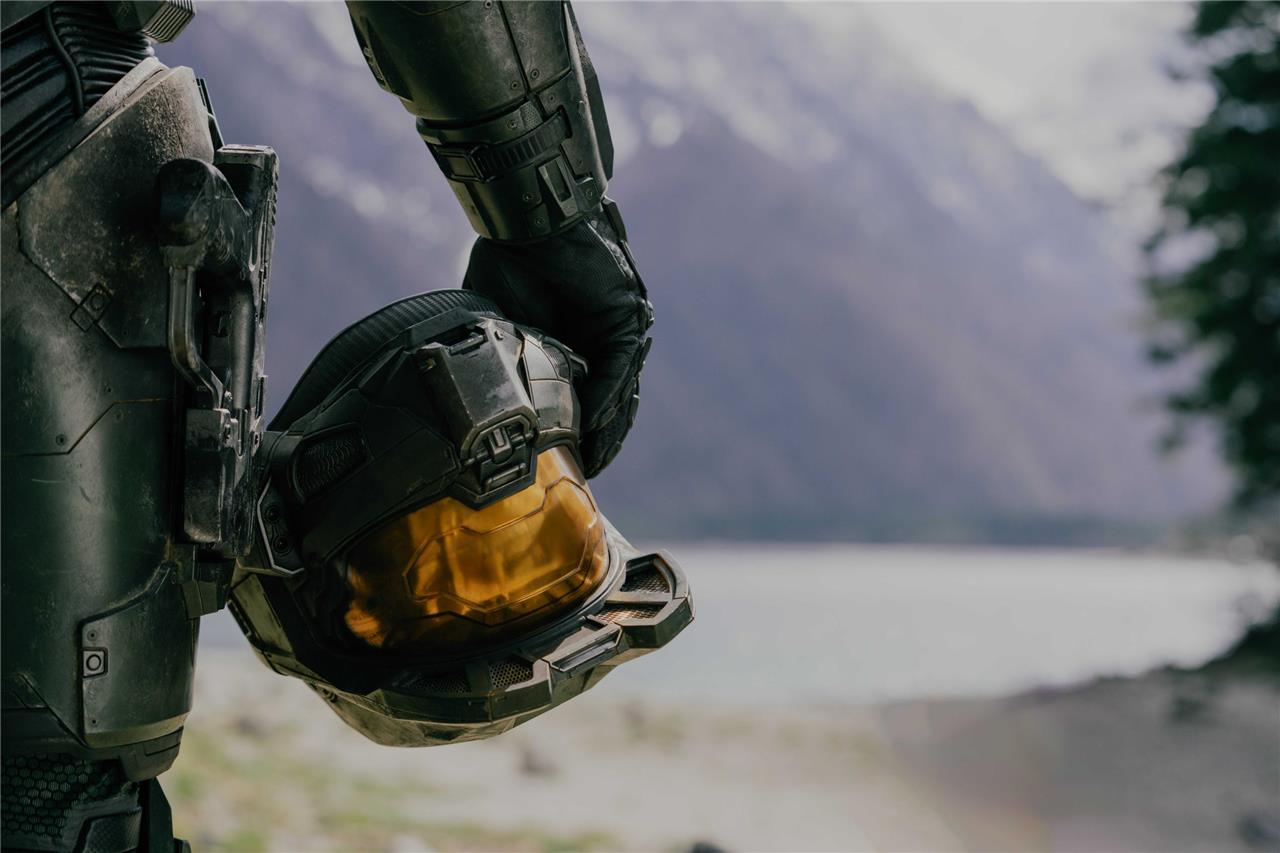
And just like the strong parts of the rest of this finale, the most interesting thing about Chief’s time on the ring is also Flood related. The season ends by revealing that Master Chief and Makee have both been spending time being interrogated by 343 Guilty Spark, the monitor of this particular Halo ring and long considered the most hated character in Halo history – mostly because he’s not particularly trustworthy and guides you through one of the first game’s worst levels. He’s also the first real representative of the Forerunners that players get in the games, and it’s fun to have him play a similar role in the show.
After 17 frequently grueling episodes, Halo finally feels like Halo by the end of its second season. It doesn’t excuse the fact that the road here was paved with boring subplots, frustrating characters, and bad writing. Remembering how watching all that build up felt certainly makes it hard to have optimism for what this show could be if it returns for a third season, even if it’s now in the best place it’s ever been. But hey, at least for fans of the games, the show finally looks and feels a little more recognizable now.
<
How did the season 2 finale justify blowing through Halo’s best lore moments
The season 2 finale of the Halo TV show justified blowing through the franchise’s best lore moments by delivering a high-stakes, large-scale battle with improved action, meaningful character interactions, and the long-awaited arrival of iconic elements like the Flood and the Halo ring itself. The finale elevated the production quality with intense battle dynamics, well-executed CGI, and a palpable sense of danger that made the protagonists’ struggles feel real and urgent.
Critically, the introduction of the Flood was handled with a strong sense of horror and tension, adding a fresh and terrifying threat that expanded the show’s scope beyond just the Covenant conflict. This shift injected much-needed unpredictability and fear, making the lore-heavy moments feel earned rather than rushed. The finale also embraced classic Halo visuals and themes, such as Master Chief finally arriving on the Halo ring and the glimpse of the Monitor Guilty Spark, which fans had been waiting for, thus rewarding viewers with authentic franchise milestones despite some narrative liberties.
Overall, the finale balanced wrapping up ongoing plot threads and delivering fan-favorite lore with improved writing and action, making the lore-heavy payoff feel worthwhile despite some earlier pacing and character development issues throughout the season.
How did the finale balance action and lore to justify its choices
The Halo TV show’s season 2 finale balanced action and lore by integrating high-octane, large-scale battles with key franchise mythology in a way that heightened emotional stakes and narrative payoff. The finale delivered intense, well-choreographed combat scenes that showcased the improved production quality and made the conflict feel urgent and visceral. Simultaneously, it introduced pivotal lore elements such as the Flood and the Halo ring, which had been eagerly anticipated by fans, thereby grounding the spectacle in the rich Halo universe.
This balance was achieved by using the action sequences not just as spectacle but as a means to deepen character development and advance the story, ensuring that lore moments like Master Chief’s arrival on the Halo ring and the appearance of the Monitor Guilty Spark were earned and impactful. The introduction of the Flood added a new layer of horror and unpredictability, making the lore-heavy content feel fresh and necessary rather than rushed. By weaving lore into the climax and aftermath of the battle, the finale justified its rapid progression through key story beats, delivering a satisfying convergence of spectacle and substance that resonated with both longtime fans and new viewers.
