
In the vast and perilous world of Dragon’s Dogma 2, your success hinges on more than just your own skills – it depends on the pawns you hire to fight by your side. But how do you find, hire, and make the most of these invaluable companions? From unlocking forgotten riftstones to summoning friends’ pawns across platforms, this guide reveals everything you need to master the art of pawn recruitment and command in Dragon’s Dogma 2. Whether you seek a powerful mage, a steadfast fighter, or a cunning archer, learn how to build the perfect team to conquer the challenges ahead.
Our Dragon’s Dogma 2 beginner’s guide to pawns will help you understand how the pawn system works, how to use your pawns, and how to find the best pawns for your party.
Round out your party with pawn vocations
To round out your party with pawn vocations in Dragon’s Dogma 2, it’s essential to strategically select pawns that complement your playstyle and cover various combat roles. Your Main Pawn can be customized and changed at any time, allowing you to tailor their vocation to support your needs, whether that be a Mage for magical support, a Fighter or Warrior for frontline defense and offense, or a Thief or Archer for ranged and stealth capabilities. Hiring additional Support Pawns from Riftstones lets you fill out your party with a balanced mix of vocations, ensuring versatility in battle. For example, having a Mage in your party is highly sought after for personal support, while mixing melee and ranged vocations like Fighters and Archers can create a classic, well-rounded team. Changing vocations and assigning specializations to pawns enhances their effectiveness, making them invaluable companions throughout your adventure.
Pawns can have the same vocations you can. At the start of the game, you’ll see Fighters, Archers, Mages, and Thieves. Each vocation has its strengths and weaknesses, and a well-rounded party can make all the difference in Dragon’s Dogma 2combat.
You should make sure your main pawn is a different vocation than the one you’re playing. (Close-quarters vocations, like Thief, complement ranged ones, like Archer.) For a truly versatile party, you should ensure every pawn you hire is different than the two vocations you’ve chosen for yourself and your main pawn.
Learn how to play new vocations from your pawns
To master new vocations from your pawns in Dragon’s Dogma 2, start by understanding the unique strengths and roles each vocation offers. Pawns can be assigned one of six basic vocations-Fighter, Archer, Thief, Mage, Warrior, and Sorcerer-each providing distinct combat styles and abilities that complement your playstyle. As you progress, you can unlock advanced vocations for even more specialized support. Strategically switching your pawn’s vocation allows you to tailor your party composition for balanced offense, defense, and support, such as pairing a Fighter with ranged vocations like Mage or Archer to maximize effectiveness. Experimenting with different vocations on your pawns enhances combat synergy and enriches your gameplay experience.
As you play through Dragon’s Dogma 2, you’ll likely end up unlocking not just all four starting vocations but up to six additional ones. Pawns are good at their jobs, so you can actually learn how best to play the other vocations by watching them fight. The pawns you can hire will even start to rock the locked vocations, like Warrior and Sorcerer – even before you’ve unlocked them.
Hire new pawns when you get stuck
When you find yourself stuck in Dragon’s Dogma 2, hiring new pawns can be a strategic solution. Your main pawn levels up as you progress, but the additional hired pawns do not gain experience while traveling with you, so swapping them out for others with different skills or higher levels can help overcome difficult challenges. You can hire pawns either from Riftstones, which offer a wide selection of players’ pawns, or encounter them roaming the world, providing spontaneous options that might better suit your current needs. Remember, you can dismiss pawns anytime by hiring new ones to keep your party optimized for the situation at hand.
Hired pawns don’t level up while traveling with you (your main pawn does, though), so you’ll be swapping them out pretty constantly. But since some pawns can help with your quests, you can also hire pawns specifically to lead you through objectives.
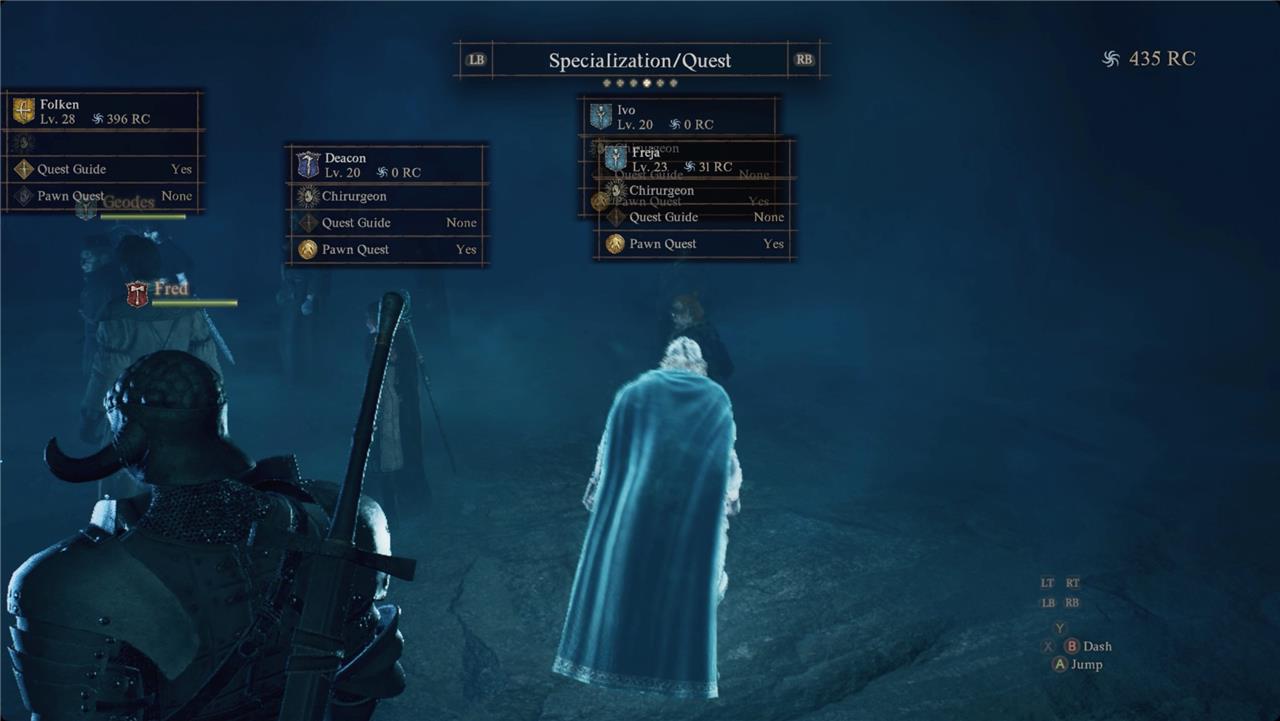
In the Rift at a riftstone, tab over to the Specialization/Quest option. Now, when you look at a pawn, you’ll see information about their Specialization, Quest Guide, and Pawn Quest on the panel above their head. Quest Guide is the one you’re interested in – it’ll either say “None” or “Yes.” “None” means they can’t help you, while “Yes” means they’ll guide you to the next step (at least) in your quest.
You can even change your current priority quest while in the Rift to see your options.
Or when you can’t beat a fight
When you find yourself overwhelmed in battle and can’t win a fight on your own, your Pawns become invaluable allies in Dragon’s Dogma 2. They can assist by drawing enemy attention, healing you, and providing crucial support with their unique skills and vocations. Using commands like “Help” can prompt your Pawns to aid you in critical moments, such as when you’re low on stamina or incapacitated. This teamwork can turn the tide of tough encounters, making Pawns essential for surviving and overcoming challenging fights.
Pawns are very knowledgeable about the world, it’s true. But you know what else pawns are? Strong.
If you’re having a hard time in Dragon’s Dogma 2 – either with a specific boss or just in general – you might want to consider hiring a high level pawn. Pawns that are your level or lower cost zero Rift Crystals (RC), but you can also spend RC to hire pawns that are higher level than you.
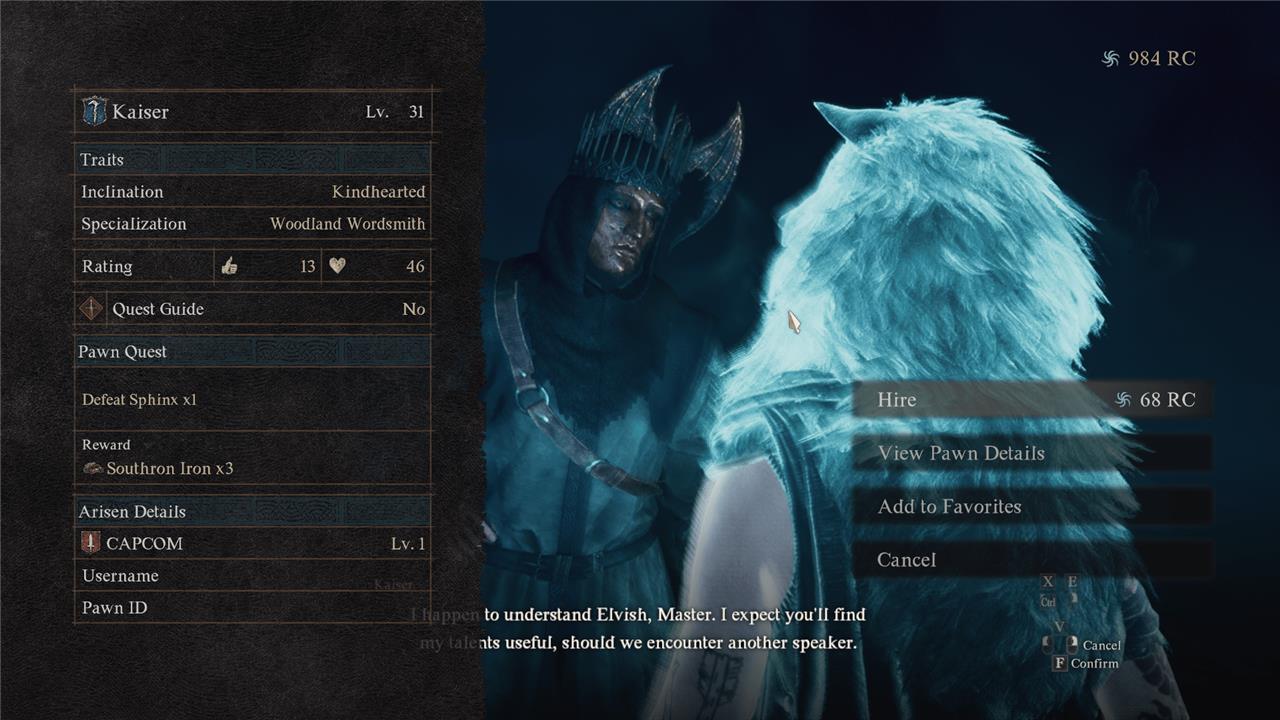
These high-level pawns have not only seen a lot of the world (meaning they have a lot of info to share with you), they’re also really powerful in battle. They probably have better gear than most other pawns, and they likely have stronger skills. But most importantly, they just have higher stats than the free pawns you could pick up.
No pawn is going to drop in and one-shot a dragon for you (at least, we haven’t been fortunate enough to find a pawn like that yet), but investing in a better pawn is a simple way to ease the difficulty of Dragon’s Dogma 2’s encounters.
Forgotten riftstones are pawn filters
Forgotten Riftstones in Dragon’s Dogma 2 serve as unique pawn filters that unlock specific search criteria for hiring pawns. When activated, these single-use Riftstones summon a powerful, high-level pawn for free, but more importantly, they grant access to specialized filters based on characteristics such as inclination, gender, or stature. Once a Forgotten Riftstone is activated, its filter becomes available at city Riftstones, allowing players to efficiently search for pawns with those particular traits. This system enhances the player’s ability to customize their party by selectively recruiting pawns that fit desired roles or behaviors, making Forgotten Riftstones invaluable tools for pawn management and recruitment strategy.
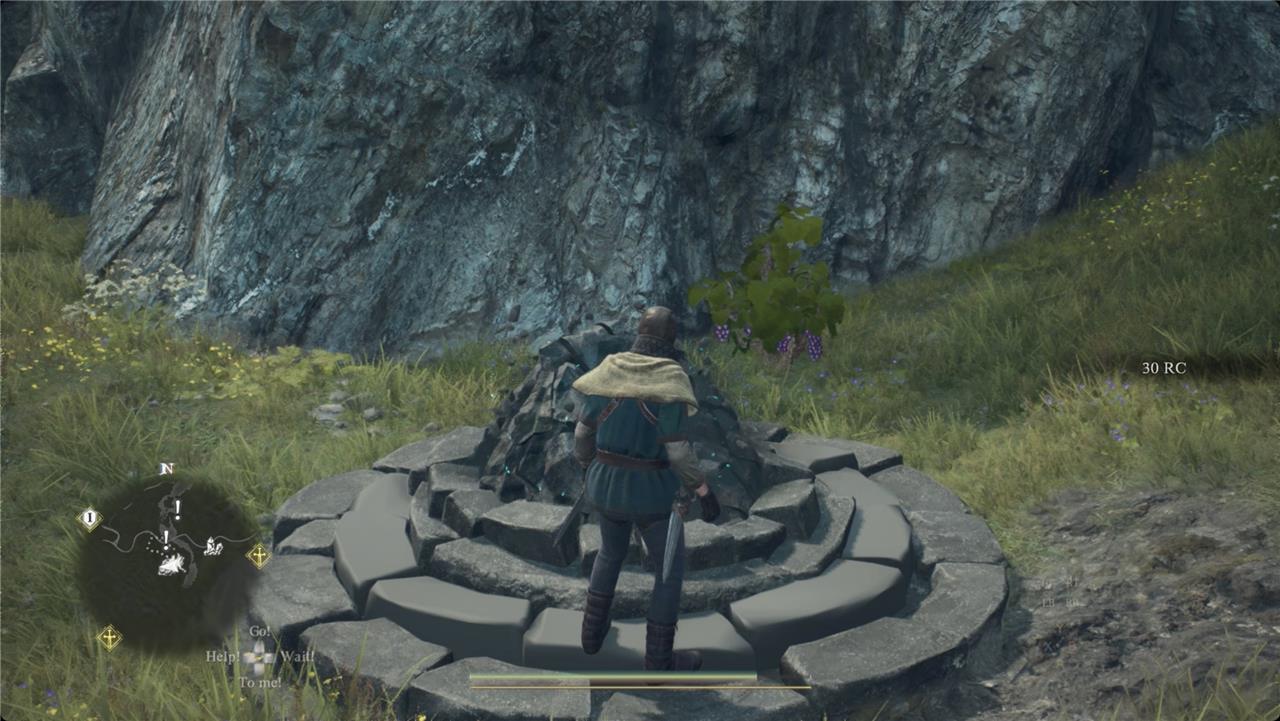
As you explore the world of Dragon’s Dogma 2, you’ll find broken riftstones. Interacting with them will repair them and let you hire pawns. These forgotten riftstones all have a specific criteria for the pawns you can hire there – things like their inclination, appearance, and pawn quests.
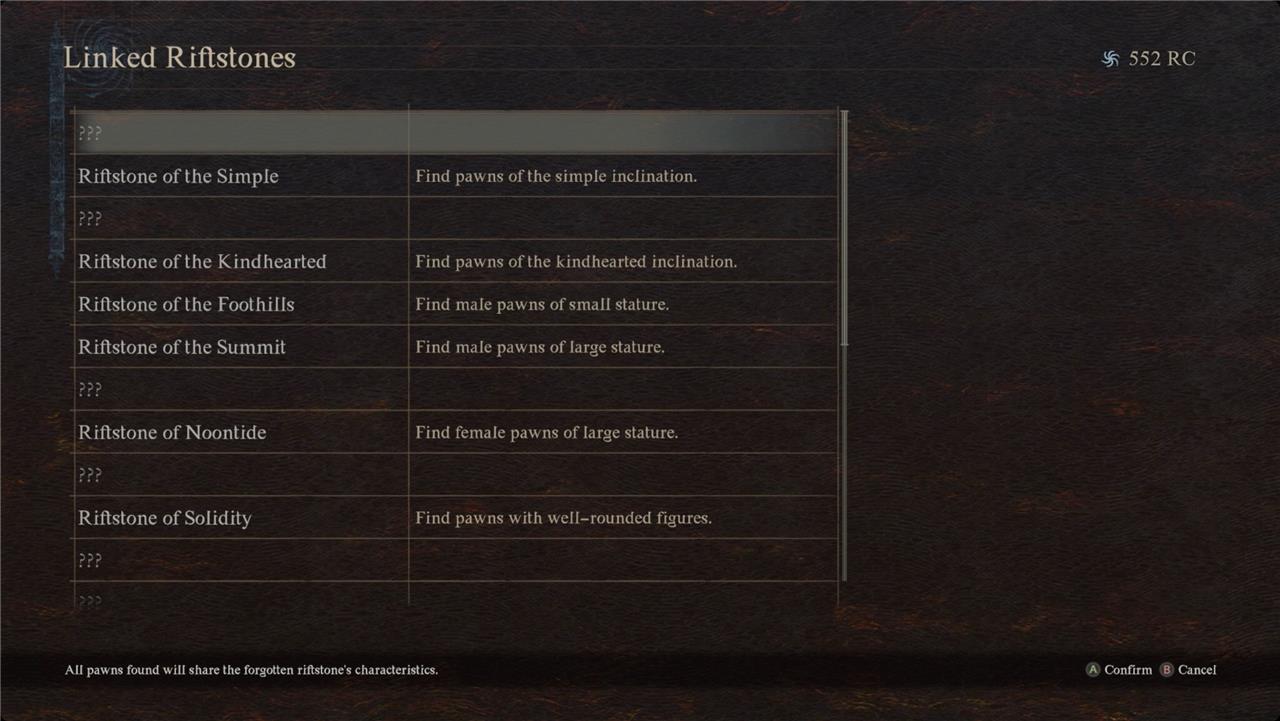
In Vernworth, the Grand Riftstone has an option in its menu to “view linked riftstones.” This displays all the forgotten riftstones you’ve found and lets you filter the pawns.
Pawns are pack mules
Pawns in Dragon’s Dogma 2 serve as invaluable pack mules, significantly expanding your carrying capacity beyond the Arisen’s limited inventory. They can carry a wide array of items, including gear and crafting materials, helping you manage weight constraints and keep essential supplies on hand during your adventure. Utilizing pawns as pack mules allows you to focus on combat and exploration without constantly worrying about inventory space. Just remember that items given to pawns will be sent to your storage upon their dismissal, so manage their inventory carefully to avoid losing important quest items.
Your inventory size (your max encumbrance) in a word, sucks. And your gear – armor and weapons – counts toward your encumbrance even when you’re wearing it, so you’re going to be limited in what you can pick up. It’s still a good idea to grab pretty much everything you can. You’ll use monster parts to upgrade your gear and fruits and herbs for healing.
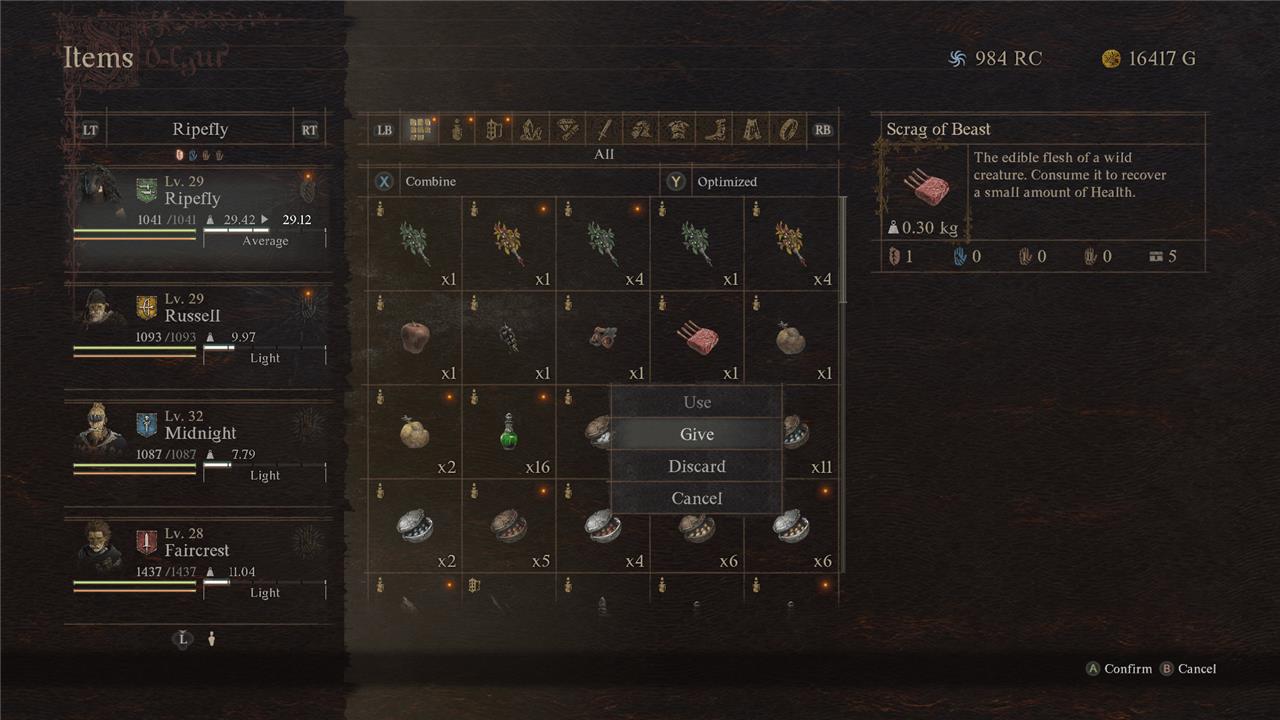
When your pack gets full and you become heavy, unload some of that stuff onto your pawns. In your inventory, select an item, and choose “Give.” That drops the item into their inventory.
Fighters tend to have the highest carrying capacity, so load them up with the heaviest stuff like camping kits and extra weapons.
Empty your pawns’ inventories before dismissing them
Before dismissing your pawns in Dragon’s Dogma 2, make sure to empty their inventories of any valuable or important items. While pawns can carry extra gear and materials to help manage your overall inventory, anything left in their possession when they are dismissed or die will automatically be transferred to your storage at inns, not lost permanently. However, to avoid confusion or accidental loss of items, it’s best to clear out their inventory beforehand. This also helps you keep track of your resources and ensures you don’t miss out on anything useful your pawns might have picked up during your adventures.
Dismissing a pawn means they take their inventory with them – and you can’t get it back. This is a problem if you, like we said above, use pawns to take all your extra junk.
Before you dismiss a pawn, make sure to check their inventory. Either head to an inn and dump their stuff into your storage or just spread it across the other pawns temporarily.
Your pawn’s gear is just as important as your own
Your pawn’s gear is just as important as your own because well-equipped pawns can survive longer in tough battles and deal more damage, making them far more effective companions. Upgrading their weapons and armor ensures they contribute meaningfully in combat rather than simply serving as distractions. Additionally, a well-geared pawn is more appealing to other players who may want to hire them, increasing your chances of gaining rewards and better items through multiplayer interactions. While you don’t need to constantly upgrade their gear, matching their equipment quality to your own is a smart strategy to keep your party strong and balanced throughout your adventure.
Picking up a bunch of resources so you can buy and upgrade your gear is critical in Dragon’s Dogma 2. Your main pawn needs the same level of attention.
Make sure you’re regularly enhancing the weapons and armor of your main pawn. This will not only allow them to help you more effectively – keeping them alive during big fights and ensuring they deal decent damage – but it’ll also make them more desirable to other Dragon’s Dogma 2 players who might want to hire them.
Make sure to set a quest for your pawn each time you rest
Each time you rest at an Inn in Dragon’s Dogma 2, make sure to set a Pawn Quest for your main pawn. This involves visiting a Grand Riftstone, examining it, and selecting the option to assign a quest and reward for other players who might hire your pawn. Setting these quests not only incentivizes other players to recruit your pawn but also helps your pawn gain experience and rewards in the background, making them stronger and more useful on your adventures. You can update or change the quest after your pawn returns from being hired, typically when you rest again, ensuring your pawn stays active and beneficial to your gameplay.
When you rest in a bed, you’ll get a summary of everything your main pawn has done out in the world(s) since your last rest. This is where you’ll see who your pawn has adventured with, what rewards they have for you, and what kinds of monsters they’ve killed. And once you’ve finished looking over the summary, you can set up a new quest for their next adventure.
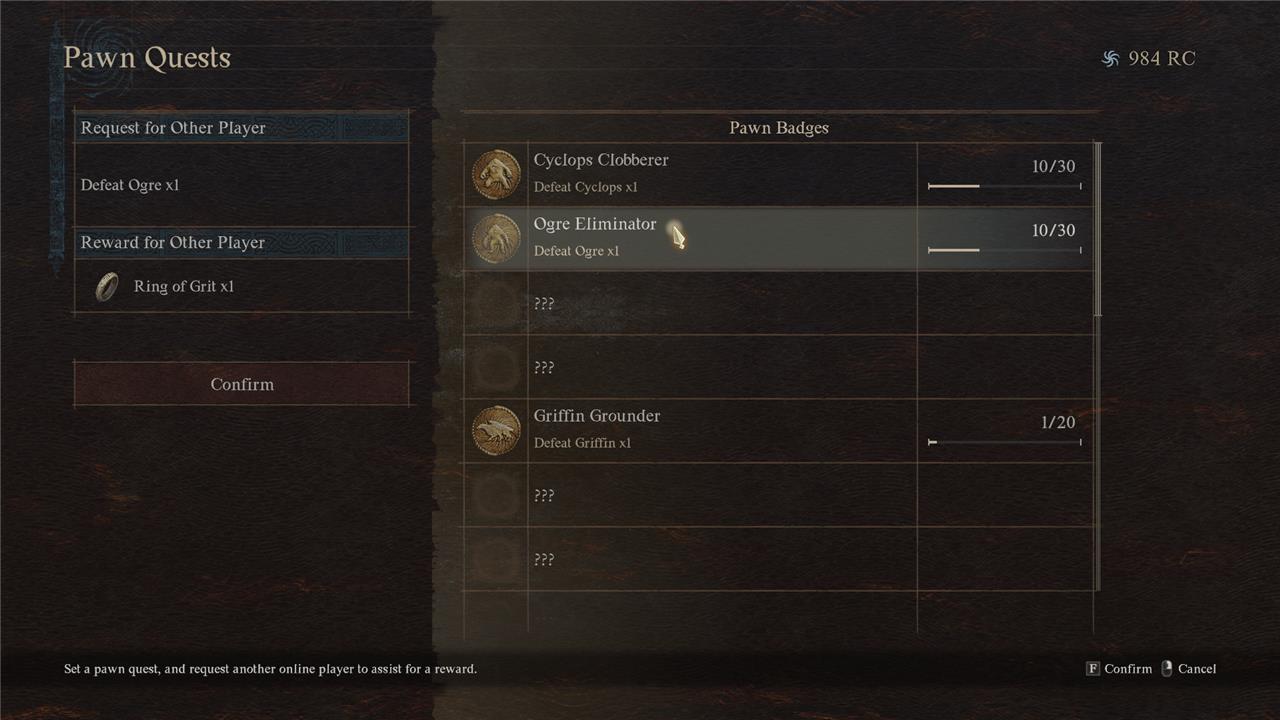
Let’s say you want to increase your pawn’s Cyclops Clobberer badge, making them more effective in combat against cyclopes (which is the plural of cyclops, apparently). Set up your pawn with a cyclops hunt quest and offer something desirable as a reward, like gold. Chances are, an Arisen going on a cyclops hunt will grab your pawn to help them out so they can fulfill the quest and earn a payday. Or, if you’re just looking for some RC, set a really simple quest for your pawn and offer a decent reward. An Arisen might grab a lower level pawn if they come with a guaranteed bonus.
Doing this not only benefits you and your pawn – by increasing their badges and earning you RC – it also benefits the Dragon’s Dogma 2 community!
Listen to your pawns when they point out things
In Dragon’s Dogma 2, listening to your pawns when they point out things can be a crucial part of your adventure. Pawns act as more than just combat companions-they offer guidance, share quest-related information, and provide helpful hints that you might miss otherwise. They can alert you to important quest objectives or dangers nearby, making it easier to navigate the world and complete tasks efficiently. Using commands like “go” allows pawns to lead you toward quest locations they know, enhancing your gameplay experience by leveraging their accumulated knowledge from previous adventures. Paying attention to their advice and observations can significantly improve your success in both exploration and combat.
The pawns you travel with – both your main pawn and the pawns you hire – tend to be pretty talkative. A lot of what they say is filler, but sometimes they’ll point out resources nearby.
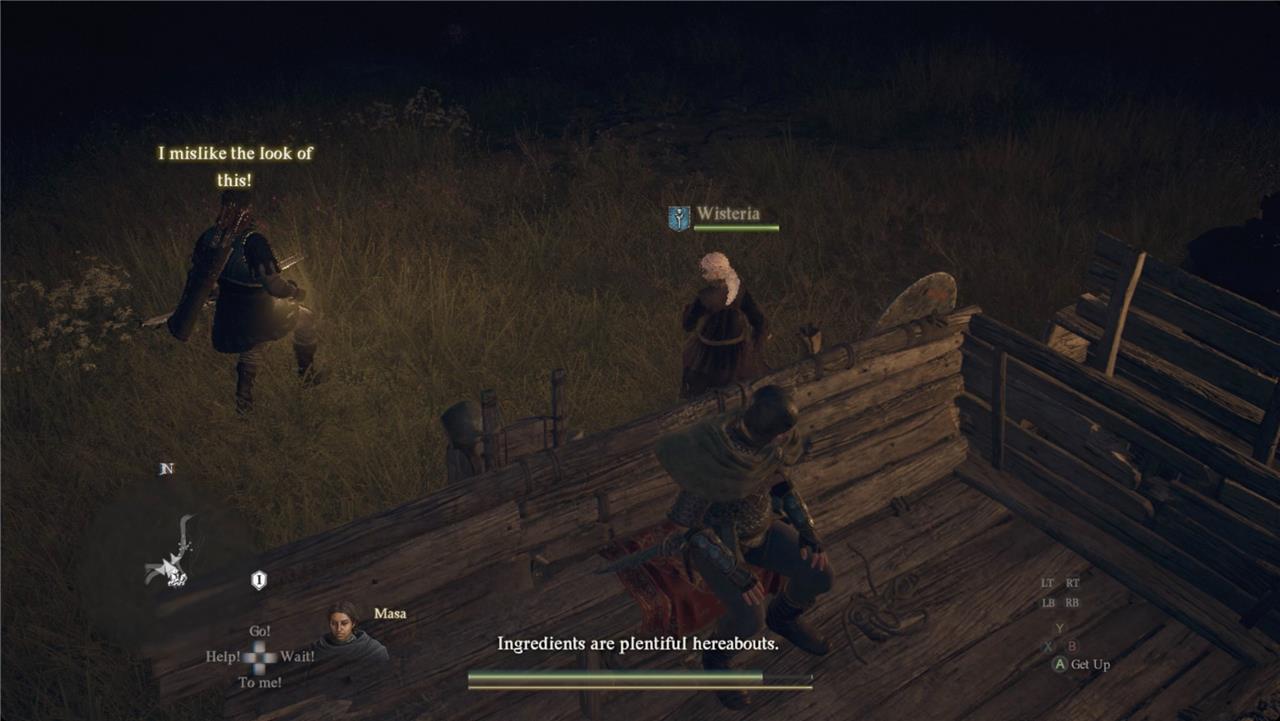
When they do that, a crystal icon will appear on your mini map. That crystal icon could mean anything from fruits to ore to just a body you didn’t loot.
They’ll also call out ladders, treasure chests, and caves from time to time.
More importantly, some pawns have information about quests you’re working on. When this happens, you can hit the “Go!” pawn command (up on the D-pad), and they’ll take the lead. Their icon on the mini map becomes a hand and they’ll take the lead so you can follow them to the next objective.
Revive your downed pawns
In Dragon’s Dogma 2, when your pawns fall in battle, you have a limited time to revive them by approaching and holding the revive button prompt as long as you avoid interruptions from enemies. If you fail to revive your main pawn in time, they become “forfeited,” but can be brought back by interacting with any Riftstone, which will respawn them with their inventory intact. Support pawns that forfeit must be resummoned via Riftstones and may require re-hiring if lost. This revival system ensures your trusted companions can quickly return to the fight, keeping your party strong and ready for the challenges ahead.
As strong as they are, your pawns can fall in battle (or by literally falling off a cliff). When a pawn’s health hits zero, they fall down and are immobile. Their icon on your minimap will change to a skull; on PlayStation 5, you’ll get an audio alert from your controller that, for no reasonable rationale whatsoever, you can’t disable.
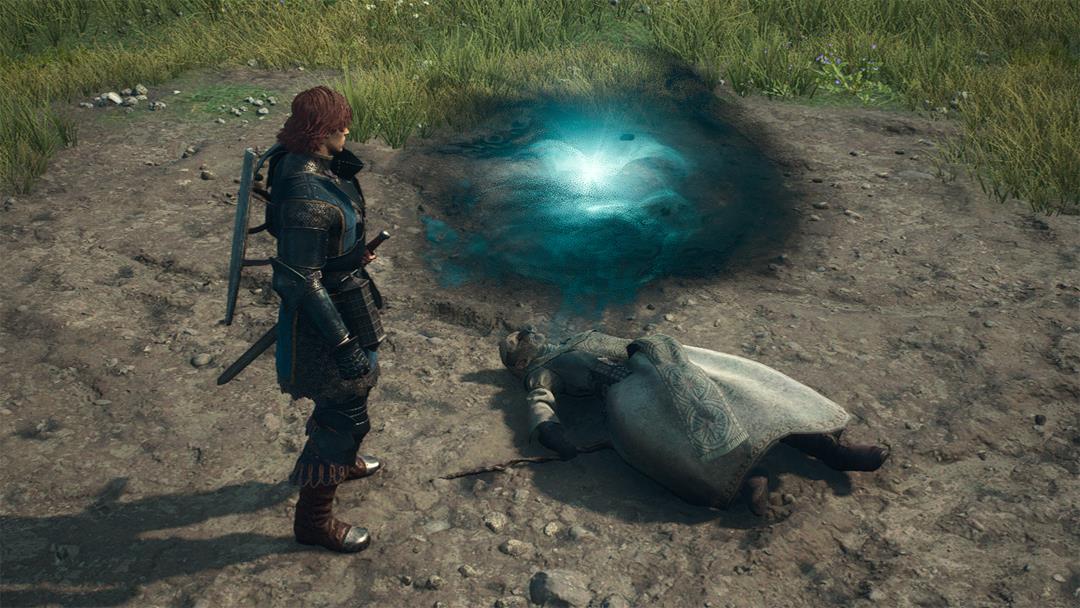
If (when) this happens, approach them and hold the button to revive them. They’ll pop back up with the same amount of health that you have.
If you don’t get to them in time, they’ll be lost and removed from your party (and you’ll lose whatever was in their inventory – see above). Those pawns can’t be retrieved. If your main pawn is the one that falls, they’ll still disappear, but they’ll be summoned again the next time you touch a riftstone.
How can I find and summon specific pawns in Dragon’s Dogma 2
To find and summon specific pawns in Dragon’s Dogma 2, start by locating and interacting with a Riftstone in the game world. Once you enter the Rift via the Riftstone, examine the stone again to open the pawn menu, then select “Search for a Pawn” to access various search options.
You can summon pawns in several ways:
-
Friends’ Pawns: Select this option to view pawns created by players on your friend list for your platform (Steam, PSN, or Xbox). Summoning pawns from friends costs no Rift Crystals (RC), making it the easiest and most cost-effective method.
-
Search by Pawn ID: If you know the unique alphanumeric Pawn ID of a specific pawn, you can enter it to summon that exact pawn. You can find your own pawn’s ID in the main menu under Status > Pawn tab, which you can share with others to facilitate summoning.
-
Advanced Search: You can filter pawns by vocation, level range, personality, skills, and knowledge of current quests to find pawns that best fit your needs.
Note that pawns are not cross-platform, so you can only summon pawns from players on the same gaming platform as you.
After summoning a pawn, interact with it in the Rift to hire it into your party and benefit from its unique skills and quests.
How do I search for a specific pawn using their Pawn ID in Dragon’s Dogma 2
To search for a specific pawn using their Pawn ID in Dragon’s Dogma 2, follow these steps:
-
Locate and interact with a Riftstone in the game world to enter the Rift.
-
Once inside the Rift, examine the Riftstone again to open the Rift menu.
-
Select “Search for a Pawn” from the menu.
-
Scroll down and choose “Search by Pawn ID.”
-
Enter the full alphanumeric Pawn ID code of the pawn you want to summon.
-
Confirm the search, and if the Pawn ID is valid, the specific pawn will appear for you to summon.
After summoning, interact with the pawn in the Rift to hire it into your party.
You can find your own Pawn ID by opening the Pause Menu, selecting “Status,” then tabbing to your Pawn and the “Pawn” tab, where the Pawn ID is displayed under Arisen Details. Sharing this ID allows others to summon your pawn using the same method.
