
Choosing your first traveler in Octopath Traveler 2 isn’t just about favorite designs or stats-it shapes your entire adventure. Each hero brings a distinct path action, tone, and challenge, making that first decision feel far weightier than it appears on the surface.
The new additions in Octopath Traveler 2 are latent powers, special abilities the characters can use in battle once a gauge fills up, similar to Final Fantasy’s famous limit break function. Octopath Traveler 2 also adds a daytime and nighttime system, giving characters two Path Actions instead of just one.
Path actions are non-combat skills that characters can use on NPCs. There’s lots of overlap between path actions, as they mostly result in knocking somebody out, getting information, or getting an item from an NPC. However, the method the characters go about it are different.
You can also add secondary jobs down the line, but these are the ones you will start with and keep. Secondary jobs will give you stats and skills, but you will not be able to do everything that a character with that primary job will be able to do. For example, Ochette is a hunter who can capture and use animals to fight for her, but a character with a secondary hunter job cannot possess that skill.
<
You might be wondering which character is the best to start with, and for that, the answer is: Well, it kind of depends. How you want to play is entirely up to you, and you can unlock all of the characters pretty soon after starting. The only reason why your first pick matters is that you cannot swap them out of your party until you beat their final chapter. You’ll want to take everything into account when selecting your first character: their passive skills, latent ability, weapons and elements, path actions, and just how they play generally. Below, we talk about the eight characters and explain how useful (or not-so-useful) they are in the early game.
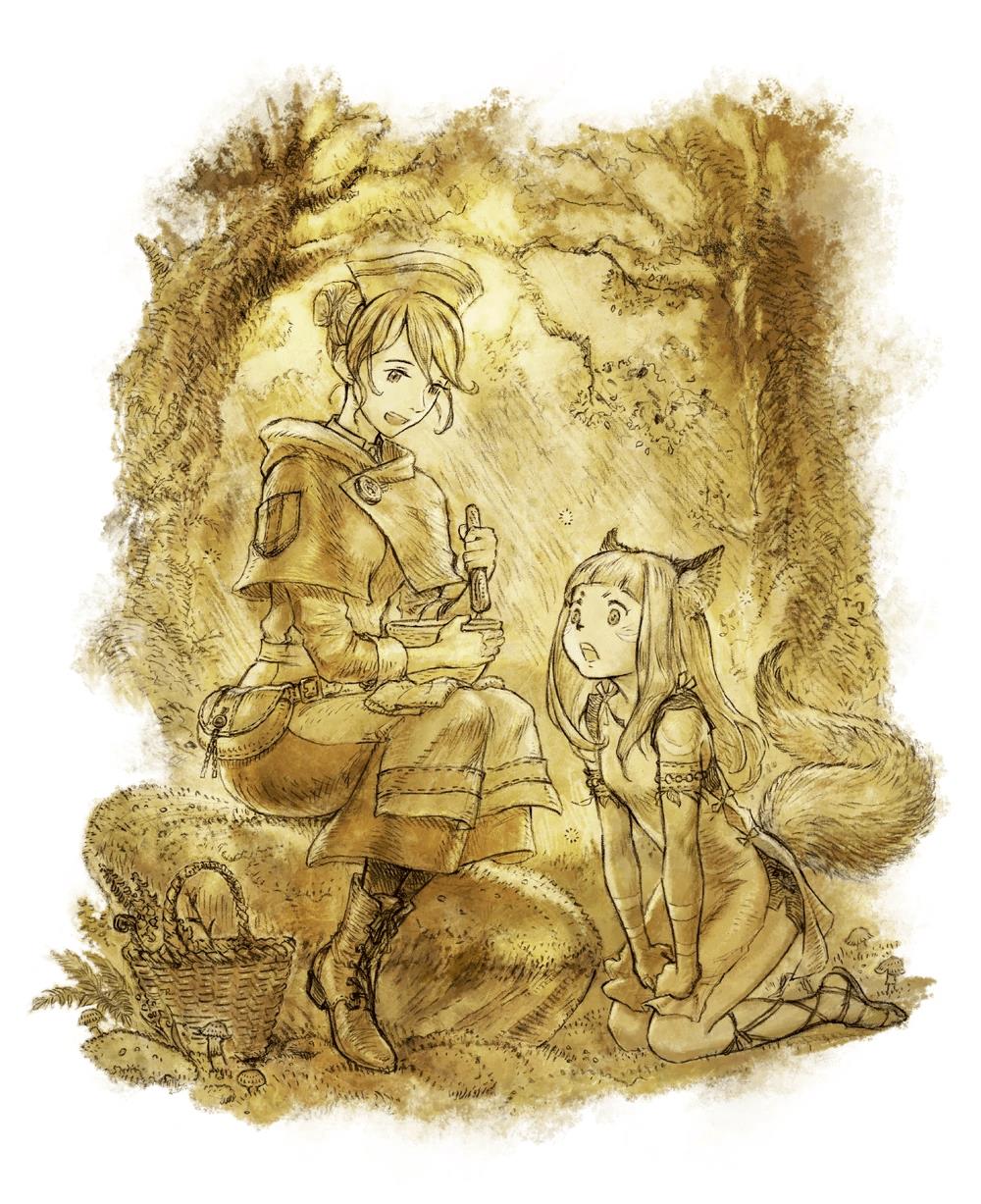
Ochette (Hunter)
Ochette offers a strong mix of physical power and creature-based abilities, making her a great pick for players who enjoy direct combat and flexible support options. Her ability to capture and summon monsters adds tactical depth, allowing her to adapt to many fight scenarios. The early game benefits from her high damage output and reliable accuracy, giving her an edge against tougher foes. However, managing her captured creatures takes some attention, so she best suits players who like experimenting with strategy in battles.
Ochette captures monsters and then can either summon them for her own use in battle or turn them into items, like HP-restoring Jerky. Her latent power gives her access to special skills that deal massive damage, hit multiple targets, or buff her up. She uses an axe, a bow, and electric magic.
During the daytime, Ochette can Provoke people into battle, while at night, she can Befriend NPCs using items they like in order to get them to follow her. These NPCs can then be used in battle.
Should you start with Ochette?
While her animal companions can give her a wide-range of attacks, she’s pretty dependent on having strong monsters on her side. Her latent power isn’t anything particularly thrilling, though the debuffing and shield-breaking ability is strong. She can, however, provide a plethora of healing items by sacrificing her captured animals.
She does start between the two continents, giving you early and quick access to the other characters quickly.
Castti (Apothecary)
Castti serves as a versatile heal-and-support option, offering steady status restoration and solid synergy with other party roles, making her a reliable choice to anchor your early lineup.
Castti concocts items together to deal elemental damage or apply status effects to enemies. She can also mix items to heal her party mates. Her latent power allows her to concoct without using any items. She uses an axe as a melee weapon and ice magic.
Castti can Inquire people during the daytime for info and Soothe people at nighttime to put them to sleep.
Should you start with Castti?
Castti’s bread-and-butter skills involve having lots of ingredients to deal massive damage. Without them, she’s not great. However, apothecaries do have a cheap heal that also doubles as a revive, which can be extremely useful in the early game.
Castti is unlocked on the western continent, near Hikari, and south of Agnea and Partitio.
Throné (Thief)
Throné is a stealthy thief who excels at striking from the shadows and stealing valuable items from enemies, making her a strong early pick for players who enjoy strategy and precision. Her ability to weaken foes while pilfering useful gear gives her an edge in both combat and exploration. She also has one of the more personal and grounded stories, centered on breaking free from her past, which adds emotional weight to her journey through Solistia.
Throné is a sneaky thief with sticky hands, as she can steal from enemies. Her latent power allows her to have two actions in one turn. Throné uses a dagger, a sword, and dark magic.
At nighttime, she buffs up the party at the start of battle.
During the day, Throné can Steal from NPCs; at night, she can Ambush them, knocking them out without need for a battle.
Should you start with Throné?
Full disclosure: I started Octopath Traveler 2 with Throné. Her Steal ability is extremely useful early, as being able to swipe items and equips from townspeople helps you save (and make) money. She has reliable damage, and as a thief, she has lots of useful debuffs. Most importantly, her nighttime buff is not to be overlooked. It gives you (essentially) three turns of disgusting levels of damage at the start of each battle, making each boss a breeze. Paired with Temenos’ debuff at the start of battle, you can obliterate enemies no problem.
Throné is on the eastern continent, close to Temenos and Osvald.
Osvald (Scholar)
Osvald begins his tale as a scholar driven by vengeance after being wrongfully imprisoned. His story offers a deep and personal narrative focused on intellect and discovery. In battle, his powerful spells and ability to exploit enemy weaknesses make him a strong choice for players who enjoy a tactical approach. However, his slow start and solitary beginning can make early progress challenging, especially for those new to the game.
Osvald is a master of casting area-of-effect spells. His high mana costs are there for a reason: When he casts a fire-spell, it’ll hit every monster in the fight. His latent power allows him to channel that energy into one target, hitting that target very hard. He uses a staff as weapons and uses fire, ice, and electric magic.
Osvald can Scrutinize people for information during the daytime and Mug them for items at night. In battle, he can reveal a few enemy weaknesses immediately once the fight starts.
Should you start with Osvald?
Osvald does a ton of damage, but is limited by his mana pool in the early game. He doesn’t have much, and his skills are expensive to use. That said, he’s quite good at taking out many enemies at once. His ability to reveal weaknesses at the start of battle is also great, so you don’t have to spend a few turns guessing.
Osvald starts at the northern part of the eastern continent, near Throné and Temenos.
Partitio (Merchant)
Partitio is a practical starting choice for players who enjoy building wealth and supporting their team through trade. His ability to purchase items directly from townsfolk can save both time and travel, giving you access to strong equipment early. In battle, he excels at boosting allies’ power and managing resources, making him a reliable foundation for any party setup. His story also moves briskly, offering a more grounded and focused opening compared to some other characters’ paths.
Partitio is a merchant from the west. In battle, he can use money to hire people to fight for him. His latent power allows him to instantly restore BP. He uses a polearm and bow as weapons and uses fire magic.
During the daytime, Partitio can Purchase items from NPCs, and at nighttime, he can Hire NPCs into follow him. Just like Ochette and Tenemos, these NPCs can be summoned into battle. His hired NPCs can also help him get discounts and other benefits from shops.
Should you start with Partitio?
Partitio is more of a support, but he can help you make lots of money early by using the merchant’s Collect ability on weakened monsters, along with his money-boosting support skills. He can also help supply your team with BP, as he can donate his to party members, allowing them to keep flinging attacks.
Partitio starts on the western continent in the northern area, near Agnea.
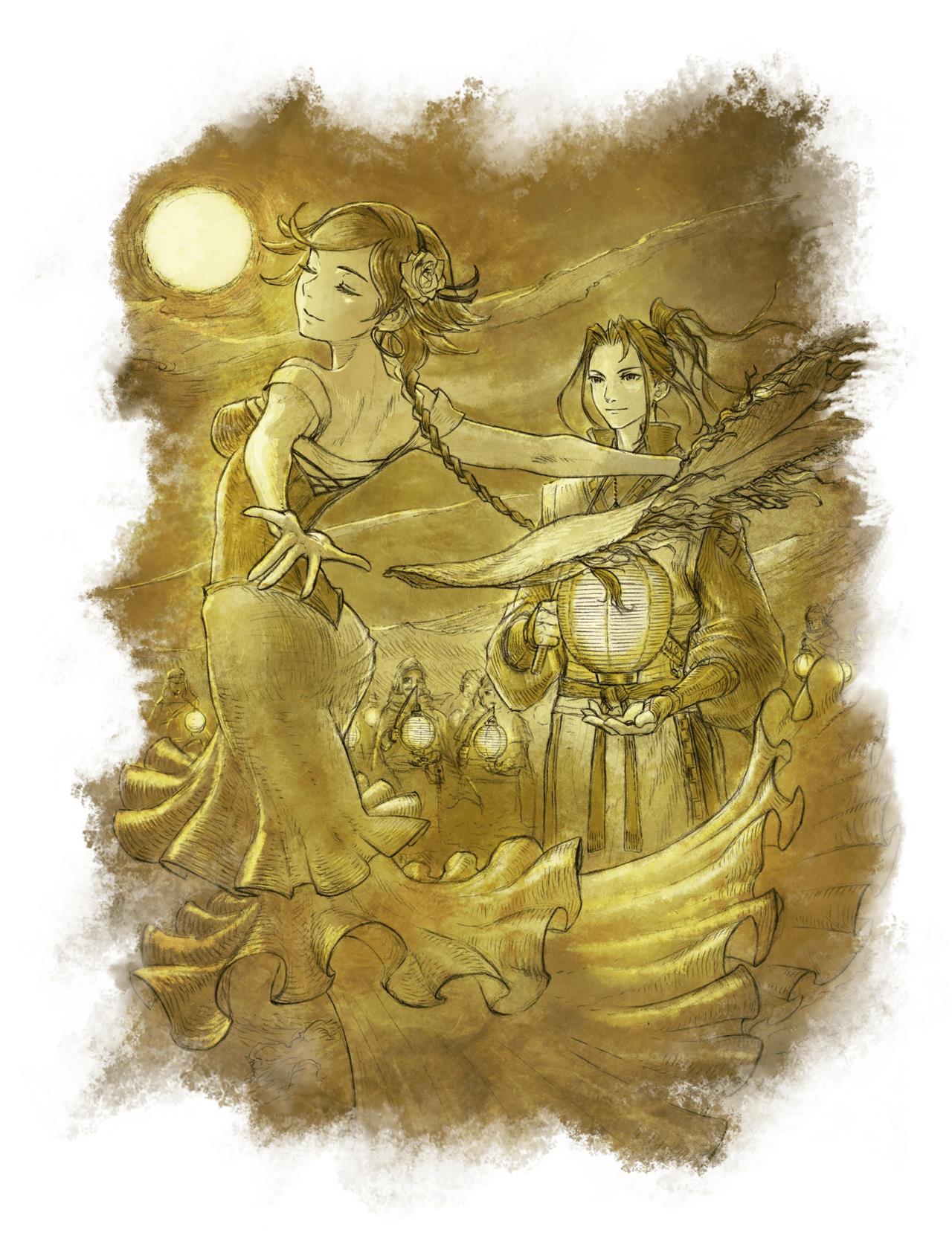
Agnea (Dancer)
Agnea’s story begins in a quiet village, where her dream is to bring joy to people through her performances. She’s a supportive choice for those new to the game, as her abilities to boost allies’ stats and recruit villagers for aid provide steady advantages in battles. Her path actions offer flexibility both in and out of combat, making her a reliable option for players who like a balance between charm and strategy.
Agnea specializes in buffing up team members, including the NPCs that she can summon to her aid. Her latent power spreads single-target buffs to the whole party. Agnea uses a dagger and wind magic.
Agnea can use her Allure ability to get townspeople to follow (and fight for her) during the daytime and Entreat NPCs for items at night.
Should you start with Agnea?
Agnea, like Partitio, is more of a support character, but she’s still quite useful. Her Entreat ability allows her to kindly ask NPCs for their items, which is extremely useful early. Her damage is lacking, but she can buff up your team’s attack and bump their turns up in battle, allowing you to get some extra powerful hits in.
Agnea starts on the northern part of the western continent, near Partitio.
Temenos (Cleric)
Temenos is a balanced starting choice for players who prefer a mix of offense and support. As a Cleric, he excels at healing allies and exploiting enemies weak to light magic, making early battles more manageable. His story begins in the sacred city of the church, offering a thoughtful narrative and access to powerful restorative skills. While his attack options are limited early on, pairing him with a strong physical character later can cover his weaknesses and create a versatile team.
Temenos casts holy magic and casts party-wide healing spells. His latent power allows you to deplete enemy Shield Points even if they’re not weak to his attack type. He uses a staff and holy magic.
When you use Temenos at night, enemies will start with debuffs at the start of battle.
Temenos can Guide NPCs around during the day and Coerce people at night to get information from them. In order to successfully Coerce them, you’ll have fight them and break their shield in a battle.
Tenemos’ guided NPCs can be summoned into battle to help you fight as well.
Should you start with Temenos?
Temenos’ partywide heal is useful and his holy magic does a ton of damage. His latent ability guarantees that he can break shields, making him a boss-destroyer. His nighttime ability that debuffs enemies also makes killing bosses a breeze. Pair him with Throné (who is nearby!) to really destroy enemies in the starting turns at night.
Temenos is on the eastern continent below Osvald and above Throné.
Hikari (Warrior)
Hikari is a balanced and powerful choice for those who prefer a straightforward combat style. His strong physical attacks, sword and polearm skills, and ability to learn techniques from defeated foes make him versatile in early battles. His story adds emotional depth through themes of honor and redemption, offering steady progression and rewarding duels that suit both new and experienced players.
Hikari is a warrior prince fighting for his kingdom. His latent power allows him to unleash extremely powerful attacks. He uses a sword and polearm. Natively, Hikari doesn’t do magic.
During the daytime, Hikari can Challenge NPCs to knock them out and learn new combat abilities from them. At night, he can Bribe people for information.
Should you start with Hikari?
Hikari is a traditional JRPG warrior through and through. He deals massive damage and can protect your allies by taunting the enemy. His ability to learn new skills from NPCs is valuable, but in general, he’s a reliable tanky boy who can dish what he takes. His lack of magic makes him hard to start with, as you’ll only be sporting two ways (sword and polearm) to break shields early.
Why is Agnea the best starter for beginners
Agnea is often called one of the most beginner-friendly starters because she keeps your whole party safer and stronger without demanding much system knowledge.
Core reasons she’s great for beginners
-
Simple, supportive role
Agnea’s base job, Dancer, focuses on buffs and basic magic, so your main job is to keep allies strong rather than juggle complex damage rotations. This is forgiving if you’re still learning break, boost, and turn order. -
Party-wide buffs with her Latent Power
Her Latent Power, All Together Now, turns single-target skills into party-wide buffs or attacks for one turn, letting you supercharge your team with one button press. That means one Peacock Strut or defense buff can suddenly cover everyone, which makes difficult early fights much more manageable. -
Great early-game survivability and comfort
Because she can stack offensive and defensive buffs, bosses feel less punishing and trash fights are safer while you learn enemy patterns. You don’t need perfect gear or optimized sub-jobs to feel her impact. -
Useful path actions for learning the world
By day, Allure lets her recruit NPCs who can fight with you, giving beginners “extra” party members and damage without complex setup. By night, Entreat lets her obtain items for free if she’s high enough level, gently teaching you how level gates and town NPCs work. -
Scales well into late game
As you unlock sub-jobs (like Merchant, Scholar, Inventor, or Apothecary), Agnea’s party-wide buffing from All Together Now turns many of those kits into extremely strong support or utility tools, so she never really falls off. This makes her a safe investment if you don’t yet know how you’ll build your final team.
If you want a starter who smooths out difficulty spikes, rewards basic understanding of buffs, and fits a positive, upbeat story, Agnea is a very comfortable choice for a first run.
How does Agnea’s Allure and Entreat work in early game
Agnea’s Allure and Entreat are both very simple in early game, and they mainly help you get extra power and free items while you’re still weak.
Allure in early game (daytime)
-
Allure is Agnea’s daytime path action: you target certain NPCs with a percent-chance check; if it succeeds, they become a follower. The chance goes up as Agnea’s level rises, so low-level Agnea may fail more often on higher-level NPCs.
-
Once an NPC is following you, you can Summon them in battle a limited number of times; they come in, use their attack or support skill for a few turns, then leave the fight but still remain your follower afterward.
-
In Octopath 2, allured companions also interact with Agnea’s dances via her talent Dance Session: when you use a dance (Lion Dance, Peacock Strut, etc.), the follower adds an extra effect like damage, HP/SP restore, BP gain, or other buffs to the dance’s target.
-
Early on in Cropdale and nearby towns, you can Allure villagers who give strong healing, SP restoration, BP, or AoE attacks when you dance, massively smoothing boss fights and random encounters for a new player.
Entreat in early game (nighttime)
-
Entreat is Agnea’s nighttime path action: you walk up to NPCs and, if Agnea meets the required level, you can politely “ask” them for the item they’re holding, and they just hand it over.
-
Unlike stealing, Entreat has no RNG: either you meet the level requirement and get the item, or you don’t and the option is locked until you level up more.
-
Very early in Cropdale, this lets you pick up good equipment, consumables, and quest items at no cost, teaching you to check NPC inventories regularly and giving you a gear advantage without money or risk.
In the early game loop, you mostly use Allure to grab one or two strong followers who supercharge your dances in combat, and use Entreat at night to quietly strip towns of useful items as soon as Agnea’s level allows it.
