
Can you survive a Nuzlocke run in Pokémon Scarlet and Violet? With open worlds, new mechanics, and unpredictable encounters, this challenge pushes every trainer’s strategy-and their luck-to the limit.
This all works well in Pokémon games with linear, disparate routes to journey through, ones with tall grass hiding wild Pokémon that are just waiting to jump out and attack you. But with Pokémon Scarlet and Violet, the main series now has an open world with Pokémon roaming about freely, and there are no random encounters at all. How do you do a true Nuzlocke in a game where you can scan an area and pick out the Pokémon you need, rather than getting stuck with whatever jumped out of the grass?
A traditional Nuzlocke may not be fully possible in Scarlet and Violet, but with a little creativity – and maybe a virtual dice roller – you can keep the spirit of the challenge intact. Let’s go (ha) step by step through the pillars of the Nuzlocke challenge to see what still works and what needs to be adjusted for the times.
Step 1: Limiting your Pokémon
A Nuzlocke run begins by setting limits on how many Pokémon you can use. You may only catch the first wild Pokémon you encounter in each area, and no duplicates are allowed. If one of your Pokémon faints, it’s considered gone and must be released or permanently boxed. These restrictions make every encounter meaningful and encourage creative team building throughout your Scarlet and Violet adventure.
Although Scarlet and Violet‘s world is large and open, you can still absolutely limit yourself to catching one Pokémon per named area in Paldea. The map is divided into north, south, east, and west sections, with each of those further broken up into numbered areas, and the game tells you when you’re leaving one and entering another. (Unlike in the mostly open-world spinoff Pokémon Legends: Arceus, filling out your Pokédex isn’t required to progress in Scarlet and Violet.)
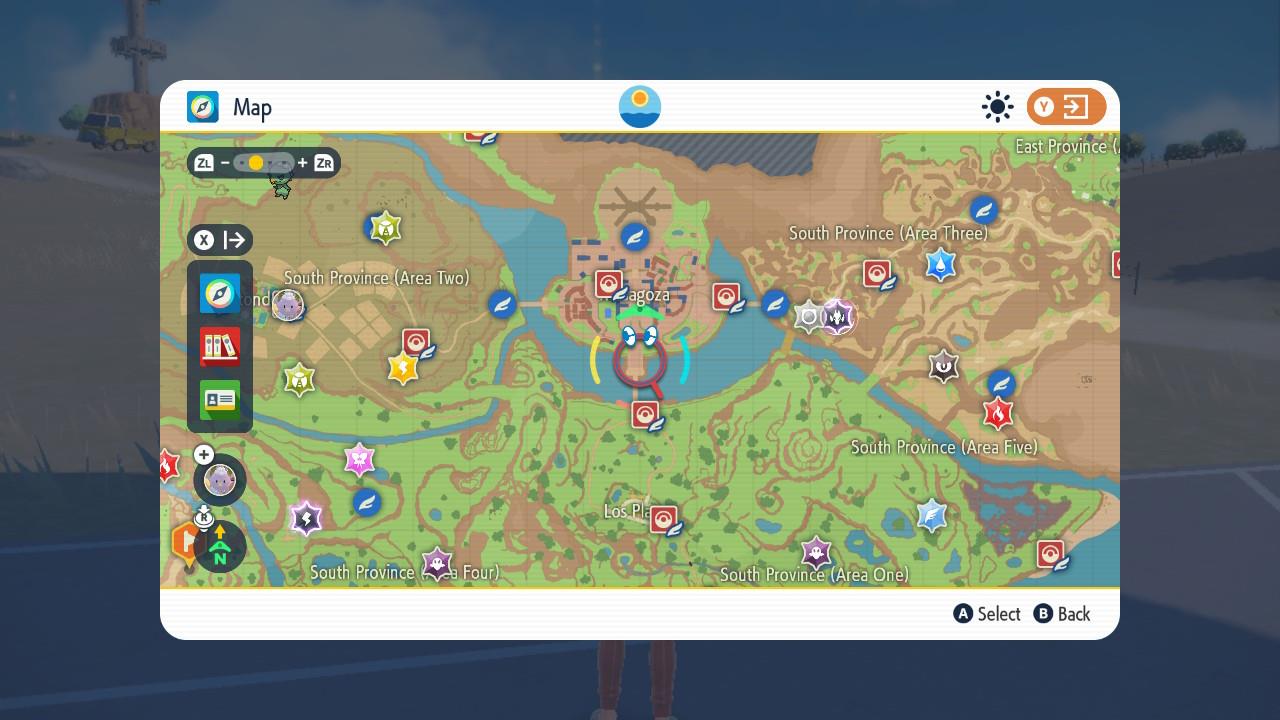
You’ll probably want to write down where you’re catching Pokémon, though. It’s a little harder to track nebulous provinces and areas than linear routes that connect the dots of cities on a map.
Step 2: RNG
RNG, or Random Number Generation, affects almost every encounter in a Nuzlocke run of Pokémon Scarlet and Violet. From which wild Pokémon appear to whether a move lands a critical hit, luck plays a huge part in your progress. Since you can only catch the first Pokémon you meet in each area, the randomness of encounters adds tension and excitement to each route. Understanding how RNG works can help you plan your strategy-using mechanics like sandwiches or weather effects to influence spawns while keeping within Nuzlocke rules.
This is where it gets trickier. Scarlet and Violet do have an element of randomness to them in that different Pokémon may spawn in the same location each time you visit it, but to keep the Pokémon you catch random, you’ll have to do some RNG yourself. The easy way: When you first enter a new area, close your eyes and wander around until you run into a Pokémon, and congrats! That’s the Pokémon you get.
If you do that, however, you might inadvertently wander into a new area, which complicates the whole thing. So if you’re dedicated to randomness but want to explore a bit more carefully, you can try a method proposed by one player on Reddit: Catch six Pokémon, then roll a six-sided die to determine which one is eligible for your party. (You could also do this with higher numbers and dice with more sides, if you want.) Maybe this is a little easier than a traditional Nuzlocke in that you have a chance to get something other than Lechonk, but hey, it’s still sort of random!
Now, if you’re truly dedicated to randomness, you can check the full list of Pokémon spawns in any given area on a site like Serebii, assign each of those Pokémon a number from one to the total number of possible species in that area, and open up a random number generator; the number you get is the Pokémon you have to catch. If it’s a rare spawn, good luck to you.
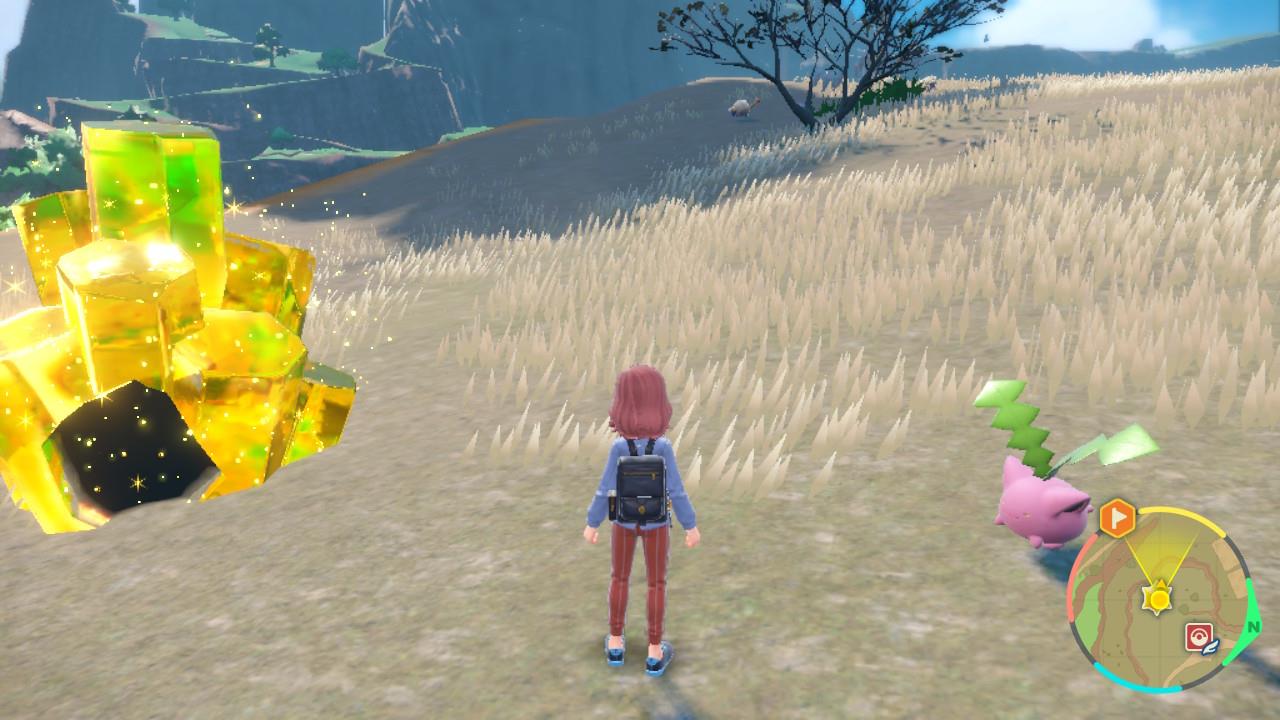
If you want more randomness with less work – but potentially stronger Pokémon that make the Nuzlocke run easier – you can also just head straight to the first Tera Raid crystal you see and catch that Pokémon. Since there’s more than one crystal per area, you could use that dice-roll method to determine which one to approach.
Step 3: When Pokémon faint
When a Pokémon faints in a Nuzlocke run of Scarlet and Violet, it is considered gone for good and must be released or permanently boxed. This rule adds emotional weight to each battle and forces careful team management. Many players keep a separate “graveyard” box to track fallen Pokémon and honor their efforts during the challenge.
Depending on where you go and when you go there, Scarlet and Violet can be a lot harder than previous Pokémon games. It’s all too easy to wander from a breezy meadow full of low-level Hoppips to a meadow that looks very similar but is home to much higher-level Pokémon. If you’re not careful, your Pokémon will faint. And as the Nuzlocke rules dictate, a fainted Pokémon is dead to you for the rest of the run.
Luckily, grinding is a lot easier (and safer) thanks to auto battles, which allow you to send your lead Pokémon out to fight a wild one without your input. Pokémon won’t faint if they get hurt in these battles; they’ll just simply stop battling if their HP gets too low. Level up so you can face stronger Pokémon, but with none of the stress of a regular battle! (However, this doesn’t apply to the auto battles you have to do in Team Star bases. Your Pokémon can absolutely faint during those missions, so be careful.)
If you want to make the Nuzlocke more challenging, you could ban yourself from auto battling and grind the old-fashioned way: through regular battles in which your Pokémon do have a chance of fainting.
Step 4: Improvising your own rules
Improvising your own rules is part of what makes a Nuzlocke in Pokémon Scarlet and Violet so personal. Some players allow healing items only outside of battle, while others limit Pokémon Center visits or restrict Tera-type usage. You can adjust difficulty by tweaking encounter rules or setting thematic goals, like using only specific types or colors. The idea is to tailor the challenge so it feels balanced and rewarding without losing the fun that makes the run memorable.
Of course, the great thing about the Nuzlocke challenge is that anyone can introduce their own house rules – maybe you aren’t allowed to catch more than one of the same Pokémon, or maybe you can’t use healing items in battle. There are tons of variations on the basic Nuzlocke idea, and that applies to Scarlet and Violet, too.
In the end, these are just ideas. As more people play the games, the community is sure to develop even more ways to keep the spirit of the Nuzlocke alive in Paldea.
[Disclosure: Kallie Plagge worked for Nintendo as a localization writer and editor from April 2021 to March 2022 for the games Animal Crossing: Pocket Camp, Dragalia Lost, Fire Emblem Heroes, and Mario Kart Tour. This affiliation will be disclosed in any content that relates to Nintendo-published games, and she will not cover any games she directly worked on.]
Best starter for Scarlet Violet Nuzlocke
Fuecoco is the consensus best starter for a Pokémon Scarlet and Violet Nuzlocke due to its early-game type advantages and long-term sweeping power.
Why Fuecoco Excels
Fuecoco evolves into Skeledirge (Fire/Ghost), which crushes the first two gyms (Bug and Grass) and handles several later ones like Normal, Psychic, and Ice gyms.
Its signature move Torch Song boosts Special Attack each use, turning it into an unstoppable late-game sweeper, while Flame Charge fixes its Speed issue.
Experts like PokemonChallenges call it “the most broken starter in Nuzlocke history,” able to solo five gyms, an Elite Four member, and the Champion-often recommending a ban for fairness.
Starter Comparison
| Starter | Final Form | Strengths | Weaknesses | Rank |
|---|---|---|---|---|
| Fuecoco | Skeledirge | Early STAB vs Bug/Grass; bulk, Torch Song sweeper | Mediocre Speed (fixable) | #1 |
| Sprigatito | Meowscarada | Flower Trick (crits always); Grass/Dark typing | Weak to first gym; less bulk | #2 |
| Quaxly | Quaquaval | Water/Fighting power; Aqua Step speed | Weak to Grass/Electric gyms; common types | #3 |
Fire starters shine in Nuzlockes broadly since Fire-types are rarer early on. Pick Fuecoco unless you want a tougher challenge.
Early game encounters best with Fuecoco starter
Fuecoco provides solid Fire-type coverage early in Pokémon Scarlet and Violet Nuzlockes, so prioritize Water, Rock, Grass, Bug, Ice, and Steel types from South Province Areas 1-3 to balance your team against gyms, Titans, and Team Star.
Top Early Encounters
Focus on these accessible catches (levels 5-15) for complementary typing and bulk.
-
Chewtle (South Province Area 2, near rivers): Evolves to Drednaw (Water/Rock); crushes Rock Titan Klawf and provides Water STAB vs. Fire/Ground threats.
-
Hoppip (South Province Areas 1-2, open fields): Evolves to Jumpluff (Grass/Flying); handles Water/Ground foes and offers status utility, vital without Grass starter.
-
Pawmi (South Province Area 1, grassy patches): Evolves to Pawmot (Electric/Fighting); counters Water/Flying early encounters and packs priority moves.
-
Shinx (South Province Area 1 outskirts): Evolves to Luxray (Electric); strong Special wall-breaker for Water-heavy areas, available immediately.
-
Flamigo (South Province Area 2 beaches/water): Flying/Fighting with reckless physical power; solos chunks of early game, including speedrun viability.
Team-Building Tips
Start in South Province (Area 1) for most; use auto-battle scouting to avoid overleveled visibles. Aim for 5-6 members by first gym (level cap ~15). Avoid Fire duplicates like Growlithe-grab these instead for type synergy with Skeledirge.
