
Playing The Callisto Protocol on easy mode transforms the experience from grueling survival horror into a fast-paced, cinematic brawl where every encounter feels thrilling instead of punishing.
A word of advice: Play on easy mode, which the game calls Minimum Security. It’s by no means a walk in the park, but at the very least, you won’t find yourself frustrated by ridiculous difficulty spikes and maddening checkpoints that throw you into a battle unprepared.
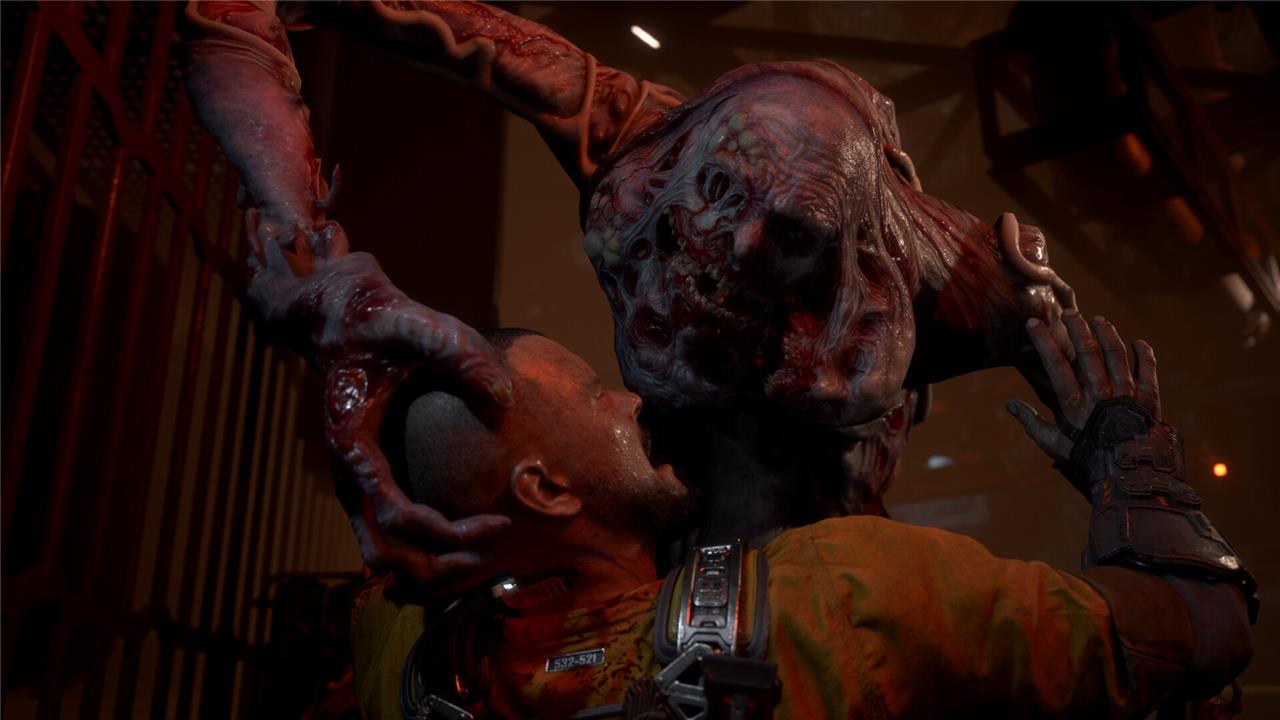
Listen, you should play The Callisto Protocol on Minimum Security difficulty
Minimum Security mode transforms The Callisto Protocol from a tense slog into a smoother, more cinematic thrill ride. You still get the brutal melee combat, eerie atmosphere, and crisp visuals, but without constant frustration or resource starvation. The easier setting lets you focus on movement, timing, and Jacob’s story rather than punishing checkpoint loops. It’s the best way to enjoy the game’s heavier moments without losing momentum or patience.
Look, I enjoy playing hard games every now and then. I actually had the opportunity (or misfortune, depending on how you look at it) to cover notoriously challenging games like Sekiro: Shadows Die Twice and Elden Ring for work. This meant that, whenever I got stuck, the only way to proceed was to take a quick break, then keep on trying until I had vanquished the boss in front of me.
But those games offer a fun challenge, and it’s rewarding to learn to master them. The Callisto Protocol, on the other hand, does neither of these things. Even on Minimum Security difficulty – fancy wording for “easy” – enemies can be bullet sponges until you’ve got yourself quite a few upgrades. And even then, you still need to worry about the lack of ammo and health items.
Here is a quick breakdown of what to expect from each difficulty setting in The Callisto Protocol:
- Minimum Security: You can withstand a few hits here and there, and might avoid getting killed instantly by tougher foes if you have full health. Unless you’re in a really bad spot in terms of ammo and health, you won’t have to retry encounters that often.
- Medium Security: The annoyances of the first difficulty are increased, as you take more damage per hit. Group encounters require patience and planning.
- Maximum Security: Jacob is made of thin paper. Get ready to be taken down by just a few hits.
Unfortunately, the game suffers from the problem of giving even the most basic enemy too much health and damage. You won’t feel overwhelmed in the way you would in a well-balanced survival horror games. Rather, you’re more likely to frustrated over how long it can take to defeat two or three basic enemies at the same time.
As such, I recommend playing on Minimum Security difficulty. And if you’re unconvinced, set the game on medium or high difficulty, and play for a while. Restarting the same encounter over and over will get tiring fast – considering how little combat evolves throughout the story, despite meeting some new enemies along the way, it’s best if you don’t burn yourself out in the first few hours.
How to master dodging and combat on Minimum Security
Mastering dodging and combat in The Callisto Protocol on Minimum Security lets you enjoy the horror without constant frustration. Focus on timing and resource management to handle enemies smoothly.
Dodging Basics
Dodge by holding L1 (PlayStation) or LB (Xbox) and tilting the left stick left or right as attacks come in-it’s a side-step mechanic, not a roll. Time it just before the enemy’s strike lands for a “perfect dodge” that slows time briefly, opening counter opportunities; practice on single foes first. Against groups, alternate directions (left-right-left) to evade combos without locking onto one target.
Combat Flow
Start fights with your stun baton for charged heavy attacks (R2/RT after light hits) to stagger enemies, then follow with pistol shots to the weak points. Use GRP (Gravity Restraint Push, R1/RB) to isolate foes-slam one into a wall or another enemy for instant kills or breathing room. On Minimum Security, your higher health lets you tank minor hits, so prioritize dodging swarms over perfection.
Key Tips
-
Upgrade dodge speed and health early via the skill tree for more forgiveness.
-
In multi-enemy fights, back into environmental hazards like spikes or acid to thin herds quickly.
-
Conserve ammo for ranged finishers; melee chains (light-heavy combos) clear most encounters alone.
Best GRP strategies for multiple enemies on Minimum Security
GRP (Gravity Restraint Push) excels against multiple enemies in The Callisto Protocol on Minimum Security by creating space and enabling quick kills. Your increased durability lets you focus on crowd control without instant death risks.
Core GRP Tactics
Grab one enemy with GRP (R1/RB), then hurl it into another foe to stagger or ragdoll both, buying time for melee follow-ups. Slam isolated targets into environmental hazards like spikes, fans, or explosives for instant eliminations-prioritize these over direct combat. On Minimum Security, enemies recover slower, so chain GRP throws to thin groups before engaging the rest.
Multi-Enemy Flow
Position with your back to a wall to avoid encirclement, then GRP the closest threat away while dodging others. Yeet small enemies first (they’re easier grabs) to prevent nibbling attacks, focusing your attention on heavies. Combine with uncharged heavy baton attacks that hit nearby foes after a dodge, resetting the fight rhythm.
Upgrade Priorities
Boost GRP energy capacity early in the skill tree to spam it during swarms without running dry. Pair with leg-shot pistol bursts to cripple runners, making GRP grabs trivial even in chaos.
