
From Andor’s slow-burn rebellion to the chaos of Better Call Saul’s final gambit, 2022 delivered television that demanded attention-episodes so sharp, strange, and surprising they reminded audiences why weekly storytelling still matters.
This list is filled with incredible episodes of a lot of the great shows that came to define our year in TV. Some of them were the final acts to cap off a strong season; others are middle chapters that capture the heights of the show.
TV isn’t alone in making something feel like a noteworthy part of a whole; there’s also movie scenes that stand out from the rest of the film they’re in. And certainly one could make a case for most of these shows as among the best of the year (and, indeed, there’s a lot of crossover with our Best TV shows of 2022 list). But still, there’s something distinctive about an episode that just really kills it in every way it can. That’s good entertainment – that’s TV, baby.
Andor season 1, episode 10, “One Way Out”
“Andor” reaches a gripping peak in episode ten, “One Way Out,” as Cassian and the other inmates stage a daring escape from the Narkina 5 prison. The episode builds relentless tension through its precise pacing and raw emotion, capturing both the desperation and unity of men forced into rebellion. Andy Serkis delivers a standout performance as Kino Loy, whose final speech ignites a moment of collective courage that echoes the spirit of the Rebellion. Every scene balances despair and defiance, making it one of the most powerful hours in recent Star Wars storytelling.
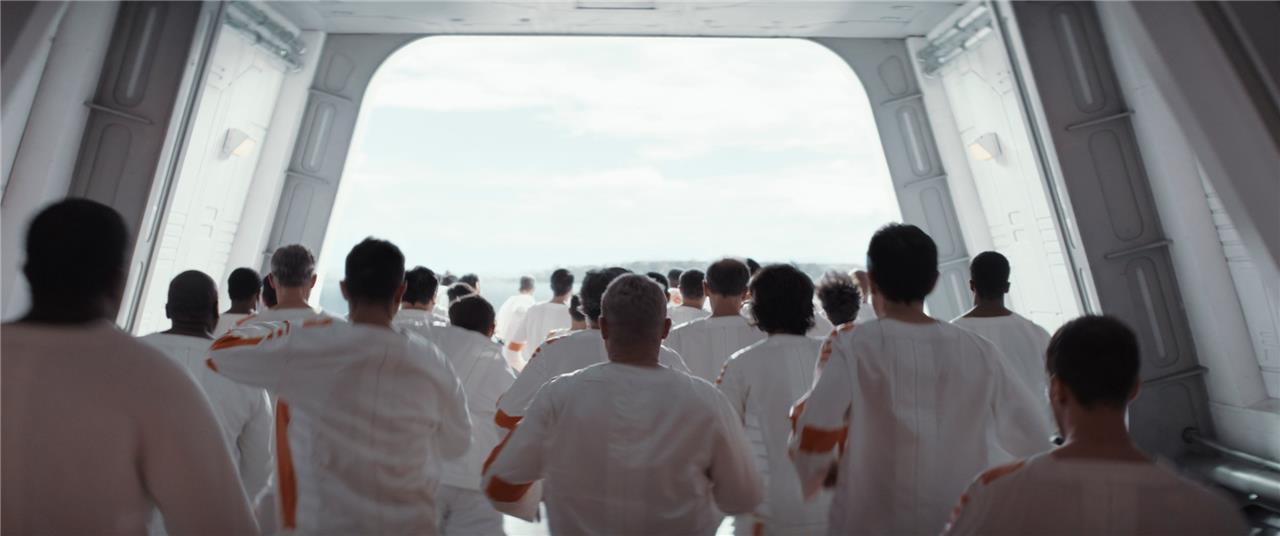
Andor came into its own during its Narkina 5 trilogy, a set of episodes that saw its hero imprisoned in a secret labor camp on false pretense. With remarkable economy, Andor lays out the inhumanity undergirding Star Wars’ Galactic Empire in stark relief – and then shows how much work it takes to build up the people it has oppressed into not taking it anymore. “One Way Out” is a rousing and thrilling hour of television that underlines Andor‘s focus on making a rebellion personal, and reminding the subjugated that there are more of us than there are of them. –Joshua Rivera
Andor is available to watch on Disney Plus.
Players season 1 episode 10, “Yuumi”
In “Yuumi,” the Players crew unleashes chaos at a massive LAN tournament, chasing a huge prize while dodging hackers and betraying each other in hilarious fashion. Friendships fracture under pressure as egos clash and wild schemes backfire, capping season 1 with non-stop laughs and perfect timing. This episode nails the thrill of competitive gaming’s underbelly.
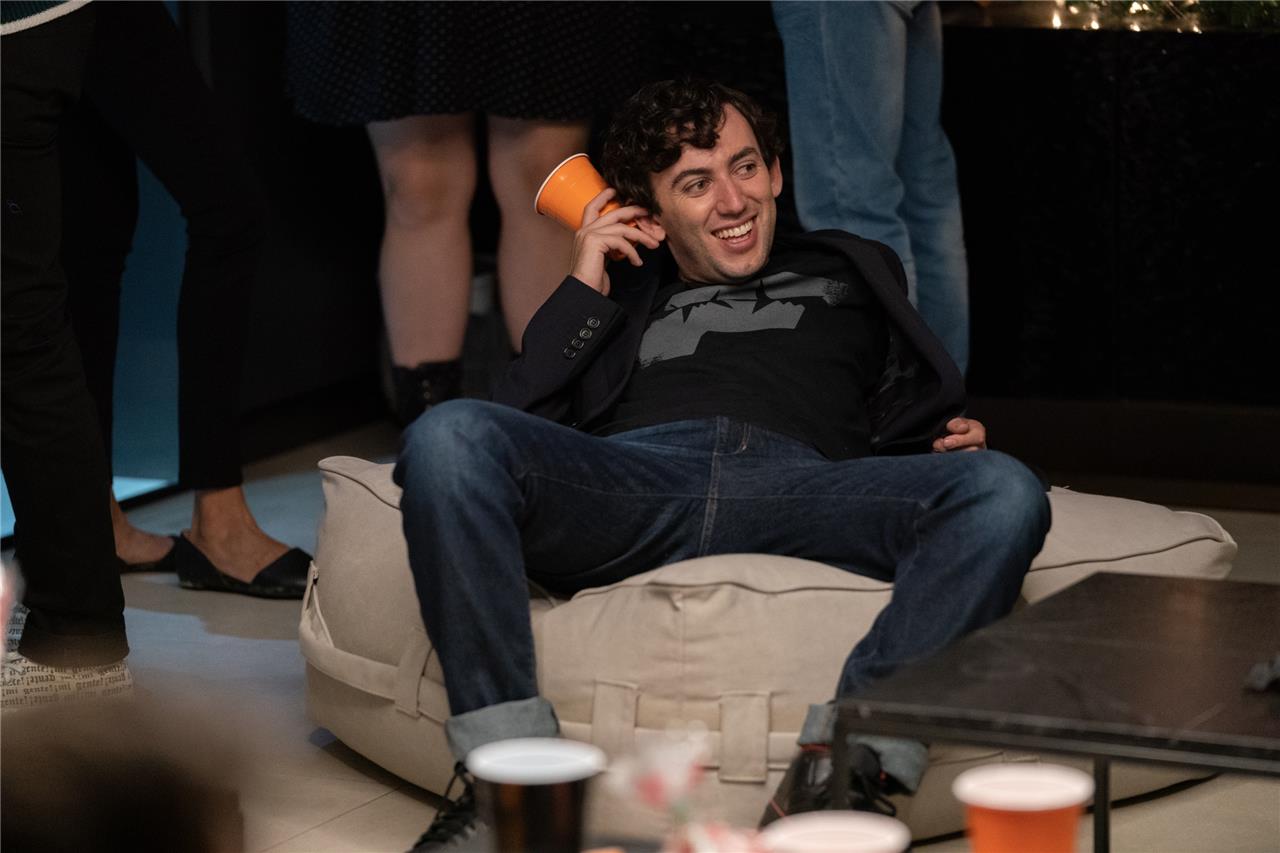
The esports mockumentary Players, from the brilliant minds behind American Vandal, was one of 2022’s biggest surprises and our #8 favorite TV show of the year. Naturally, there are many different episodes we could have picked here – the episodes centered on Braxton and Guru also stand out – but the excellent finale “Yuumi” is the natural choice because of how well it represents what Players does so well.
For our non-League of Legends readers, Yuumi is a playable character in the game – a magical cat who attaches herself to a teammate. “Yuumi” the episode opens with a dramatic reading of her silly lore, in the classic ludicrous sense of humor we’ve come to expect from showrunners Tony Yacenda and Dan Perrault. But as is often the case with their work, the silly bit ends up turning into something quite meaningful.
And that’s why “Yuumi” is a great encapsulation of how Players is able to pull off the impossible: making you give a shit about a fictional League of Legends team. Players uses Yuumi’s unique status in the game as a champion wholly reliant on another player to nail one of the major thematic throughlines and arcs of the season – protagonists Creamcheese and Organizm overcoming their respective egos and differences to work together as a team. It’s a fitting end to an excellent season of silly, meaningful television. –Pete Volk
Players is available to watch on YouTube.
The Rehearsal season 1 episode 6, “Pretend Daddy”
Nathan Fielder pushes his strange social experiment to its emotional limit in this finale, where the blurred lines between rehearsal and real life become painfully clear. Playing the role of a father to a child actor, he grapples with sincerity, responsibility, and the ethics of simulation. What began as an intricate exercise in preparation turns intimate and uneasy, revealing more about Nathan’s loneliness than any participant’s learning. It’s funny, awkward, and quietly devastating-an ending that feels both absurd and achingly human.
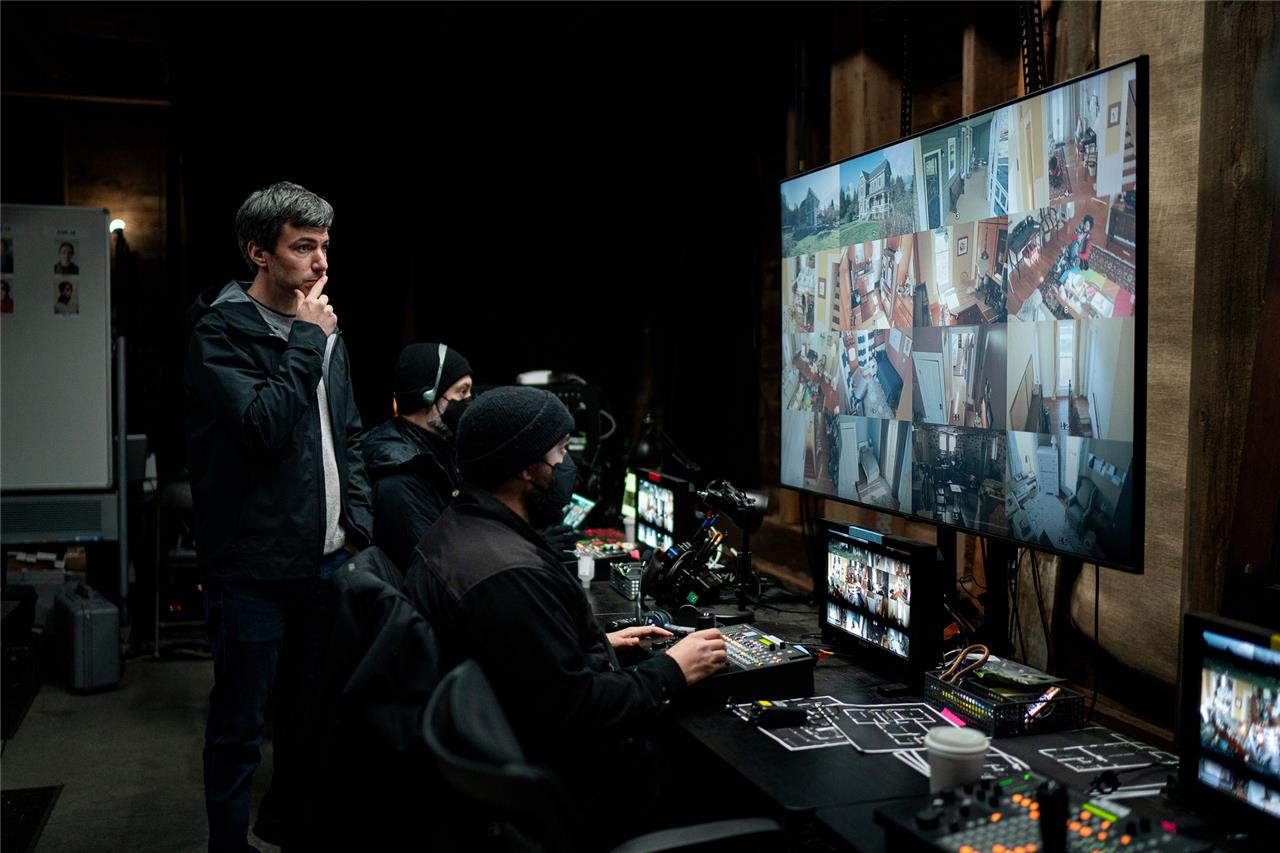
The Rehearsal was twisty and deceptive from the start. The early episodes of Nathan Fielder’s docuseries (if we’re calling it that) had him helping people live out their maybe dreams, feeling out the best circumstances to raise a child or have a difficult conversation. Before too long the show morphed into something else, less easily definable and far more audacious. “Pretend Daddy,” the season finale, is the culmination of all that work, driving to the deepest part of the heart of Fielder’s premise and persona.
As a comedian with expert cringe timing, who could always find the right thing to say (“Door city over here, huh?”), let The Rehearsal become something of a shell game with its themes. In “Pretend Daddy,” one could make the case for The Rehearsal playing into everything from anxiety and presentation of self to the ethics of child acting to Fielder’s own contemplation of his comedy. It’s the best kind of TV – divisive, complicated, sometimes weird and always just intensely interesting. It turns out the door city was full of trapdoors all along; “Pretend Daddy” was just the best kind of fall. –Zosha Millman
The Rehearsal is available to watch on HBO Max.
Severance season 1 episode 9, “The We We Are”
“The We We Are” brings Severance to a gripping climax, as the innies’ plan to expose Lumon collides with the confines of their divided selves. The episode’s momentum builds through raw emotion and terrifying precision, revealing fragments of truth that make the world outside the office feel just as unsettling as the one within. It’s a masterclass in tension and structure, leaving viewers breathless at the edge of revelation and control.
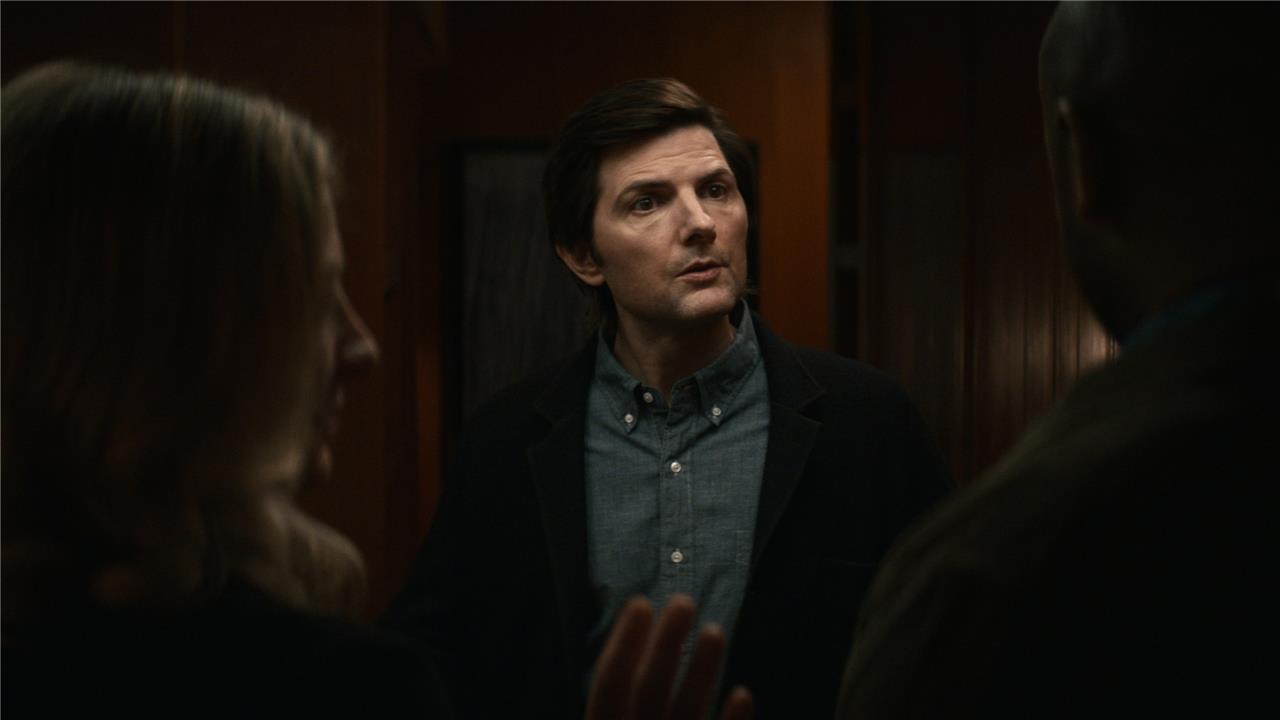
Stop me if you’ve heard this but: TV is, by nature, built off the longform narrative structure. And with that responsibility comes the great power of creating a finale just truly aggravating with how much it leans into the cliffhanger of it all to set up the next chapter. After eight episodes of mounting intrigue, suspense, and mid-century modern, Severance delivered with “The We We Are,” an annoyingly effective – if incredibly smart – chapter that leaves every single one of our principle players in a lurch. Its abrupt ending sets the stage for a thrilling season 2, without letting down the characters’ stories up to that point.
In fact, quite the opposite: In their brief hour in the real world, Severance‘s “innies” found out truths they have no idea what to do with (perhaps the truest flavor of living a full life). And whether it’s the cries of “Burt!,” “We’re prisoners,” or “She’s alive!,” the brief hour-long experiences on the outside have fundamentally altered where the show goes from here. It’s a bold finale that leans into all the stunts that TV can pull, and it does it well. Goddammit for that. –ZM
Severance is available to watch on Apple TV Plus.
Station Eleven season 1 episode 7, “Goodbye My Damaged Home”
Episode 7 traces a haunting return to the ruins of civilization as Kirsten revisits memories of her childhood amid the collapse. The episode’s fragmented storytelling blends past and present, showing how grief and art intertwine in a world struggling to rebuild meaning. Through its quiet tension and lyrical pacing, “Goodbye My Damaged Home” captures both the beauty and pain of remembering what was lost.
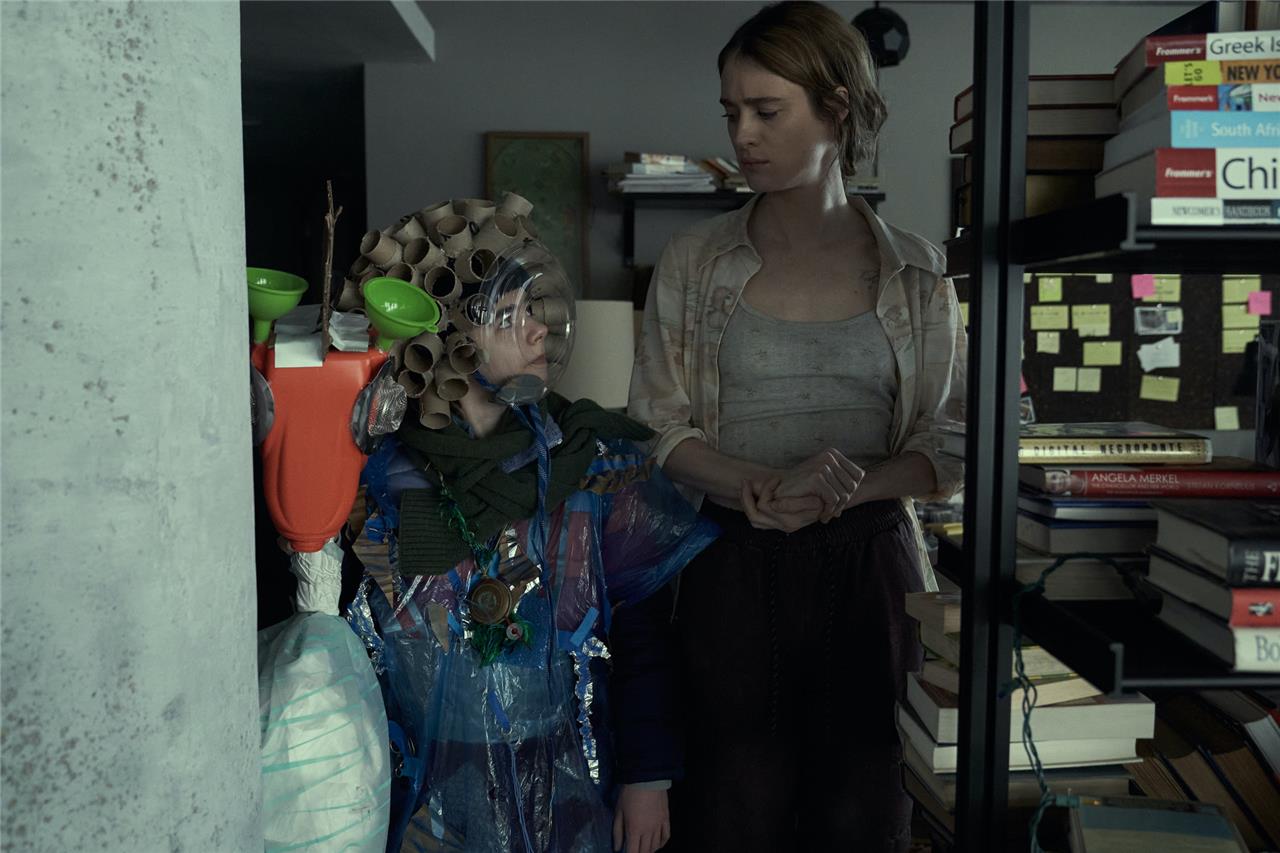
There’s not a lot of corners of Station Eleven that aren’t mildly bleak, and episode 7, “Goodbye my Damaged Home,” is no exception. As Kirsten (Mackenzie Davis) reflects back on her first days post-pandemic, it’s impossible to ignore the emotional devastation that she (played in her younger form by Matilda Lawler), Jeevan (Himesh Patel), and Frank (Nabhaan Rizwan) try to stave off as they the desolation of their situation.
And yet, “Goodbye” is subtly grand, turning in and out like an origami fortune teller, unfurling its wings to find new perspectives on a story we sort of know. Though it can’t change the innate sadness of the story, it’s rendered all the more lovely by Kirsten’s more mature understanding of her time in that Chicago apartment. As a ghost she sees all the foibles and the hard moments for everyone trying their best. And in that way, “Goodbye my Damaged Home” is a quiet ode to those hardships, the tough moments where you thought no one was watching. Maybe no one was; but you, at least, know it happened. You were there.
Kirsten has to be the adult for her younger self, observing those dour moments and appreciating them for how difficult they are. Through that, both she and Station Eleven can move forward. In a post-pandemic time, we’re not short on Day Zero/Early Quarantine stories. But Station Eleven makes the case for looking back on those (or any story) with a quiet kindness. Through that lens, nothing is too bleak to process. –ZM
Station Eleven is available to watch on HBO Max.
Better Call Saul season 6 episode 13, “Saul Gone”
Jimmy McGill’s story reaches its quiet yet gripping close as Better Call Saul ends with “Saul Gone.” After years of deceit, charm, and moral compromise, the finale strips away the show’s slick veneer to reveal a man confronting the weight of his choices. Bob Odenkirk delivers a masterful performance, matching the episode’s stark writing and direction, which turn confession and accountability into thrilling drama. It’s a fitting conclusion that honors both Breaking Bad and Better Call Saul while standing as a powerful portrait of guilt, identity, and redemption.
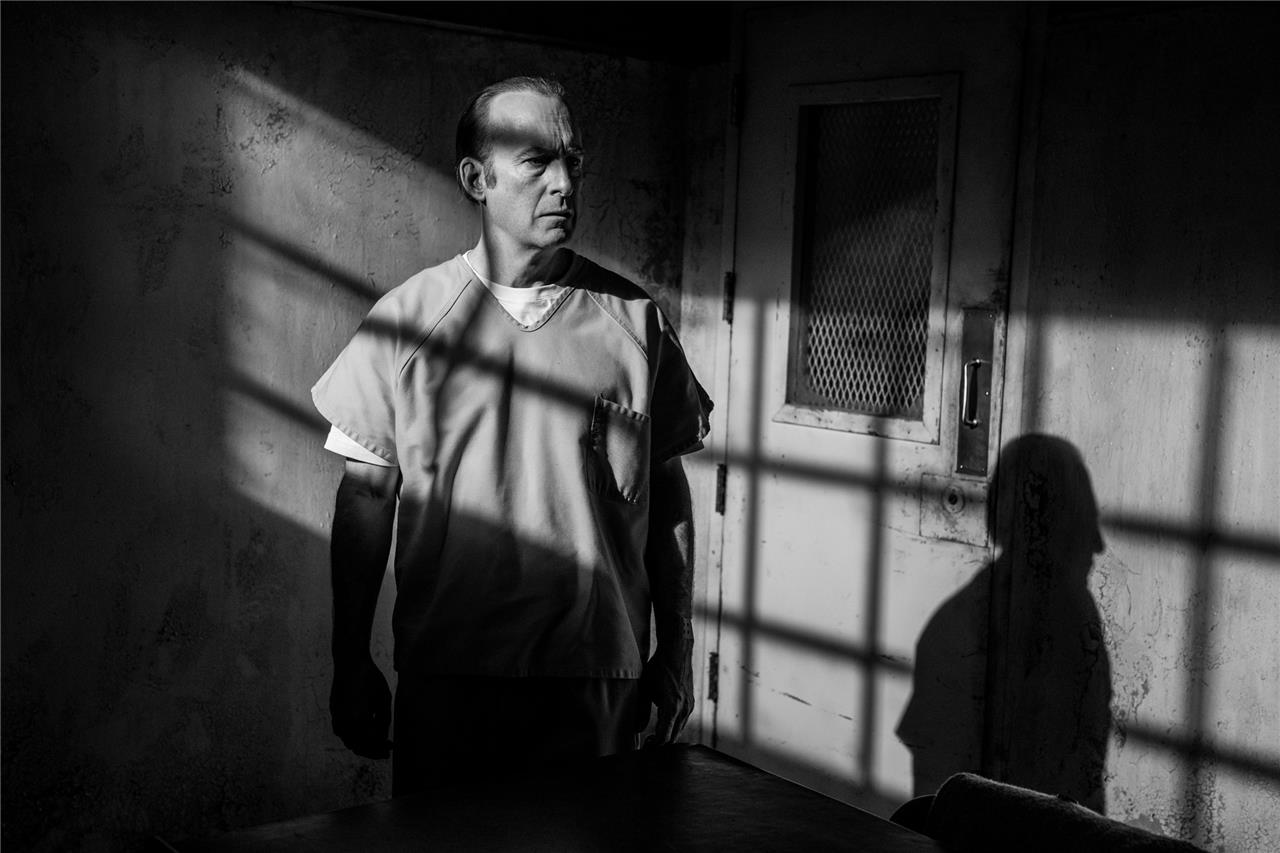
Between the scorched earth nature of Breaking Bad and the ever twisty meticulousness of Better Call Saul‘s final season, the finale seemed bloated with possibilities. This was a universe teeming with bleak falls from grace, and ol’ Jimmy McGill (Bob Odenkirk) seemed poised to fall even further. But the final episode, “Saul Gone,” was a climax of something far sweeter: the love story between Jimmy and Kim (Rhea Seehorn). Between them, the stakes were different, deeper. And the image at the end of the finale, of Jimmy and Kim sharing a cigarette – a glowing source of the only color left in their worlds, a shared spark we never see go out – lingers in the mind long after the episode is done, like smoke in the air. This is the only story we ever needed, and “Saul Gone” understands that journey all too well. –ZM
The final season of Better Call Saul is available for digital rental or purchase via Amazon, Apple TV, Google Play, and Vudu.
House of the Dragon season 1 episode 9, “The Green Council”
As King Viserys’s death throws the court into turmoil, Alicent and Otto Hightower move quickly to secure Aegon’s claim to the throne. “The Green Council” trades dragons for tension, unfolding as a political thriller filled with betrayal, quiet fury, and calculated moves. Each chamber and corridor of the Red Keep becomes a trap as loyalties are tested and old friendships crumble, setting the stage for the devastating conflict to come.
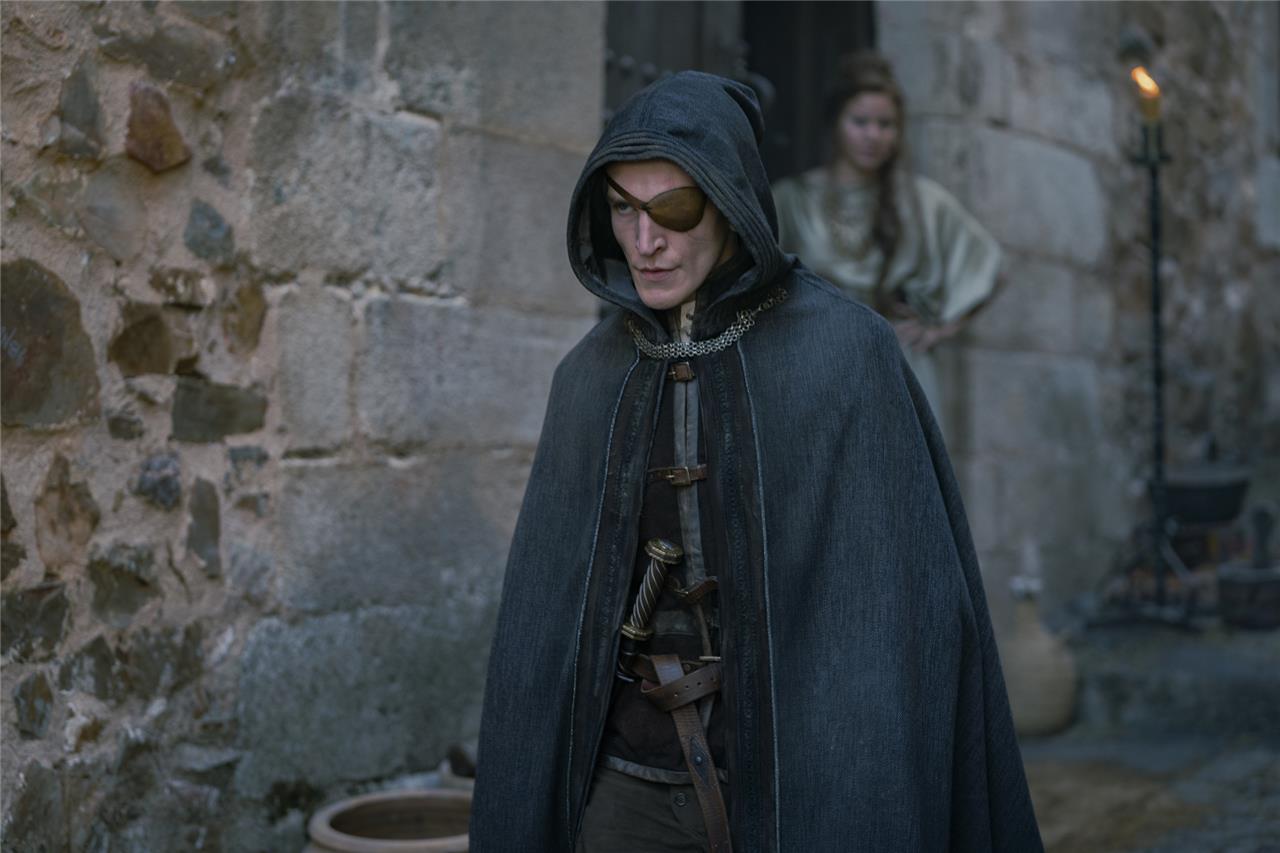
House of the Dragon episode 9 is a quiet masterpiece of the kind of palace intrigue that makes the show, and its predecessor Game of Thrones, great. It follows Queen Alicent and her Greens faction in the moments after they learn King Viserys has died. Suddenly, in a flurry of activity and revealed intentions, everyone springs into action to crown Alicent’s son Aegon King of the Seven Kingdoms, usurping the King’s chosen heir, his daughter Rhaenyra – whose perspective on these events we get in episode 10.
In a rare feat for a Game of Thrones series, or any series really, episode 9 is also one that’s full of character growth and change. Alicent, recognizing she’s been a pawn the entire time, suddenly takes control by asserting her authority over her son, the new king. Aegon goes from a degenerate monster, to a degenerate monster who realizes he likes it when people cheer for him. Aemond enters his gloriously tragic villain era. It’s an impressive feat to take a main character through chaos and have them emerge from it as a new person all over the course of one episode, and this one manages it three times.
Most importantly, every moment of episode 9 is a careful payoff of the plots and schemes that characters have spent the last eight episodes planning both onscreen and off. Like in all the best parts of the series, there aren’t any battles that decide the fate of the realm, there are accidental killings where the poor and powerful alike become collateral victims to those above them on the royal food chain. –Austen Goslin
House of the Dragon is available to watch on HBO Max.
Reservation Dogs season 2, episode 6, “Decolonativization”
Reservation Dogs season 2, episode 6, “Decolonativization” threads together sharp humor and aching humanity as its teen protagonists navigate cultural memory, personal loss, and the stubborn stubbornness of growing up on a borderland between tradition and modern life, turning each moment into a small rebellion against erasure.
It’s just about impossible to pick one standout episode of Reservation Dogs’ excellent second season, because they’re all so good at achieving different things. Episode 3, “Roofing,” is a touching cross-generational story about accepting mistakes and what you can and can’t change. Episode 4, “Mabel” deals with loss and grief in ways few shows can. The two episode conclusion, “Offerings” and “I Still Believe,” bring home many of the themes the show has been working with from the beginning. And episode 8 “This is Where the Plot Thickens” is a riotous adventure that leans heavily on the excellent pairing of Zahn McClarnon and Kirk Fox.
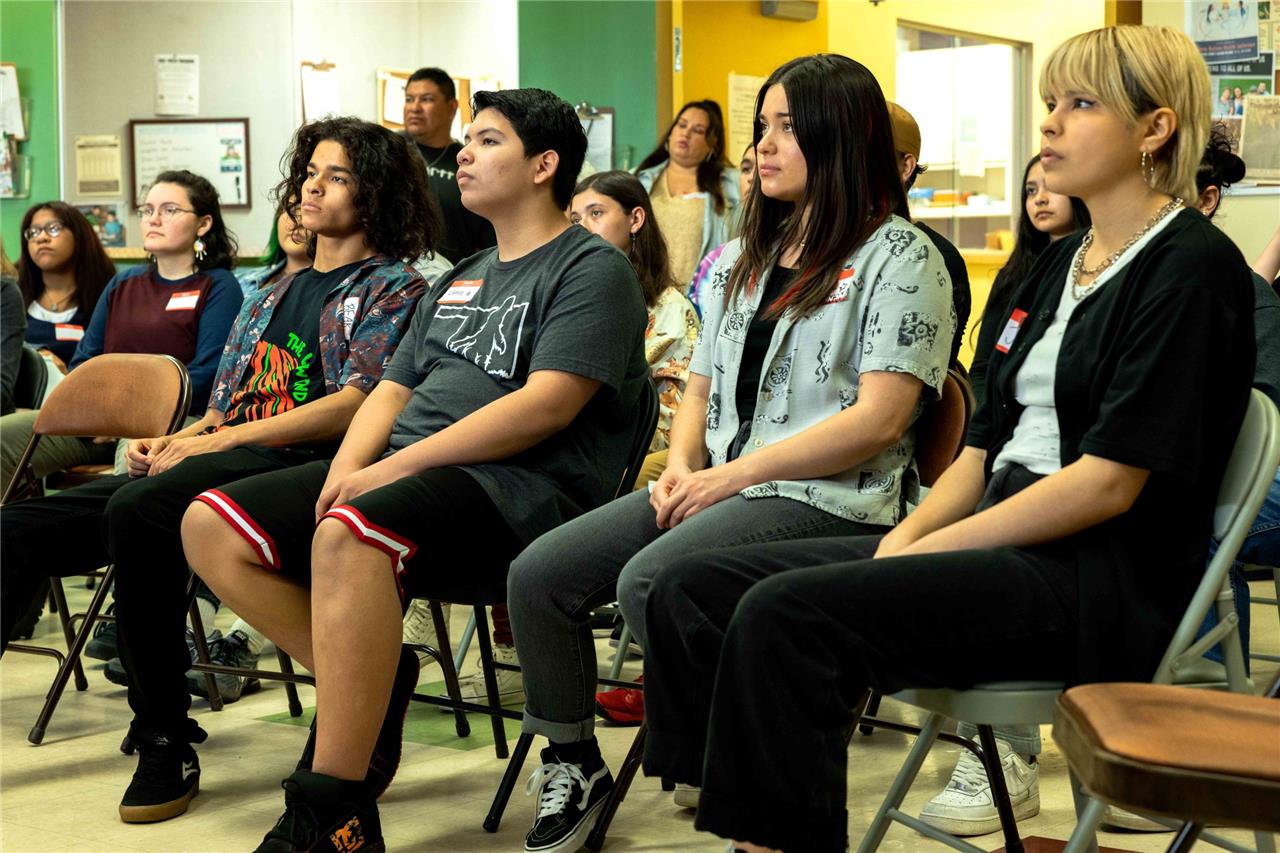
But I decided to pick the episode that I think would be easiest for new viewers to jump in and test the Rez Dogs waters. In episode 6, our lovable group of ruffians are enticed to attend a youth summit with the promise of Sonic gift cards. Once there, they are lectured by a pair of influencers on how to “decolonize” everything in their lives. The influencers are played brilliantly by Elisha Pratt and Amber Midthunder (Prey). Midthunder in particular shines as a Dartmouth PhD student from the Bay Area who genuinely cares for these kids but can’t help but come off as patronizing.
It would be easy for Reservation Dogs to simply dismiss this exercise as a complete waste of time. But experiences are what you make of them, and our group is able to create their own meaning out of an awkward social experience. And I’d be remiss not to shout out all four lead actors for their incredible performances on the show, and in particular Lane Factor, who excels as the goodhearted Cheese. –PV
Reservation Dogs is available to watch on Hulu.
Atlanta season 4, episode 8, “The Goof Who Sat by the Door”
Atlanta’s “The Goof Who Sat by the Door” traps Paper Boi in a surreal nightmare after a botched haircut. He confronts absurd white authority figures in a nightmarish bureaucracy, questioning his place amid rising fame and racial tensions. Donald Glover and Brian Tyree Henry deliver razor-sharp satire through escalating chaos, blending horror with biting commentary on Black celebrity. The episode stands out for its bold risks and haunting visuals.
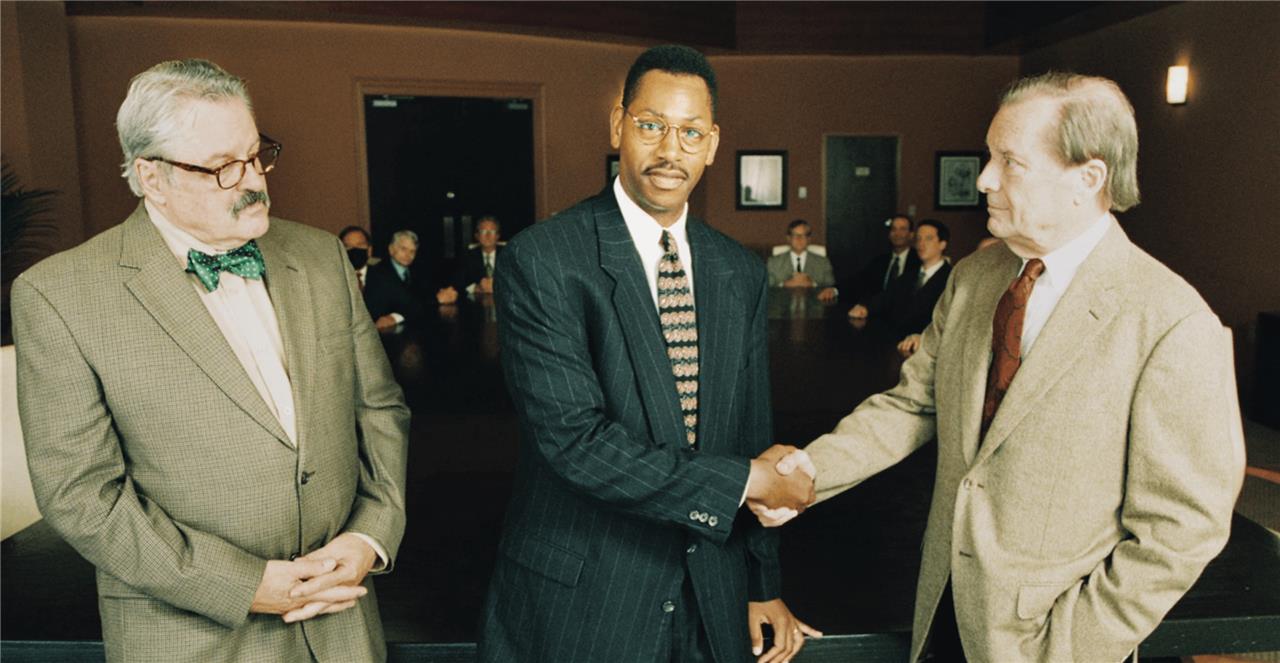
Donald Glover’s Atlanta has always had a reputation for experimenting with occasionally strange (err, stranger), inexplicable detours separate from the misadventures of Earnest “Earn” Marks and his rapper cousin Alfred “Paper Boi” Miles. The first season of Atlanta had “B.A.N.,” an episode which saw the series reshape itself into a twisted in-universe facsimile of a B.E.T.-like talk shows, complete with fake commercials and controversial interview segments. The second season had “Teddy Perkins,” a horror-lite episode that centered on Paper Boi’s eccentric best friend Darius purchasing a piano from a deranged Michael Jackson-lookalike played by Glover himself, while the third season exhausted these experiments to their breaking point, interjecting its mainline episodes centering on Earn and co’s adventures in Europe with anthology episodes satirizing the peculiar (and often horrifying) intersections of race, class, power, performance, and culture.
“The Goof Who Sat By the Door,” the eighth episode in the series’ fourth and final season, eschews any mention of or appearance by Earn, his girlfriend Vanessa, Paper Boi, or Darius, instead restructuring itself as a documentary airing on the aforementioned B.A.N. channel. Lifting its title from Sam Greenlee’s novel The Spook Who Sat by the Door and paying homage to Robert Downey Sr.’s Putney Swope, the episode follows the story of Thomas Washington, a black man accidentally appointed as the CEO of the Walt Disney Company amid the 1992 Los Angeles riots who goes on to direct The Goofy Movie, a.k.a “the blackest movie of all-time.” Plot-twist: Thomas Washington does not exist. Equal turns hilarious, shocking, and viscerally unsettling, Atlanta circles back to hone in on its core elements and deliver one final coup de grâce that could very well go down as one of the show’s finest. -Toussaint Egan
Atlanta is available to watch on Hulu.
What We Do in the Shadows season 4, episode 8, “Go Flip Yourself”
“Go Flip Yourself” turns the mockumentary chaos of What We Do in the Shadows into a brilliant parody of home makeover shows. When Laszlo and the others agree to appear on a renovation program, the episode spirals into absurdity as the supposed hosts reveal stranger intentions. Blending sharp satire with the show’s trademark deadpan humor, it’s a perfectly paced showcase of how the series can twist any genre premise into something both hilarious and strangely heartfelt.
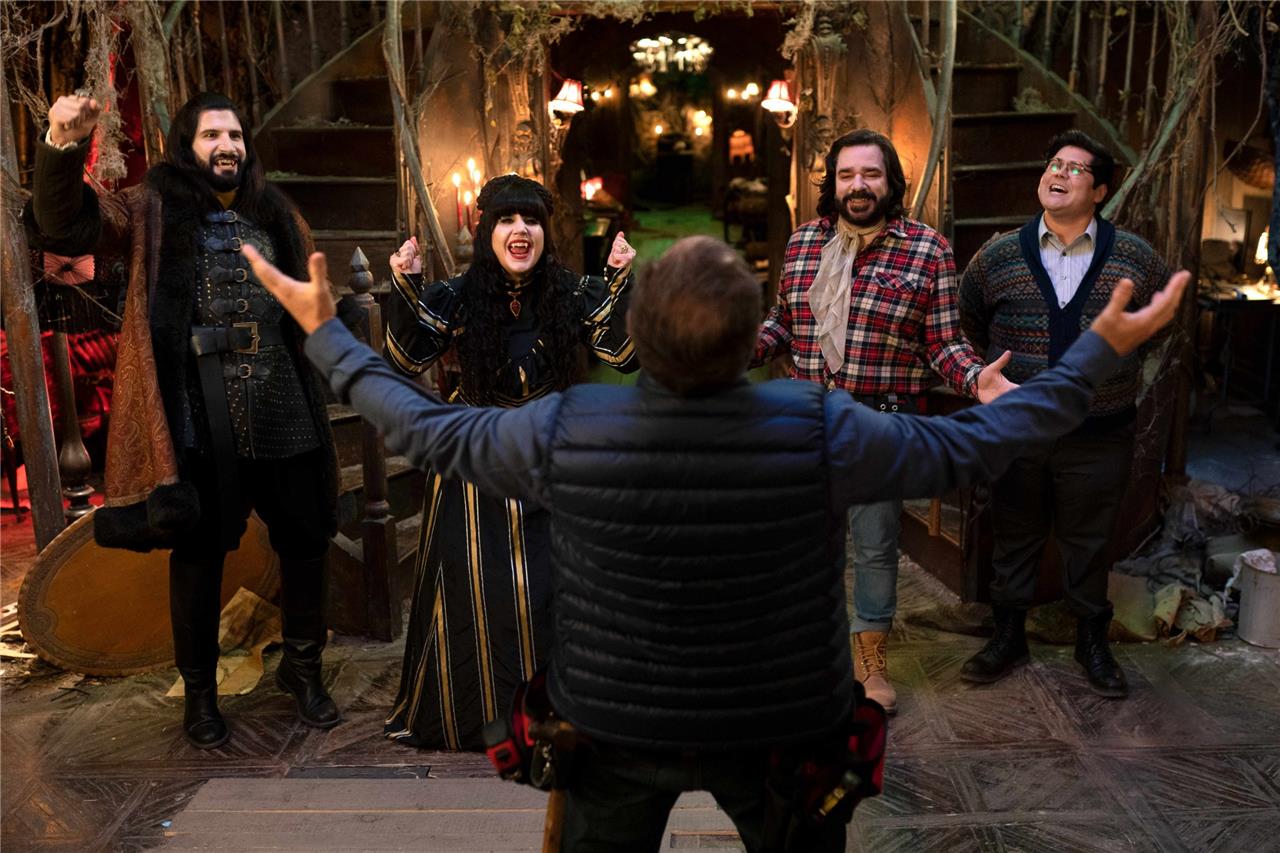
What We Do in the Shadows is constantly hilarious – and nothing exemplifies this more than “Go Flip Yourself.” This particular episode parodies home improvement shows and plays it all totally straight, from the jaunty theme song to the in-show banner advertisements. While the host cheerily talks about his plans for the renovation, the vampires bury his brother in the backyard, because they just ate him. It’s great! The best part of What We Do in the Shadows is seeing all the typical vampire tropes coupled with mundane everyday life. And making that everyday life an HGTV show for this episode is just completely amazing. –PR
What We Do in the Shadows is available to watch on Hulu.
Star Trek: Strange New Worlds season 1, episode 5, “Spock Amok”
“Spock Amok” blends classic Star Trek humor with heartfelt character work, as Spock struggles to balance his Vulcan and human sides during a body-swap mishap with T’Pring. The episode offers sharp writing, clever physical comedy, and tender moments that highlight Ethan Peck’s nuanced performance. It recalls the lighter tone of the original series while giving the crew of the Enterprise a chance to breathe between high-stakes missions.
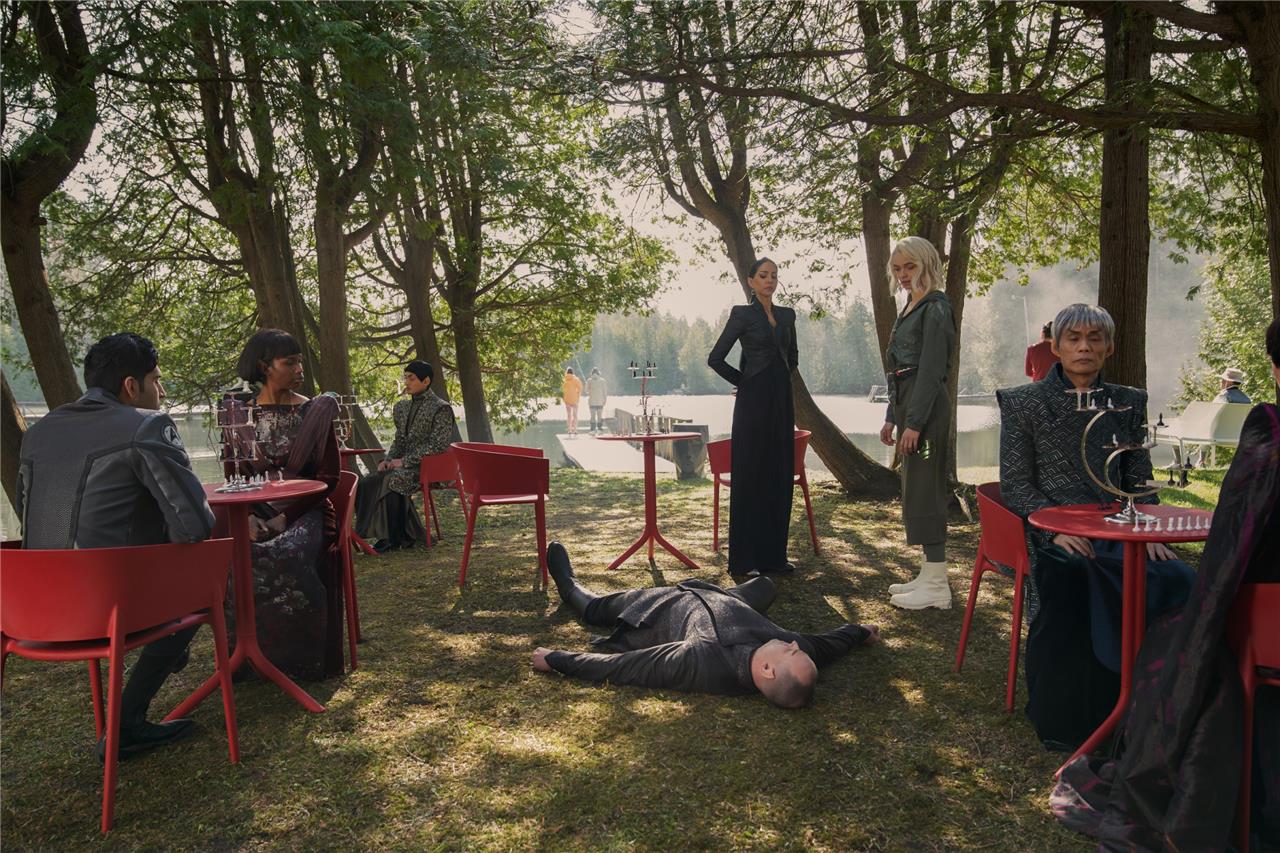
2023 was the year when Star Trek remembered how to do purely episodic drama again. Strange New Worlds was a miraculous success, and it did it by making a holistic embrace of Star Trek’s duality.
For all its high minded morals, we do the venerable franchise a disservice when we forget the Original Series found its true footing with “The Trouble With Tribbles,” or when we forget how utterly silly yet completely beloved Star Trek: IV – The Journey Home is. No episode of Strange New Worlds has embodied the joy in Star Trek silliness more than “Spock Amok,” a pun on the indelible Original Series episode “Amok Time,” in which bonds between heroes are near fatally broken, and classic Looney Tunes short “Duck Amuck,” in which Bugs Bunny harasses Daffy Duck by drawing him with weird legs and stuff.
“Spock Amok” is a greatest hits album in three plots: Characters at odds grow to understand each other through contrived, hilarious body swap hijinks. The hijinks directly inspire the solution to a weighty diplomatic problem. And two stuffy, rules-minded crewmen learn that trying to have fun is actually. fun. It’s a metaphor that is as obvious as it is true. –Susana Polo
Star Trek: Strange New Worlds is available to watch on Paramount Plus.
Celebrity Jeopardy season 1 episode 1
The premiere of Celebrity Jeopardy! brought a playful twist to the classic quiz show, featuring a mix of humor, quick thinking, and good-natured rivalry among well-known stars. With Mayim Bialik guiding the competition, the episode balanced clever trivia with lighthearted banter, making it both engaging and unpredictable. It set the tone for a fresh take on the beloved format while keeping the spirit of the original intact.
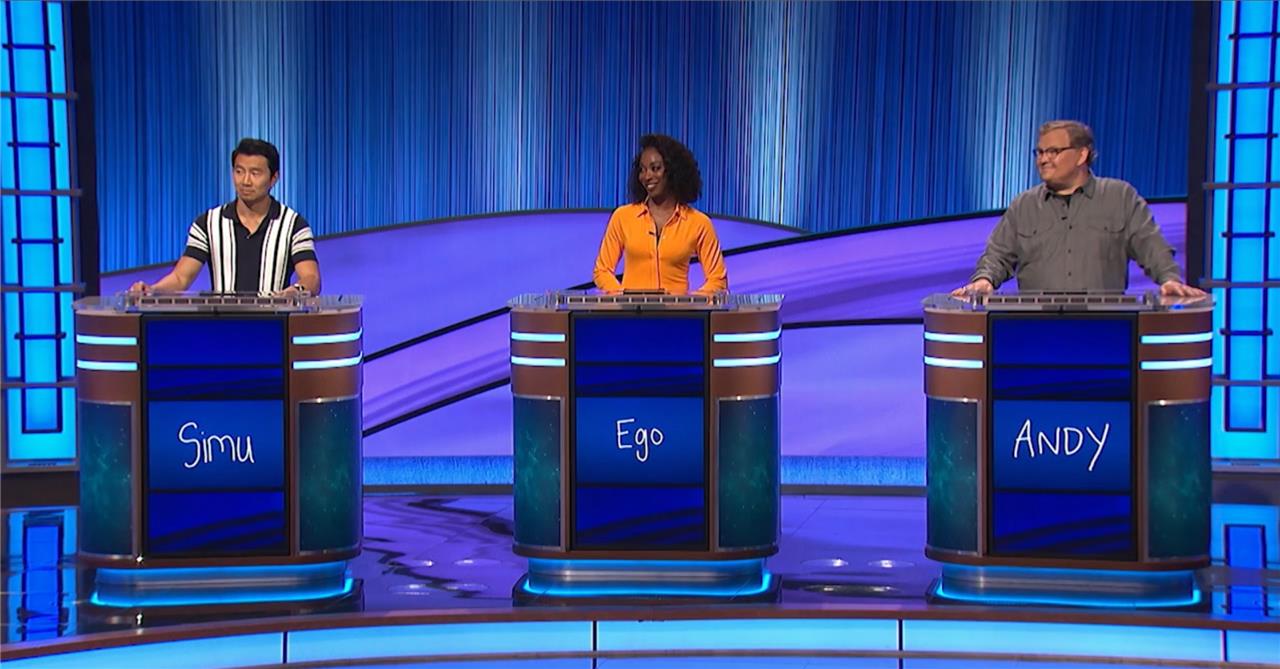
Watching Celebrity Jeopardy makes you feel really smart, because so many of these beautiful, charming people don’t know shit. It’s great! Sure, there are exceptions like Wil Wheaton and Ike Barinholtz who blasted their way through their games. Sometimes this is frustrating, like in the episode where Eddie Huang just kinda stood there and didn’t try. But sometimes, watching Ray Romano do his absolute darn best is really endearing. The other fun thing about Celebrity Jeopardy is because they aren’t actually playing for money (it’s for charity donations), they’re a little looser about betting it all (even if half the time they don’t know how the Daily Double works). WHICH MEANS, you can have the absolute greatest upset ever in the final moments of a game, as was the case in the first episode of the season, where Simu Liu just barely won after Andy Richter risked it all on Final Jeopardy. –PR
Celebrity Jeopardy is available to watch on Hulu.
Barry season 3 episode 6, “710N”
Barry’s wildest episode yet turns an ordinary car chase into a surreal piece of chaos. “710N” traps Barry in a relentless pursuit that feels both absurdly funny and terrifyingly tense, showcasing Bill Hader’s mastery of visual storytelling. With minimal dialogue and razor-sharp pacing, the episode becomes an exercise in adrenaline and dark humor, pushing the show’s blend of crime and comedy to its most audacious point.
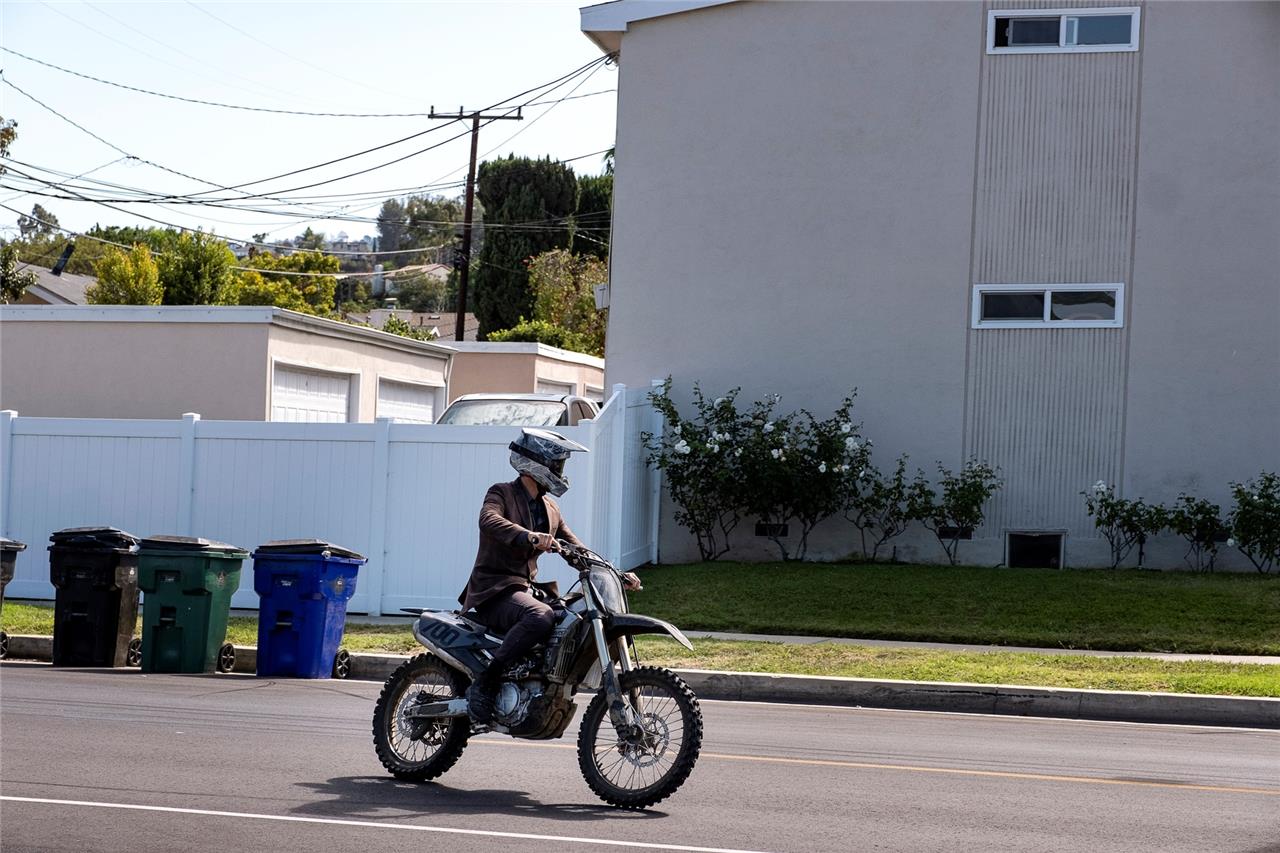
The third season of Barry was uneven and divisive, a messy story about characters making desperate and messy choices. As a whole, it doesn’t quite rise to the level of essential television the way the previous two seasons did, but its sixth episode, “710N,” is worth watching on its own, a spectacular half-hour that builds to a car chase that’s going to be an action benchmark for years to come. A masterpiece of restrained yet thrilling filmmaking, “710N” also functions as a sort of climax for the entire series up to this point, as Barry Berkman’s sins are all catching up to him and would like to see him dead. –Joshua Rivera
Barry is available to watch on HBO Max, or for digital purchase on Amazon, Apple TV, Google Play, and Vudu.
American Horror Story season 11, episodes 9-10, “Requiem 1981/1987”
“Requiem 1981/1987” closes American Horror Story: NYC with haunting symmetry, blending the early years of the AIDS crisis with flash-forwards to its devastating aftermath. The two-part finale ties personal horror to collective grief, using the show’s familiar mix of heightened style and stark realism. Its shifting timelines mirror the fading of hope and the endurance of memory, giving weight to lives too often forgotten amid the panic of the era.
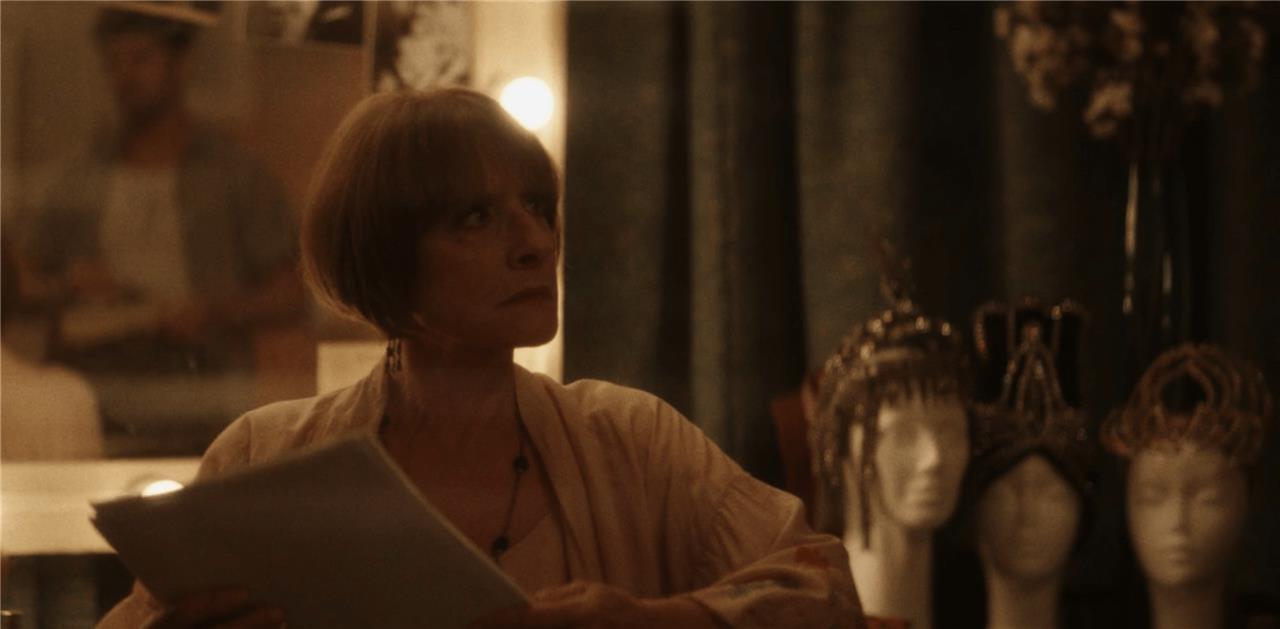
It’s hard out here being an American Horror Story fan. The show hasn’t been remotely good since season three and every time I’m pulled in by a potentially intriguing concept, I am let so catastrophically down. It’s almost funny at this point (I’m still very pissed off about the wasted potential of last season). This time around, somehow, against all odds, AHS stuck the damn landing.
With American Horror Story: NYC, Ryan Murphy crafted an elegiac allegory for the AIDS crisis, juxtaposing imagined horrors with the real. The serial killer was just a footnote in the end – the real terror came from how powerless the queer community was in the face of this virus, especially when no one who had any power would help them. Nothing hammers this as much as the final episode of the season, which includes an incredibly haunting sequence that kicks off when reporter Gino (Joe Mantello) gets up to give a speech at his partner’s funeral. For ten minutes, no one speaks. Set to “Radioactivity” by Kraftwerk, Gino slowly watches as everyone he knows succumbs to the AIDS virus in some way shape or form. Sometimes it’s literal – he waits in line for his meds and attends die-in protests. Sometimes it’s metaphorical – he watches people walk into a grave and sips a drink at a bar while a faceless leather-clad figure (who we’ve come to know throughout the season is some sort of harbinger of death) kills everyone around him. It’s absolutely chilling and devastating, and much like the episode title implies, a true requiem.
I have to hand it to Murphy. I had my doubts about this season, especially since I’ve been burned by. well basically every AHS season since Coven. Whether AHS: NYC was true horror is up for debate – after all, it was remarkably subdued compared to previous seasons, even with kinky BDSM scenes and leather-clad ghosts – but Murphy saw his central theme through to the end. Finally, he broke free of the typical AHS trappings, the tangled web of mythos that he created and enabled. One thing’s for certain – that last montage in American Horror Story: NYC will haunt me for years to come. -PR
American Horror Story is available to watch on Hulu.
The Sandman season 1, episode 6 “The Sound of her Wings”
“The Sound of Her Wings” transforms a quiet afternoon into a meditation on life and mortality. The episode pairs Dream with his sister Death as she goes about her duties, their conversations revealing warmth, humor, and profound empathy. What begins as a reflection on purpose and loneliness becomes one of the most humane hours of television that year, reminding viewers that even cosmic beings seek connection and meaning.
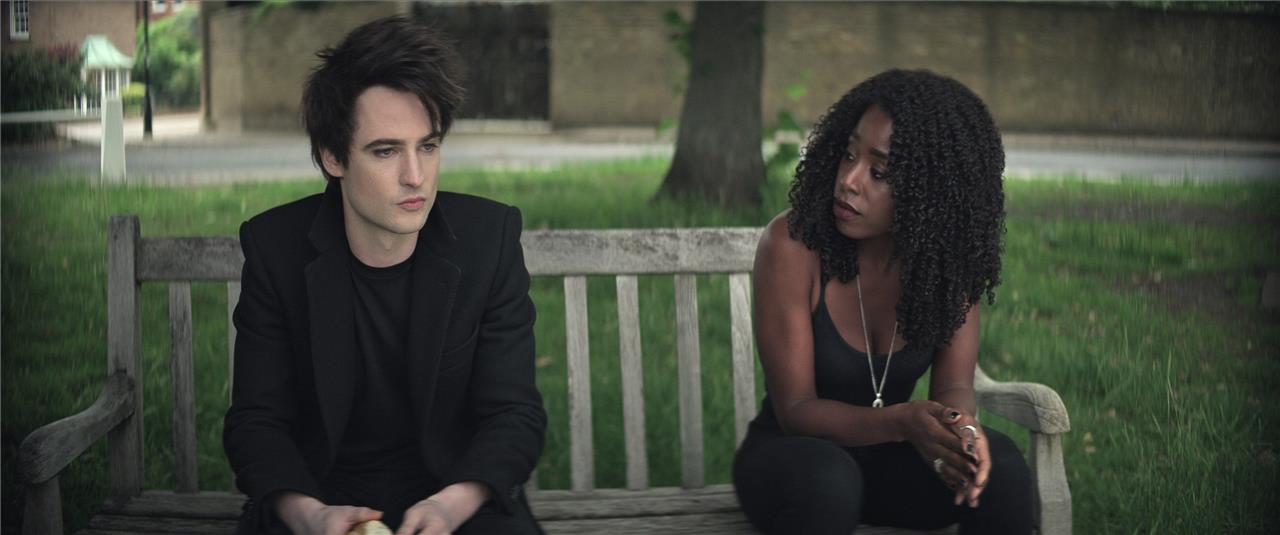
The episode that precedes this one is very difficult to watch. All of the content warnings that come with The Sandman basically happen in episode five, which highlights the absolute worst of humanity. But “The Sound of Her Wings” is an antidote. In this episode, a grumpy Dream (Tom Sturridge) follows his older sister Death (Kirby Howell-Baptiste) around for the day. An episode surrounding death doesn’t seem like it would be all that cheery, but this Death is kind and gracious, a gentle hand reaching out to guide mortals to their final resting place. Watching Death make her rounds in the first half of this episode is surprisingly heartwarming. And the second half of the episode pivots to Dream and his old friend Hob Galding, who meet up every one hundred years. Back in ye olde day, Death and Dream decided to grant Hob eternal life – certain that he would grow tired of it. But despite ups and downs, Hob is delighted by existence, finding joy in every new century. He and Dream meet every one hundred years for a check in, and while Dream at first resists the fact that they are friends, the episode eventually ends on a sweet note, where the two meet up after Dream missed their last meeting. –PR
The Sandman is available to watch on Netflix.
The Marshawn Lynch episode of Murderville
Marshawn Lynch’s appearance on Murderville turned an already absurd setup into pure comic gold. His natural, unfiltered reactions to the show’s improvised murder mystery gave the episode its chaotic charm, matching perfectly with Will Arnett’s straight-faced detective antics. Lynch’s willingness to play along-and occasionally take control-made the whole thing feel spontaneous and electric, standing out as one of the year’s funniest TV moments.
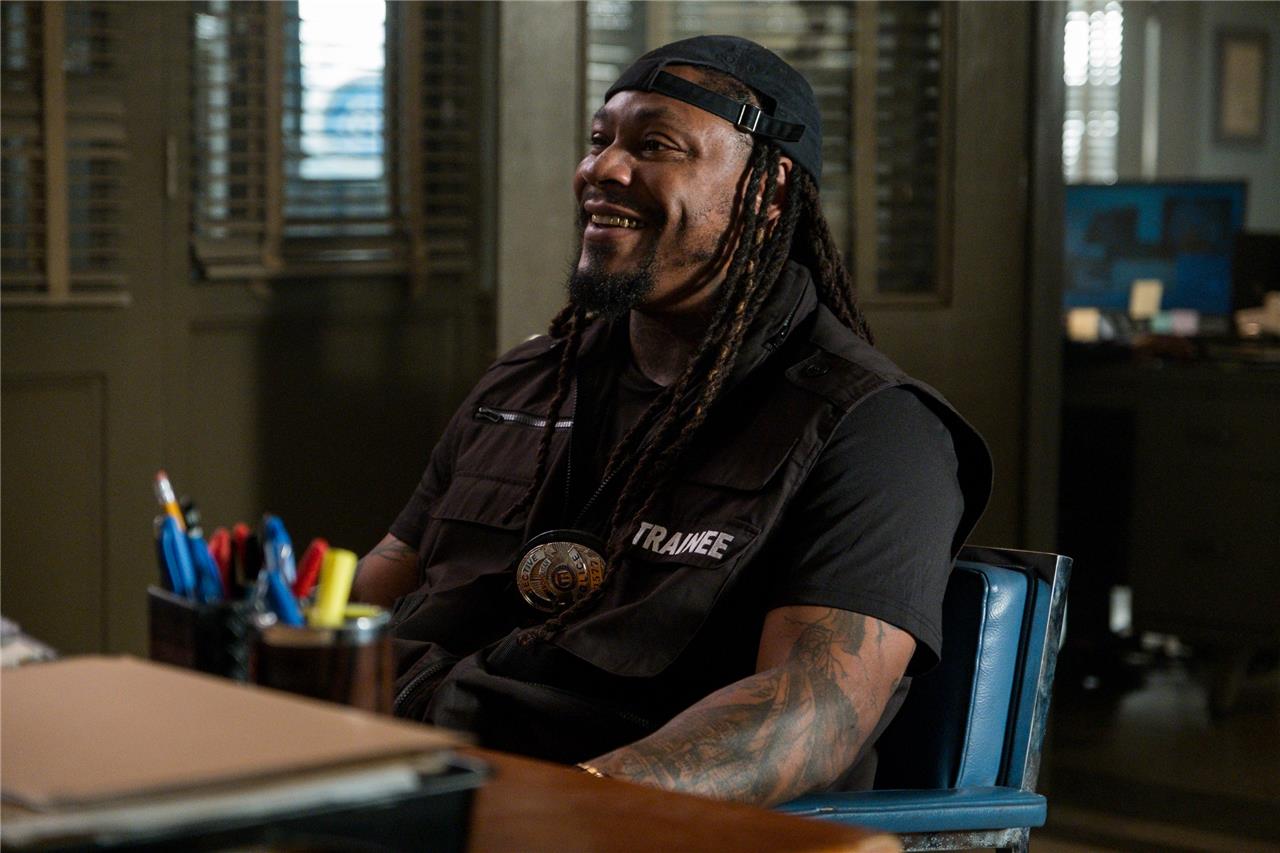
No one is more game than Marshawn Lynch when they come to Murderville. The former NFL running back may get high marks just because his seamless transition into comedy king is something of a surprise, but he earns this episode’s place on this list with every fired-off quip.
What’s great about Lynch’s performance is that he is totally down to clown around when it comes to the scenarios (who knew he’d make such a good mirror to Rob Huebel?), but also makes the whole thing feel like a buddy cop comedy. Whether he’s backing up Seattle’s doll DNA suggestions or defending the time-honored procedural cross-talk – “Then act like you can’t!” he yells at the witness who says he can hear everything they’re saying – Lynch puts the team on his back and runs with it. –ZM
<
Why was Andor One Way Out the best episode of 2022
“Andor” episode “One Way Out” (Season 1, Episode 10) topped many 2022 best-of lists for its masterful blend of tension, character depth, and cathartic action.
Gripping Prison Break
The episode centers on a high-stakes prison escape sparked by Cassian’s bold lie about an external exit, leading to chaos and sacrifice. Andy Serkis as Kino Loy delivers a pivotal speech rallying hundreds of inmates, shifting from doubt to defiant leadership.
Standout Performances
Serkis’ raw portrayal-from heartbreak to resolve-earned universal praise, with critics calling it mesmerizing and career-defining beyond motion capture. Stellan Skarsgård’s Luthen monologue on personal sacrifices for rebellion adds philosophical weight, mirroring the inmates’ desperation.
Thematic Power
It explores rebellion’s costs, from morality lost to lives traded, making the Empire feel oppressively real in a Star Wars context. Reviewers hailed it as cathartic television, with sharp writing by Beau Willimon and intense direction building to an emotional peak.
What happens in the prison break scene of One Way Out
In “Andor” Season 1 Episode 10 (“One Way Out”), the prison break scene unfolds as a tense, chaotic revolt on Narkina 5.
Escape Ignition
Cassian starts by cutting a water pipe during routine shifts, flooding the electrified floor. A staged fight distracts guards as a new prisoner arrives via lift; inmates then attack using scavenged machine parts, with the water short-circuiting the guards’ controls.
Floor-by-Floor Revolt
Prisoners from Cassian’s floor overwhelm guards and spread to others, freeing hundreds. Cassian and Kino Loy seize the control room, taking guards hostage; Kino broadcasts a stirring “One way out!” speech over the intercom, rallying all levels to charge together.
Climactic Bridge
The mob storms a long bridge over surrounding waters, battling remaining guards. Kino reveals he can’t swim and sacrifices himself to ensure the escape; Cassian leaps into the sea but gets knocked unconscious before helping.
